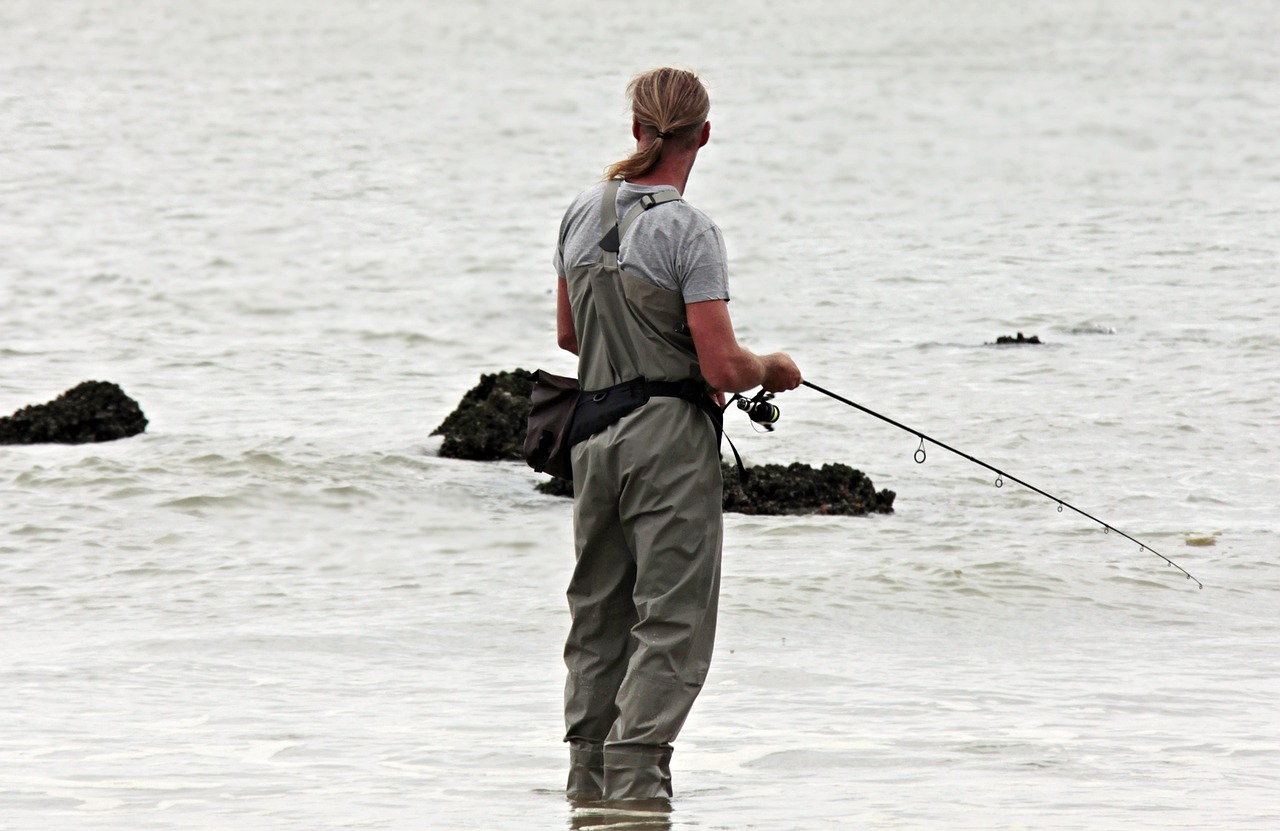
Beginner crappie advice usually centers on simple rigs, shallow banks, and a lot of hopeful casting. Serious anglers tend to fish very differently once they learn how crappie actually position, feed, and react to pressure. These nine techniques focus on precision, timing, and presentation details that often separate a slow day from a truly productive one.
Forward-facing sonar scouting
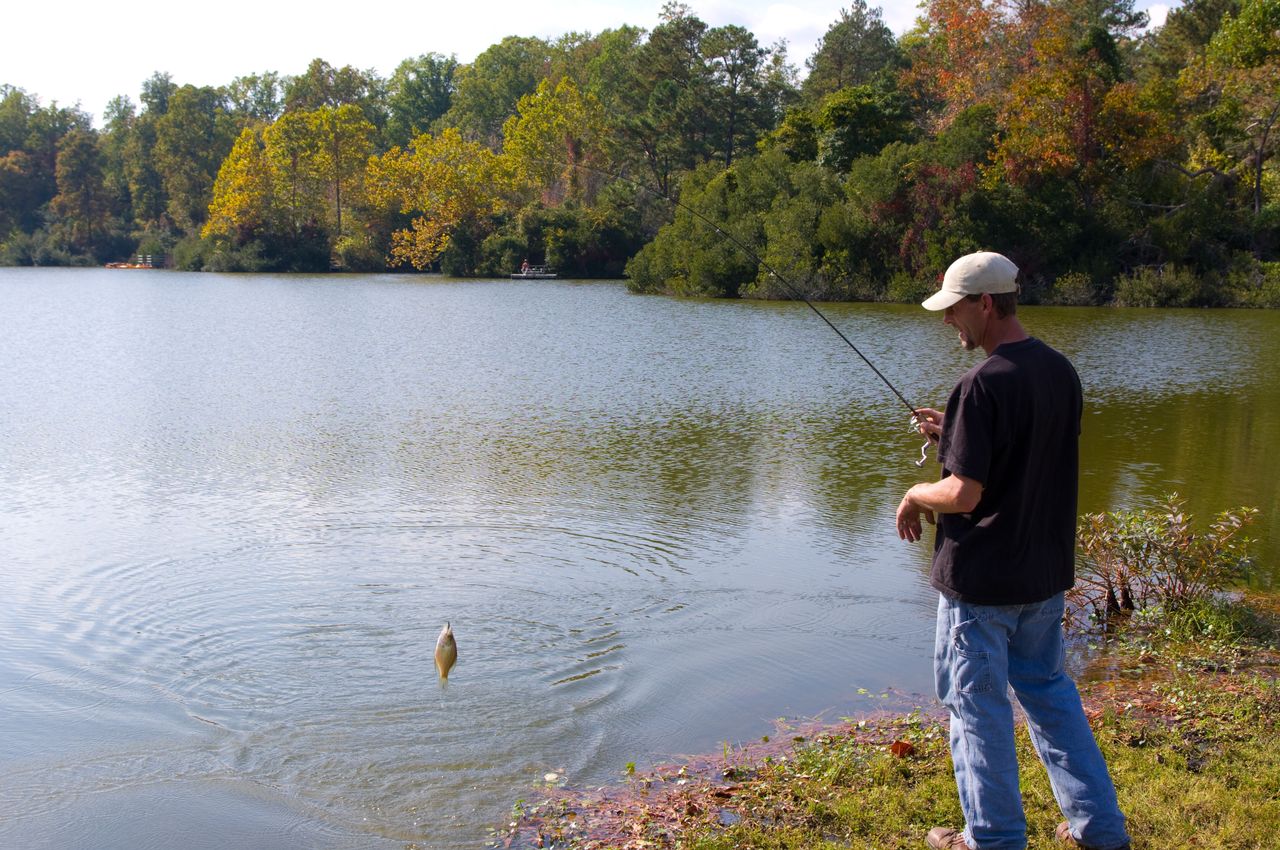
Many beginners fish visible cover and hope crappie are there. Experienced anglers increasingly start by finding individual fish or suspended schools before ever making a cast, using forward-facing sonar to watch how fish sit around brush, timber, and open water bait.
That changes everything about decision-making. Instead of blind casting, the angler can gauge depth, distance, fish mood, and whether a school is willing to rise to a bait. It is less about owning fancy electronics than using them to shorten unproductive water and make every presentation intentional.
Serious crappie anglers like this approach because it reveals where the active fish are right now, not where they were yesterday. On pressured lakes, that real-time edge often outperforms all-purpose beginner recommendations by a wide margin.
Single-pole jigging on exact targets
One of the biggest upgrades from beginner fishing is learning to present a jig to one specific limb, one pocket in a brush pile, or one fish on a screen. Single-pole jigging is slow, deliberate, and incredibly effective when crappie are tucked tight to cover.
The strength of the technique is precision. A long rod lets an angler pendulum or drop a bait quietly into tiny strike windows where bobber rigs and scattered casts often miss the mark. That matters when slabs are suspended inches above a branch or buried in stake beds.
Serious anglers also like the control it offers. They can hold a bait still, barely shake it, or lower it another foot without moving the boat much. For fish that have seen plenty of lures, that finesse can be the difference.
Vertical presentations over deep brush
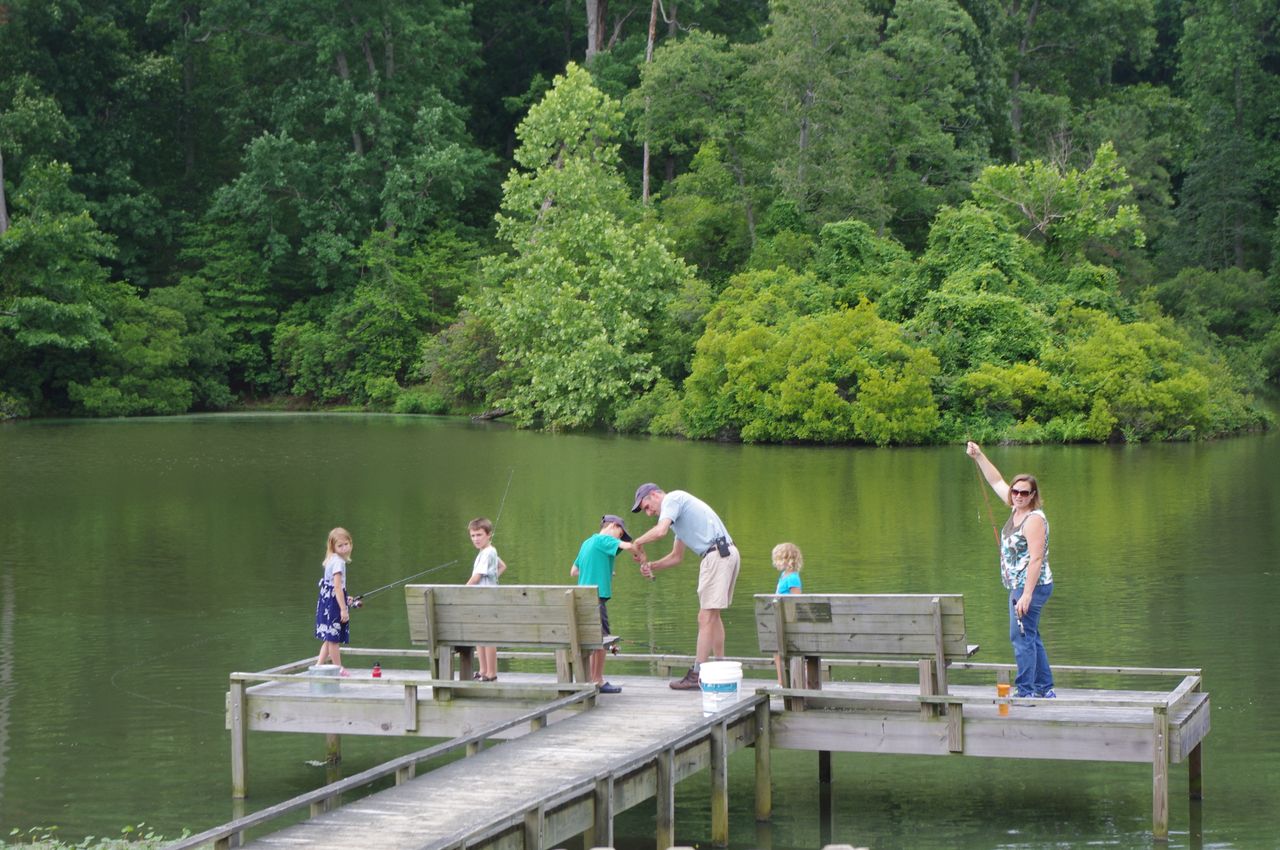
A lot of beginner advice focuses on casting, but veteran crappie anglers know vertical fishing is often the cleanest way to work deep brush. When fish stack on sunken cover in 12 to 25 feet, dropping straight down keeps the lure in the zone longer.
This is especially strong in summer, winter, and post-front conditions, when fish are less willing to chase. A light jig, minnow, or jig-and-minnow combo can be lowered to the exact depth and held there with almost no horizontal drift.
The appeal is efficiency. Instead of retrieving through empty water, the bait stays where crappie are suspended. That repeated, controlled exposure often pulls bites from fish that ignore faster beginner-style retrieves across the top of the structure.
Long-line trolling to locate roaming fish
When crappie spread out over flats, creek channels, or open basins, casting at shoreline cover can waste hours. Long-line trolling lets serious anglers cover water, test multiple depths, and quickly identify where suspended fish are traveling and feeding.
The method shines in cooler water and during seasonal transitions, especially when schools roam after bait. Pulling light jigs far behind the boat creates a natural look, and changing speed by just a little can dramatically alter lure depth and action.
What makes this technique outperform beginner advice is the information it gathers. It is not simply trolling for random bites. It is a search system that reveals productive lanes, active depths, and color preferences, then turns a huge lake into a much smaller puzzle.
Spider rigging with precise depth control
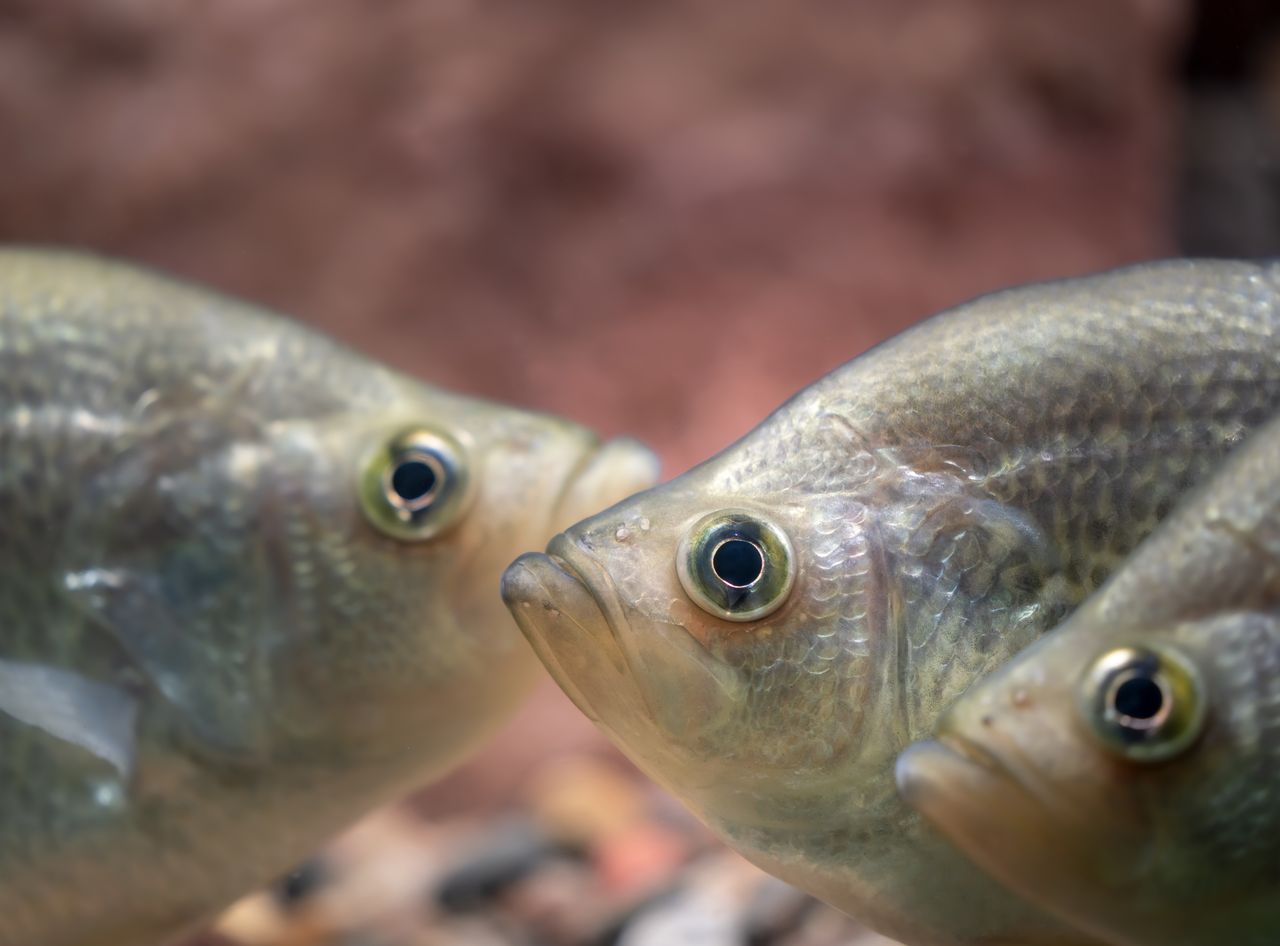
Spider rigging looks intimidating to newcomers, but seasoned anglers value it for one reason above all else: control. With multiple rods spread off the bow, baits can be kept at exact depths while the boat creeps through channel edges, flats, and staging areas.
This is especially useful when crappie are suspended but not tightly grouped on one piece of cover. By presenting several offerings at slightly different depths and distances, anglers can dial in the pattern much faster than someone fishing a single float near the bank.
The best practitioners are not just dragging minnows around. They are monitoring speed, rod angles, bait size, and how fish respond to subtle changes. That level of precision is why spider rigging remains a favorite among tournament-minded crappie fishermen.
Dock shooting for pressured fish
On lakes with heavy fishing pressure, some of the best crappie hide in places beginners rarely reach. Dock shooting sends a lightweight jig far back under walkways, slips, and floats, where shade, overhead cover, and reduced traffic create perfect ambush territory.
The technique takes practice, but the reward is access. Crappie positioned in the darkest corners often see fewer presentations and tend to hold tight during bright skies, post-frontal conditions, or busy weekend boat traffic. A skipping cast usually cannot reach those same spots cleanly.
Serious anglers treat dock shooting like target archery. Line size, jig weight, and rod tip load all matter. Once mastered, it consistently produces fish that are simply unavailable to standard beginner casts around the outer edges.
Seasonal depth shifts instead of fixed patterns
Beginners often cling to simple rules like fish shallow in spring and deep in summer. Experienced crappie anglers think in transitions, not fixed seasons, because fish location changes with water temperature, bait movement, current, fronts, and light penetration.
That means the best anglers are constantly checking different depth bands instead of repeating yesterday’s pattern. During prespawn, for example, active fish may slide between creek channels and staging cover several times before moving truly shallow. In summer, they may suspend over deeper water rather than hugging bottom.
This mindset outperforms generic advice because it keeps the angler adaptive. Instead of asking where crappie should be, serious fishermen ask where they are today. That subtle shift leads to better decisions and fewer wasted hours on empty water.
Using live sonar to read fish reactions
Finding fish is only half the game. The real advantage comes when an angler can watch how crappie respond to a lure and adjust on the spot, whether that means stopping the bait, lifting it above the school, or backing off when fish spook.
Live sonar has turned reaction reading into a skill of its own. If fish follow but do not commit, the problem may be speed, angle, depth, or lure size. If they ignore a vertical drop but rise to a horizontal swim, the pattern becomes clearer in real time.
That feedback loop is why advanced anglers are so hard to keep up with. They are not fishing by guesswork. They are making informed micro-adjustments cast after cast, which often outperforms every broad beginner tip about simply using a minnow near cover.
Boat control as the hidden difference-maker

Ask enough accomplished crappie anglers what matters most, and many will eventually mention boat control. Wind drift, trolling motor corrections, shadow placement, and approach angle all affect whether a bait enters naturally or announces danger before it arrives.
This is especially true around brush piles, docks, bridge pilings, and suspended schools. If the boat slides too close or swings too hard, crappie often shift position or stop feeding. Great anglers know how to hold just outside the danger zone while keeping the lure exactly where it needs to be.
It is not flashy, and it rarely appears in beginner lists, but it may be the most transferable skill of all. Better boat control makes every other technique more efficient, more repeatable, and far more productive over a full day.