
A missed paint mark or a faded sign can turn a quiet hunting season into a long-running dispute. Land owners say many neighbor problems start with simple boundary mistakes that seem minor until someone crosses the line. This gallery breaks down the marking errors that create the most friction and explains why clear, consistent boundaries matter every season.
Using old survey assumptions instead of current boundaries

One of the biggest problems starts when owners rely on what they were told years ago instead of what the latest survey actually shows. A tree line, an old fence, or a remembered corner marker may feel official, but those visual cues are often wrong or incomplete.
That gap between assumption and fact is where neighbor frustration grows. If one person marks a line based on family lore and another follows a recorded survey, every deer stand, trail camera, or ATV pass near the edge can feel like a personal challenge instead of an honest mistake.
Owners who revisit their maps before each season usually avoid the worst of these arguments.
Letting paint marks fade until the line becomes guesswork

Paint is only useful when people can actually see it. Hunting land owners often say one of the most common seasonal mistakes is assuming last year’s bright boundary marks still look clear after months of weather, leaf growth, and bark changes.
By the time opening weekend arrives, a once-obvious line may be reduced to a few patchy blazes hidden behind brush. That leaves neighbors, guests, and even the owner second-guessing where the property begins and ends.
Fresh, visible marks send a calm message before conflict starts. Faded marks, on the other hand, invite accidental crossing and the kind of disagreement that lingers long after the season ends.
Posting signs too far apart to be useful
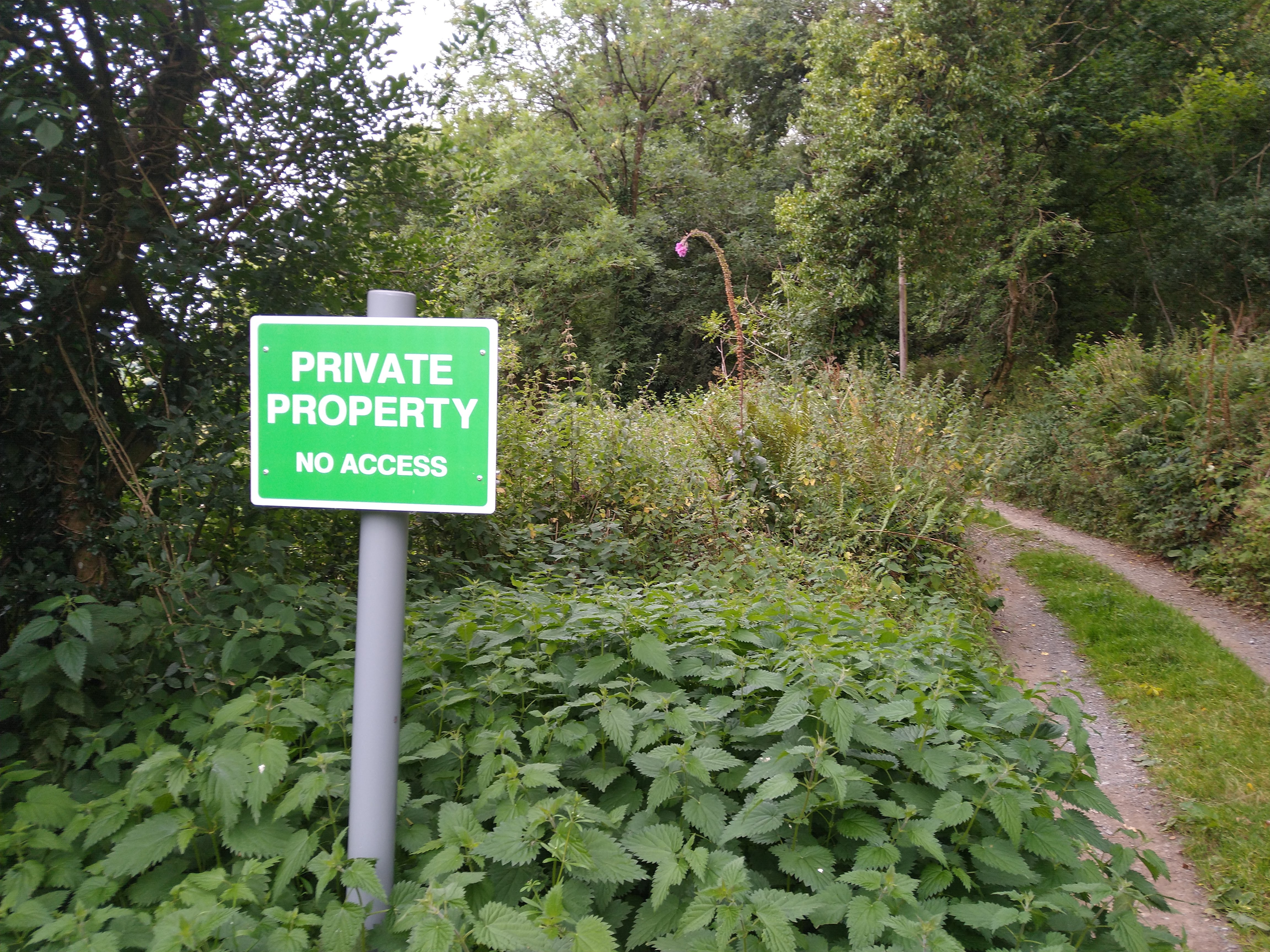
A few signs at the gate may make an owner feel covered, but neighbors say sparse posting is a classic setup for confusion. On large wooded tracts, especially with uneven terrain, long gaps between signs make it easy for people to drift across a line without realizing it.
This gets worse in thick cover where sightlines disappear in a matter of yards. A hunter following game, checking a stand, or walking a ridge may never see the last posted marker again once the woods close in.
Well-spaced signs create continuity and reduce excuses. Wide gaps do the opposite, turning a legal boundary into a guessing game that can strain even decent neighbor relationships.
Marking only the easy sections and ignoring problem areas

Many owners do a decent job marking the obvious stretches along roads or open trails, then neglect the rough corners where ravines, creeks, and thick brush make access harder. Unfortunately, those neglected sections are often where the most disputes begin.
People rarely get confused at the clean entrance everyone can see. Trouble usually starts in the back section where the land bends, visibility drops, and markers are missing just when someone needs them most.
Neighbors notice those weak spots quickly. If one section looks carefully maintained and another looks forgotten, it can create suspicion, arguments about intent, and repeated seasonal problems that could have been prevented with more complete marking.
Assuming family, guests, and lease hunters know the boundary

A land owner may know every bend in the line by memory, but that does not mean relatives, invited friends, or lease hunters understand it the same way. One of the most repeated complaints every season is that someone crossed over because they were given vague directions instead of a clear boundary walkthrough.
That kind of mistake can sour two properties at once. The neighbor sees trespass, while the owner insists the guest simply misunderstood, and neither side feels heard.
Good marking helps, but communication matters just as much. People who hunt your land should know exactly where they can go before they ever step into the woods with a pack, a stand, or a vehicle.
Using inconsistent markers that send mixed signals

Confusion grows fast when one part of a property uses paint, another uses ribbons, and a third relies on scattered homemade signs. Owners say mixed marking systems create unnecessary uncertainty because nobody knows which marker is current, official, or still relevant.
In some cases, old tape remains tied to branches long after the line has been re-marked elsewhere. That leaves neighbors and visitors trying to interpret a boundary based on conflicting clues, which is a poor setup during busy hunting weeks.
Consistency makes a line easier to read and easier to respect. When every stretch looks different, people hesitate, argue, or make the wrong call, and those small errors can quickly become seasonal neighbor disputes.
Waiting for a dispute before talking with neighbors

Some of the worst property line fights have less to do with the line itself and more to do with silence. Hunting land owners often admit they meant to mention a new survey, fresh paint, or a changed access route, but put off the conversation until after someone felt crossed.
By then, even a simple explanation can sound defensive. A neighbor who first learns about a boundary update while standing beside a stand or truck is much less likely to take the news well.
A quick, respectful conversation before the season starts often prevents hard feelings. Clear marking matters, but so does letting nearby land owners know what has changed and what they should expect when activity picks up.