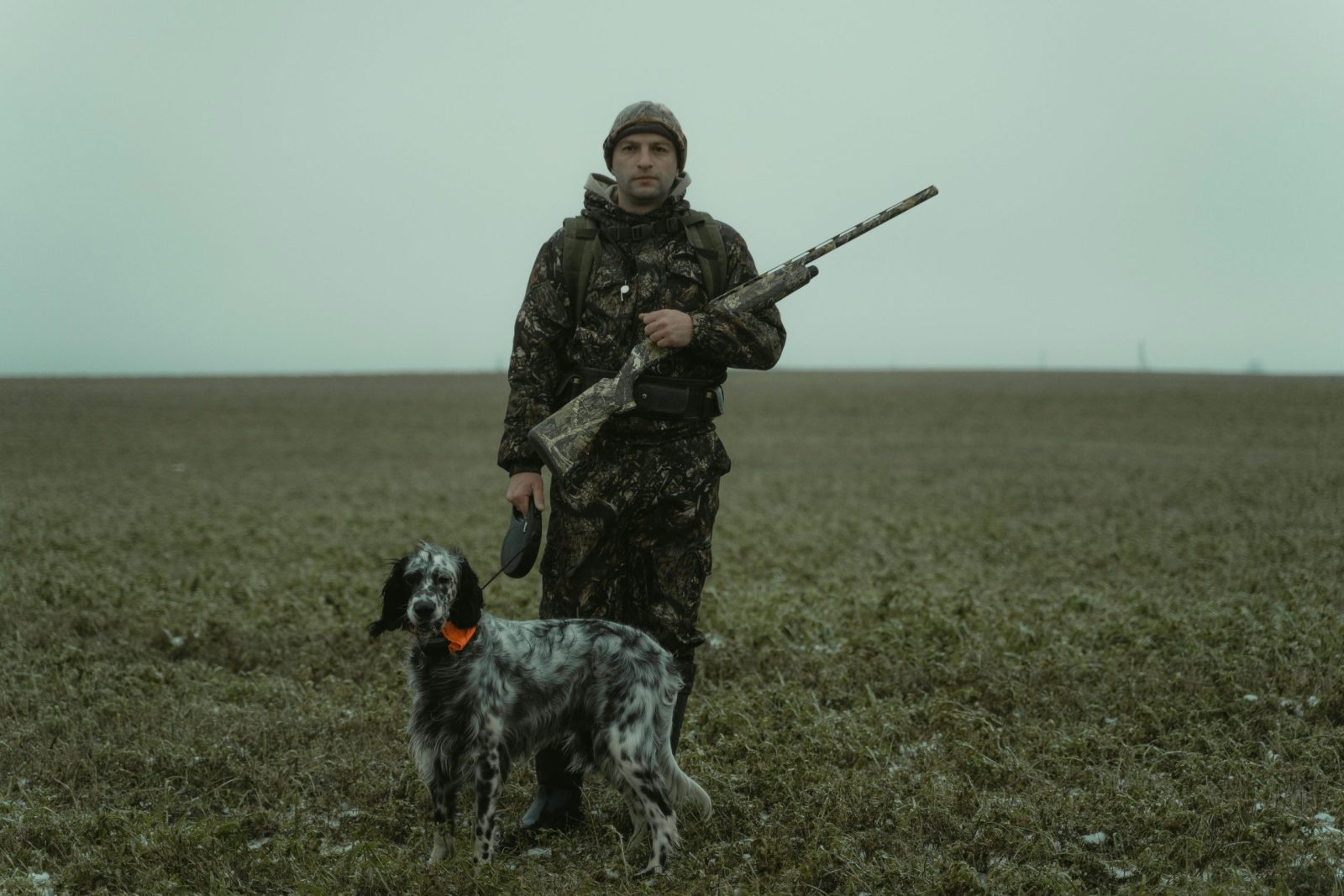
In an era of long-range optics and ultralight bolt guns, the Marlin 336 still holds a special place in deer camp. Serious hunters who spend their seasons in thick timber often praise it for simple, field-proven strengths that matter when shots are quick and conditions are rough. This gallery breaks down the qualities that keep this classic lever action relevant where dependability counts most.
Fast handling in thick cover
The first thing woodland hunters mention is how naturally the Marlin 336 moves through brush, saplings, and tight shooting lanes. Its balance and moderate overall length make it feel quick in the hands, which matters when a buck appears for only a few seconds between trees.
In dense cover, speed is often less about raw reflexes and more about a rifle that comes to the shoulder without fuss. The 336 has earned trust because it points easily and does not feel awkward when a hunter is seated in a blind, slipping along a ridge, or easing through a cedar thicket.
A reputation for rugged reliability
The Marlin 336 has long been valued for doing its job in the kind of weather deer season often delivers. Cold mornings, wet leaves, mud on boots, and long hours outdoors are exactly the conditions where hunters start judging a rifle’s real worth.
What they like about the 336 is its no-nonsense reputation. It is not celebrated because it is flashy. It is respected because generations of hunters have seen it keep running after being carried in trucks, scabbards, and deer camps where gear gets used hard instead of treated like a showroom piece.
Quick follow-up shots when they matter
In thick woodland, deer can disappear almost instantly after the first shot opportunity. Hunters who favor the 336 often say the lever action design gives them confidence when a fast second shot is needed, especially if a buck is moving through openings instead of standing broadside in an open field.
The rhythm of running the lever becomes second nature with practice. For many shooters, that motion feels intuitive and keeps the rifle in the shoulder better than people expect. In real hunting situations, that can translate into steadier follow-up shooting and less fumbling when adrenaline starts climbing.
The side-eject design makes optics easy
One of the practical advantages hunters continue to appreciate is the Marlin 336’s side-eject layout. Unlike some traditional top-eject lever guns, it makes scope mounting straightforward, which opened the door for hunters who wanted a classic rifle without giving up modern sighting options.
That flexibility matters in the woods, where some prefer a low-power scope while others stick with iron sights or compact optics. The 336 adapts well to both camps. It lets hunters tailor the rifle to their eyes and terrain without fighting the platform or resorting to awkward mounting solutions.
The .30-30 pairing still makes sense
Ask serious deer hunters about the Marlin 336 and the conversation quickly turns to .30-30 Winchester. It remains one of the most sensible woods cartridges ever paired with a lever action, offering practical power for common deer ranges without excessive recoil or blast.
In thick timber, shots are often close to moderate, not cross-canyon tests of ballistics. That is where the .30-30 continues to shine. Hunters trust it because it has been taking deer cleanly for generations, and the 336 delivers that performance in a platform built around quick handling and honest field use.
Comfortable recoil encourages better shooting

A dependable hunting rifle is not just one that works mechanically. It is also one that people shoot well under pressure. The Marlin 336, especially in .30-30, is often praised for recoil that feels manageable enough for regular practice and calm enough in the field to keep shooters from developing bad habits.
That matters more than many people admit. A rifle that does not punish the shoulder tends to get carried more, practiced with more, and trusted more. For deer hunters in the woods, confidence can be the difference between a rushed shot and one placed exactly where it needs to go.
Slim profile carries well all day
Hunters who spend dawn to dusk on foot tend to appreciate rifles that do not feel bulky. The Marlin 336 has a trim, practical profile that rides easily in the hand and over the shoulder, making it a comfortable companion for long walks through ridges, creek bottoms, and tangled hardwoods.
That kind of carry comfort becomes part of dependability in a very real way. A rifle that is easy to live with is a rifle that stays ready instead of becoming a burden. In thick woodland, where movement is constant and footing can be tricky, that understated advantage adds up over a full season.
Simple controls are easy under stress
When a deer steps out unexpectedly, nobody wants to think through a complicated sequence of actions. The Marlin 336 appeals to many hunters because its manual of arms feels straightforward. Load it, carry it safely, bring it up, and work the lever with motions that become familiar over time.
That simplicity is part of why experienced hunters call it dependable. Under pressure, clear and repeatable controls help people stay focused on the shot instead of the rifle. In cold weather, with gloves on and nerves kicking in, familiar handling counts for more than any spec sheet can fully explain.
Accuracy that fits real-world deer hunting
Nobody buys a Marlin 336 expecting a benchrest rifle, and that is exactly the point. Its appeal is practical accuracy, the kind that puts venison in the freezer at the distances dense woodland usually allows. Hunters value a rifle that consistently performs where they actually hunt, not just on paper.
The 336 has built its name on being accurate enough in the ways that matter most. Paired with suitable loads and a shooter who knows the rifle, it offers the confidence needed for shots through narrow openings and fleeting broadside opportunities in the timber.
A proven deer camp legacy

Part of the Marlin 336’s staying power comes from something harder to measure than capacity or velocity. It has a deep deer camp legacy, passed from one generation to the next as a rifle people remember carrying with fathers, uncles, and longtime hunting partners in the autumn woods.
That history matters because it was earned through use, not nostalgia alone. Serious hunters keep respecting the 336 because it still answers the same practical question every season: will this rifle do what I need when a good buck appears in thick cover? For many, the answer remains a confident yes.