A great mount starts long before the taxidermist ever sees the animal. Small mistakes in the field, in the truck, or back at camp can lead to hair slip, broken features, and details that no amount of artistry can fully restore. If you wait all year for one shot, it pays to know the missteps that can quietly cost you the quality of the trophy you hoped to preserve.
Dragging the Animal Without Protecting the Cape

The walk out of the woods is often when the first real damage happens. Dragging a deer or similar game over dirt, rocks, brush, and frozen ground can grind hair off the shoulders, tear ears, and shred the hide around the neck where a mount needs the cleanest detail.
Many hunters focus on antlers and meat, but the cape is the star of a shoulder mount. Once hair is rubbed away or skin is sliced open, your taxidermist is left repairing rather than perfecting. A sled, game cart, or even a jacket wrapped around the front end can make a major difference in how that final mount looks on the wall.
Cutting Too Far Up the Neck

A field dressing knife can do lasting harm when a hunter starts skinning without knowing what a taxidermist needs. Cutting too high up the neck leaves less hide to work with, and that missing material can limit pose options or create extra seam work in places that should look seamless.
Taxidermists would almost always prefer more cape than less. Leaving a generous amount of skin well behind the shoulders gives them room to fit the form properly and place stitches where they are easiest to hide. When in doubt, cut farther back than you think you need and let the shop trim to spec later.
Letting Body Heat Sit Too Long

Warmth is one of the fastest ways to turn a beautiful trophy into a taxidermy headache. If the animal sits too long before cooling, bacteria get to work quickly, especially around the neck, brisket, and face where a mount depends on tight, healthy skin and hair.
That is when slippage begins, and slippage is every hunter’s enemy. Hair that loosens after the fact can leave thin patches or bare spots that no one wants staring back from the wall. Getting the animal opened up, cooled down, and out of direct heat as soon as possible is one of the simplest ways to protect both the meat and the mount.
Packing the Cape in a Plastic Bag for Too Long

Plastic bags seem convenient in the moment, but they can trap heat and moisture like a greenhouse. A fresh cape sealed up in the back of a truck or corner of camp can sour quickly, especially during early season hunts when daytime temperatures are still working against you.
Plastic is fine for short transport if the hide is already cold, but it should never become a long stopover. Breathable game bags, coolers managed correctly, or prompt delivery to a freezer are much safer choices. The goal is simple: keep the cape cool and dry, not sweaty and steaming in its own trapped moisture.
Freezing the Head and Cape the Wrong Way

Freezing can save a trophy when a taxidermist cannot take it right away, but careless freezing creates a different set of problems. Tossing a bloody head and cape into a chest freezer in a tight wad can cause freezer burn, bent ears, broken noses, and a lot of frustration once the specimen is thawed.
A little prep goes a long way here. Folding the cape hair side out, removing excess blood, and freezing it in a natural, flat position helps preserve the details that matter most. Antlers should be protected from banging around too, because chips and cracks can turn a hard earned trophy into a repair project before mounting even begins.
Getting Blood All Over the Face and Ears

Blood happens in the field, but letting it dry all over the face, muzzle, and ears can create needless cleanup issues. Those areas contain some of the finest details on a mount, and heavy staining can set into hair and delicate skin if it is ignored too long.
A gentle wipe with a damp cloth is usually all it takes to prevent a bigger mess later. The key word is gentle, because rough scrubbing can pull hair or damage thin tissue around the eyes and nose. A little care in those first minutes helps your taxidermist preserve the alert expression and crisp facial features that make a mount look alive.
Breaking Antler Tips or Damaging Horns During Transport
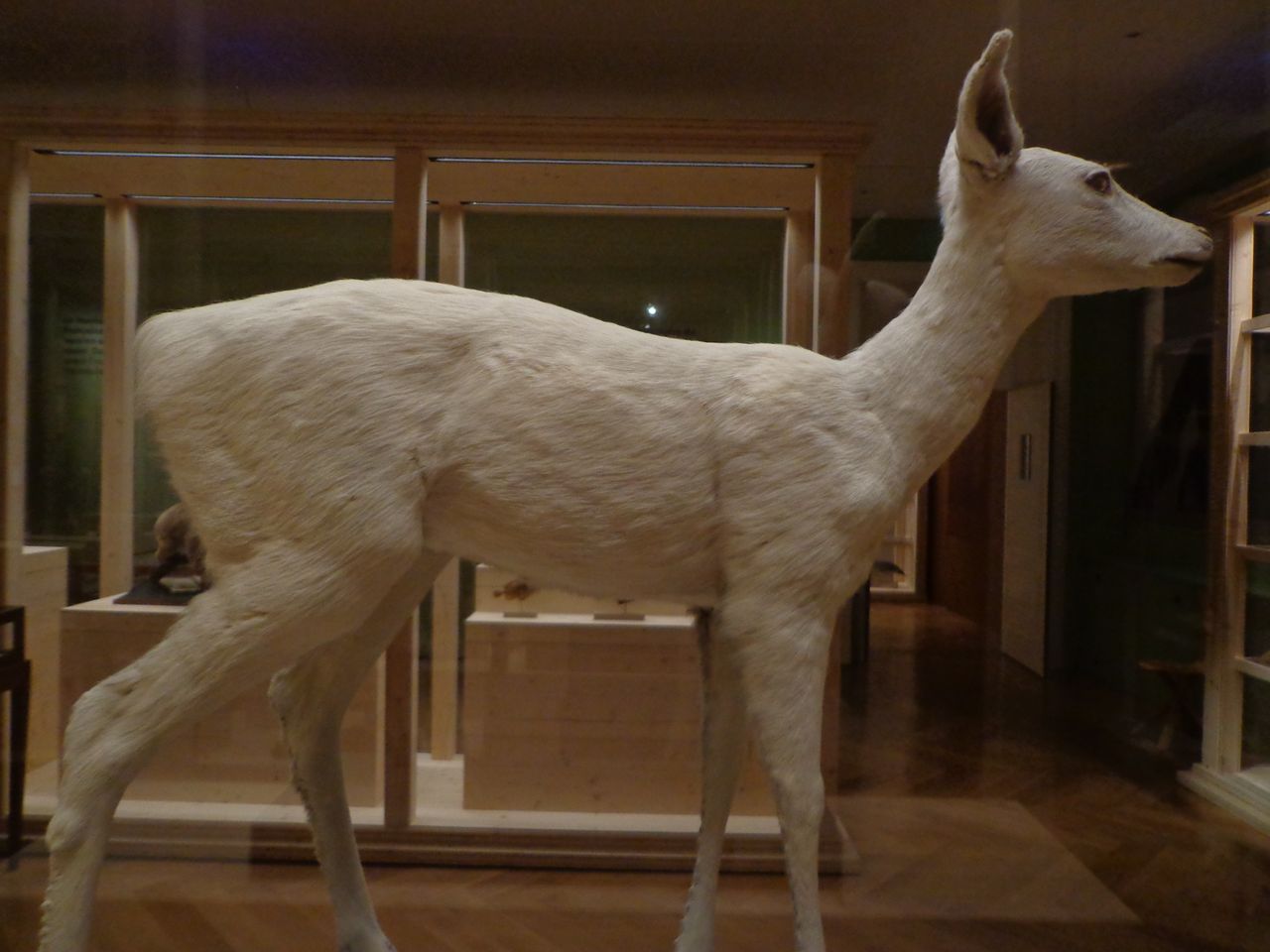
The trophy part most hunters watch closely can still take a beating on the ride home. Antlers knocking against a tailgate, concrete floor, or another animal in the bed of a truck can chip points, snap delicate tines, or scar horn surfaces that were perfect in the field.
Repairs are possible, but they are still repairs. A cracked tine or gouged horn often means added cost and a result that may never feel quite as satisfying as the untouched original. Padding the rack, securing the head, and giving the animal its own protected space during transport are simple habits that keep a hard won trophy from suffering avoidable damage after the shot.
Waiting Too Long to Call a Taxidermist
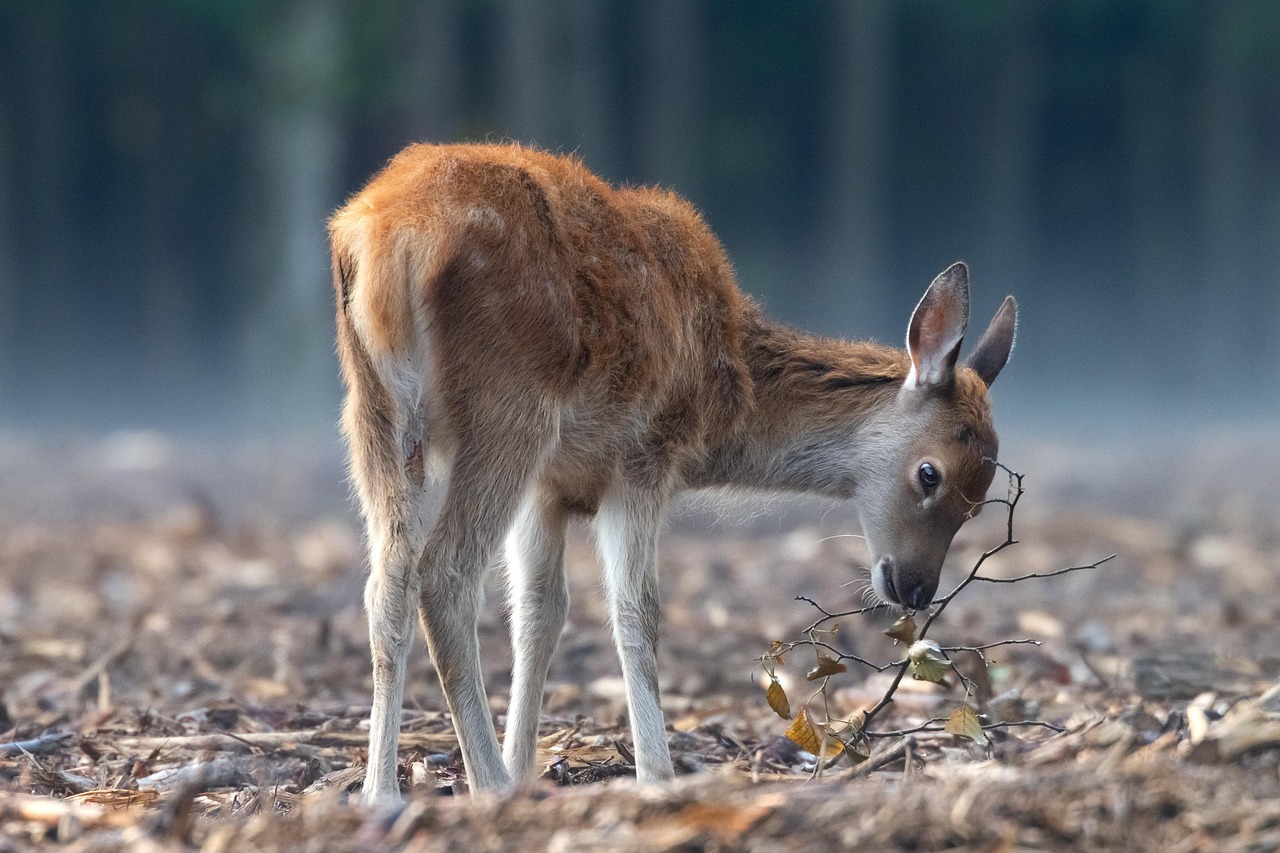
Some hunters assume they can deal with the trophy after the weekend, after camp closes, or after the rest of the chores are done. That delay can be costly. Even a well handled animal benefits from quick guidance, especially if temperatures are warm or the hunter is unsure how to cape, cool, or store it.
A good taxidermist can tell you exactly what to do before the specimen ever reaches the shop. That advice may save ears, hair, hide, and important measurements. Calling early also helps with drop-off timing and freezer planning, which reduces the odds of rushed decisions that end up hurting the finished mount months later.
Choosing a Taxidermist Based Only on Price

After all the work of scouting, practicing, and finally tagging the right animal, the cheapest option is not always the smartest one. Taxidermy is part preservation, part sculpture, and part fine finishing. A low quote can sometimes reflect shortcuts in forms, tanning, turnaround systems, or attention to anatomical detail.
A mount is something you may look at for decades, so quality deserves real weight in the decision. Study a shop’s finished work, pay attention to eyes, ears, nose detail, and natural posture, and ask how capes are handled from intake to finish. Saving a little up front is not much comfort if the final result never captures the animal you remember.
Not Taking Photos of the Animal Right After the Harvest
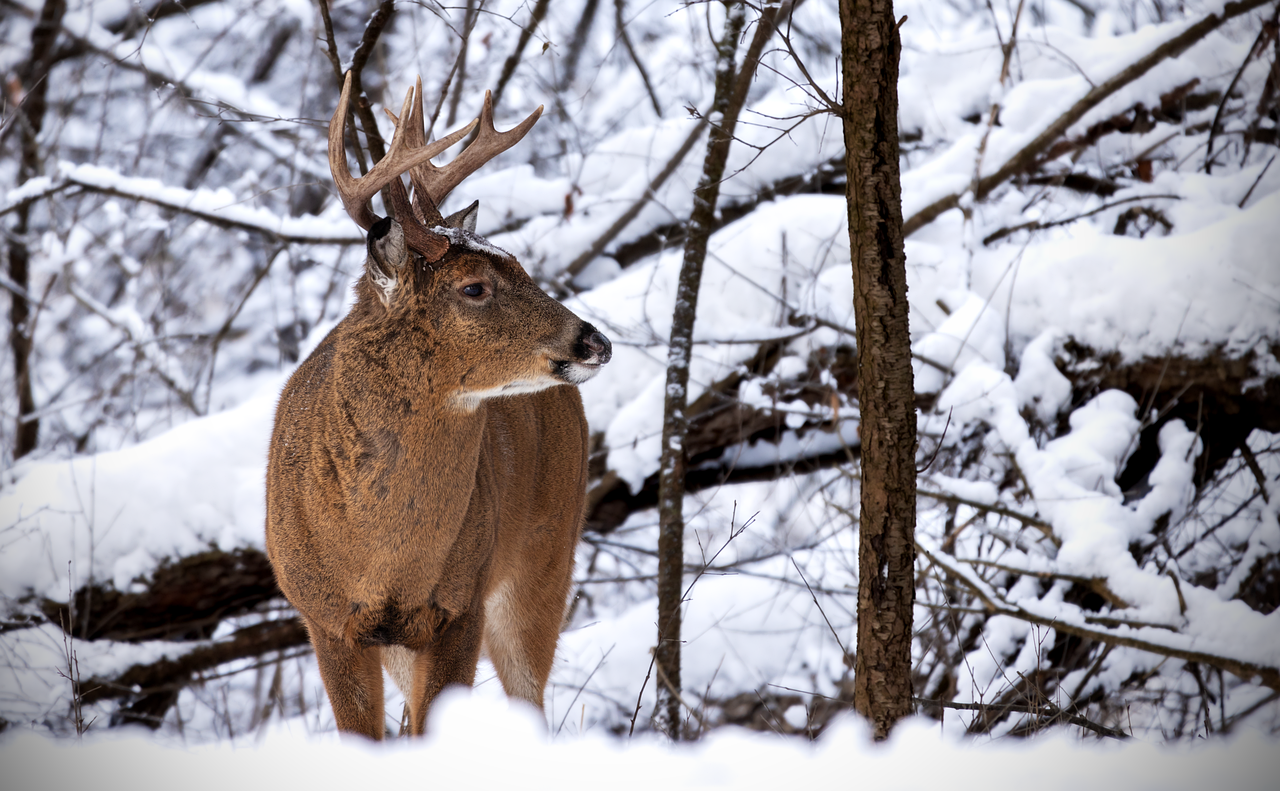
Reference photos are one of the most overlooked tools in the entire process. A few clear shots of the face, neck, chest, antlers, and body coloration can help your taxidermist recreate the specific character of that animal, especially if there are scars, unusual markings, or subtle features you want preserved.
Memory fades faster than hunters expect, particularly months later when the mount is in production. Good photos give the artist something real to study instead of relying on general species references. It is a small step in the field, but it can help the finished mount feel more personal, accurate, and true to the moment you have been waiting all year to relive.