Some gear makes the woods feel smaller. That is exactly why this question matters.
Why the debate feels sharper now
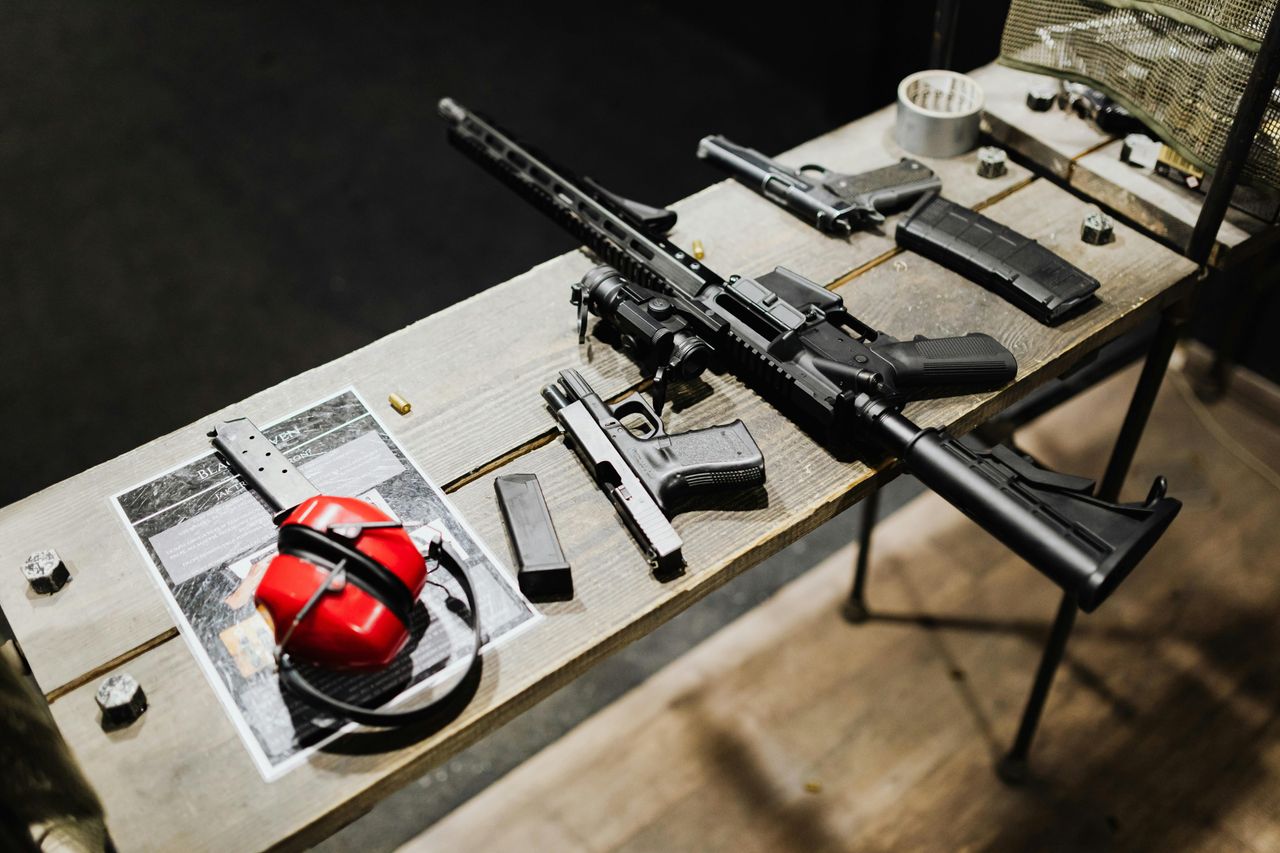
Hunting accessories have always changed the game, from better boots to better glass. What feels different now is speed. Cellular trail cameras, rangefinding optics, mapping apps, thermal tools, and ultra-precise rifles can compress hours of scouting and years of trial-and-error into a few taps or a cleaner shot.
That shift has triggered a real fair-chase debate. Arizona Game and Fish flatly says trail cameras and their images cannot be used to aid in taking wildlife, and Idaho recently tightened rules on transmitting trail cameras, thermal imaging, night vision, and aircraft-assisted scouting for certain hunting periods.
When regulators start drawing lines around technology, it usually means the issue is no longer theoretical. Agencies are responding to a broader concern that technology can change not just success rates, but the character of the hunt itself.
What modern accessories unquestionably do well

It would be lazy to pretend newer gear is only a problem. Plenty of accessories make hunters safer and more responsible. Better optics help identify animals more clearly. GPS tools reduce the odds of getting lost or crossing property lines. Improved rain gear and packs keep hunters in the field longer without turning a hard day into a dangerous one.
Hunter education still emphasizes firearm and archery safety, wildlife management, ethics, game laws, outdoor survival, and wilderness first aid. That tells you something important: modern hunting is not just about killing efficiency. It is also about lowering preventable mistakes.
Safety trends support that view. According to NSSF’s summary of National Safety Council data, unintentional firearm-related fatalities were down 30.7% from 2004 to 2024. Gear is not the only reason, but better equipment, training, and visibility all work together.
Where convenience starts replacing skill
The strongest criticism of high-end accessories is not that they help. It is that they can replace learning. A hunter who depends completely on a phone app may never become truly good at reading terrain, using a map, judging wind, or quietly working through cover.
That matters because woodsmanship is built through friction. You learn animal movement by failing to find animals. You learn distance by misjudging it, then correcting. You learn weather by feeling it change before the forecast catches up. Accessories can shorten that apprenticeship.
Even industry data hints at how much the market has shifted. NSSF reported that same-store sales of scopes and red dots fell in 2025, yet combined sales still remained 38.2% above 2019 levels, with red dot sales 121% above 2019. Hunters clearly value technological help, and many now expect it.
The fair-chase line is moving in public
One sign that skills still matter is how fiercely hunters argue over fair chase. Idaho’s Hunting and Advanced Technology process drew heavy public input, with notably stronger opposition to live-feed and cellular trail cameras than to more traditional gear. That difference is revealing.
Most hunters accept equipment that helps them perform better physically. Fewer accept tools that seem to outsource judgment or give near-real-time intelligence on animal movement. In other words, the controversy is less about technology itself and more about whether the tool removes too much uncertainty.
That is why a binocular and a map rarely trigger outrage, while a live-feed camera can. One supports fieldcraft. The other can start to substitute for it.
What experienced hunters usually know
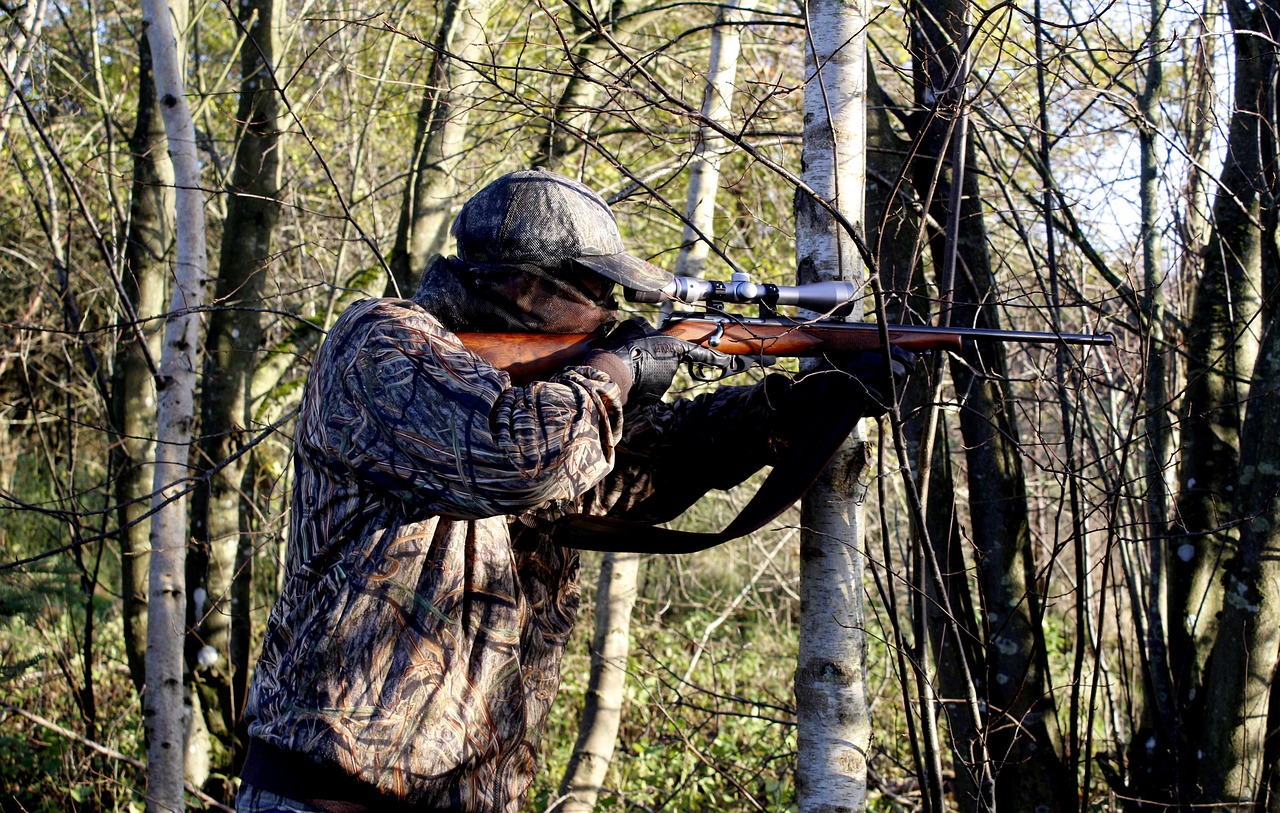
The best hunters I have known love gear, but they do not confuse gear with competence. They use accessories to confirm what their instincts already suggest. Good glass helps because they first chose the right ridge. A rangefinder matters because they first closed distance intelligently. A weather app helps because they already understand how wind swirls in broken country.
That mindset is healthier than nostalgia. Nobody needs to pretend paper maps are morally superior to digital mapping. But a hunter who cannot navigate after a dead battery is not advanced. He is dependent.
The same principle applies to shooting. Precision rifles and quality optics are excellent tools, but they do not replace judgment about angle, movement, backdrop, and restraint. Ethics still begins before the trigger break.
The real answer: skills matter more when gear improves

So, are today’s hunting accessories making outdoor skills less important? They can, if hunters let convenience become a substitute for competence. But in the hands of disciplined people, modern accessories actually raise the value of skill by rewarding those who combine technology with patience, observation, and restraint.
The smartest view is not anti-gear. It is pro-foundation. Learn navigation before relying on screens. Learn animal behavior before checking a camera card. Learn how to stalk before stretching distance with equipment. That is how you keep hunting from becoming remote-controlled.
In the end, accessories should sharpen the hunter, not replace the hunt. If the old skills disappear, the tools may still work, but something essential will have been lost.