Hollywood got this story mostly wrong.
If one firearm really earned the title of the gun that won the West, it was far more likely a Winchester than a Colt.
Why the Colt Became the Legend

The Colt revolver dominates the popular imagination for a simple reason: it looks dramatic, fits neatly on a hip, and works perfectly in a showdown. From dime novels to John Ford westerns, the six-shooter became the visual shorthand for frontier justice, outlaw bravado, and lone-man survival. That image stuck so deeply that many people now treat it as a historical fact.
There is some truth behind the legend. Samuel Colt’s revolvers were innovative, widely recognized, and undeniably important in 19th-century America. The 1847 Walker, the 1851 Navy, and later the Single Action Army all played real roles in military service, civilian carry, and the expansion of firearms manufacturing. A holstered revolver was convenient, portable, and always close at hand when sudden trouble appeared.
But convenience is not the same thing as dominance. A sidearm is what you carry when you hope not to need a larger weapon. On the frontier, where hunting, defense, stock protection, and long-distance threat response mattered every day, rifles and carbines did far more of the hard work. The gun that shaped daily life was usually the one that could reach farther, hit harder, and reload quickly under pressure.
That distinction matters because the West was not built through cinematic duels at 10 paces. It was built by travel, settlement, freight movement, ranch labor, buffalo hunting, railroad expansion, military campaigning, and persistent violence over land and resources. In those realities, the glamorous sidearm was often secondary to the shoulder-fired gun that could handle almost everything.
The Winchester Was Built for the Job
The Winchester story begins before the name itself became famous. The Henry rifle of 1860 introduced a repeating lever-action system with a tubular magazine that allowed a shooter to fire many rounds without reloading after each shot. That was a huge leap in practical firepower, especially compared with common single-shot arms of the era.
Oliver Winchester’s company improved that design through the Model 1866, often called the Yellow Boy because of its brass frame. It became more durable, more commercially successful, and more adaptable to civilian life across the frontier. Then came the Model 1873, perhaps the most iconic lever gun ever made, chambered for cartridges that helped make it useful for both defense and general utility.
What made Winchester special was not just speed, though speed mattered enormously. It was the combination of repeat fire, manageable recoil, compact form, and rugged reliability in a package ordinary people could carry on horseback, in wagons, or behind a store counter. The gun was practical in a way legends rarely are.
By the late 19th century, Winchester expanded further with stronger actions like the Model 1876 and later the Model 1892 and 1894. Those rifles reflected a company responding directly to frontier needs as they changed. That adaptability helped turn Winchester from a successful manufacturer into a cultural and economic force across the American West.
A Working Gun for Everyday Frontier Life
What truly separates the Winchester from the Colt myth is the kind of work it performed. A revolver was useful in an emergency, but a lever-action rifle could guard a cabin, ride in a scabbard, stop predators, hunt deer, and serve as a constant companion over rough distances. It was a tool first and a symbol second.
Settlers valued that flexibility because frontier households often could not afford specialized firearms for every task. One reliable rifle might have to supply meat, discourage raiders, and protect livestock in the same week. In that environment, Winchester’s fast follow-up shots gave ordinary users a meaningful advantage over single-shot competitors, especially when isolated from help.
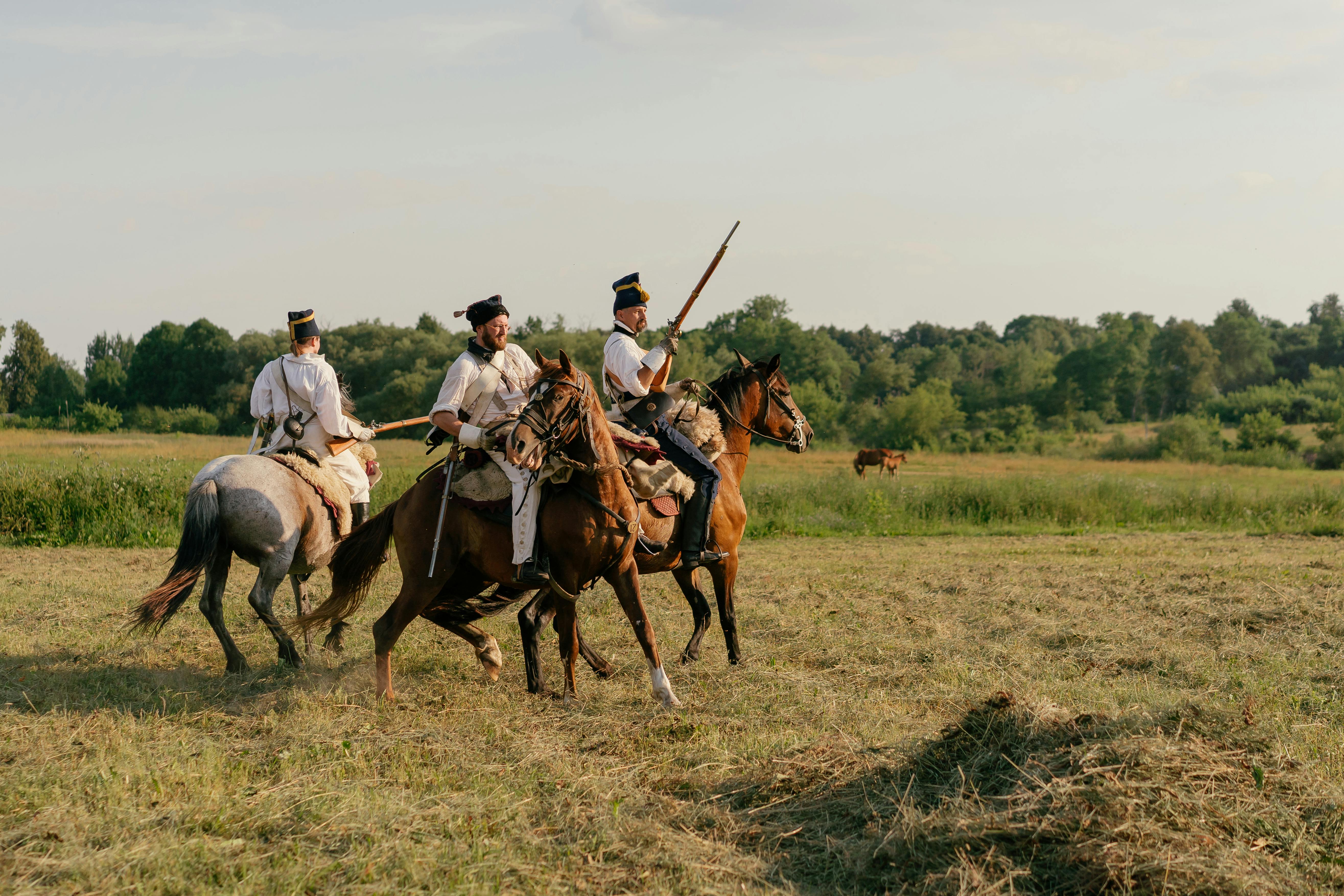
Ranchers and cowhands also leaned toward carbines and short rifles because they balanced well on horseback and could be brought into action quickly. A holstered revolver remained part of the kit, of course, but it was often the backup. The long gun did the serious work when distance, accuracy, and stopping power counted.
Even merchants and stage operators saw practical value in repeaters. Defending cargo, payroll, or remote way stations demanded more than theatrical flair. It demanded sustained fire and dependable handling, which is why repeating rifles appeared so often wherever people needed to protect something valuable in wide-open country.
The Cartridge Advantage Changed Everything
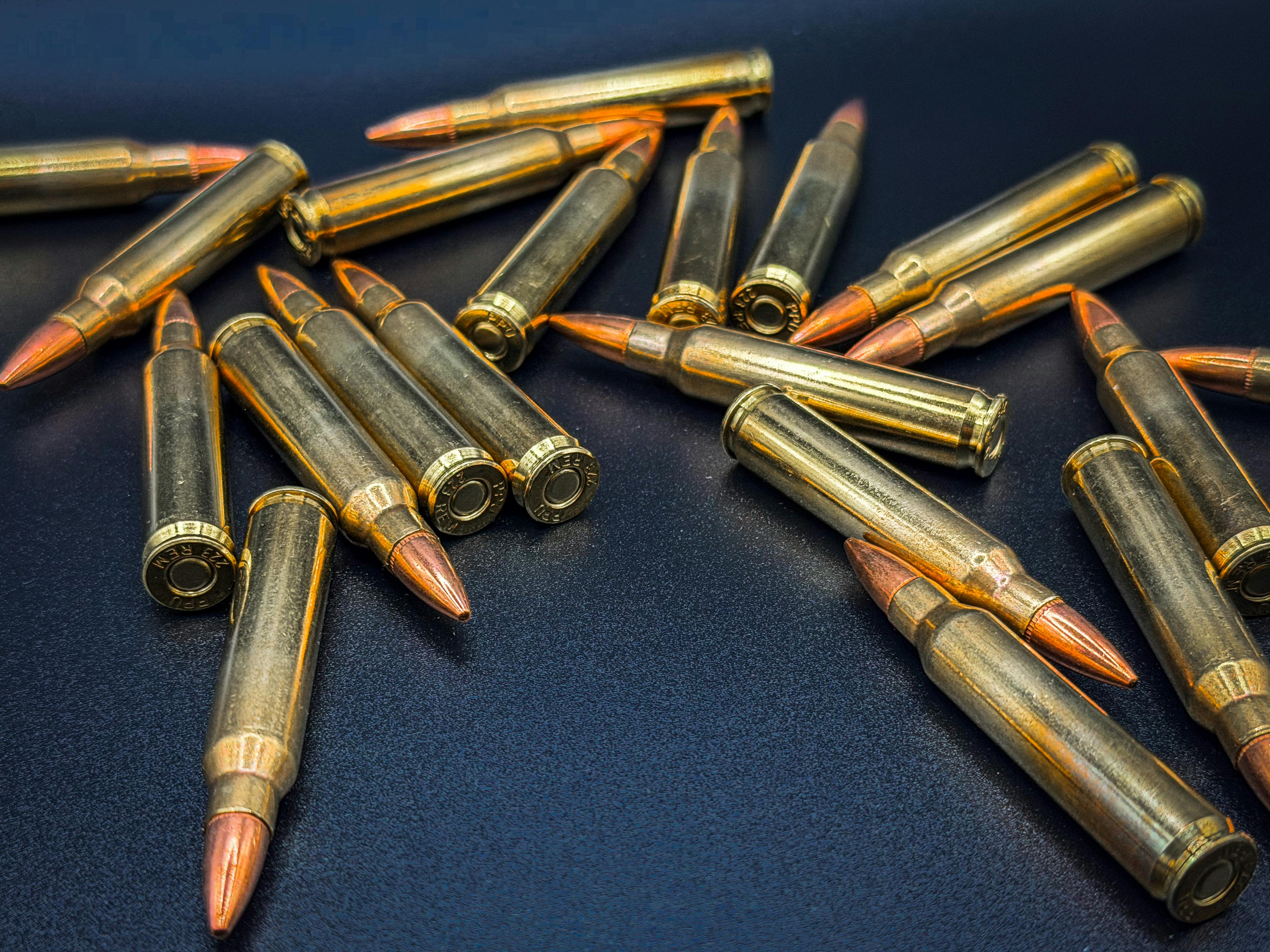
One of Winchester’s biggest advantages was its relationship with metallic cartridges. Earlier black powder firearms using loose powder and percussion caps could be effective, but they were slower to load, more vulnerable to weather, and generally less convenient under real frontier conditions. Metallic cartridges made shooting simpler, faster, and more reliable for everyday users.
The Model 1873 in .44-40 became especially influential because many Colt revolvers were also chambered for the same round. That meant a rider could carry one ammunition type for both rifle and sidearm, reducing complexity in the field. It is hard to overstate how valuable that was when resupply could be irregular and every ounce carried mattered.
This shared-ammunition setup helped blur the rivalry people often imagine between Winchester and Colt. In practice, they often complemented one another, but the rifle still handled the heavier burden. If a cowboy or lawman owned both, the Winchester likely provided the reach and volume of fire, while the revolver served as insurance.
Cartridge technology also made Winchester rifles attractive to less specialized shooters. You did not need advanced training to appreciate easier loading and quicker repeat shots. That opened the market to farmers, immigrants, shopkeepers, and travelers who needed an effective firearm, not a dueling prop.
Soldiers, Hunters, and Native Resistance
The phrase won the West is messy and morally loaded, because the West was not empty land waiting for heroic settlement. It involved violent conquest, military campaigns, broken treaties, and the forced displacement of Native peoples. Any honest discussion of firearms in that era has to acknowledge that reality.
The U.S. Army did not universally adopt Winchester repeaters as standard issue during the most famous Indian Wars years, often sticking with single-shot Springfield rifles for reasons of supply, doctrine, and ammunition control. Even so, repeaters appeared in civilian hands, with scouts, and sometimes in irregular contexts where rapid fire was highly valued. Their battlefield reputation spread quickly because people noticed what sustained fire could do.
Native warriors also acquired repeating rifles through trade, purchase, capture, and battlefield recovery. At battles including the Little Bighorn, some Lakota and Cheyenne fighters used repeaters effectively, though historians still debate exactly how decisive those arms were compared with tactics, terrain, and leadership. The important point is that Winchester technology influenced conflict on multiple sides.
Buffalo hunters, meanwhile, often preferred heavier single-shot rifles for long-range killing power, which is a useful reminder that no one gun did everything best. But for mobile frontier use across mixed tasks, Winchester’s lever guns were unmatched in versatility. That is a more realistic basis for its reputation than any slogan.
How Advertising and Movies Rewrote the Story
Winchester was famous in its own time, but the 20th century changed which gun became mythic. Revolvers photograph well, read instantly on screen, and make clean dramatic symbols. A hero drawing a Colt tells an audience everything in one gesture, while the quieter utility of a rifle does not fit so neatly into a stylized showdown.
Film and television also compressed frontier history into gunfights between individuals. That distortion elevated sidearms because they suited narratives of personal courage and quick reflexes. The slow, grinding realities of western expansion, where long guns mattered more in travel, labor, and survival, were far less glamorous and therefore far less memorable in mass culture.
Even the phrase The Gun That Won the West became part of Winchester’s own branding, especially around the Model 1873. Advertising helped the company shape its legacy, but movies ultimately gave the broader public a different visual hero. Over time, the Colt revolver absorbed the symbolic role while Winchester retained a more knowledgeable, history-minded following.
That split between image and reality still shapes public memory today. Ask casual viewers about the West and they picture a six-shooter. Ask collectors, historians, and firearms experts what actually served frontier people most broadly, and the answer much more often points to the lever-action rifle.
The Real Winner Was Utility, Not Romance
So did a Winchester literally win the West by itself? Of course not. No single gun, company, or invention can explain an era shaped by economics, railroads, disease, industrial production, migration, federal power, and brutal conflict over land. But if we are choosing the firearm that mattered most in everyday western life, the Winchester has the stronger claim.
It was the gun people could live with. It rode easily, fired quickly, handled multiple roles, and fit the practical demands of settlers, ranchers, guards, hunters, and countless others trying to survive or profit in unstable conditions. That broad usefulness is usually a better test of historical importance than sheer fame.
The Colt remained vital, and in close quarters it could be indispensable. Yet it was usually the gun on your belt, not the one that fed your family, watched your property line, or answered threats across open ground. In frontier terms, that difference is everything.
So the next time someone repeats the old myth about the Colt winning the West, it is worth pushing back. The weapon that truly defined the region’s daily reality was the lever-action Winchester: less flashy, more capable, and far closer to the truth of how the West actually functioned.