Hitting the range often reveals when a rifle has passed its prime or simply no longer fits your needs. Upgrades aren’t always about chasing the latest parts; they’re about restoring lost precision, improving reliability, and matching the rifle to the job. Below are six clear signs that an upgrade is warranted, plus practical next steps that favor measured gunsmithing and smart investments over impulse swapping.
1. Accuracy slips or groups open up

When your rifle’s groups grow larger at 100 yards or a consistent point of impact shifts appear despite using the same ammo and stable rest, it’s a clear sign something’s wearing out. Common causes include throat erosion, a damaged crown, loose bedding, or chamber fouling. Before expensive swaps, have a gunsmith inspect the barrel throat and crown and check bedding; deliberate evaluation can decide whether a new barrel or crown is needed.
2. The trigger is gritty, heavy, or inconsistent
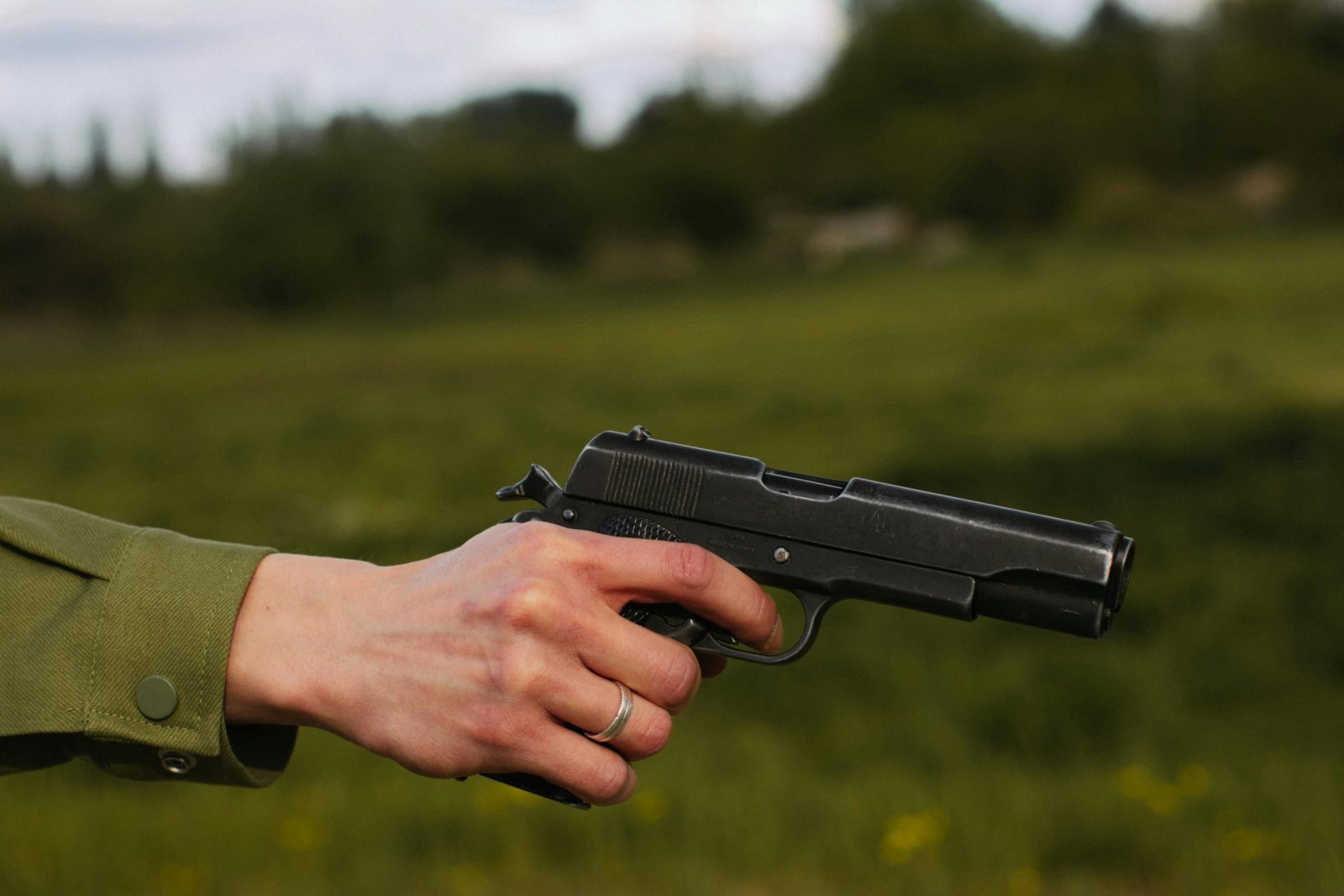
A rough, heavy, or unpredictable trigger pull makes repeatable accuracy impossible and wastes ammo while you learn to fight the trigger. Triggers wear, springs weaken, and sear contact changes over time. Replacing a worn unit or installing a drop-in match trigger yields lighter, crisper breaks, a defined reset, and better shot-to-shot control. A qualified gunsmith can advise whether sear polishing or a full trigger swap best suits your goals.
3. You can’t mount modern optics or accessories easily
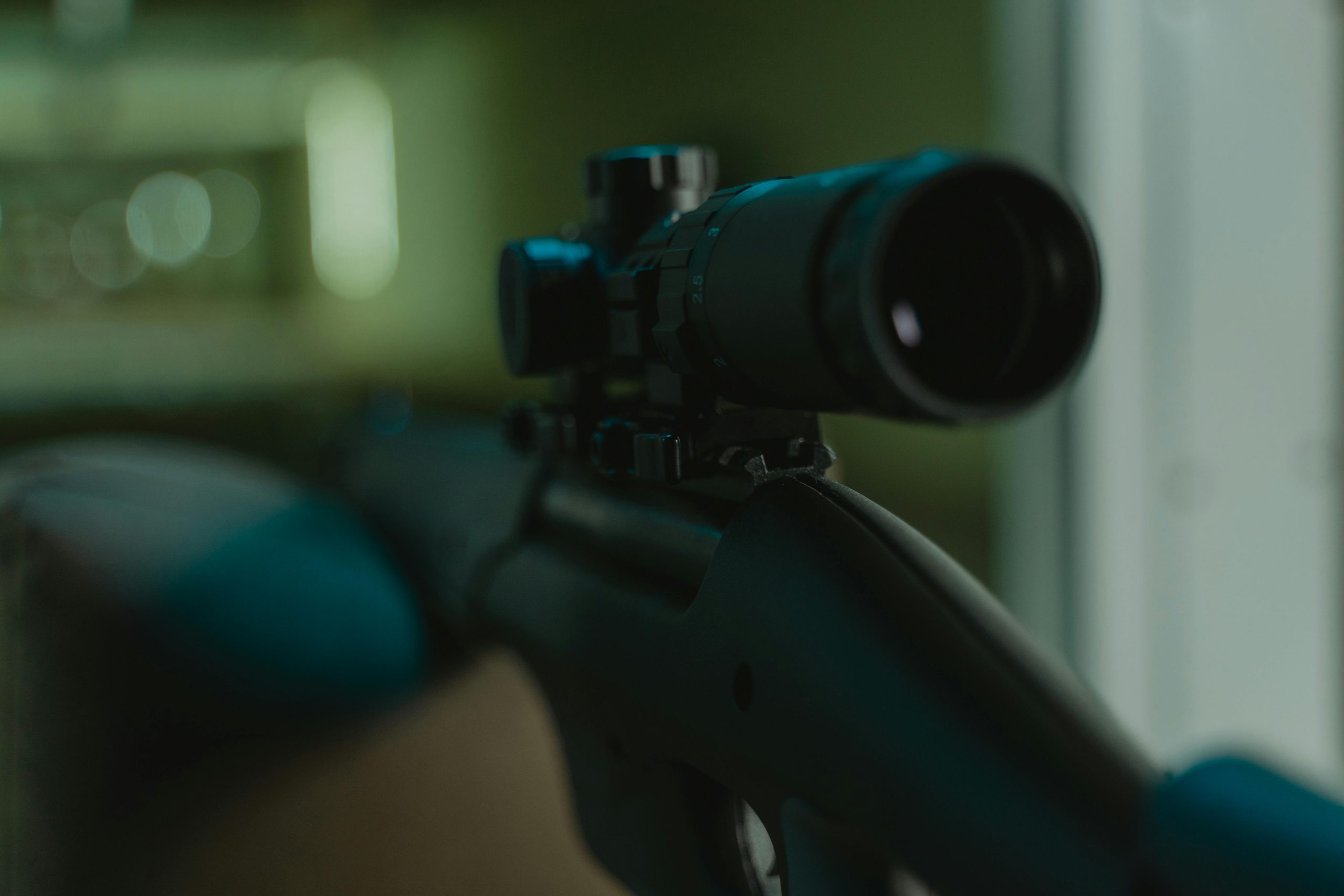
If your action, stock, or receiver lacks proper rail geometry, you’ll be limited by scope height, ring choice, and eye relief, undermining modern glass and reticle advantages. Upgrades range from one-piece cantilever mounts to full Picatinny rails or chassis systems that accept bipods, night optics, and rangefinders. Modern mounting also improves return to zero and reduces parallax problems when switching optics, increasing real-world usability.
4. Recoil, ergonomics, or fit make shooting uncomfortable
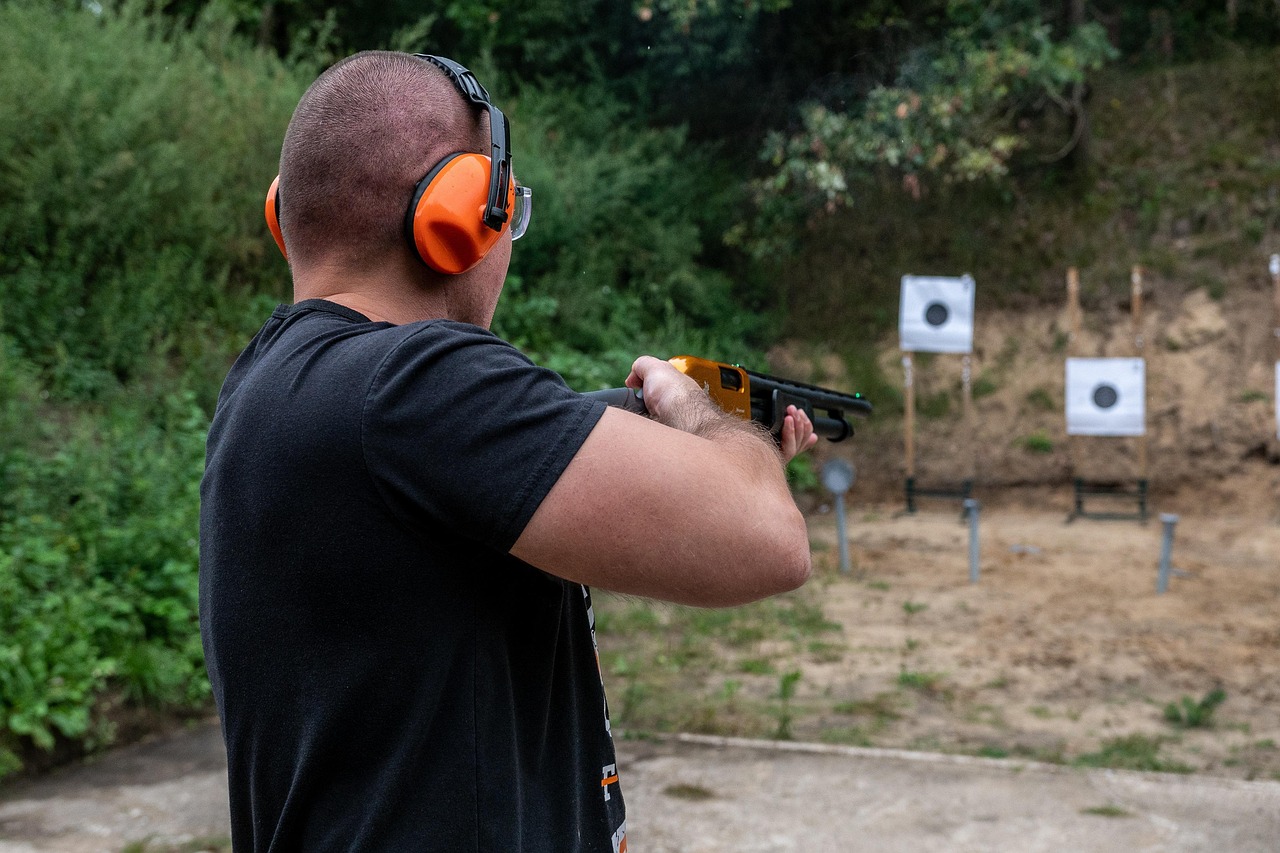
When cheek weld, shoulder placement, or balance are inconsistent, you get flinch, poor follow-up shots, and reduced accuracy. Excessive felt recoil amplifies these problems and shortens productive range sessions. Simple, effective fixes include an adjustable stock, recoil pad, improved bedding, or a muzzle compensator to tame the rise. Proper stock geometry and recoil management improve accuracy and reduce fatigue, making practice sessions more productive.
5. Feeding, extraction, or reliability problems
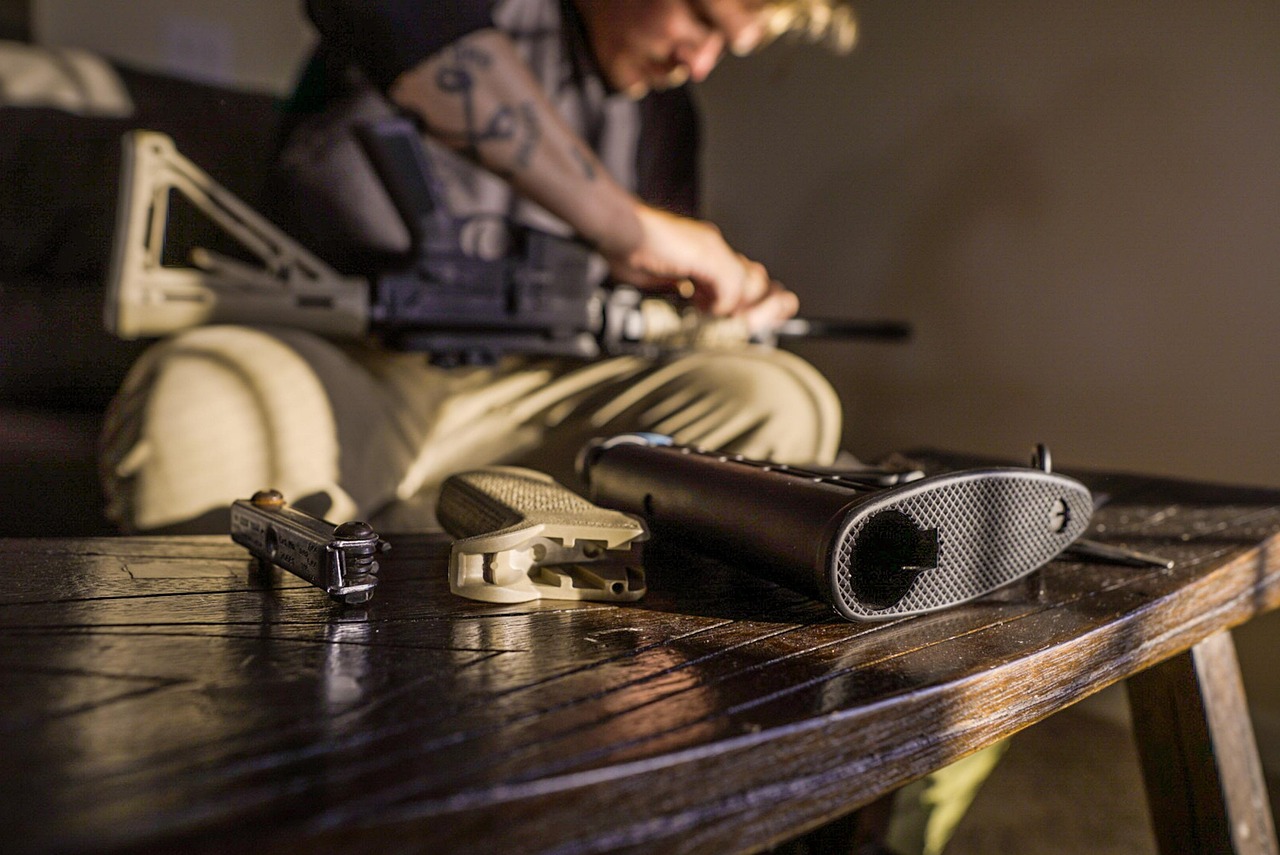
Frequent failures to feed, stovepipes, double feeds, or extraction issues are not merely an annoyance; they’re a safety and performance problem. Causes range from worn extractors and weak ejectors to damaged magazines or improper chamber dimensions. Start with good magazines and a gunsmith inspection; replacing worn bolt parts or fitting a reliable aftermarket magazine often fixes the problem. Address reliability first; performance upgrades are worthless if the rifle won’t cycle.
6. Your mission or needs have changed
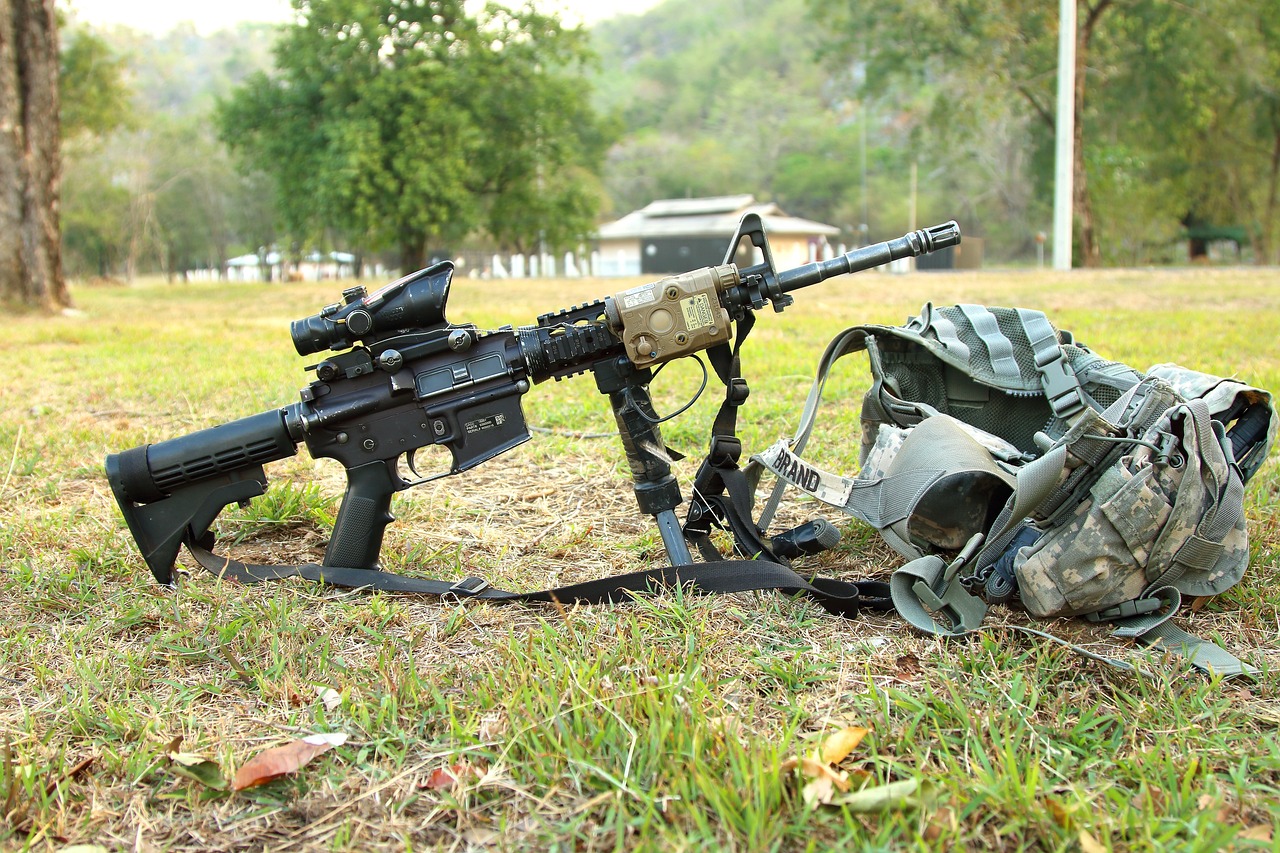
A rifle built for hill country hunting may not suit precision matches, duty roles, or backpacking use. When your mission shifts, consider rebarreling to a different caliber, swapping to a chassis or lighter stock, or upgrading optics and triggers for the new role. A purpose-built rifle matched to ergonomics, ammo, and optics delivers far more practical benefit than forcing a single platform to do everything. Prioritize role fit before parts for best results.