Newer is not always better, especially when it comes to rifles with proven designs and decades of field use behind them. Some older platforms remain favorites because they are accurate, dependable, easy to maintain, and backed by abundant parts and know-how. These eight rifles show how smart engineering and lasting reputation can keep yesterday’s guns very relevant today.
M1903 Springfield
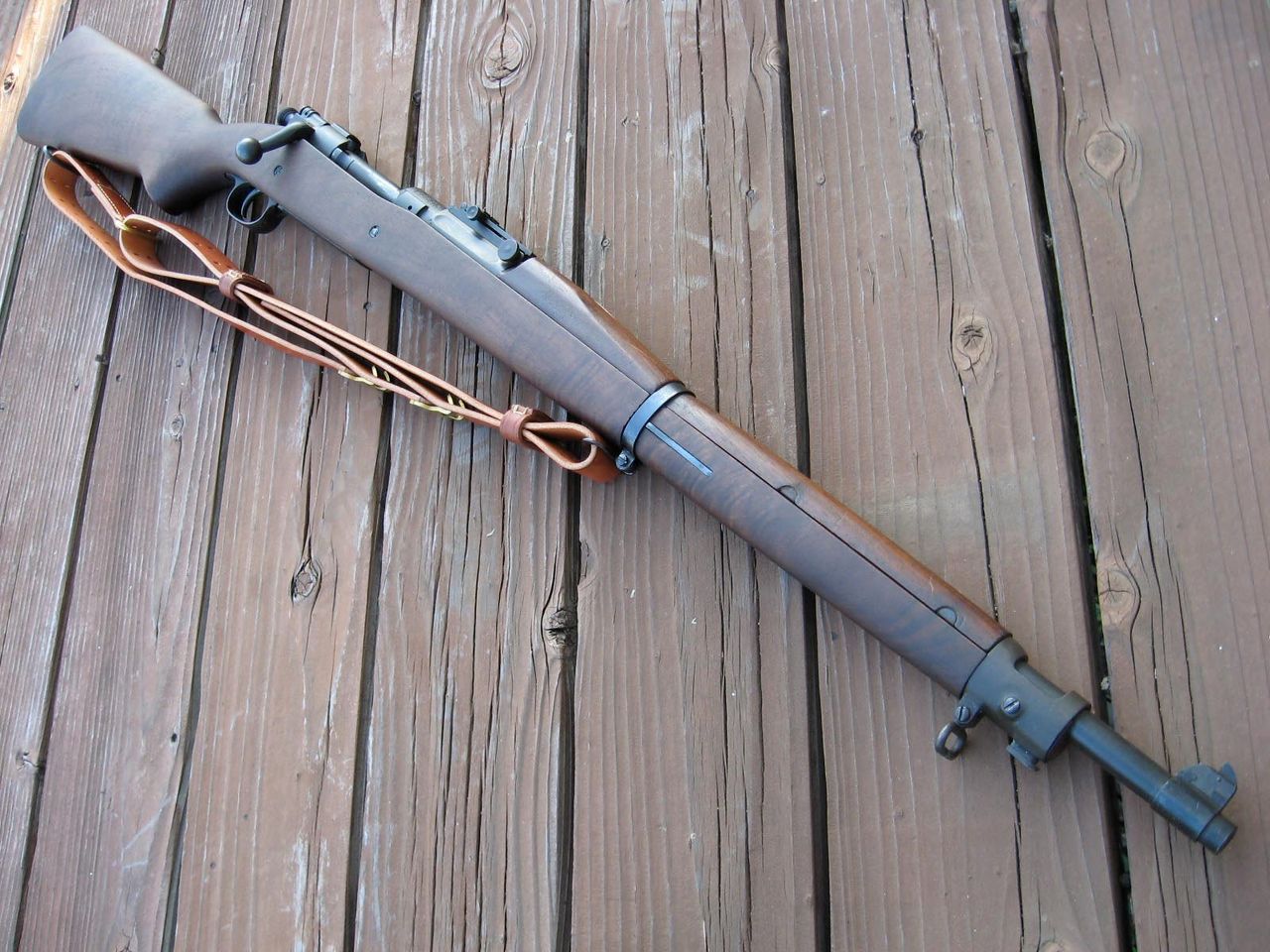
The M1903 Springfield may be rooted in the early 20th century, but its reputation for accuracy still carries weight. Built around a strong bolt-action system and chambered in .30-06, it became famous for precise shooting and rugged dependability in military service and beyond.
What keeps it relevant is how naturally it translates to modern expectations. A well-maintained Springfield can still be a serious performer at the range, and many shooters appreciate its crisp lines, solid machining, and smooth action. It is not just a historical piece. It is a reminder that great fundamentals do not expire.
Lee-Enfield No. 4

The Lee-Enfield No. 4 earned a loyal following thanks to its famously fast bolt throw and battle-tested reliability. Even by current standards, the action feels surprisingly quick, which helps explain why it remained admired long after newer service rifles arrived.
Chambered in .303 British, it still appeals to shooters who value smooth handling and practical field performance. There is also an undeniable charm to its robust design and peep sight setup, which can be very effective in capable hands. Modern rifles may offer more accessories, but the Enfield still brings speed, character, and proven function to the conversation.
Winchester Model 70
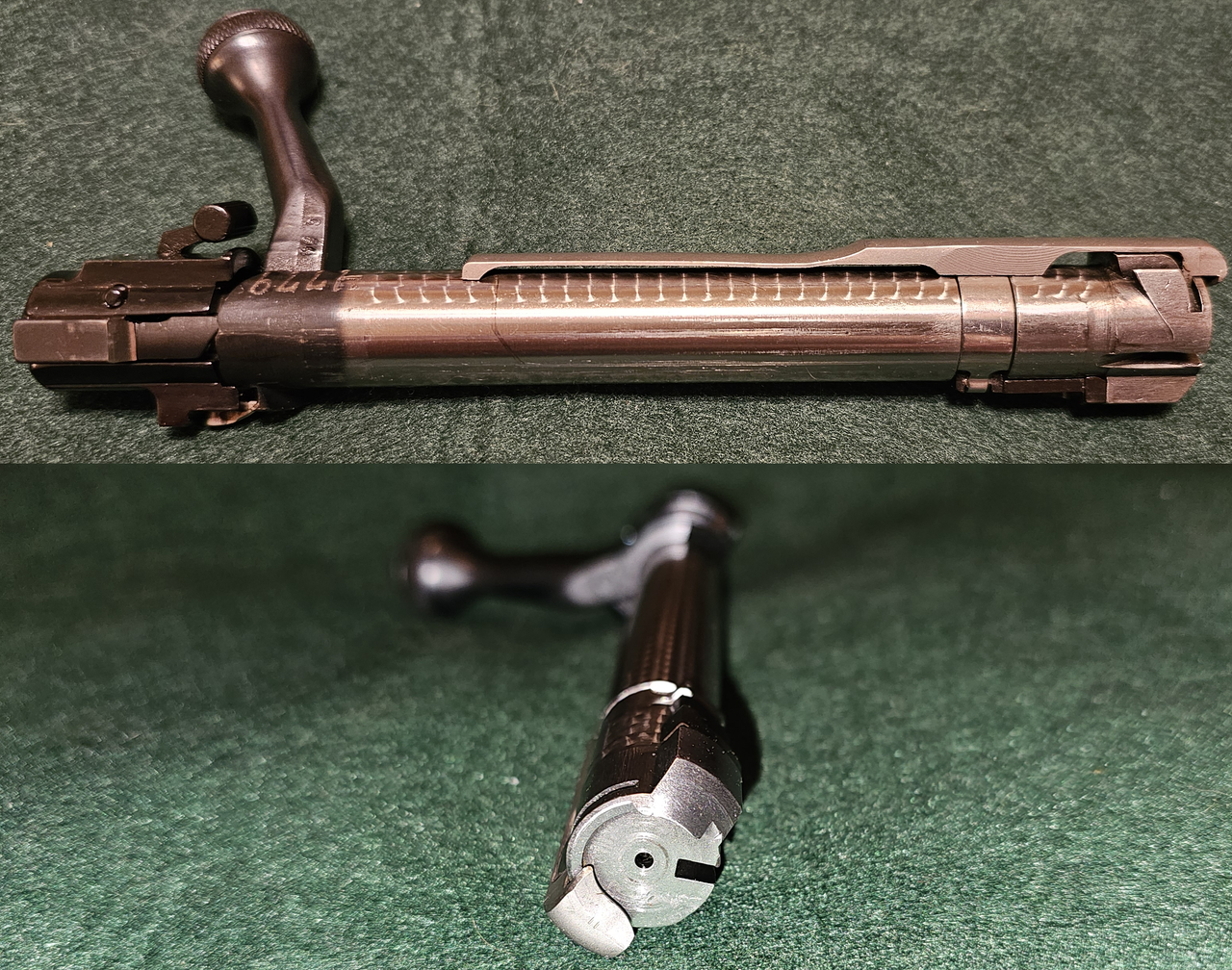
Often called the rifleman’s rifle, the Winchester Model 70 has remained a benchmark for generations. Its controlled-round-feed action, excellent ergonomics, and long-standing reputation for accuracy helped it earn a place in hunting camps and gun safes across America.
What makes it competitive today is that the formula still works. The Model 70 balances beautifully, points naturally, and offers the kind of confidence hunters want when one shot matters most. In an era full of synthetic stocks and modular upgrades, this classic still proves that refinement, reliability, and a smart action design are more than enough.
Mauser 98
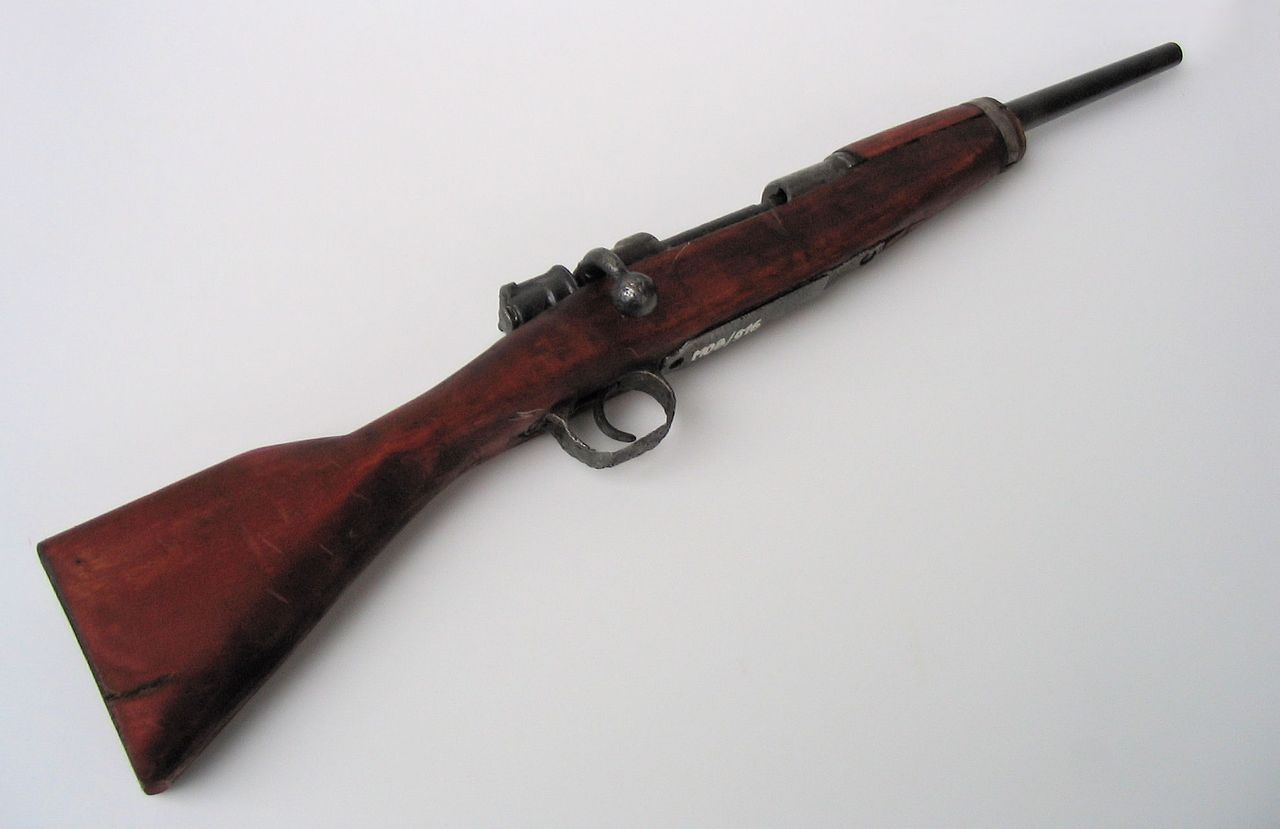
The Mauser 98 is one of the most influential bolt-action rifles ever made, and its DNA still lives in countless modern designs. Its strong action, controlled feeding, and durable extractor set a standard that manufacturers continue to follow more than a century later.
That staying power is the real story. A good Mauser 98 still feels solid, dependable, and mechanically reassuring in a way many shooters instantly recognize. Whether used as a collectible, sporter, or working field rifle, it remains highly respected because the original engineering was simply that good. Modern rifles may improve on the package, but they rarely escape its shadow.
Remington 700
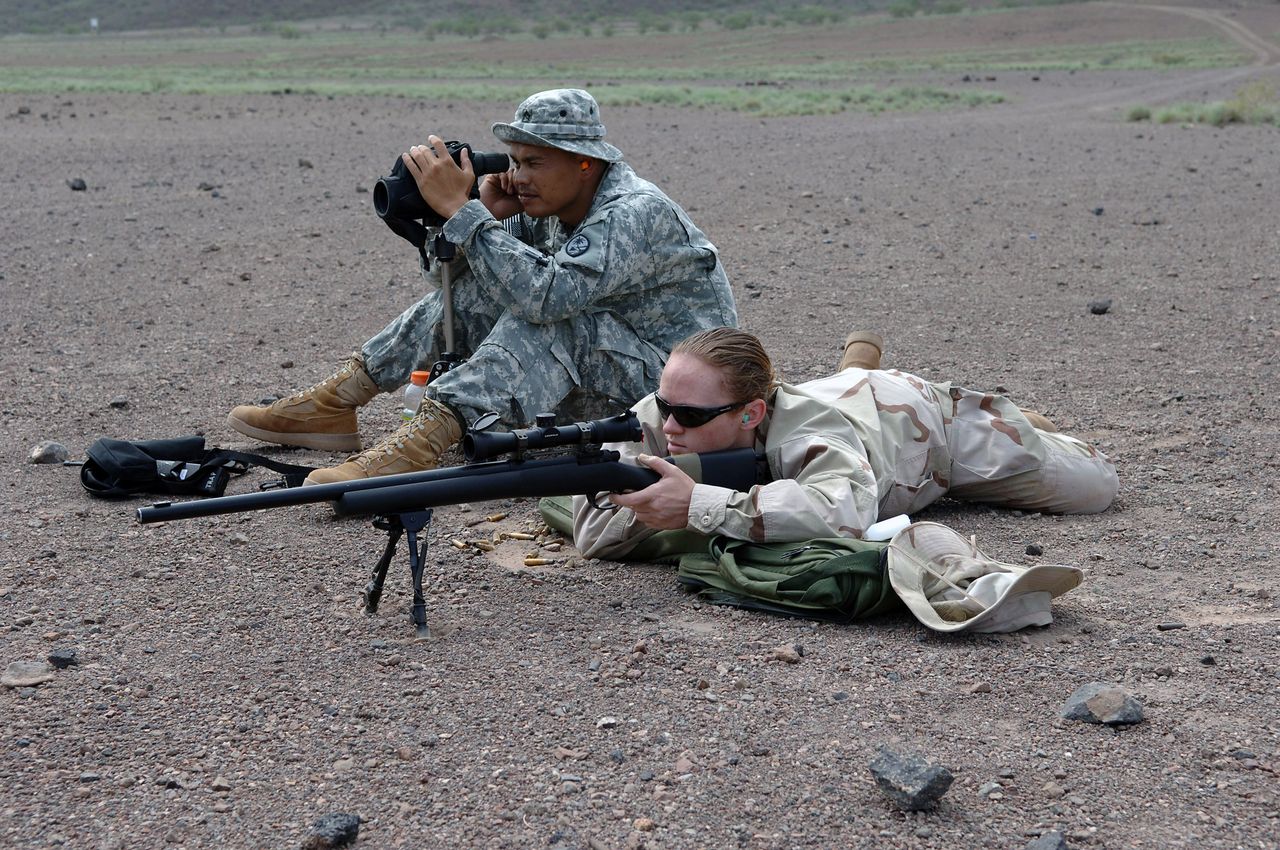
The Remington 700 is no antique in spirit, but it is certainly an older design that refuses to fade away. Introduced in the 1960s, it became a staple for hunters, target shooters, and precision rifle builders because of its inherent accuracy and enormous aftermarket support.
That last part is a major reason it still holds its own. Shooters can tune, restock, scope, and customize a 700 almost endlessly, giving the platform remarkable flexibility. Even with many newer precision rifles on the market, the Remington 700 remains relevant because it combines a proven action with practical familiarity and a track record that is hard to dismiss.
Savage Model 99

The Savage Model 99 stands out because it brought real innovation to the lever-action world. Its rotary magazine allowed the use of spitzer bullets, giving it an edge over tubular-magazine rifles and making it a more modern hunting tool long before the term was fashionable.
Even now, the Model 99 feels clever and distinct. It carries easily, handles quickly in the woods, and offers a sleek profile that still turns heads. For hunters who appreciate fast follow-up shots without giving up useful ballistic performance, this old design continues to make a strong case for itself in practical field conditions.
Ruger No. 1

The Ruger No. 1 is proof that a single-shot rifle can still command real respect in a market obsessed with capacity and accessories. Introduced in the 1960s with classic styling and a strong falling-block action, it quickly earned fans who valued precision, balance, and elegance.
Its appeal today is about more than nostalgia. The compact design often gives it the handling of a shorter rifle without sacrificing barrel length, and the action is famously robust. For shooters who enjoy deliberate marksmanship and a rifle with personality, the No. 1 still offers something many modern rifles do not even try to deliver.
M1 Garand
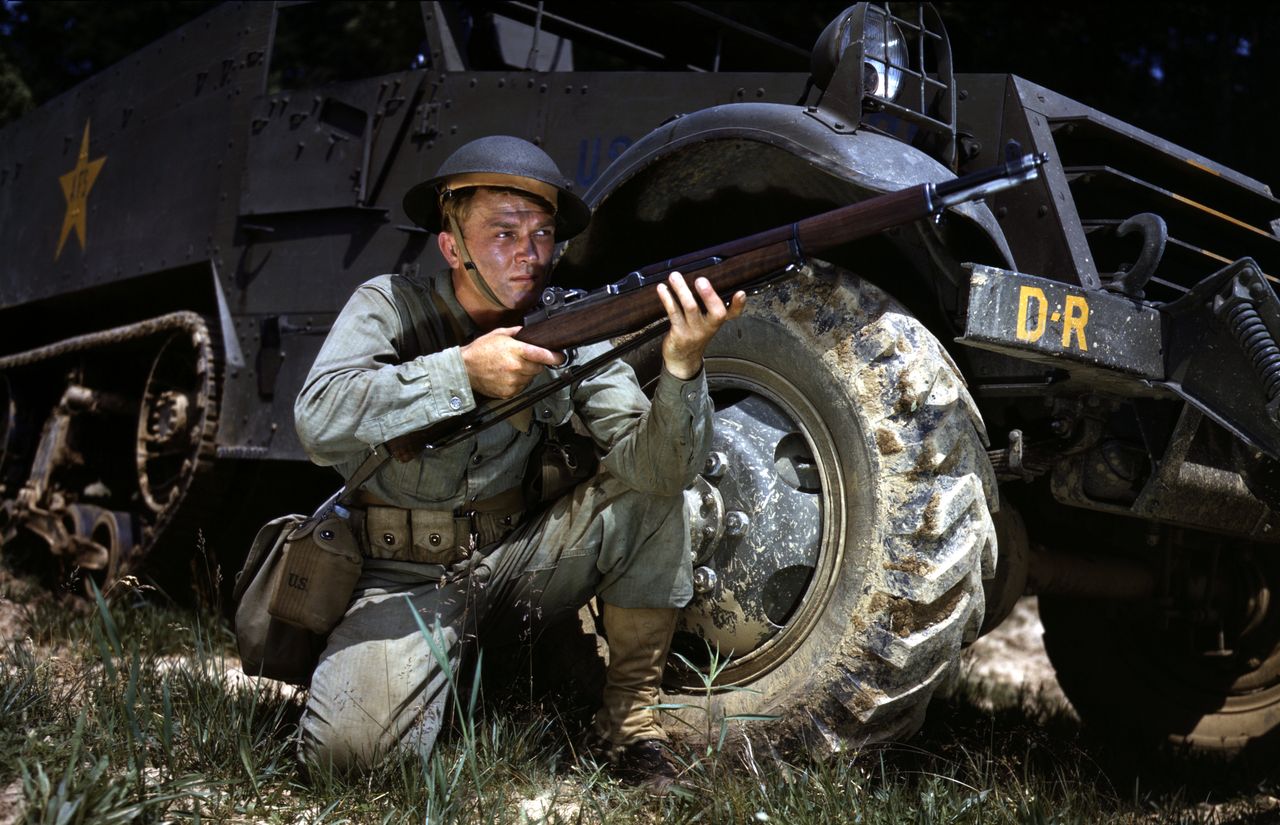
The M1 Garand changed military rifle history, but it also remains surprisingly capable by modern standards. Its semi-automatic action, .30-06 chambering, and robust construction gave soldiers a major advantage in its day, and those qualities still translate into satisfying real-world performance.
Shoot one now and it is easy to understand the loyalty it inspires. The rifle is heavy, yes, but that weight helps tame recoil and adds a feeling of solidity that many shooters love. It may not be the lightest or most modular option available, yet the Garand still offers power, reliability, and enduring credibility on the firing line.