Few firearms have earned a nickname as dramatic as the Colt Walker. Built for brutal frontier realities and military use, it quickly became famous for its size, recoil, and sheer excess. This gallery explores why historians and enthusiasts still talk about it as the revolver that pushed practical limits farther than most handguns ever dared.
It Was Enormous for a Handgun
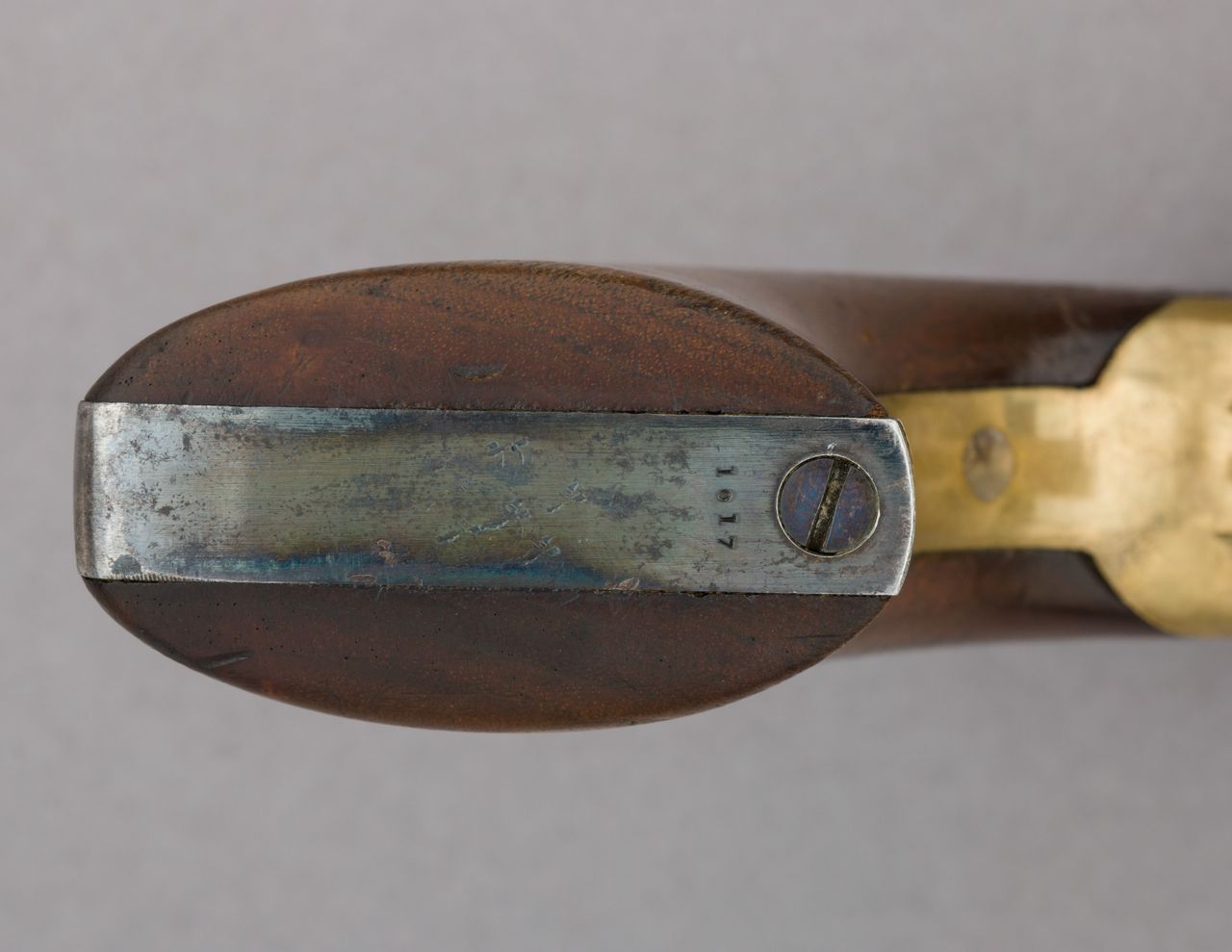
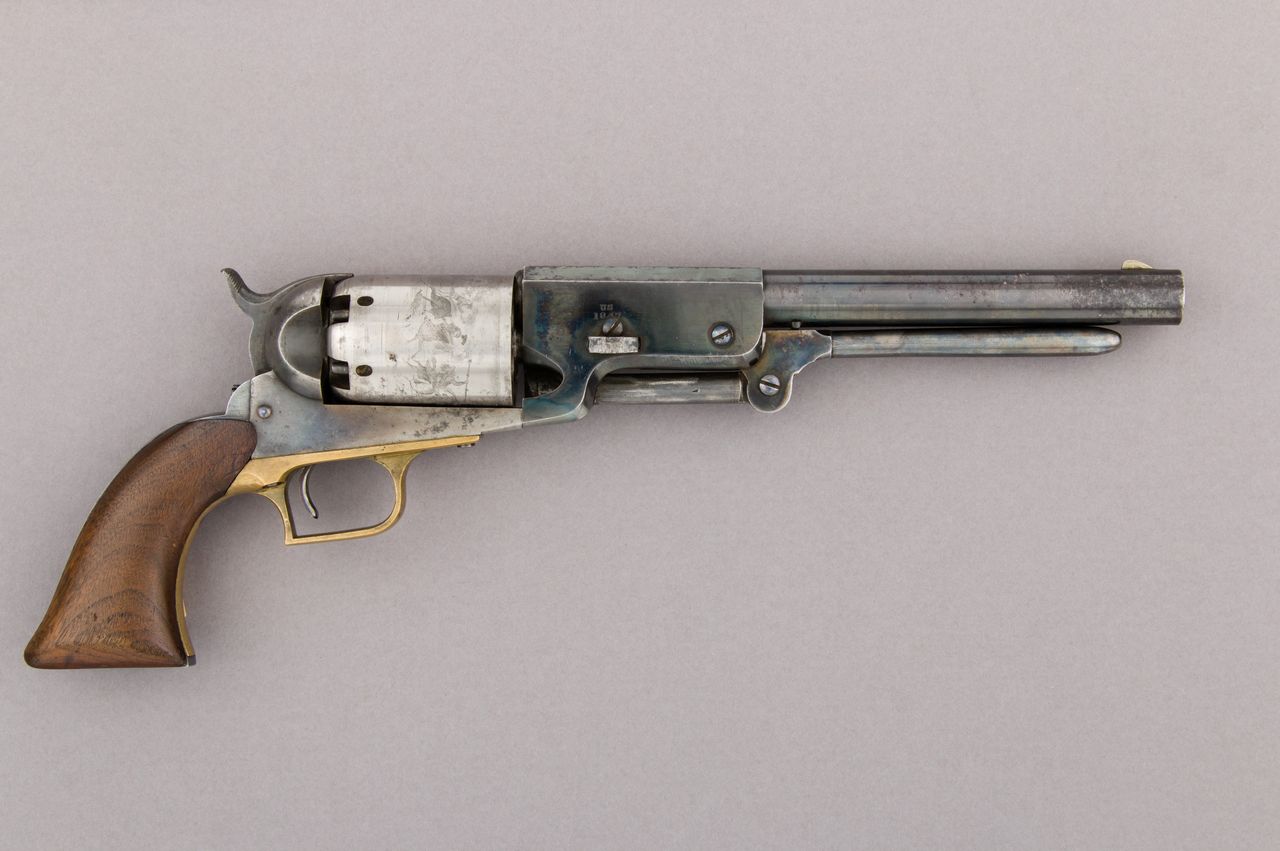
The Colt Walker made an immediate impression because it barely fit the idea of a sidearm. Weighing around 4 1/2 pounds unloaded, it felt less like a belt pistol and more like a compact carbine that happened to have a grip.
That bulk gave it serious presence, but it also made daily carry a chore. Mounted troops could manage it better than men on foot, which says a lot about who this revolver was really built for.
Even today, people see one in person and usually have the same reaction: disbelief. Its dimensions alone are enough to explain why the Walker still feels like a handgun taken to extremes.
It Fired a Massive Black Powder Charge
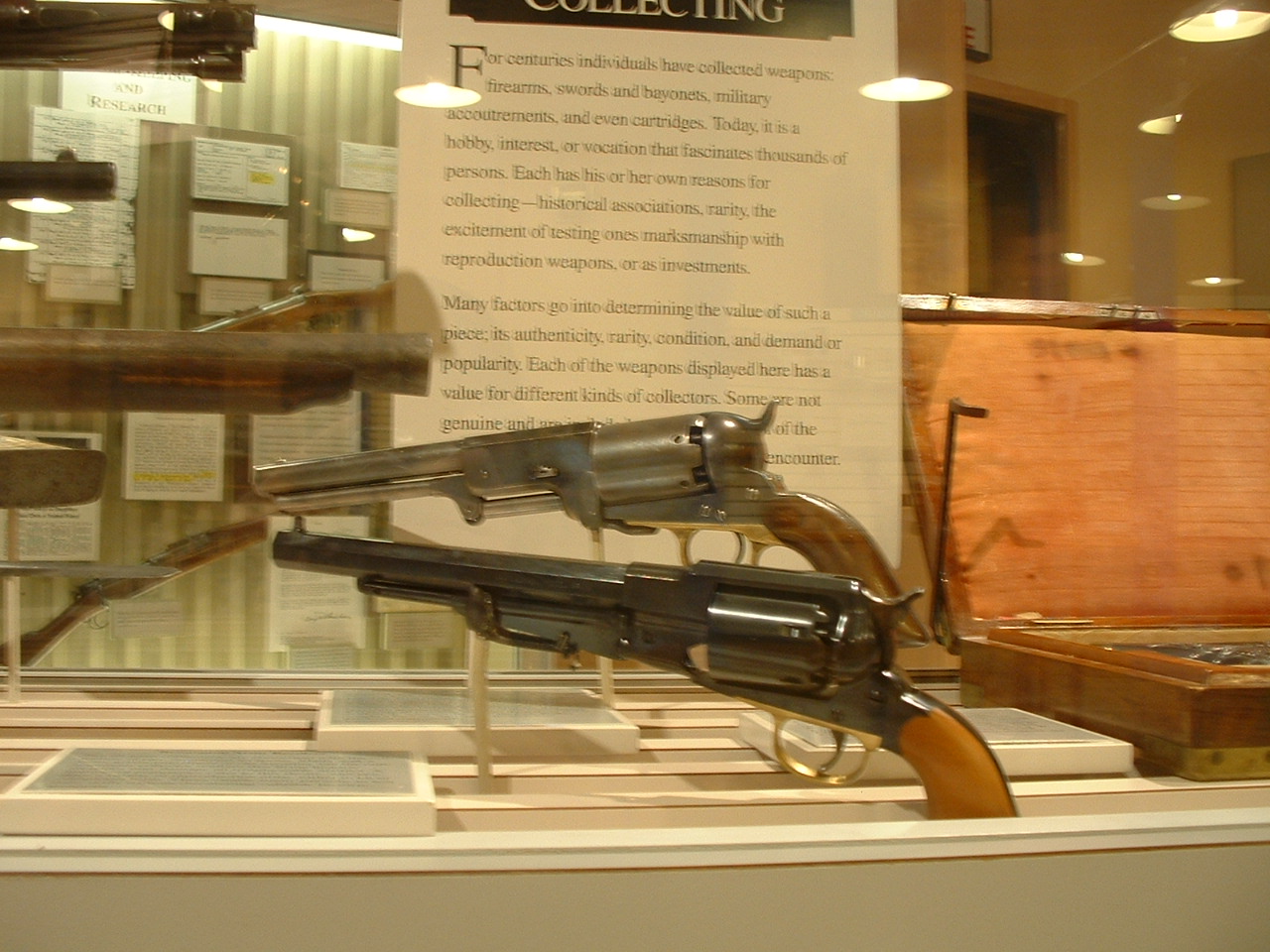
Part of the Walker legend comes from what happened inside the cylinder. It could hold an exceptionally heavy black powder charge, often cited at up to 60 grains, which was far beyond what most revolvers of its era were expected to digest.
That translated into startling power for a handgun of the 1840s. In period accounts and later testing, the Walker developed a reputation for performance that edged into rifle-like territory, at least by the standards of its day.
This was not a polite sidearm built for convenience. It was designed to hit hard, and that decision shaped everything else about its oversized frame and fearsome reputation.
Its Recoil Was Part of the Experience
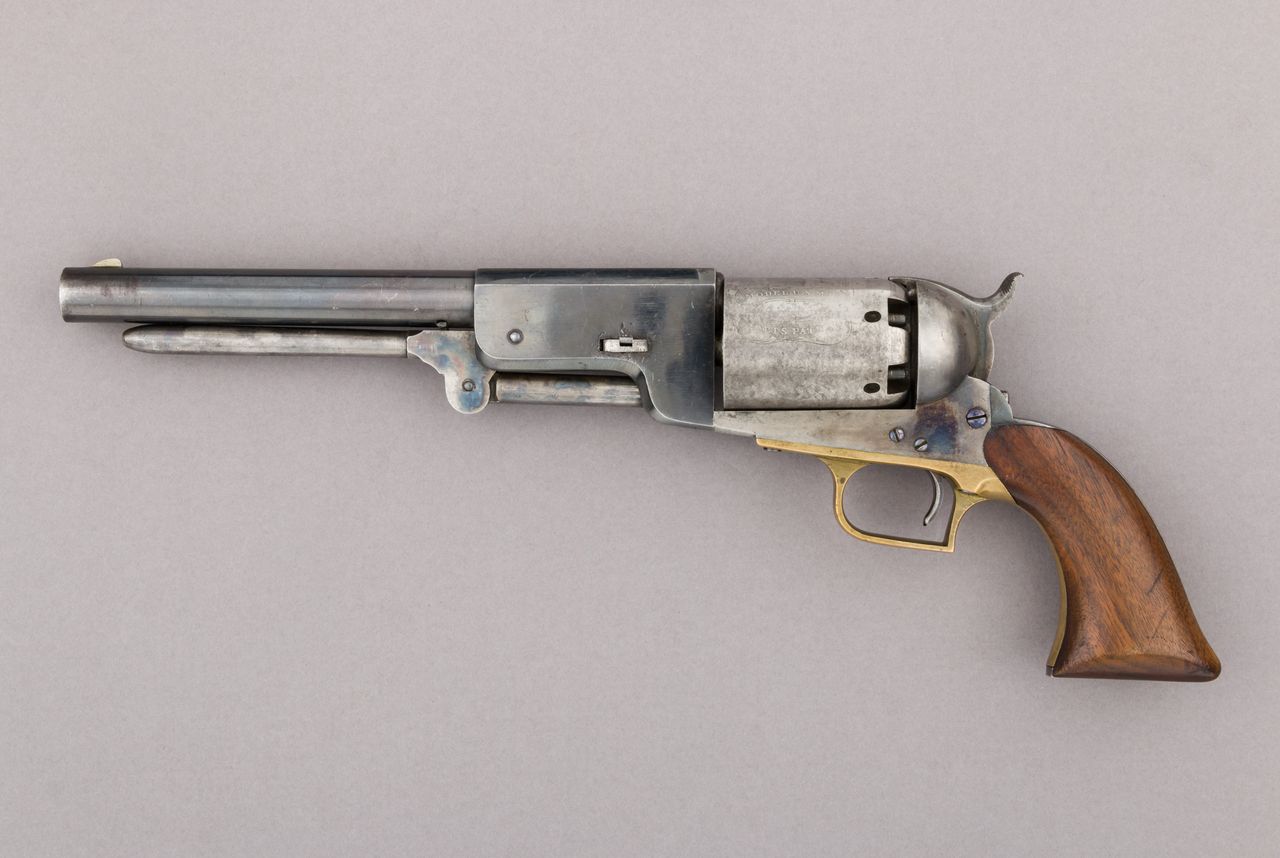
All that powder had to go somewhere, and the shooter felt it. The Walker was known for stout recoil, the kind that turned every shot into an event rather than a casual trigger press.
For experienced riders and soldiers, that tradeoff could be worth it. A powerful handgun offered confidence in close fighting, especially in an era when reliability and stopping power were prized above comfort.
Still, nobody would mistake the Walker for an easygoing range toy. Its kick helped cement the idea that this revolver was not just big on paper. It delivered its excess directly into the shooter’s hands.
Early Models Had a Reputation for Bursting
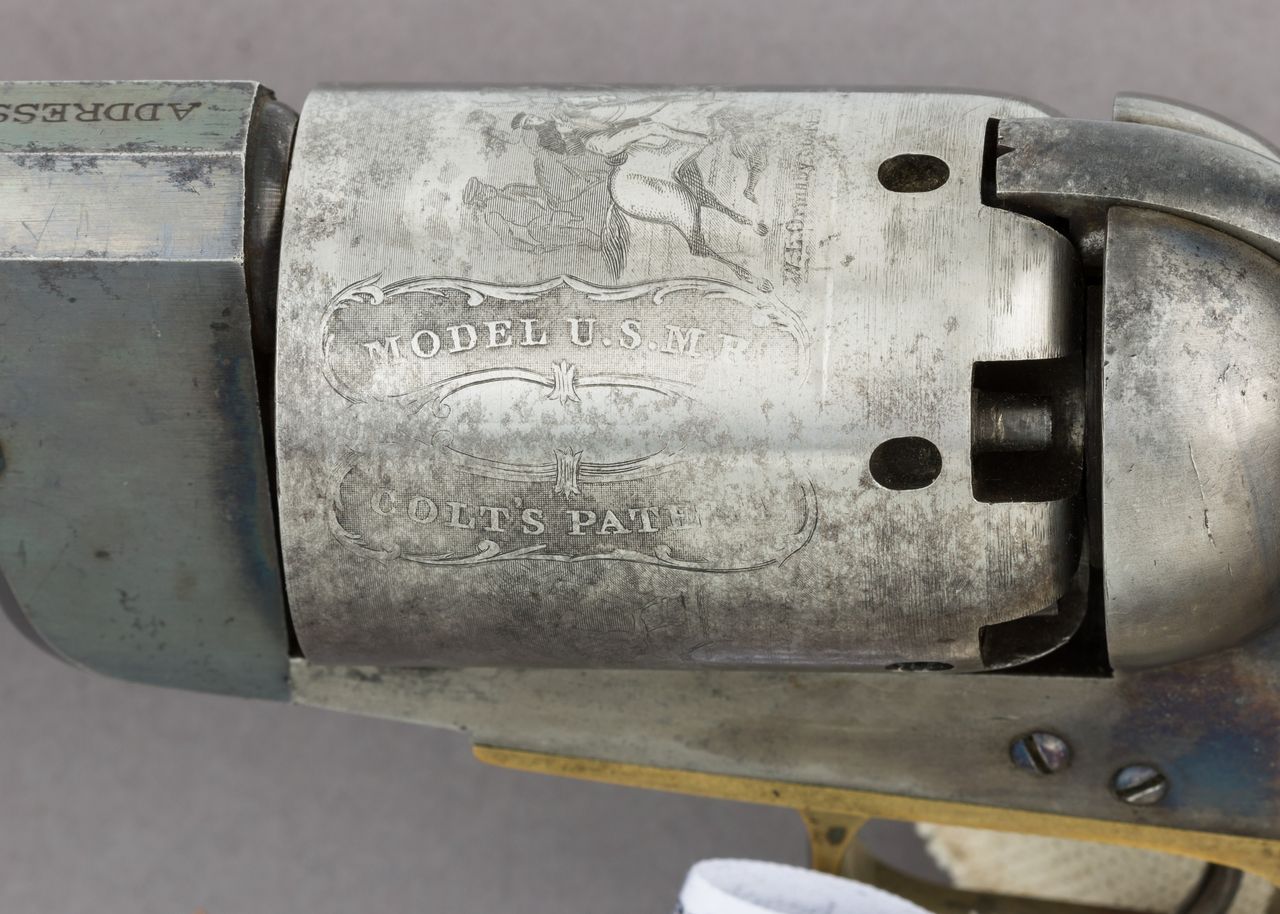
The Walker’s ambition came with real risk. Some early cylinders reportedly failed under use, creating one of the darkest and most enduring parts of the revolver’s story.
Whether the problem came from metallurgy, heavy loads, or accidental overcharging, the effect on the gun’s legacy was the same. A revolver already famous for huge powder capacity suddenly carried a reputation for being a little too eager to test its own limits.
That danger became part of its mythology. Plenty of historic weapons are powerful, but fewer are remembered for flirting so openly with the edge of what their design could safely handle.
It Was Built for War, Not Convenience
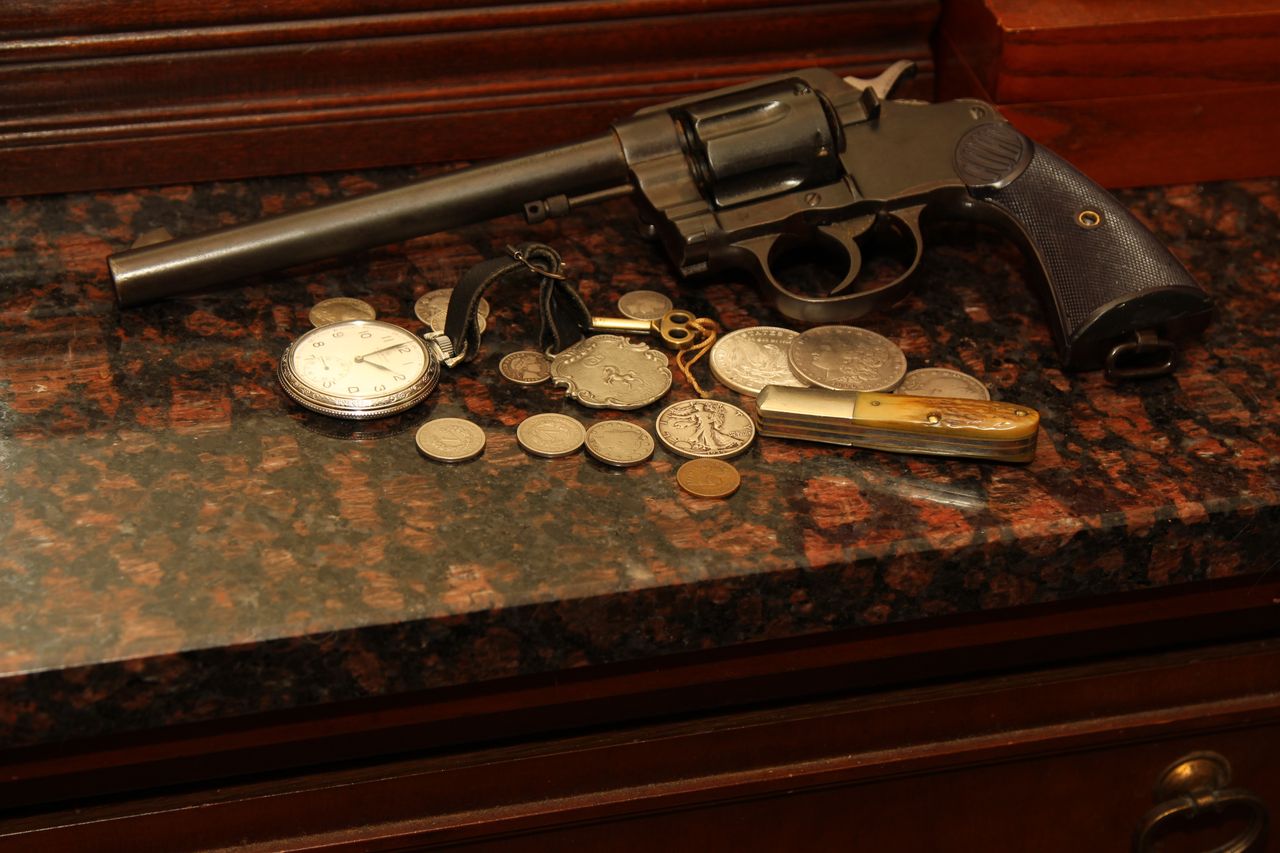
The Colt Walker was created through collaboration between Samuel Colt and Captain Samuel Hamilton Walker, a Texas Ranger and U.S. military officer who wanted a more formidable fighting revolver. That origin story matters because it explains the gun’s priorities.
This was a battlefield tool meant for mounted service, where sheer power and intimidation counted for a lot. It was never intended to be a discreet personal sidearm or an all-purpose pocket companion.
Seen in that light, the Walker makes perfect sense. It went too far only if you judge it by ordinary handgun standards rather than the hard military demands that produced it.
Carrying It Was Awkward by Design
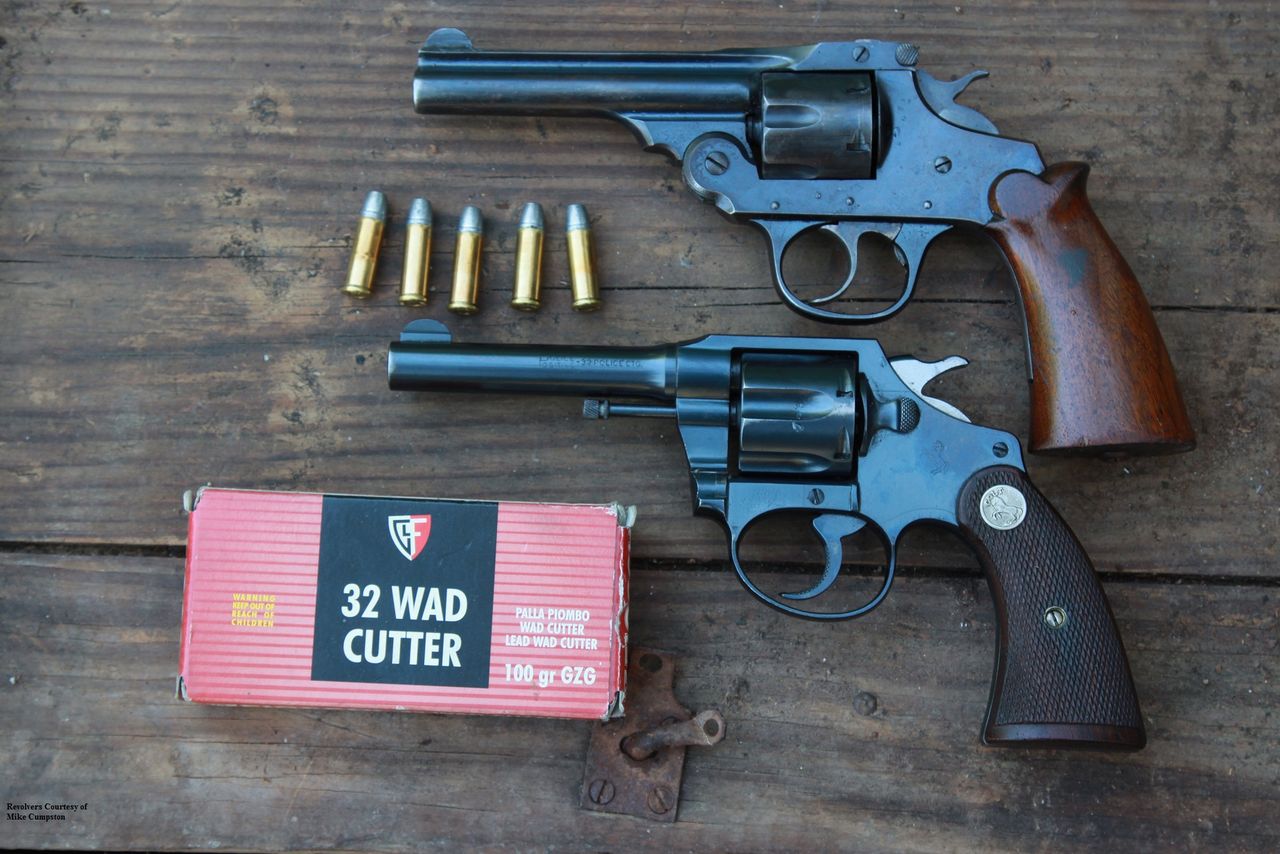
The Walker’s size affected more than shooting. It was commonly carried in saddle holsters because wearing one on the belt for long periods was impractical for most users.
That says everything about its real-world footprint. A handgun that lives more comfortably on horseback than on a hip is already operating in a category of its own.
This awkwardness is part of why the revolver still fascinates people. It stretched the definition of a sidearm until the usual rules of portability started to break down, and that is a big reason the nickname has endured.
It Left a Huge Mark on Revolver History
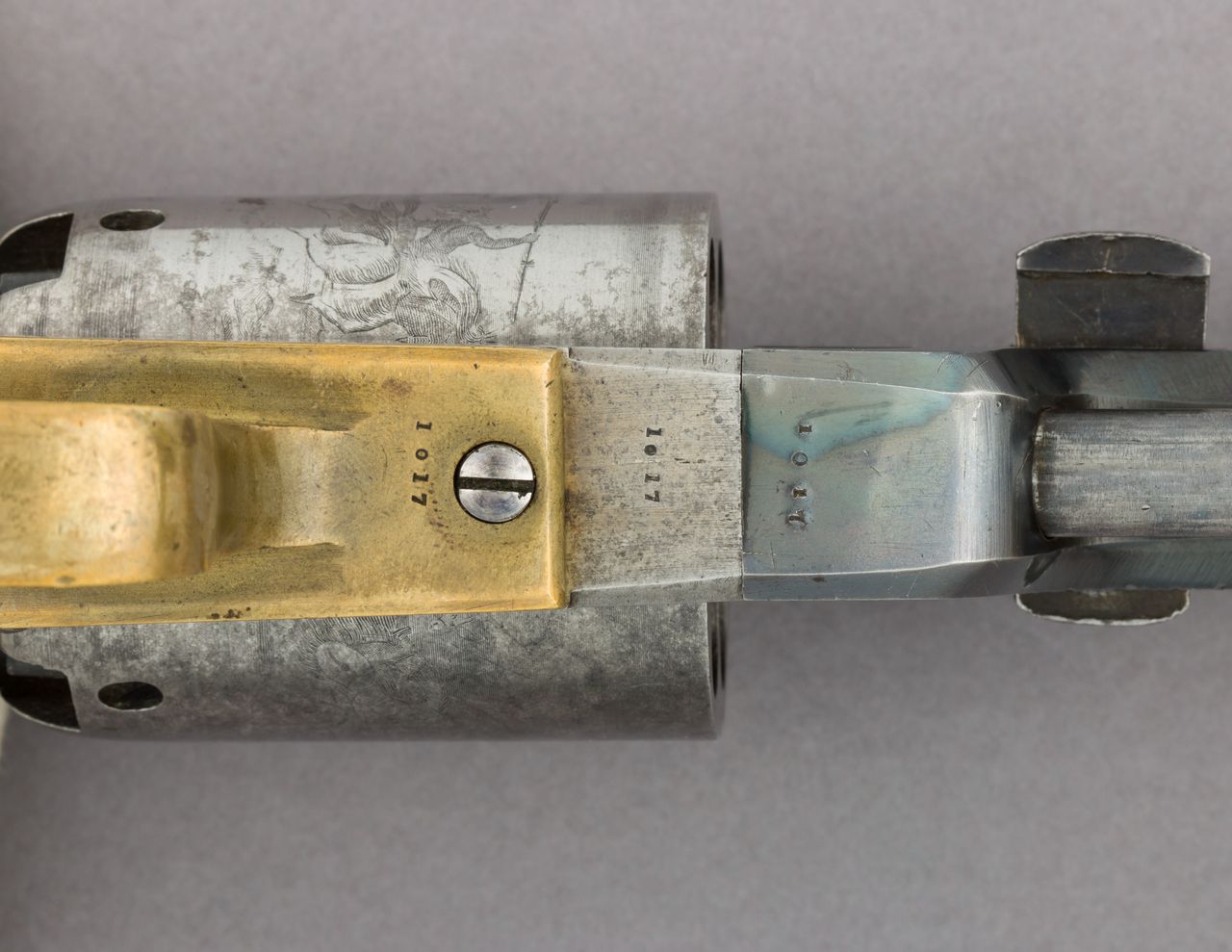
Even if the Walker was too large and temperamental to become the perfect long-term template, it mattered enormously. It showed what a repeating handgun could be when designers chased maximum impact instead of moderation.
Later Colt models, especially the Dragoon series, refined the concept by trimming some of the Walker’s excess while keeping much of its authority. In that sense, the Walker was both a breakthrough and a warning.
Its influence lives on because it proved the revolver could become a serious martial arm. It just also proved that there was a point where bigger and stronger could start working against practicality.
Its Legend Is Bigger Than Its Production Run
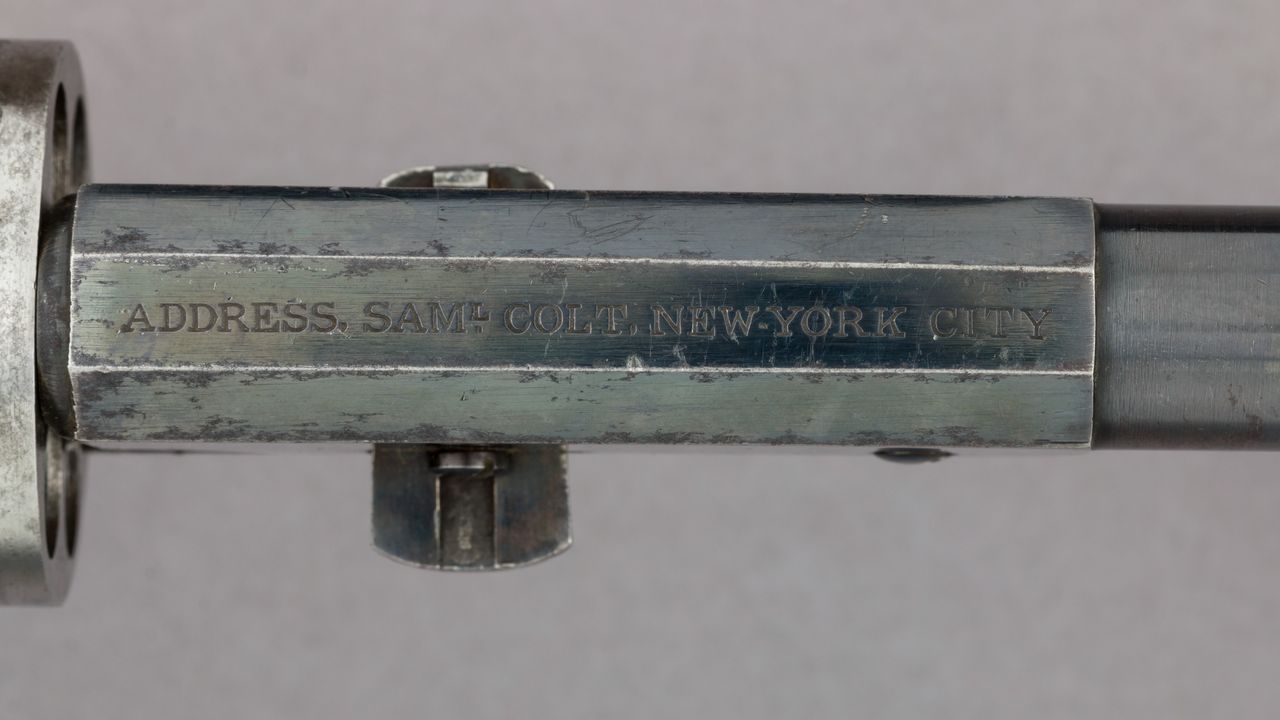
Part of the Walker’s mystique comes from scarcity. The original production run was relatively small, yet its fame has grown far beyond the number of revolvers actually made.
That is usually the mark of a weapon that captured imagination as much as battlefield utility. Collectors, historians, reenactors, and gun enthusiasts keep returning to the Walker because it represents an almost mythic version of American frontier firepower.
It remains the revolver that went too far because the phrase fits on every level. The size, the charge, the recoil, the risk, and the legend all feel amplified, as if moderation never entered the design brief at all.