The Springfield 1903 still stirs something in rifle people. It looks right, carries history, and even today it can feel surprisingly at home in deer woods.
Why the 1903 Still Has a Loyal Following
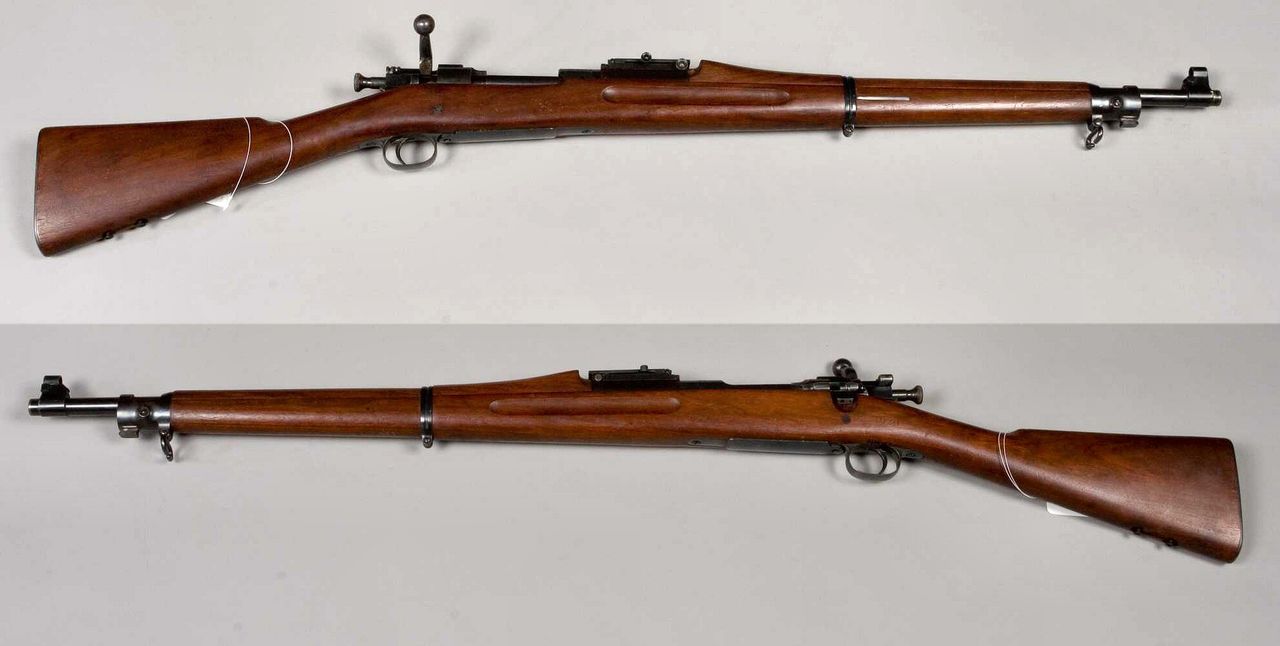
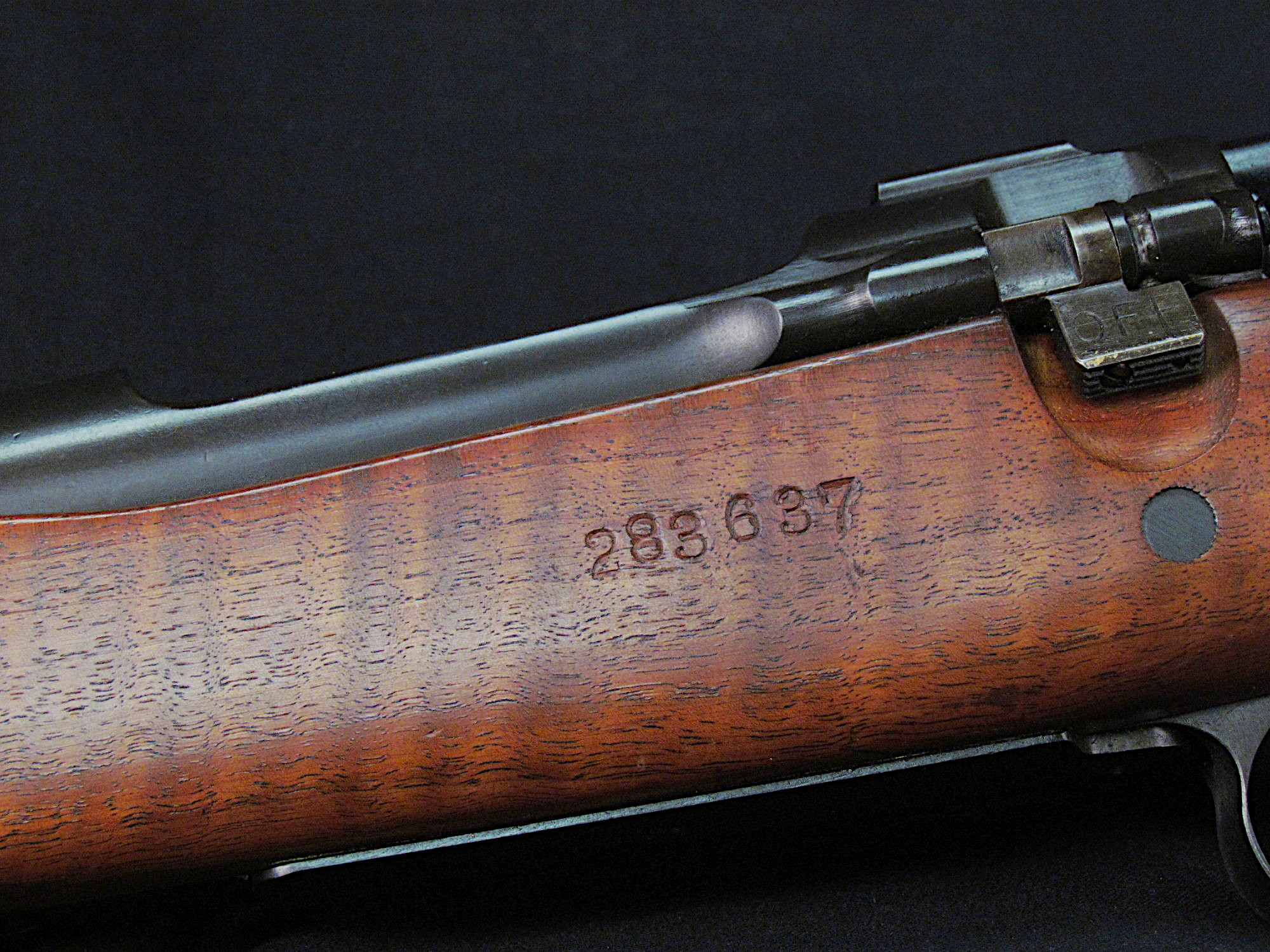
The M1903 earned its reputation the hard way. According to American Rifleman, the standard rifle carried a 24″ barrel, weighed about 8 lbs., 11 ozs., measured 43 1/2″ overall, and fed from a five-round internal magazine in .30-06. That is a serious, full-size rifle, but it was also one of the best bolt guns of its era.
The action’s Mauser-style roots matter here. The National Firearms Museum notes that the 1903 was based on Mauser patents, and that lineage shows in the controlled, confident feel of the bolt. Hunters still value that kind of mechanical certainty when weather turns nasty.
There is also the simple fact that the .30-06 remains deeply practical. American Rifleman has long described the cartridge and rifle as inseparable in the minds of hunters, and for good reason. In the woods, where shots are often short and angles imperfect, that cartridge still delivers authority without asking for exotic ammunition.
What “Good in the Woods” Really Means

A woods rifle is not judged on benchrest fantasy. It is judged by how fast it comes to shoulder, how well it threads through brush, and whether it lets the hunter place the first shot cleanly from an awkward stance.
By that measure, the 1903 has some real advantages. Its slim stock, balance between the hands, and excellent iron sights can make it feel more alive than many cheap modern rifles wearing bulky scopes. A well-preserved example often points naturally in a way synthetic-stock rifles do not.
But woods handling is not only about feel. Weight, length, recoil management, and sight acquisition all count. A rifle that seems romantic at the truck can start to feel long and heavy halfway through a steep ridge walk or a day of still-hunting in thick cover.
Where Modern Rifles Pull Ahead
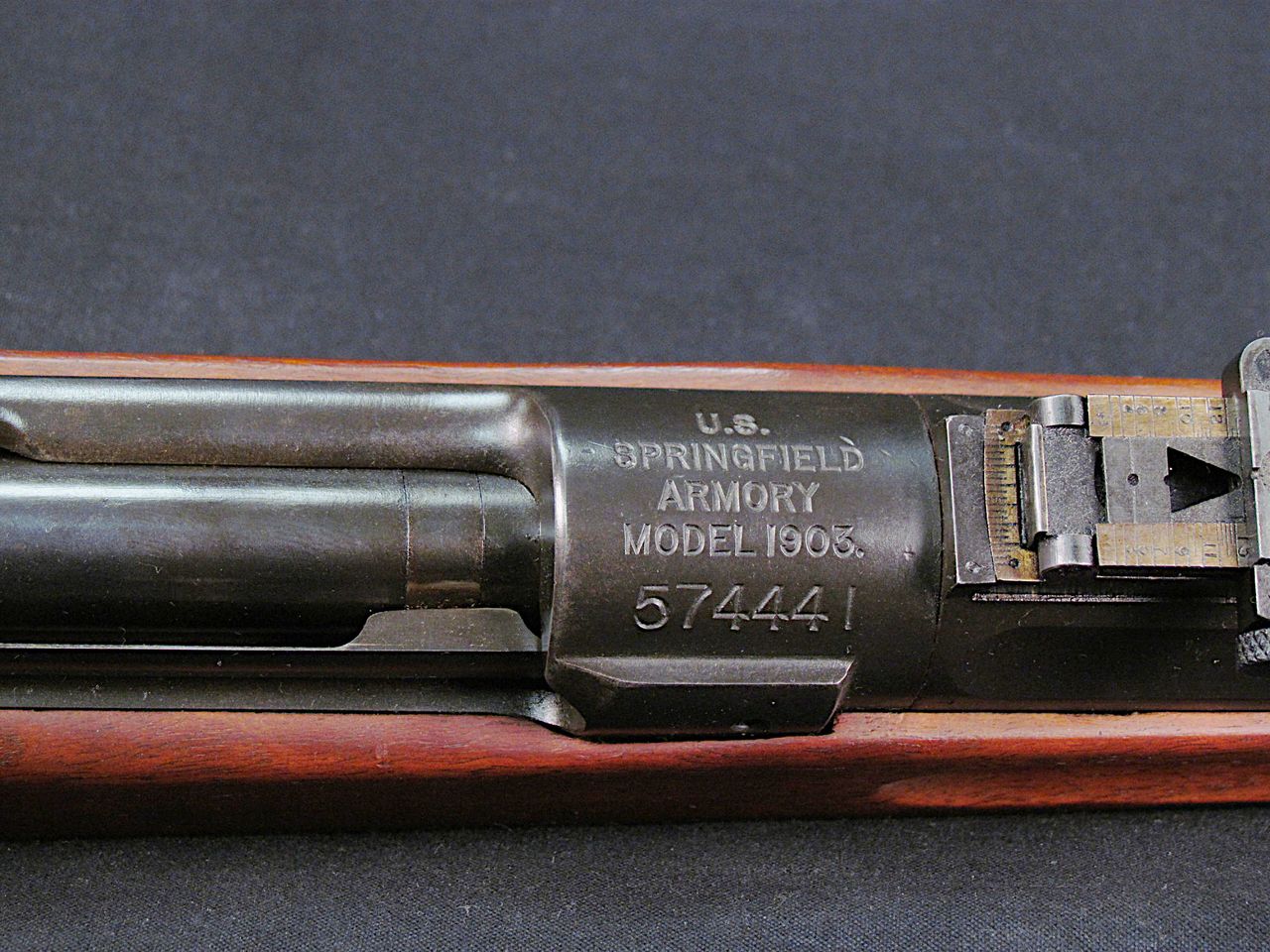
This is where new rifles usually win. A Winchester XPR has been listed by Winchester at 6 lbs. 12 ozs., while Bergara’s B-14 Hunter has published weights around 7.1 to 7.3 lbs. Those are meaningful savings over an 8 lbs., 11 ozs. M1903 before adding sling, cartridges, or optics.
Modern rifles also benefit from better factory triggers, corrosion-resistant finishes, and easier optic mounting. Most hunters today expect a low-power scope or red-dot-friendly setup, and the 1903 was designed for a different world. Retrofitting one can work, but it usually compromises originality, convenience, or both.
Then there is ammunition flexibility. New rifles are routinely chambered in .308 Winchester, 6.5 Creedmoor, and other cartridges that produce less recoil than full-house .30-06 hunting loads. In fast, close woods shooting, reduced recoil often helps more than raw power.
Where the 1903 Still Competes
The old Springfield is far from obsolete. In thick hardwoods where shots may stay inside 100 yards, its ballistic disadvantages are basically nonexistent. Deer, hogs, and black bear do not care whether the bullet came from a 1918-pattern action or a 2026 polymer-stocked rifle.
It also remains superb for hunters who actually use irons. The military sighting system was built for serious field use, not as an afterthought. If your eyes still agree with iron sights, a 1903 can be faster than a budget scoped rifle at close range.
There is a durability argument too. The 1903 was built for war, not gentle range days, and many surviving rifles still function impressively well. The Civilian Marksmanship Program still writes rules around as-issued Springfield rifles, which says a lot about how relevant the platform remains to serious shooters.
The Catch: Age, Safety, and Practical Ownership
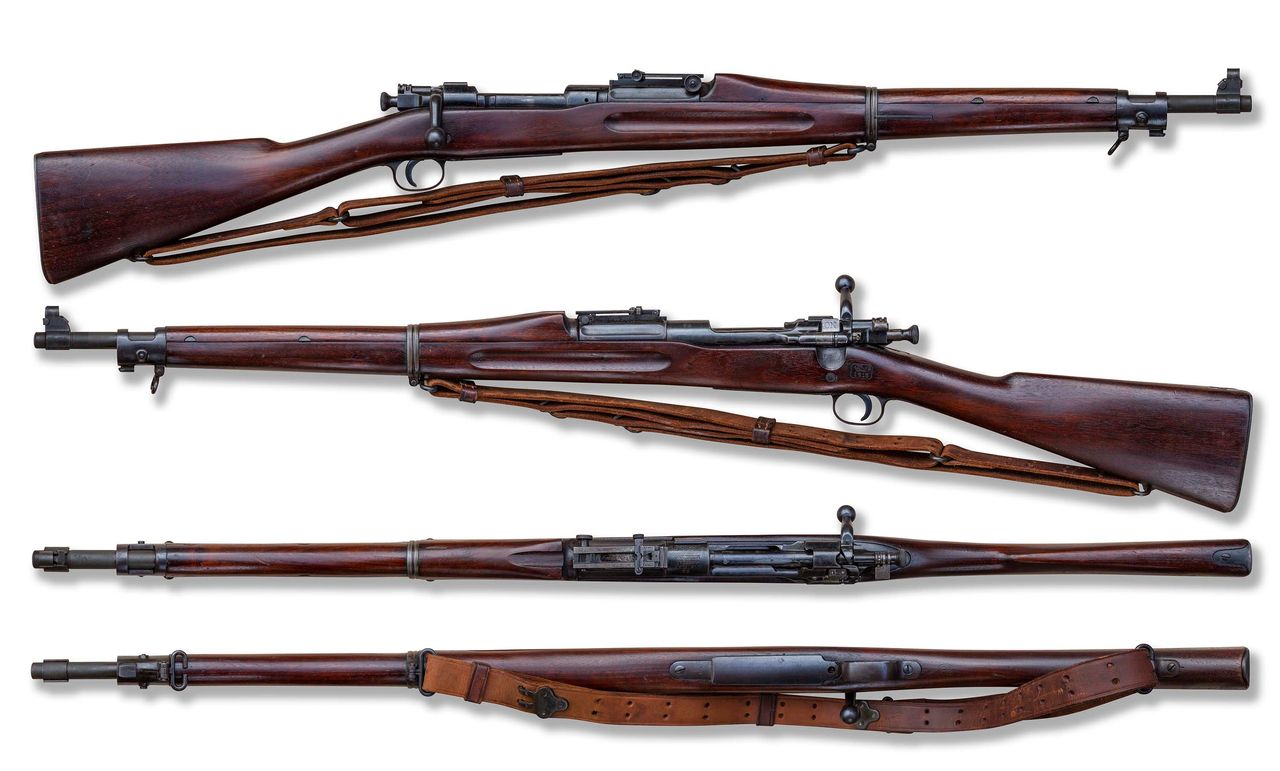
Not every 1903 is automatically a field-ready hunting rifle. Condition matters enormously, especially with century-old firearms that may have unknown histories, worn bores, replaced parts, or questionable sporter modifications. A competent gunsmith inspection is not optional if the rifle’s background is unclear.
Collectors also draw a sharp line between original military rifles and altered hunting guns. Drilling and tapping an intact rifle may improve convenience, but it can erase historical value. For many owners, that tradeoff is harder to justify now than it was 40 years ago.
A modern rifle asks much less of the buyer. You can walk into a shop, leave with a weatherproof bolt gun, mount glass in minutes, and hunt without worrying about collector value. That practicality is hard to beat if your goal is simply filling the freezer.
So, Does It Beat Modern Rifles?
Sometimes, in narrow ways, yes. A good Springfield 1903 can still outclass mediocre modern rifles in balance, character, iron-sight usability, and sheer confidence-inspiring build quality. In close woods with a hunter who knows it well, it remains absolutely capable.
But on pure utility, most modern rifles have the edge. They are lighter, easier to scope, simpler to maintain, and more forgiving for the average hunter. The 1903 does not really beat modern rifles across the board anymore; it beats them only when the shooter values tradition, feel, and proven field manners above convenience.
That may sound like a loss, but it is not. The Springfield 1903 has survived because it still works, and in the right hands, the old warhorse is not pretending to belong in the woods. It still does.