Ancient warfare was not simply about brute force. Across different civilizations, craftsmen developed weapons that depended on clever metallurgy, mechanical systems, controlled combustion, and carefully balanced designs. Some can be reconstructed with reasonable confidence, while others remain frustratingly incomplete because the original materials, workshop methods, or technical instructions disappeared. The mysteries below are therefore not proof of impossible technology. They are cases where modern researchers can understand the basic principle but cannot always recover exactly how the original weapon was made or operated.
1. Greek Fire
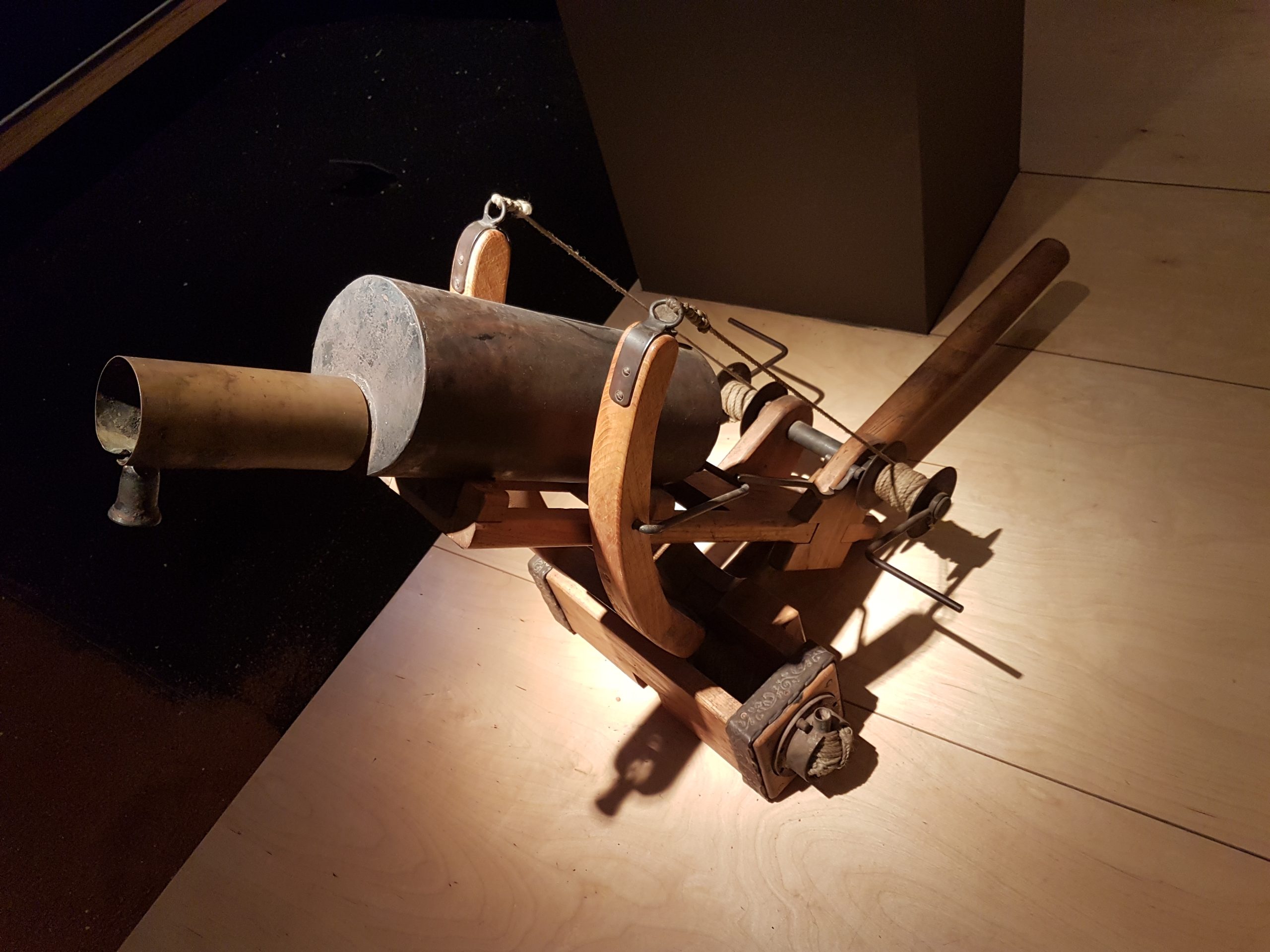
Greek Fire remains one of history’s most frustrating military mysteries because the Byzantine incendiary weapon disappeared along with the recipe. First recorded in Byzantine use in the 7th century, it was projected from ships through siphon systems and could continue burning on water. Medieval accounts describe it as difficult to extinguish, but they do not provide a reliable formula. Modern chemistry can reproduce substances with similar behavior, yet the exact fuel, thickener, ignition method, and delivery system remain debated. Its naval role is clearer than its chemistry: it helped defend Constantinople and gave Byzantine fleets a formidable weapon for centuries.
2. Damascus Steel
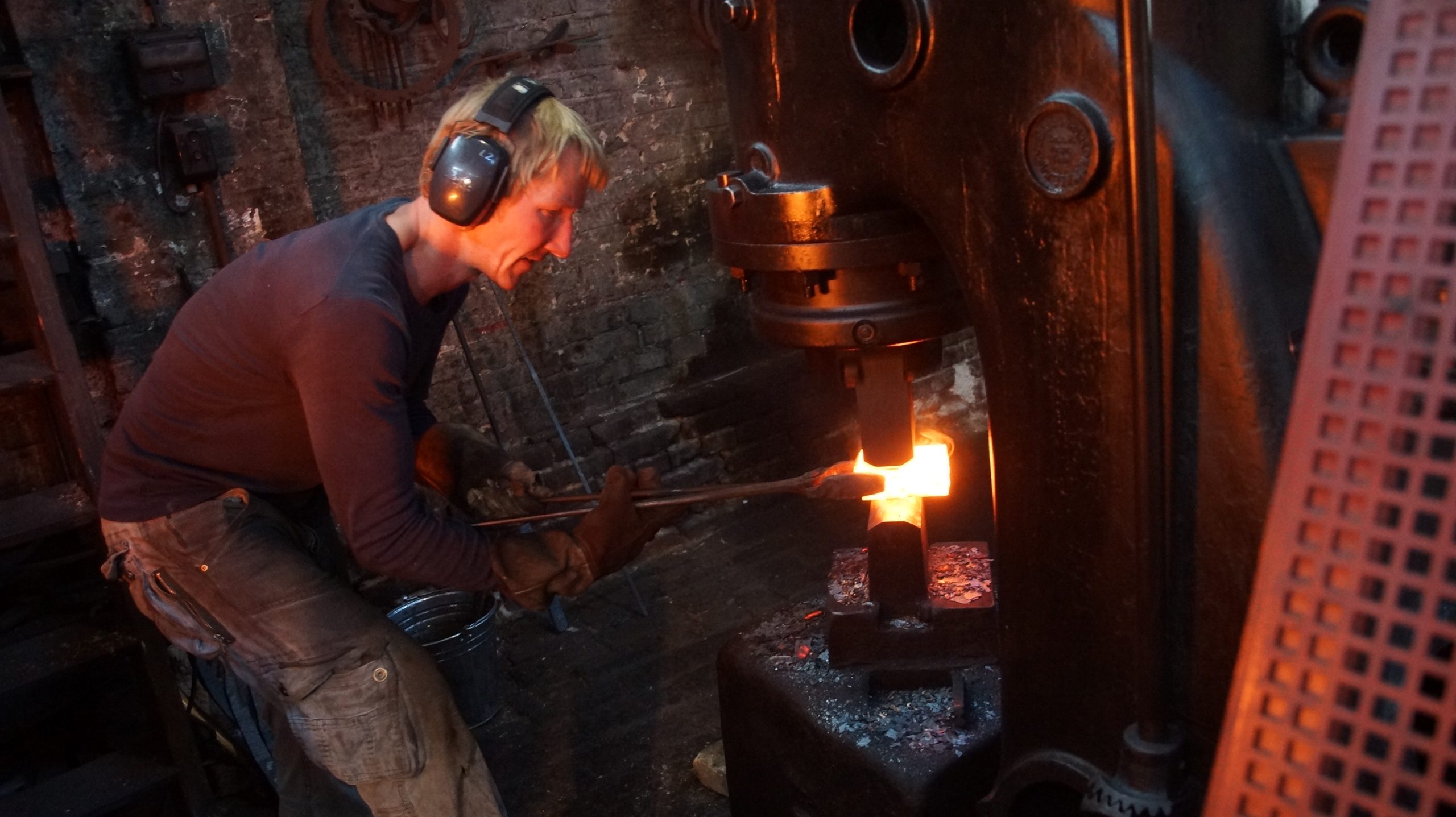
Damascus steel refers to famous blades made from crucible steel, known from at least the 1st millennium, associated with the Middle East and South Asia. Their flowing patterns came from the steel’s internal structure, not decorative engraving. Metallurgical studies show that trace elements, carbon distribution, forging temperature, and repeated working could influence the pattern and performance. What remains difficult is identifying one original recipe and workshop process that explains every surviving blade. Smiths likely relied on closely guarded workshop methods still. Modern makers can produce patterned crucible steel, but matching a particular historical blade remains difficult.
3. Ulfberht Swords
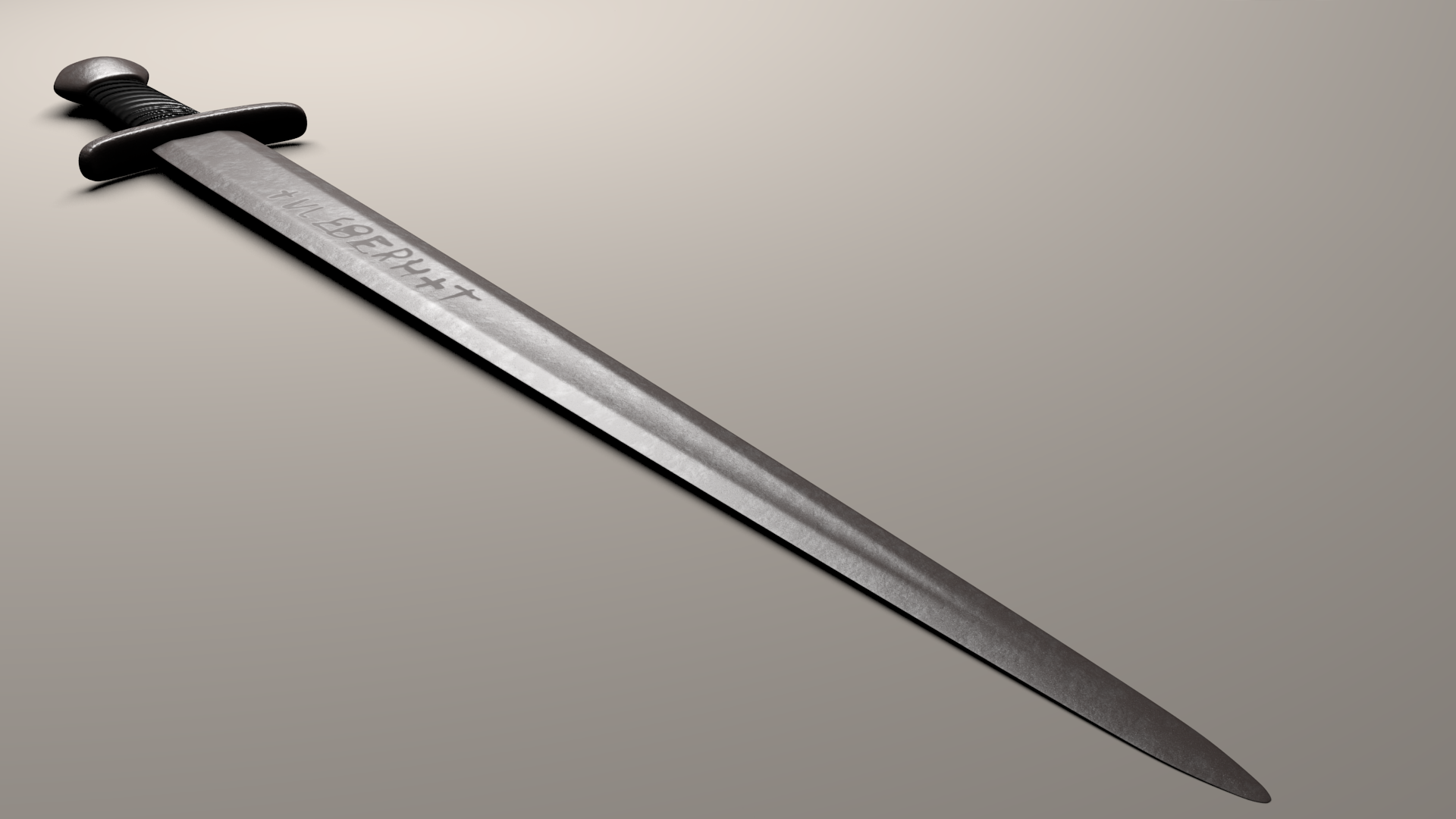
The Viking-era Ulfberht swords are intriguing because some blades carry the +VLFBERH+T inscription and show unusually high-quality steel for their period. Most date to the 9th through 11th centuries, although quality varied and some marked swords were not genuine. Some examples contain relatively clean, high-carbon steel with fewer slag inclusions than many contemporary European blades, suggesting sophisticated control of bloom or crucible steel. The mystery is not whether medieval smiths could make good steel, but how particular workshops obtained, refined, and distributed such material. Evidence does not identify one production center or fully reconstruct the manufacturing chain.
4. Chinese Repeating Crossbow
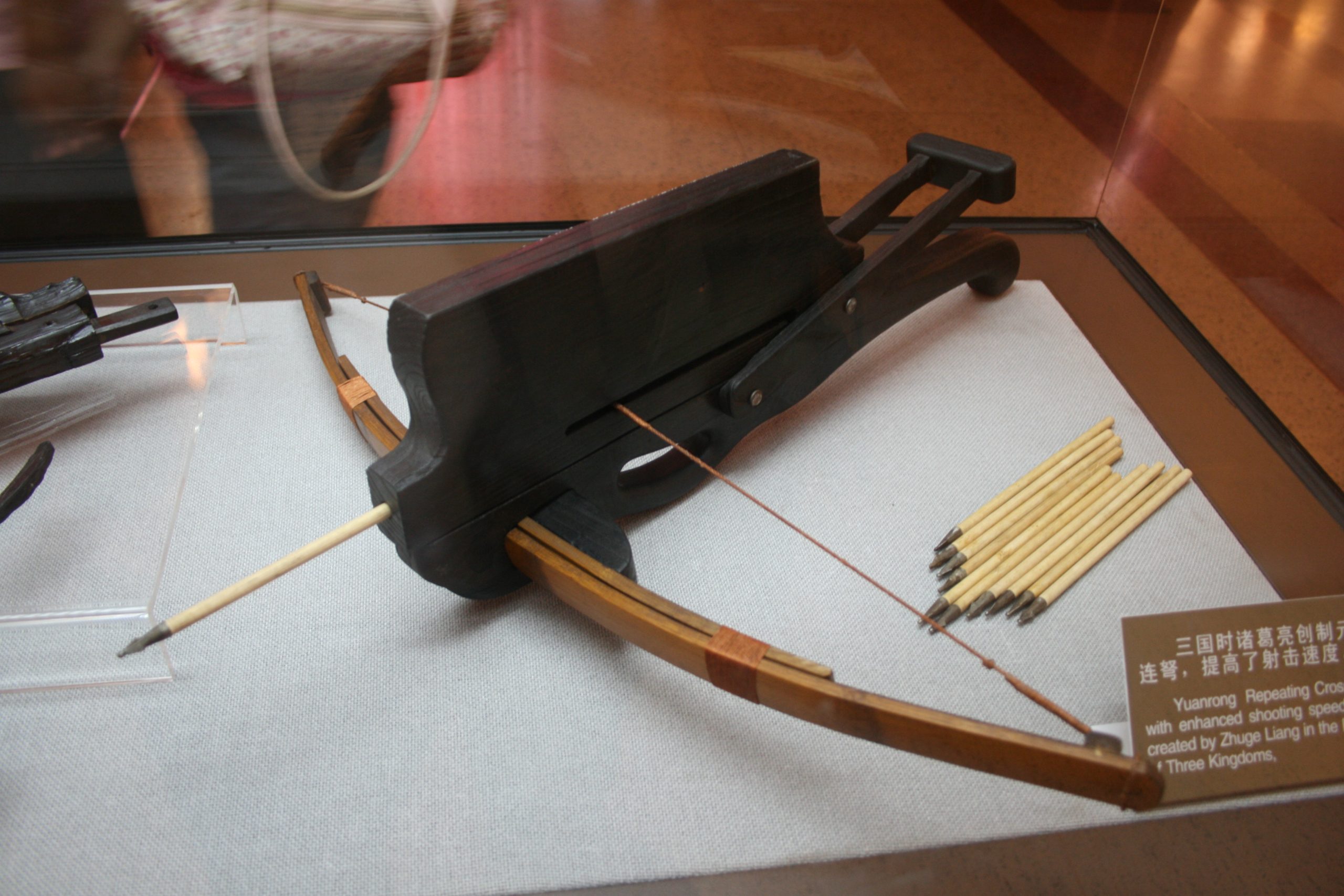
The Chinese repeating crossbow, often linked to the Zhuge Nu, is described in sources and represented by surviving examples, but its early development is difficult to pin down. Unlike a conventional crossbow, it combined a magazine-like reservoir with one lever that could cock the bow and feed a bolt in one repeated motion. Reconstructions show that the mechanism is mechanically plausible, but historical evidence does not establish one definitive design or performance level for all periods. Questions remain about its exact origins, dimensions, materials, and battlefield role. Its unusual layout favored rapid shooting over the power and range associated with heavier military crossbows.
5. Ancient Composite Bows
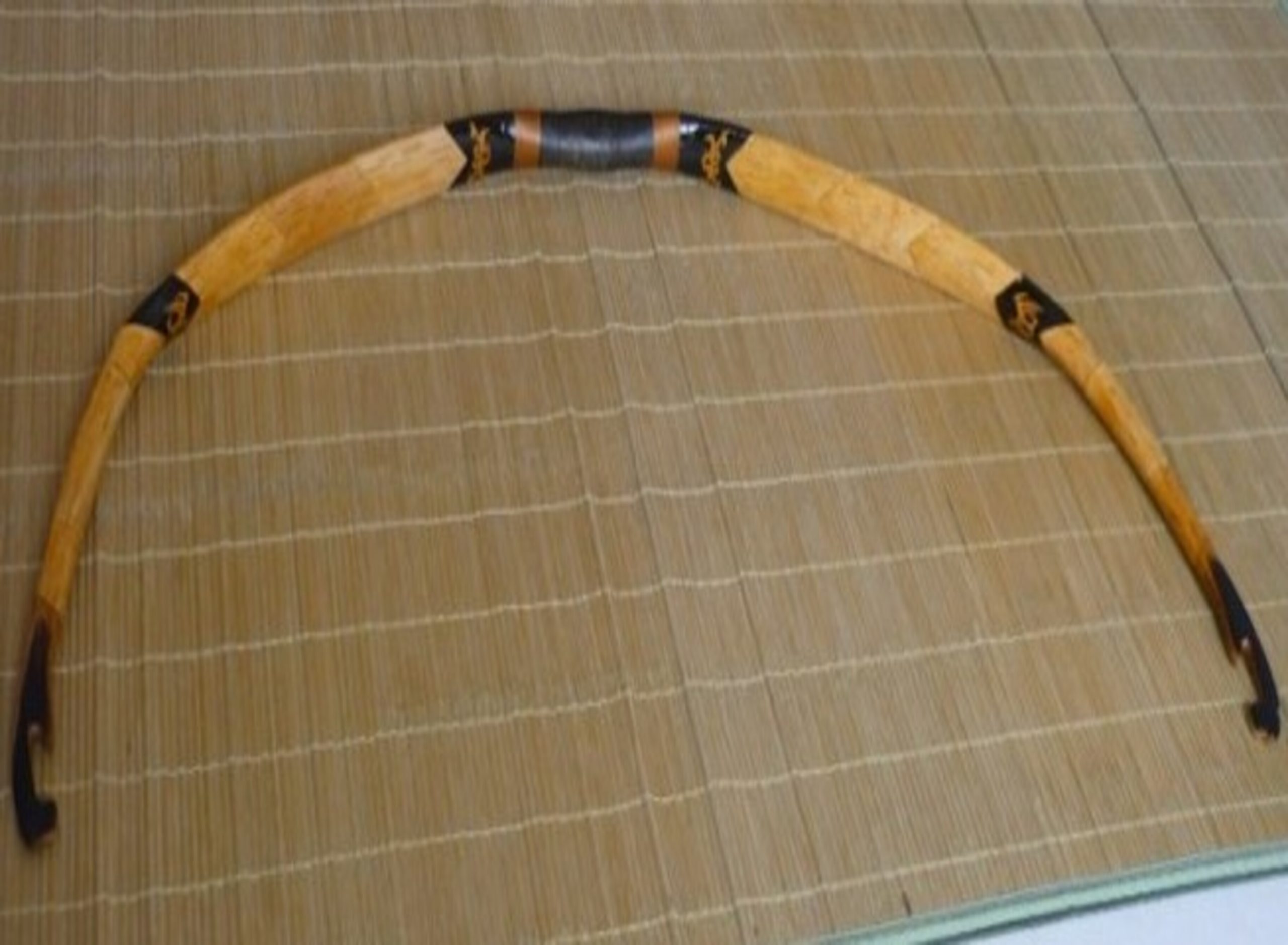
Ancient composite bows remain impressive because they packed high power into a compact weapon. Made from combinations such as wood, horn, and sinew, they were glued and shaped so different materials worked together under tension and compression. Steppe, Near Eastern, and Asian traditions developed distinct designs over roughly 4,000 years, so one ancient recipe is impossible. The challenge was maintaining performance despite humidity, temperature, and long curing times. Modern replicas can reproduce powerful bows, but matching the exact materials, adhesives, geometry, and performance of a specimen is difficult when organic components have decayed or surviving descriptions are incomplete.
6. Greek Hoplite Panoply
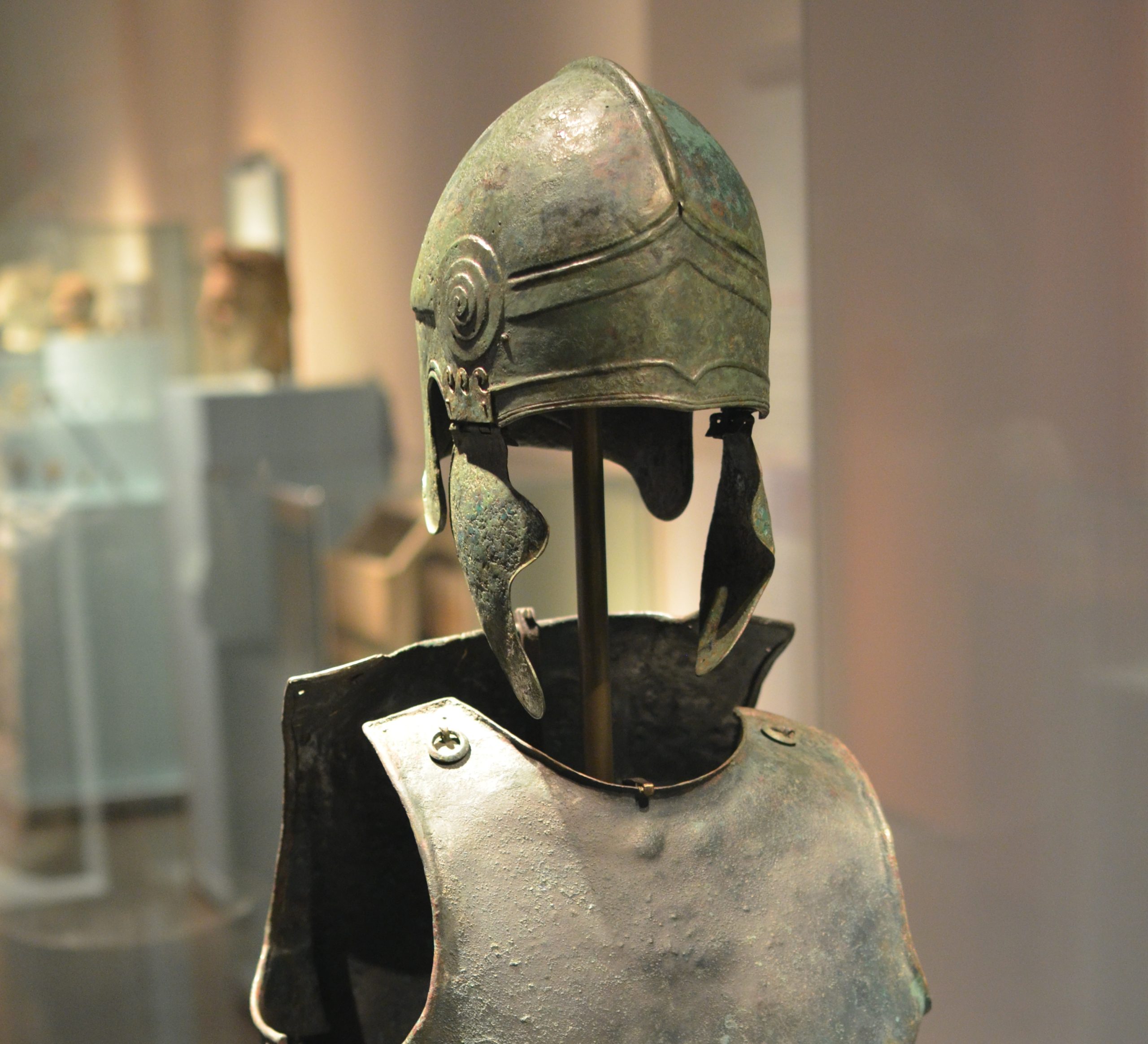
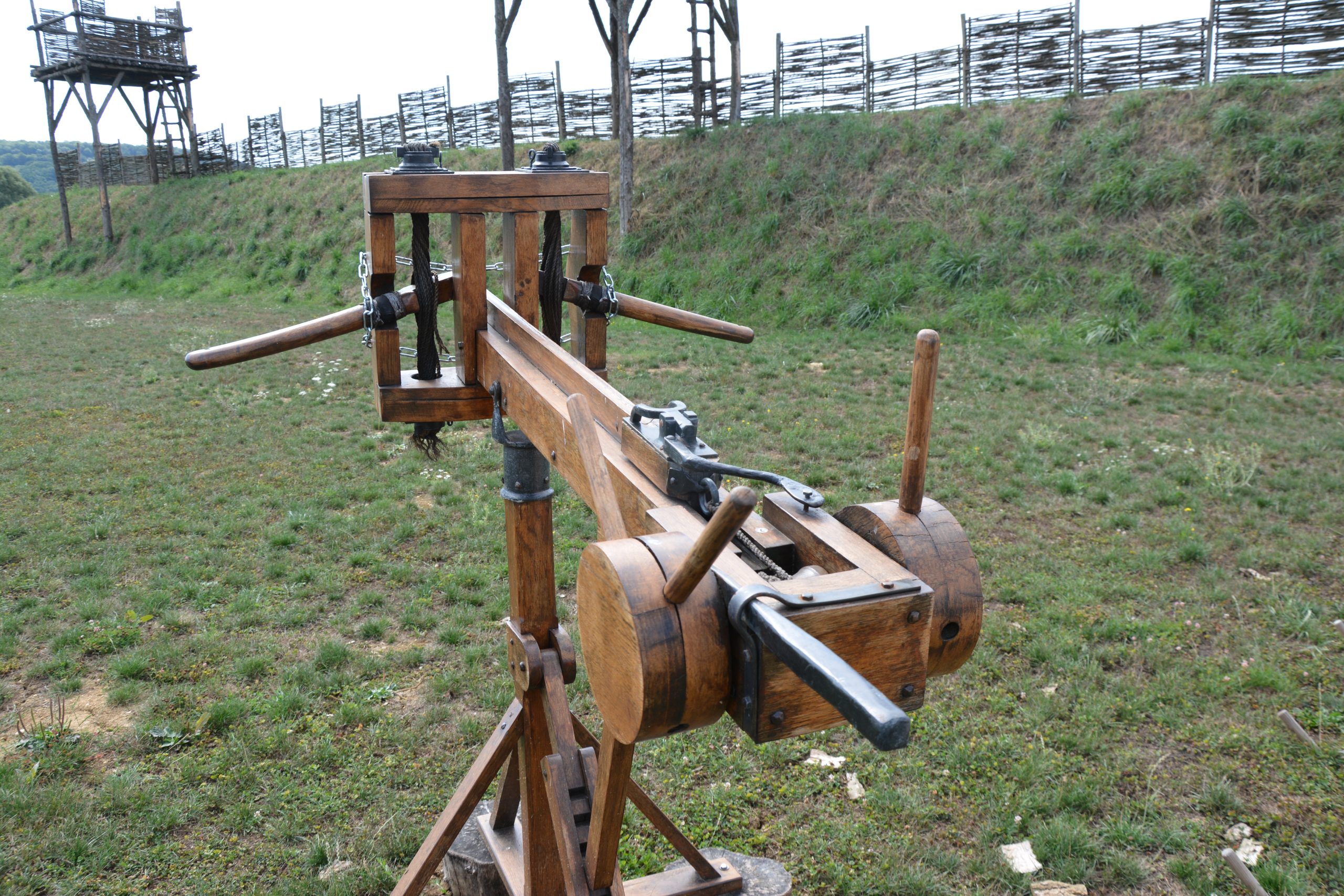
The Greek hoplite panoply was not a single mysterious weapon, but its effectiveness depended on a carefully balanced combination of equipment and fighting practice. A typical heavy infantryman carried a spear, sword, shield, helmet, body protection, and greaves, with designs changing between the 7th and 4th centuries BC. Researchers can reproduce individual pieces, yet details of how armor was manufactured, fitted, repaired, and used in formation remain uncertain because surviving examples are incomplete and vary by region. The puzzle is reconstructing the whole system: weight, mobility, protection, balance, and coordinated use had to work together in battle.
7. Roman Ballista
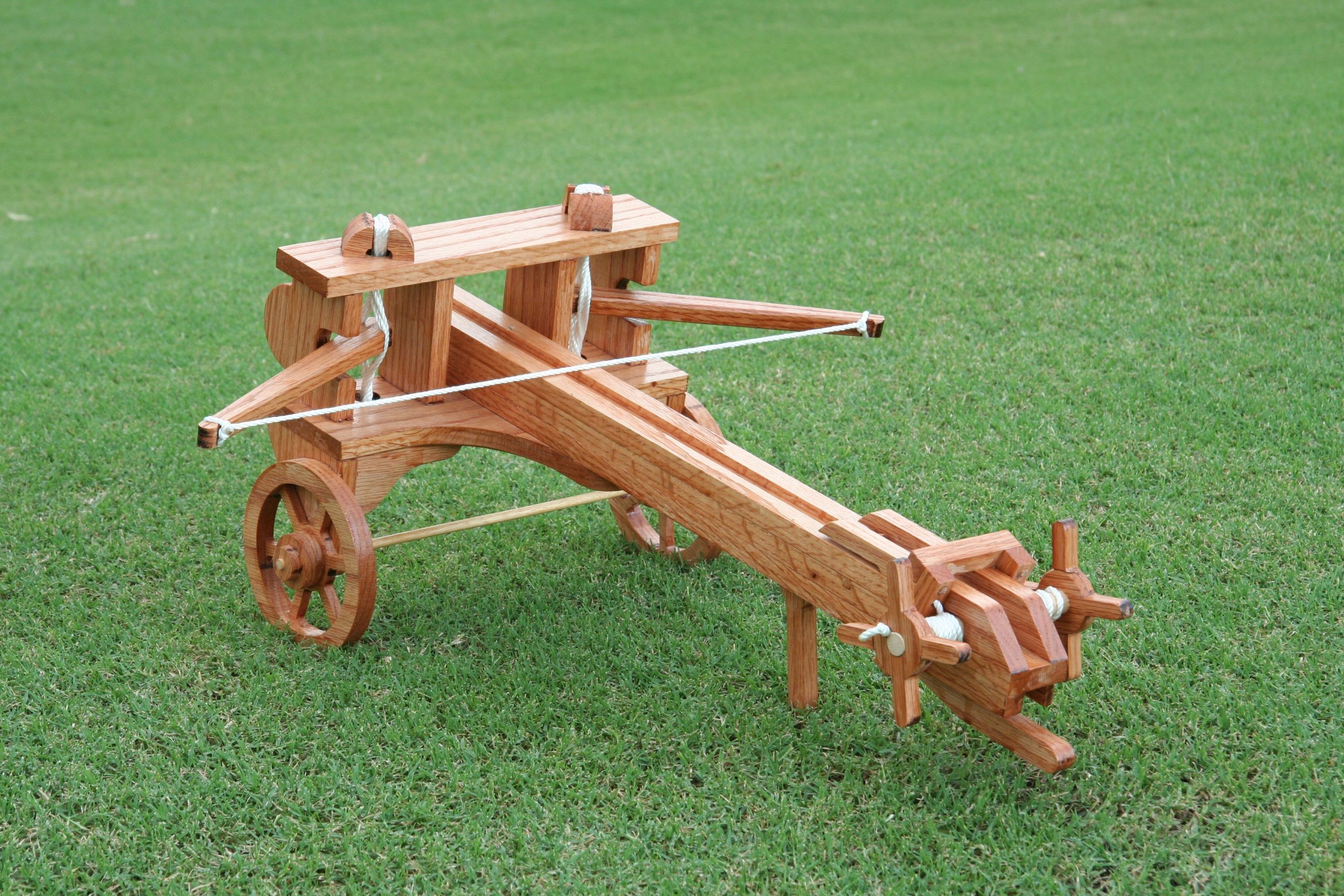
Roman ballistae, used by at least the 1st century BC, were torsion-powered artillery machines that launched bolts or stones, but their exact construction remains partly uncertain because most original wooden components have vanished. Ancient texts, fittings, drawings, and reconstructions provide useful clues. The machines used twisted bundles of sinew or similar organic material to store energy, with wooden frames and aligned arms. Modern replicas demonstrate that the principle works, yet historians still debate dimensions, materials, power levels, and differences between designs used across the Roman world. The mystery is how particular models were built and tuned precisely.