The Remington Model 8 was an important step forward in sporting rifle design when it appeared in 1906. Developed by John Moses Browning and produced by Remington, it introduced a practical semi-automatic action to hunters who were accustomed to manually operated rifles. Its long-recoil mechanism, distinctive appearance, and innovative engineering helped it stand apart from many firearms of its era. From its early commercial success to its use with powerful sporting cartridges, the Model 8 demonstrated how thoughtful design could change expectations for hunting rifles.
1. It Brought Semiautomatic Operation to Big-Game Hunting
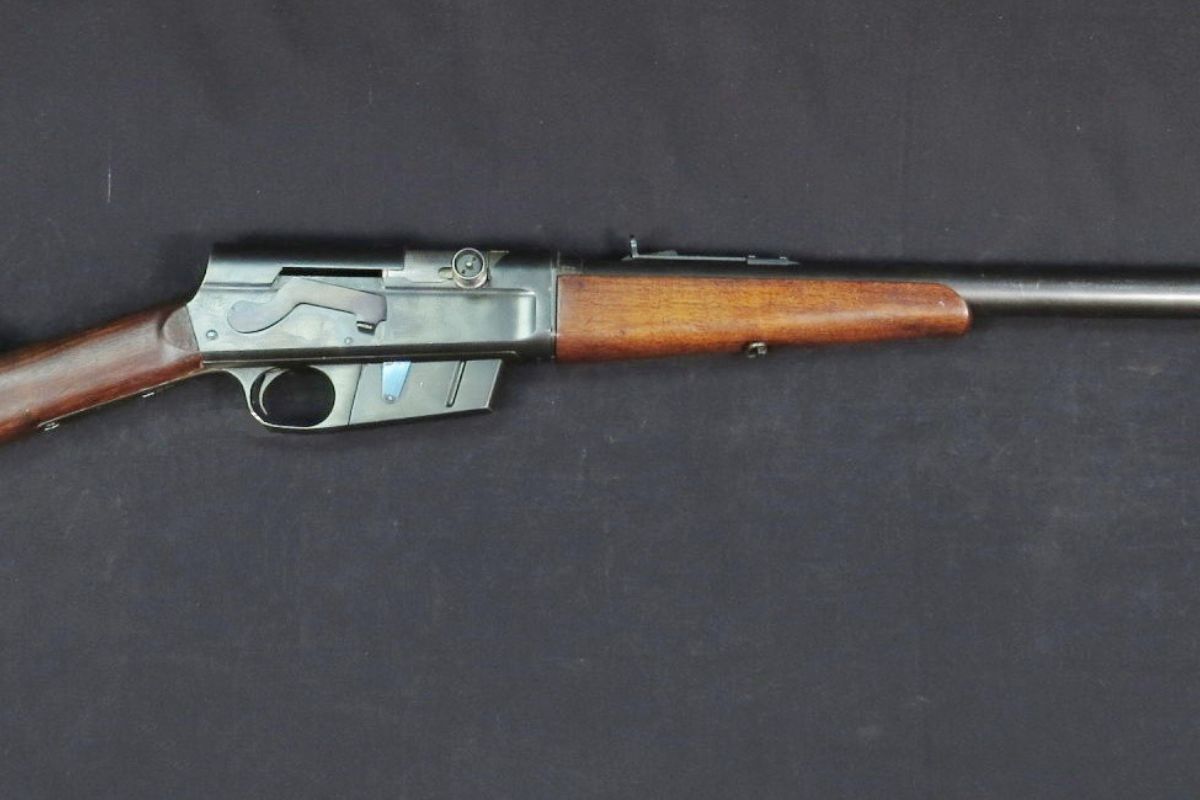
When the Model 8 reached the market in 1906, hunters gained a practical semiautomatic rifle designed for centerfire sporting cartridges. John Moses Browning’s design allowed the rifle to reload itself after each shot, unlike traditional lever-action and bolt-action rifles that required manual cycling. This was a major change for the period, when reliable self-loading rifles capable of handling full-power hunting ammunition remained uncommon. Remington produced approximately 80,600 Model 8 rifles between 1911 and 1936, demonstrating the lasting appeal of Browning’s early approach to sporting rifle design.
2. Its Long-Recoil Action Was an Engineering Achievement
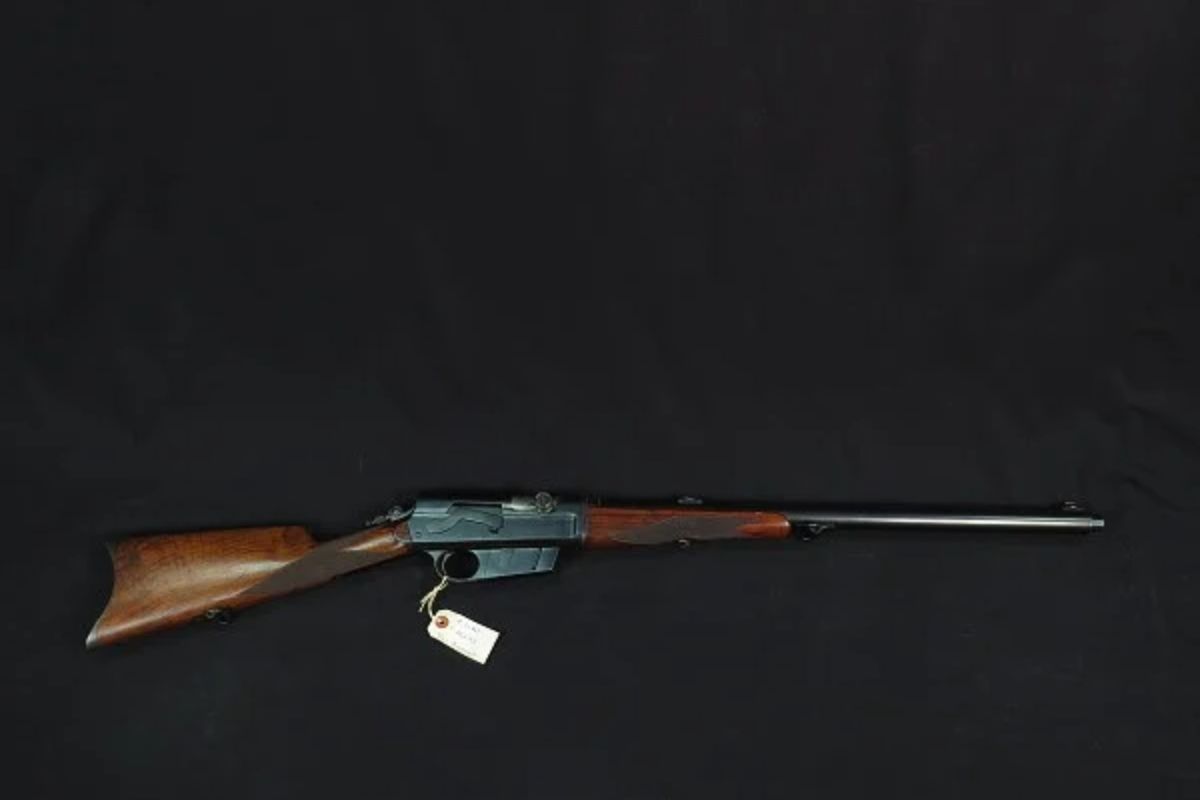
The Model 8 used a long-recoil operating system that differed from the gas-operated mechanisms common in many later semiautomatic rifles. After firing, the barrel and locked bolt moved rearward together before separating during the operating cycle. Springs then returned the components to their firing positions and chambered the next cartridge. Browning had patented the underlying autoloading rifle design in 1900, six years before its commercial appearance. This mechanical arrangement was complex, but it demonstrated how a carefully engineered recoil system could make a powerful sporting rifle self-loading without relying on propellant gas to cycle its action.
3. It Introduced Four Dedicated Remington Cartridges
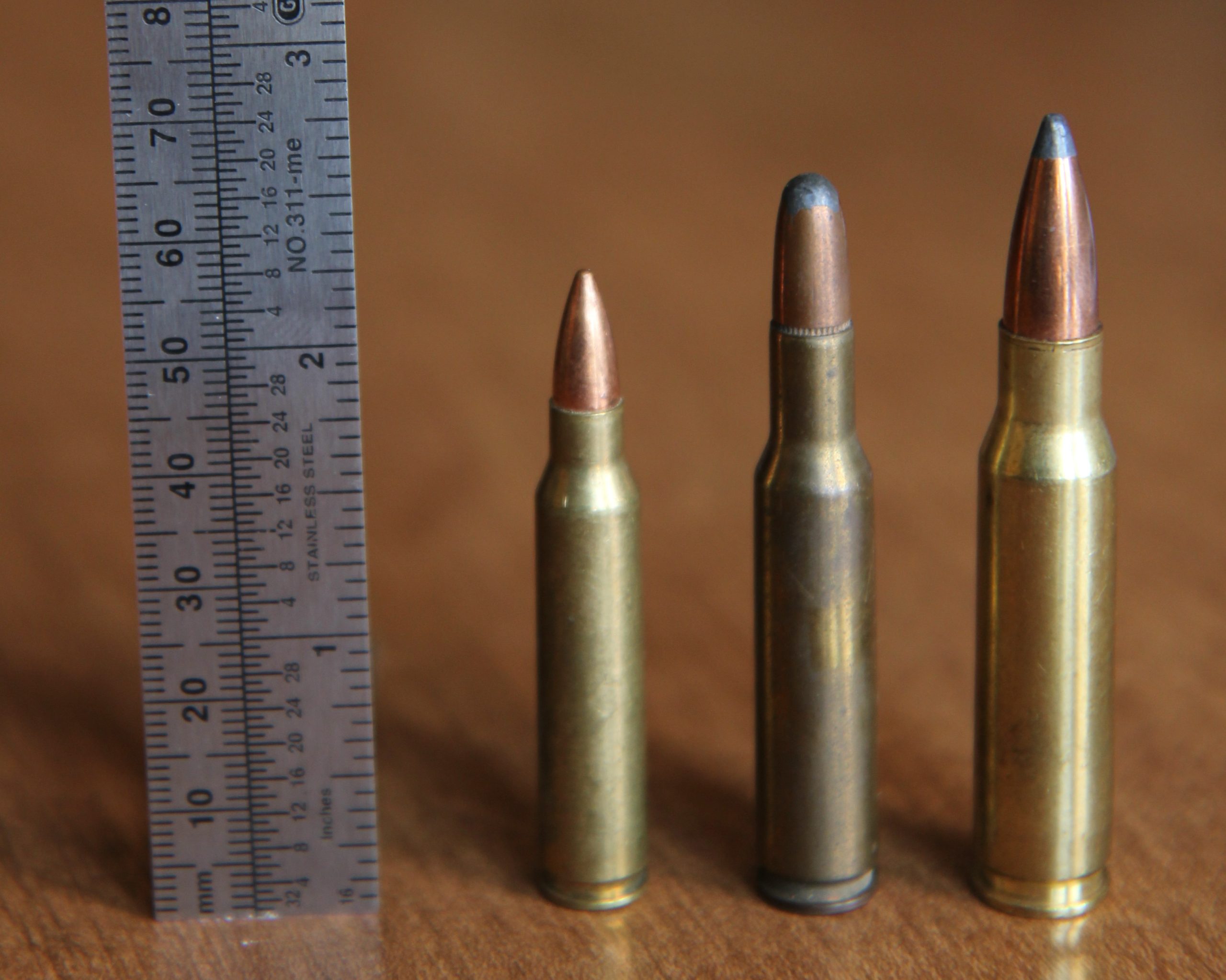
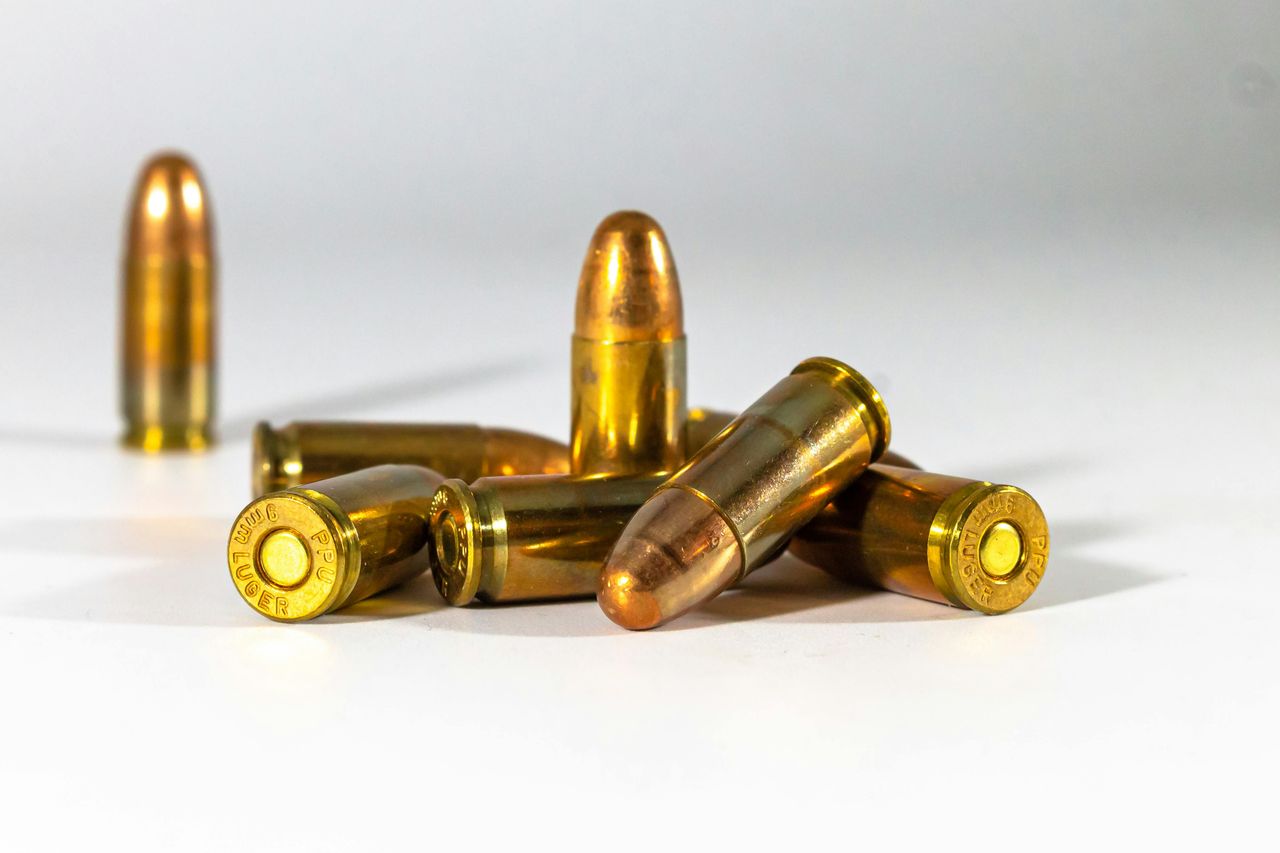
rrThe Model 8 arrived with four chamberings: .25 Remington, .30 Remington, .32 Remington, and .35 Remington. These rimless cartridges helped Remington establish a distinct identity for its new autoloading rifle. The first three offered performance comparable to familiar Winchester hunting rounds, while the .35 Remington became particularly popular for deer hunting. Introducing four options at launch was an ambitious move in 1906, giving buyers choices suited to different sporting needs. The cartridge family also showed that Remington was developing an entire system around the rifle, rather than simply adapting an existing design.
4. Its Five-Round Magazine Offered Practical Convenience
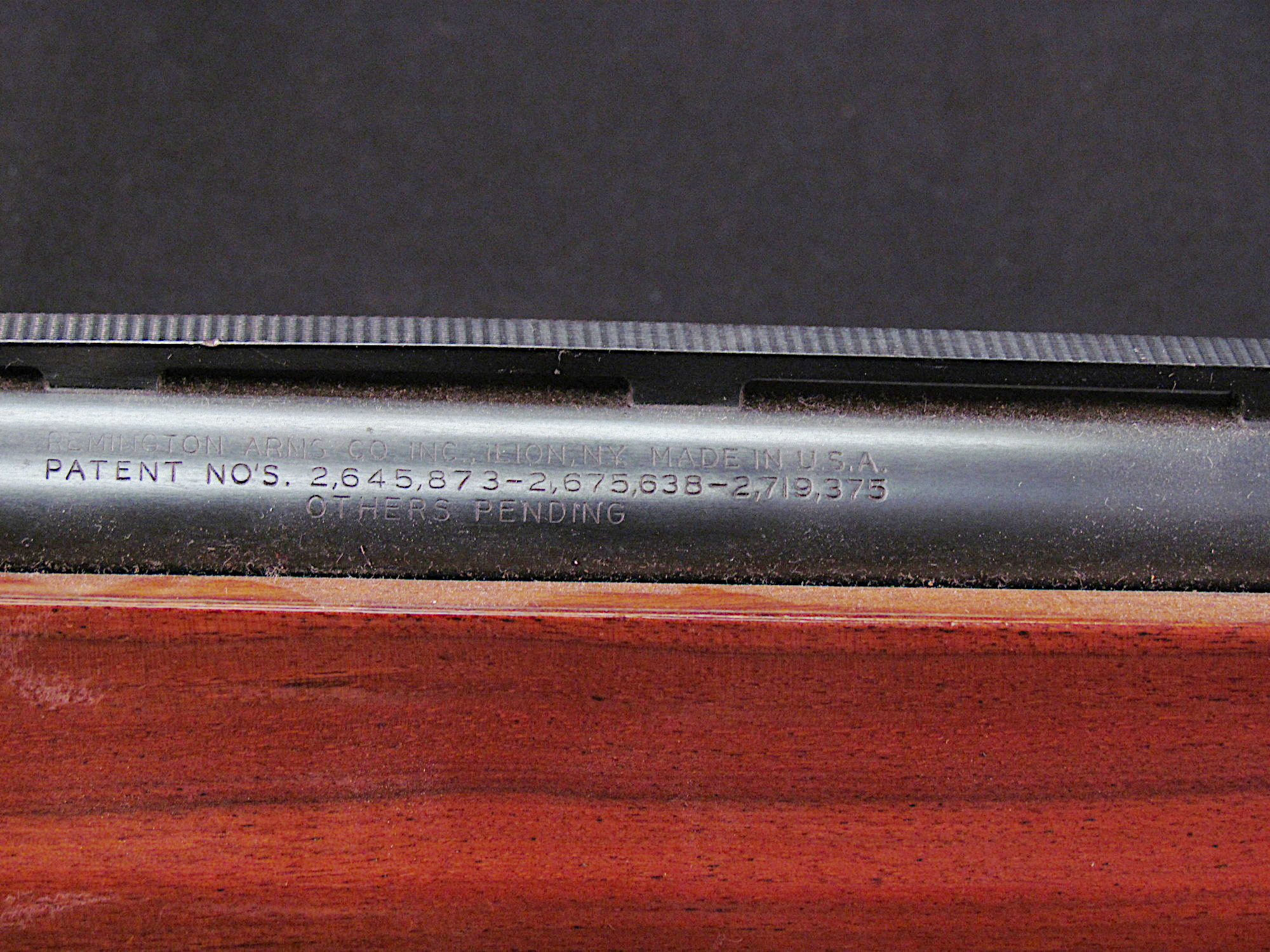
Many hunters in the early 1900s were familiar with rifles that required manual operation between shots. The Model 8 combined semiautomatic cycling with a fixed, five-round box magazine, providing a practical balance between ammunition capacity and sporting use. The magazine could be replenished using suitable five-round stripper clips, a feature that reflected contemporary loading practices. Although five rounds might seem modest today, this arrangement was useful for a hunting rifle of its period. It allowed the rifle to carry multiple cartridges while maintaining a traditional sporting configuration, helping make autoloading technology more approachable for everyday hunters.
5. Its Distinctive Barrel Jacket Served a Mechanical Purpose
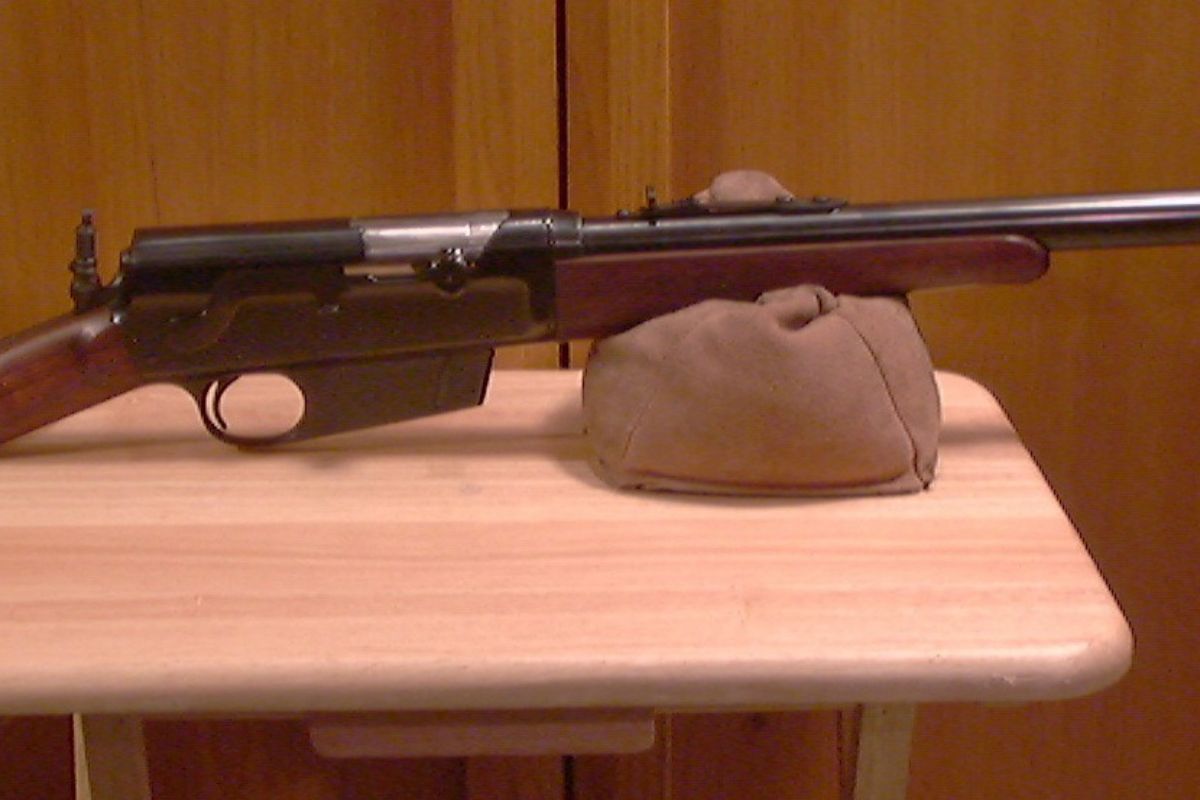
One of the Model 8’s most recognizable features was the substantial steel jacket surrounding its 22-inch barrel. This unusual exterior was not simply a decorative choice. It housed components associated with the rifle’s long-recoil mechanism while allowing the barrel to move during the firing cycle. The result gave the rifle a distinctive profile that differed from the exposed barrels of many conventional sporting rifles. Its appearance could seem bulky compared with modern designs, but the jacket reflected the practical demands of Browning’s operating system. The Model 8 demonstrated how mechanical requirements could shape a firearm’s appearance in a lasting way.
6. It Could Be Taken Down for Easier Transport
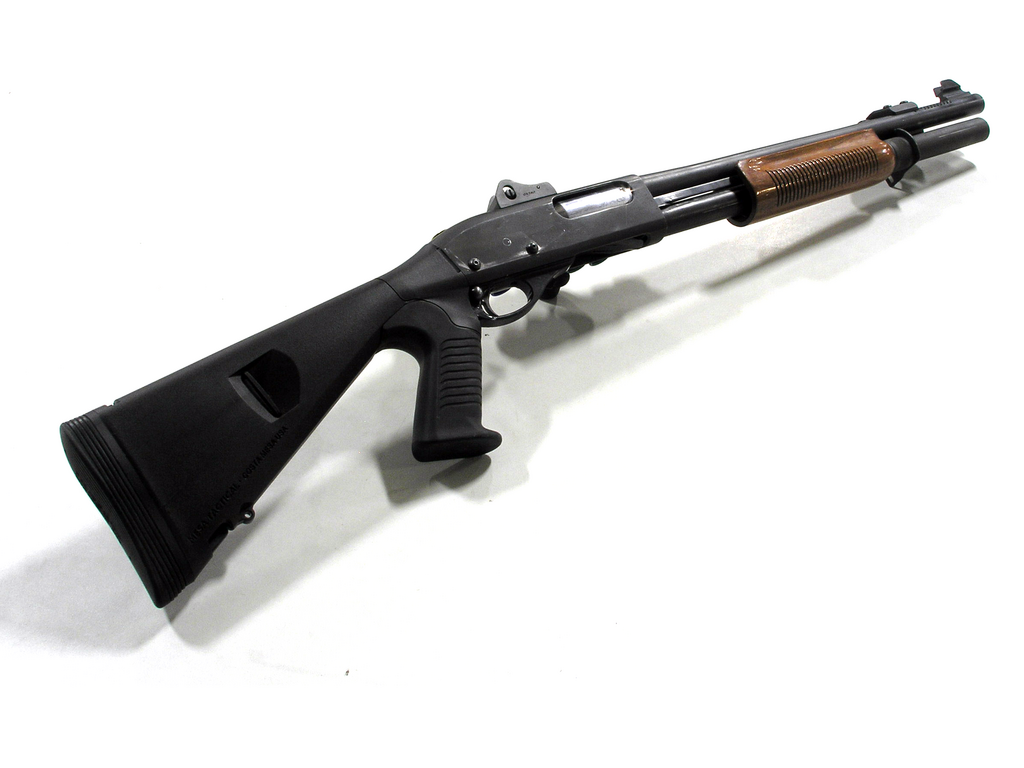
The Model 8 incorporated a takedown design, allowing the rifle to be separated into major sections for transport and storage. In an era when hunters frequently traveled by train, horse, or on foot, a firearm that could be packed more conveniently had real practical value. The rifle measured roughly 41 inches overall, with a barrel of about 22 inches, so separating its main sections reduced the space needed to carry it. This feature also made the design more versatile for owners who valued compact storage. The Model 8 combined this convenience with a sophisticated self-loading action, an unusual pairing for its time.
7. It Offered Useful Power in a Sporting Rifle
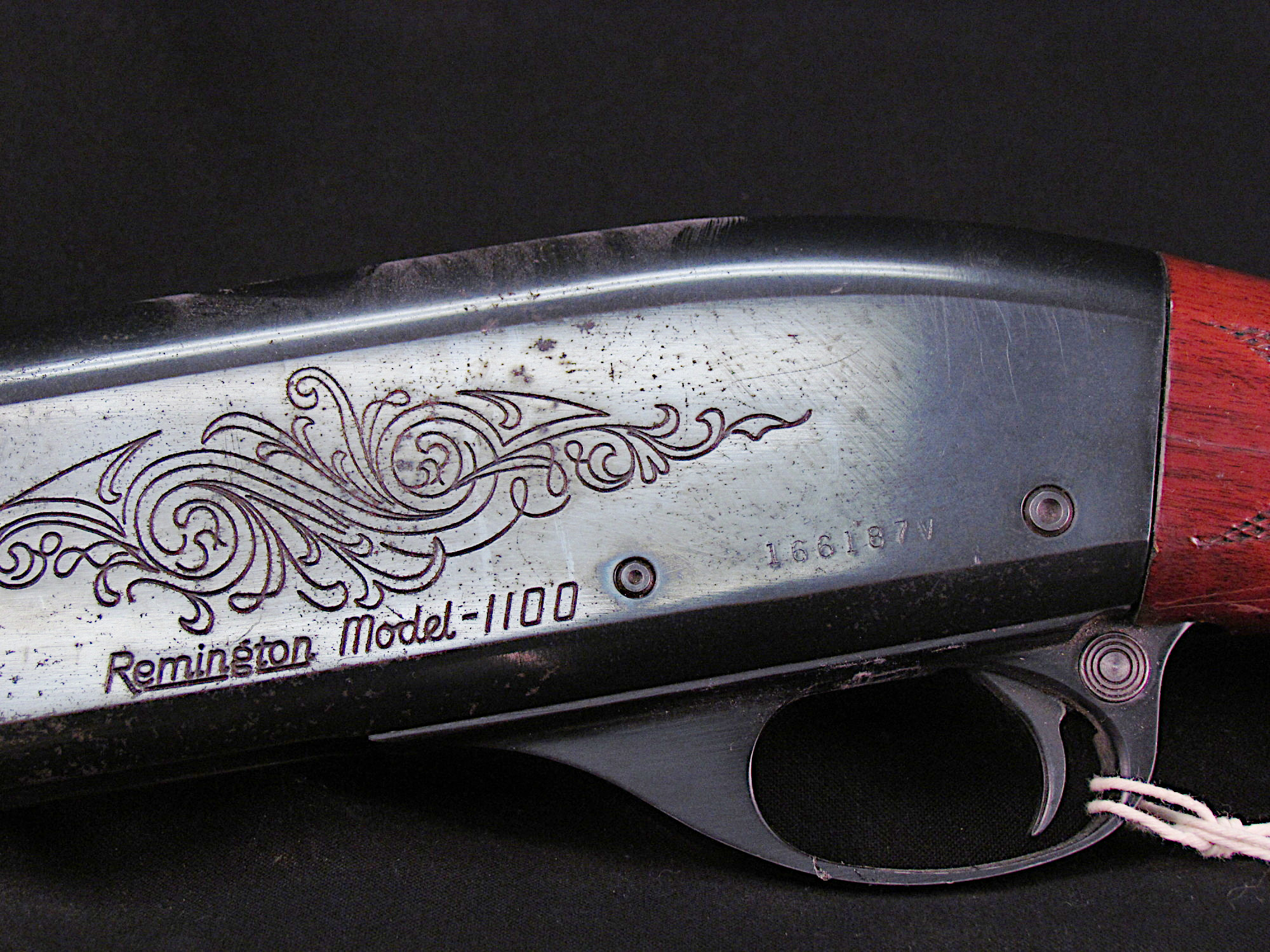
The Model 8 was designed around centerfire cartridges intended for practical hunting, not just small-game shooting or recreational plinking. Its .25, .30, .32, and .35 Remington chamberings gave hunters options for different sporting applications, particularly medium-sized game. The .35 Remington became a notable choice because it delivered substantial performance at the relatively short ranges common in wooded hunting country. This combination of self-loading operation and useful hunting power distinguished the rifle from early semiautomatic designs chambered for less powerful ammunition. It helped establish that an autoloading rifle could be a serious sporting tool rather than merely a technological curiosity.
8. Its Design Proved Durable Enough for Long Production
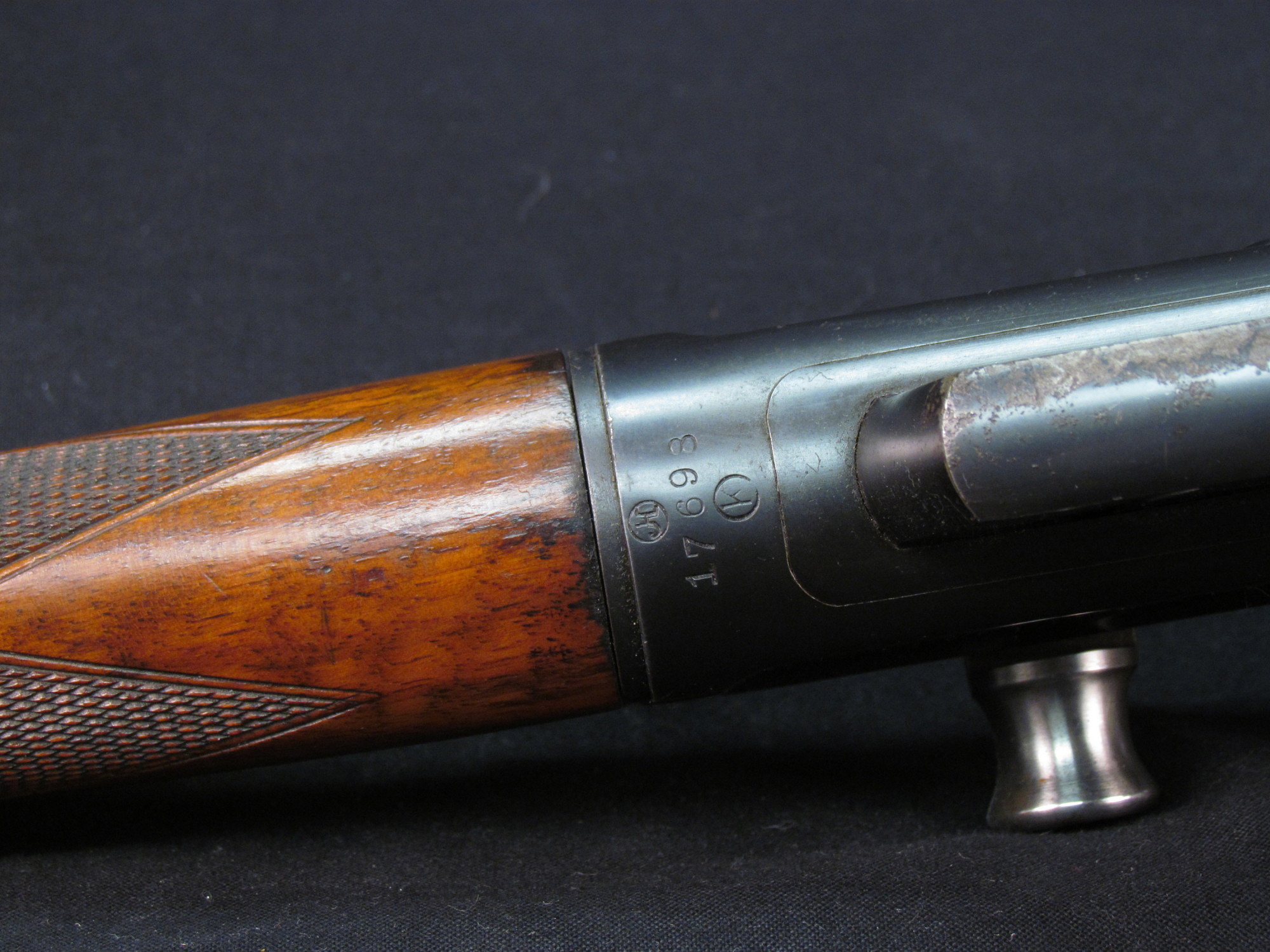
Innovative mechanisms do not always translate into successful commercial products, especially when they contain many moving parts. The Model 8 nevertheless earned a substantial place in Remington’s history, with approximately 80,600 examples produced under the Model 8 name before production ended in 1936. Its long-recoil action required careful engineering, yet the rifle developed a reputation for dependable operation when properly maintained. That achievement mattered because hunters needed equipment they could trust in the field, not simply admire in a catalogue. The Model 8 showed that an early semiautomatic sporting rifle could move beyond experimentation and become an established commercial product.
9. It Demonstrated Potential Beyond Ordinary Sporting Use

Although the Model 8 was principally a sporting rifle, its design also attracted interest from law enforcement. Special configurations were available with detachable magazines holding more than the standard five rounds, including versions associated with police use. Texas Ranger Frank Hamer famously used a .35 Remington Model 8 in the 1934 pursuit of Bonnie Parker and Clyde Barrow. His rifle is often discussed in accounts of the model’s history, although the standard sporting configuration differed from specialized police examples. This wider attention illustrated how a rifle originally developed for hunters could find additional roles when users valued its semiautomatic action and centerfire power.
10. It Established the Foundation for the Model 81 Woodsmaster
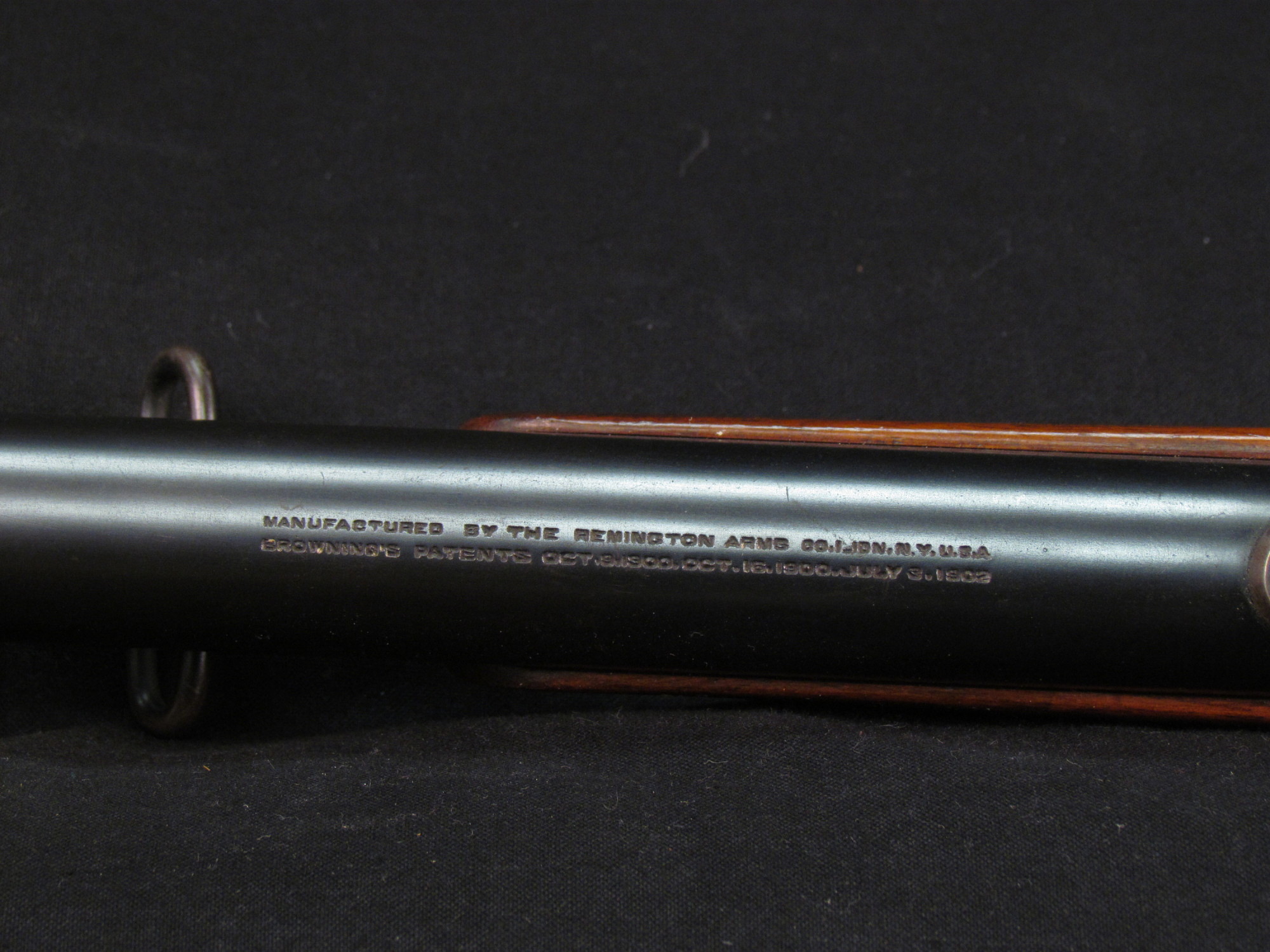
The Model 8’s influence continued after Remington ended its production in 1936 and introduced the Model 81 Woodsmaster. The successor retained the fundamental long-recoil operating principle while incorporating design changes intended to reduce manufacturing costs and improve certain features. The Model 81 remained in production until 1950, extending the broader design family’s lifespan by another 14 years. Across the Model 8 and Model 81 eras, Remington produced well over 130,000 rifles under those two model names. That continuation is strong evidence that the original concept had lasting commercial value, even as firearm technology and sporting preferences evolved.