The Gyrojet was one of the strangest firearm experiments of the 20th century. Developed by the American company MBA Associates during the 1960s, it used miniature rocket-powered projectiles instead of conventional bullets propelled by expanding gas. The idea promised a lightweight weapon with low recoil and a completely different approach to shooting. However, its unusual ammunition, inconsistent performance, and practical limitations made it difficult to compete with traditional firearms. These 10 facts explore the engineering, history, and unexpected problems behind one of the most unusual weapons ever developed.
1. It Used Rockets Instead of Conventional Bullets
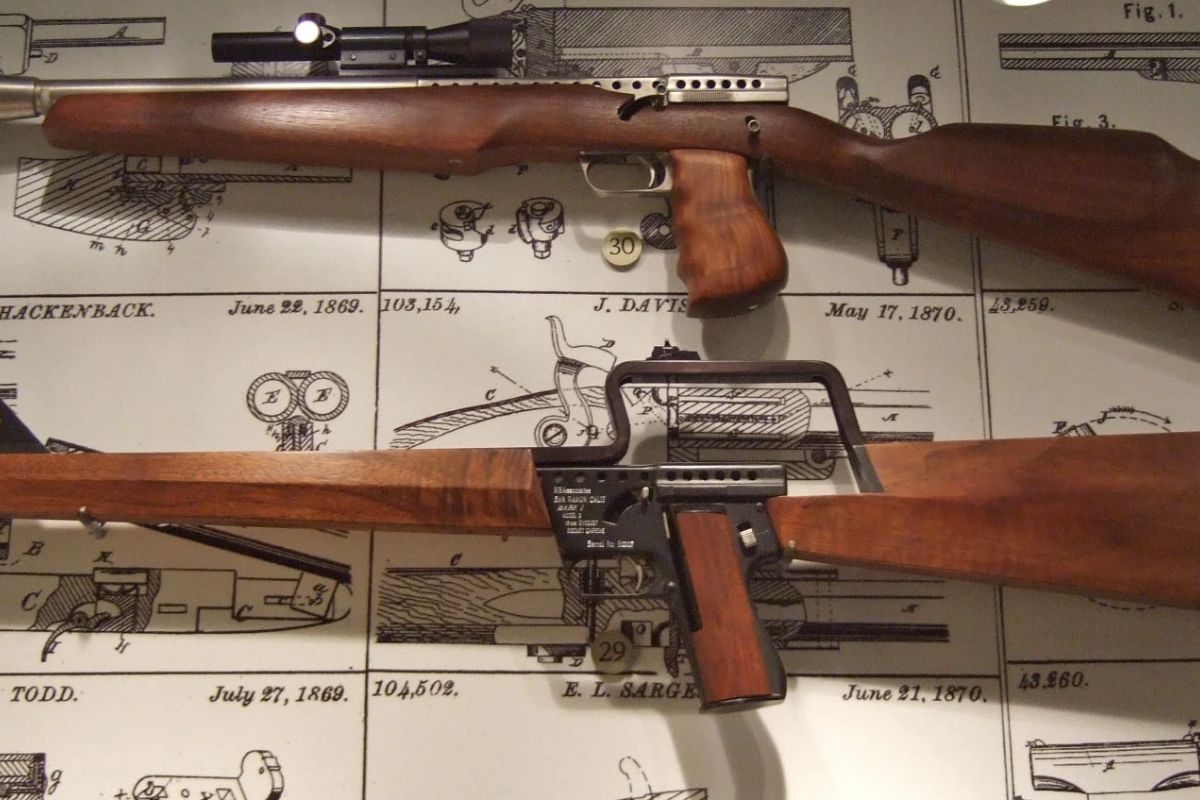
Introduced commercially in 1965, the Gyrojet replaced the familiar bullet with a miniature solid-fuel rocket. Its projectile carried its own propellant and accelerated after leaving the muzzle, unlike conventional ammunition that receives most of its initial energy inside the barrel. The best-known pistol fired a 13 mm rocket, roughly .51 caliber. This unusual arrangement reduced the need for a heavy, pressure-resistant barrel and breech. However, it also created a serious trade-off: the rocket needed time and distance to build speed, making its performance very different from that of an ordinary handgun.
2. The Rocket Gained Speed After Leaving the Barrel
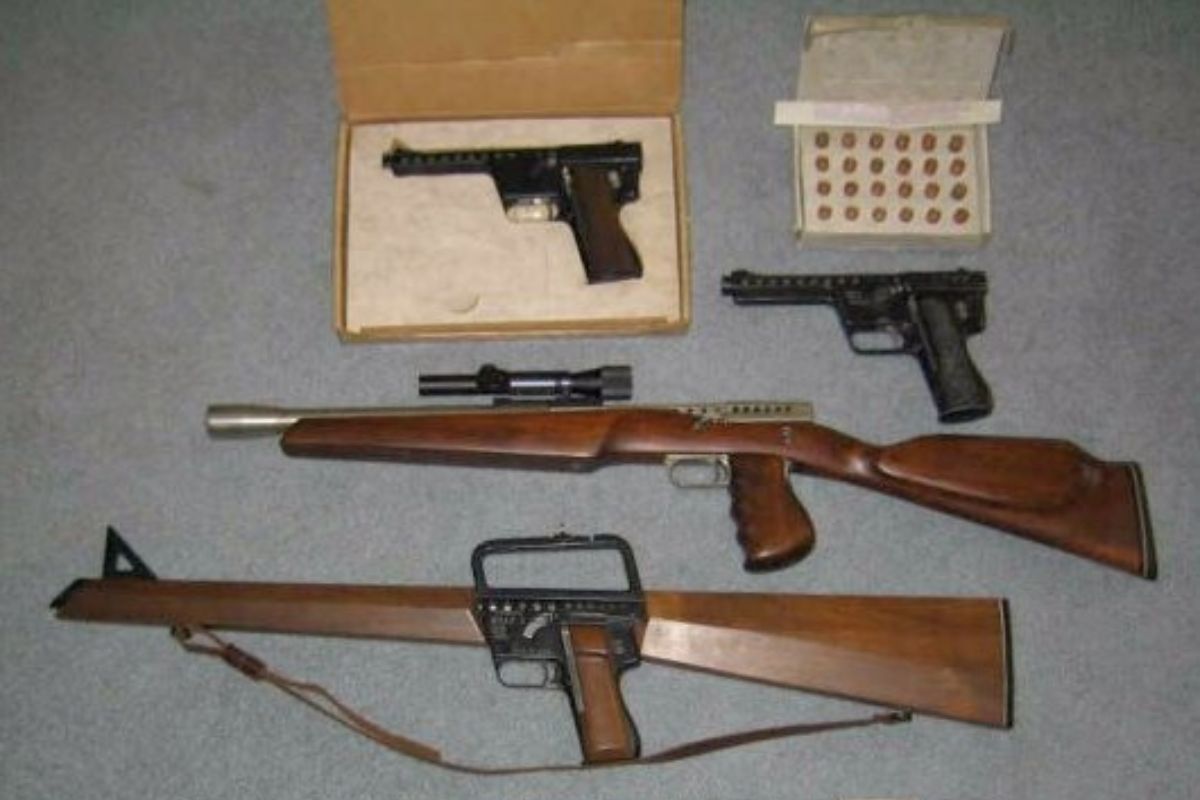
Most conventional bullets reach their highest velocity near the muzzle, but the Gyrojet worked differently. Its rocket continued accelerating while its solid propellant burned, meaning it left the pistol relatively slowly. Historical technical reports describe the projectile reaching peak velocity only after traveling approximately 40 feet, although the exact distance varied with the ammunition. That delay was a major weakness at short range, where a conventional handgun bullet already travels at high speed. The Gyrojet’s unusual flight pattern made distance a critical factor in its performance and complicated comparisons with traditional firearms.
3. Tiny Angled Ports Helped Keep the Rocket Stable
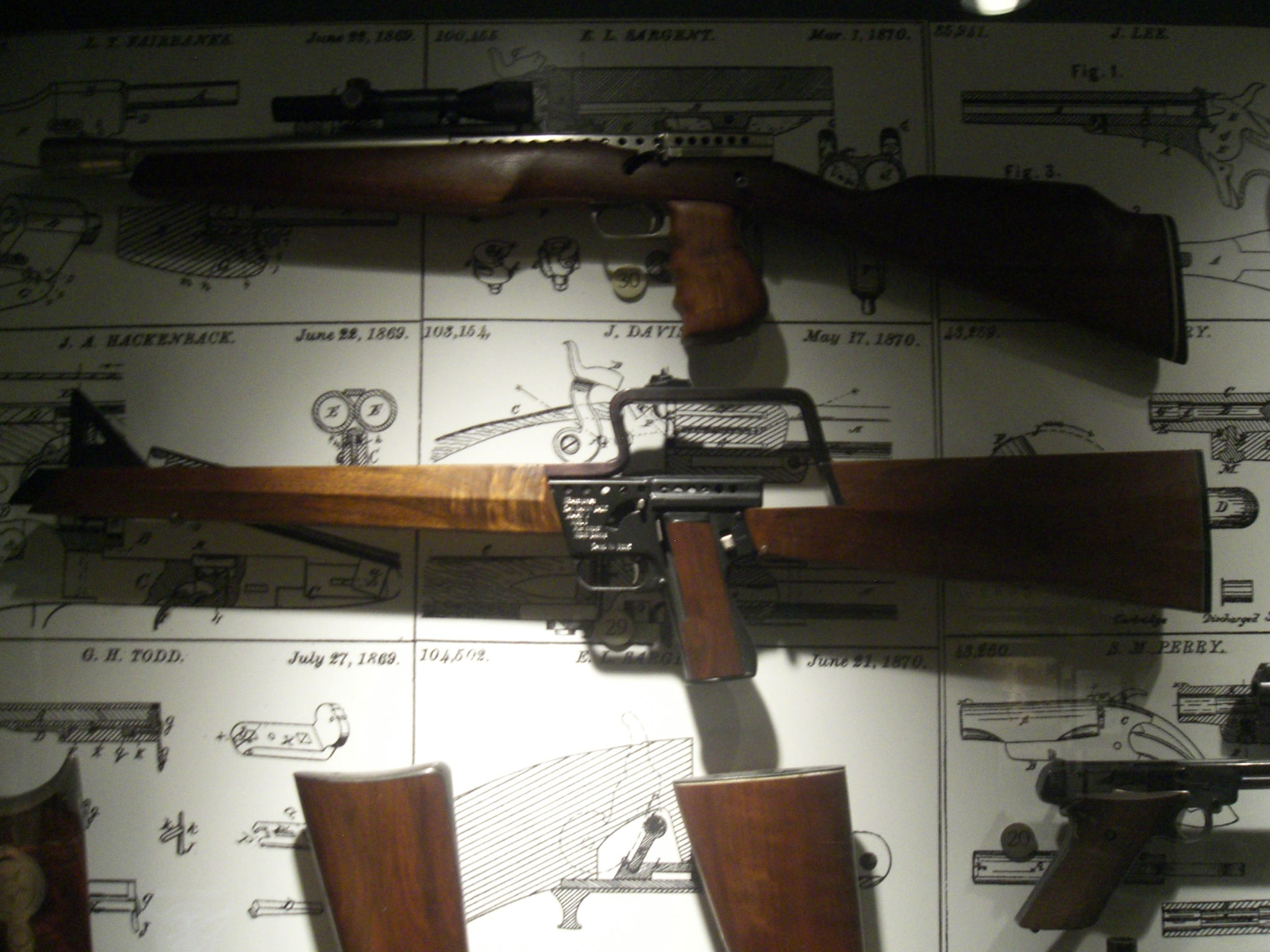
The Gyrojet didn’t rely on conventional rifling to spin its projectile. Instead, its rocket used 4 small, angled exhaust ports at the rear. As burning propellant escaped through these openings, the resulting thrust helped rotate the projectile during flight. This spinning action provided gyroscopic stability, similar in principle to the stabilizing effect of a spinning top. The arrangement was clever because it reduced the need for a traditionally rifled barrel. However, the system depended on consistent rocket construction and properly functioning exhaust ports, so manufacturing imperfections could undermine the accuracy that the innovative design was supposed to deliver.
4. The Pistol Had Almost No Conventional Recoil
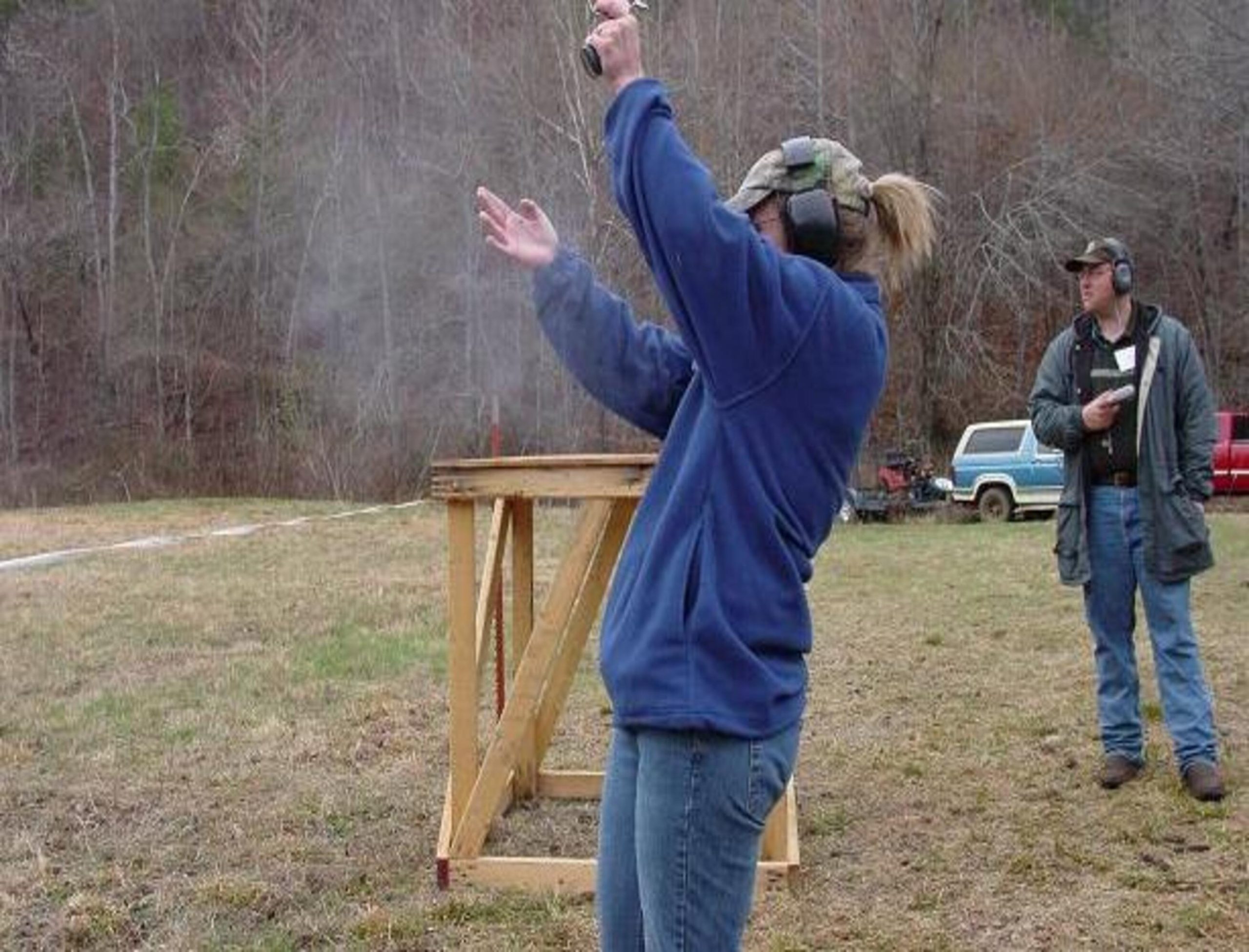
One of the Gyrojet’s biggest selling points was its remarkably low recoil. Because the rocket developed much of its thrust after leaving the launcher, the pistol did not experience the same sharp recoil impulse as a conventional handgun firing a powerful cartridge. MBA Associates promoted this as a major advantage for a lightweight weapon. A 1960s government technical report also described the system as having substantially reduced recoil compared with a .45-caliber automatic pistol. Nevertheless, low recoil did not automatically mean better shooting. The rocket’s slow initial acceleration, inconsistent performance, and limited accuracy remained important disadvantages.
5. It Did Not Need to Eject Empty Cartridge Cases
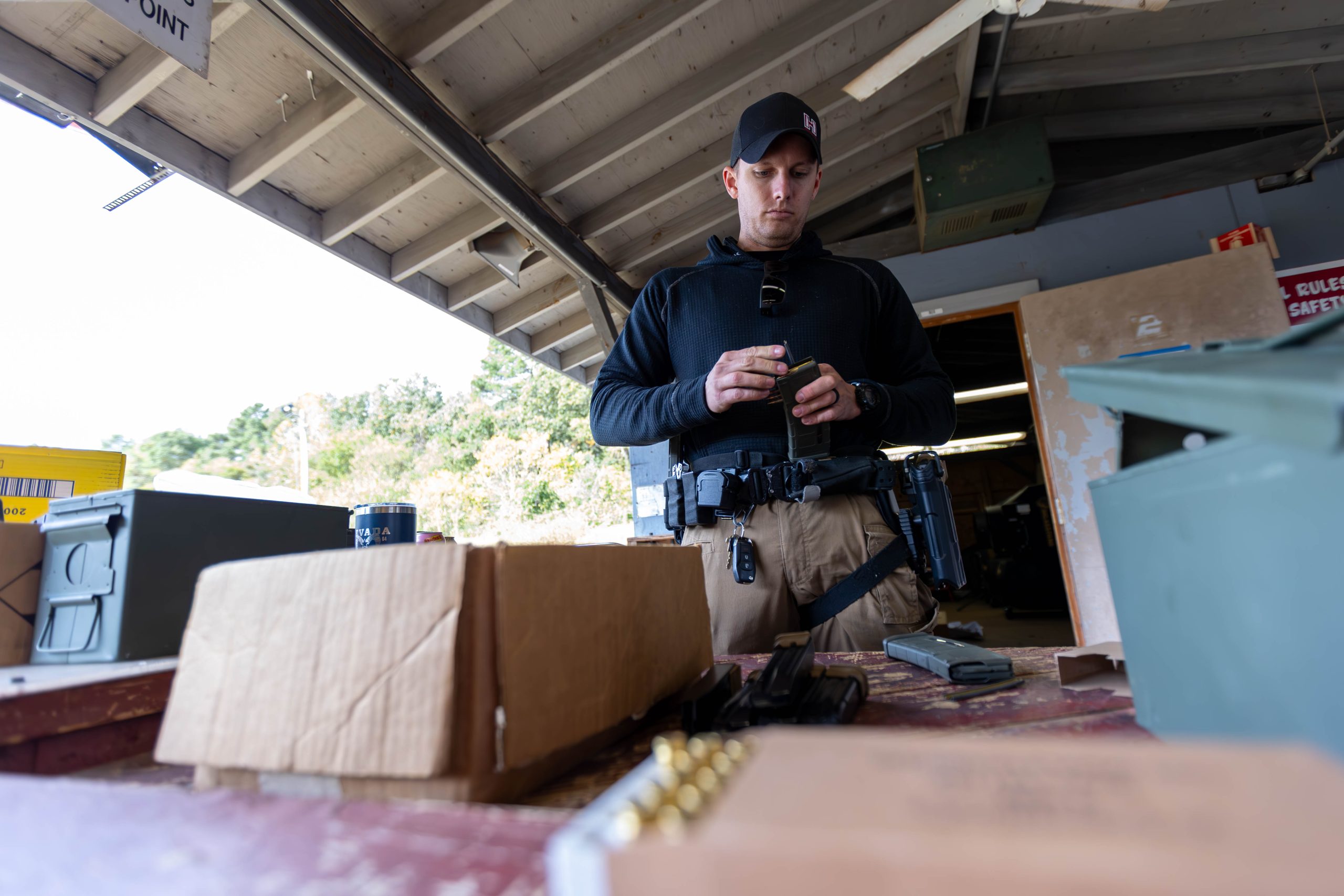
A conventional semiautomatic pistol usually ejects an empty case after firing, but the Gyrojet’s complete rocket cartridge traveled out through the muzzle. That meant there was no spent case to extract and eject after each shot. The design simplified one part of the firing cycle and helped reduce the need for some conventional firearm mechanisms. The Mark I pistol, introduced in 1965, held 6 rockets in its grip. Even so, the unusual loading arrangement and handling requirements were not necessarily simpler for the user. Removing one mechanical complication could not eliminate the practical difficulties of operating an entirely different ammunition system.
6. Its Ammunition Came in More Than One Caliber
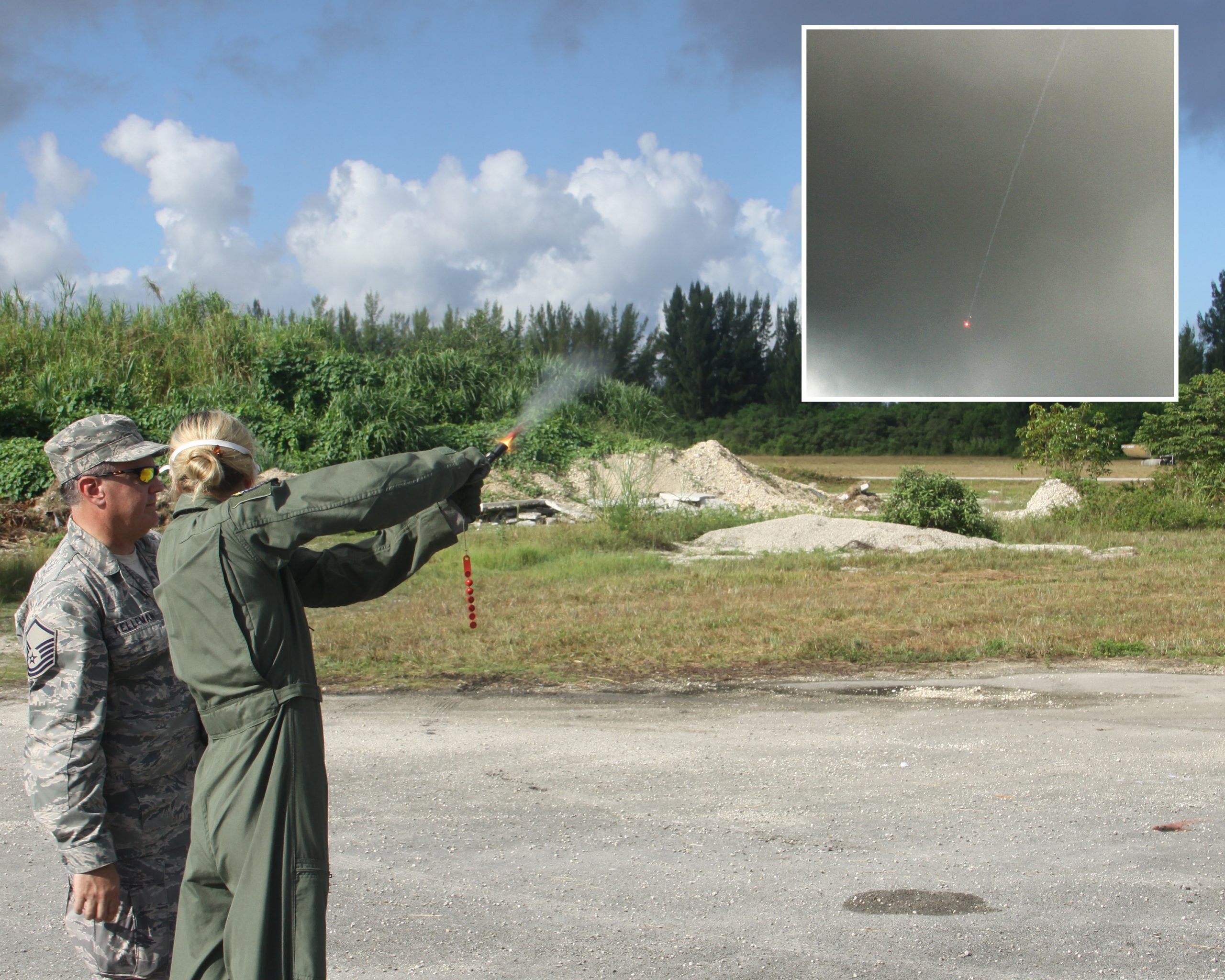
Although the 13 mm rocket is the best-known Gyrojet ammunition, MBA Associates experimented with several projectile sizes and configurations. The family included 12 mm and 13 mm rockets, while the broader development program explored other calibers for different applications. The 13 mm version became particularly significant because its diameter was slightly greater than .50 inch. That measurement later became relevant to American firearms regulation. The company also investigated larger rocket systems beyond ordinary handguns. However, experimenting with multiple sizes didn’t guarantee commercial success, especially when each specialized rocket required its own manufacturing standards and dependable propellant performance.
7. The Gyrojet Appeared in a James Bond Film
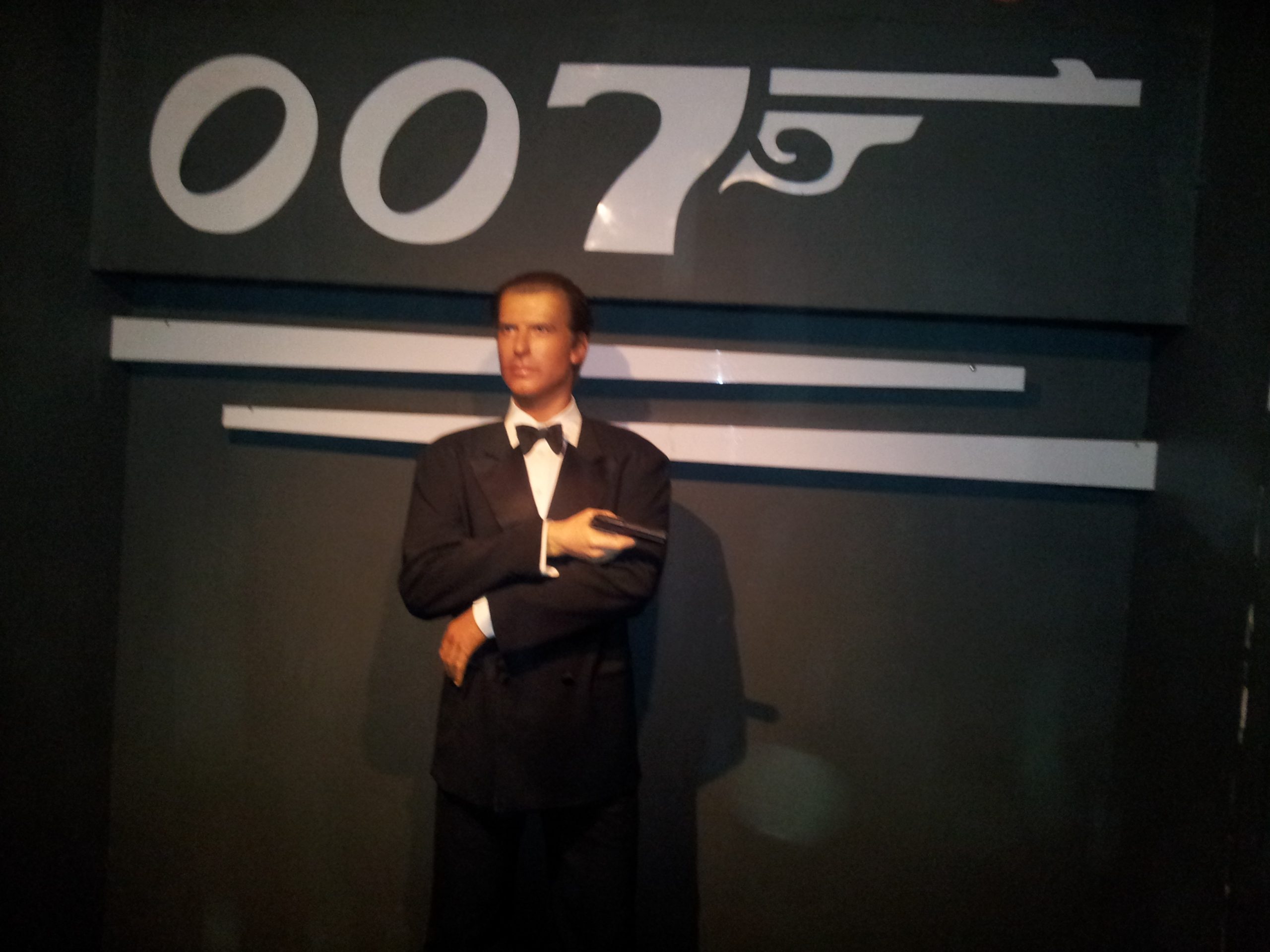
The Gyrojet’s futuristic appearance made it a natural fit for 1960s spy entertainment. One of its best-known screen appearances came in the 1967 James Bond film You Only Live Twice. The movie helped associate the unusual weapon with secret agents, advanced technology, and Cold War gadgetry. Its distinctive rocket ammunition looked far removed from the conventional cartridges audiences recognized. However, cinematic appeal did not translate into widespread adoption by armed forces or ordinary shooters. The Gyrojet’s real-world difficulties remained, regardless of how impressive it looked on screen. Its film appearances have since helped preserve its reputation as a memorable technological curiosity.
8. Water Was Part of Its Experimental Story
The Gyrojet concept attracted interest for underwater use because its rocket carried its own propellant and did not rely on drawing oxygen from the surrounding air. During the 1960s, MBA Associates explored underwater rocket launchers alongside its handgun projects. Contemporary reports discussed compact launchers designed for underwater operation, including a 6-shot repeater. This was an intriguing departure from conventional firearms, whose performance underwater presents very different challenges. However, underwater operation was not proof that every Gyrojet model or ammunition type would work reliably in every environment. The experiments showed the breadth of the company’s ambitions, not a universal solution to underwater weapon design.
9. Reliability and Accuracy Limited Its Success
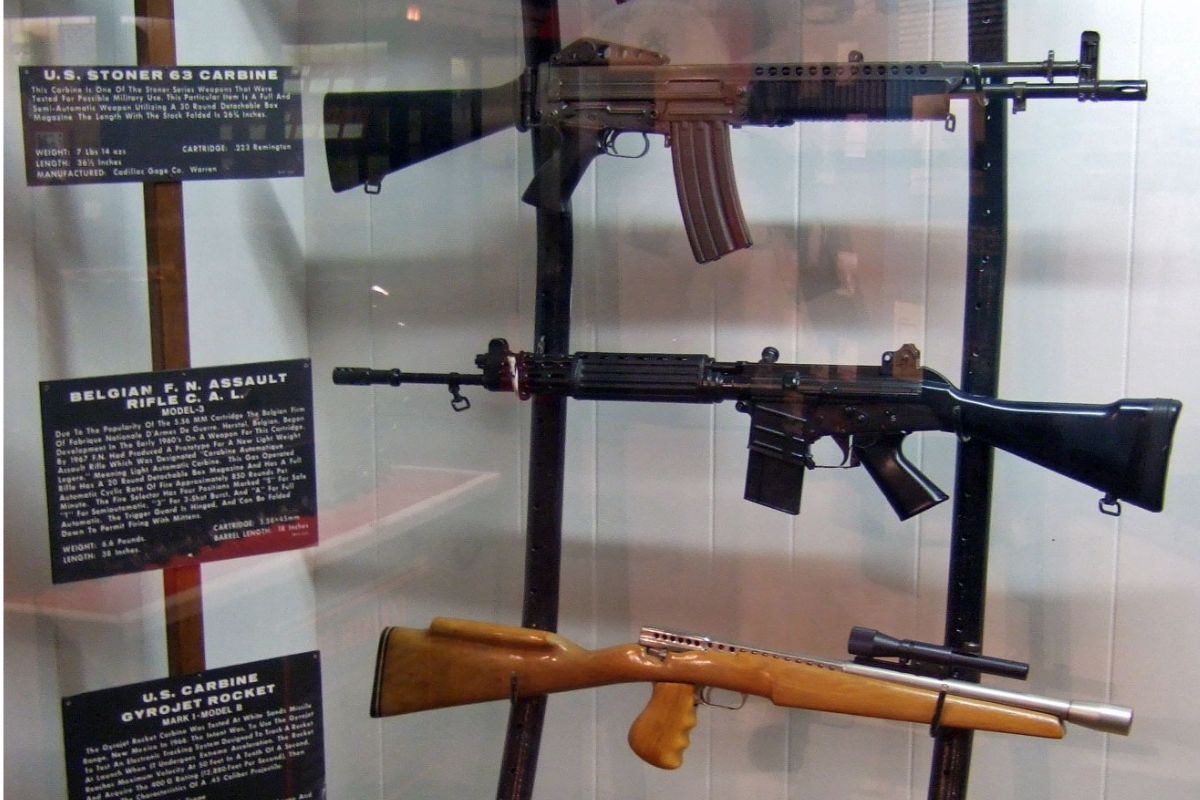
The Gyrojet’s revolutionary concept came with practical problems that were difficult to overlook. Its rockets could misfire, and differences in propellant performance affected consistency. The projectile also began its flight slowly, leaving it vulnerable to accuracy and performance limitations at short distances. A historical technical assessment identified low initial velocity and inconsistent rocket balance as factors that could increase dispersion. These were significant concerns for a weapon intended for practical use rather than experimental demonstrations. Even if individual examples performed impressively, dependable results across different rounds were essential. The Gyrojet struggled to establish the consistency needed to compete with conventional handguns.
10. Its Short Production Run Made It a Collector’s Curiosity
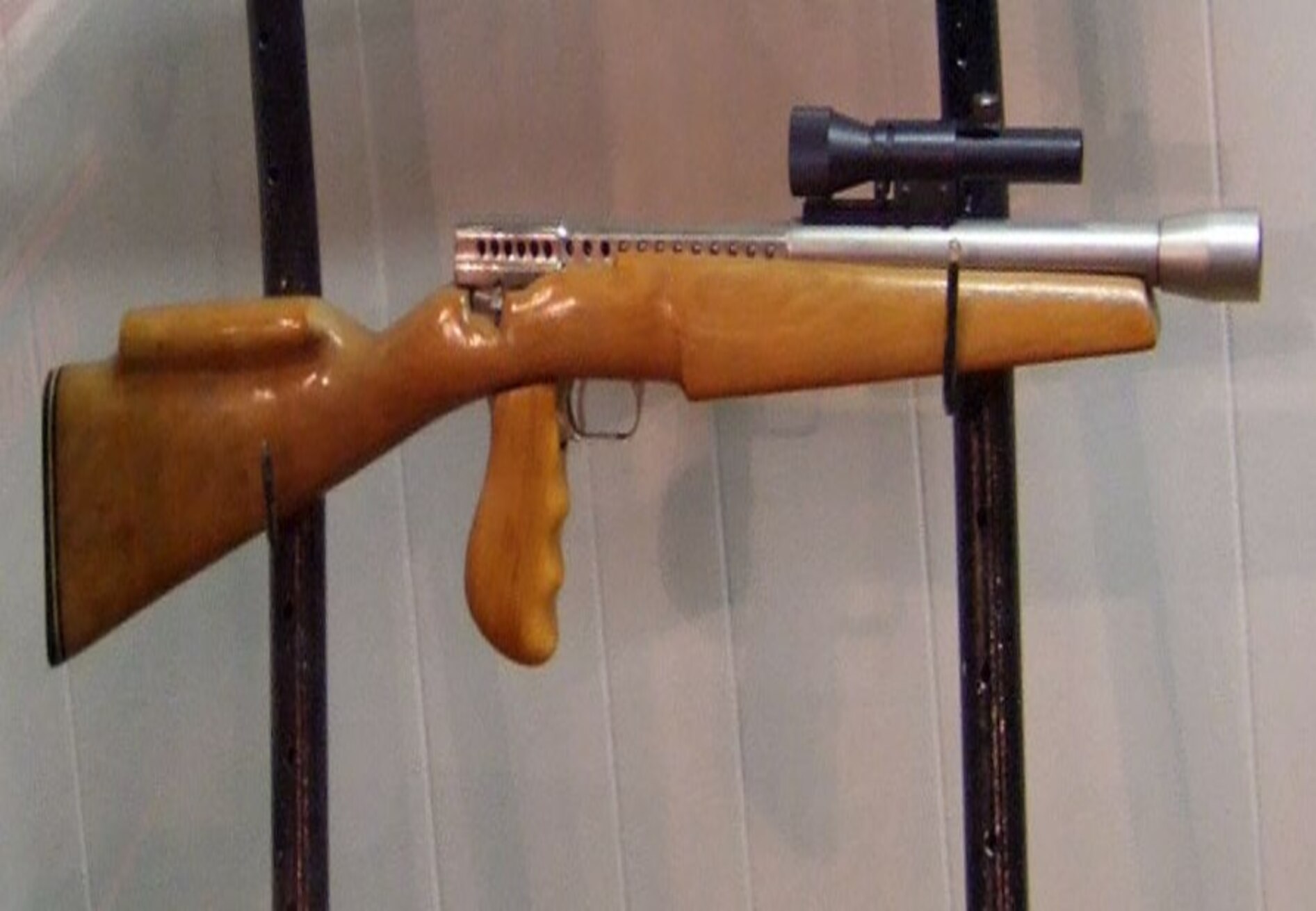
Gyrojet pistols and carbines were produced mainly between 1965 and 1969, with surviving examples now attracting collectors interested in unusual engineering. The American company’s ambitious concept never achieved widespread military or civilian acceptance, and the production run remained limited. Its 13 mm ammunition also encountered a regulatory complication after the 1968 Gun Control Act established rules affecting certain large-bore weapons. Later 12 mm versions addressed the caliber issue for the domestic market, but the change could not solve every technical drawback. Today, the Gyrojet stands as a reminder that a fascinating invention needs reliable performance, practical handling, and affordable ammunition to succeed.