The Winchester Model 1895 marked a major departure from the lever-action rifles that had made Winchester famous. Designed by John Moses Browning and introduced in 1895, it replaced the traditional tubular magazine with a box magazine and accommodated powerful cartridges that were unsuitable for many earlier lever-action designs. Its distinctive construction attracted military buyers, hunters, and collectors alike. From its unusual magazine arrangement to its international service history, the Model 1895 demonstrated how a familiar rifle mechanism could evolve to meet changing demands at the turn of the 20th century.
1. It Introduced a Box Magazine to Winchester’s Lever-Action Line
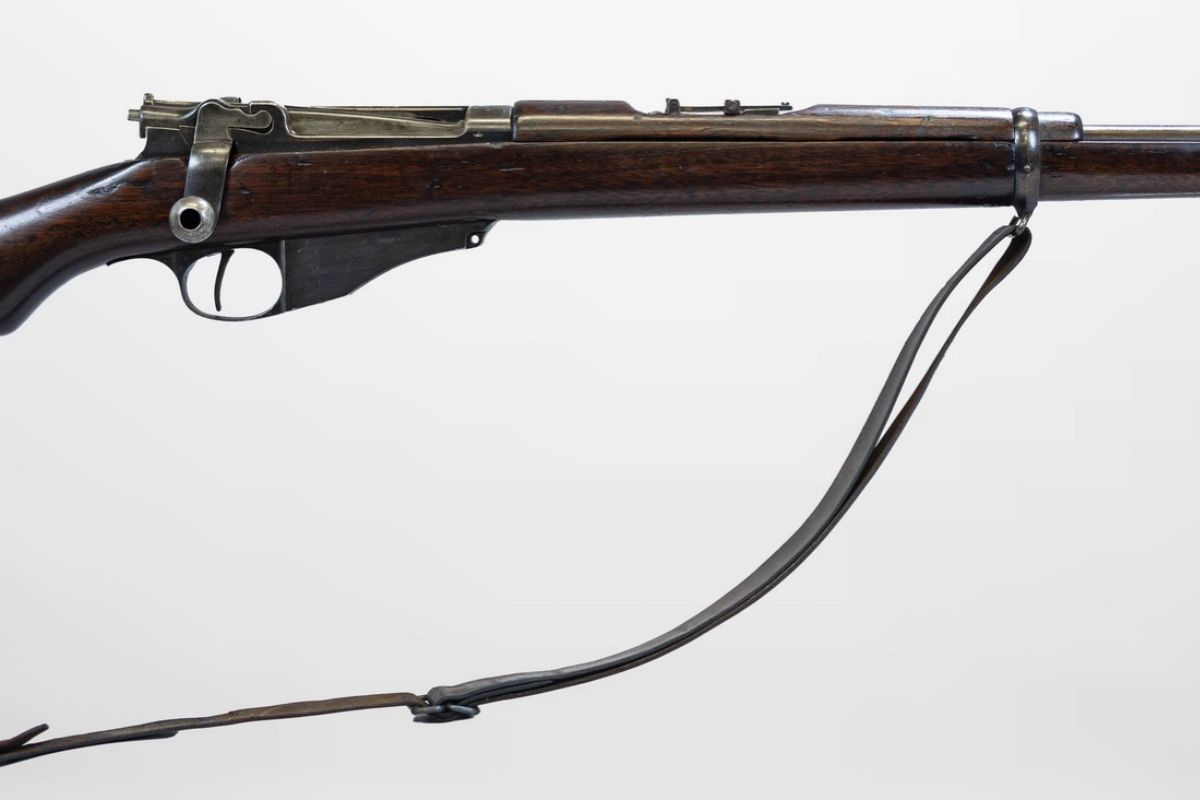
One of the Model 1895’s defining features was its fixed, vertically oriented box magazine, a major departure from the tubular magazines used in earlier Winchester rifles. The magazine typically held five cartridges, depending on the chambering and configuration. This arrangement allowed Winchester to chamber pointed bullets more practically because the cartridges were not stacked nose-to-primer inside a tube. That distinction mattered as ammunition technology advanced during the late 19th century. Rather than simply refining an established design, Winchester created a lever-action rifle suited to a new generation of cartridges.
2. John Moses Browning Designed Its Distinctive Action
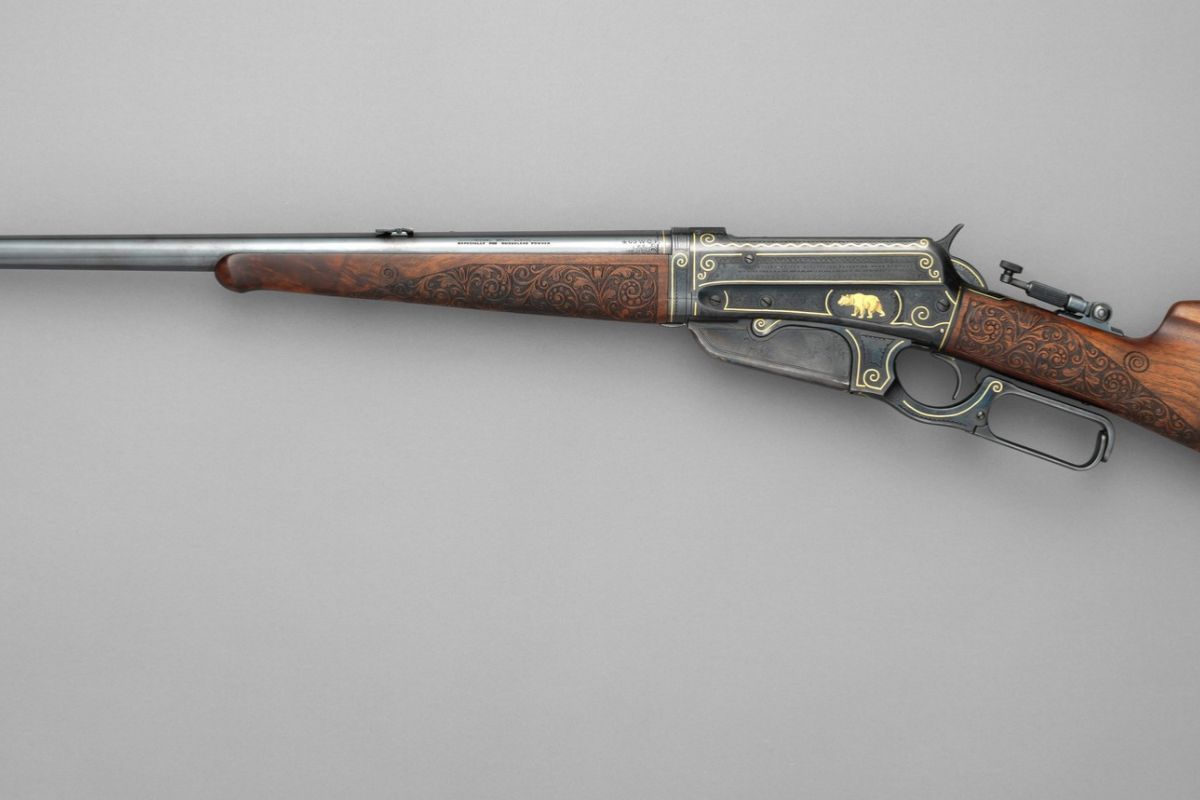
The Model 1895 came from the work of John Moses Browning, one of the most influential firearms designers in history. Its introduction in 1895 reflected his ability to adapt familiar operating principles to different mechanical requirements. Unlike earlier Winchester lever actions that used a comparatively compact receiver arrangement, the Model 1895 employed a stronger action designed around its box magazine and larger cartridges. The result was a rifle that retained the recognizable lever-operated cycle while offering a different internal layout. Its engineering helped distinguish it from the Winchester models that had established the company’s reputation.
3. It Could Handle Powerful Full-Length Rifle Cartridges
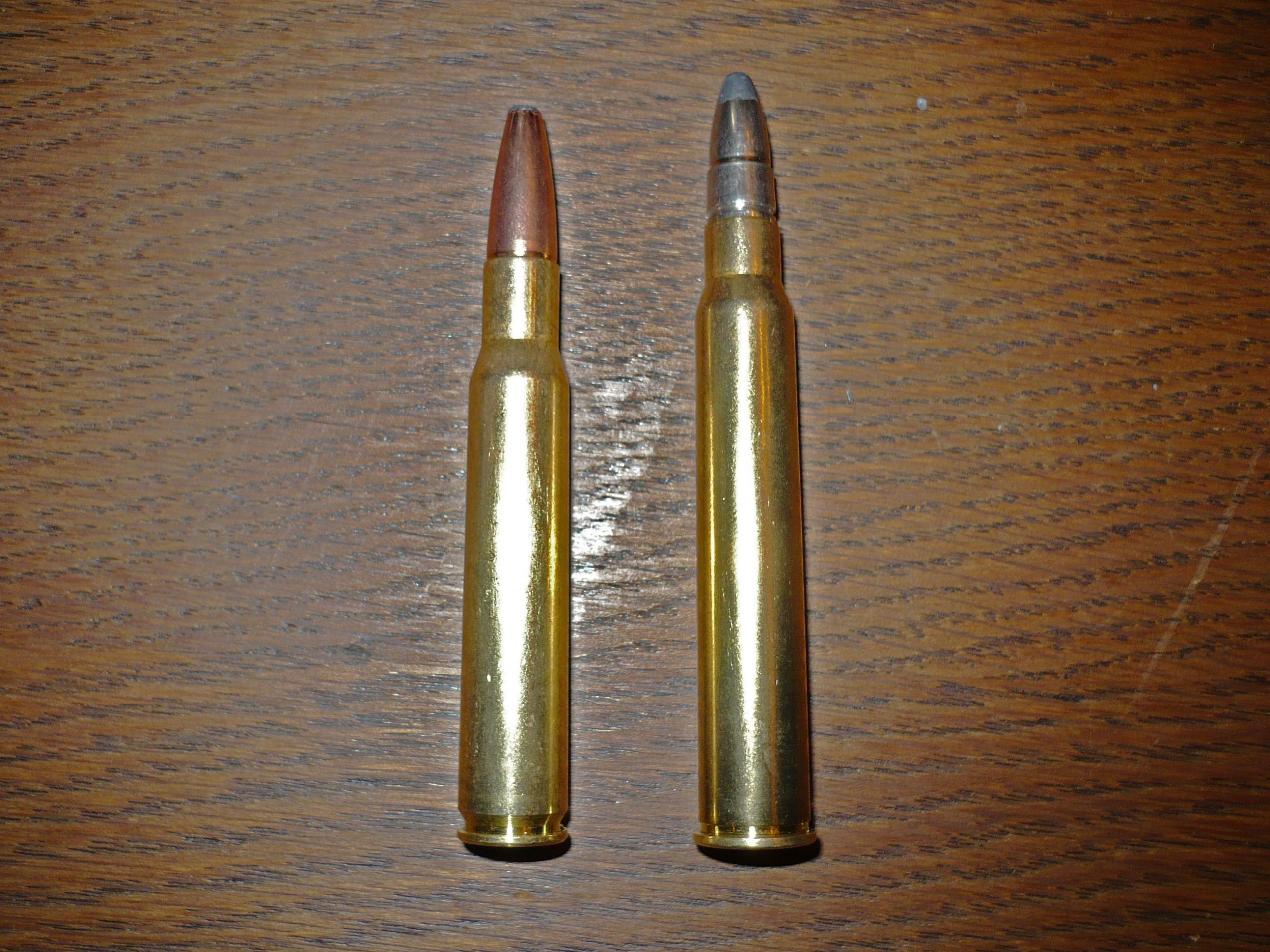
Many earlier lever-action rifles were associated with comparatively moderate cartridges, but the Model 1895 expanded that tradition. It was offered in chamberings such as .30-40 Krag, .30-03 Springfield, .30-06 Springfield, and .405 Winchester, depending on production period and configuration. These cartridges served different purposes, from military use to hunting large North American game. The rifle’s design accommodated ammunition that demanded a more substantial action than many traditional lever guns provided. This broader cartridge selection helped the Model 1895 appeal to customers seeking a lever-action rifle with capabilities beyond those of earlier sporting models.
4. Its Receiver Used a Stronger, More Substantial Design
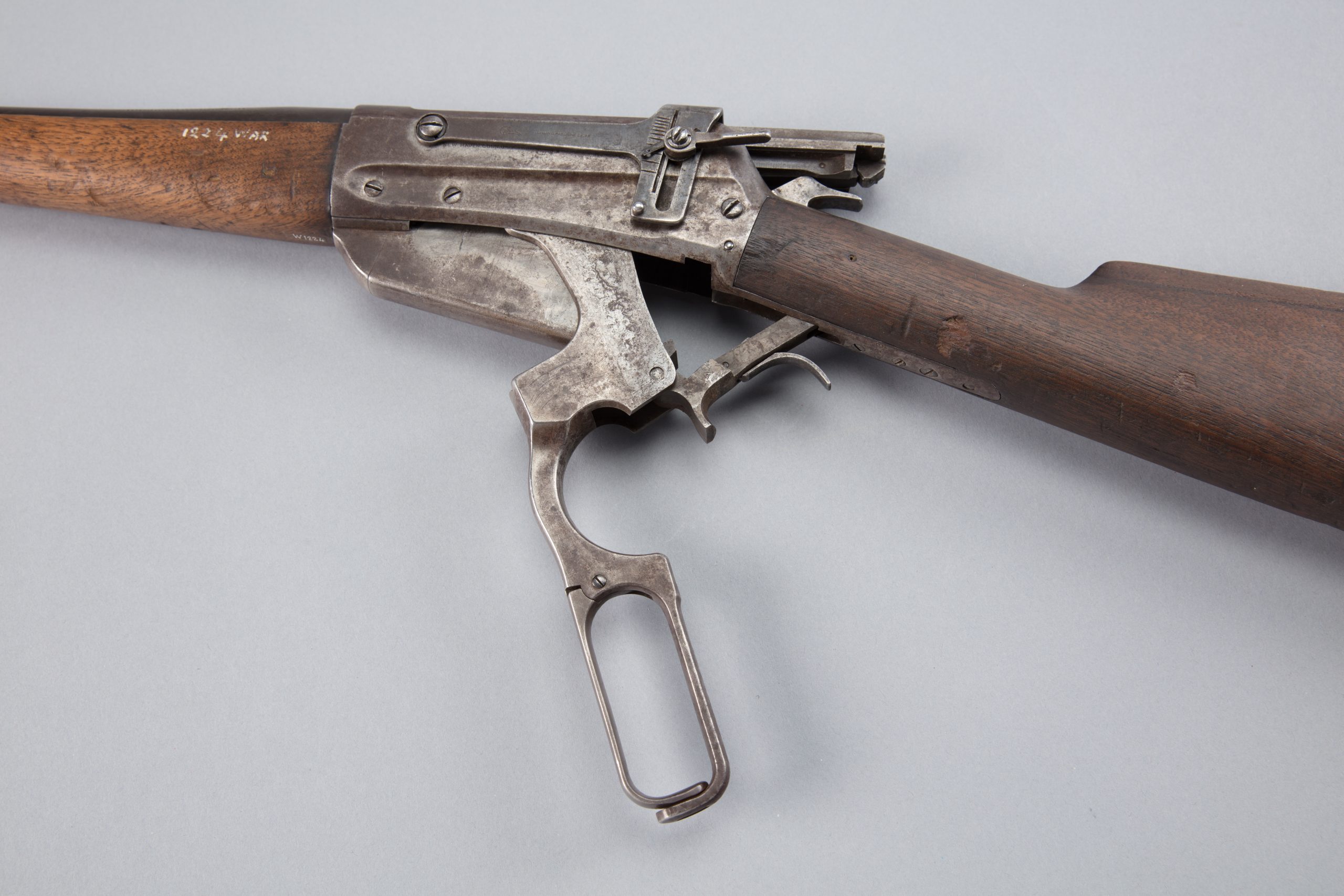
The Model 1895’s receiver reflected the demands of its new magazine arrangement and more powerful chamberings. Its solid-top configuration differed from the open-top appearance associated with several earlier Winchester lever actions. This gave the rifle a distinctive silhouette and contributed to its robust construction. The receiver also housed the mechanism needed to lift cartridges from the box magazine and feed them into the chamber. Although the rifle was generally heavier than some smaller Winchester models, that added substance suited its intended role. The design represented a practical engineering shift rather than merely a cosmetic change.
5. The U.S. Military Adopted a Version of the Rifle
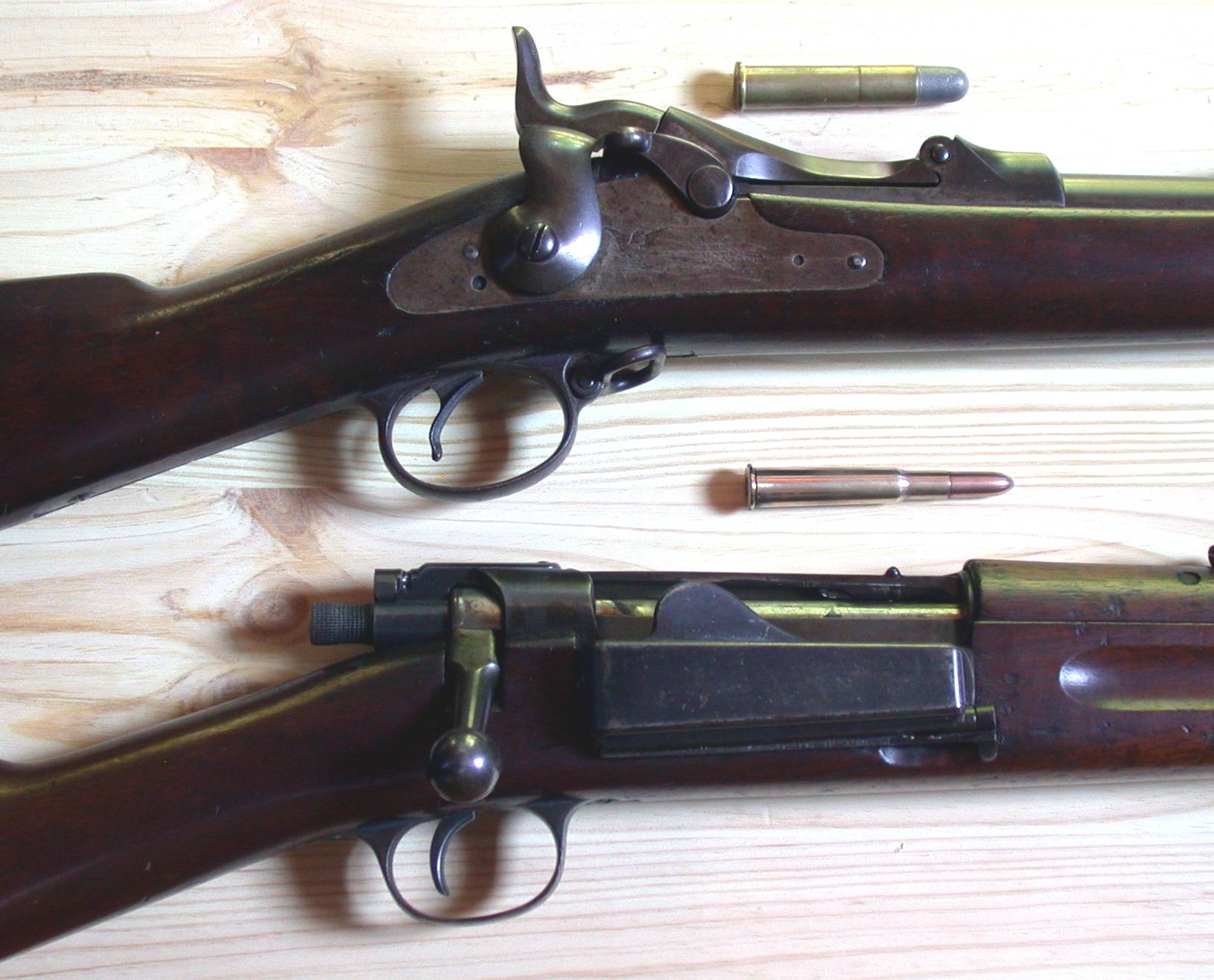
The Model 1895 earned an important place in American military history when the United States ordered rifles chambered in .30-40 Krag. These military-pattern rifles featured configurations suited to service requirements, including provisions for a bayonet on applicable versions. Their adoption demonstrated that a lever-action design could interest military buyers even as bolt-action rifles were becoming increasingly prominent. Military use also highlighted the Model 1895’s departure from traditional sporting lever guns. Although it did not become the standard American service rifle, its military contracts gave the model historical significance beyond the civilian market.
6. Russia Ordered Hundreds of Thousands of Rifles
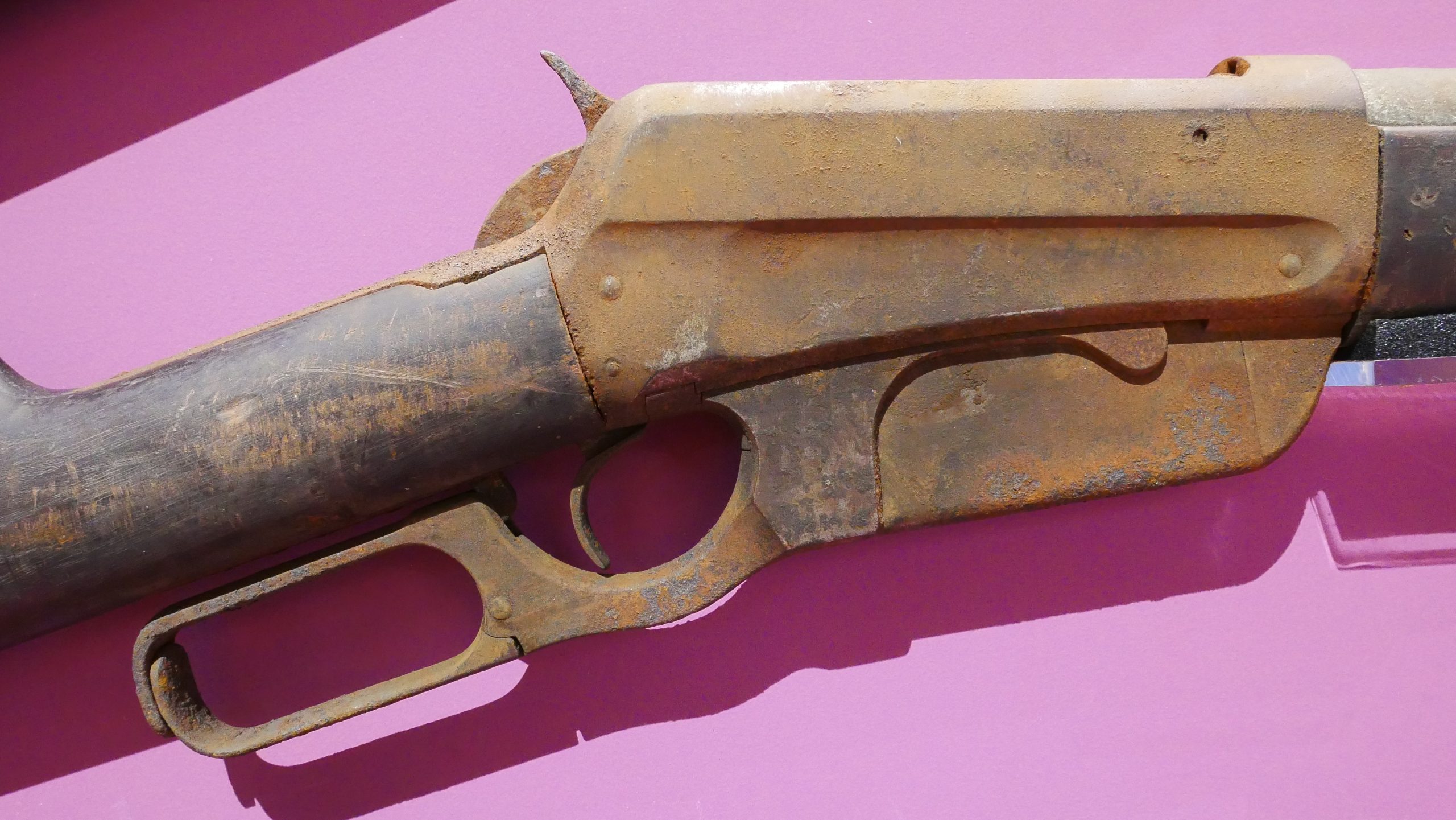
One of the Model 1895’s largest military contracts came from Imperial Russia during World War I. Russia ordered approximately 300,000 rifles chambered in 7.62×54mmR, with production and delivery taking place during the wartime period. These rifles were configured to meet Russian military requirements, including the use of a charger guide that allowed cartridges to be loaded with stripper clips. The contract brought the Winchester design into a major international conflict and demonstrated its adaptability to foreign ammunition standards. Russian orders remain one of the most remarkable chapters in the rifle’s history.
7. The .405 Winchester Chambering Became Especially Famous
The .405 Winchester cartridge helped establish the Model 1895’s reputation as a powerful sporting rifle. Introduced in 1904, this cartridge was associated with hunting large game and became closely linked to the rifle’s identity. Former U.S. President Theodore Roosevelt famously used a Model 1895 in .405 Winchester on his 1909 African safari. He praised the cartridge enthusiastically in his writings, helping cement its reputation among hunters. The association gave the rifle a place in outdoor history that extended beyond its mechanical design, turning a particular chambering into one of the most recognizable aspects of the Model 1895 story.
8. Its Lever Mechanism Worked Differently From Many Earlier Models

Although the Model 1895 retained the familiar lever-operated action, its internal arrangement had to accommodate a box magazine instead of a tubular magazine beneath the barrel. Operating the lever cycled the action, extracted and ejected the spent case, and positioned another cartridge for chambering. The magazine and receiver geometry therefore differed from that of earlier Winchester designs. This change was more than a minor mechanical adjustment because the ammunition had to feed reliably from a different location. The Model 1895 showed how the traditional lever-action concept could be adapted without abandoning its recognizable operating principle.
9. It Served Both Military Customers and Big-Game Hunters

The Model 1895 occupied an unusual position in Winchester’s catalog because it appealed to military buyers as well as civilian sportsmen. Military contracts required particular chamberings and service-related features, while sporting versions were offered in cartridges suited to hunting. Depending on the configuration, the rifle could weigh around 8 to 9 pounds, making it a substantial firearm compared with lighter sporting rifles. That versatility helped the model build a varied legacy across several markets. Few rifles are remembered as strongly for both international military service and their association with prominent big-game hunters.
10. Modern Reproductions Have Kept Its Legacy Alive

The Winchester Model 1895 did not disappear with the end of its original production era. Modern reproductions and renewed production runs have allowed collectors and enthusiasts to encounter the design in contemporary form. The original rifle was produced from 1895 into the 1930s, with commonly cited production ending in 1936. Later versions have appeared in selected chamberings and configurations, depending on the manufacturer and production period. Its enduring appeal comes from the combination of Browning’s engineering, the distinctive box magazine, historical military contracts, and famous sporting associations. More than a century after its introduction, the Model 1895 remains a recognizable milestone in lever-action rifle development.