The best hunts do more than fill a tag. Spring turkey season earns its following because it turns hunting into a shared experience that starts long before daylight and keeps going long after the woods go quiet.
It is built around conversation, not silence.
A lot of American hunting asks people to stay quiet, spread out, and wait. Spring turkey hunting flips that script. The whole game centers on sound, reaction, and reading another animal in real time, which makes it unusually social even when only one person is actually calling.
Because spring seasons line up with breeding activity, hunters use hen yelps, clucks, purrs, and cutting to pull a gobbler into range. Outdoor Life and the National Wild Turkey Federation both emphasize that spring tactics revolve around calling vocal male birds and that gobbling is the sound that makes the hunt so addictive. That exchange creates a feeling closer to dialogue than ambush.
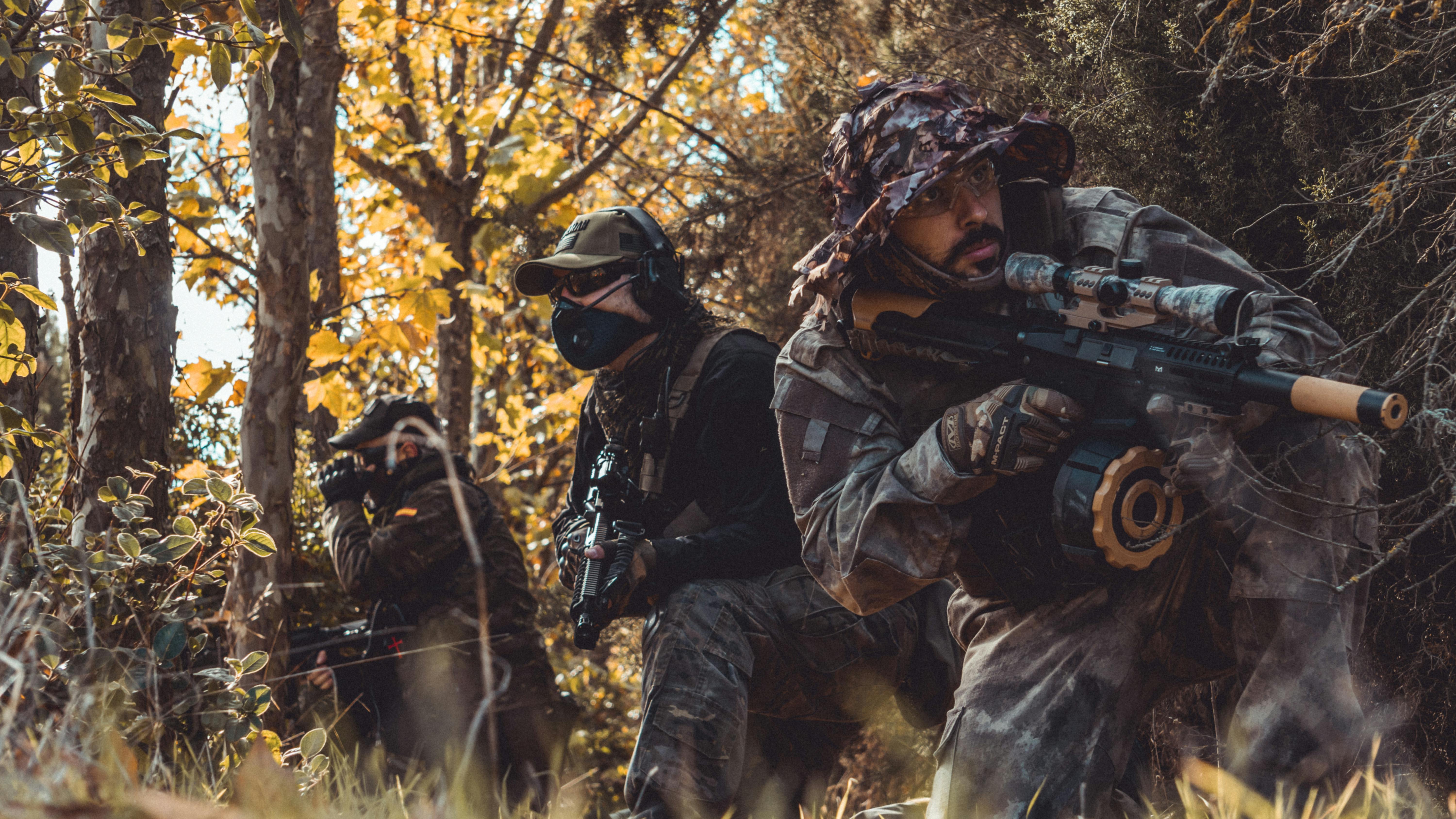
Even when a pair of hunters is sitting against separate trees, they are talking through the setup before first light, whispering about where the bird roosted, when he answered, and whether to stay patient or shift. That constant decision-making gives the hunt a team rhythm that deer hunting often lacks.
Spring turkey culture is made for partners, mentors, and kids.

Turkey season is one of the easiest hunts to share with a newcomer because the action unfolds in daylight, in mild weather, and usually at close range. The excitement is audible. A first-time hunter may not yet understand tracks, rub lines, or wind drift, but everyone understands a gobbler hammering from the ridge at sunrise.
State agencies build around that social reality. Pennsylvania has highlighted junior and mentored spring gobbler days, and agencies such as Indiana and Florida require or encourage adult accompaniment in youth turkey opportunities. The National Wild Turkey Federation says its mentored hunts are specifically designed to connect novice hunters with a support network and social network that keeps them engaged.
That matters because spring turkey hunting teaches by participation. A mentor can explain calling, setup, safety, patience, and bird behavior in the moment. The student does not just hear advice later at camp. They hear a crow call, a shock gobble, a soft tree yelp, and then watch the whole chess match unfold in front of them.
Camp life matters almost as much as the hunt.
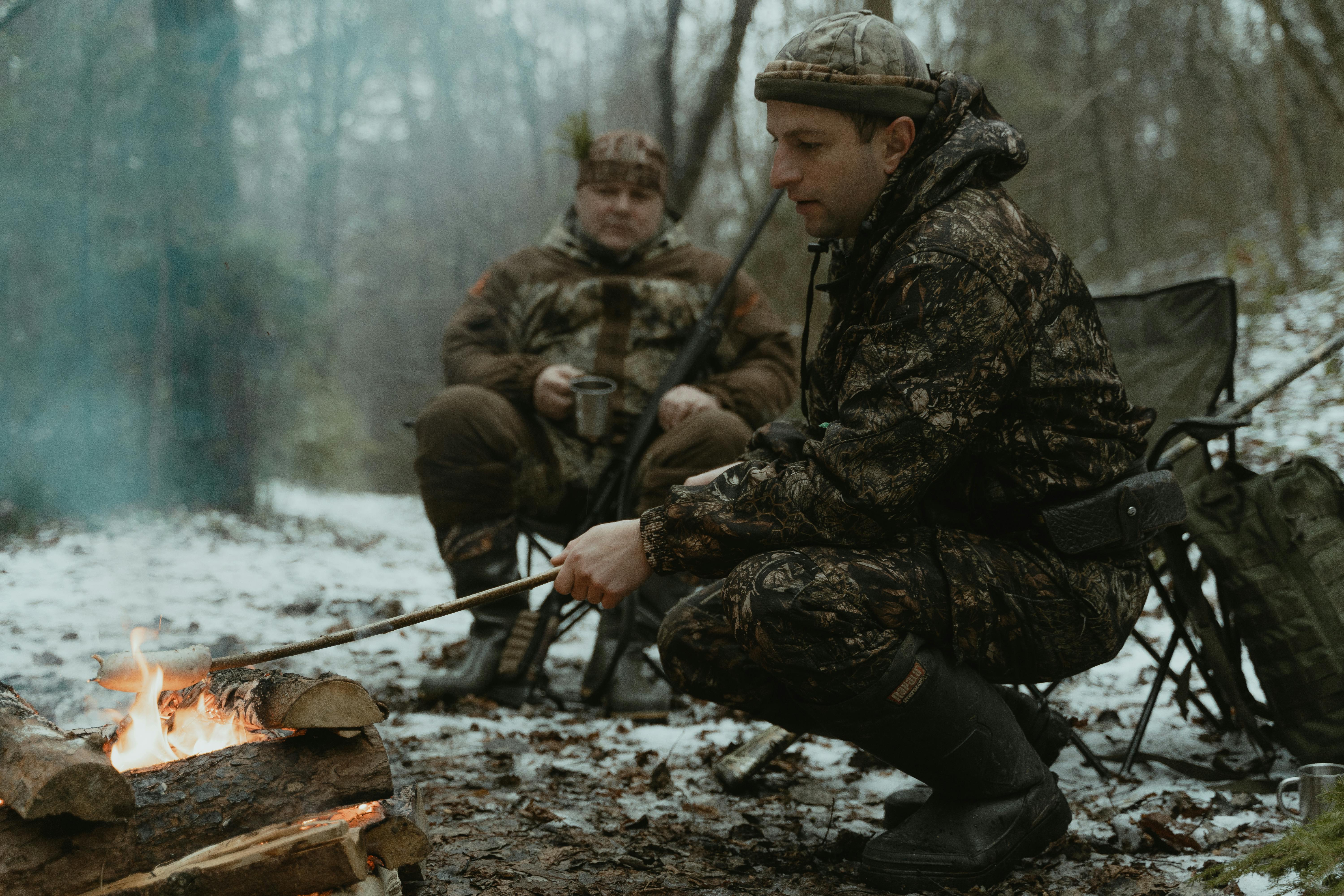
Ask serious turkey hunters what they love most, and many will mention mornings, meals, and storytelling before they mention spurs or beard length. Spring turkey season arrives when winter has broken, roads are open, and people are eager for reasons to gather outside again. That seasonal timing gives it a built-in reunion quality.
The NWTF’s own spring coverage reflects how communal the season feels. It’s convention has become a major annual gathering point for turkey hunters, call makers, volunteers, brands, and conservation advocates, with roots stretching back to the first national convention in 1977 that drew more than 2,000 attendees around calling competition and turkey culture. Few hunts in America have that kind of off-season social infrastructure.
At the local level, camp can be simple: coffee in the dark, trucks idling at 4:30 a.m., somebody tuning a slate call, somebody else retelling last year’s missed bird. The harvest is personal, but the buildup is collective. That combination is exactly why the season sticks in memory even when nobody fires a shot.
The hunt rewards teamwork and shared strategy
Spring turkey hunting may look like one hunter versus one bird, but success often depends on a small group thinking well together. One person scouts roost sites, another gains access permission, another knows when birds use a logging road, and another is the best caller. The season naturally turns different skills into shared value.
Decoy use adds another layer of strategy. The NWTF notes that decoy spreads should mimic the natural social structure of turkeys during different phases of spring, and that jake or strutter decoys can trigger strong reactions from gobblers. In practice, hunters debate these choices constantly, which keeps everyone involved in the plan.
That collaborative style also explains why turkey hunting creates such strong friendships. Every hunter knows the feeling of replaying a blown setup with a buddy over breakfast, then going right back out to try again. Shared failure becomes part of the fun. In a culture that often celebrates individual success, turkey season still leaves room for laughter, humility, and second opinions.
It feels interactive in a way few hunts can match
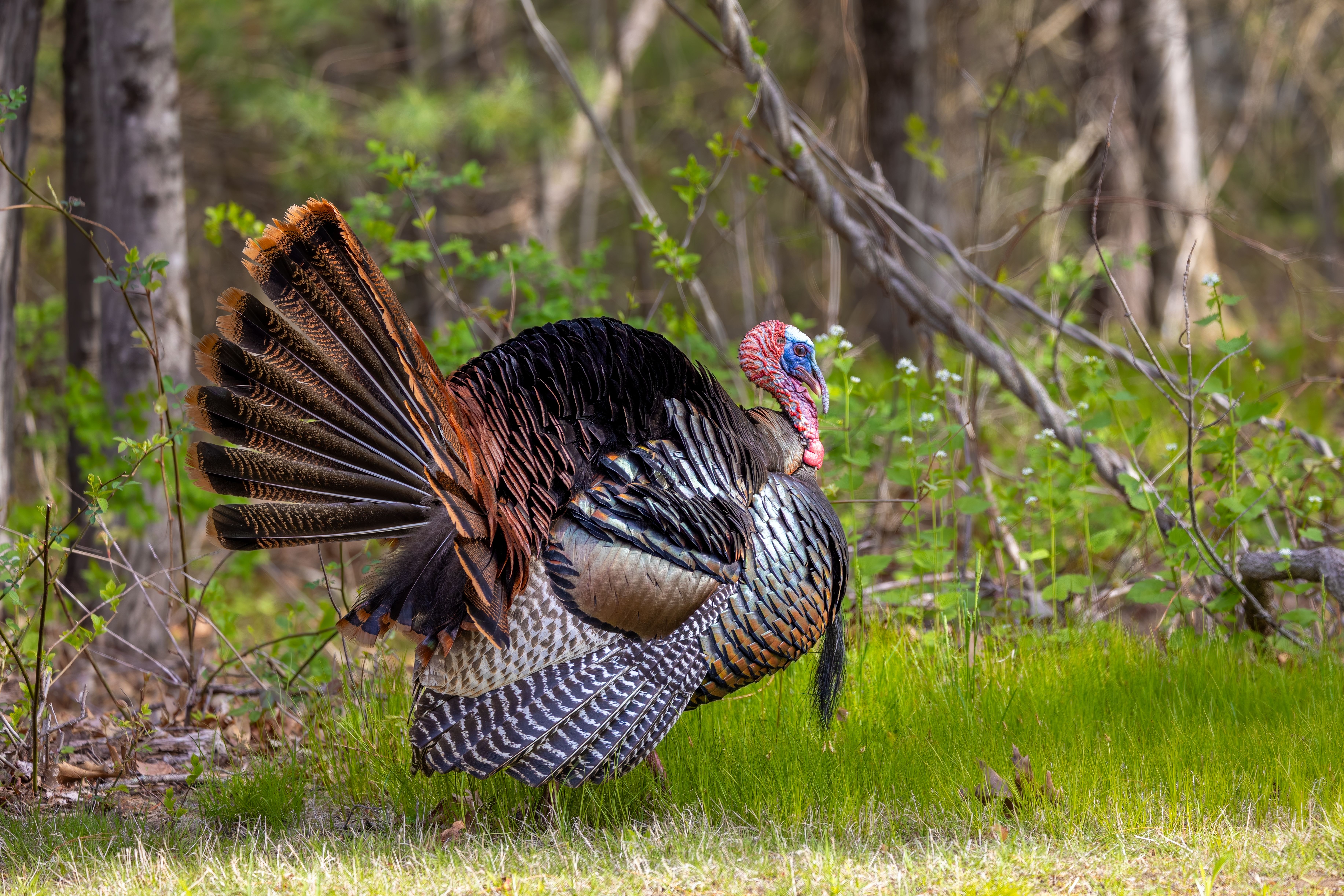
Turkey hunters love spring because the feedback is immediate. You make a call, and sometimes the woods answer back. You shift 80 yards, scratch leaves, go quiet, or show a decoy, and the bird changes, too. The hunt becomes a back-and-forth contest that is thrilling to experience with someone else listening.
That interactivity is one reason the hunt hooks people so hard. NWTF-backed research announced in 2026 is focused in part on how management strategies shape gobbling activity, which shows how central vocal behavior is to the entire experience. Wildlife managers are not just counting birds. They are studying the soundscape hunters care about most.
It is also why turkey stories are so animated. Deer stories often end with where the buck appeared. Turkey stories include every move: when he double gobbled, when he hung up, when the hens pulled him away, and when he slipped in silently. Those details invite retelling, and retelling is one of the engines of hunting culture.
Conservation gave the season a community identity
Part of spring turkey season’s social pull comes from the fact that modern wild turkey abundance is one of America’s great conservation stories. Agencies and conservation groups restored birds across huge portions of the country through trap and transfer work, habitat management, and science-based regulation. Hunters know they inherited something that many earlier generations nearly lost.
Pennsylvania notes that its restoration work became a model for other states, while the NWTF has spent decades tying hunting tradition directly to habitat work, research, and recruitment. That creates a stronger sense of belonging than a hunt that exists only as recreation. Turkey hunters tend to feel part of a project, not just part of a pastime.
That identity shows up in volunteer banquets, local chapter events, youth clinics, call-making circles, and public land advocacy. It is easier to become socially invested in a hunt when there are visible institutions around it. Spring turkey season gives people a place in the woods, but it also gives them a tribe.
Hunters love that the experience is bigger than the bird
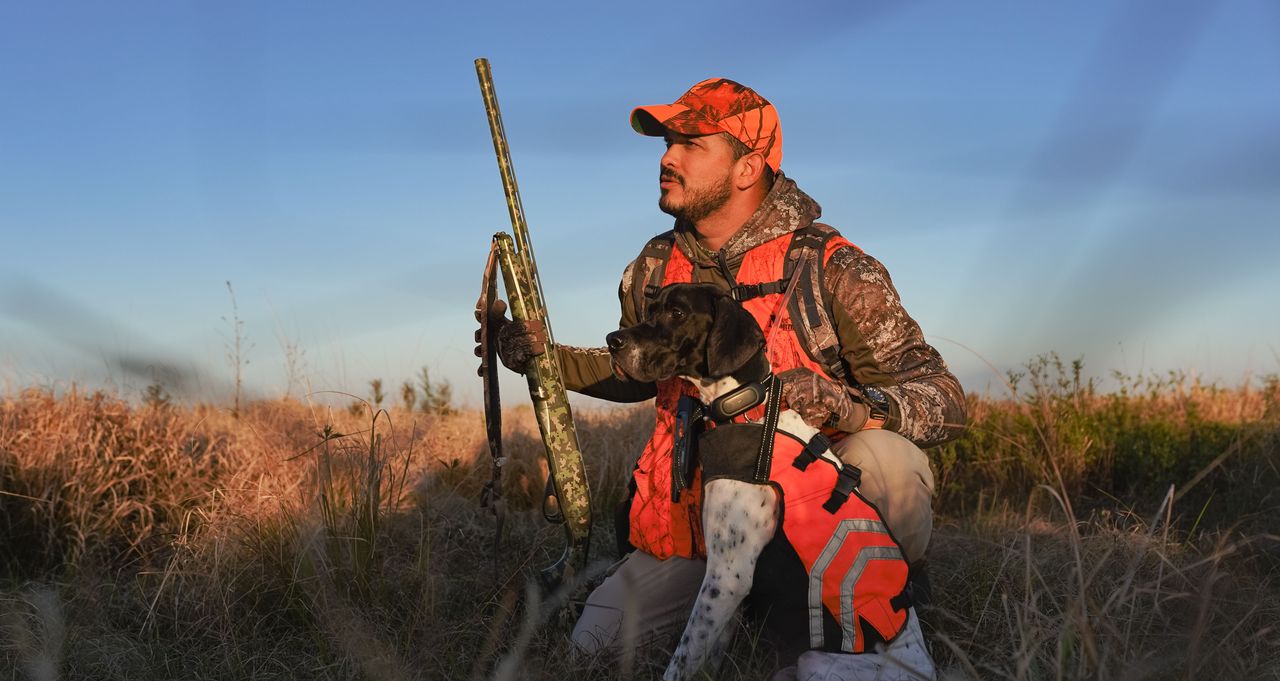
The funny truth about spring turkey hunting is that many hunters rank a great morning above a filled tag. Hearing multiple gobblers on the roost, watching a strutter in green light, or guiding a kid into position can feel like success on its own. That emotional generosity makes the season easier to share.
It also helps that spring turkey hunting is accessible compared with many destination-style hunts. A vest, a call, basic camouflage, and patience can get someone started, and the hunt happens when most other major seasons are closed. That opening in the calendar gives hunting friends and families a reason to reconnect.
In the end, spring turkey season is the most social hunt in America because it combines performance, mentorship, camp life, conservation, and real-time teamwork in one package. It asks people to listen together, solve problems together, and celebrate together. For many hunters, that is not a side benefit. It is the whole point.