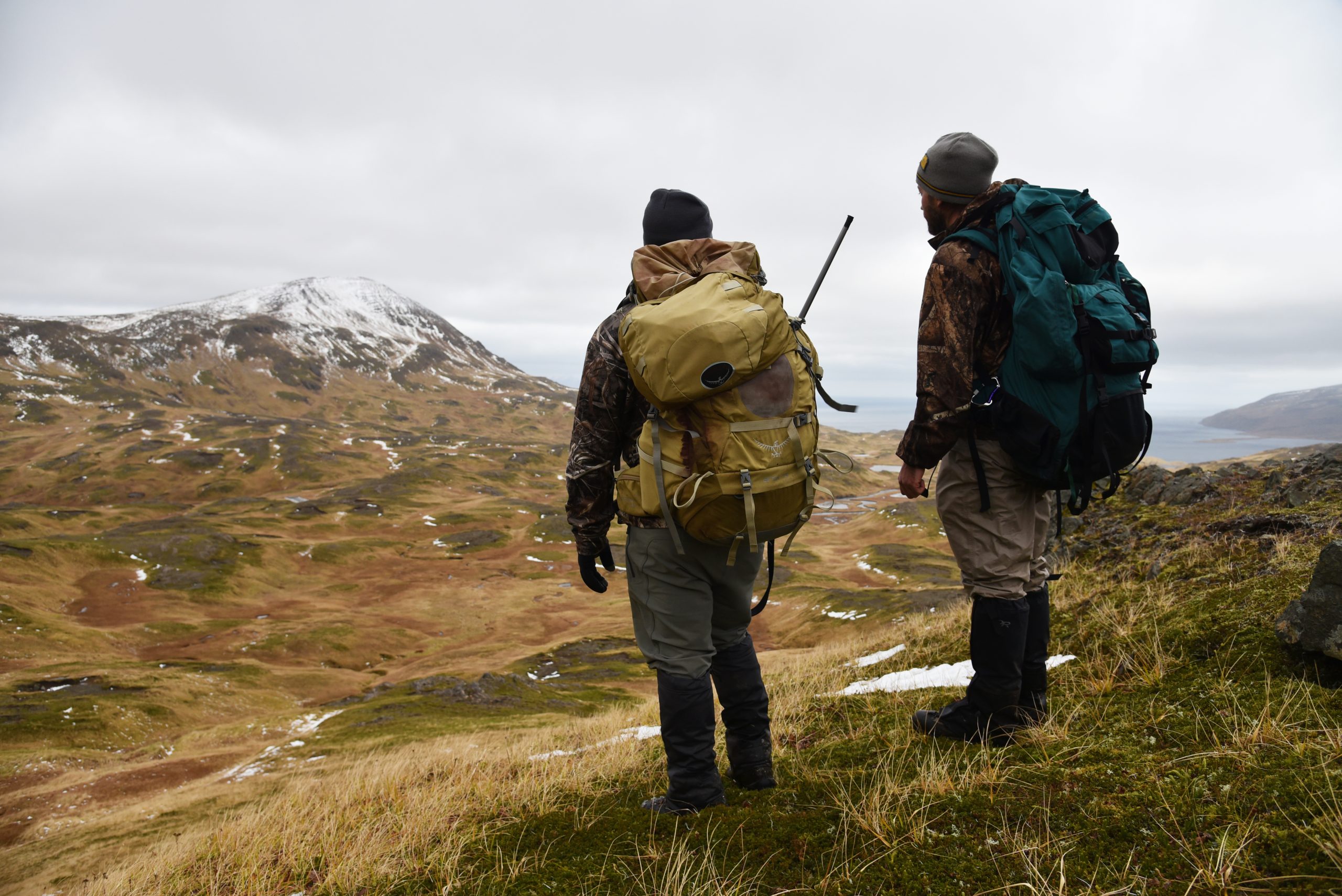
Alaska can make a familiar hunting cartridge feel very different once the target becomes a massive moose, a caribou across open country, or a bear at close range. The issue is not simply whether a caliber can work. Bullet construction, shot placement, distance, recoil, terrain, and the particular game animal all matter. Alaska’s regulations also vary by species and game-management unit, so no single caliber should be treated as a universal answer. The 2026-27 regulations should always be checked before a hunt.
1. .223 Remington / 5.56 NATO
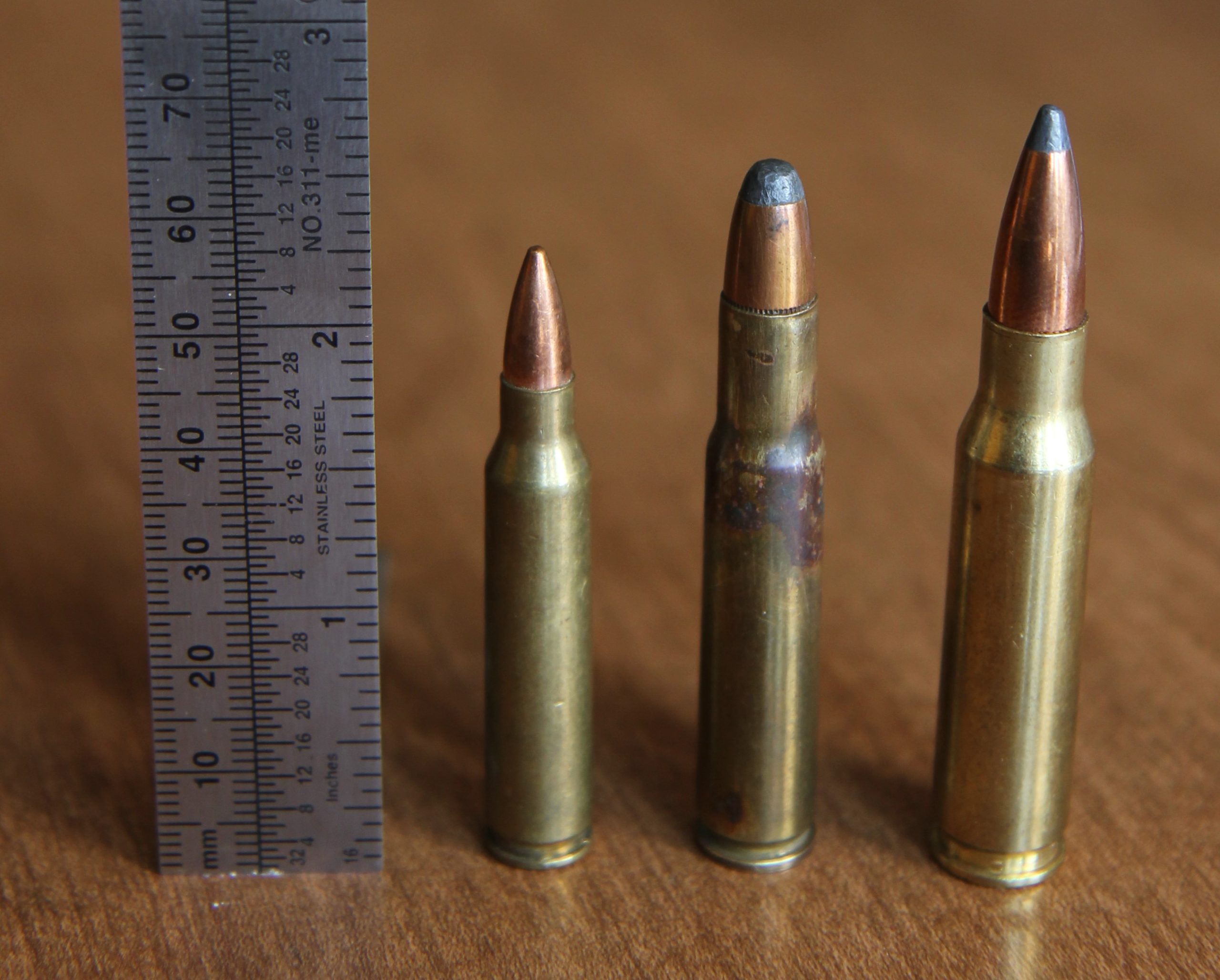
The .223 Remington and 5.56 NATO are useful for varmints and some defensive roles, but they are poor choices to depend on for Alaska’s largest game. A typical 55-grain bullet may leave the muzzle around 3,200 fps, yet its lighter construction and limited mass give it less margin on large, heavily built animals. Alaska also requires centerfire ammunition for most big game, with narrow exceptions. For moose, caribou, or bears, hunters need a cartridge and bullet combination suited to the animal, range, and legal hunt area. Alaska’s scale makes that extra margin especially valuable.
2. .243 Winchester
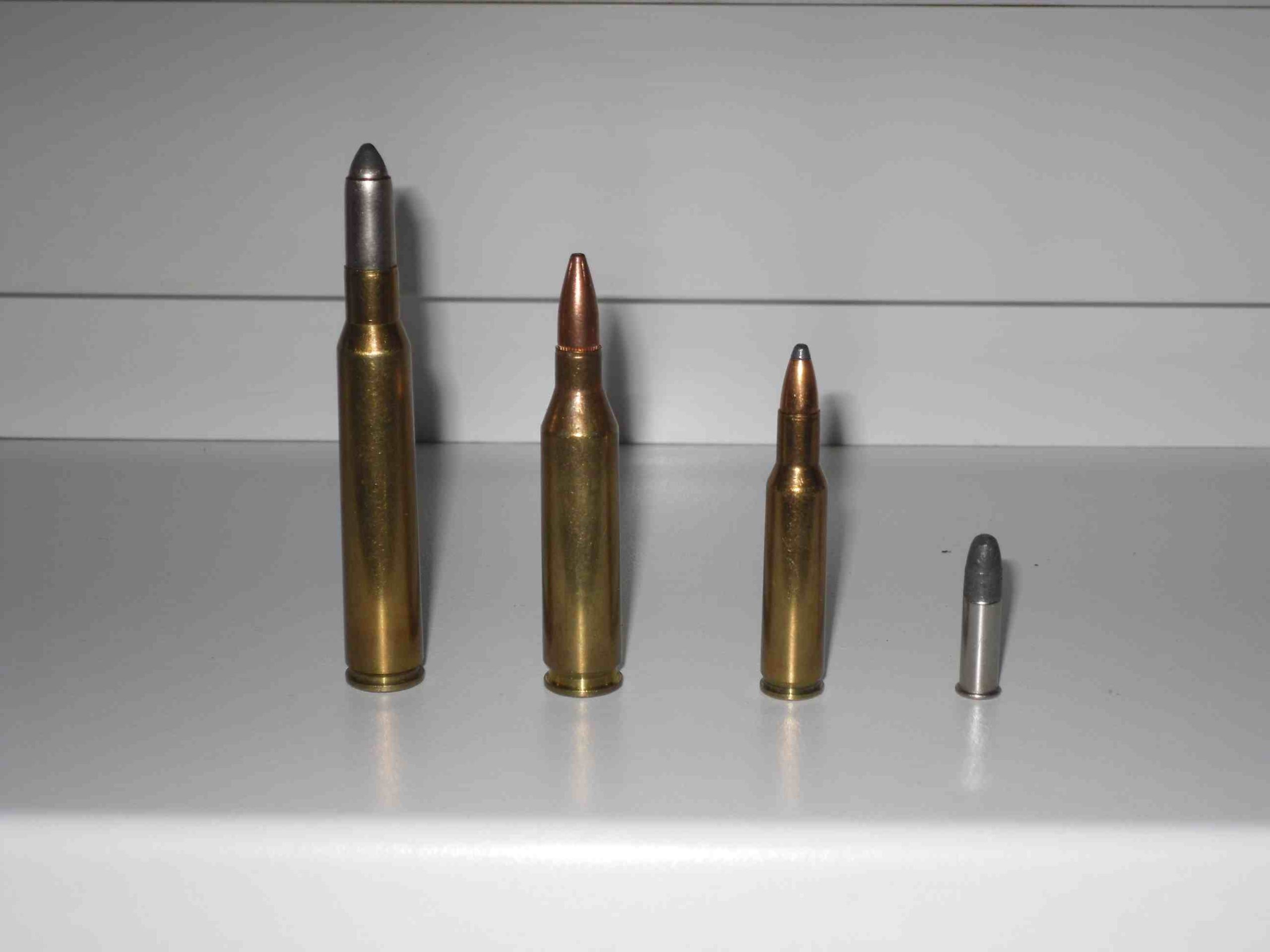
The .243 Winchester is accurate, mild in recoil, and widely used for deer-sized game, but Alaska can demand more from a hunting cartridge. A common 100-grain load can approach 2,960 fps, giving it useful reach, yet bullet weight and frontal diameter remain modest for very large animals. It is especially important not to treat a familiar deer cartridge as an all-purpose Alaska solution. Regulations and hunt conditions vary by unit, while shot placement, bullet construction, and the animal involved can quickly change what is sensible. That distinction matters.
3. .270 Winchester
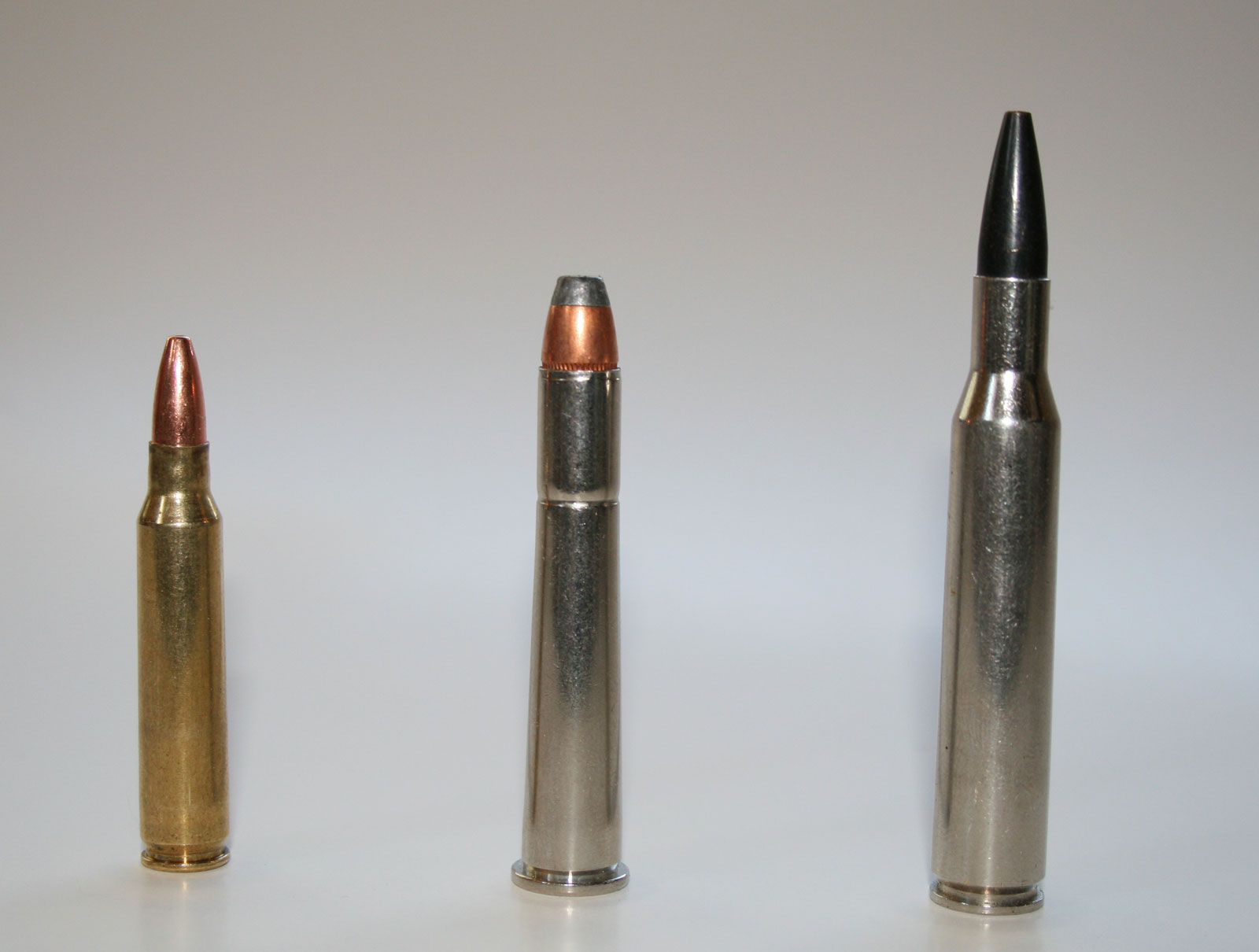
The .270 Winchester has a strong reputation because a 130-grain bullet can travel around 3,060 fps and perform well on many North American game animals. Still, calling it a cartridge to rely on for everything in Alaska stretches its strengths. Large moose and bears can present more demanding conditions than ordinary deer hunting, especially when shots are close, angles are difficult, or follow-up shots matter. A hunter should match the load and rifle to the specific species, terrain, distance, and current regulations rather than assume one caliber covers every situation.
4. 7mm-08 Remington
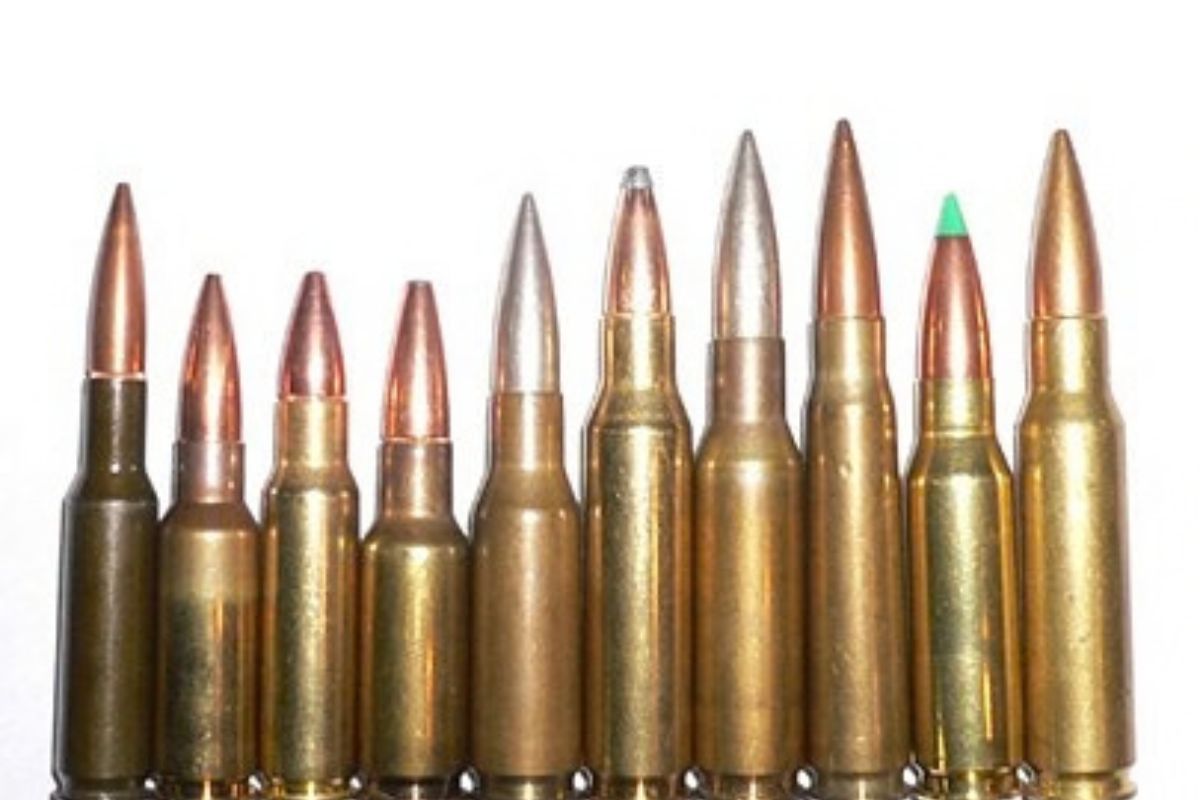
The 7mm-08 Remington offers an appealing balance of accuracy, recoil, and hunting performance. A typical 140-grain load can run near 2,860 fps, making it a capable choice for many medium and large game animals. The limitation comes when hunters treat that versatility as a guarantee in every Alaskan encounter. Moose are large-bodied animals, and bear hunting adds another layer of responsibility. The cartridge itself is only part of the equation. Bullet design, shot placement, range, rifle handling, and the exact hunt regulations all deserve equal attention before heading afield.
5. .308 Winchester
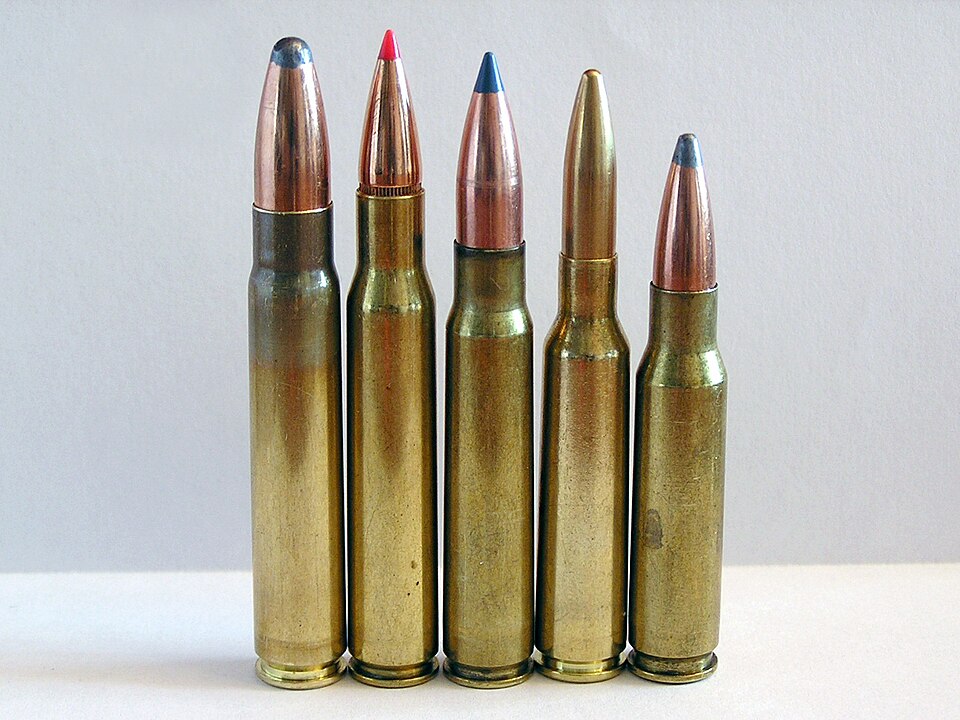
The .308 Winchester is one of the most practical general-purpose hunting cartridges, with common 165-grain loads around 2,700 fps. It has enough performance for many Alaskan hunting applications, but “capable” does not mean universally ideal. Thick cover, steep country, heavy animals, and unpredictable encounters can make a hunter want more reach, more bullet weight, or a different rifle setup. Alaska does not simply approve a caliber for every species statewide. Unit-specific rules, season conditions, and ammunition requirements must be checked before relying on a .308 for a particular hunt.
6. .30-06 Springfield
The .30-06 Springfield remains a proven big-game cartridge, and a 180-grain hunting load commonly reaches about 2,700 fps. That combination gives it substantial versatility, but Alaska still punishes the idea of a single “do everything” caliber. A rifle that works beautifully for caribou may not be the setup a hunter prefers when a large bear is the concern. Recoil, rifle weight, bullet construction, shooting distance, and field conditions all affect practical performance. The right choice is the one matched to the animal and hunt, not simply the most famous caliber.
7. .300 Winchester Magnum
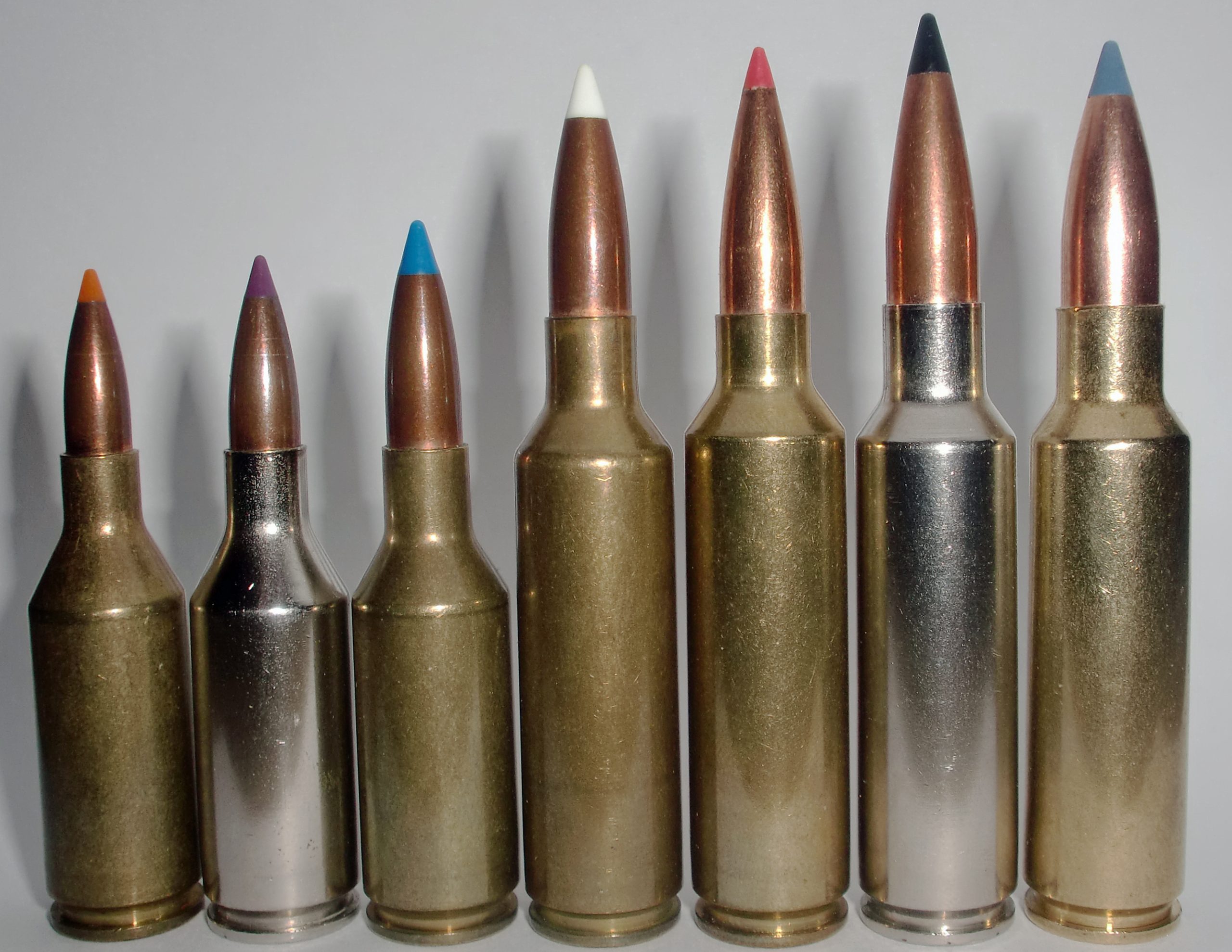
The .300 Winchester Magnum delivers serious energy, with 180-grain loads often leaving the muzzle near 2,960 fps. Yet even this powerful cartridge is not a substitute for judgment, preparation, or the correct hunt plan. Its recoil can slow accurate follow-up shots for some shooters, and its extra velocity does not make poor hits acceptable. Alaska’s rules also vary by species and game-management unit, so a powerful rifle is not automatically the legal or best answer. Hunters should verify the current 2026-27 regulations and choose a proven hunting load for the specific animal.