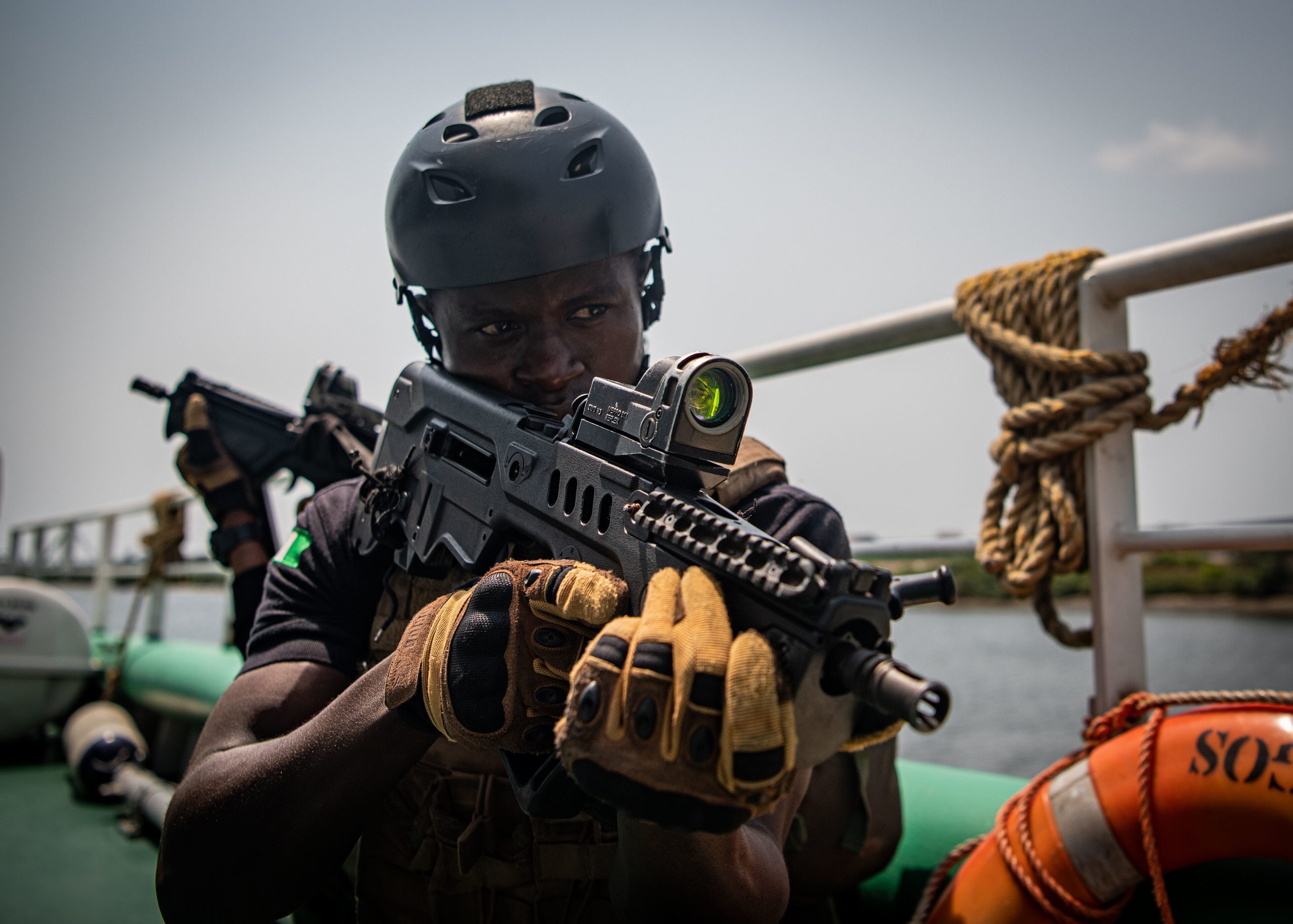
The IWI Tavor was not simply another replacement rifle. Israel developed it around a very specific battlefield reality: soldiers could move from open terrain into streets, buildings, vehicles, and confined spaces within the same mission. The bullpup layout offered a way to keep a useful barrel in a much shorter package. After extensive trials against the M4 in 2001–2002, the Tavor family gained a place in IDF service, eventually leading to the X95 becoming the standard infantry weapon.
1. The Bullpup Layout Solved Israel’s Space Problem

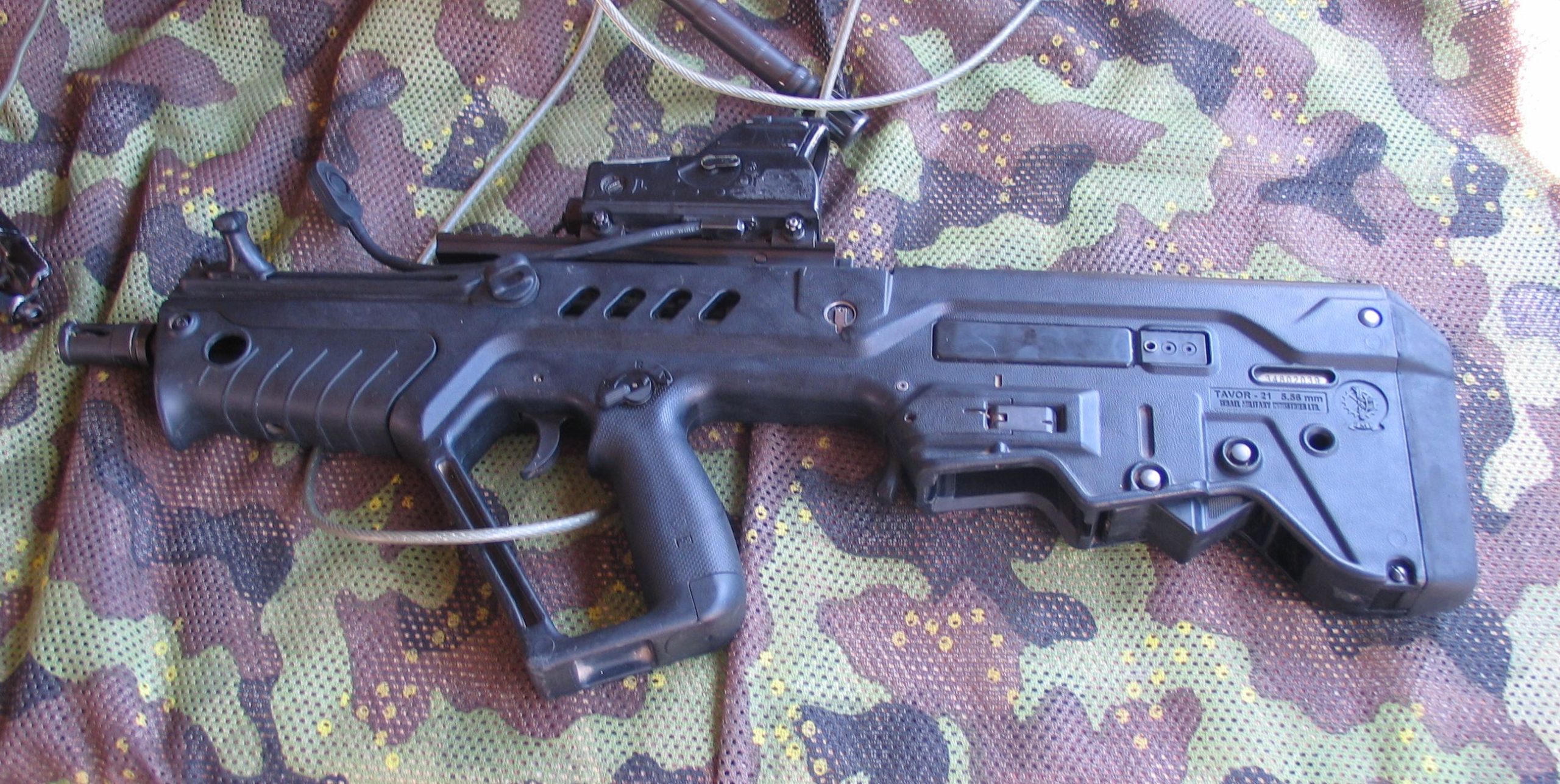
The Tavor’s most important decision was also its most controversial: the action and magazine were moved behind the trigger. That bullpup arrangement shortened the rifle without simply sacrificing barrel length. The original CTAR version, for example, used a 380 mm barrel while measuring about 640 mm overall and weighing roughly 3.5 kg without its magazine. That geometry mattered in armored vehicles, urban streets and tight interiors, where a long conventional rifle could become cumbersome. Israel therefore treated compactness as a practical military requirement, not merely a handling preference.
2. Israel Did Not Choose It After a Casual Range Test
The Tavor earned its reputation through a serious comparison with the M4 rather than through marketing claims. Between November 2001 and March 2002, two IDF brigades evaluated both rifles under demanding conditions. Testing included reliability, accuracy, sighting, maintenance, ergonomics, and extended marches of as much as 37 miles. Early fielding also exposed problems such as fine sand entering the chamber, prompting design adjustments. By the end of the process, the Tavor had demonstrated enough reliability and handling advantages for the IDF to select it over the established M4.
3. Its Barrel Was Long Enough Without Making the Rifle Long

A major Tavor advantage came from separating barrel length from overall weapon length. Instead of putting the receiver and operating system ahead of the trigger, the bullpup design placed them behind it. The standard TAR model had a 457 mm barrel inside a rifle approximately 725 mm long, while the CTAR used a 380 mm barrel in a 640 mm package. Both were chambered for 5.56×45 mm NATO. That combination gave soldiers a relatively compact weapon while retaining the benefits of a substantial rifle barrel.
4. The Rifle Was Built Around Israel’s Own Battlefield Experience

The Tavor was shaped by the conditions in which Israeli troops actually operated. Soldiers could fight in open areas, move through dense urban environments, ride inside vehicles, and enter buildings during the same deployment. A rifle that remained compact while retaining a conventional rifle cartridge therefore had obvious value. The Tavor also used a gas-operated system with a rotating bolt and accepted 30-round magazines in its 5.56 mm configuration. Its design was consequently less about chasing novelty and more about combining familiar firepower with dimensions suited to close, mobile combat.
5. The TAR-21 Was Only the Beginning of the Bet

Israel’s decision did not end with the first Tavor. The original TAR-21 underwent years of refinement before the IDF moved toward the X95, which incorporated several ergonomic and configuration changes. In November 2009, the IDF announced the X95 as its future standard infantry weapon, while the first X95 rifles reached new recruits of a major infantry brigade in 2013. This progression shows that Israel was not merely buying a single rifle model; it was committing to an evolving bullpup platform.
6. The X95 Made the Bullpup More Familiar
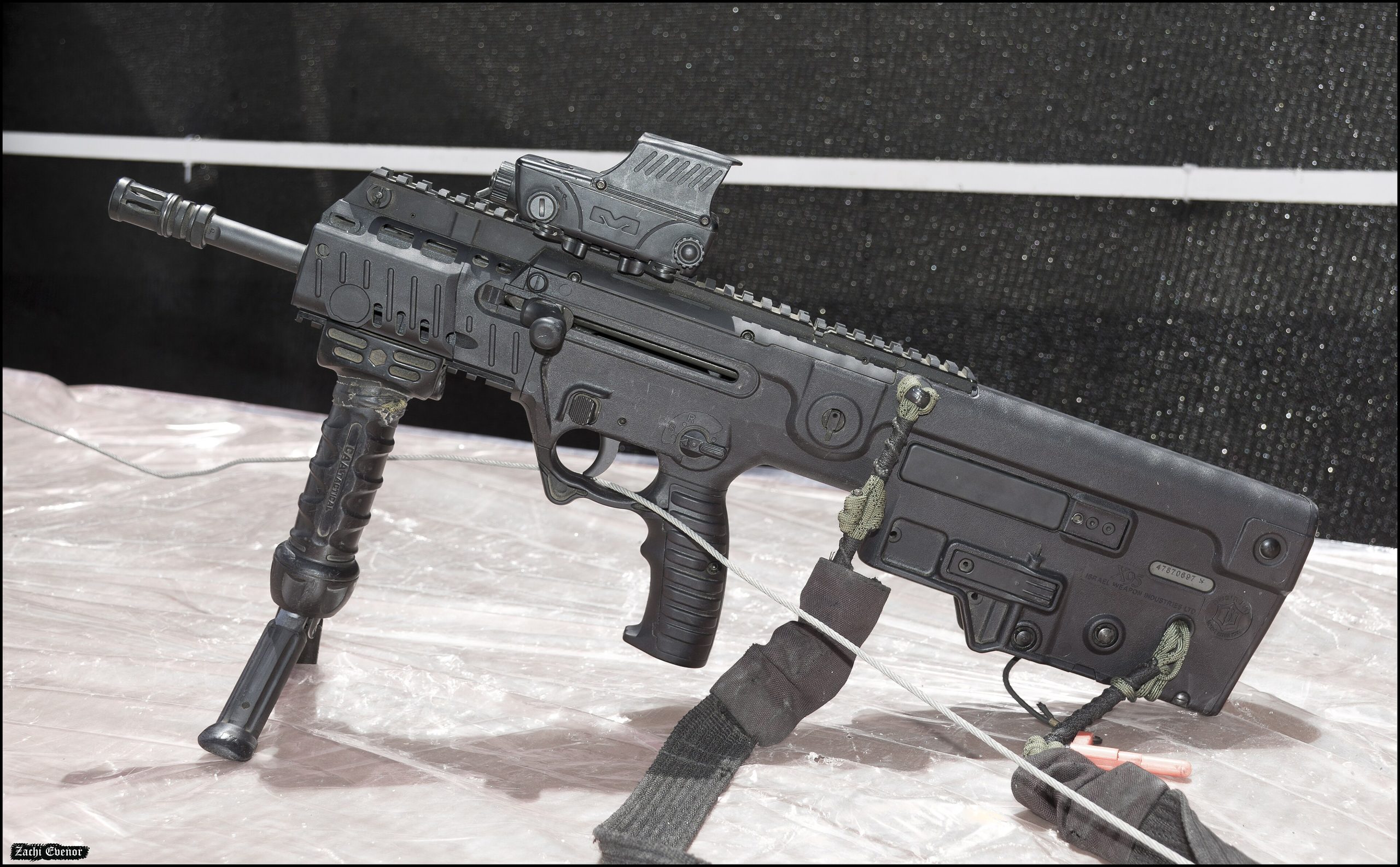
The X95 addressed several practical criticisms associated with earlier Tavor designs. Its charging handle was moved closer to the shooter, while the ambidextrous magazine release was relocated toward a more conventional AR-style position. The platform also emphasized accessory compatibility through Picatinny rail arrangements and offered multiple configurations. Barrel options included approximately 330 mm and 380 mm versions, depending on configuration. In other words, the later rifle tried to preserve the bullpup’s compact advantage while making everyday handling more intuitive.
7. The Real Gamble Was Standardization, Not Just Design
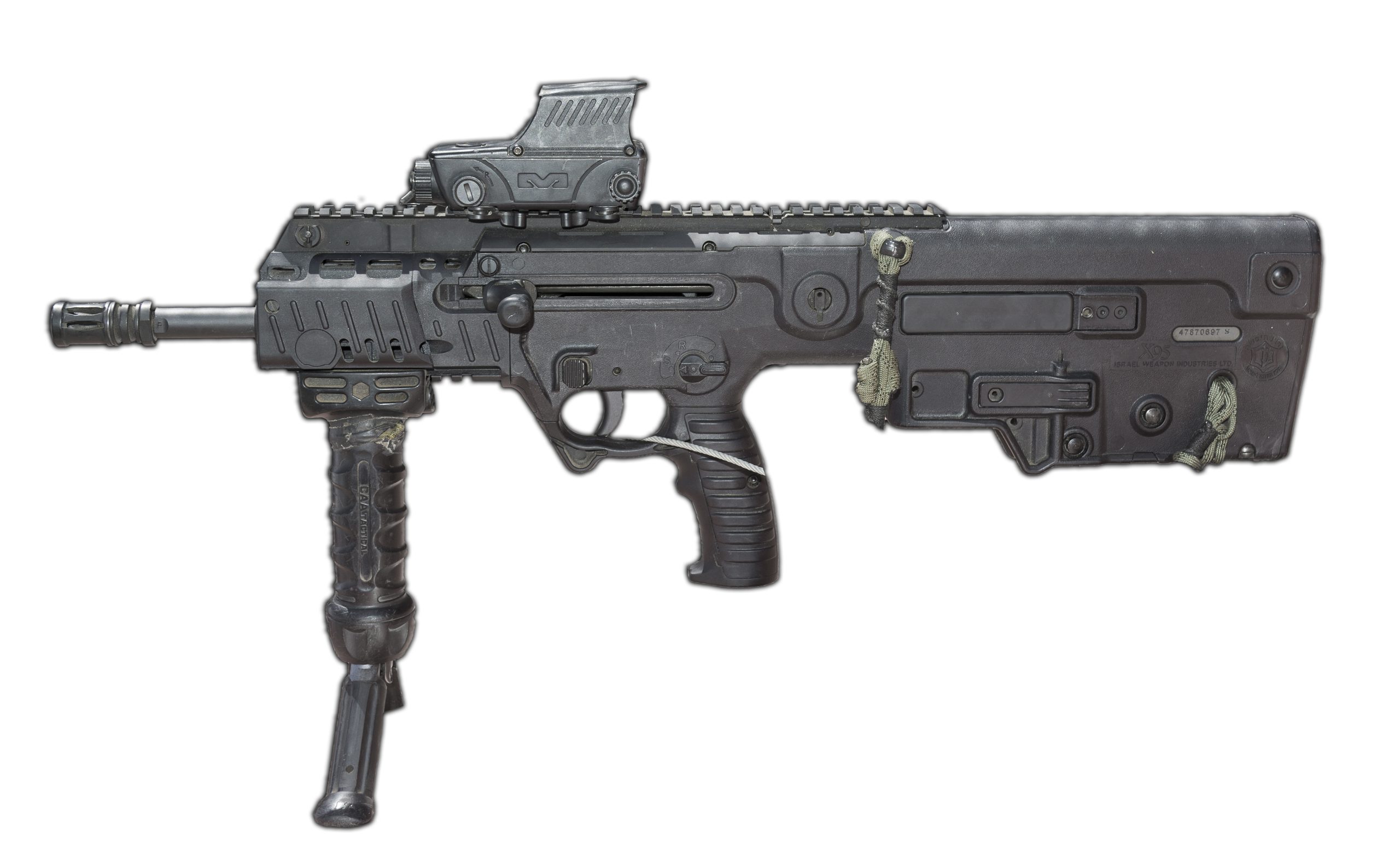
What made the Tavor story remarkable was the scale of the commitment. In 2009, the IDF announced the X95 as its future standard infantry weapon, and the transition continued through subsequent years as units received newer rifles. Israel was therefore betting that a bullpup could serve ordinary infantrymen across a wide range of missions, rather than remaining a specialist weapon. The decision was significant because many major militaries continued favoring conventional layouts. The Tavor proved that, for Israel, compact dimensions, maneuverability, and battlefield practicality could outweigh familiarity with the traditional rifle format.