Javelina hunting is gaining attention because it offers a very different challenge from the deer seasons that dominate much of the country. The collared peccary is smaller, social, scent-driven, and strongly tied to rugged desert and brush habitats. In Texas, Arizona, and New Mexico, hunters can find seasons that fit winter trips, youth opportunities, archery, and other specialized pursuits. Texas alone lists 2026-27 seasons across 99 counties, while its annual bag limit is 2 animals. That makes javelina an appealing niche hunt with plenty to learn.
1. The Herd Behavior Makes Every Encounter Different
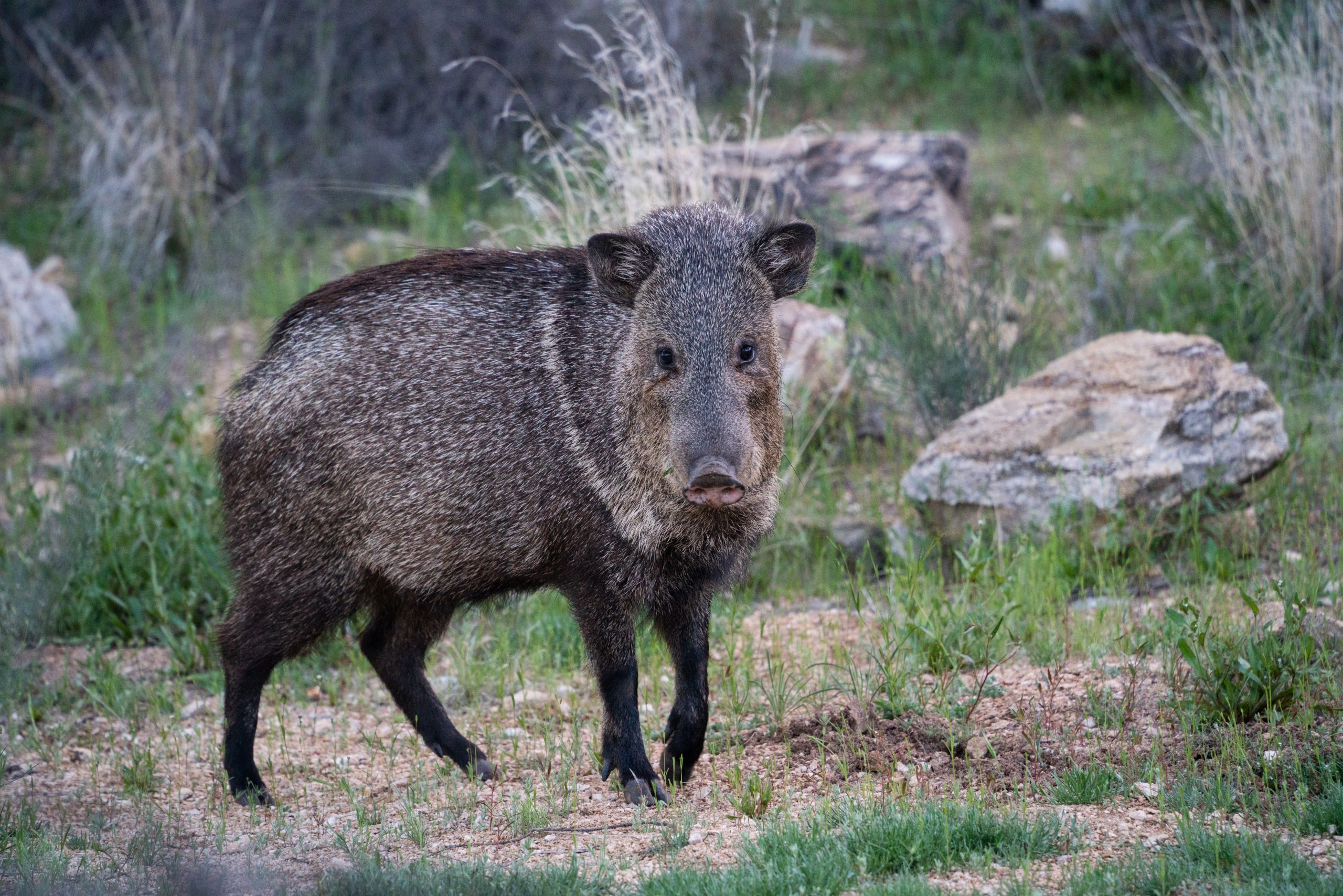
Unlike deer, javelina are built around the herd. Groups can number 20 or more, and animals use scent, calls, and close social contact to stay connected. That changes the hunt because spotting one animal does not necessarily mean the action is over. Arizona reports herds ranging from 2 to more than 20, while Texas describes an average herd of 20 or more. Their strong sense of smell also makes wind and approach important. For hunters used to solitary big game, those social dynamics can make every encounter feel completely different. This herd behavior can make movement change quickly.
2. The Habitat Creates a Completely Different Hunt
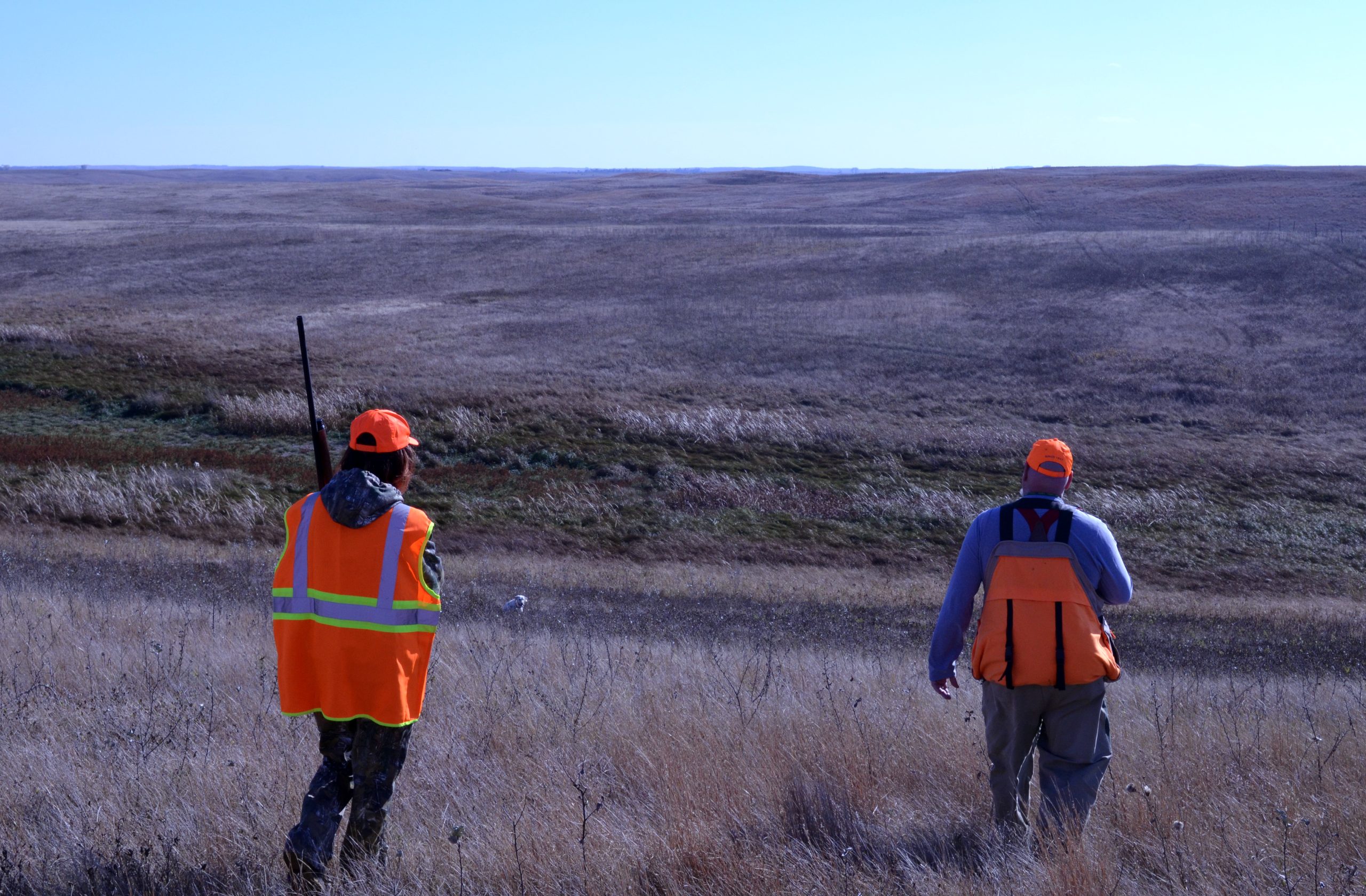
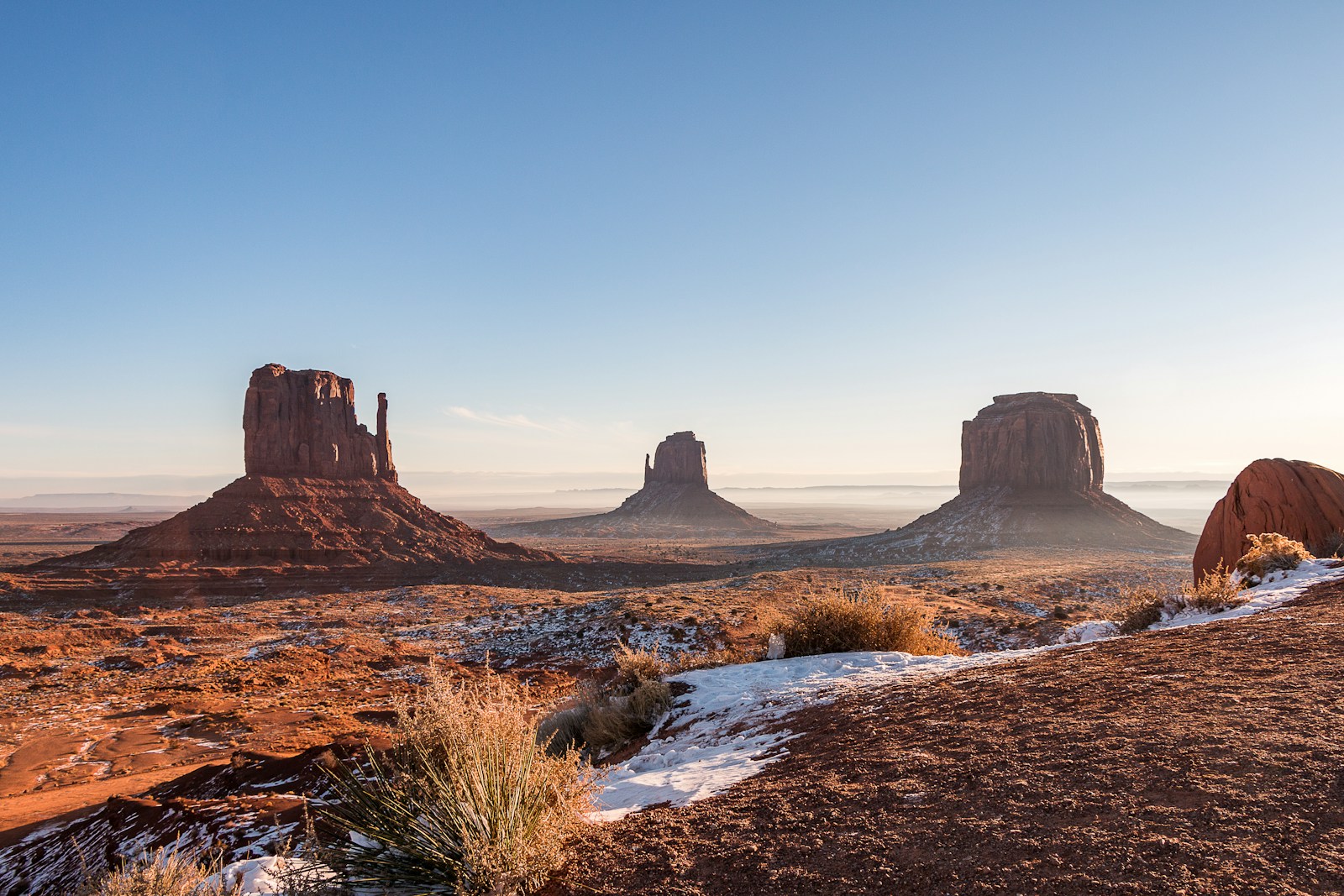
Javelina country can be as memorable as the animal itself. In Texas, they occur in South Texas brush country, the Trans-Pecos desert grasslands, and Edwards Plateau oak-juniper country. Arizona lists desert, chaparral, and oak-grasslands among their habitats. These landscapes demand careful movement, patience, and attention to cover rather than simply following obvious trails. A hunt may involve washes, cactus, rocky slopes, and dense brush, giving hunters a distinctly Southwestern experience that is hard to duplicate during a conventional deer season.
3. Their Small Size Does Not Make Them Easy
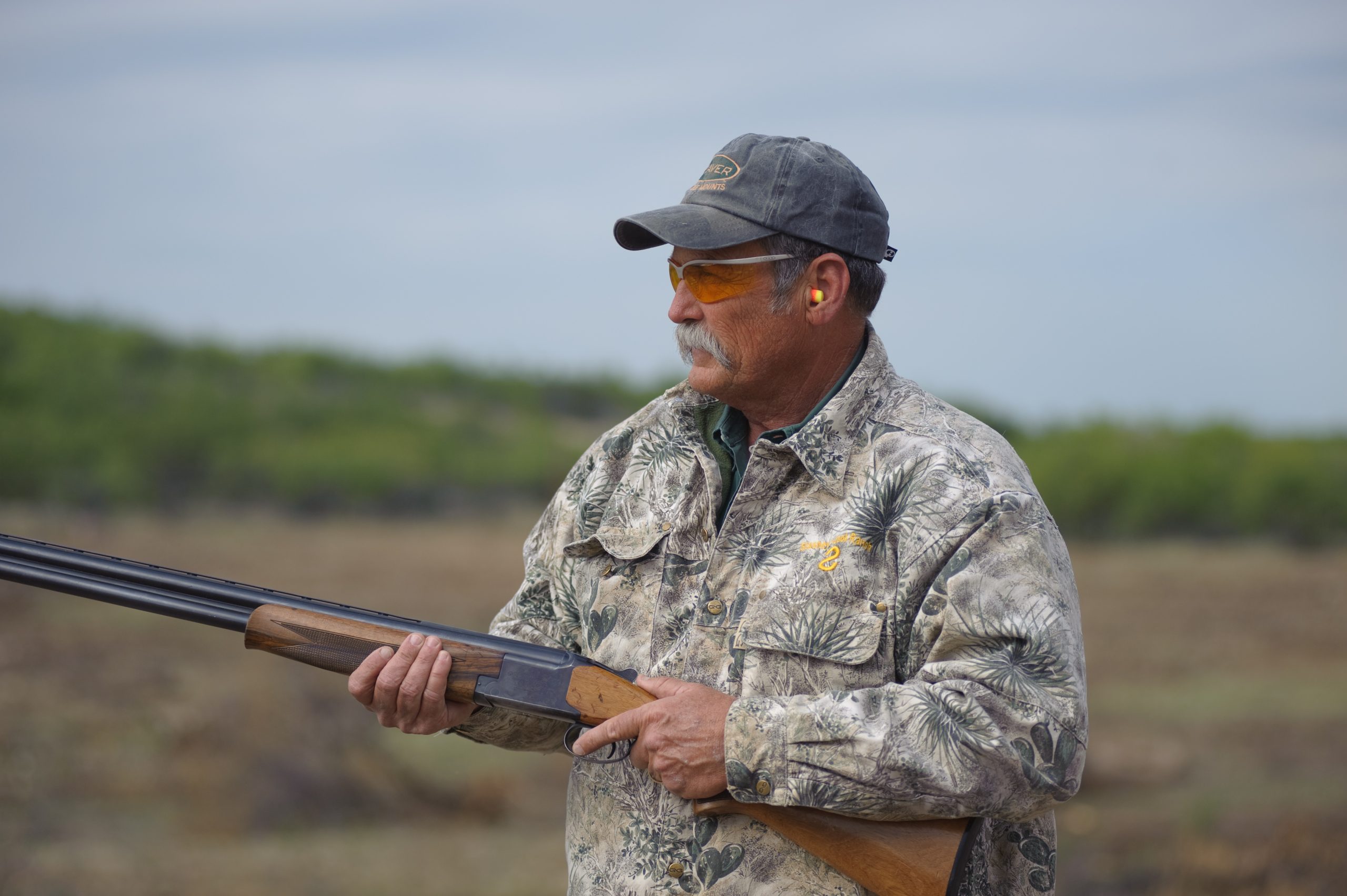
Their size makes javelina a surprisingly approachable big-game option without making the hunt simple. Arizona lists adult javelina at roughly 35 to 60 pounds, while Texas gives an average of about 35 to 45 pounds. They stand only around 18 to 19 inches tall in many descriptions, so vegetation can hide them remarkably well. That combination rewards hunters who glass carefully and judge distance correctly. A smaller animal does not automatically mean an easier hunt, especially when the terrain and cover work against you. Arizona also records newborns at about 1 pound.
4. Their Season Can Extend Into Winter
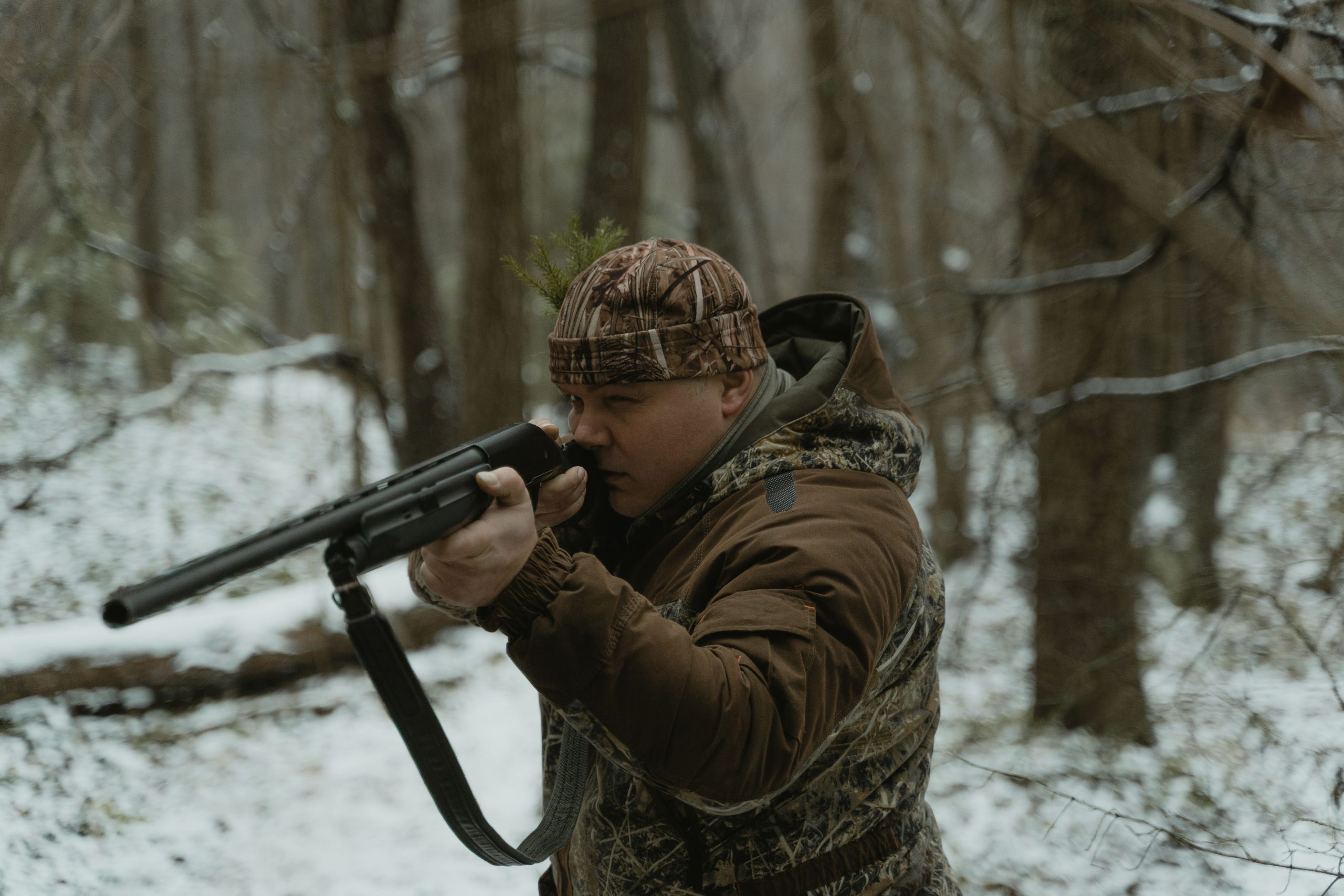
Javelina can fit neatly into the colder part of the hunting calendar, which is one reason they deserve more attention. Texas has a 2026-27 northern season from October 1 through February 28, while the southern zone runs from September 1 through August 31. New Mexico’s 2026-27 rules include January and February-March opportunities in designated areas. Exact dates, units, licenses, and weapon rules vary, but the broader point is useful: javelina can add a hunt to months when many hunters are finished chasing other game. That flexibility adds another winter opportunity.
5. Several Hunting Methods Can Work
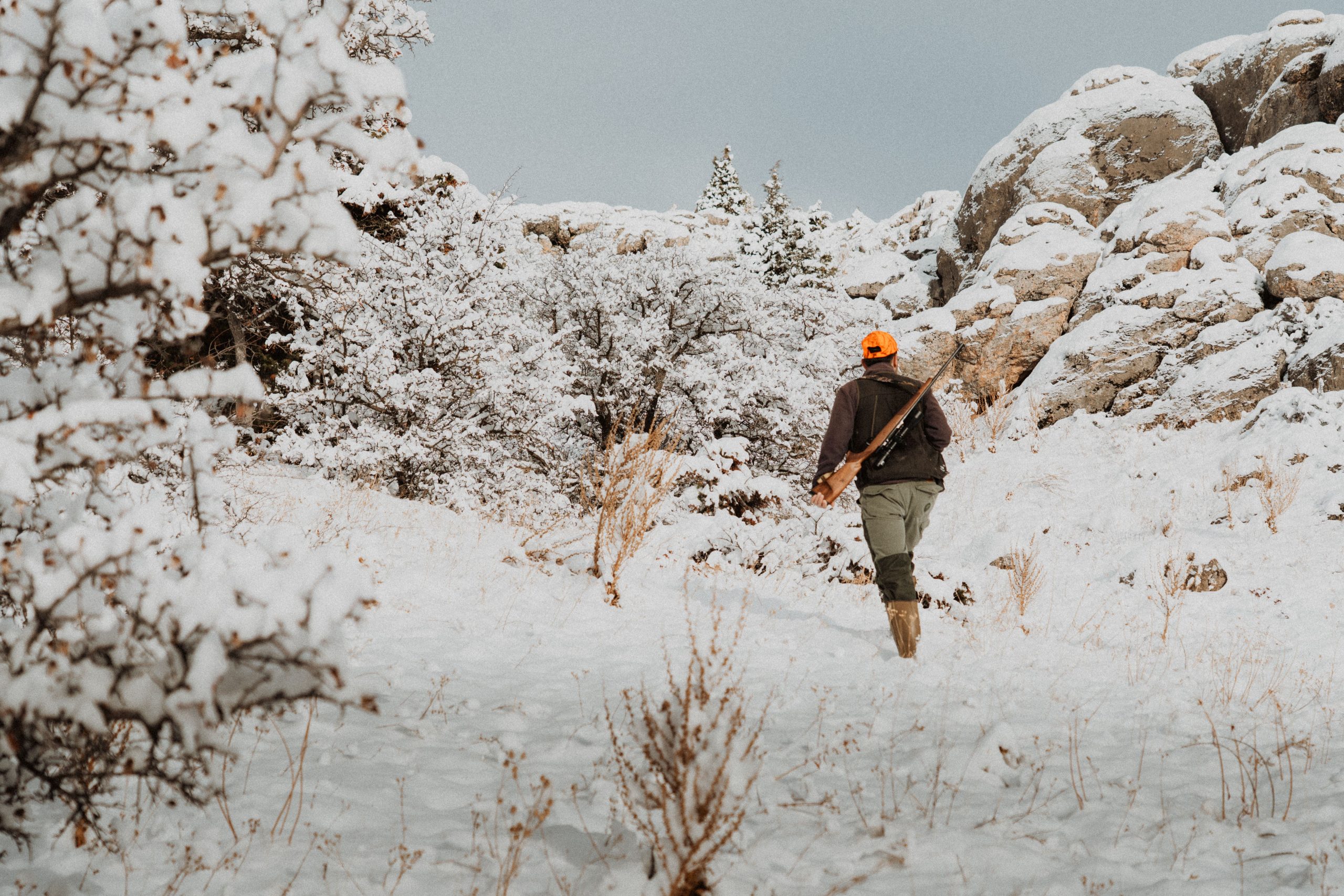
The species also gives hunters several ways to approach the same animal. Texas wildlife officials specifically identify javelina as suitable for specialized hunts involving archery, handguns, muzzleloaders, and youth hunters. That variety can make the species useful for building skills without simply repeating a familiar deer setup. Arizona has also used permit-only HAM hunts, covering handgun, archery, and muzzleloader methods. The legal options differ by state and hunt unit, so checking the current regulations is essential before planning a trip.
6. They Are Not Wild Pigs, and That Matters
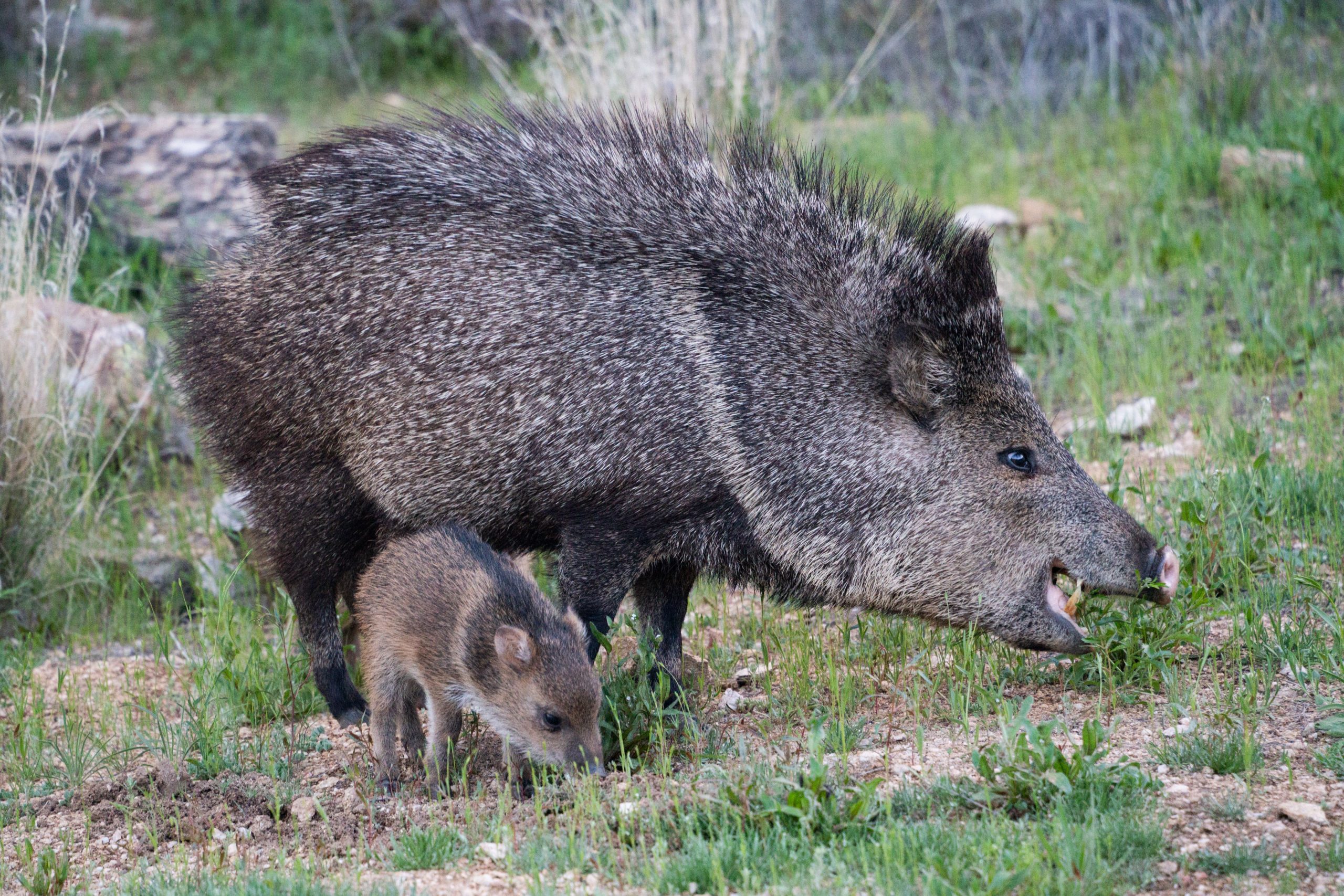
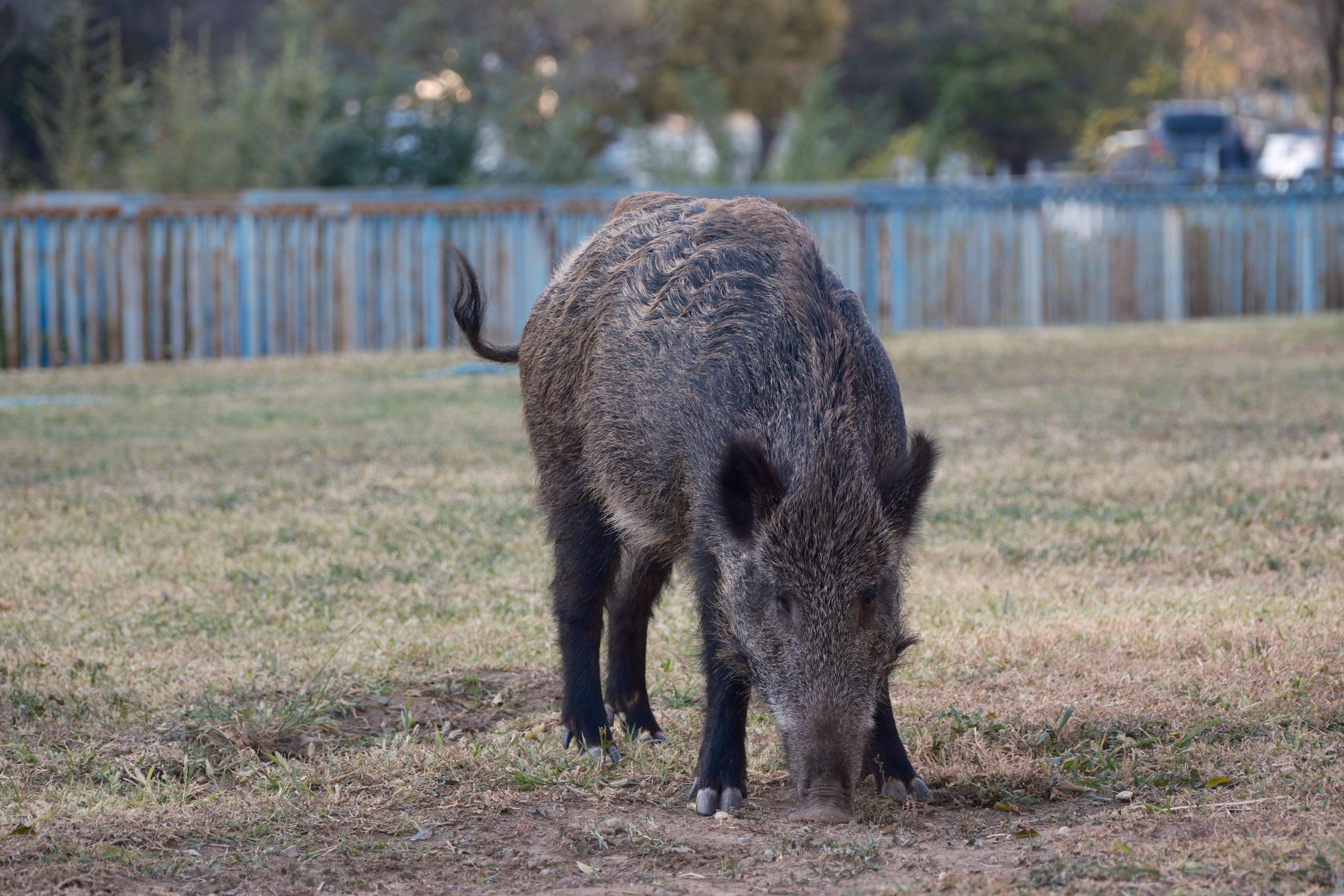
Javelina are often mistaken for feral hogs, but the distinction matters in both identification and hunting rules. They belong to the peccary family, not the true pig family. Their white shoulder collar, smaller build, short tail, and characteristic mane help separate them from hogs. Texas describes the animals as roughly 30 inches tall in some habitat guidance, while Arizona commonly lists about 19 inches. Because regulations can differ sharply between species, positive identification should come before any shot, especially where hogs and javelina overlap.
7. Their Senses Change the Stalking Game
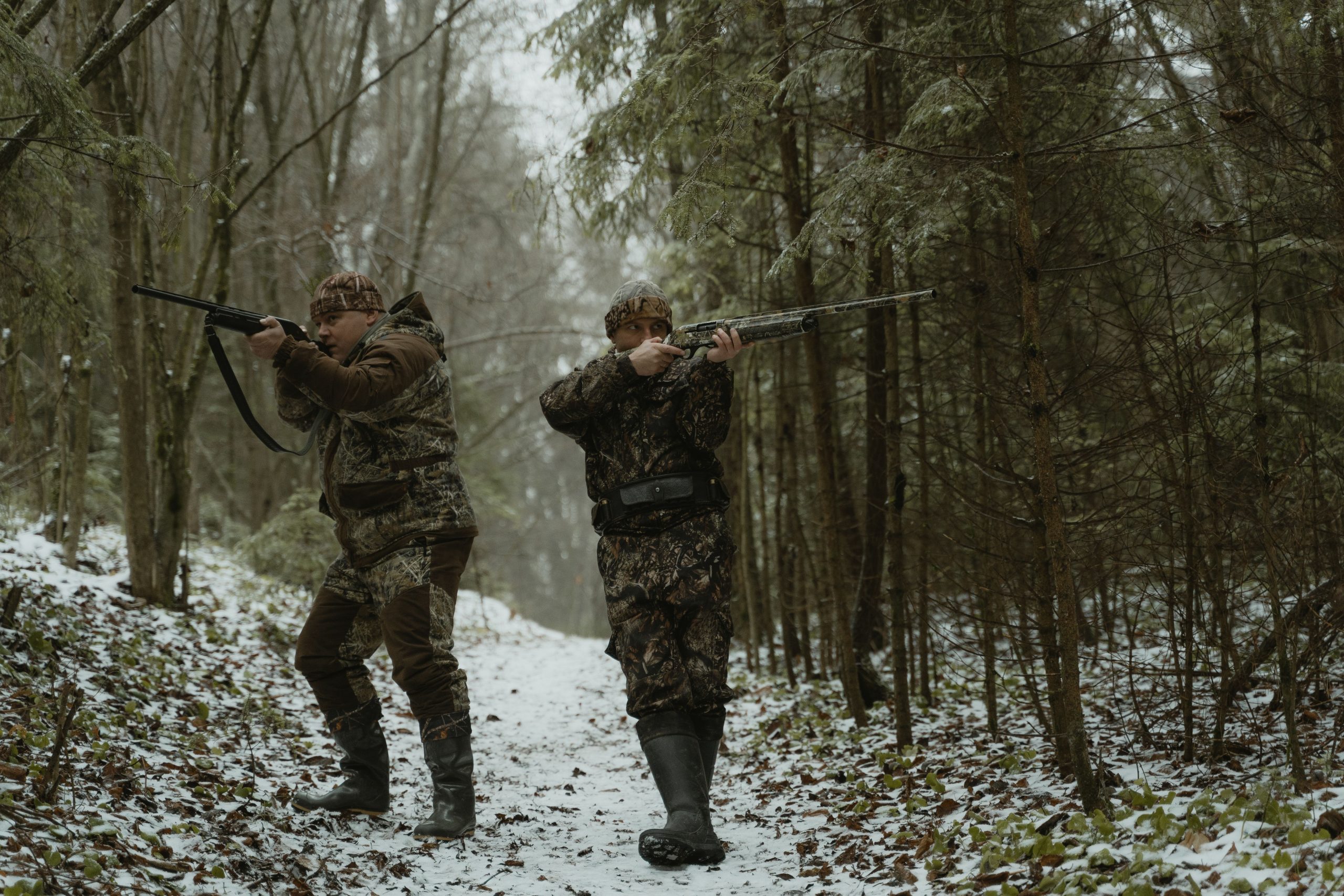
Javelina rely heavily on scent, making wind direction an important part of any careful approach. Texas notes that their eyesight is poor and that they have difficulty recognizing objects beyond 100 yards, while their sense of smell is highly developed. That creates an interesting contrast: a hunter may have more opportunity to remain visually concealed, yet a careless approach can still expose them through scent. Their social behavior adds another layer, because one alert animal can influence the movement of the rest. That combination makes 100 yards a useful reference point when judging the animal’s visual limitations.
8. They Can Turn Into a Complete Southwestern Adventure
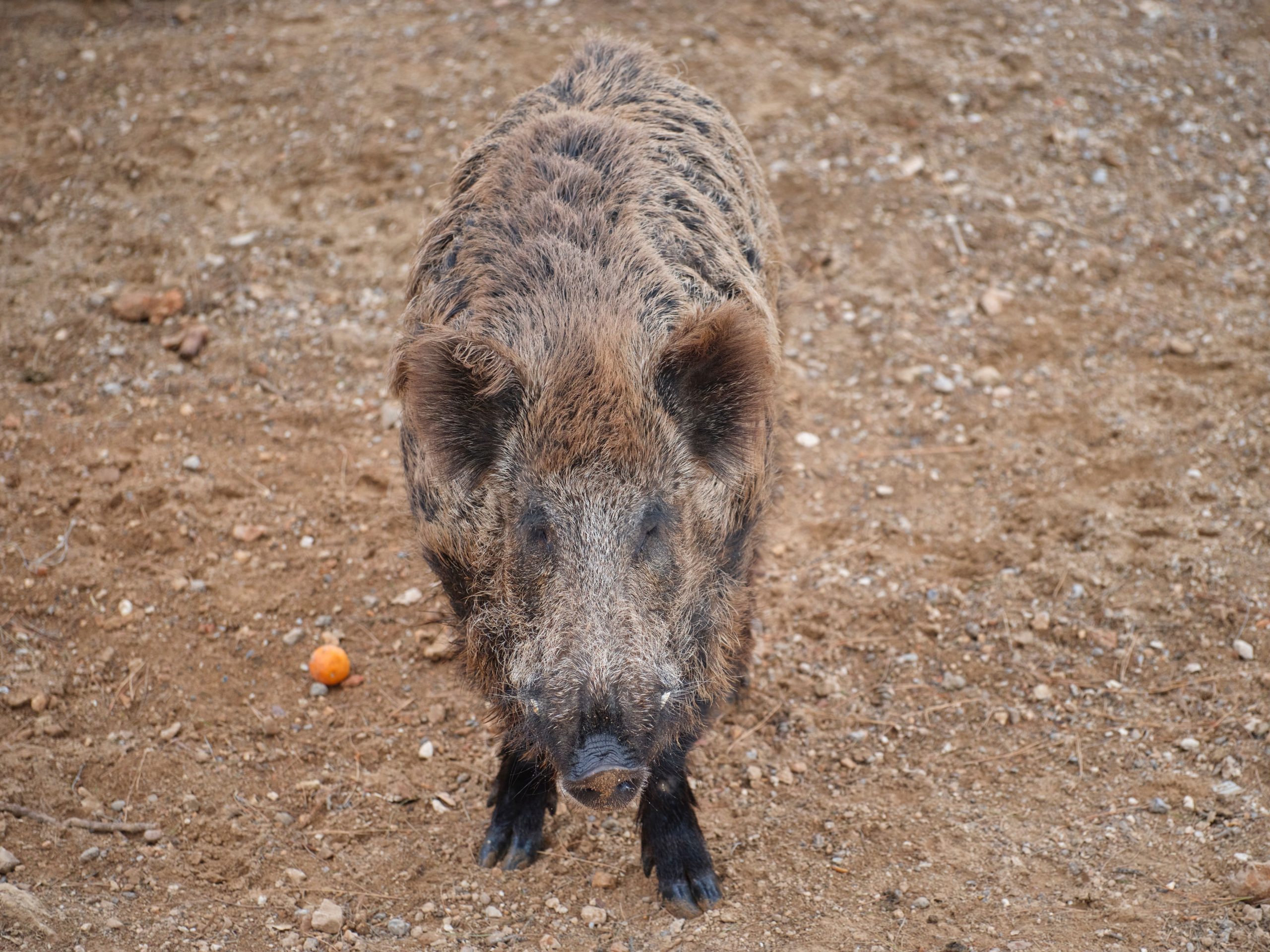
One overlooked advantage is the chance to turn a javelina hunt into a broader outdoor trip. The animal occurs across parts of Texas, Arizona, and New Mexico, but access, season dates, and license systems differ substantially. New Mexico’s 2026-27 rules, for example, include both draw and over-the-counter opportunities in specified areas, with separate youth provisions. Texas allows 2 javelina per license year, but only in counties with open seasons. The result is a hunt that rewards planning before the boots ever hit the ground. Always check the current rules before traveling.
.