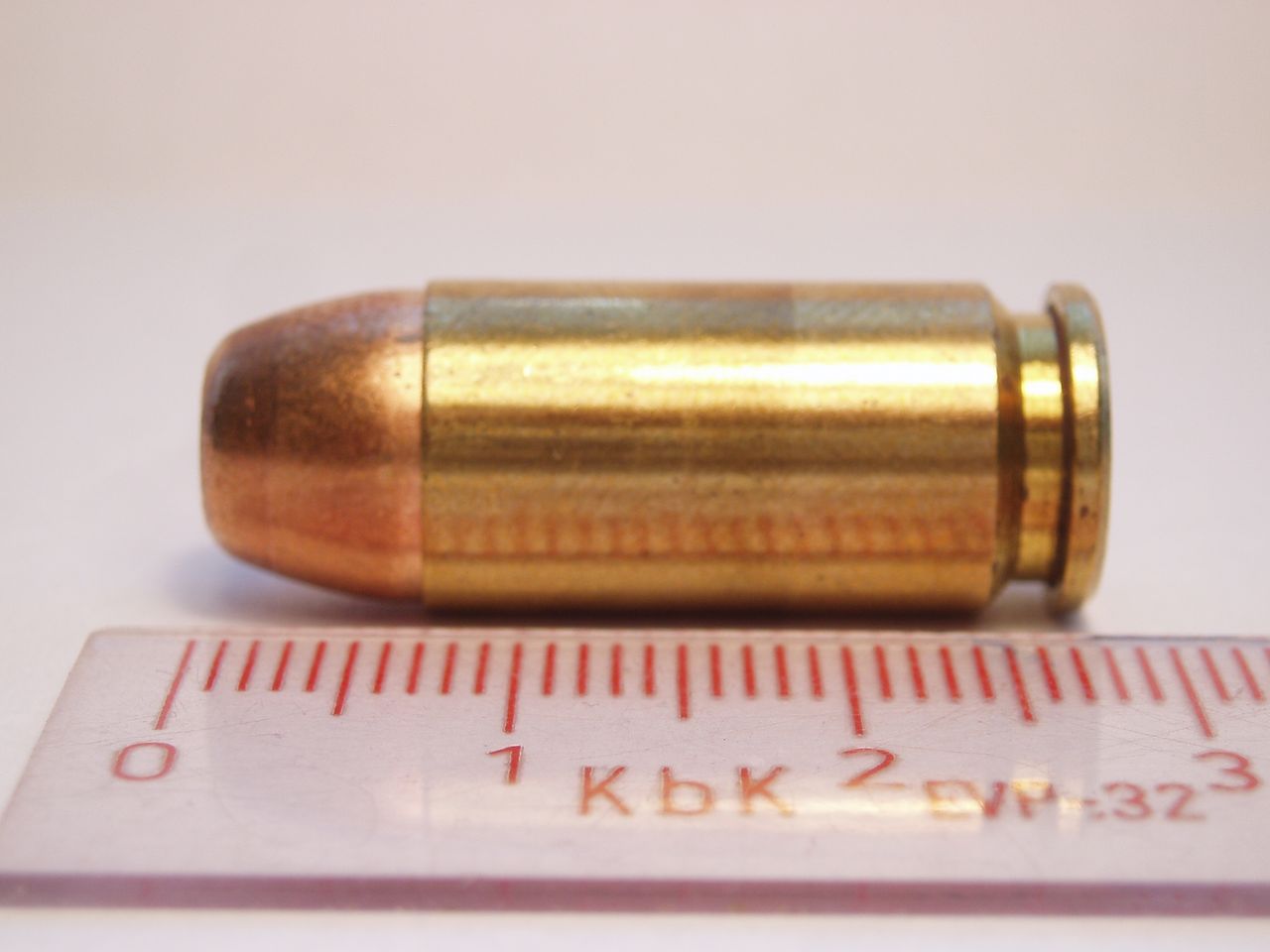
The .40 S&W isn’t dead. It’s just no longer the automatic answer it once was.
Why the .40 S&W Fell Off Without Becoming Irrelevant
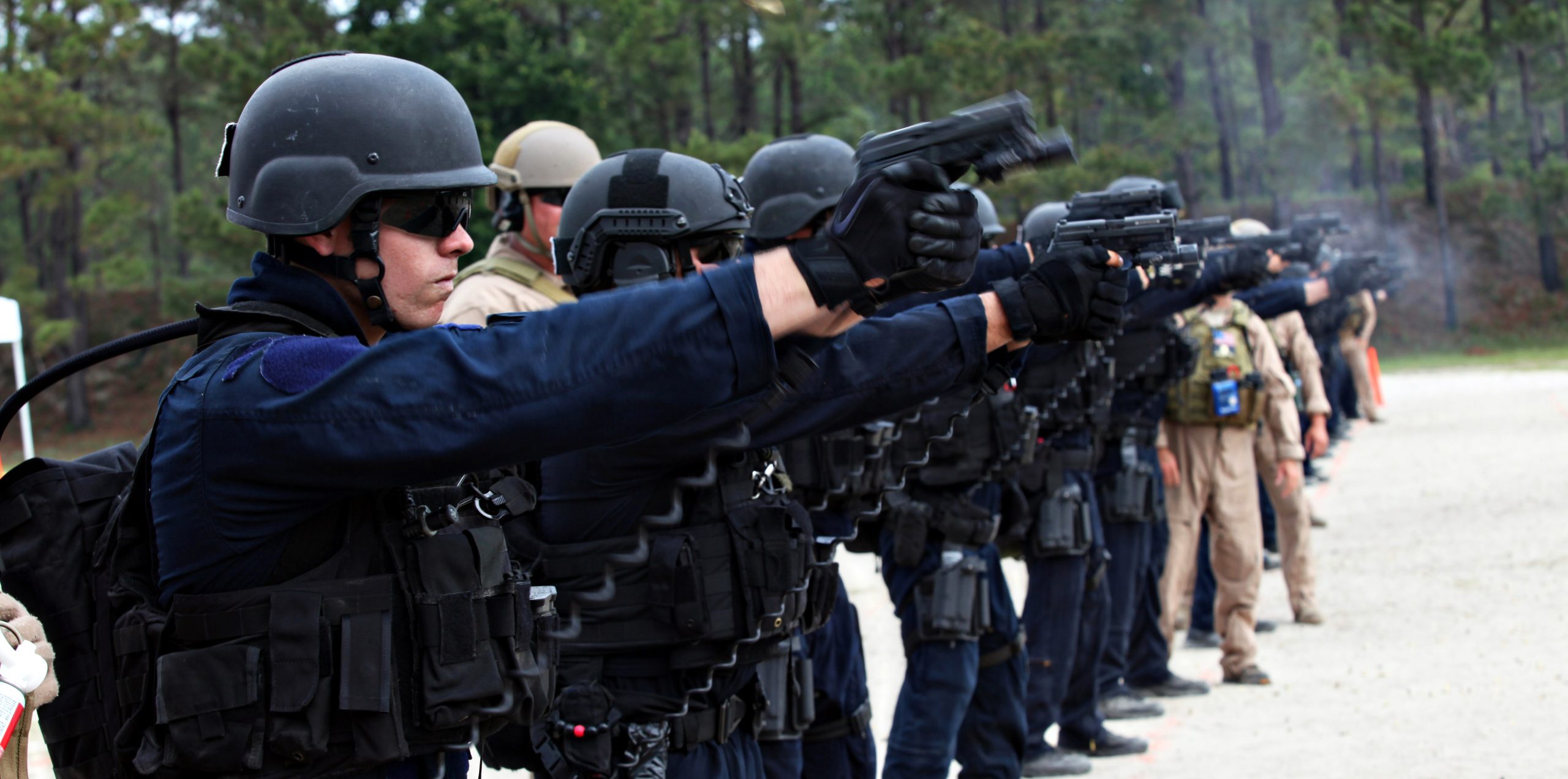
The caliber’s decline is real, and it mostly traces back to law-enforcement priorities. As training standards broadened and shooter skill levels varied, agencies increasingly preferred 9mm because it offered less recoil, faster follow-up shots, and higher magazine capacity in similarly sized pistols. Police publications and industry reporting have repeated that same story for years, and it matches what many instructors have seen on the range.
That shift does not mean the .40 became ineffective. It means the margin between modern 9mm duty ammunition and .40 narrowed enough that many departments no longer wanted the extra recoil, muzzle snap, and accelerated wear that .40-caliber pistols can bring in high-volume training.
Even so, the .40 still occupies a useful middle ground. It offers more bullet weight and frontal diameter than 9mm, yet it fits in service-size guns built around 9mm-sized frames. That original appeal remains intact, even if it no longer dominates agency purchasing.
Why Some .40 Pistols Still Make Sense Today
One of the best arguments for owning a .40 now is simple: value. As departments traded out older .40-caliber guns, the used market filled with police trade-ins, giving civilian buyers access to durable duty pistols at prices that are often better than equivalent 9mm models. That trend has been noted repeatedly by gun-industry outlets covering the caliber’s post-peak years.
Another reason is platform maturity. Most worthwhile .40 pistols were designed as serious service handguns, not novelty range toys. They tend to have proven feeding geometry, rugged slides, stout recoil systems, and long records in holsters, patrol cars, and qualification lines.
There is also a practical ammo argument. The American pistol market is overwhelmingly 9mm now, but .40 remains common enough to be viable. It is not the king it once was, yet it is still part of the mainstream defensive-ammunition conversation rather than some obscure orphan cartridge.
Glock 22 Gen5 Is Still the Safe Bet
If someone asks for one .40 to buy with minimal drama, the Glock 22 remains the easiest answer. Glock’s current Gen5 MOS version keeps the formula that made the pistol a law-enforcement staple: simple controls, strong parts support, broad holster compatibility, and a reputation for running under neglect. Glock lists the full-size G22 Gen5 MOS with a 15-round standard magazine and a 4.49-inch barrel.
That matters because the Glock 22 still feels like a practical working gun, not a nostalgia piece. It is large enough to tame .40 recoil better than compact pistols, yet still familiar to anyone who has spent time with striker-fired service handguns.
The aftermarket also keeps it relevant. Sights, magazines, optics-ready support, spare parts, and armorer familiarity all remain abundant. If you want a .40 that can still serve as a home-defense pistol, training gun, or truck gun, the G22 is hard to beat.
SIG Sauer P229 Rewards Shooters Who Like Metal Frames
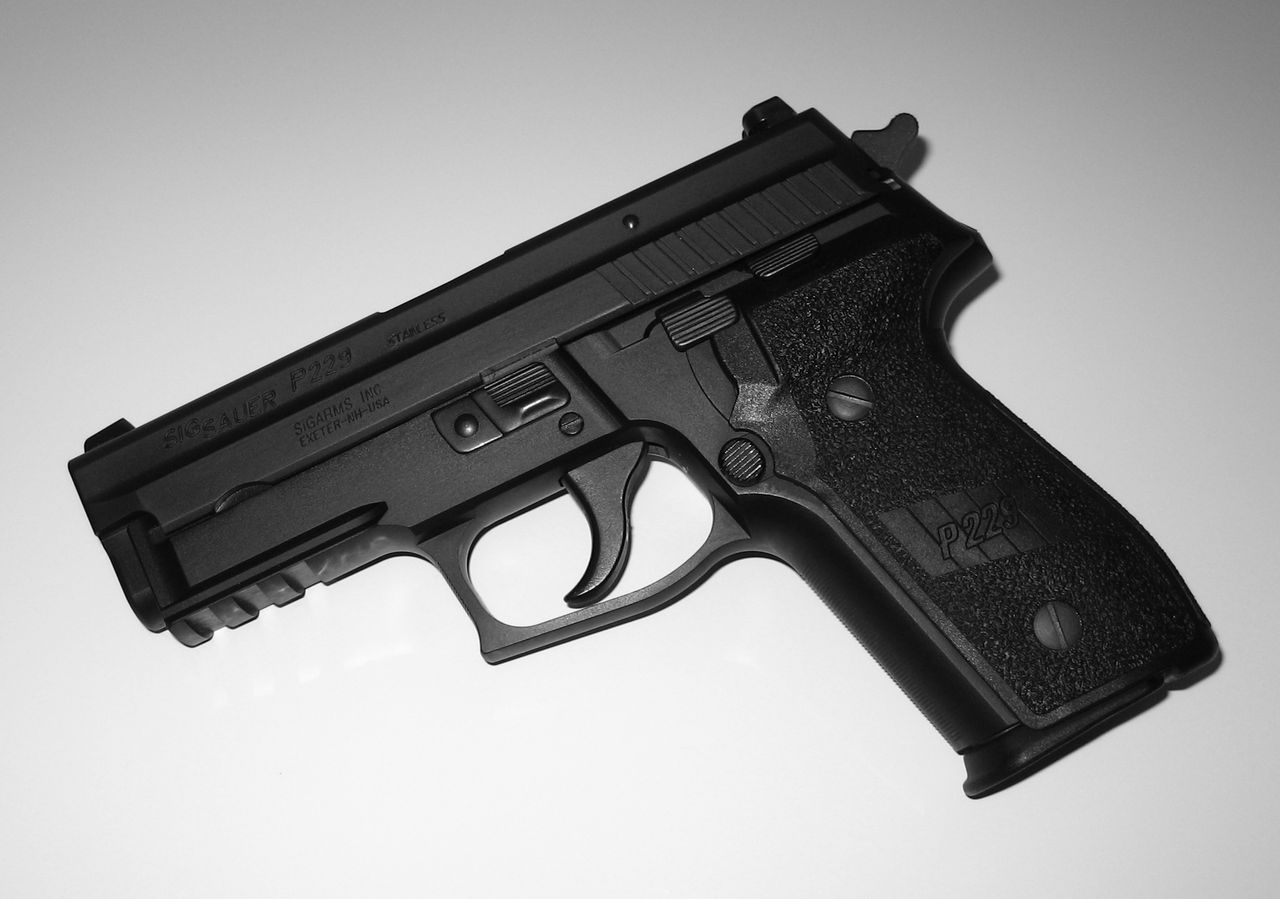
The SIG Sauer P229 is one of the best examples of a pistol that actually flatters the .40 S&W. Its alloy frame and classic double-action format help soak up some of the cartridge’s snappier character, and the gun was originally built with law-enforcement durability in mind. SIG’s catalog has long listed the P229 in .40 S&W, reflecting the model’s deep roots in that chambering.
What keeps the P229 attractive is how refined it feels compared with polymer duty pistols. The trigger system, balance, and slide movement give the gun a more settled firing rhythm, especially for shooters who prefer deliberate, accurate shooting over split-time chasing.
It is not the cheapest route into .40, and that is fine. The P229 is worth owning because it makes the caliber feel more civilized, which is exactly what many shooters want from a so-called declining cartridge.
Smith & Wesson M&P40 and Beretta PX4 Still Deserve Respect
The Smith & Wesson M&P40 earned its place the old-fashioned way: agency adoption and hard service. Smith & Wesson’s original launch materials described the full-size M&P40 with a 15-round magazine plus one in the chamber, and that high-capacity duty format helped define the pistol’s appeal. For shooters who like the M&P grip angle and lower bore feel, a good M&P40 is still a very rational purchase.
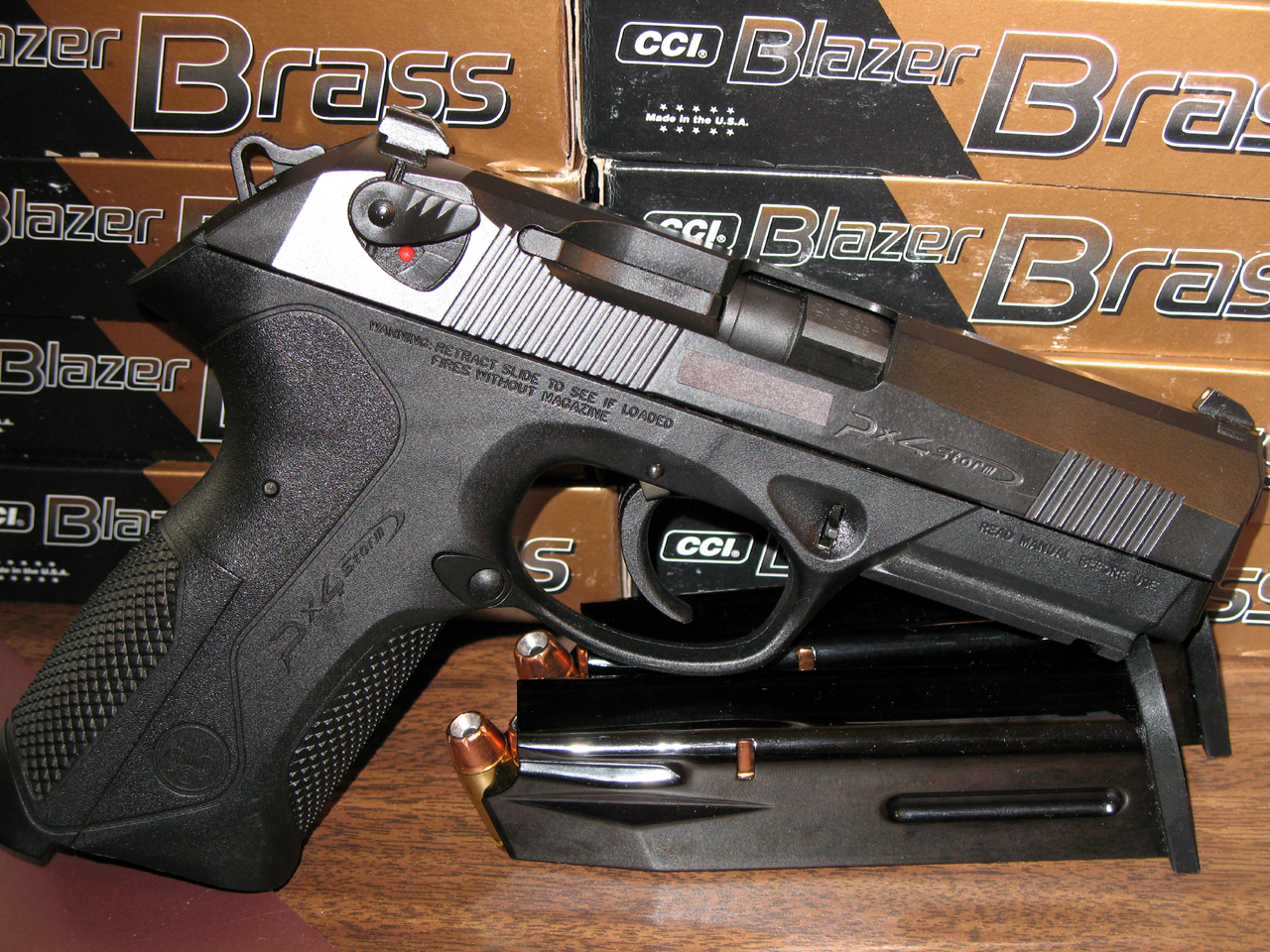
Then there is the Beretta PX4 Storm, one of the more underrated .40 pistols on the market. Beretta’s specifications for the full-size PX4 in .40 list a 14-round magazine and a 4.02-inch barrel, but the real story is the rotating-barrel system, which many shooters find surprisingly soft and smooth for this caliber.
Neither pistol gets the same spotlight as the Glock or SIG, but both remain credible. If anything, their lower profile today can work in your favor, because they often represent excellent secondhand buys.
The Real Question Is Whether You Actually Like Shooting It
This is where honest self-assessment matters. If you shoot 9mm faster, cheaper, and more accurately, there is no shame in admitting that modern 9mm is probably the smarter default. The FBI-era logic that pushed many agencies back toward 9mm centered on practical shootability, and that lesson still matters more than internet caliber tribalism.
But if you already shoot .40 well, or simply prefer full-size service pistols with a bit more authority, the caliber is still absolutely defensible. You are not buying into a dead end if the gun is reliable, the magazines are available, and you can afford to train with it.
That is really the bottom line. The best .40 pistols still worth owning are not museum pieces or cope purchases. They are durable, proven handguns that continue to make sense for shooters who understand exactly why they want them.