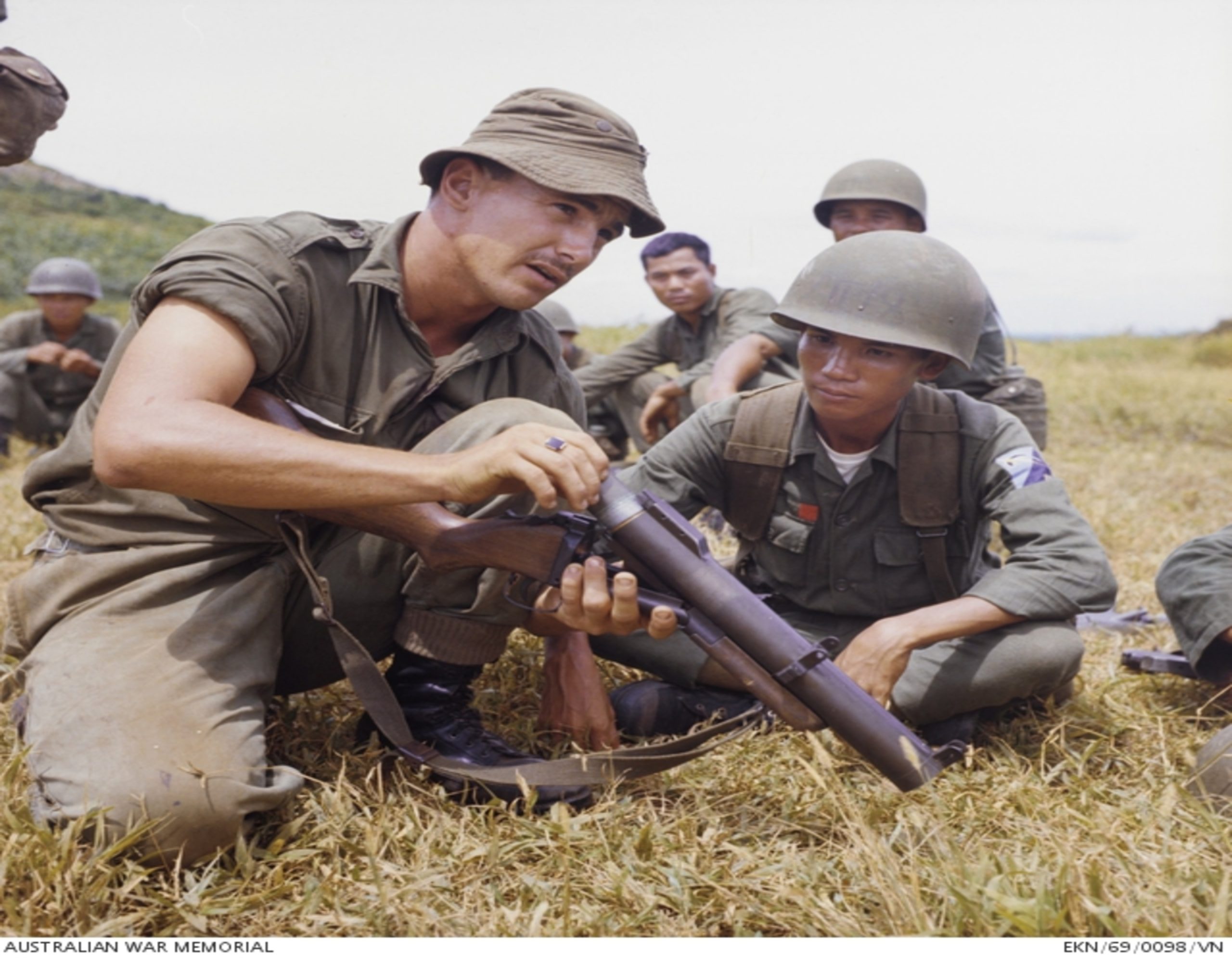
The M79 was one of the most recognizable infantry weapons of the Vietnam era. Officially a 40 mm grenade launcher, it was designed to occupy the awkward space between hand grenades and mortars. Its distinctive sound, slow-flying projectile, simple break-open action, and unusual role quickly gave it several informal names, with “Thumper” becoming one of the best remembered. The weapon entered U.S. service in 1961 and remained influential long after newer launchers began replacing it.
1. The Sound That Created the Nickname
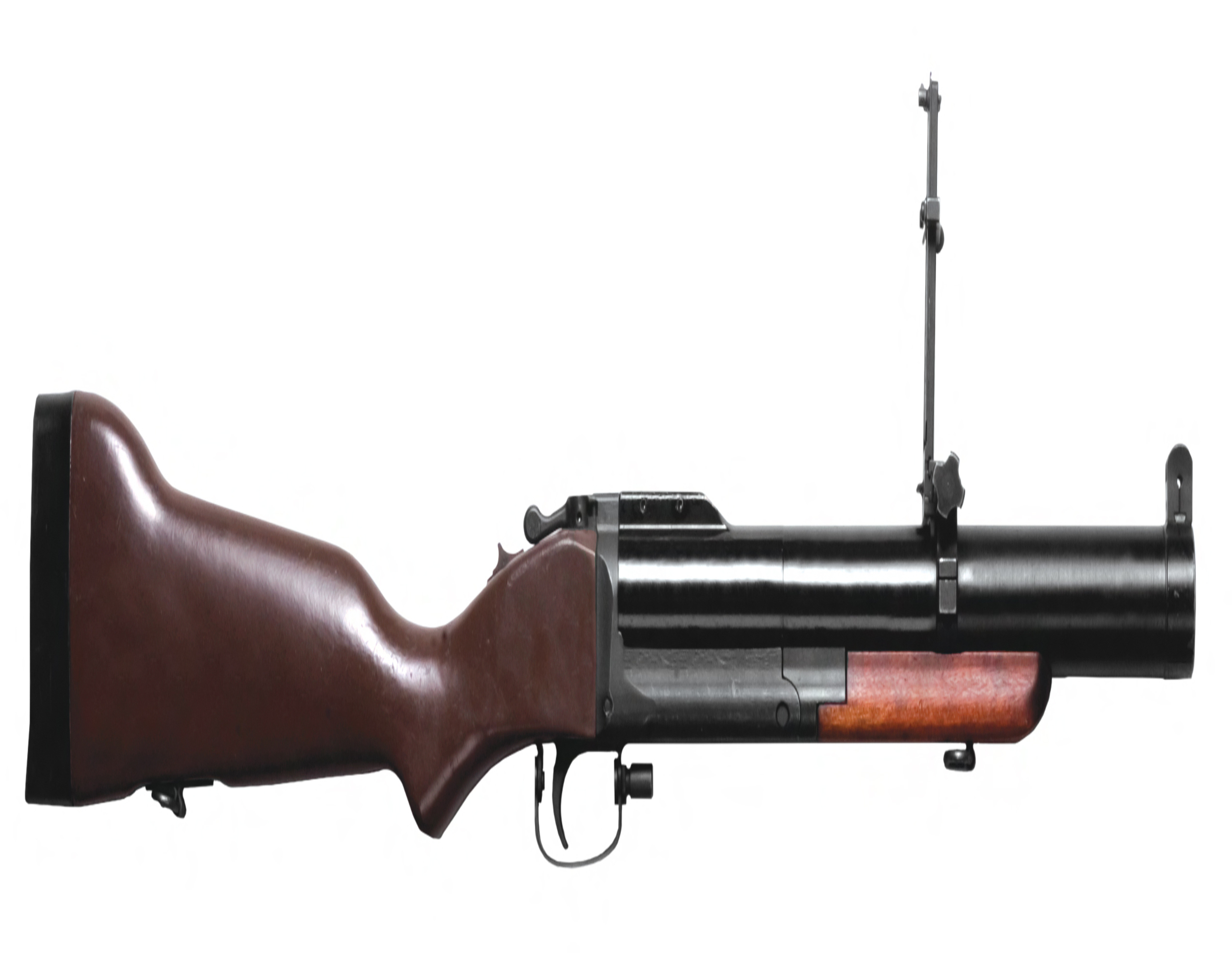
The M79 earned “Thumper” from the deep, distinctive report produced when it launched a 40×46 mm grenade. American troops also used names such as “Blooper,” “Bloop Tube,” and “Thump Gun,” reflecting the weapon’s unusual sound and slow projectile flight. The launcher entered U.S. service in 1961 and became strongly associated with Vietnam. Its 28.9-inch overall length and roughly 6-pound unloaded weight made it substantial but still portable for a dedicated grenadier. The nickname was more than barracks humor: it captured how instantly recognizable the M79 sounded in combat.
2. It Filled a Specific Firepower Gap
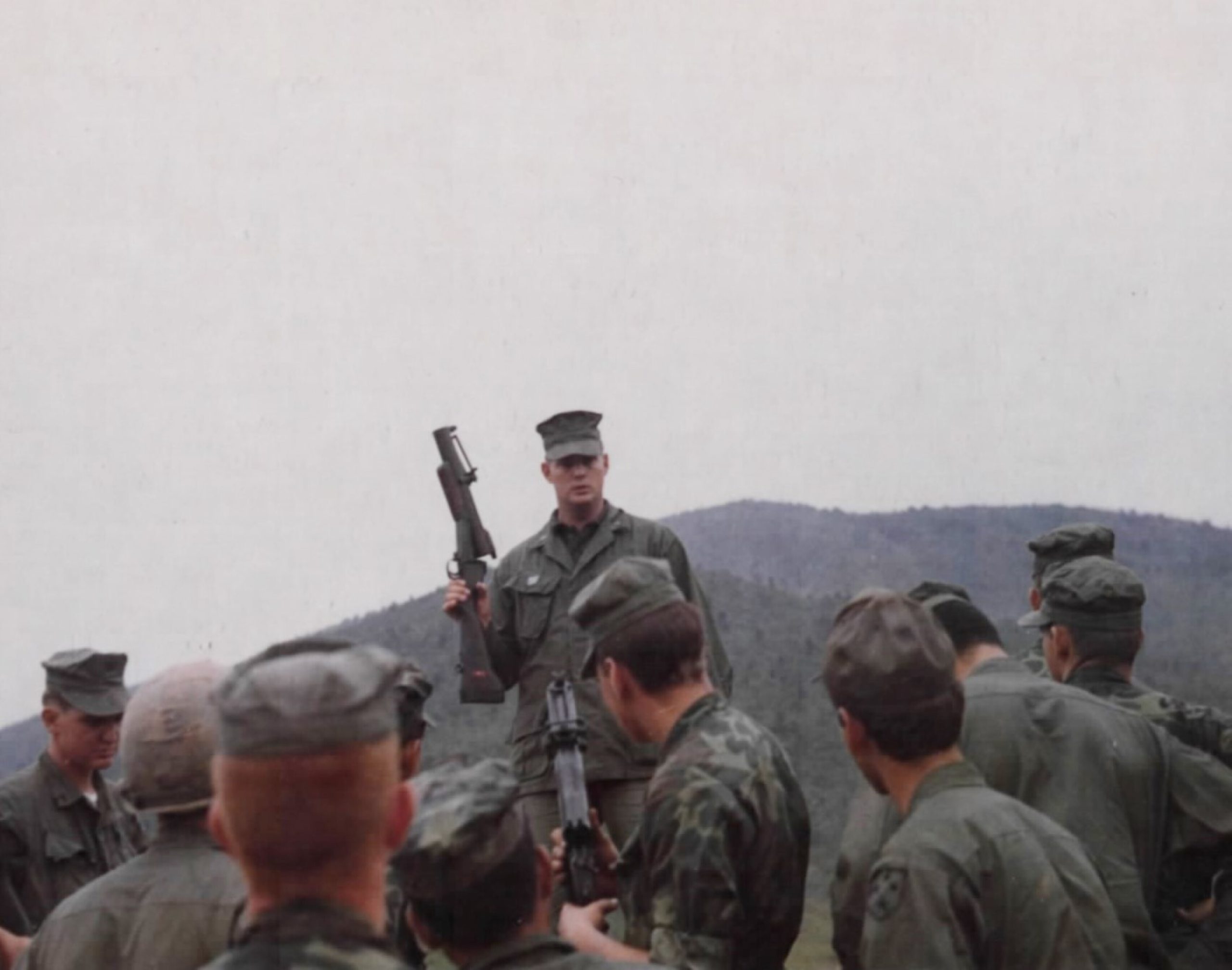
The M79 was created to solve a practical infantry problem: hand grenades did not reach far enough, while mortars were heavier and served a different tactical role. The launcher fired a 40×46 mm grenade to roughly 350 meters effectively, with maximum range commonly listed around 400 meters. That placed useful fire between the short reach of thrown grenades and the longer-range employment of crew-served mortars. This middle ground made the M79 valuable to rifle squads, especially when troops needed portable high-angle fire without carrying a mortar team. Its purpose was therefore defined by distance as much as by explosive power.
3. One Shot Was the Price of Simplicity
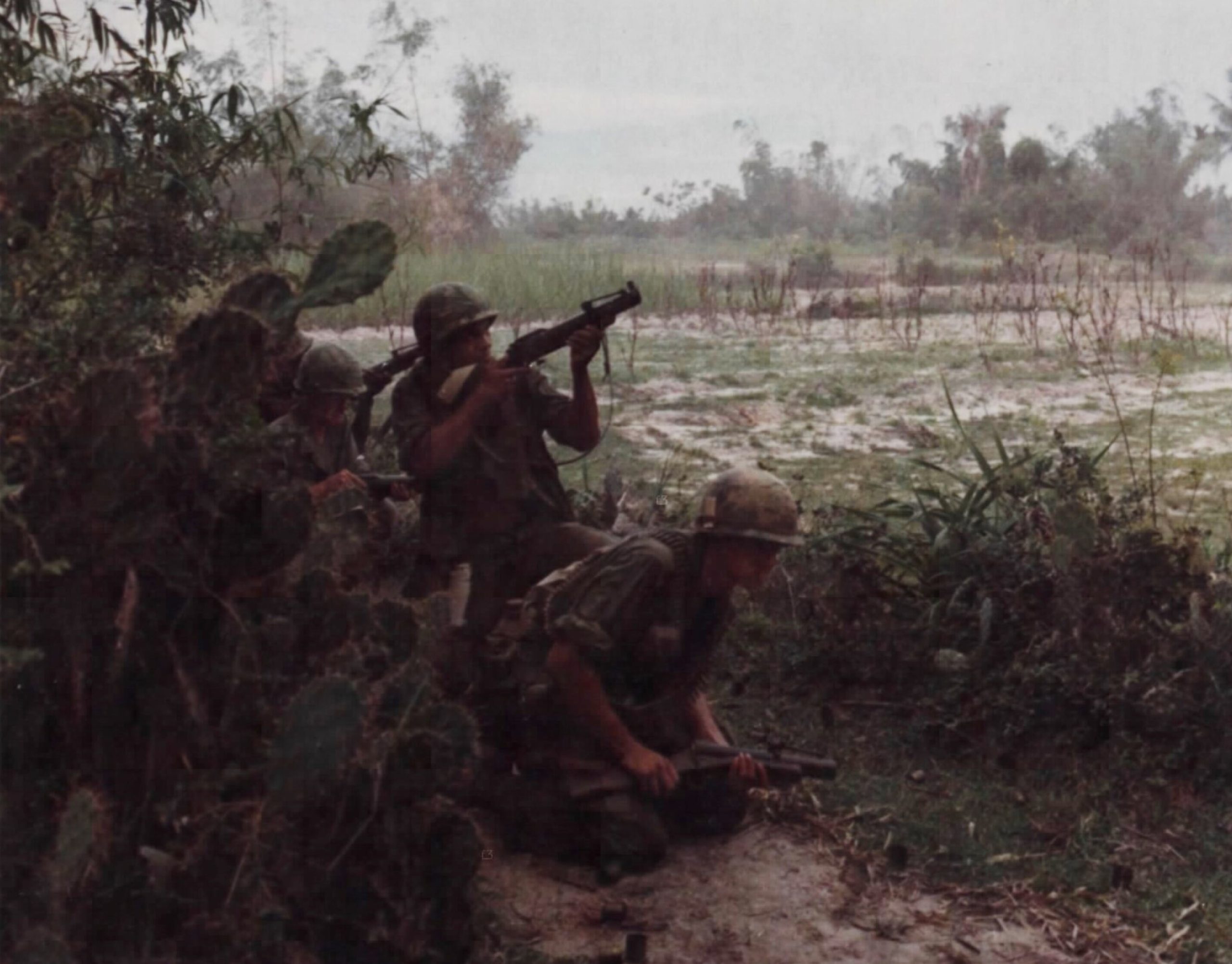
The M79 used a single-shot, break-open action rather than a magazine. A round was loaded into the breech, the action closed, and the launcher was ready for another deliberate shot after firing. That meant its rate of fire depended heavily on the operator, unlike a repeating rifle or machine gun. The trade-off was simplicity: the weapon had relatively few major assemblies and no complicated feeding mechanism to manage. During Vietnam, that straightforward design helped make it reliable and easy to maintain. The M79’s single-shot layout could feel slow, but it also kept the launcher compact, robust, and uncomplicated for field use.
4. The 40 mm Round Was Its Real Advantage
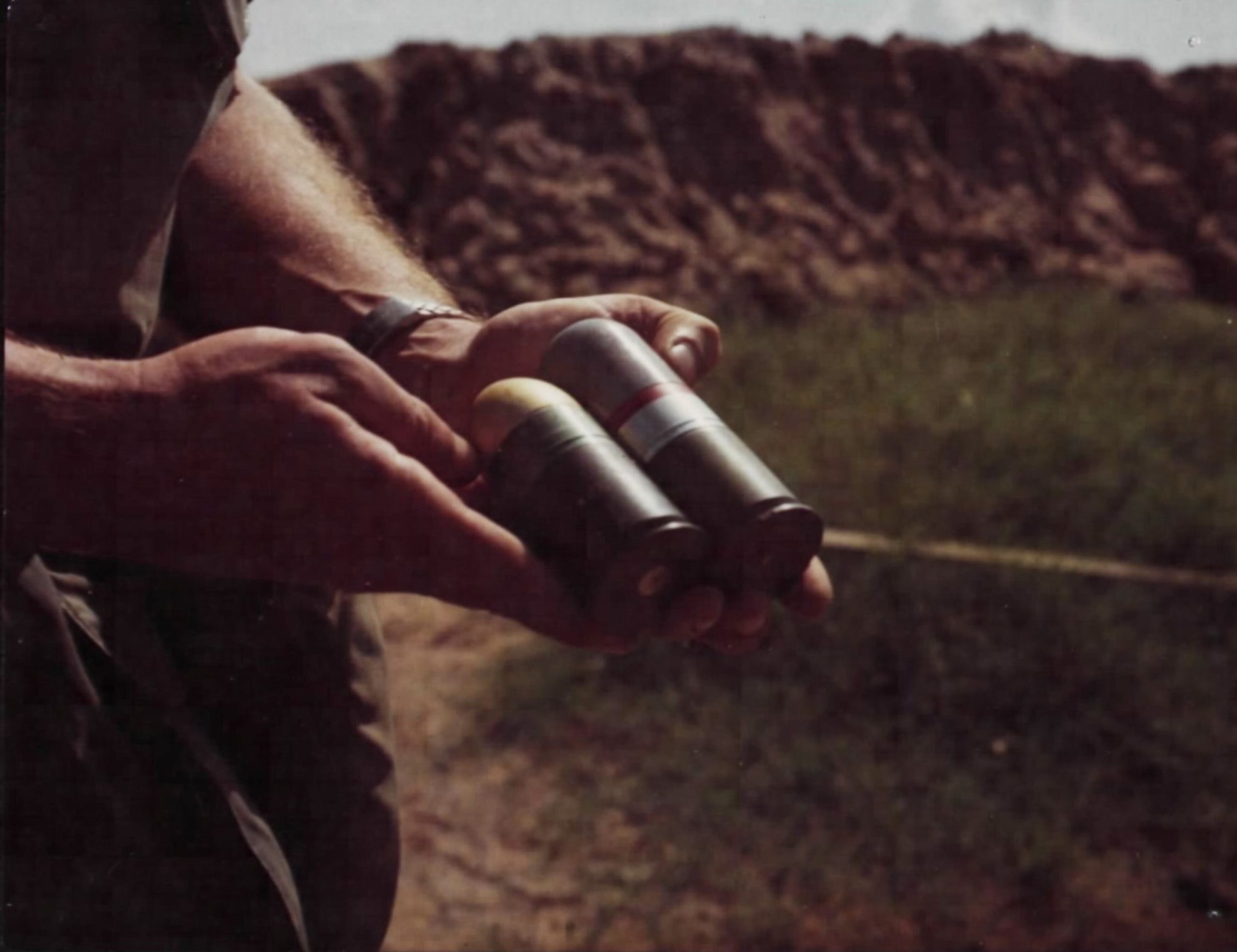
Calling the M79 simply a grenade launcher understates its ammunition flexibility. The 40×46 mm family included explosive, smoke, illumination, buckshot, and flechette loads, giving the grenadier several effects from one basic platform. Exact ammunition availability changed by period and unit, so not every soldier carried every type. The launcher’s rifled 14-inch barrel imparted spin to the projectile, helping stabilize it during flight. Typical projectile velocity was only about 247 feet per second, far slower than a rifle bullet. That low velocity was deliberate, producing the characteristic lobbed trajectory associated with the M79.
5. Its Sights Were Built for Different Ranges
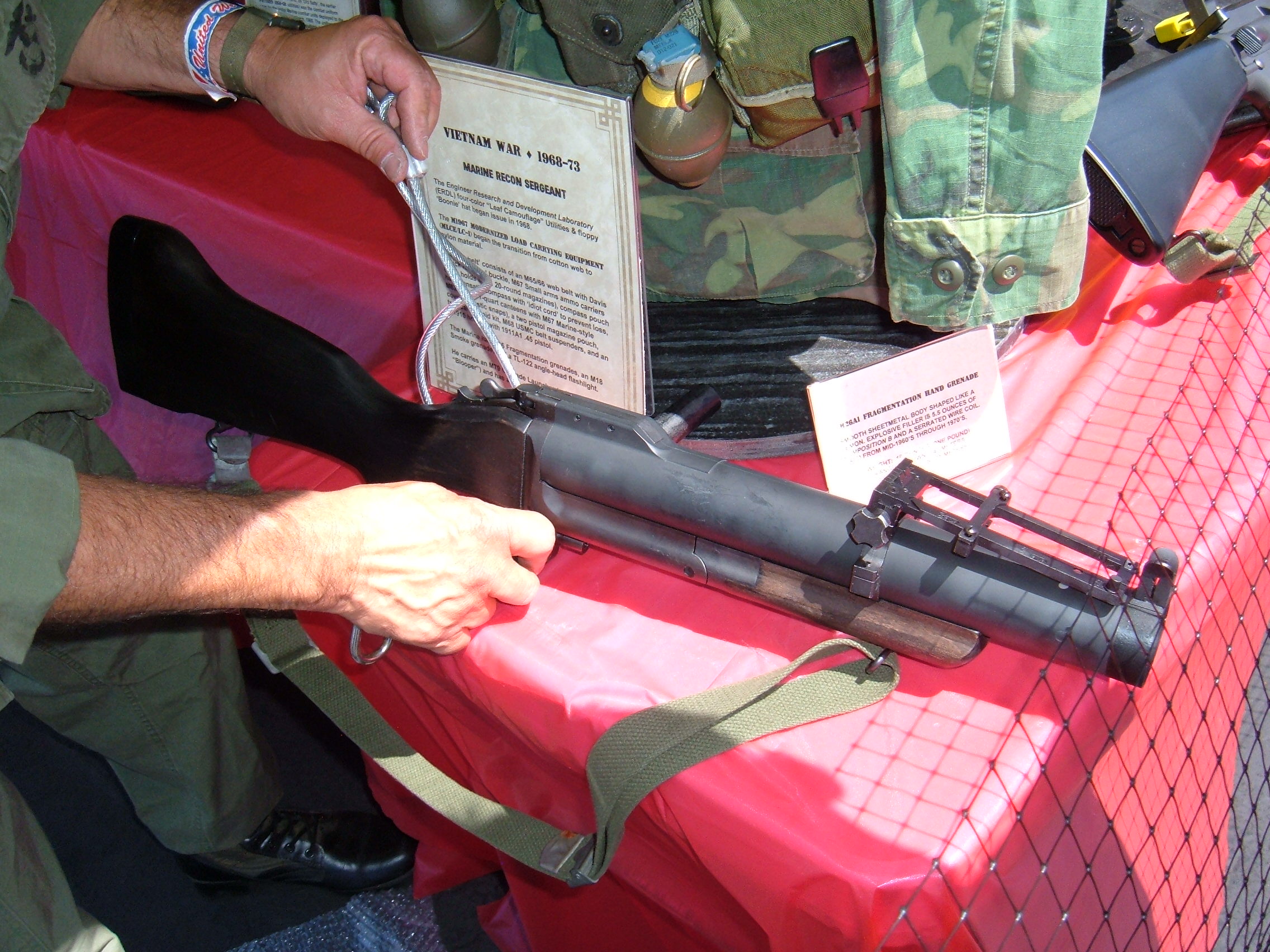
The M79 did not rely on a simple shotgun-style sight alone. Its folding rear sight provided graduated settings from approximately 75 to 375 meters, normally in 25-meter increments. When folded, the sight could also support quicker close-range aiming. That arrangement reflected the launcher’s unusual trajectory: the grenadier had to account for a slow-moving projectile traveling on a pronounced arc. The sight system gave trained users a repeatable reference instead of forcing them to estimate every shot from scratch. At practical ranges, experience mattered enormously because changes in elevation could significantly alter where the grenade eventually landed.
6. Rifling Helped Stabilize the Grenade
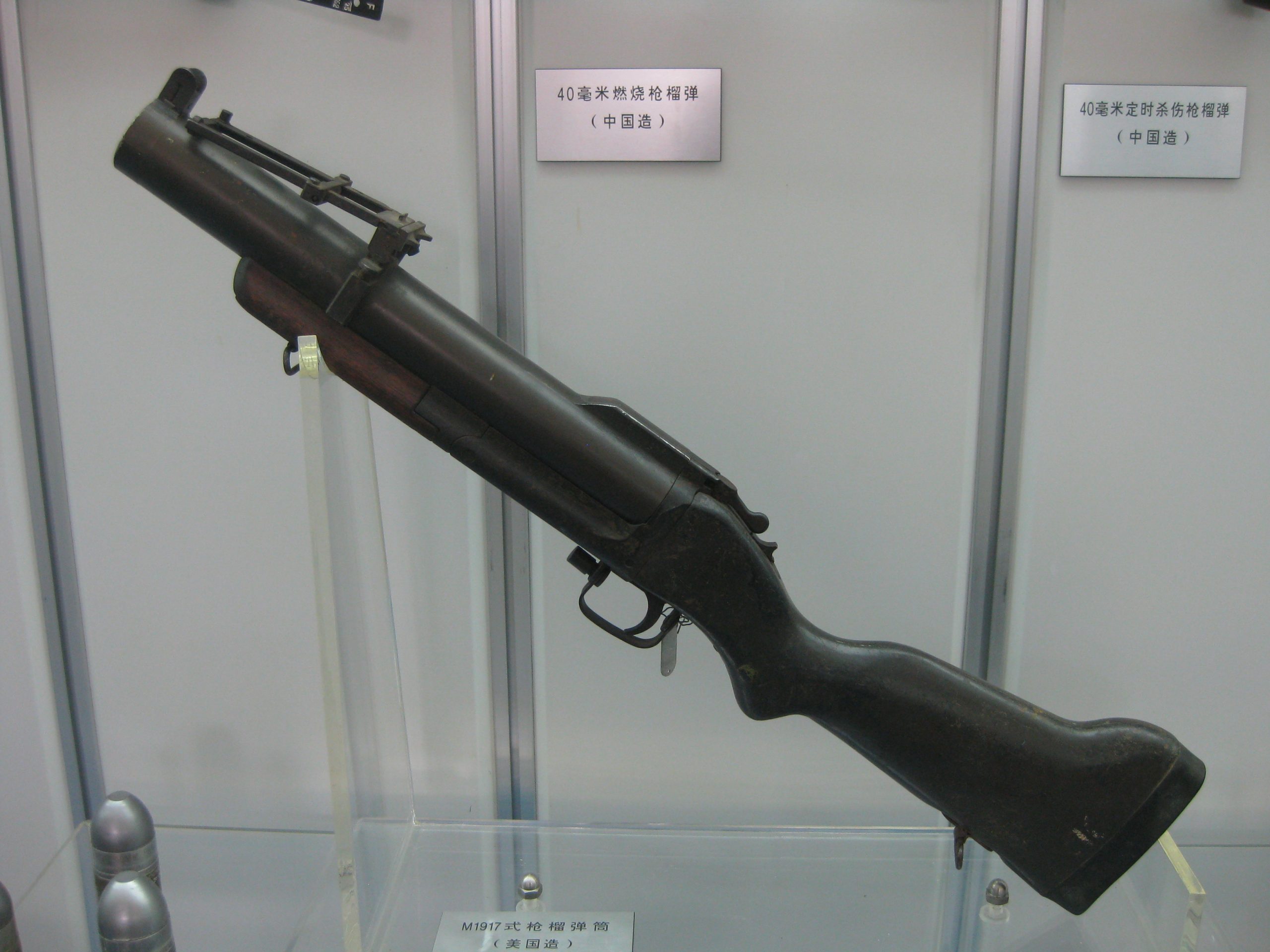
The M79’s barrel was not simply a smooth tube. Its rifling imparted rotational spin to the 40 mm projectile, helping stabilize the grenade during flight. Contemporary U.S. government material lists the barrel at about 14 inches and the weapon’s effective range at roughly 350 meters. Its relatively low launch velocity, around 247 feet per second, produced a slow flight compared with conventional rifle ammunition. That combination shaped the M79’s characteristic high, arcing trajectory. The design was therefore a compromise: it sacrificed bullet-like speed in exchange for a portable launcher capable of projecting specialized 40 mm ammunition over useful infantry distances.
7. The M79 Became a Dedicated Grenadier’s Weapon
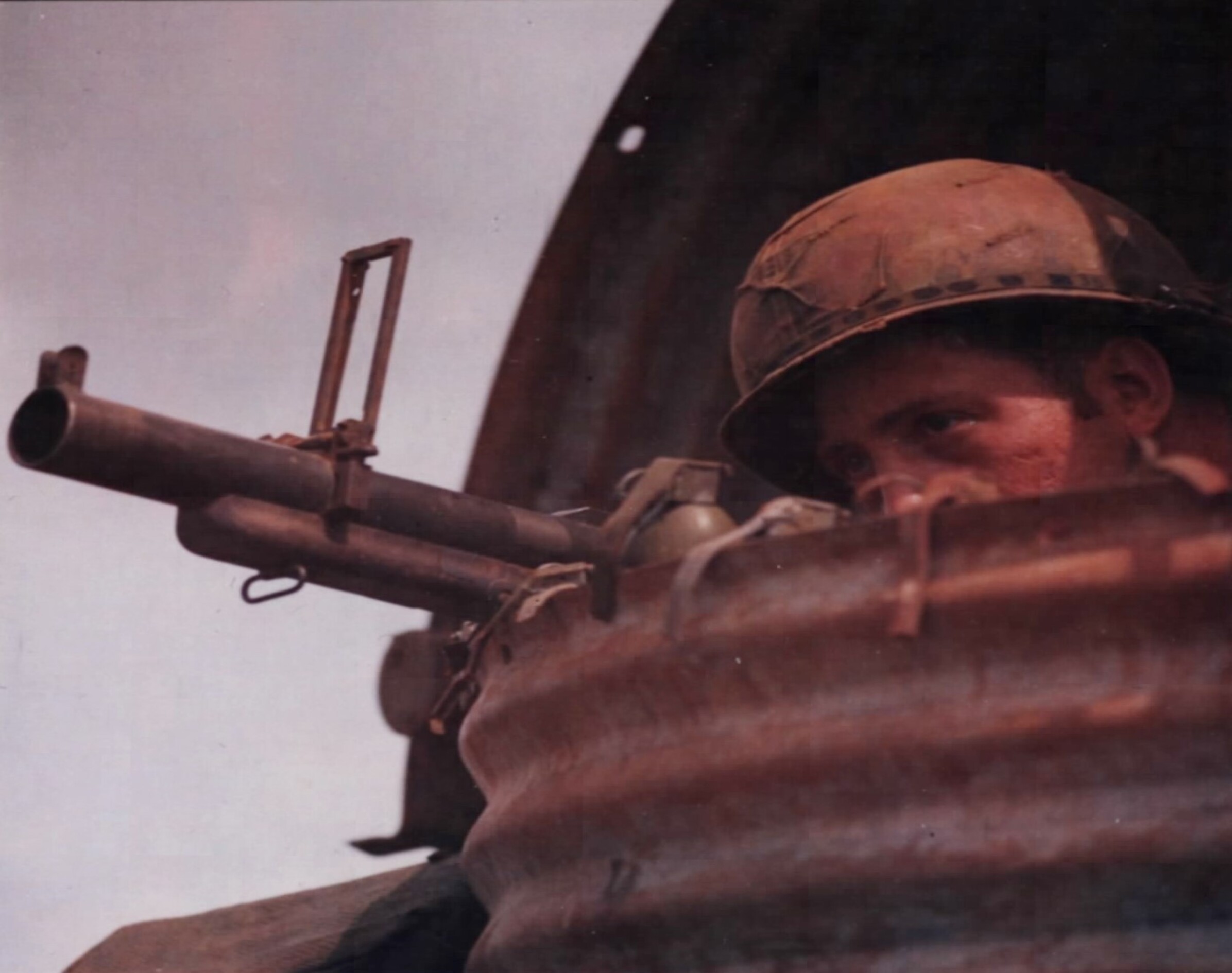
Because the M79 could not fire rifle ammunition, carrying it meant the grenadier normally needed a separate sidearm for personal defense. That created an unusual equipment burden inside a rifle squad: one soldier carried the launcher and its ammunition while giving up the immediate rifle firepower carried by other members. The U.S. Army nevertheless valued the arrangement because the grenadier provided a capability the standard rifle could not duplicate. Around 350,000 M79 launchers were reportedly produced for U.S. use between 1961 and 1971. Its popularity helped establish the dedicated grenadier concept before under-barrel systems became dominant.
8. It Influenced the M203 and Later Launchers
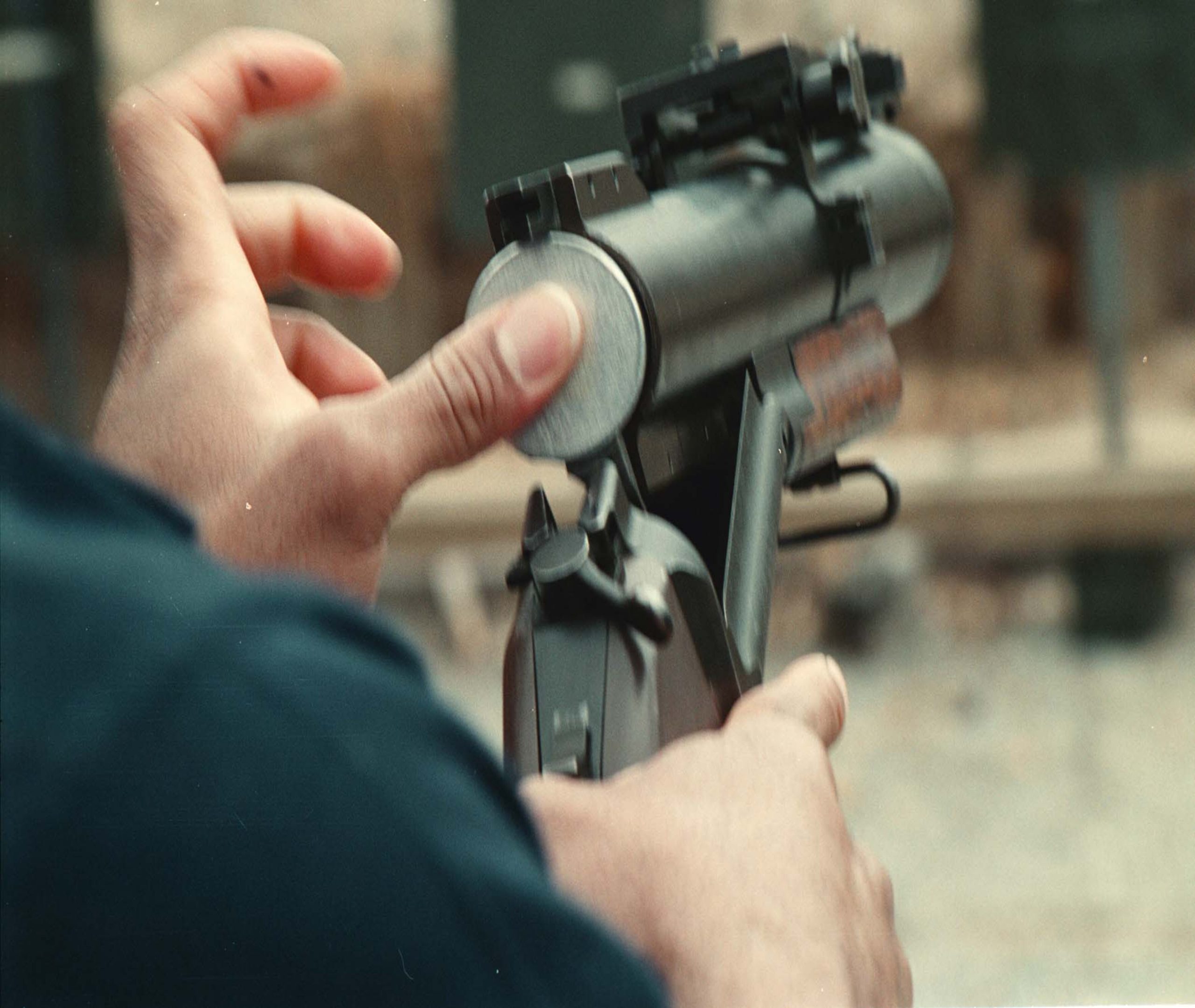
The M79’s biggest legacy was not simply its Vietnam service; it helped establish the idea that a rifle squad needed compact 40 mm fire support immediately available to an individual soldier. The M203 eventually moved that capability beneath an M16-series rifle, allowing one person to carry both a rifle and a grenade launcher. The transition addressed an important weakness of the M79: the grenadier no longer had to surrender a full-size rifle. The M203 was mechanically different, but the underlying 40 mm concept survived. In that sense, the M79 became a bridge between older rifle grenades, standalone launchers, and integrated infantry weapons.
9. Why “Thumper” Became a Lasting Name
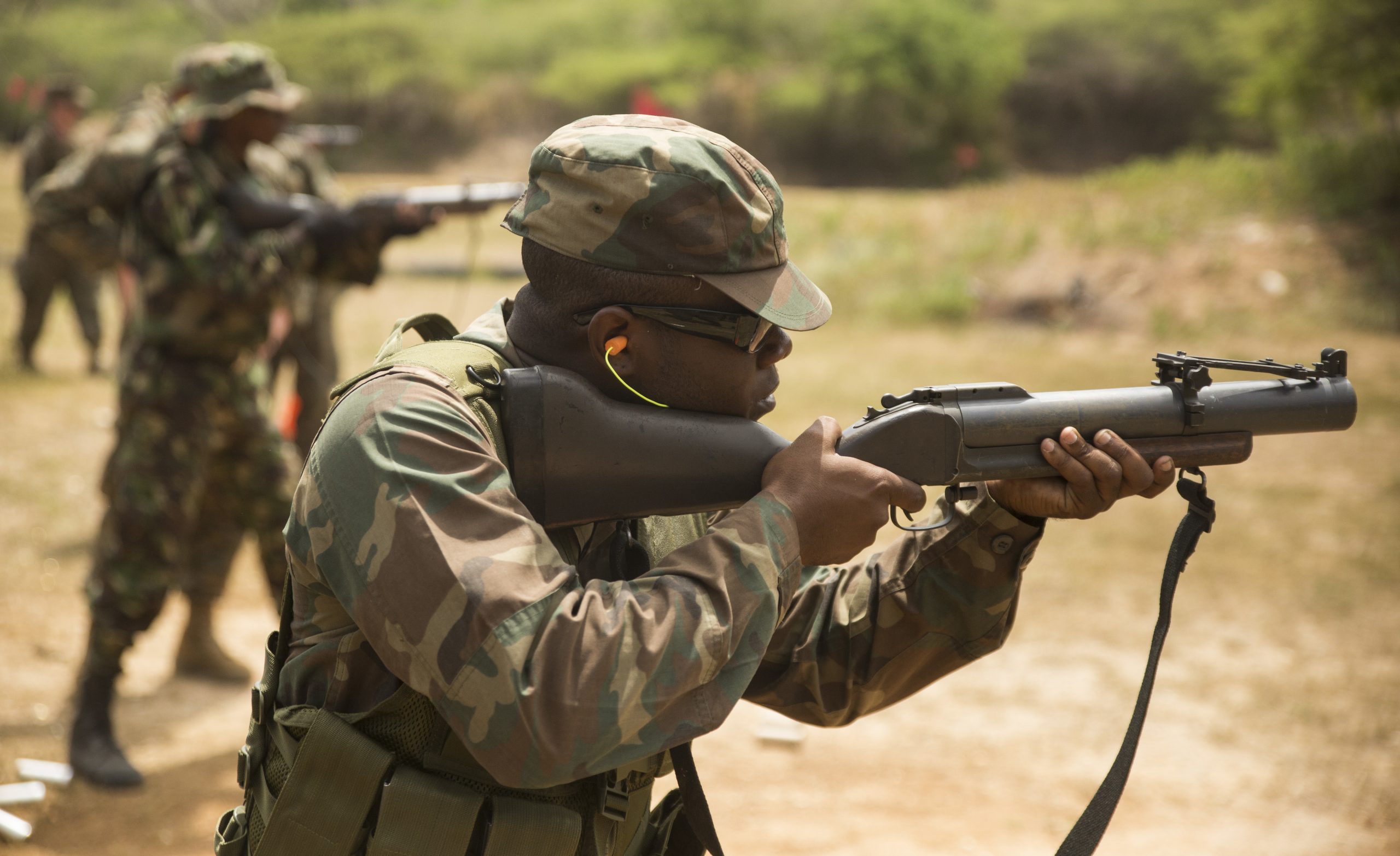
The M79 combined several unusual characteristics into one memorable package: a single 40 mm barrel, roughly 6 pounds of unloaded weight, approximately 28.9 inches of length, and a projectile traveling around 247 feet per second. Those numbers help explain its personality better than the nickname alone. It was neither a rifle nor a mortar, yet it occupied useful ground between them. First issued in 1961, it became an enduring symbol of Vietnam-era infantry equipment and remained in service with various users after newer launchers appeared. “Thumper” survived because soldiers remembered not only what the M79 did, but the unmistakable sound it made.