To the untrained eye, old military rifles can look surprisingly similar, especially when wood stocks, steel parts, and wartime wear all start to blend together. But the Karabiner 98k has a handful of signature details that make it much easier to recognize once you know where to look. This gallery walks through the visual cues collectors and history-minded shooters often use to tell a K98k from other common surplus rifles.
The turned-down bolt handle

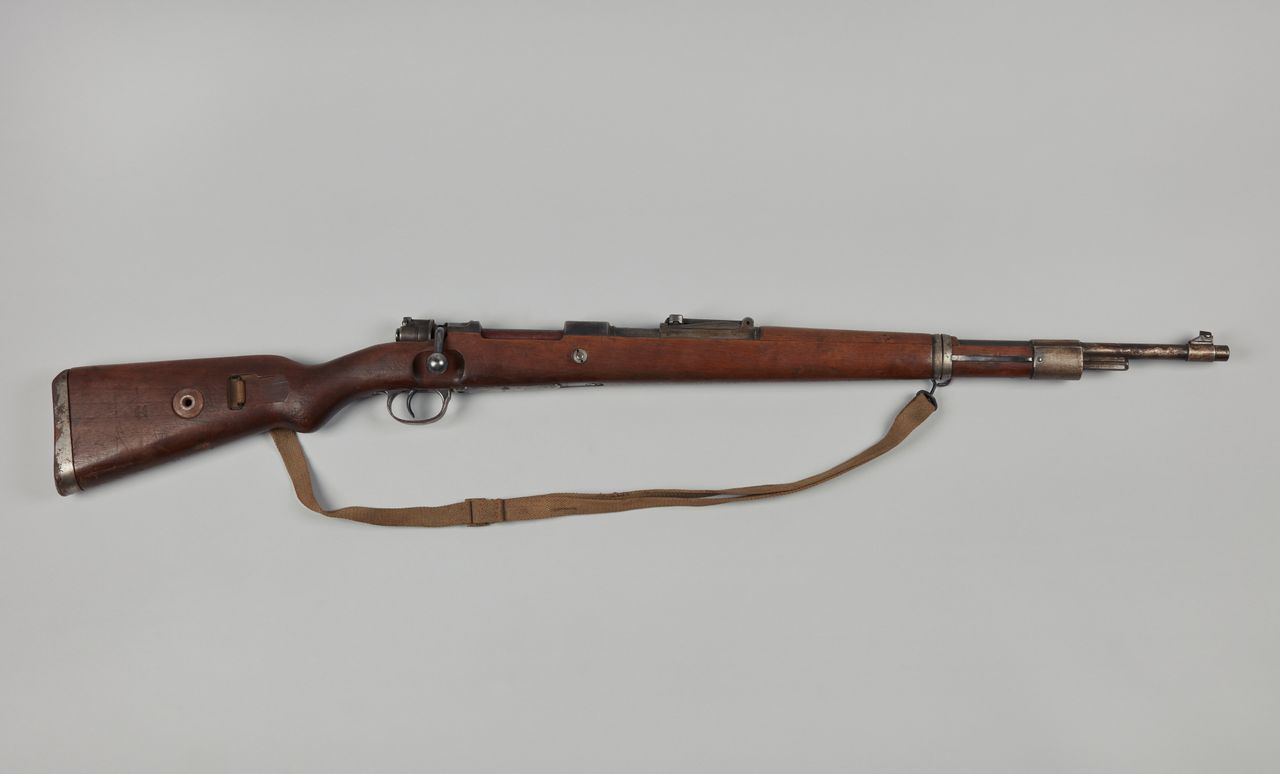
One of the fastest tells on a Karabiner 98k is the shape of its bolt handle. Instead of sticking straight out like many older bolt-action military rifles, the K98k usually wears a handle that bends downward and tucks closer to the stock. That gives the rifle a sleeker side profile at a glance.
This detail was practical as much as visual. The turned-down handle helped keep the action compact and made the rifle easier to carry and manipulate. When you see a Mauser-pattern rifle with that low, swept bolt shape, you are already in strong K98k territory, even before checking anything else.
The hooded front sight
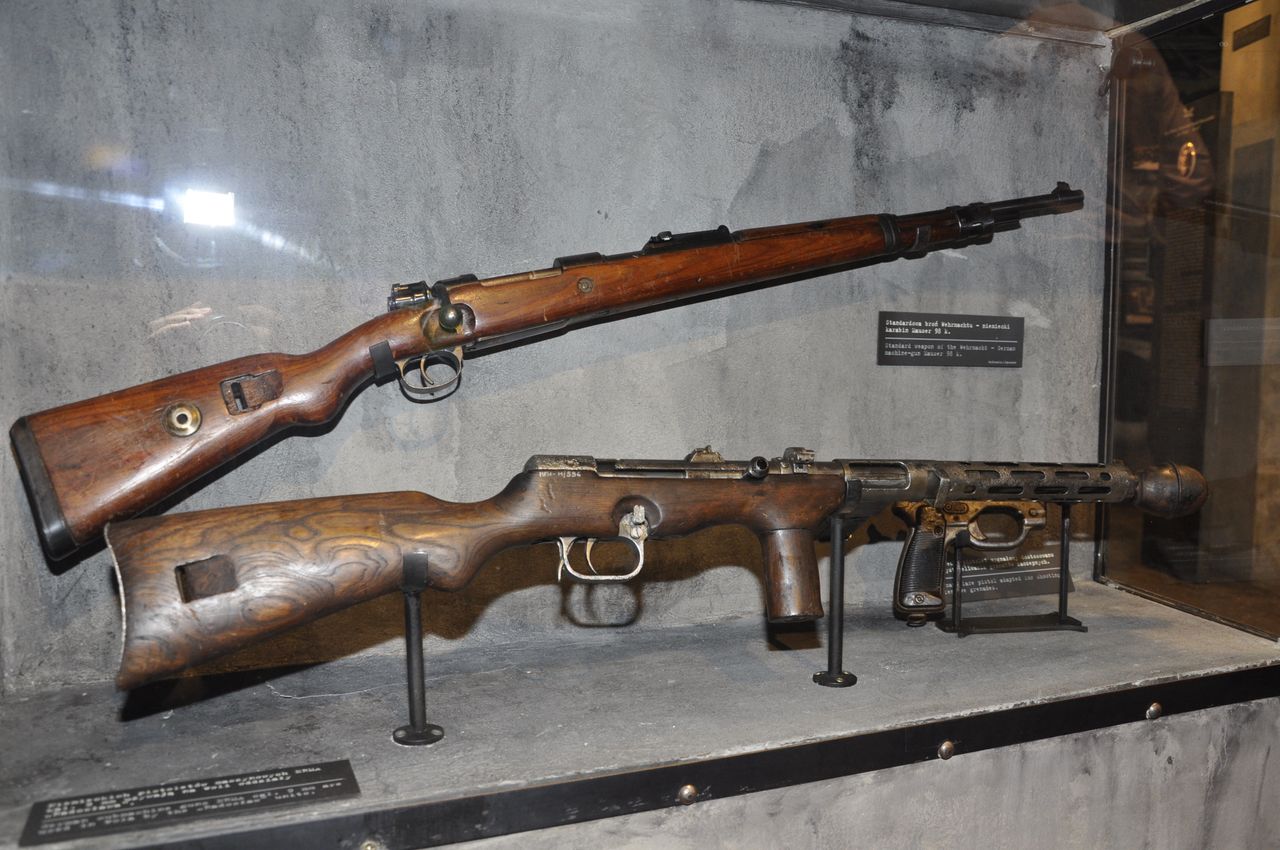
The front sight on a Karabiner 98k often stands out because of its protective hood. That circular metal guard frames the front post and gives the muzzle end a distinctive look that differs from the more exposed front sights found on many other service rifles from the same era.
It is a small feature, but it catches the eye quickly in photos, at gun shows, or on a rack of surplus arms. If the rifle also has the compact length and Mauser-style action people expect, that hooded sight becomes another strong clue that you are looking at a K98k rather than a longer Gewehr or a different nation’s rifle altogether.
The side-mounted sling setup
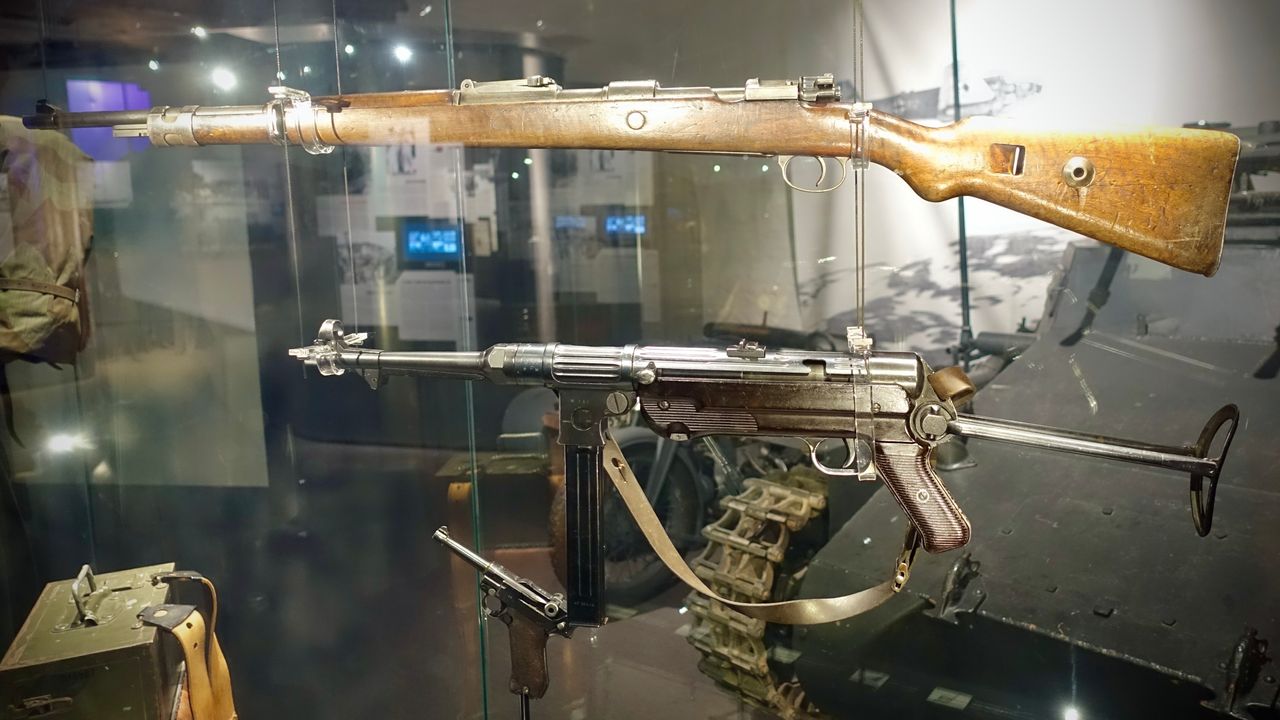
Unlike many military rifles that use simple bottom sling swivels, the Karabiner 98k is famous for its side-mounted sling arrangement. The rear sling slot is cut through the buttstock, usually paired with a metal pass-through fitting, and the setup gives the rifle a very distinctive profile from the side.
That arrangement was meant to help the rifle lie flatter against a soldier’s body while being carried. Today, it also helps collectors identify one quickly. If you spot a short Mauser-type rifle with a stock slot on the side instead of a more ordinary underside sling point, the odds are good you have found a K98k or a very close relative.
The cupped steel buttplate
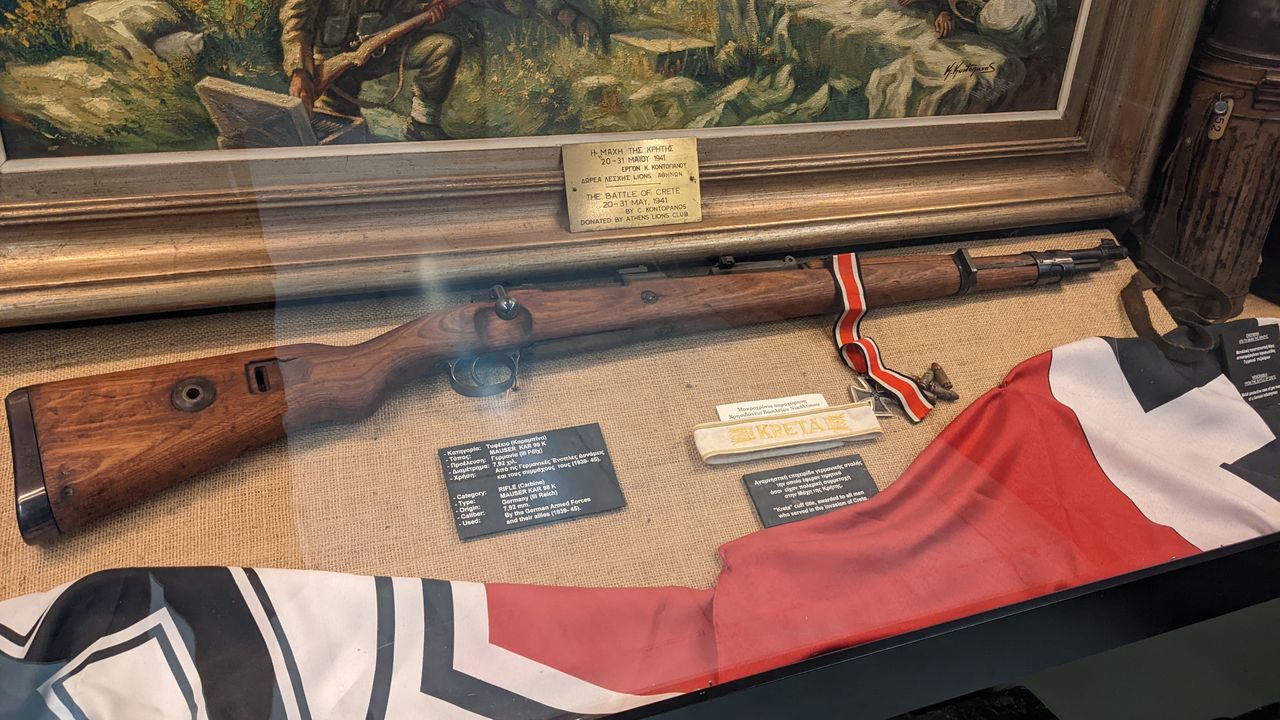
The butt end of a Karabiner 98k often has a cupped steel buttplate rather than a flatter style. That metal piece wraps around the toe and heel a bit more than simpler plates do, giving the rear of the rifle a rugged, enclosed appearance that feels very much in line with German wartime manufacturing.
It is not the first feature most people notice, but it is a useful confirming detail. On a rifle with the right bolt, sights, and stock shape, that cupped buttplate helps complete the silhouette. For anyone scanning a rack of old service rifles, small hardware choices like this can make identification a lot easier.
The receiver markings and code stamps
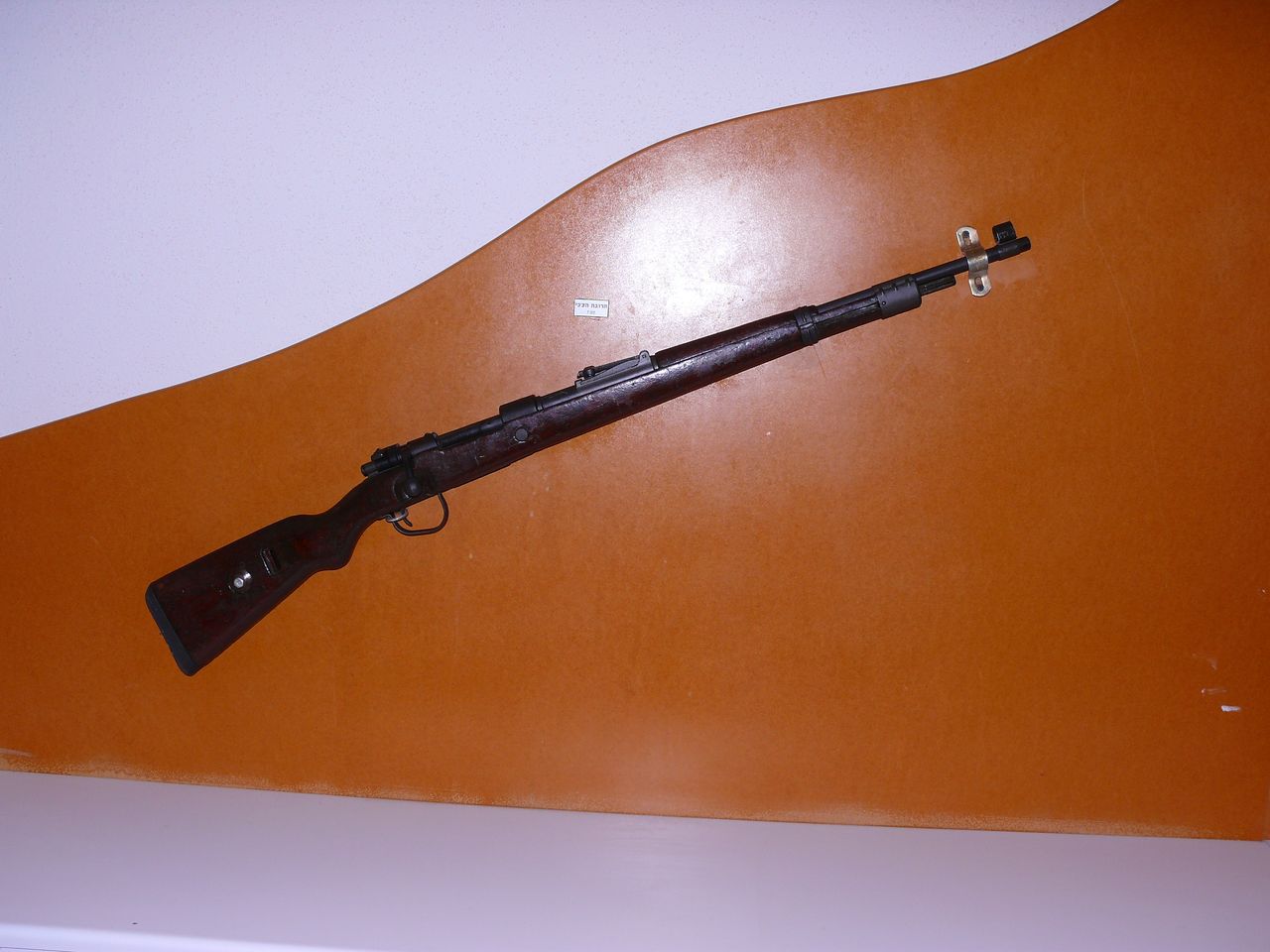
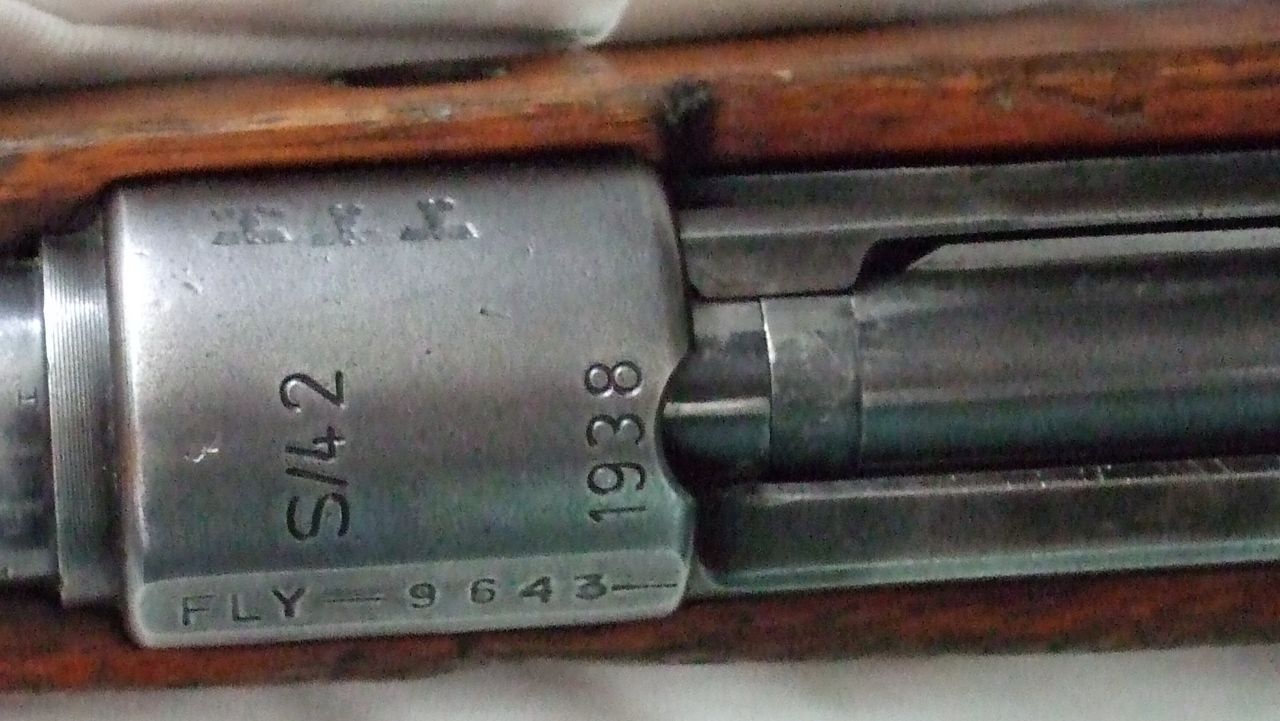
Once the bigger physical clues line up, the receiver markings often seal the deal. Many Karabiner 98k rifles show maker codes, date stamps, military acceptance marks, and other identifying symbols on the receiver ring or nearby metal surfaces. Those markings can vary by year and factory, but the general placement is part of the rifle’s familiar look.
This is also where things get especially interesting for collectors, because markings can reveal production history and wartime context. Even so, you do not need to decode every stamp to use them as a spotting aid. A Mauser action with the right shape and German-style receiver codes is usually a very convincing final confirmation.
How the details come together
No single feature should be treated as the whole story, especially in the world of surplus firearms where replacement parts, postwar refurbishments, and sporterized stocks can blur the picture. But the Karabiner 98k becomes easy to spot when several classic details appear together, from the bent bolt and hooded sight to the side sling slot and stock disk.
That is really the trick to identifying it confidently. Instead of hunting for one magic clue, look for the pattern. When the proportions, hardware, and markings all agree, the K98k usually announces itself clearly, even among rows of old military rifles that seem nearly identical at first glance.