Some deer cartridges just seem to come alive when you feed them heavier bullets. Whether it’s better penetration, steadier performance in the wind, or simply a load that matches the cartridge’s personality, these rounds have built a reputation for doing their best work on whitetails and mule deer with a little more bullet weight up front. Here’s a closer look at 10 that hunters keep coming back to when they want deeper-driving, confidence-building performance.
.243 Winchester
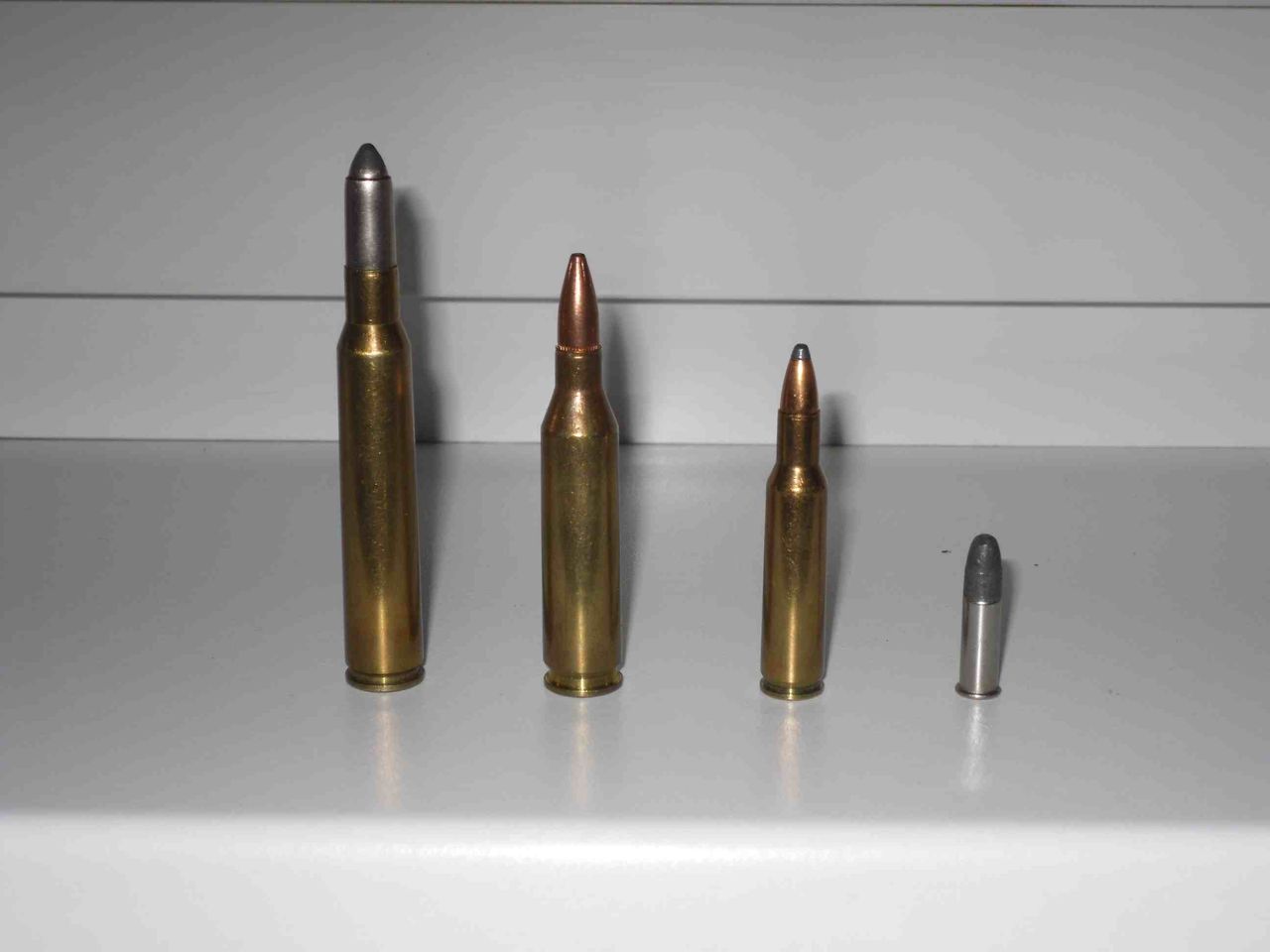
The .243 Winchester is often praised as a light-recoiling deer round, but it gets especially interesting when you move away from the featherweight varmint bullets and into the 95- to 100-grain class. That’s where it starts acting less like a dual-purpose compromise and more like a serious deer cartridge.
Heavier bullets give the .243 better sectional density and usually more reliable penetration on quartering shots. For hunters who want clean performance without stepping up in recoil, that matters.
It’s still not a bruiser, and smart shot placement remains the whole game. But with stout 100-grain loads, the .243 has earned its place in countless deer camps for good reason.
6.5 Creedmoor
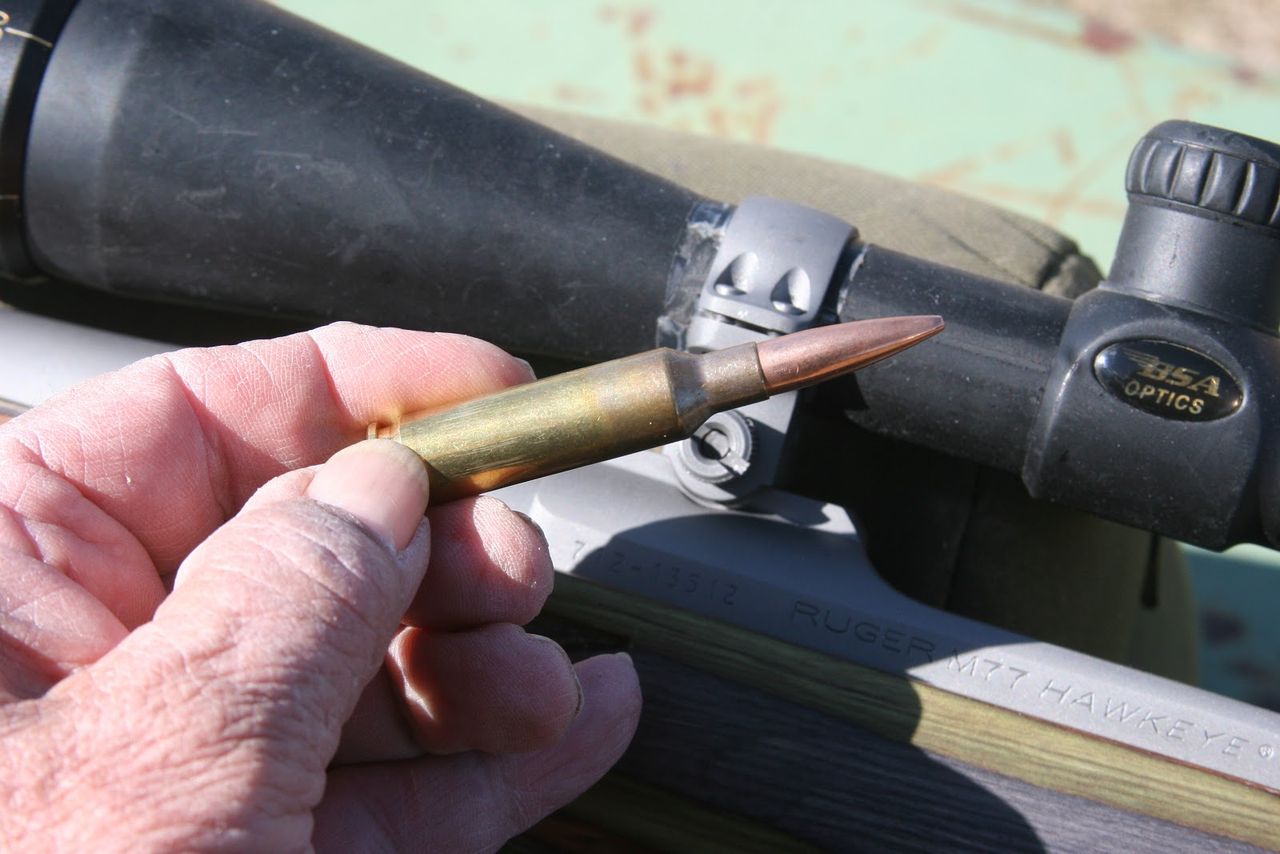
The 6.5 Creedmoor built its reputation on efficiency, mild recoil, and bullets with excellent ballistic coefficients. While it shoots lighter loads just fine, many hunters feel the cartridge’s sweet spot begins around 129 to 143 grains, where it really shows why the 6.5 bore has such a loyal following.
Those heavier bullets tend to hold velocity well and penetrate with authority, especially on larger-bodied deer or shots that aren’t perfectly broadside. The result is a cartridge that feels calm on the shoulder but serious on impact.
That balance is the Creedmoor’s secret sauce. It gives everyday hunters reach, precision, and solid terminal performance without demanding magnum recoil tolerance.
.260 Remington
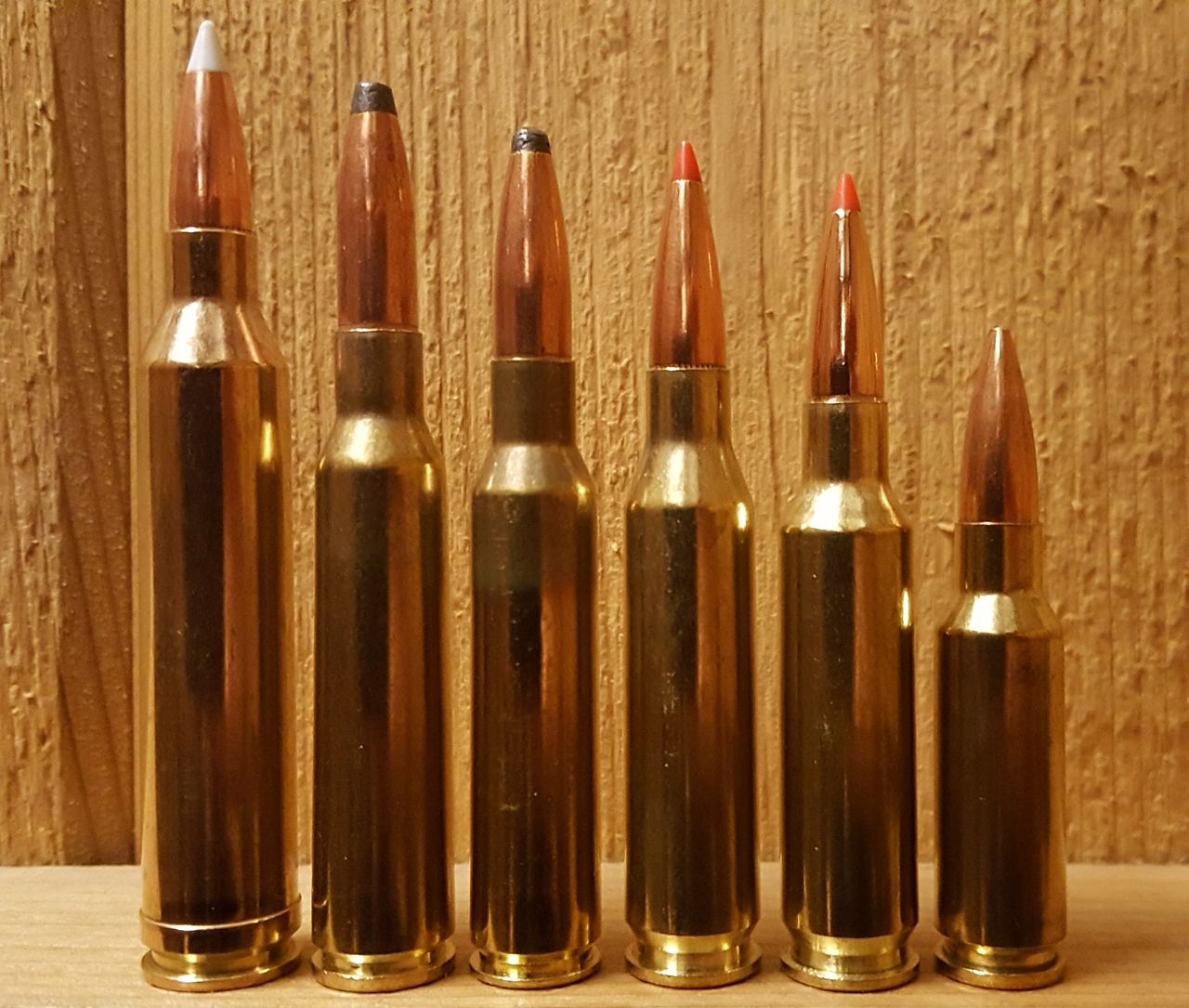
The .260 Remington has always felt a little underrated, especially among hunters who appreciate efficient cartridges that don’t waste motion. Like other 6.5 mm rounds, it tends to shine with heavier bullets, particularly in the 120- to 140-grain range where its blend of speed and penetration really settles in.
With those loads, the .260 offers a smooth-shooting deer setup that carries energy well and handles wind better than many people expect. It’s one of those cartridges that looks modest on paper and then keeps impressing in the field.
For hunters who like practical performance over hype, the .260 remains a classy choice. Heavier bullets simply bring out the best in its design.
6.5×55 Swedish
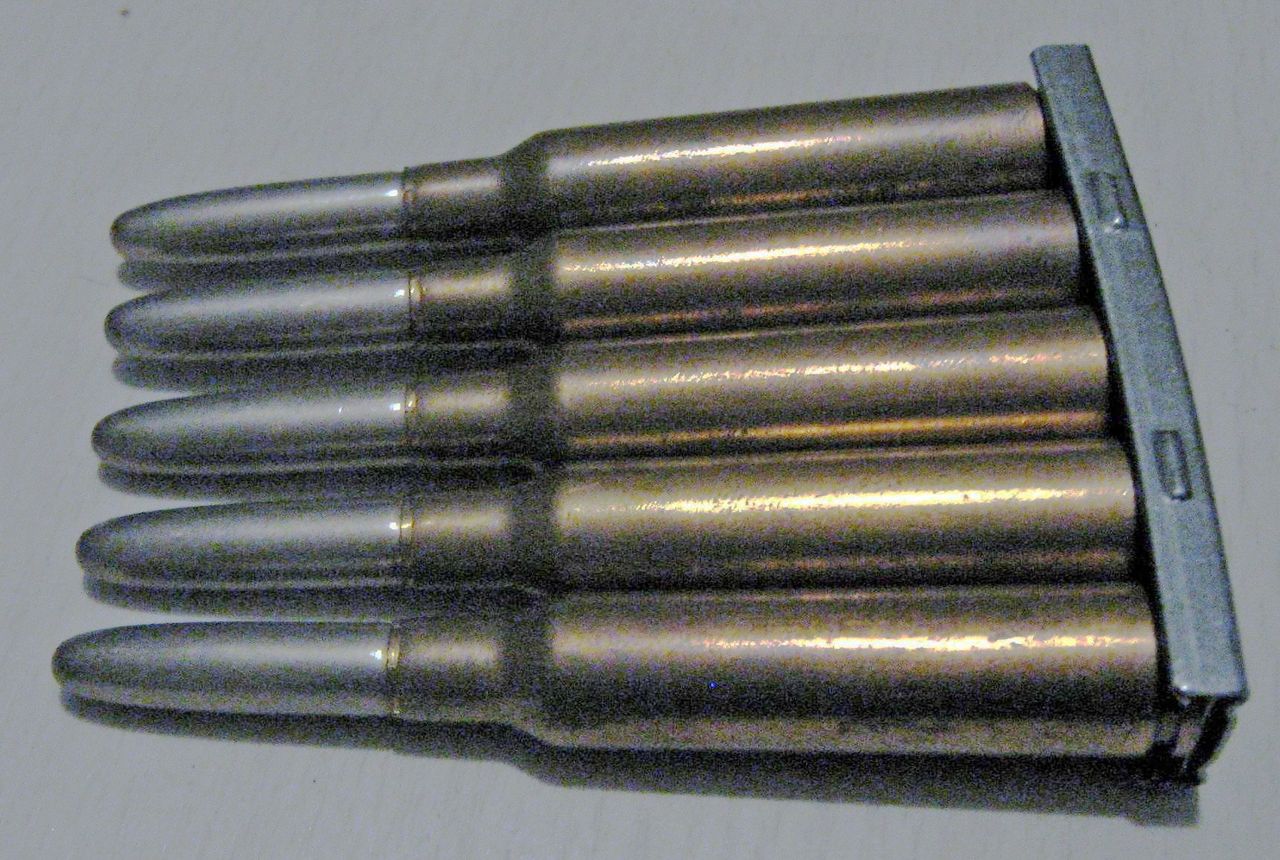
The 6.5×55 Swedish has been proving itself on game for well over a century, and much of that reputation comes from its comfort with long, heavy-for-caliber bullets. This cartridge was practically born for them, and that heritage still shows up every deer season.
Loads in the 140-grain neighborhood are where the old Swede feels most at home. They penetrate deeply, track straight, and pair beautifully with the cartridge’s inherently mild manners.
There’s something satisfying about using a round that has stayed relevant because it simply works. The 6.5×55 may not be flashy, but with heavier bullets it remains one of the most graceful deer rounds ever chambered.
.270 Winchester
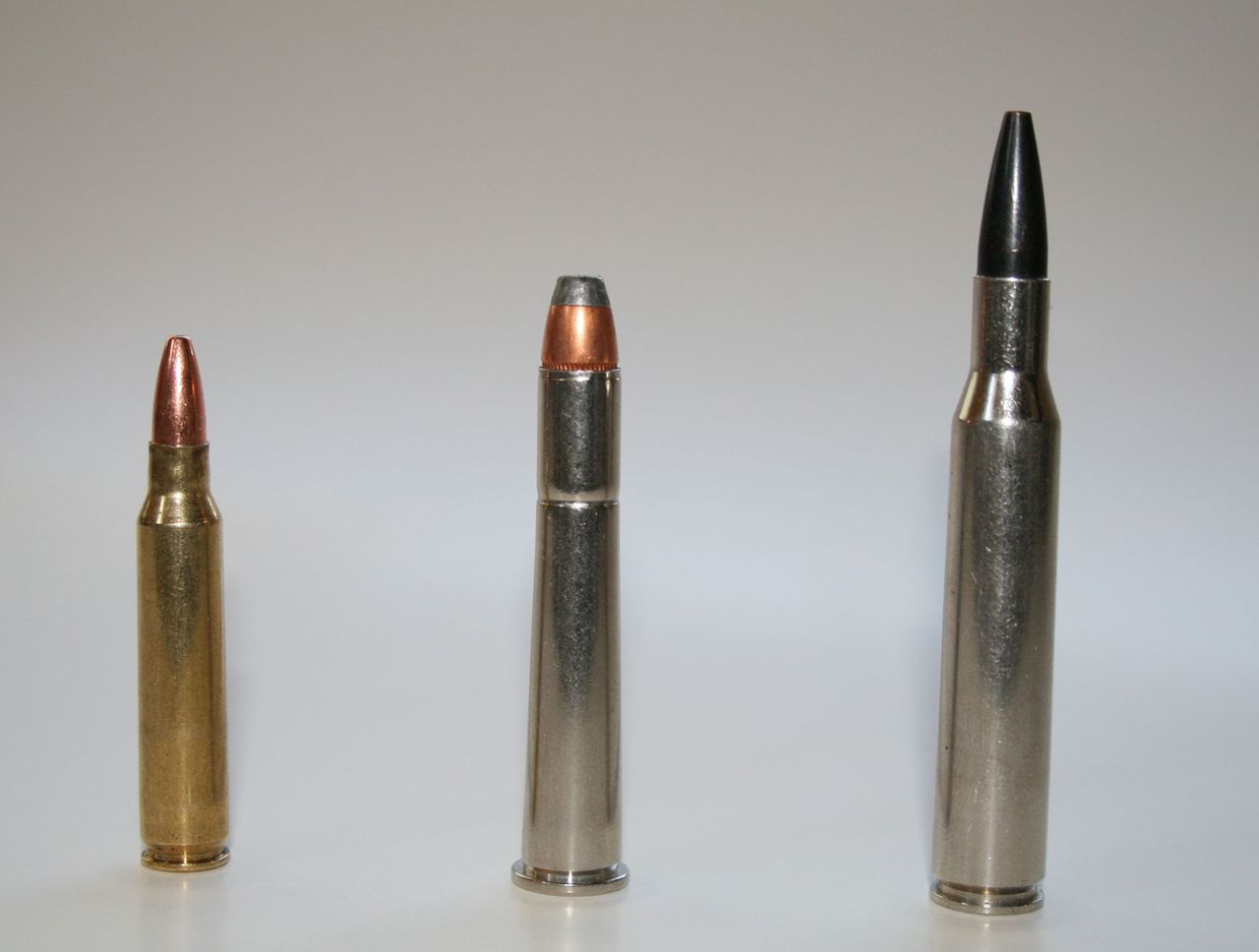
The .270 Winchester is famous for speed and flat trajectory, usually with 130-grain bullets stealing the spotlight. But many hunters eventually discover that this cartridge becomes especially dependable with 140- and 150-grain bullets, particularly when deer are bigger, angles are tougher, or ranges get a bit less predictable.
Those heavier loads give the .270 a little more authority through bone and tissue while still keeping the cartridge’s trademark reach. You’re not giving up the identity of the .270 so much as adding a sturdier edge to it.
For open-country deer hunters who want a little more punch without abandoning a classic, the heavier end of .270 bullet weights makes a lot of sense.
7mm-08 Remington

The 7mm-08 Remington is one of those cartridges hunters tend to love quietly and deeply. It has a reputation for efficiency, low recoil, and practical accuracy, but the real magic often shows up with 139- to 150-grain bullets that give it excellent all-around deer performance.
That bullet weight range makes the 7mm-08 feel mature and complete. Penetration is strong, trajectory remains easy to live with, and recoil stays friendly enough for precise shot placement.
In a short-action rifle, it’s a very hard package to argue with. The 7mm-08 doesn’t need drama to make its case, and heavier bullets only reinforce how naturally well-balanced this cartridge really is.
.280 Remington

The .280 Remington has always lived in the shadow of a few louder names, but it’s one of the most versatile deer cartridges around. It really finds its stride with 140- to 160-grain bullets, where the 7 mm bore’s natural advantages start to show in a big way.
With heavier bullets, the .280 gives hunters a nice mix of reach, manageable recoil, and deep, reliable performance on larger deer. It feels like a cartridge with very few bad manners and very few weak spots.
That’s probably why so many experienced hunters speak warmly about it. The .280 may not demand attention at the gun counter, but in the field it has a way of quietly winning people over.
.308 Winchester
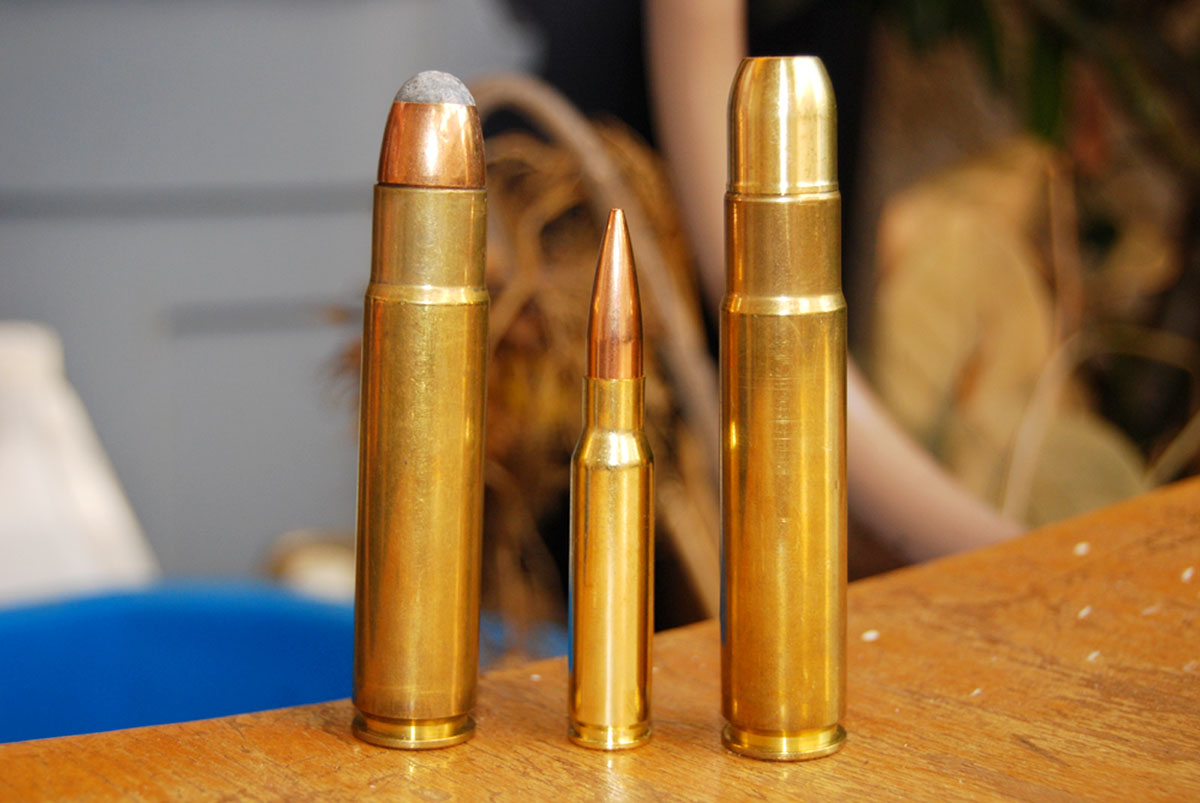
The .308 Winchester is almost impossible to leave off any practical deer cartridge list, and heavier bullets are a big reason why. While 150-grain loads are common and effective, many hunters really trust the .308 with 165- or 180-grain bullets when they want a little more penetration and a little less drama on tougher angles.
That extra weight plays right into the .308’s personality. It was never about flash. It was about dependable field performance from compact rifles in all kinds of conditions.
For woods hunting, mixed terrain, and realistic shot distances, the .308 with heavier bullets just feels settled and sure of itself. It’s a classic because it rarely gives hunters a reason to second-guess it.
.30-06 Springfield
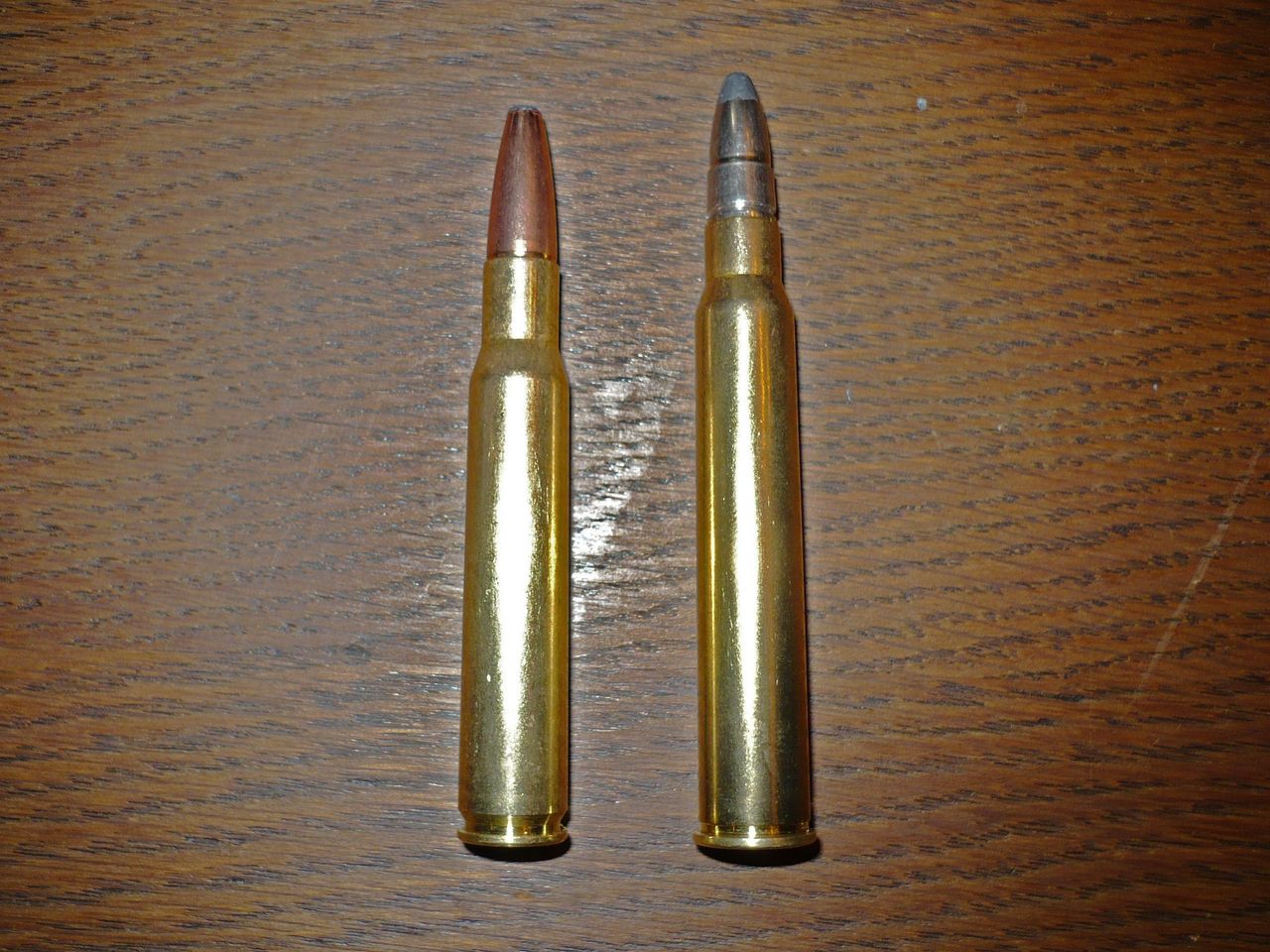
If there’s a cartridge that practically defines flexibility, it’s the .30-06 Springfield. It can handle a wide spread of bullet weights, but for deer hunters who like heavier projectiles, the 165- and 180-grain loads often feel like the cartridge’s most confident expression.
Those bullets give the .30-06 the kind of penetration and authority that inspire trust when shots aren’t textbook easy. At the same time, the cartridge still offers enough speed and range to avoid feeling overly specialized.
That broad usefulness is what keeps the .30-06 relevant generation after generation. With heavier bullets, it doesn’t just work on deer. It works in a way that feels reassuringly complete and familiar.
.35 Remington
The .35 Remington is a different kind of deer cartridge story. It’s not about high velocity or long-range bragging rights. It’s about moderate distance, decisive impact, and heavy bullets that make the most of a classic woods rifle setup.
With 200-grain bullets, the .35 Remington has long been a favorite in thick cover where shots are quick and deer don’t always present broadside. It hits with a kind of authority that fans of lever actions know well.
This is a cartridge with personality, and heavier bullets are the whole point of it. In the right environment, especially timber and brush country, the .35 Remington still feels wonderfully honest and effective.