The M1 Garand became one of the defining American infantry rifles of World War II, but its reputation was not built on appearance or symbolism alone. General George S. Patton’s famous praise came from seeing what the rifle offered to soldiers in actual combat. Adopted in 1936, the .30-caliber semi-automatic M1 combined dependable operation, rapid follow-up fire, full-power ammunition, and large-scale issue in a way few contemporary service rifles could match. Patton’s 1945 assessment reflected that unusual combination rather than a simple preference for one firearm.
1. A Firepower Leap
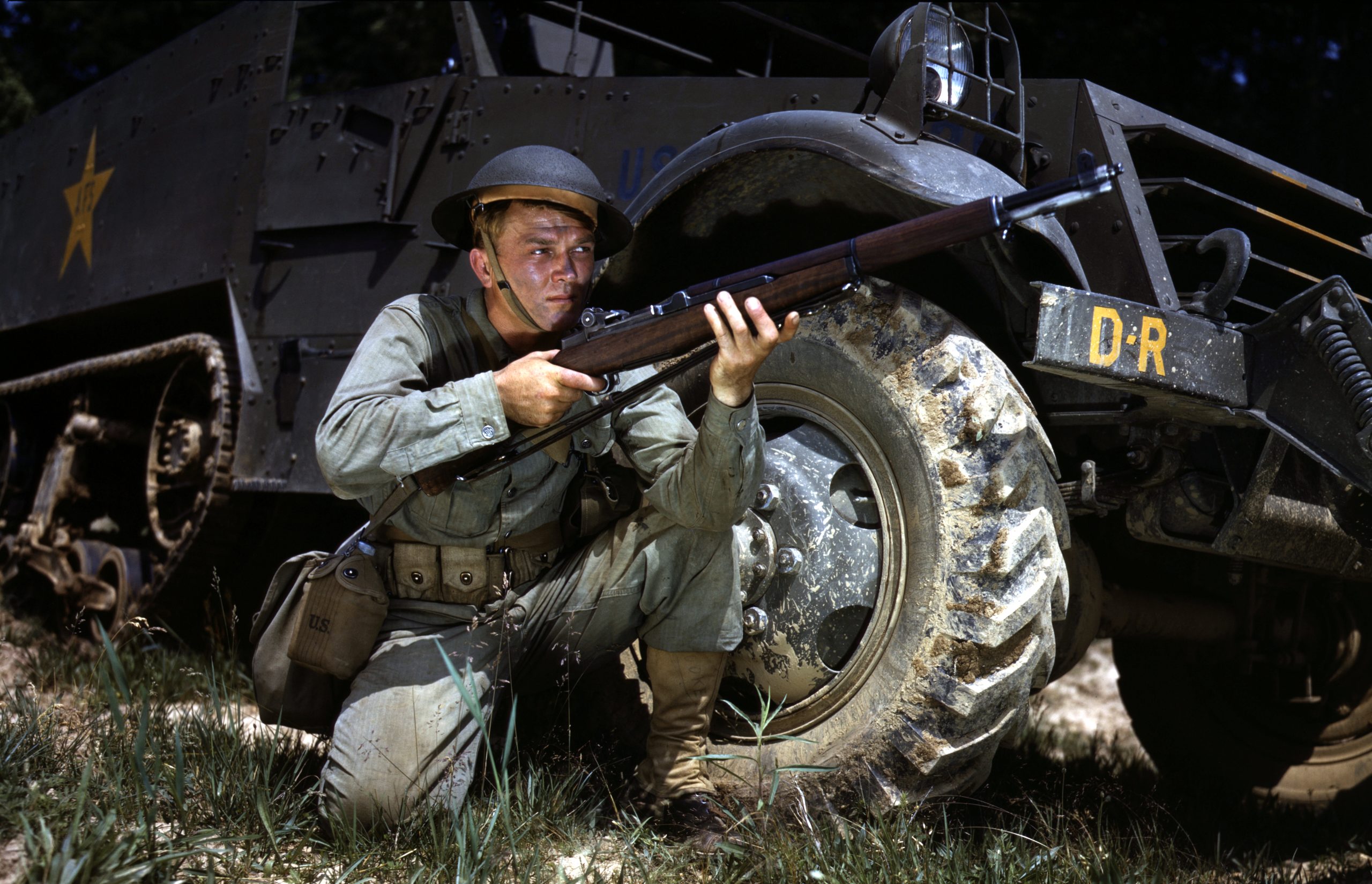
Patton valued the M1 because it changed what an ordinary infantryman could do under pressure. The rifle fired .30-06 ammunition and cycled automatically after each shot, unlike the bolt-action rifles most opponents carried. Its 8-round en bloc clip lets a soldier deliver repeated aimed shots without manually lifting and closing a bolt. That did not make the Garand a machine gun, but it gave 1 rifleman a faster rhythm of fire. For a commander focused on momentum, that practical advantage was enormous in the close, confused seconds of combat alike.
2. It Combined Speed With Power
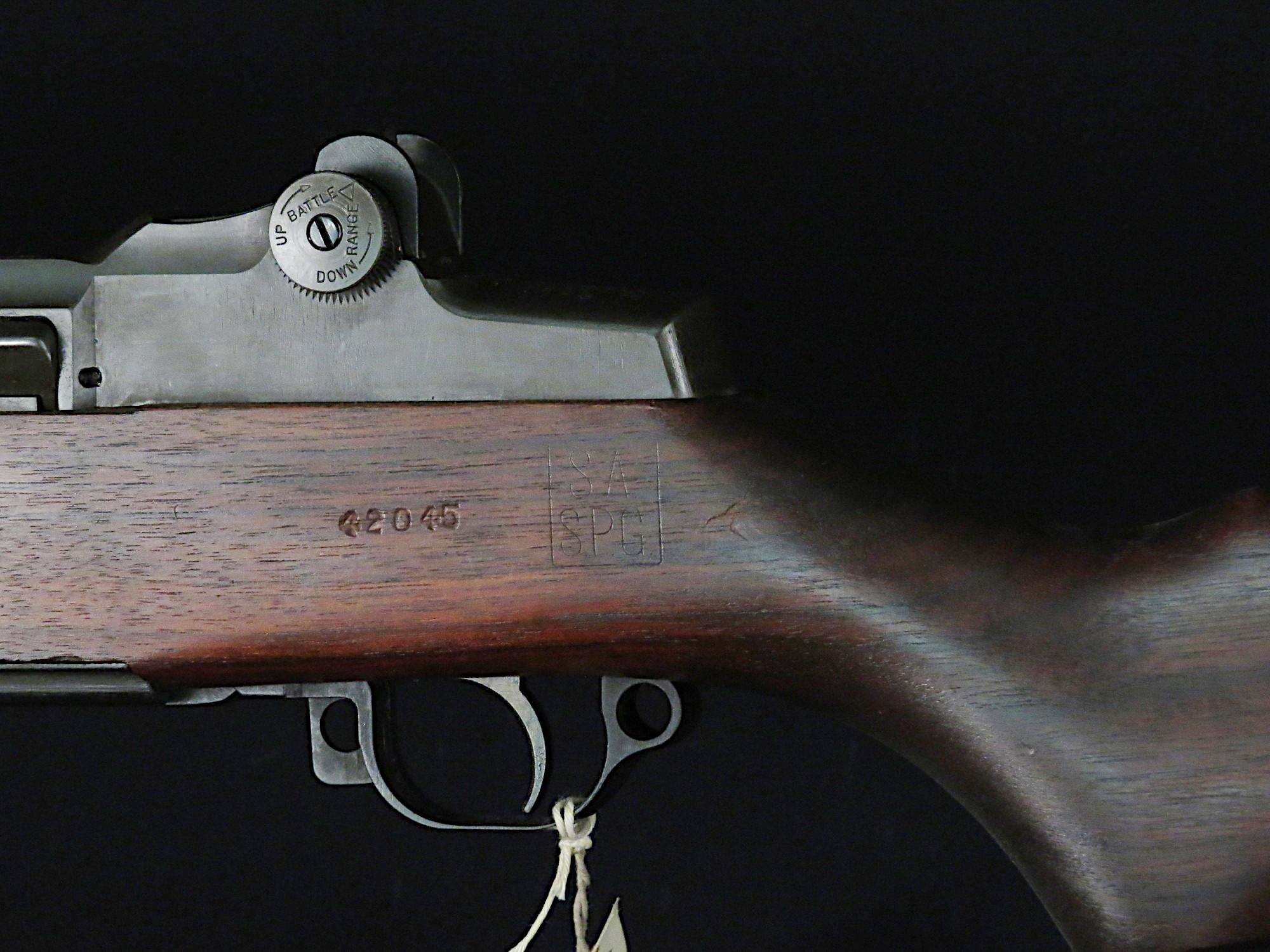
The Garand was not merely fast; it retained the full-power .30-06 cartridge that Patton trusted. That combination mattered because soldiers could take quicker follow-up shots without sacrificing the reach and authority expected of a standard infantry rifle. The M1 was adopted in 1936 and remained the U.S. service rifle through 1957, a 21-year span. Its gas-operated action also reduced the need for manual cycling after every shot. Patton saw a weapon that added speed without abandoning traditional rifle performance, a balance few service rifles of the era could offer.
3. Reliability Mattered in Battle
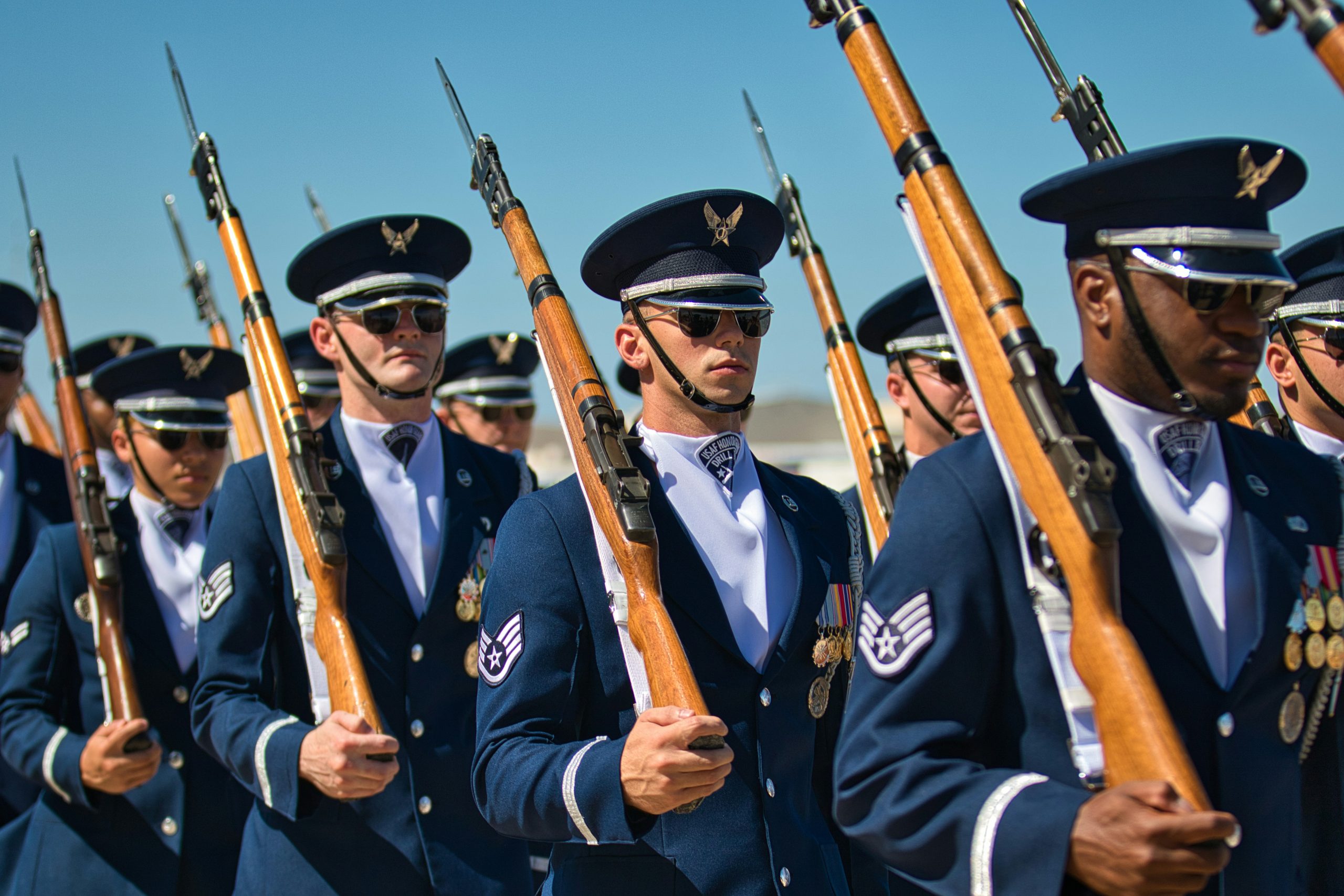
A brilliant rifle is useless if it stops when the fight becomes dirty, wet, or exhausting. The M1 earned a reputation for rugged reliability, accuracy, and field durability. Its design was refined through years of testing before adoption, rather than rushed into production as an unproven idea. The rifle also became known for functioning under demanding combat conditions. For Patton, whose campaigns depended on pressure, reliable individual weapons were integral to battlefield mobility. By 1945, that reliability had been tested across 2 major theaters.
4. It Was Built for the American Soldier
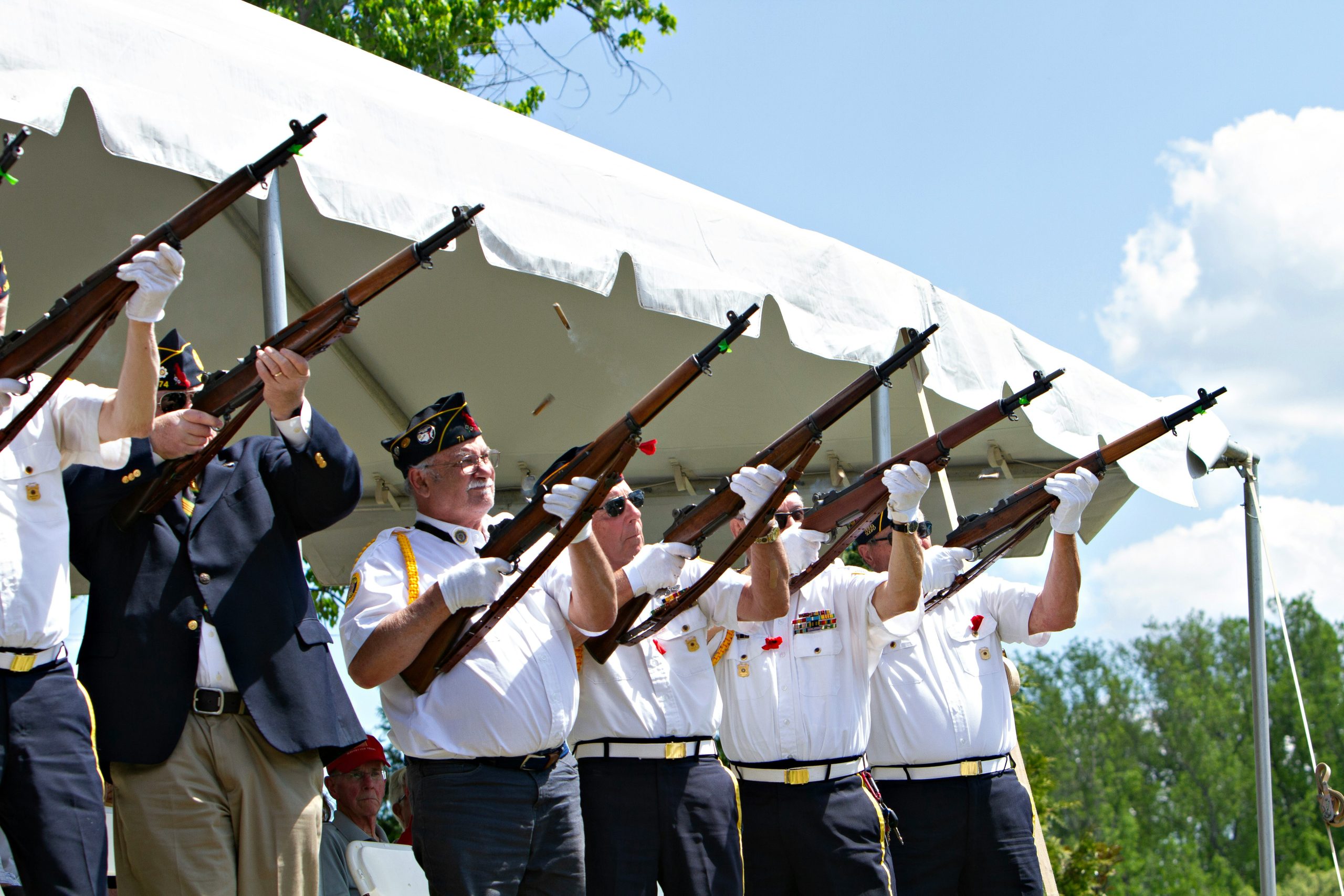
Patton’s praise was also about practical soldiering. The M1 gave a trained infantryman a straightforward firing cycle, sturdy construction, and sights suited to deliberate shooting. It weighed roughly 9.5 to 11.6 pounds depending on configuration and measured about 43.5 inches long, substantial dimensions for a service rifle. Yet those figures reflected a weapon built around durability and full-power ammunition. Rather than chasing extreme lightness, the designers accepted weight to deliver a robust rifle that could accompany troops through long campaigns.
5. Eight Rounds Changed the Rhythm
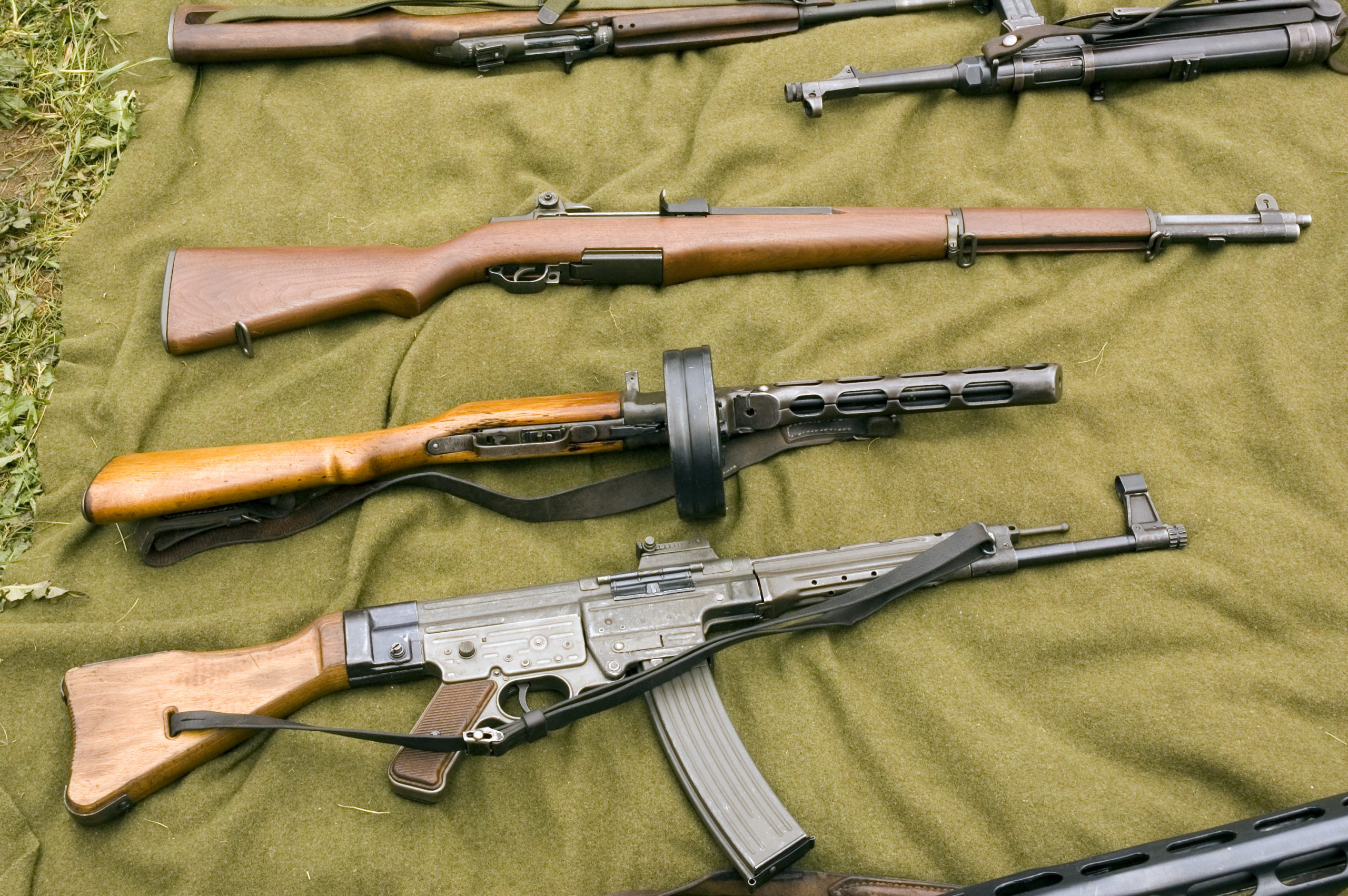
The M1’s 8-round clip seems modest beside modern magazines, but its battlefield effect was significant in the 1940s. The shooter could fire a sequence without working the bolt between shots, then reload with another clip when empty. The internal magazine kept the rifle’s profile traditional while supporting semi-automatic operation. That gave American infantry a faster response during sudden engagements. Patton’s enthusiasm makes more sense at squad level, where dozens of soldiers gaining quicker follow-up shots could create a collective advantage. One clip supported a rapid string of aimed fire.