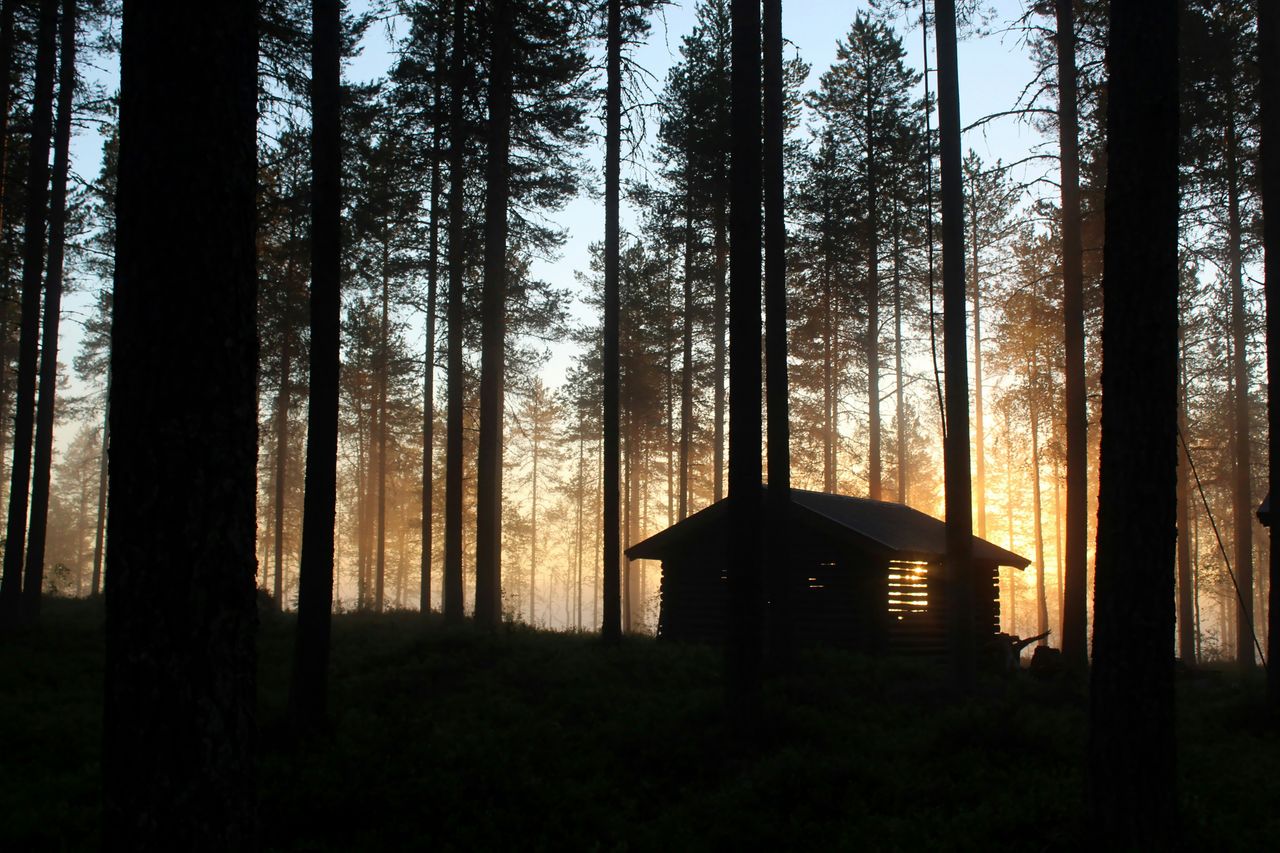
Step outside at first light, and your cabin perimeter can read like a fresh overnight report. Experienced hunters know that a few overlooked details, from the soil to the brush line, can tell a surprisingly precise story about what passed through in the dark. This gallery walks through the signs they watch first and how those clues help separate deer from raccoon, fox from bear, and wandering livestock from true wildlife.
Fresh Tracks in Soft Ground

The first thing seasoned hunters check is the easiest one to miss when you are in a hurry: clear tracks in mud, sand, frost-soft dirt, or the thin dust along a driveway edge. Shape, depth, stride, and toe pattern can quickly narrow the visitor list. Deer leave pointed, split hooves, while canines tend to print tidy pads with claw marks.
What matters most is context. A single raccoon print near a trash area means one thing, but a string of heavy, wandering impressions circling the cabin suggests curiosity and repeated movement. Hunters often compare track direction with nearby cover to see whether an animal was simply passing through or actively investigating the structure.
Freshness is the final clue. Crisp edges, undisturbed detail, and moisture still pooling in the print can indicate a very recent visit, sometimes just hours old.
Scat Left Along Travel Routes

Droppings are not glamorous, but they are one of the most reliable overnight clues around any cabin edge. Experienced hunters look at size, shape, contents, and placement. Pellet clusters often point to deer, twisted rope-like scat can suggest fox or coyote, and seed-filled piles may indicate raccoon or bear, depending on scale.
Placement tells its own story. Scat left on a path, by a woodpile, or near the corner of a shed can function like a territorial marker rather than random waste. Predators often leave it where it can be noticed, especially along established travel lines.
Hunters also read the diet from it. Fur, berries, acorn fragments, insect parts, or grass can help identify both species and what food source drew it close to the cabin that night.
Bent Grass and Pressed Bedding Spots

Sometimes the sign is less about what was left behind and more about what was flattened. Bent grass, compressed weeds, and oval depressions near the perimeter can show where an animal paused, fed, or even bedded down before moving on. Deer often leave smooth, shallow resting spots in sheltered grass, especially near a quiet edge.
Hunters pay attention to direction and cover. If grass is pressed toward a trail opening or fence gap, it can reveal approach and exit routes. Smaller, messier patches may indicate raccoons or feral cats nosing around rather than a larger hoofed animal resting.
Morning moisture helps. Dew brushed away in a fresh pattern can make recent movement stand out dramatically, giving the ground a swept, readable look just after sunrise.
Hair Snagged on Bark or Wire

Loose hair caught on rough bark, old fence wire, gate corners, or splintered boards can be a surprisingly exact clue. Hunters often inspect narrow passages where animals squeeze through, duck under, or brush past on the move. Color, length, texture, and coarseness can quickly point toward deer, bear, coyote, or smaller furbearers.
This sign gets even better when paired with height. Hair caught low to the ground suggests a different traveler than hair snagged knee-high or on the upper strand of a wire. That vertical detail can eliminate a lot of guesswork.
Fresh snags usually look clean and lightly attached, not weathered into the surface. Around a cabin perimeter, that can reveal a regular crossing point worth watching the next morning and evening.
Scratches, Claw Marks, and Digging

When the ground looks worked over, hunters start thinking about motive. Small conical holes can point to skunks or armadillos searching for insects, while broader torn patches may suggest raccoons, hogs, or even a bear testing for food. Claw marks on siding, old logs, or a feed bin can show an animal was trying to get in, not just passing by.
The pattern matters more than the damage alone. Repeated shallow digging along one wall can mean scent or rodents inside attracted attention overnight. Deep, forceful gouges usually suggest a larger, stronger animal with a very specific interest.
Fresh dirt thrown outward, moist soil, and sharp edges are strong signs that the activity happened recently. By afternoon, wind and sun often soften those details.
Gnawed Nuts, Cones, and Bone Fragments

The leftovers around your cabin can tell nighttime visitors just as clearly as tracks do. Hunters look for opened acorns, stripped pine cones, cracked nutshells, and chewed bones near stumps, steps, and woodpiles. The feeding style often gives away the culprit. Squirrels leave neat, efficient scraps, while porcupines, raccoons, and rodents each create their own mess pattern.
Bone fragments add another layer. A fox or coyote may carry prey remains to a quiet edge and leave small chew marks or scattered pieces behind. If the scene looks concentrated in one protected corner, that spot may be a favored feeding station.
Even tiny details count. Clean cuts, crushed edges, and where the remains are piled can reveal whether the animal fed in place or brought the meal with it.
Disturbed Bird Feeders, Trash, and Coolers

Human-adjacent clues are often the most dramatic. A tipped trash can, greasy lid prints, scattered feed, or a cooler dragged a few feet from where it sat can quickly narrow the suspects. Raccoons are famous for dexterous nighttime raids, while bears leave a heavier, more destructive signature that looks less like rummaging and more like force.
Hunters read the pattern of the mess. Birdseed spread in a small circle may indicate squirrels or raccoons, but crushed metal, broken straps, or deep punctures suggest something stronger and less delicate. Even muddy paw smears on a door can be useful.
These signs also help with timing. If food was untouched at dusk and chaos greets you at sunrise, the perimeter likely hosted a determined visitor during the quietest overnight hours.
Odor, Musky Scent, or Fresh Urine Marks

Experienced hunters trust their noses more than many beginners realize. A sharp musky odor near a woodpile, doorway, or trail edge can point to fox, bobcat, skunk, or other territorial animals that leave scent as part of normal movement. Sometimes the smell arrives before the visual clue does.
Urine marks on low brush, porch skirting, or rocks can also reveal behavior. Canines often scent-mark vertical objects, while deer may leave subtler evidence near scrapes or bedding zones. In cold weather, fresh marks can be especially obvious in both smell and color.
This is one of the quickest signs to fade. Wind, sun, and daytime warming erase it fast, which is why hunters often make a slow first circuit of the cabin perimeter before the morning air changes too much.
Broken Spider Webs and Narrow Brush Tunnels

One of the most underrated clues is also one of the lightest. A spider web broken across a gap in the brush, fresh threads stuck to a fence corner, or a newly opened tunnel through weeds can show that something slipped through overnight without leaving dramatic prints. Hunters love these details because they reveal exact travel lanes.
The size of the opening matters. A low, tight tunnel may suggest fox, raccoon, or porcupine, while a chest-high parted path through brush hints at deer or larger game. Broken stems that are still green and wet indicate very recent use.
Near a cabin perimeter, these quiet signs often connect all the others. Tracks, hair, and scent become easier to interpret once you identify the precise route the animal used under the cover of darkness.