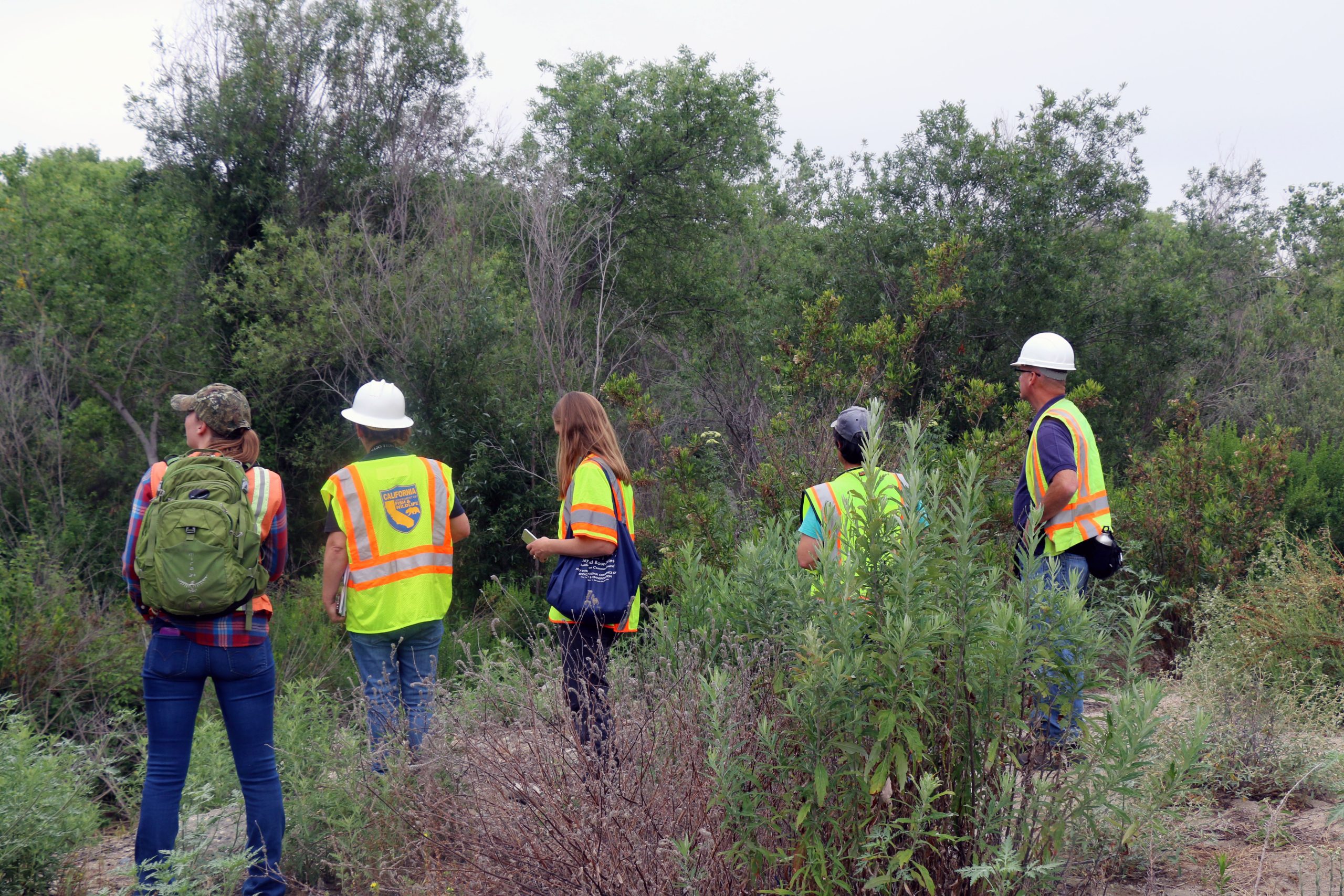
Wildlife agencies make decisions that affect entire ecosystems, from predator populations and hunting seasons to endangered species protection. Yet even policies backed by scientific studies can spark public outrage when new evidence emerges, or local communities challenge the consequences. In several high-profile cases, court rulings, population surveys, and public pressure forced officials to reconsider their original approach. These controversies reveal how difficult wildlife management becomes when conservation goals, public safety, economic interests, and animal welfare collide.
1. The Yellowstone Grizzly Bear Delisting That Collapsed in Court
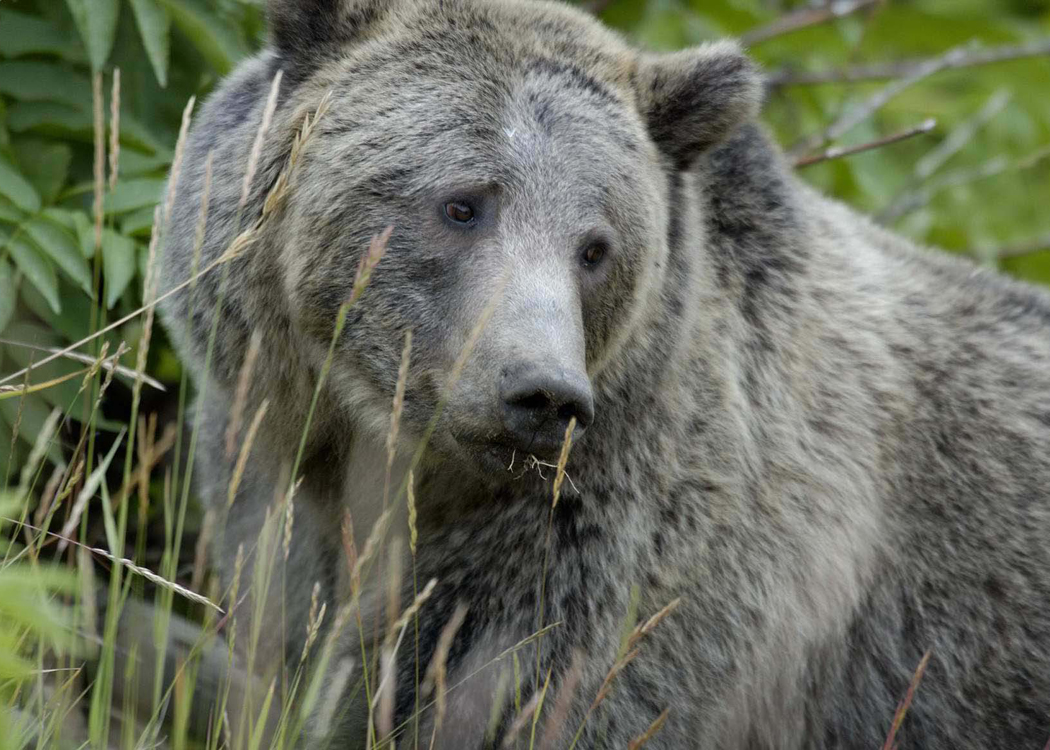
In 2017, federal officials removed the Greater Yellowstone grizzly bear population from Endangered Species Act protection, arguing that decades of recovery justified greater state control. The decision opened the door to proposed hunts in Wyoming and Idaho, triggering fierce opposition from conservationists and Native American tribes. In September 2018, a federal judge overturned the delisting, finding serious flaws in the agency’s reasoning about population separation and long-term survival. By July 2019, federal protections were formally restored. The dispute showed how recovery numbers alone cannot settle a species’ future.
2. The Gray Wolf Delisting That Triggered Another Legal Reversal
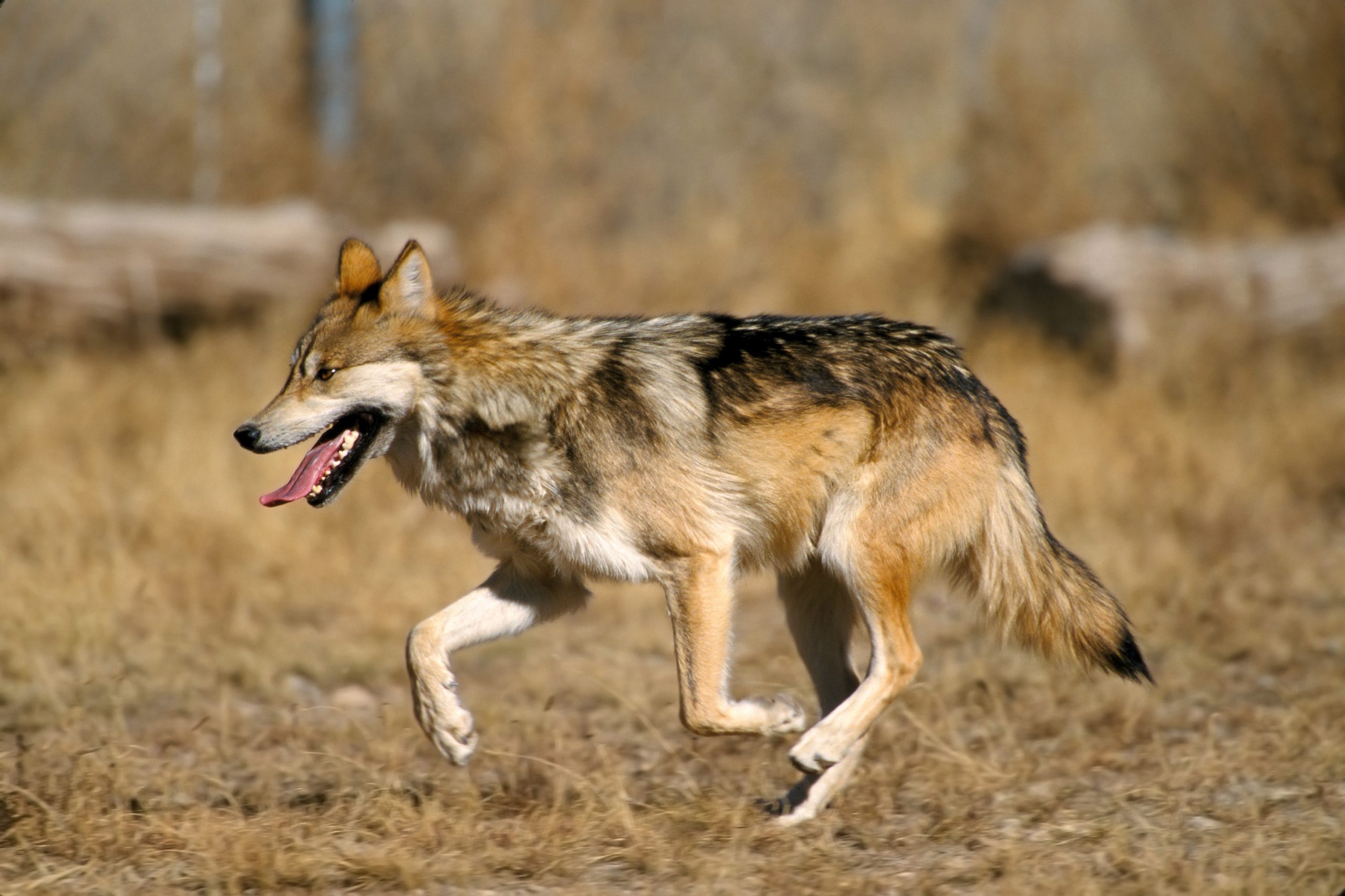
In November 2020, the U.S. Fish and Wildlife Service removed federal endangered-species protections for gray wolves across most of the lower 48 states, arguing that recovery justified state management. Conservation groups challenged the decision, warning that wolf populations remained vulnerable in parts of their former range. On February 10, 2022, a federal court vacated the nationwide delisting rule, restoring protection in most affected regions. The Northern Rocky Mountain population remained an exception. The reversal highlighted a central controversy: whether successful recovery in some states proves that a species can safely lose federal protection everywhere else.
3. The Red Wolf Release Dispute in North Carolina
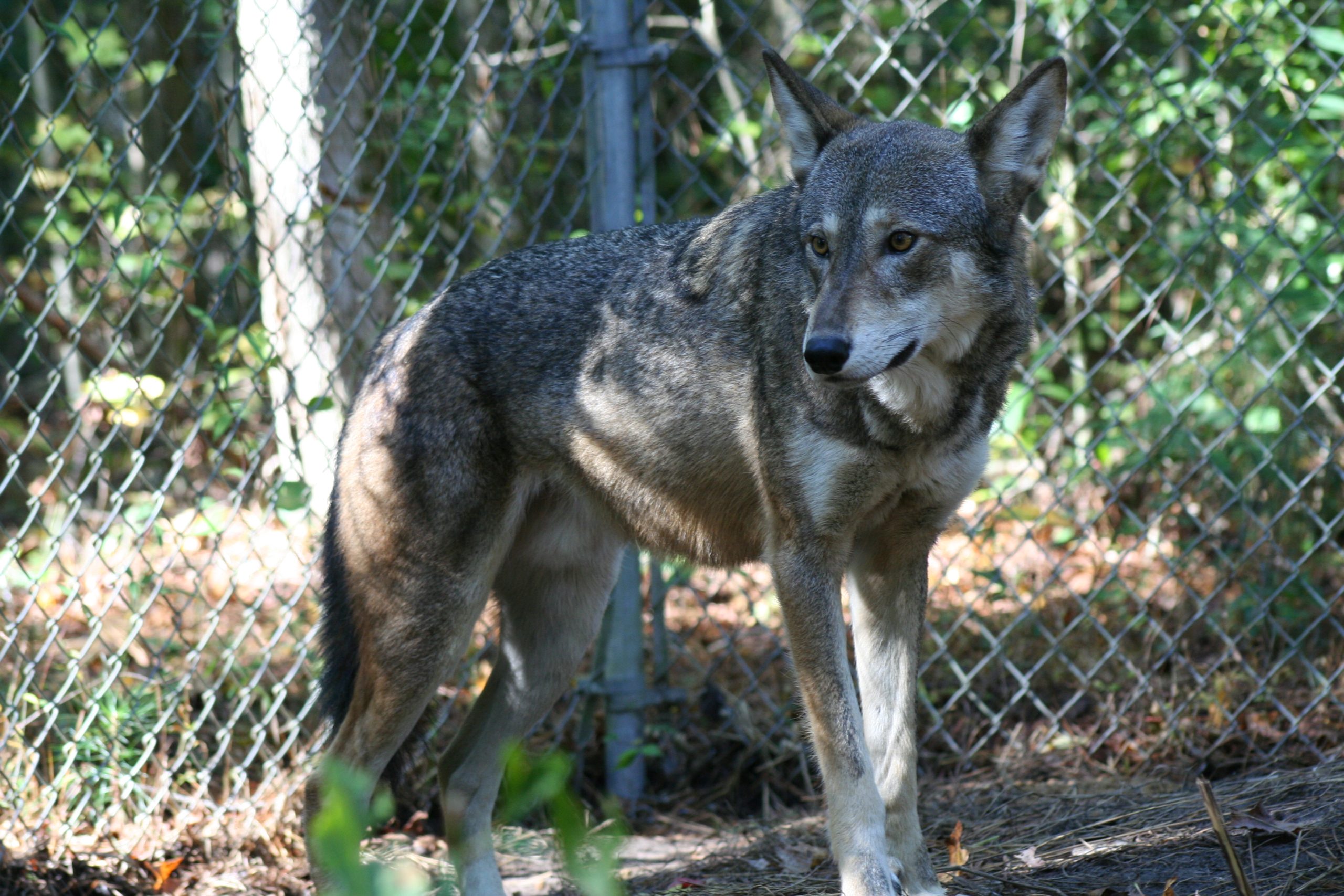
The red wolf recovery program became a major controversy when federal officials restricted releases of captive-bred wolves into the wild in North Carolina. Conservation organizations argued that the policy undermined recovery because the wild population was already dangerously small. In January 2021, a federal judge ordered the U.S. Fish and Wildlife Service to develop a plan for releasing captive wolves after consultation with scientists and experts. Releases and the fostering of pups subsequently resumed. The population had reached approximately 120 animals in 2012 before declining sharply. The dispute exposed how management decisions can threaten recovery even when a species receives legal protection.
4. The Sage Grouse Habitat Plans That Faced a Court Challenge
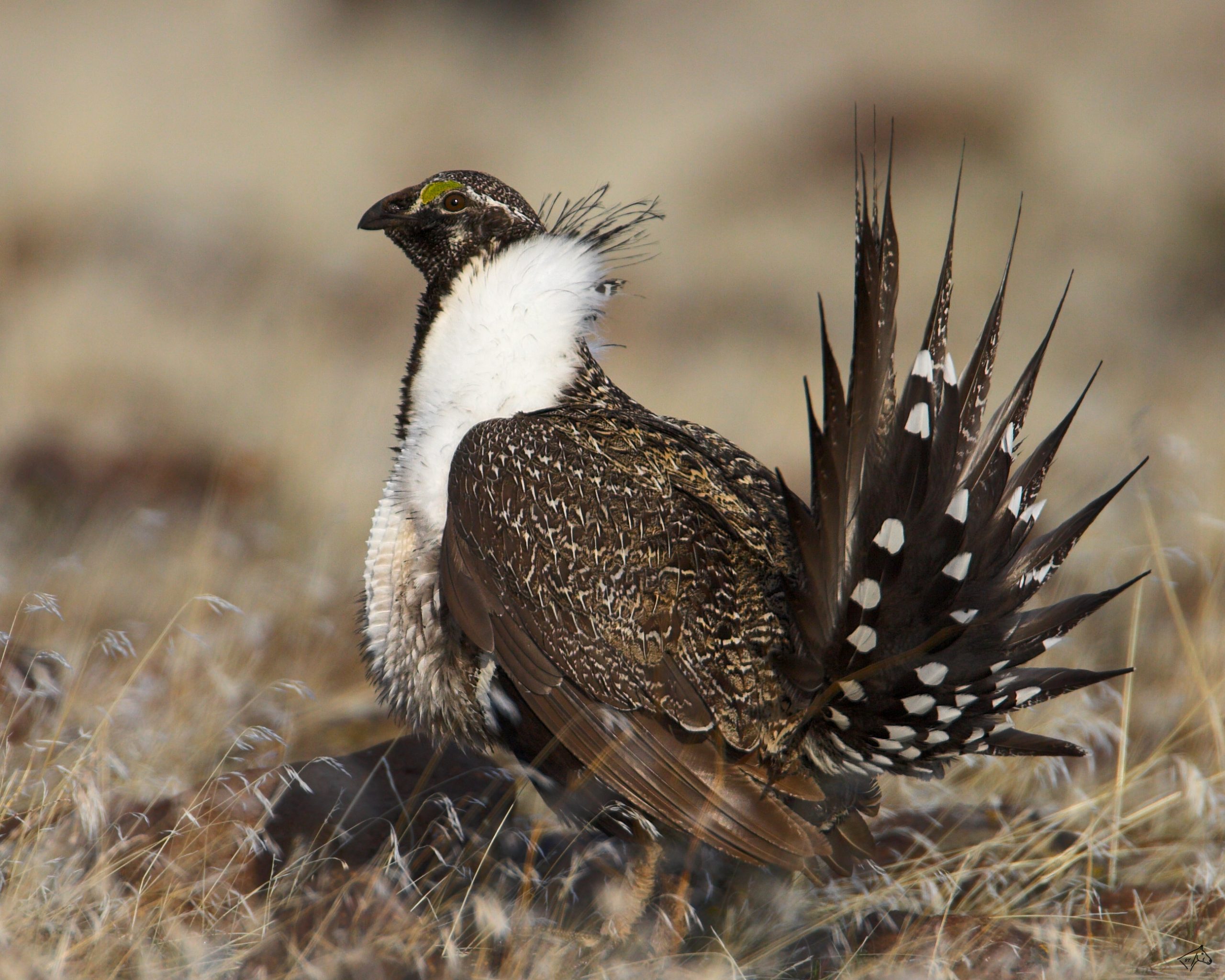
Greater sage-grouse conservation became contentious when federal land managers revised protections across the American West in 2019. Critics argued that the changes weakened safeguards for breeding grounds and migration areas used by the declining bird. Legal challenges questioned whether the revised plans adequately considered scientific evidence and environmental consequences. A federal court blocked implementation of the 2019 amendments in Idaho, returning management there to the earlier 2015 framework while litigation continued. The broader dispute involved habitat spanning multiple western states, where energy development, grazing, and conservation compete for space. It demonstrated that wildlife policy can unravel when revised rules fail legal scrutiny.
5. The Bald Eagle Crisis That Helped Change Pesticide Policy

For decades, bald eagles suffered from habitat loss, shooting, and contamination linked to the pesticide DDT. The chemical interfered with eggshell formation, causing eggs to break before chicks could hatch. By 1963, only about 417 breeding pairs were known in the lower 48 states. Scientific evidence and mounting public concern helped drive the US Environmental Protection Agency’s 1972 ban on most DDT uses. Federal wildlife protection and recovery programs followed, and the bald eagle was removed from the Endangered Species List in 2007 after its population rebounded. This was not a simple reversal by one wildlife agency, but a major policy shift shaped by evidence and controversy.
6. The Yellowstone Bison Debate Over Disease and Migration
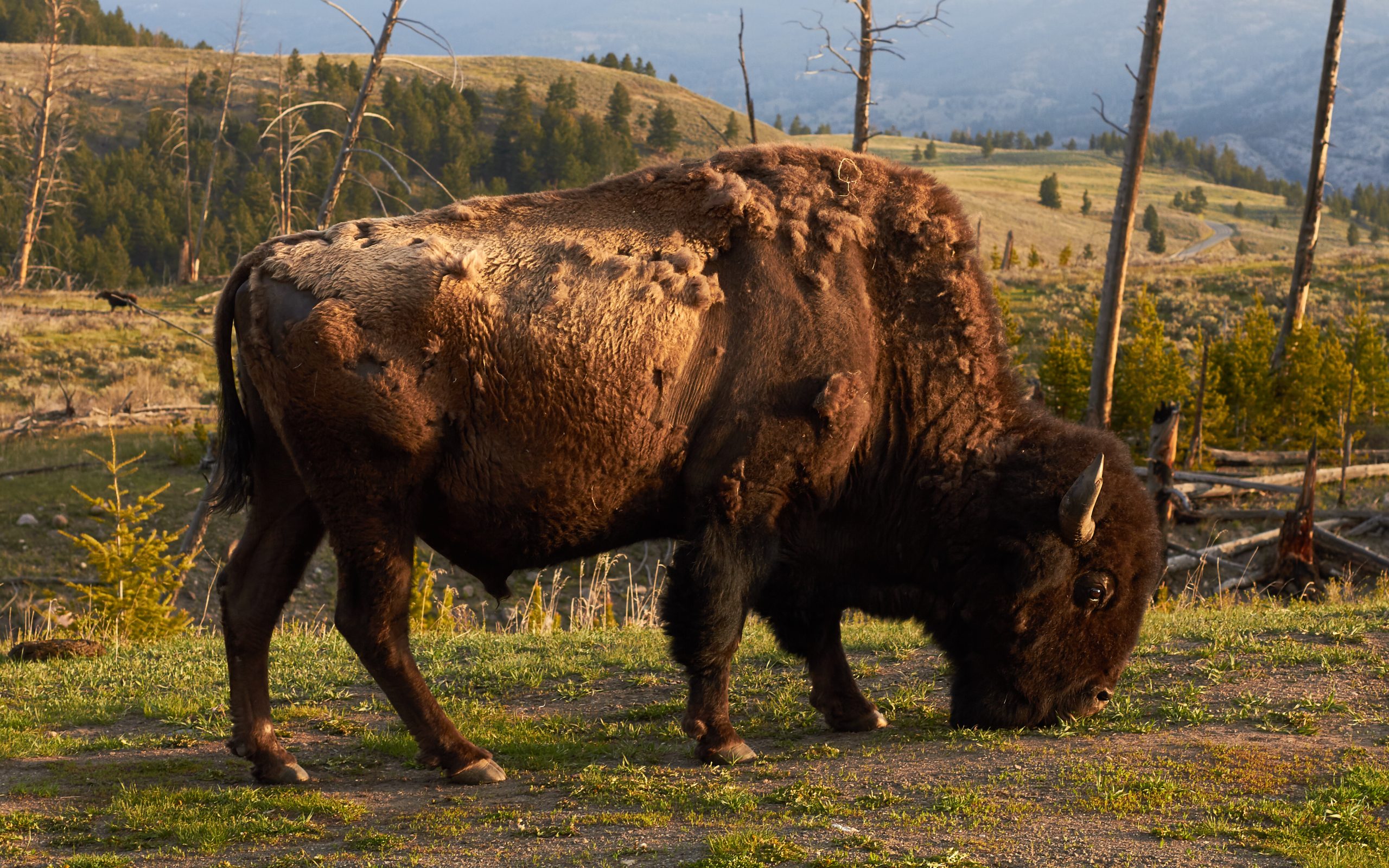
Yellowstone bison have repeatedly become the focus of controversy when animals migrate beyond park boundaries into Montana. Officials have managed these movements partly because some bison carry brucellosis, a disease that can affect cattle and cause reproductive losses. Critics of large-scale removals argue that slaughter and confinement undermine the recovery of an iconic wild herd, while ranchers fear economic damage from disease transmission. In response to decades of conflict, agencies, tribal representatives, and other partners developed agreements that expanded the use of quarantine and coordinated management. The debate has not produced one permanent reversal, but it has repeatedly forced officials to reconsider how bison can move beyond park borders.
7. The California Condor Fight That Changed Hunting Rules
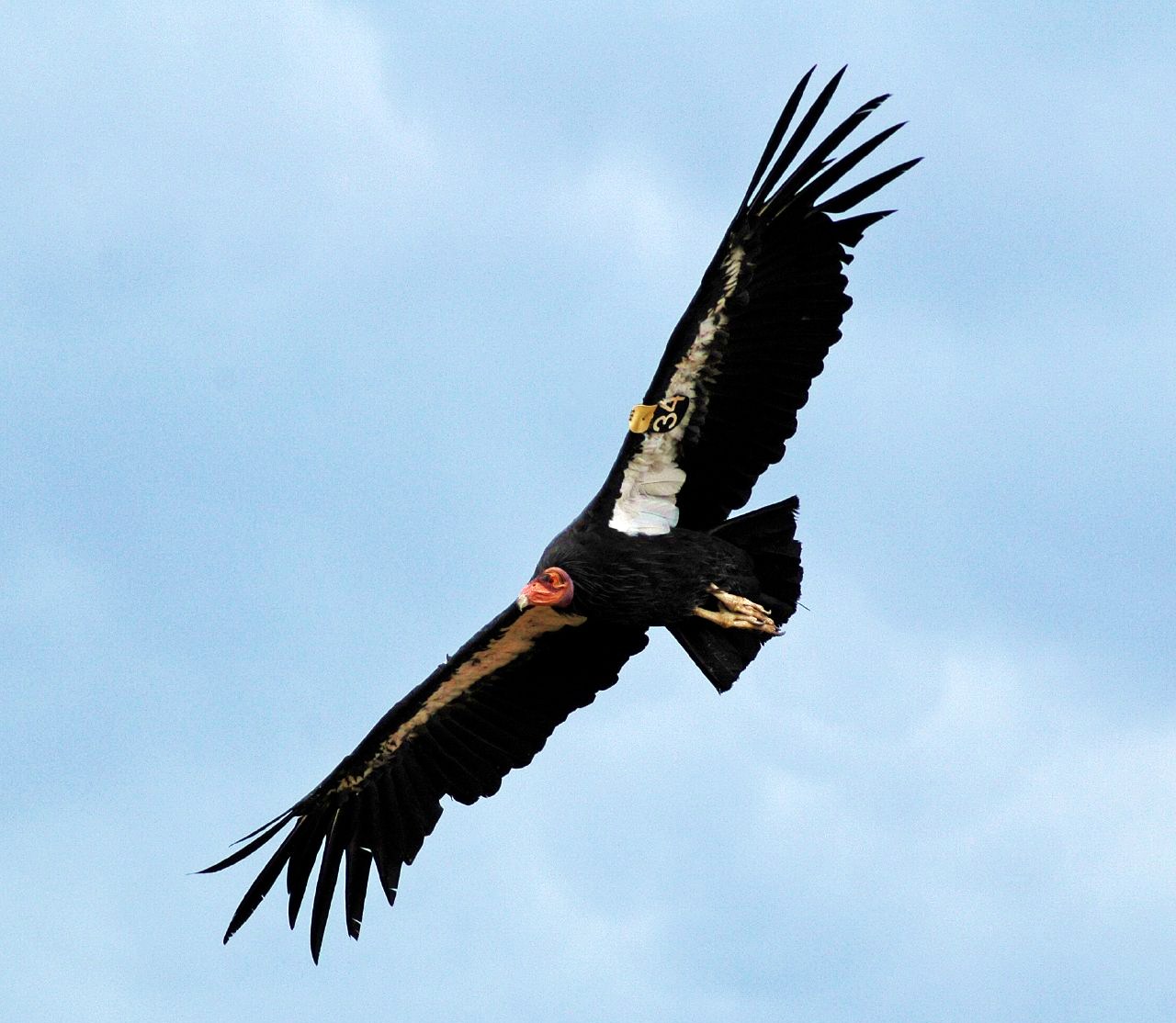
California condors nearly disappeared from the wild, with only a few dozen birds remaining during the 1980s. Conservationists identified lead poisoning from ammunition fragments in animal carcasses as a serious threat to these scavengers. Hunters and wildlife officials debated whether ammunition restrictions were necessary and whether suitable alternatives were practical. California adopted statewide nonlead ammunition requirements for taking wildlife, with full implementation required by July 2019. The policy represented a significant change in hunting regulation, designed to reduce the amount of toxic lead entering the food chain. Although the change was not a reversal of conservation policy, it illustrates how controversy can push agencies toward stronger protections.