Getting children interested in hunting and the outdoors takes more than handing them a fishing rod or taking them into the woods. It requires safety education, experienced mentors, accessible outdoor spaces, affordable equipment, and opportunities to learn by doing. Across the United States, state wildlife agencies and conservation organizations use youth hunting days, hunter education courses, shooting sports, and mentored outings to introduce the next generation to outdoor traditions. The seven states below stand out for their established youth programs, dedicated funding mechanisms, or broad opportunities for young people to participate. Their approaches differ, but each shows how structured support can help families introduce children to the outdoors responsibly.
1. Pennsylvania: Combining Free Training With Hands-On Outdoor Experiences

Pennsylvania makes hunting accessible through free in-person safety education, mentored permits, and supervised field activities. Its Basic Hunter-Trapper Education course is available free to students aged 11 and older, with an exam score of at least 80% required for certification. The state also manages more than 1.5 million acres of game lands, giving families substantial public access to outdoor recreation. Field days introduce young participants to archery, trapping, and hunting under adult supervision, while mentored permits let beginners learn alongside licensed hunters. Together, these programs help families build skills before pursuing independent hunting opportunities.
2. Michigan: Making a First Hunting Experience More Affordable
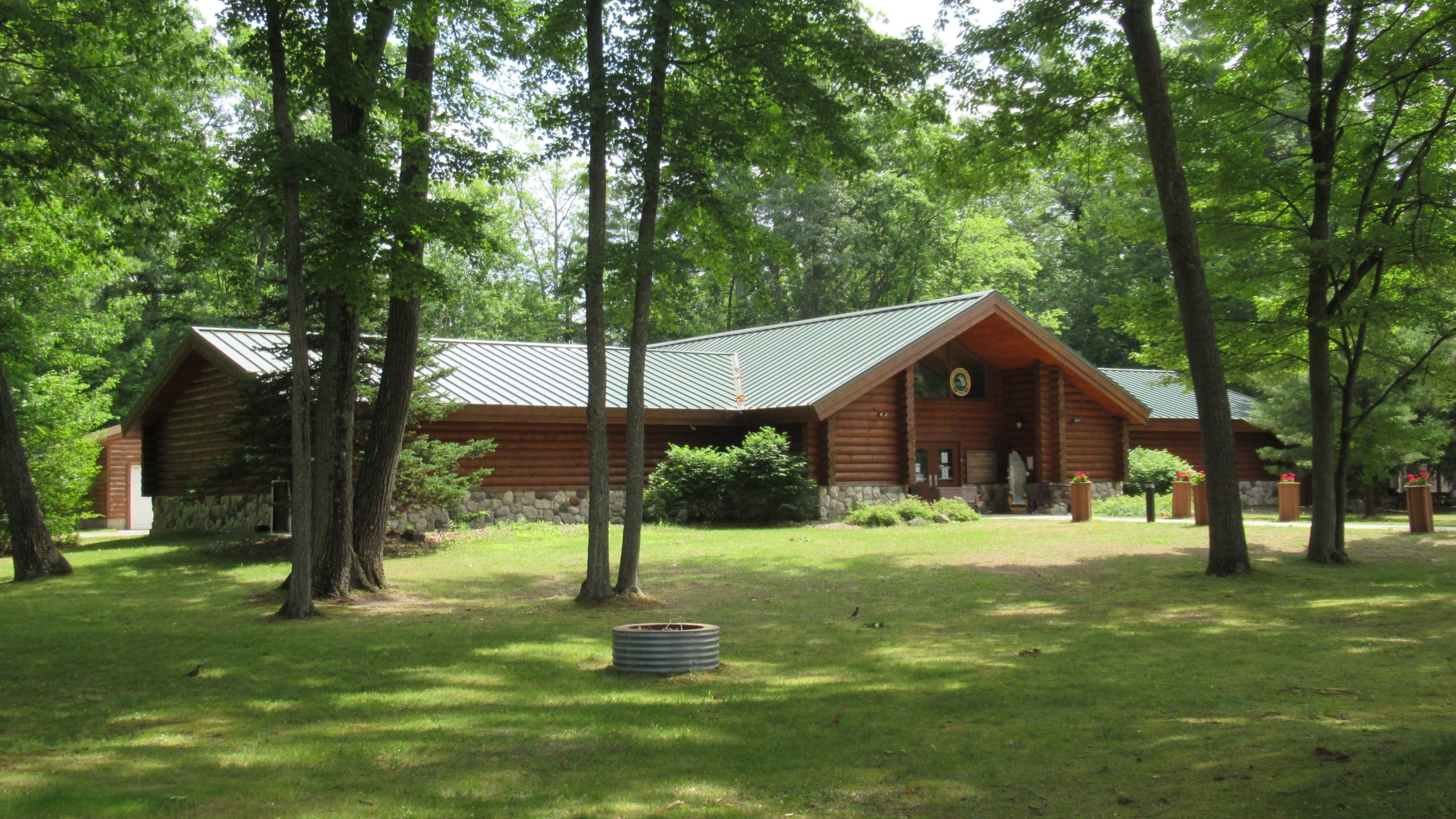
Michigan lowers the barrier to entry with its Mentored Youth Hunting Program, which introduces children aged 9 and younger to hunting and fishing. The state lists a mentored youth license package for $7.50, giving eligible beginners a comparatively affordable starting point. The package covers several activities, including deer, small game, waterfowl, turkey, and fishing, subject to the applicable rules. Older beginners can also explore the apprentice hunting option before completing hunter education, within its two-license-year limit. By combining lower-cost access with experienced adult supervision, Michigan gives families more ways to introduce children to wildlife, outdoor responsibility, and safe field practices.
3. Wisconsin: Giving Young Hunters Their Own Season
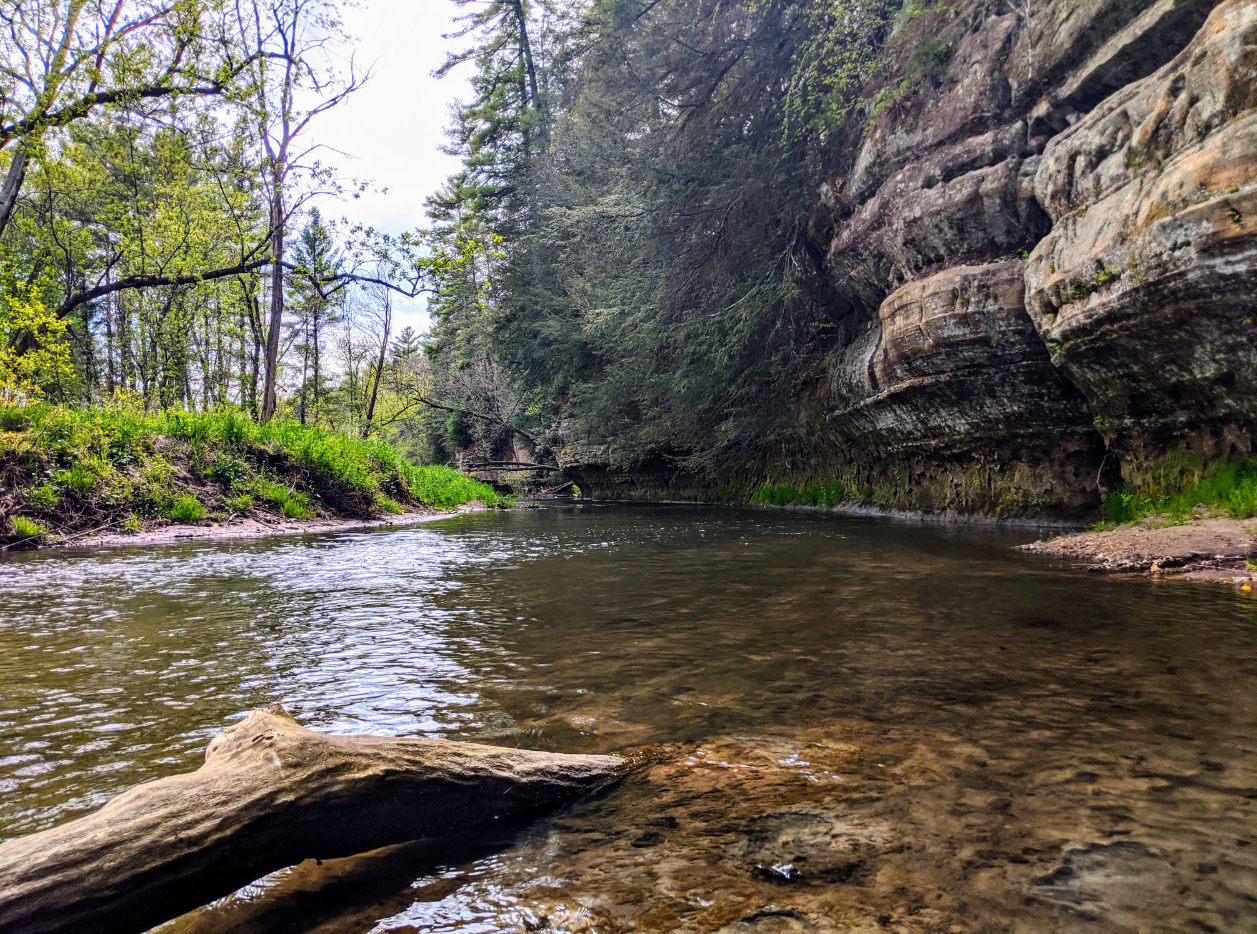
Wisconsin creates dedicated opportunities for beginners through special youth hunting weekends for white-tailed deer, wild turkey, and waterfowl. These events take place before the corresponding regular seasons, allowing eligible participants aged 15 and younger to gain experience without competing with adult hunters during the same hunt. Young participants must complete hunter education or qualify through the state’s Mentored Hunt Program, and an adult aged 18 or older must accompany them. The approach combines practical experience with supervision, helping families teach patience, wildlife identification, safe equipment handling, and respect for hunting regulations.
4. Texas: Expanding Access Through Youth-Only Hunts
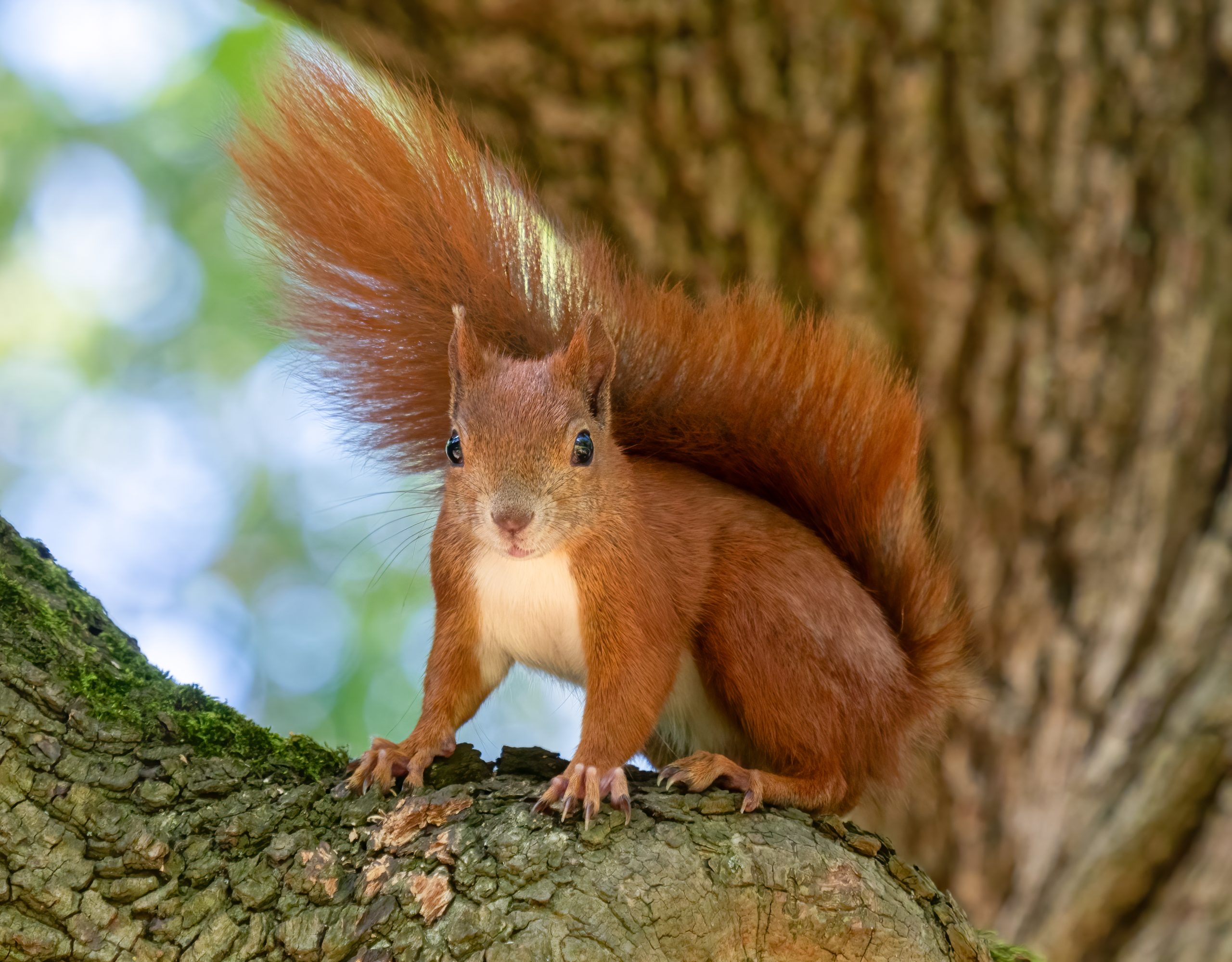
Texas gives young people multiple opportunities to experience hunting through statewide youth-only seasons and supervised special-permit hunts. Eligible hunters aged 16 and younger can participate in designated seasons for deer, turkey, squirrels, and waterfowl, subject to species-specific regulations. The Texas Youth Hunting Program, established in 1996, adds another layer of support by arranging more than 200 hunts annually, generally for participants aged 9 to 17. Many outings use donated access to private properties and include mentors, lodging, and meals. These arrangements help families introduce children to hunting even when they lack private land or experienced contacts.
5. Minnesota: Connecting Beginners With Mentors and Public Land

Minnesota combines mentoring opportunities with extensive access to outdoor spaces. The Department of Natural Resources identifies more than 12 million acres of state, federal, and county land, creating opportunities for families to explore nature and learn about wildlife. Its hunting mentorship initiative connects experienced hunters with beginners who want guidance in a supportive, one-on-one setting. The state also offers a youth firearms deer season for participants aged 10 to 17, with adult supervision required for younger hunters. These options make the learning process less intimidating and help children develop practical knowledge of wildlife, field preparation, and responsible hunting.
6. Missouri: Pairing Affordable Permits With Nature Education
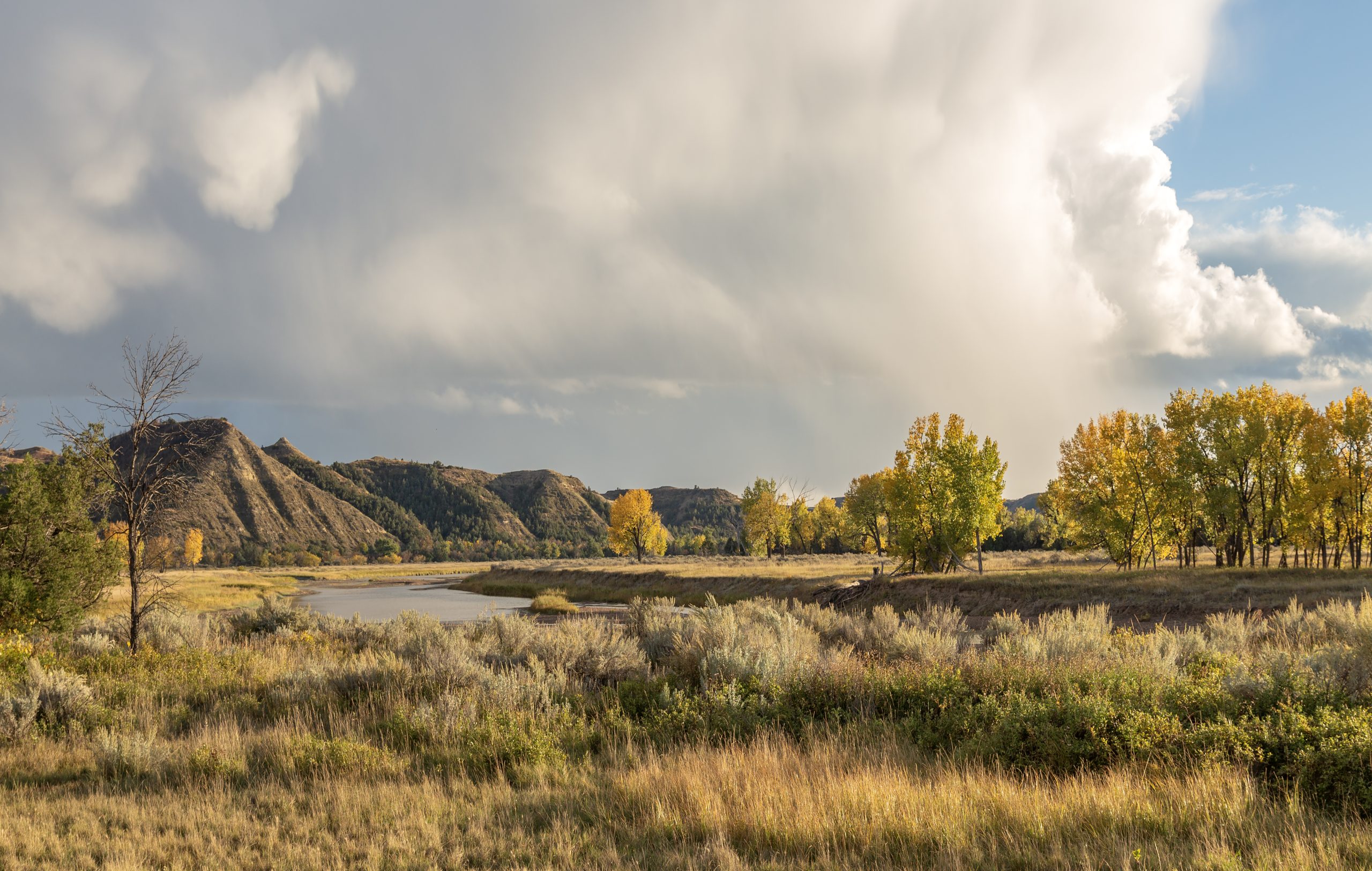
Missouri supports youth participation through reduced-price hunting permits and free educational programs. Children aged 6 through 15 can purchase eligible deer and turkey permits at youth rates, with individual permit prices depending on the hunting method and species. The Missouri Department of Conservation also offers school programs such as Discover Nature Schools, Discover Nature Fishing, and the Missouri National Archery in the Schools Program. These activities introduce students to wildlife, conservation, fishing, and archery before they decide whether to pursue hunting. Combining lower permit costs with school-based learning gives children several ways to build outdoor skills with family and community support.
7. Georgia: Introducing Young Hunters Through Mentorship and Education
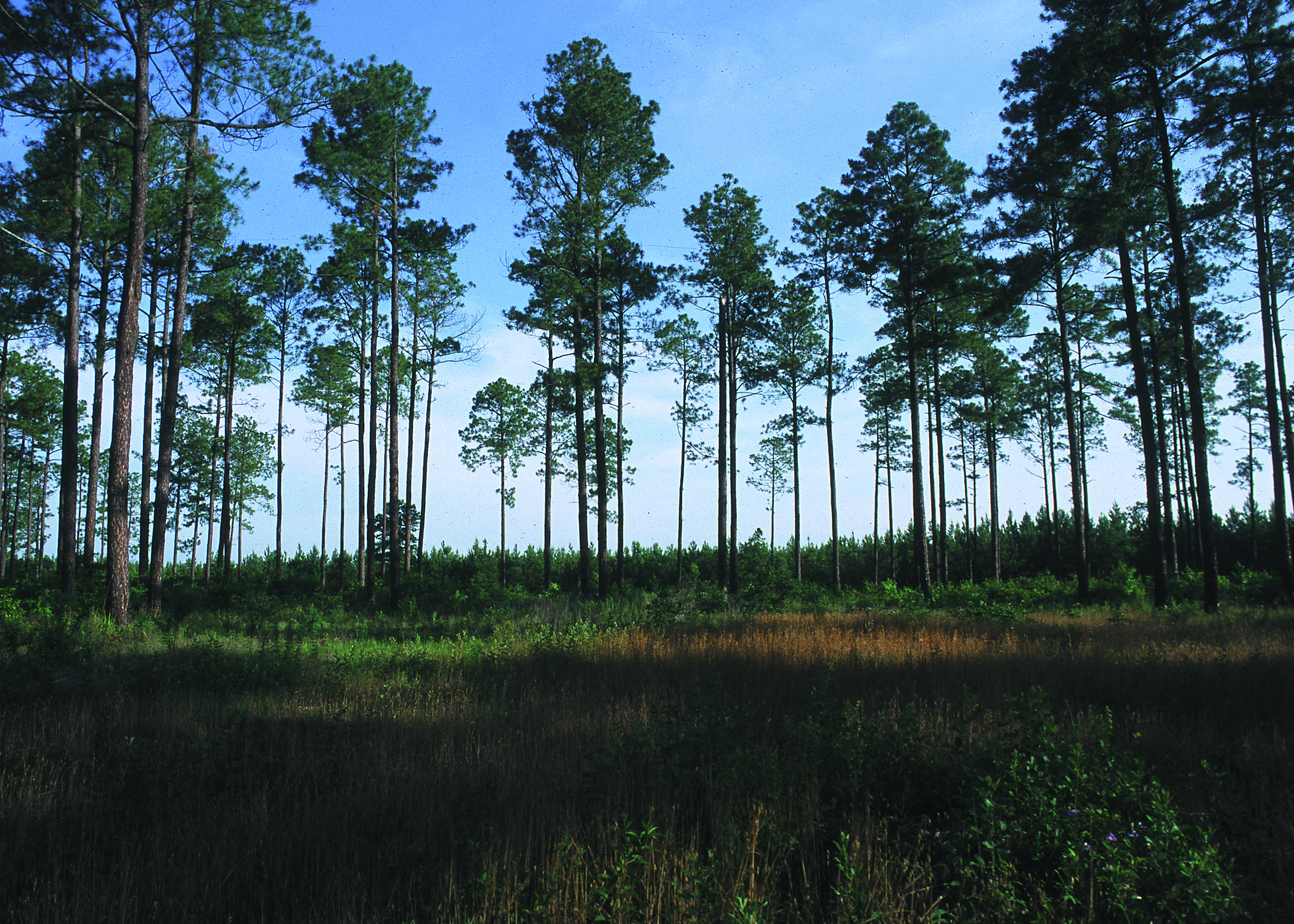
Georgia encourages young people to explore hunting through youth-only seasons, hunter education, and supervised outdoor experiences. The state offers special opportunities for young hunters to pursue white-tailed deer and other game under species-specific regulations. Its Youth Birding Competition and archery education initiatives also help children develop wildlife awareness and outdoor skills, even before they begin hunting. The Georgia Department of Natural Resources provides guidance on licensing, safety requirements, and season dates so families can prepare properly. By combining practical learning with adult supervision, Georgia helps young participants understand conservation, responsible hunting, and respect for wildlife.