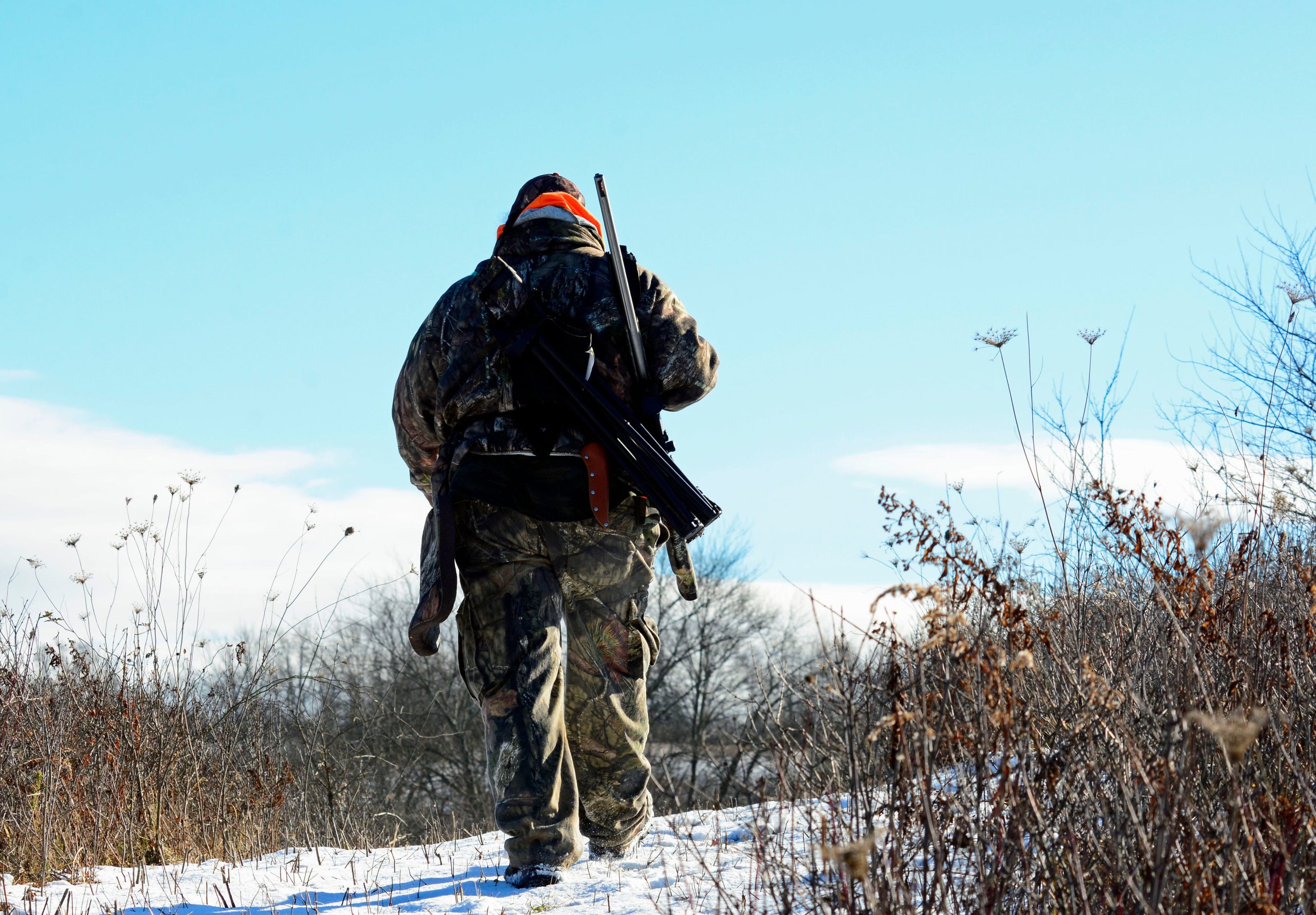
Hunting traditions can disappear when experienced hunters retire without passing their knowledge to the next generation. For beginners, the challenge often goes beyond learning how to hunt. Equipment costs, confusing regulations, safety concerns, and a lack of experienced companions can make the first season difficult. Mentorship programs help bridge that gap by pairing newcomers with knowledgeable hunters, offering practical instruction, and creating opportunities to learn outdoors. From supervised field experiences to youth education and community-led training, these 9 approaches show how patient guidance can make hunting more accessible, responsible, and sustainable for future generations.
1. One-on-One Mentor Pairings
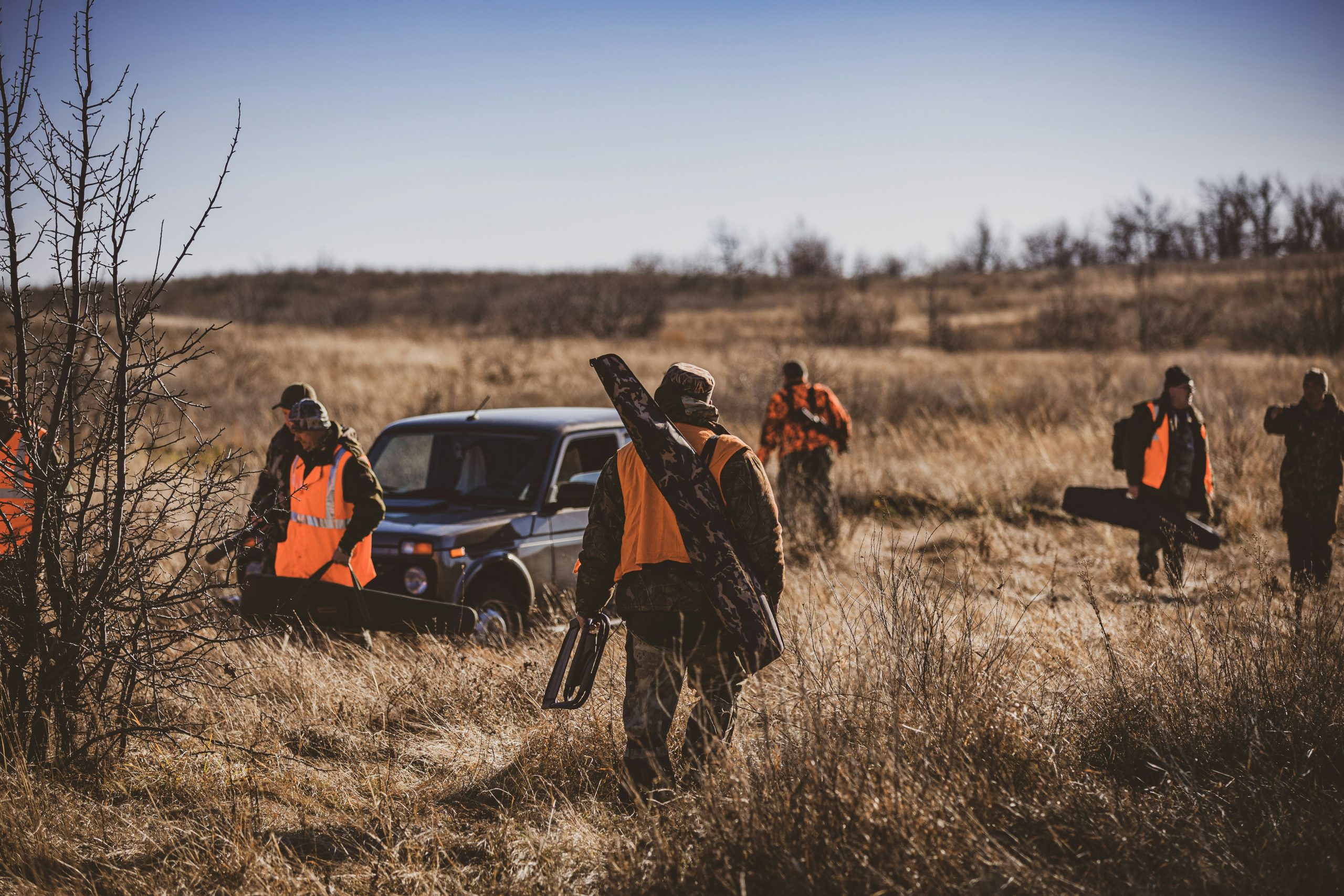
A first hunt can feel intimidating when every decision is unfamiliar, from reading tracks to choosing a safe place to sit. One-on-one programs pair a beginner with an experienced hunter who explains each step at a manageable pace. A mentor may spend several outings teaching wildlife observation, local rules, equipment checks, and how to identify a safe shot before a firearm is used in the field. The relationship also gives newcomers someone to ask questions without embarrassment. Even 2 guided practice days can build confidence and help a beginner decide whether hunting suits them.
2. Learn-to-Hunt Field Days

Classroom lessons make more sense when beginners see the ideas applied outdoors. Learn-to-hunt field days bring small groups to suitable land, where instructors demonstrate sign identification, weather awareness, route planning, and respectful game care. A session might include 4 stations covering safety, habitat, equipment, and field skills, so participants practise rather than simply listen. Organizers should explain local licensing and season rules before a hunt takes place. These events lower the pressure of a first outing and let newcomers meet other learners asking the same questions.
3. Youth Hunter Education Partnerships
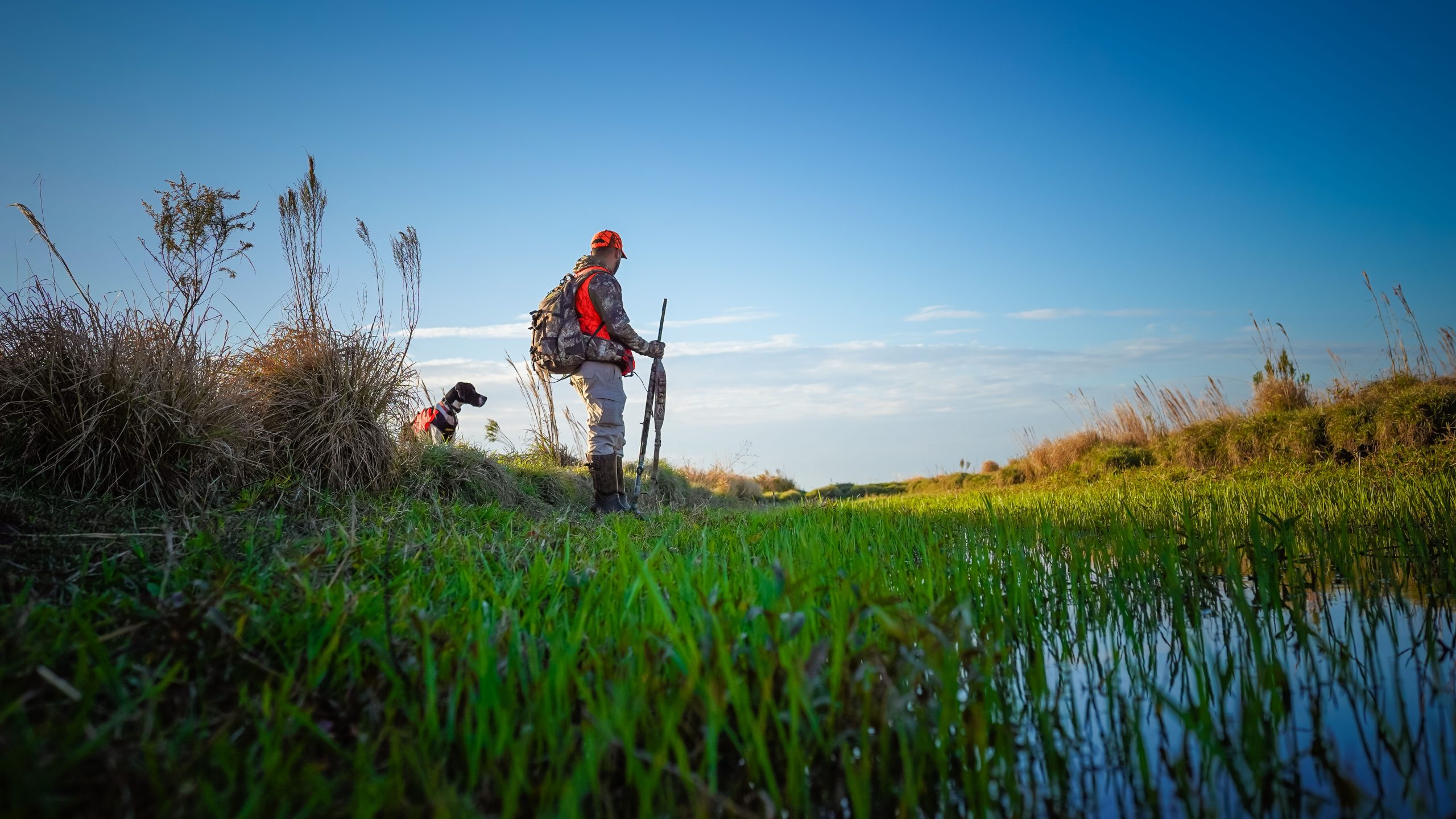
Youth programs connect schools, families, conservation groups, and certified hunter-education instructors. The aim is not to rush young people into hunting, but to teach safe choices, wildlife knowledge, and respect for laws before they enter the field. A course may cover 4 core topics: firearm handling, safe zones of fire, ethics, and emergency planning, with practical exercises to reinforce each lesson. Parents or guardians should be involved, and activities must follow age rules and supervision requirements. A trusted adult contact can turn curiosity into a responsible learning path.
4. Women-Led Mentorship Groups

New hunters may feel more comfortable in a group where they can share concerns and ask basic questions freely. Women-led programs create that space through beginner workshops, range instruction, gear discussions, and supervised outdoor sessions. A group of 6 to 10 participants offers peer support while instructors check each person’s technique. Topics include clothing fit, safe storage, field preparation, and responding when plans change. The lasting value is the network: participants can find hunting partners and continue learning after the event.
5. Community Conservation Clubs
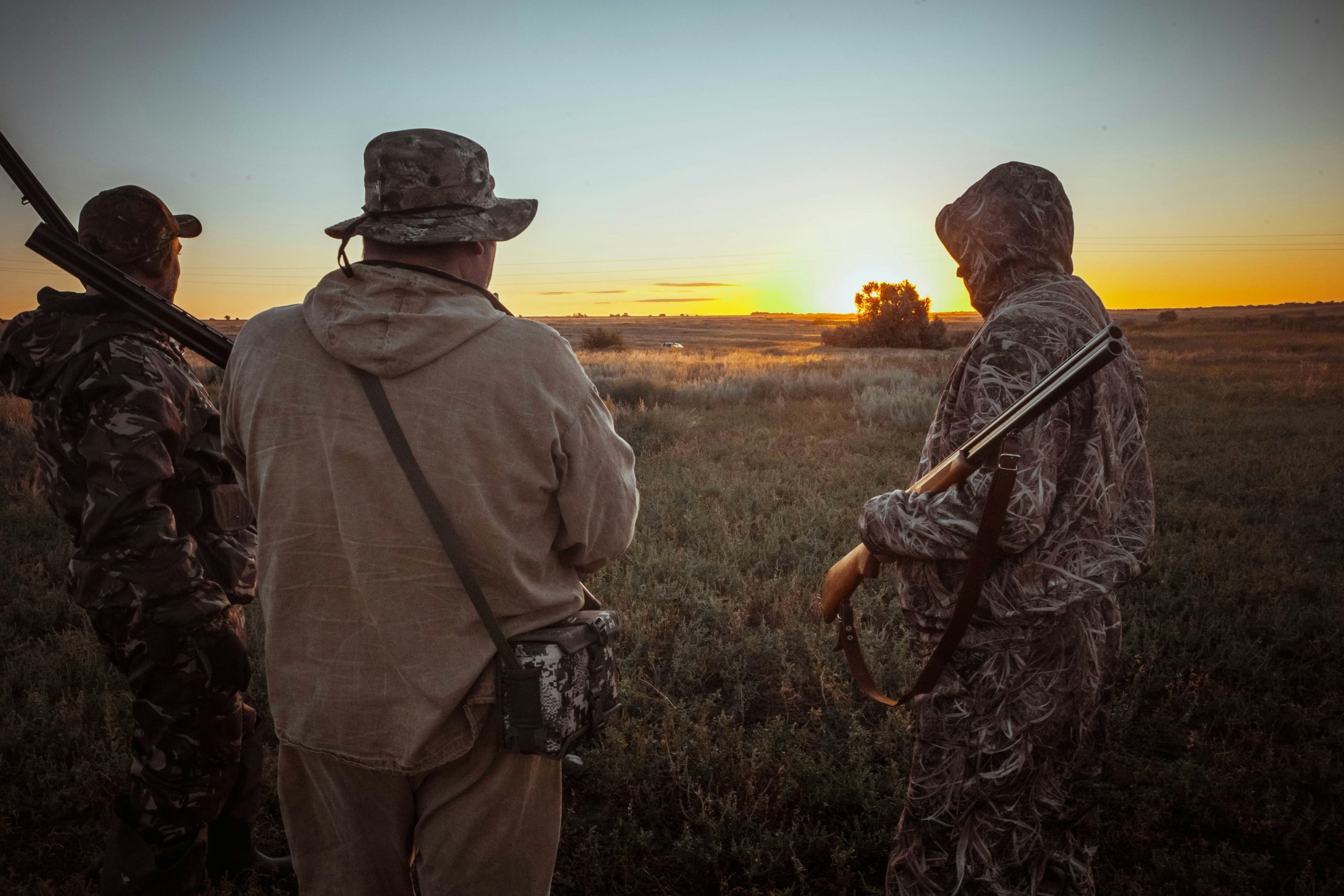
Local conservation clubs give newcomers a place to learn beyond a single weekend. Members may organize monthly meetings, habitat projects, equipment demonstrations, and supervised practice sessions that introduce hunting’s wider responsibilities. Taking part in 3 volunteer days can help beginners see how healthy habitats support wildlife and why seasons and limits matter. Clubs should welcome questions and connect learners with qualified instructors rather than assuming every member can teach safely. Regular contact builds trust and gives first-time hunters a community between seasons.
6. Guided First-Hunt Experiences

A guided first hunt lets a beginner observe how preparation, patience, and safety decisions work in real conditions. Before leaving, a responsible guide reviews the plan, weather, communications, legal requirements, and what to do if the group separates. The outing may last 3 to 6 hours, but success should not be measured by harvesting an animal. Watching wildlife and identifying tracks are worthwhile outcomes for beginners. Guides must follow local laws, assess each participant’s readiness, and never pressure a newcomer to take a shot. A first outing can teach valuable lessons.
7. Mentorship Through Shooting Sports
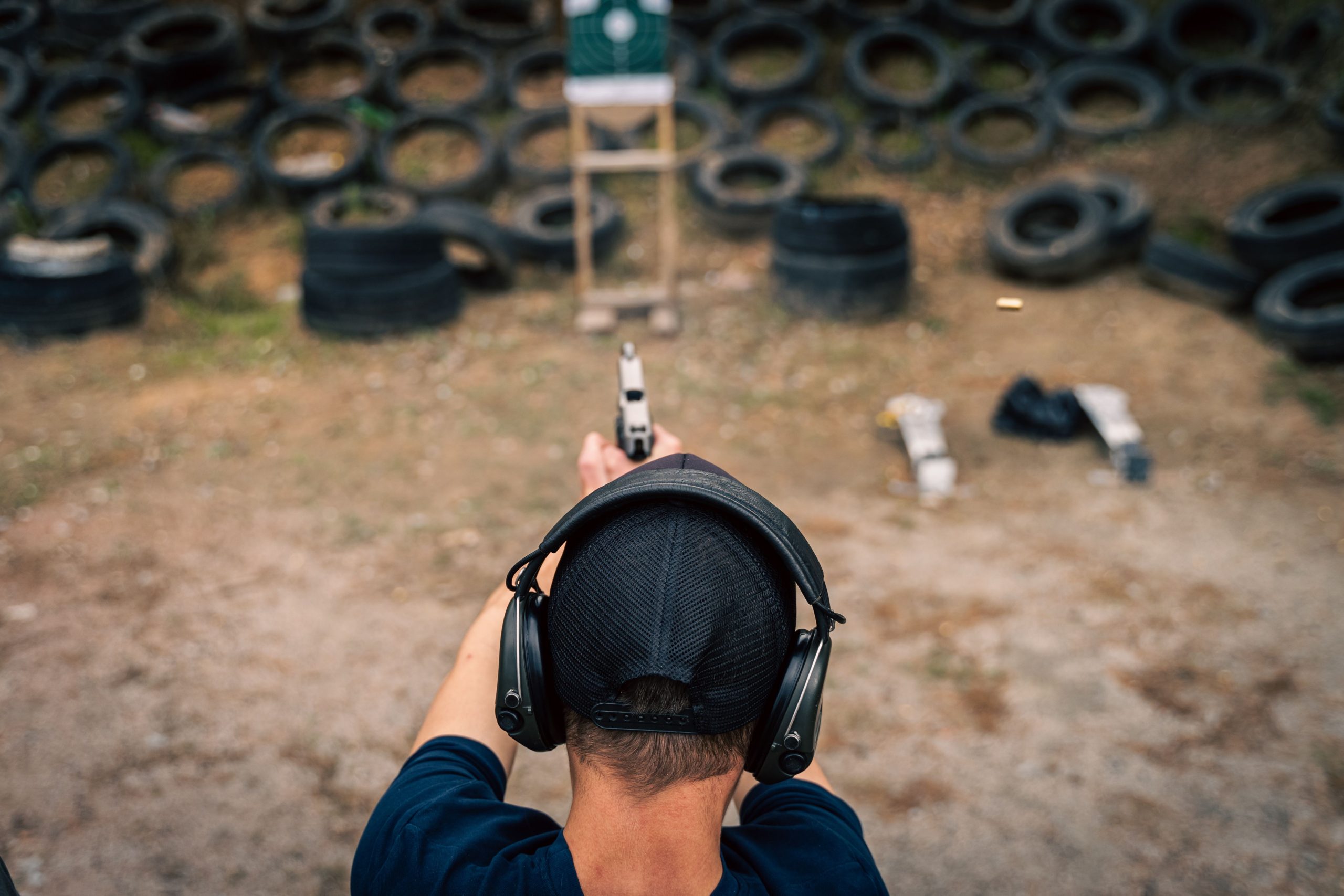
Some newcomers need time to become comfortable with safe equipment handling before considering a hunt. Shooting-sports programs provide a controlled setting where qualified instructors teach loading and unloading, muzzle awareness, target identification, and range commands. Beginners can start with a short session and progress only when they demonstrate safe habits. A 60-minute lesson may focus on a few fundamentals instead of rushing through every skill. Range practice is only one part of preparation; it should be paired with hunter education, legal knowledge, and fieldcraft before a trip.
8. Family and Intergenerational Programs
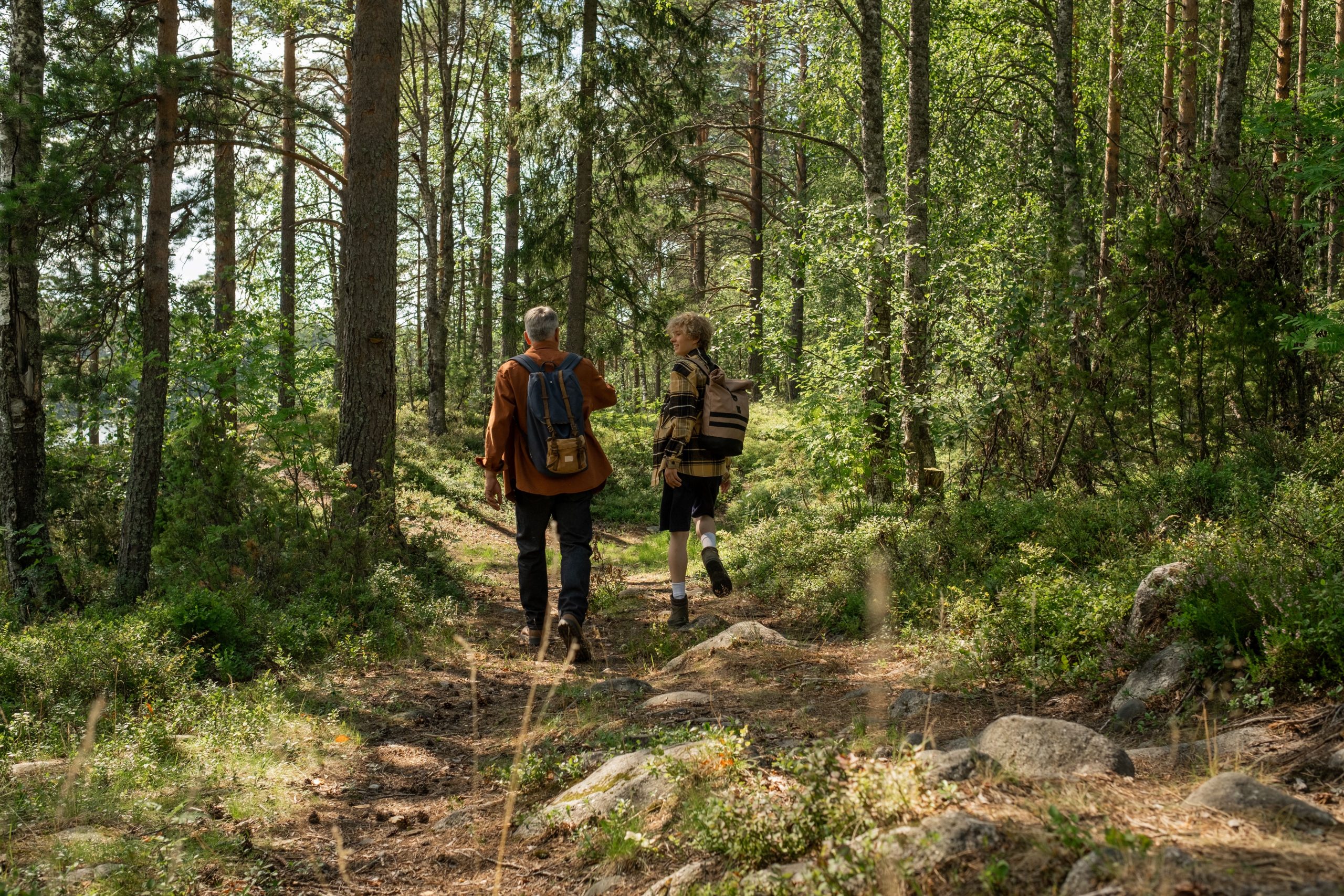
Family-based mentorship passes hunting knowledge along through several outings rather than one formal course. Relatives or trusted adults can teach children and new adults to notice wildlife, respect private property, prepare suitable clothing, and follow a safety plan. Setting aside 2 outings each season for observation or habitat work builds a routine without making harvesting the main goal. Families should use certified education where required and respect age limits, supervision rules, and each learner’s comfort level. A patient approach keeps tradition welcoming.
9. Online Mentorship With Local Follow-Up
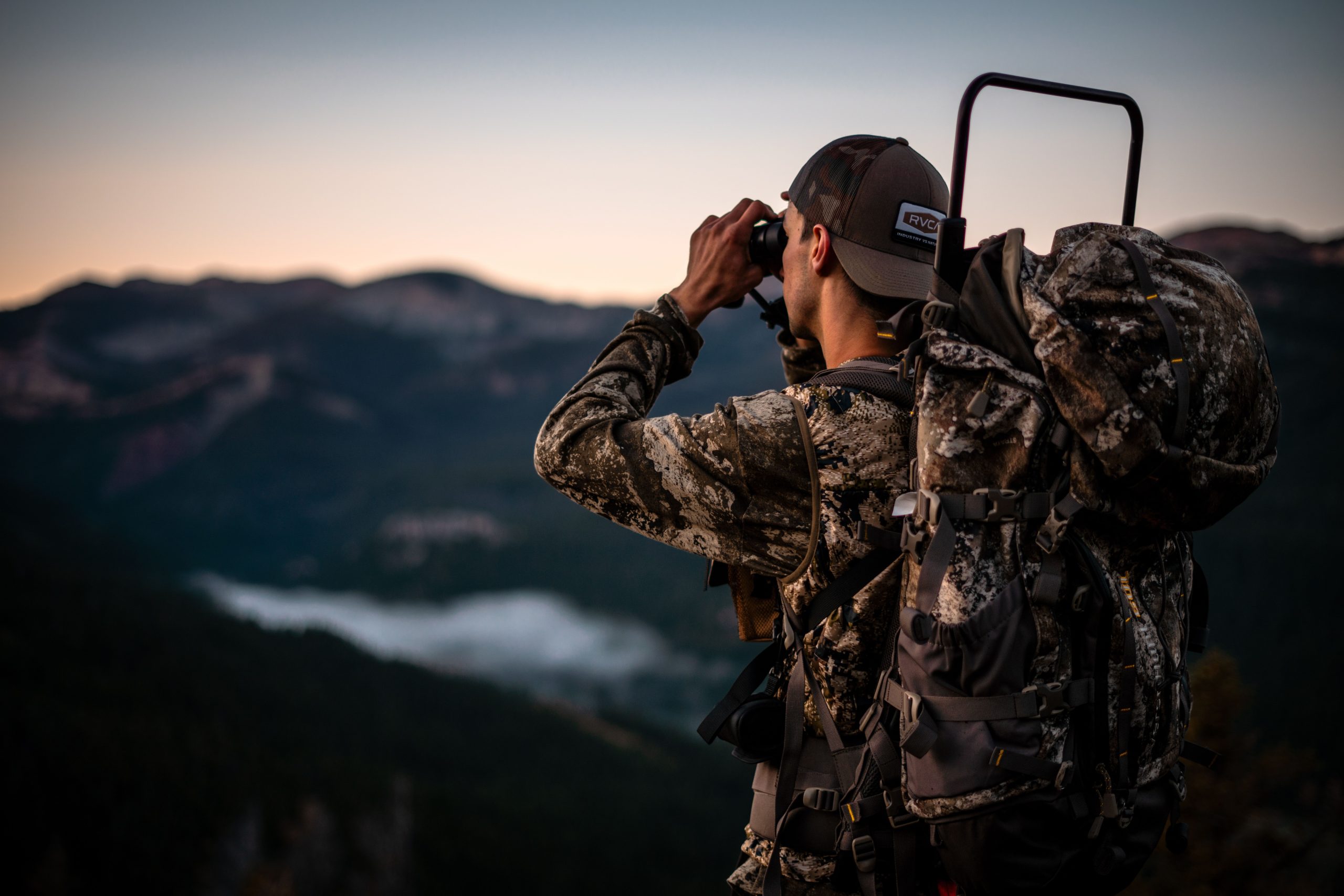
Online communities can help beginners find answers, but reliable programs connect digital learning with local guidance. Video lessons, virtual Q&A sessions, and checklists explain licensing, seasonal planning, basic gear, and ethical decisions before a newcomer meets a mentor. A useful model might offer 4 online sessions followed by a supervised field day, giving participants time to prepare questions. Organizers should verify instructors’ experience and direct learners to official regulations. Online support eases confusion while local mentors provide judgment that screens cannot teach.
1