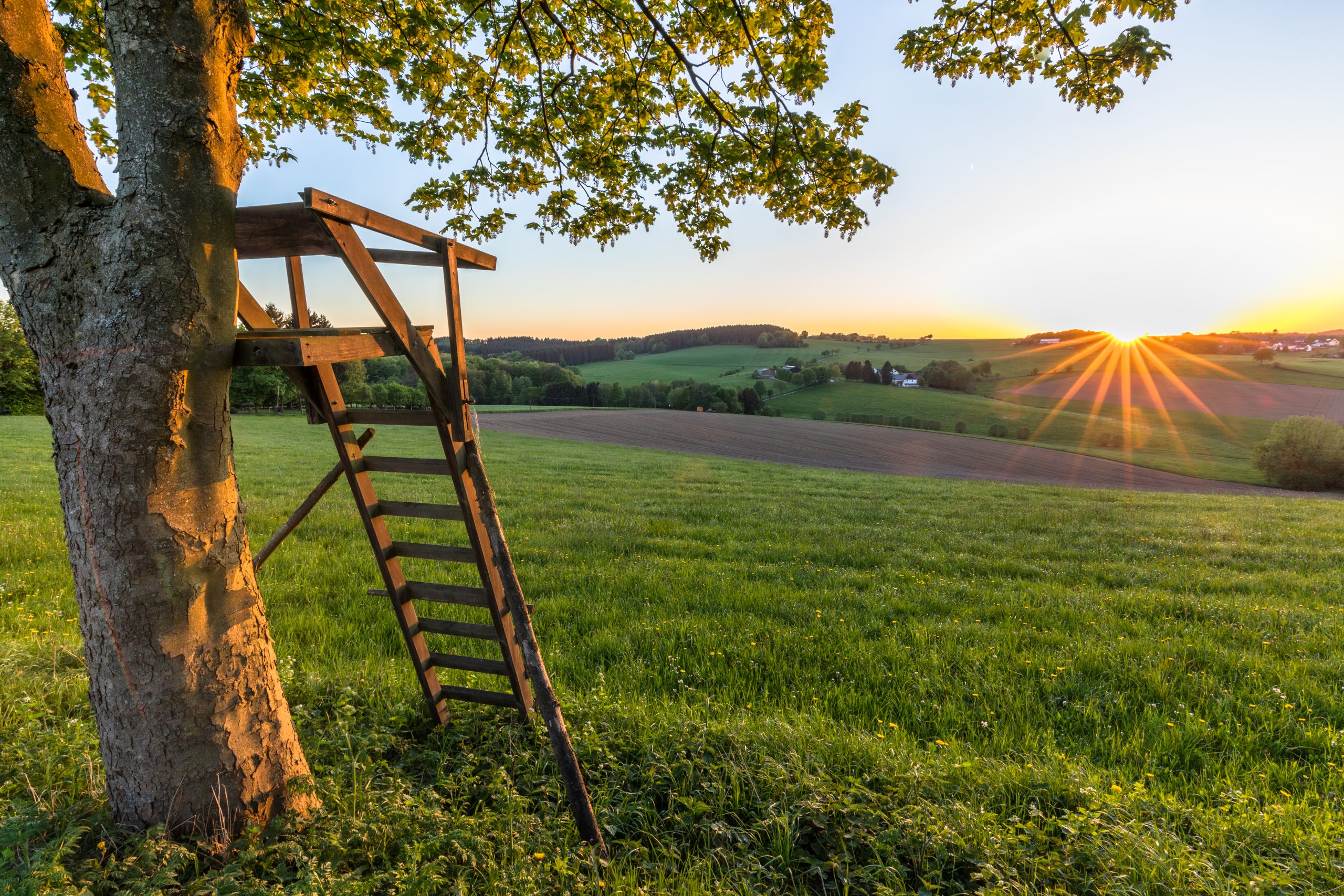
Hunting from a treestand offers a better view of the surrounding woods, but it also introduces risks that ground-level hunting does not. A loose strap, an unstable climbing step, or a moment of carelessness can turn an ordinary morning into a serious emergency. Experienced hunters understand that staying safe depends on preparation, reliable equipment, and consistent habits rather than luck. These 7 treestand safety practices help hunters reduce preventable risks, protect themselves during climbs, and remain prepared when weather, terrain, or fatigue makes conditions more challenging.
1. Wear a Full-Body Safety Harness Before Leaving the Ground
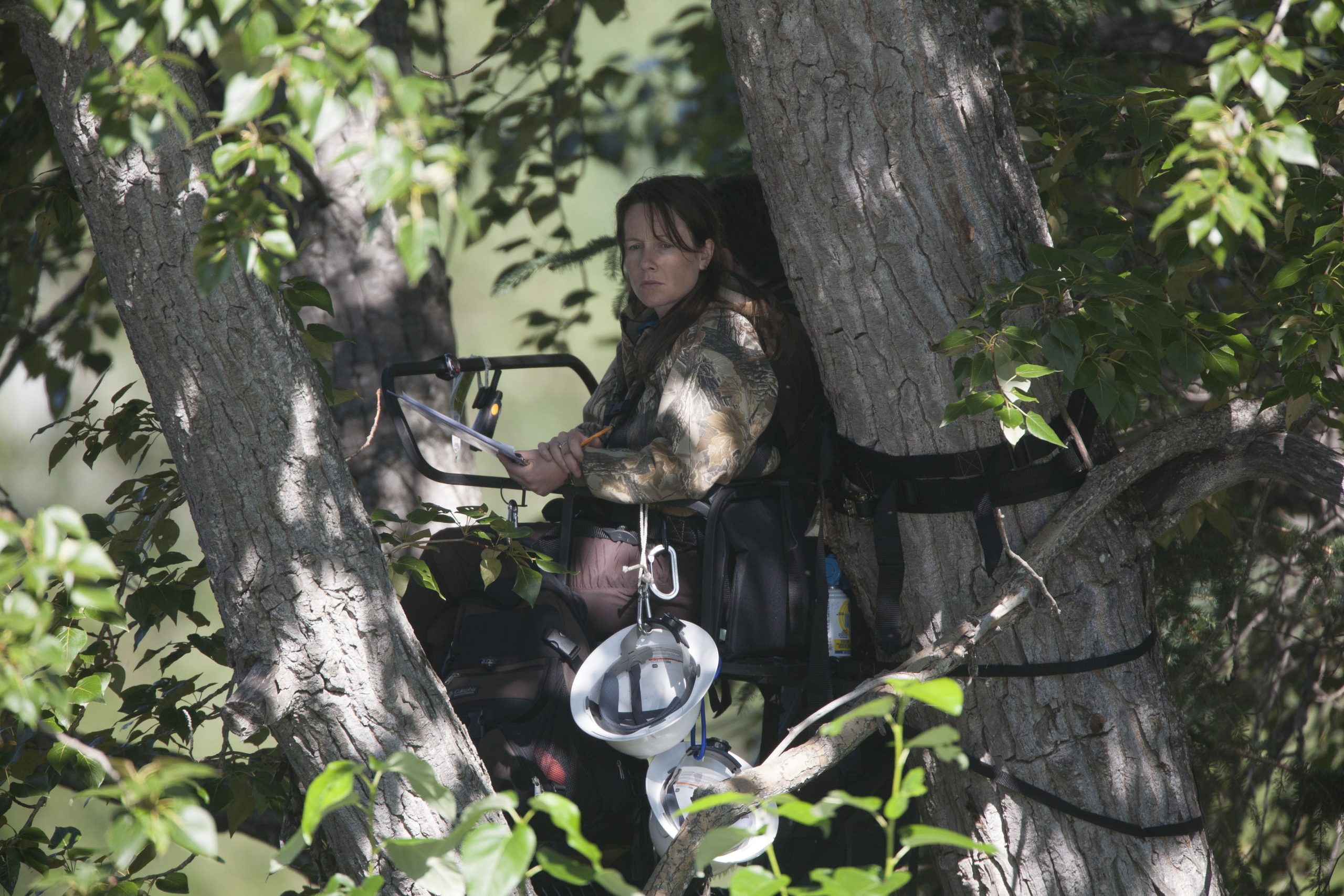
Veteran hunters never treat a safety harness as optional equipment. They put on a properly fitted, manufacturer-approved full-body fall-arrest harness before climbing, then connect it to the designated lifeline or safety system. The goal is to maintain protection from the moment their feet leave the ground until they return. Even a fall from a relatively low height can cause severe injuries. A hunter should inspect every strap, buckle, and stitching point before each outing, following the manufacturer’s instructions. If any component shows damage, it should be removed from service. A harness is useful only when worn correctly and connected throughout the climb.
2. Inspect Every Strap, Cable, and Connection Before Climbing
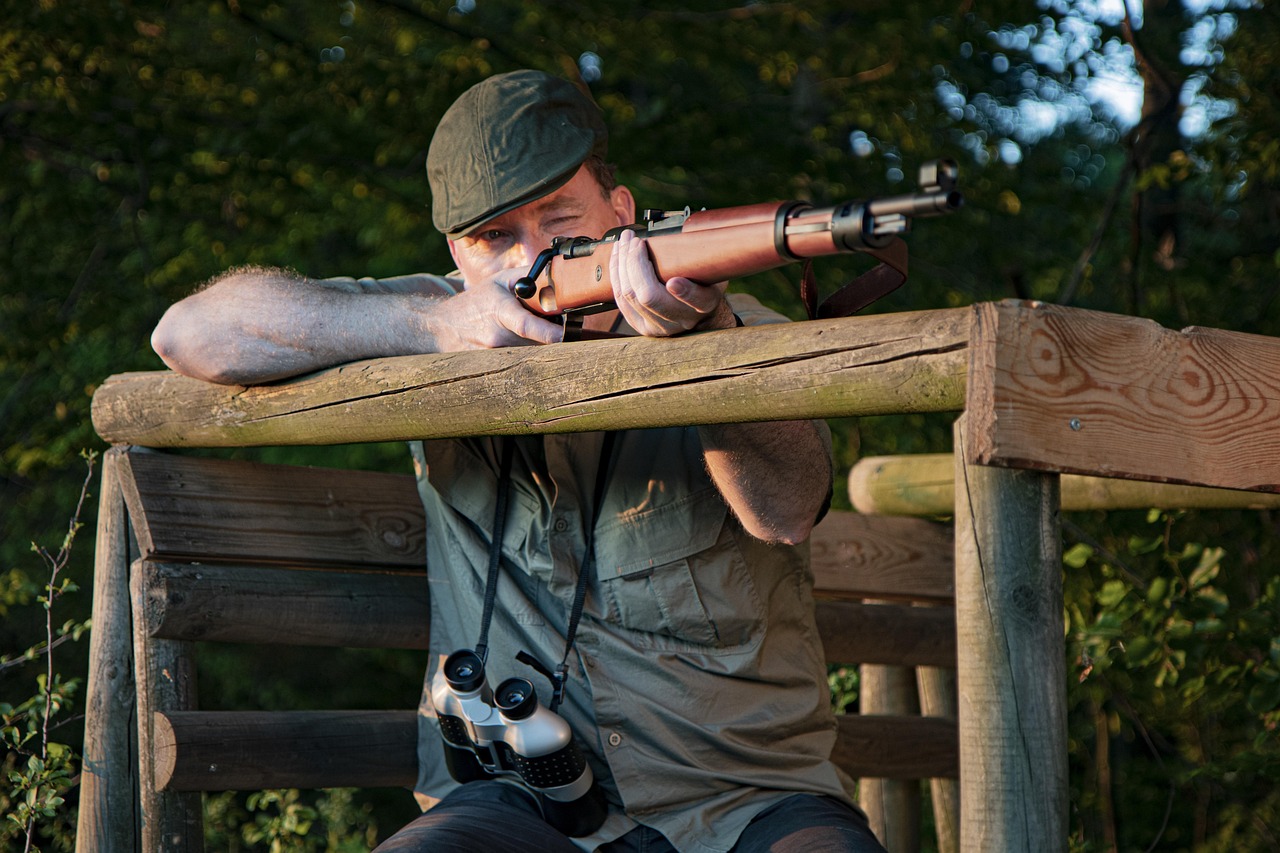
Experienced hunters check their treestand carefully before trusting it with their body weight. They examine cables, chains, ratchet straps, platform welds, bolts, climbing sticks, and attachment points for rust, cracks, fraying, or looseness. Even a stand that appeared secure last season may have deteriorated after months of rain, heat, and changing temperatures. A useful routine is to perform one thorough inspection before the season and another before every climb. Follow the manufacturer’s weight limit, including the hunter, clothing, backpack, and other equipment. Never use a stand with questionable components. If a connection looks unreliable, repair or replace it according to the manufacturer’s guidance before climbing.
3. Maintain Three Points of Contact While Climbing
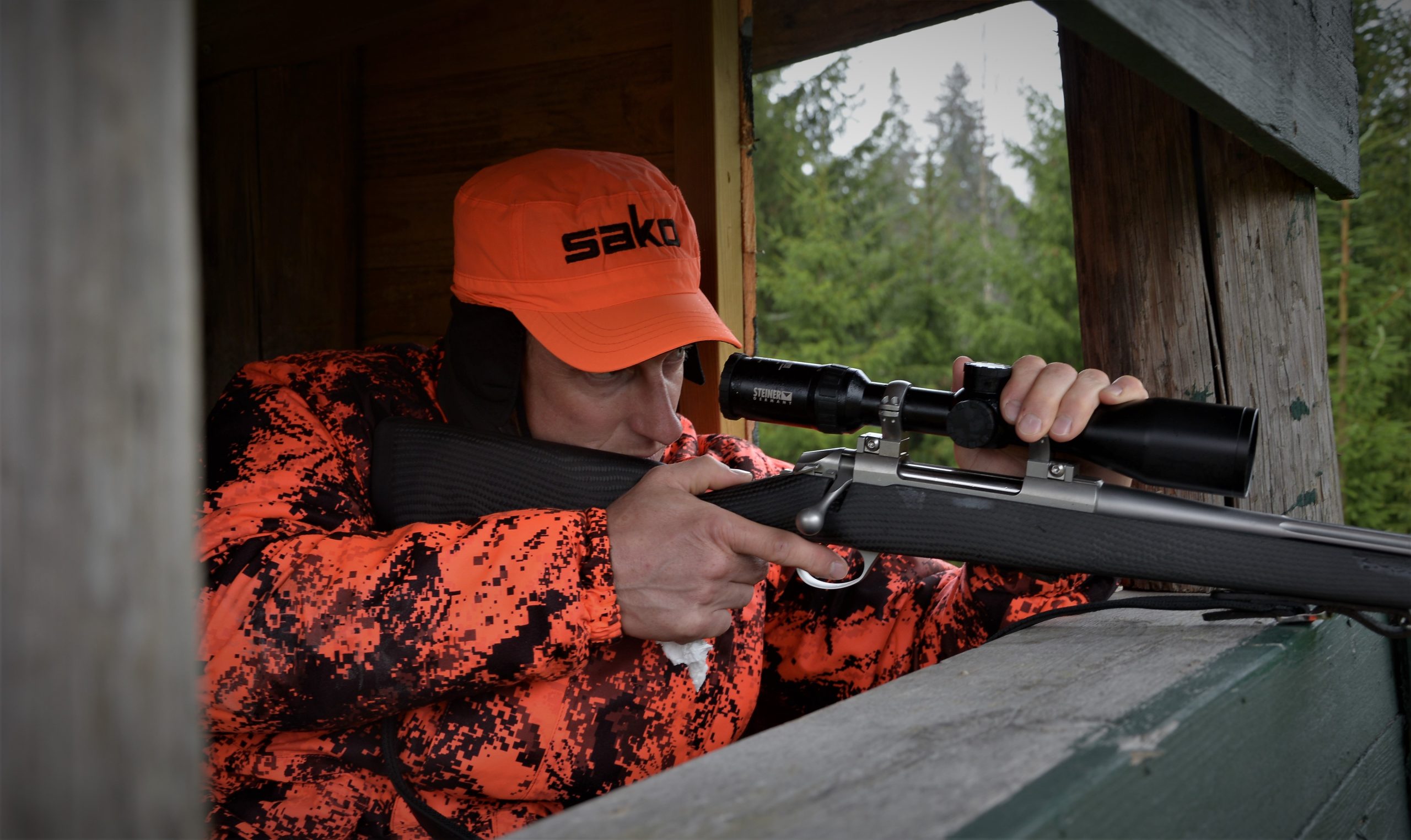
A steady climb matters just as much as a secure stand. Veteran hunters maintain three points of contact whenever the climbing system allows it, such as two hands and one foot or two feet and one hand. They move deliberately, secure each step, and avoid carrying loose equipment that could interfere with their grip. A firearm, bow, backpack, or other bulky item should be raised and lowered with a haul line only after the hunter is safely positioned, following the equipment manufacturer’s instructions. Before starting, check that climbing sticks and steps are firmly attached and free from ice, mud, or slippery debris. Rushing even a few steps can create unnecessary danger.
4. Use a Lifeline or Climbing Safety System From Ground Level
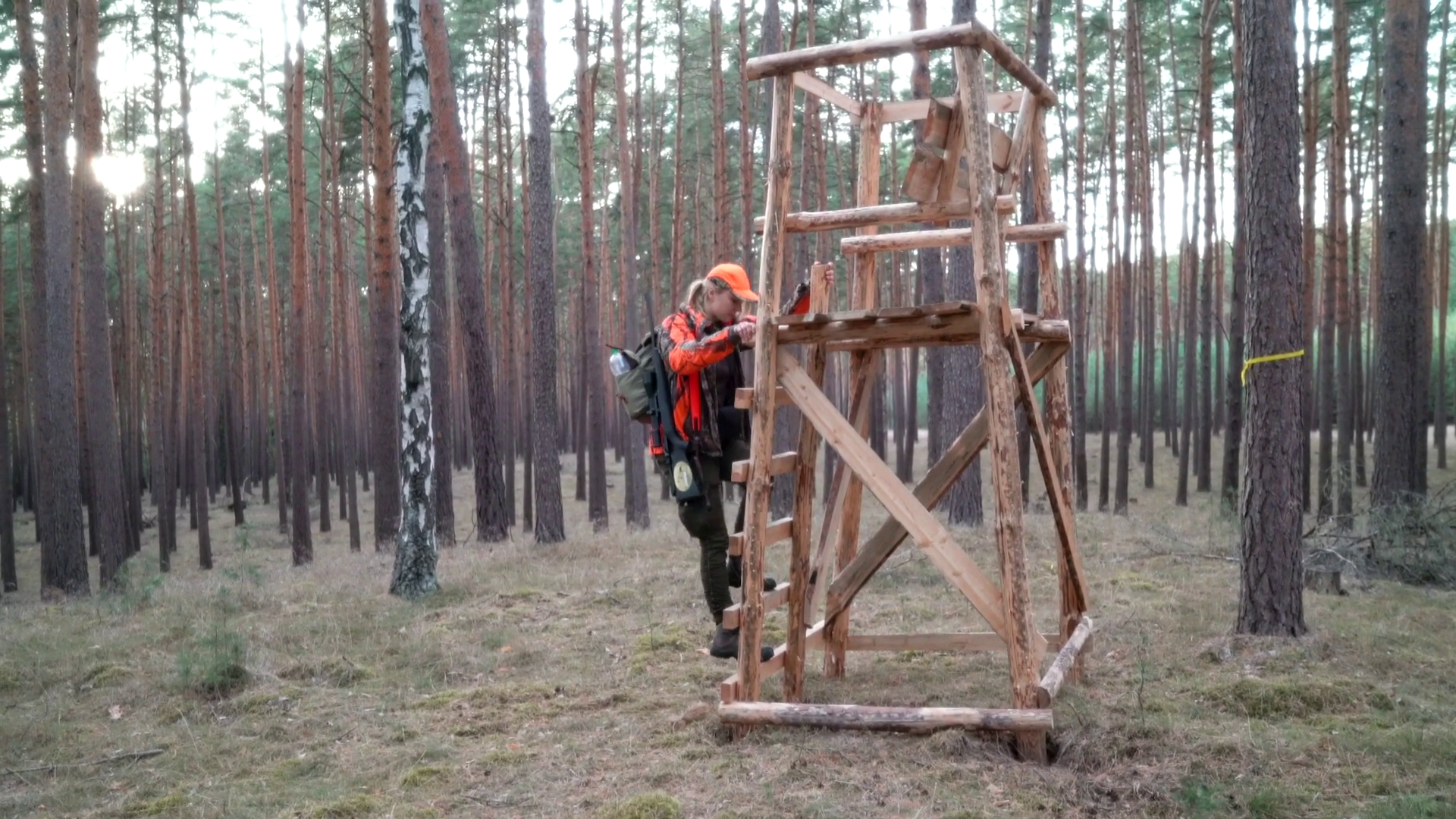
Veteran hunters plan their fall protection before they begin climbing. A properly installed vertical lifeline or compatible climbing safety system allows the hunter to remain connected while ascending and descending, rather than waiting until reaching the platform to attach a tether. The system must be designed for the specific harness and used according to its instructions. Hunters also check that the anchor is secure and that the rope or device is free from damage or tangles. A fall can happen during the first few feet of a climb, so protection should begin at ground level. Never improvise an anchor or rely on an ordinary rope as fall-arrest equipment.
5. Check the Weather and Tree Conditions Before Settling In
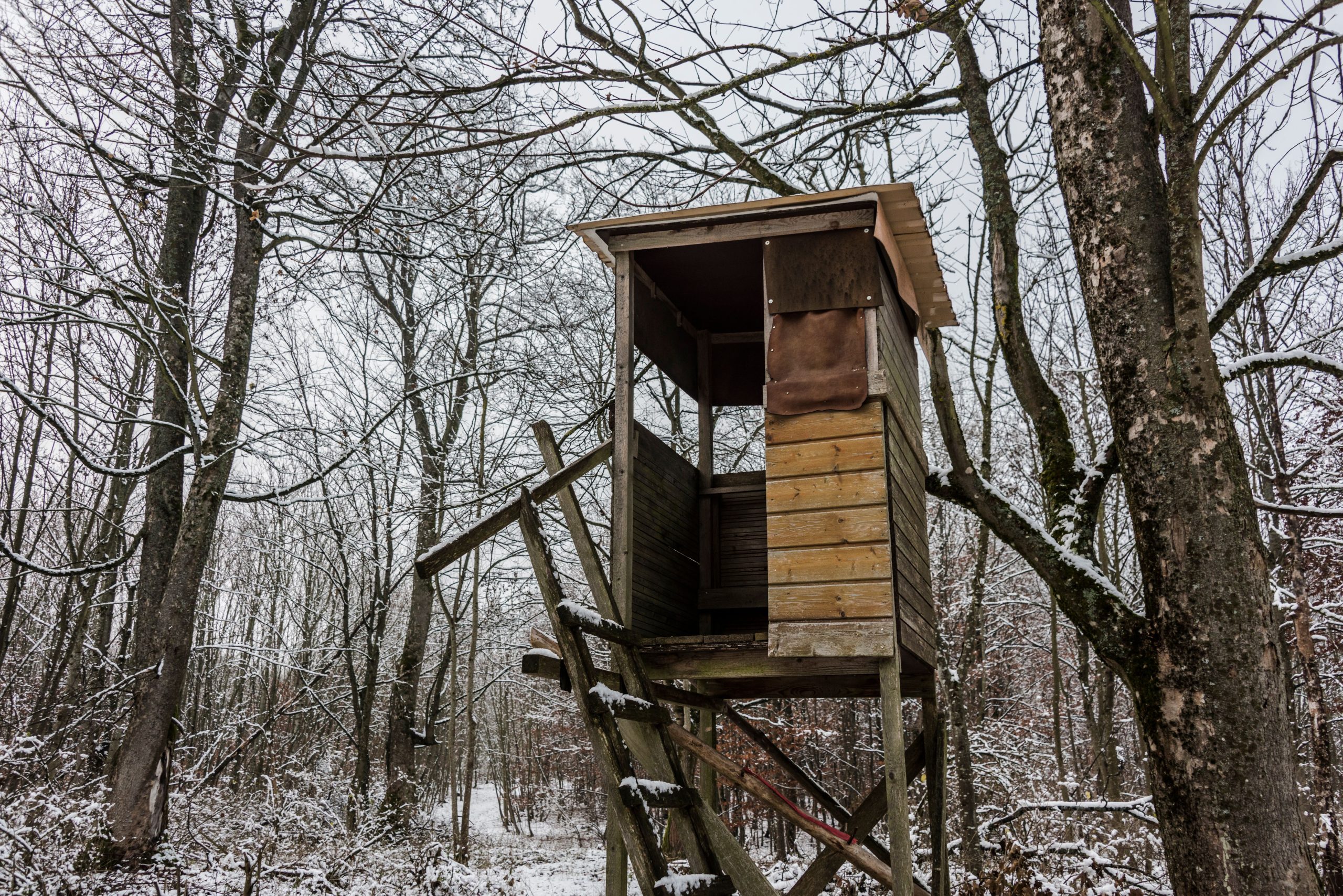
A tree that looks sturdy from the ground may have hidden weaknesses, and changing weather can make a safe-looking setup hazardous. Veteran hunters examine the trunk for rot, cracks, dead sections, loose bark, and signs of disease before installing or using a stand. They avoid dead trees and follow manufacturer guidance on suitable tree sizes and types. Wind, rain, frost, and ice also affect stability, grip, and visibility. Check the forecast before leaving home and reassess conditions when arriving at the site. If strong gusts, lightning, or slippery climbing surfaces create unsafe conditions, postpone the hunt or return to the ground safely instead of taking unnecessary risks.
6. Keep Your Firearm or Bow Secured During Every Climb
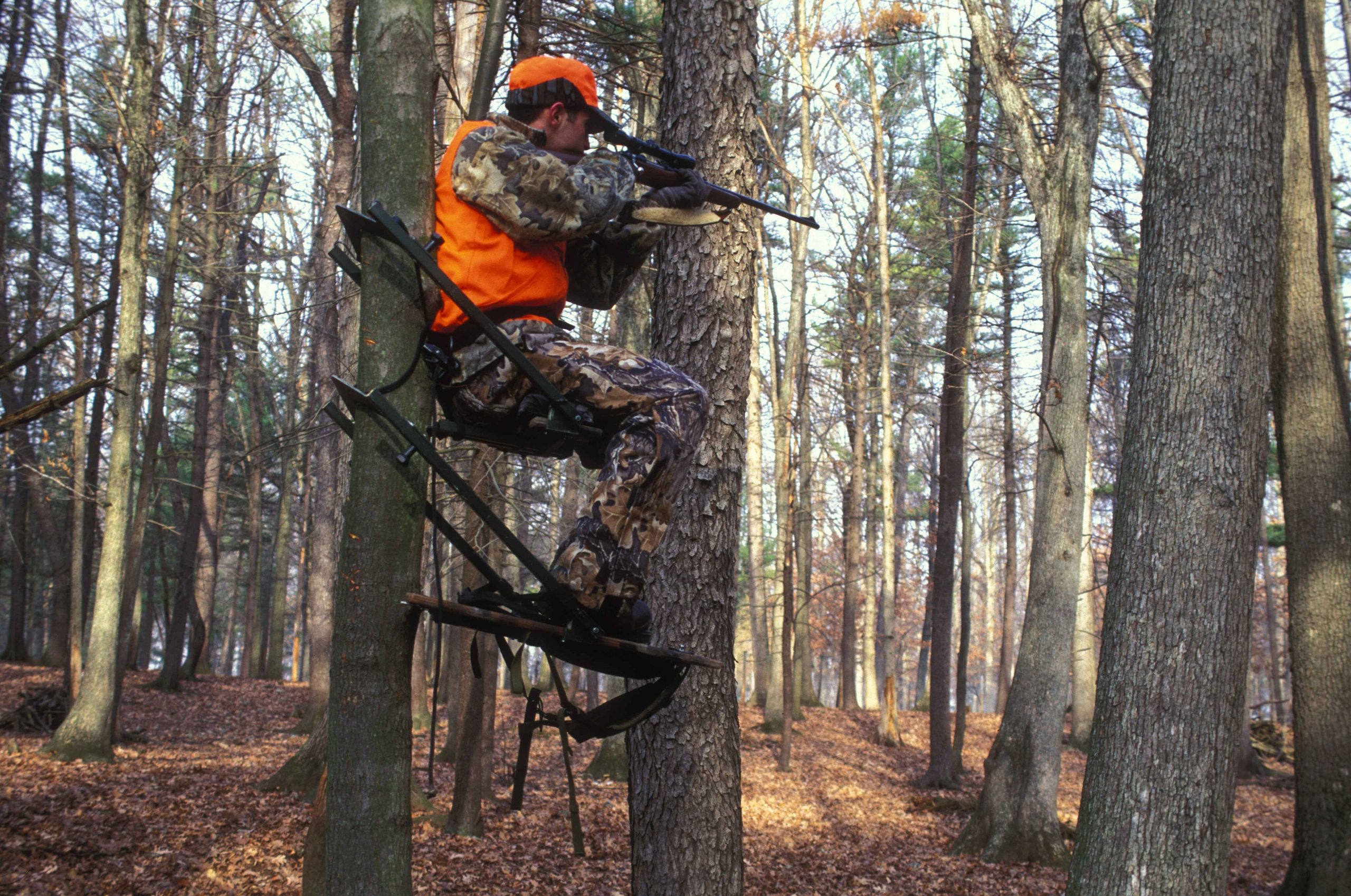
Veteran hunters never climb while holding a firearm or bow. They use an appropriate haul line to raise or lower unloaded equipment after reaching a secure position, keeping the muzzle pointed in a safe direction and the equipment controlled throughout the process. Before climbing, they verify that the firearm is unloaded and follow its manufacturer’s safety instructions. A bow should also be secured so its strings, cables, and accessories cannot snag on branches or climbing gear. Loose equipment can shift a hunter’s balance or occupy a hand needed for a safe grip. Separating climbing from equipment handling helps prevent avoidable accidents during both ascent and descent.
7. Plan Your Descent and Emergency Response Before Hunting
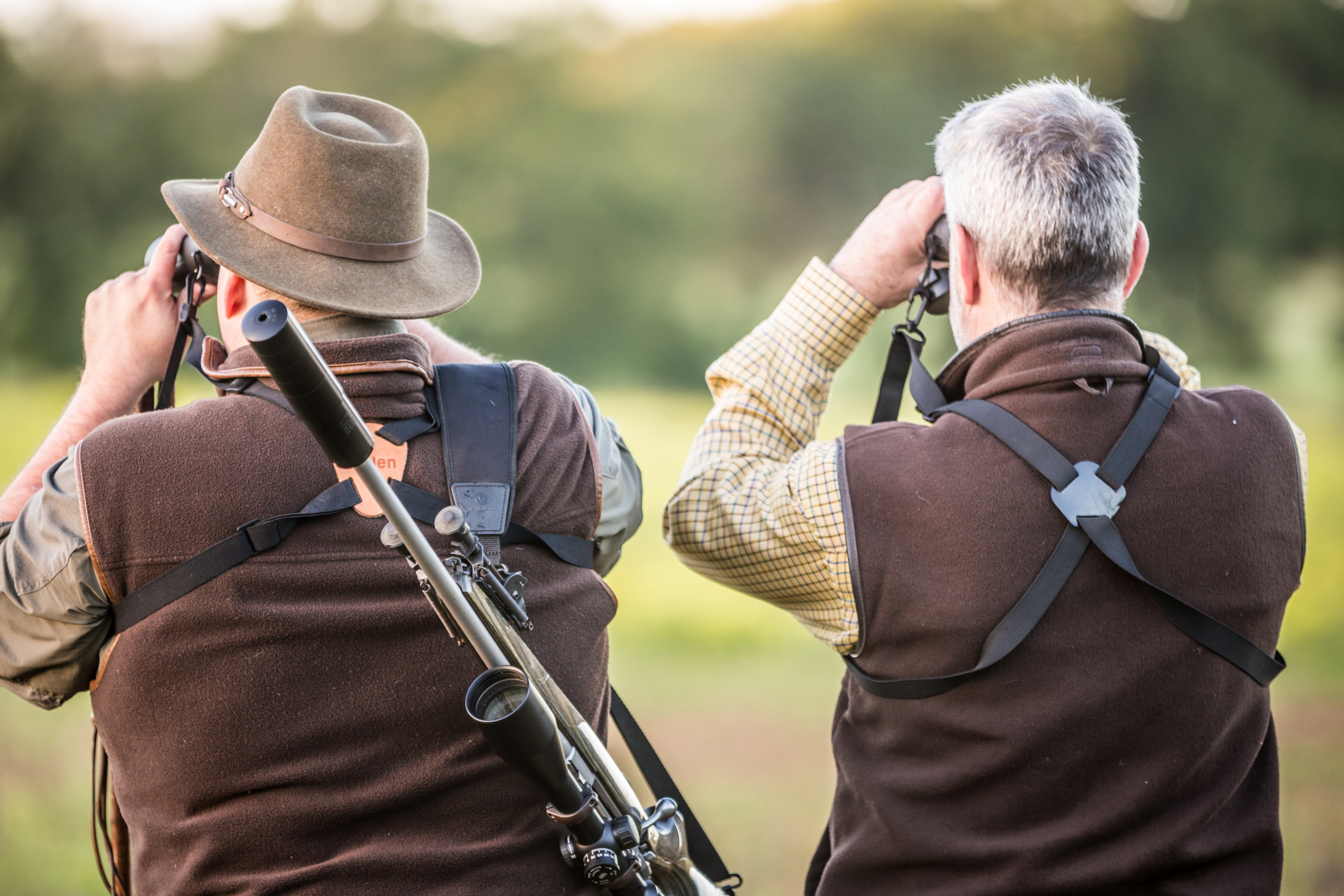
Experienced hunters prepare for the end of the hunt before they settle into the stand. They identify a safe route down, keep their phone or communication device accessible, and tell someone where they will hunt and when they expect to return. A charged phone, a small first-aid kit, and knowledge of the nearest accessible trail can make a difference when something goes wrong. Hunters should also understand suspension-related risks after a fall and follow their harness manufacturer’s emergency guidance. If injured or unable to descend safely, they should call for help rather than attempting a risky climb. A clear plan reduces confusion when daylight fades or conditions deteriorate.