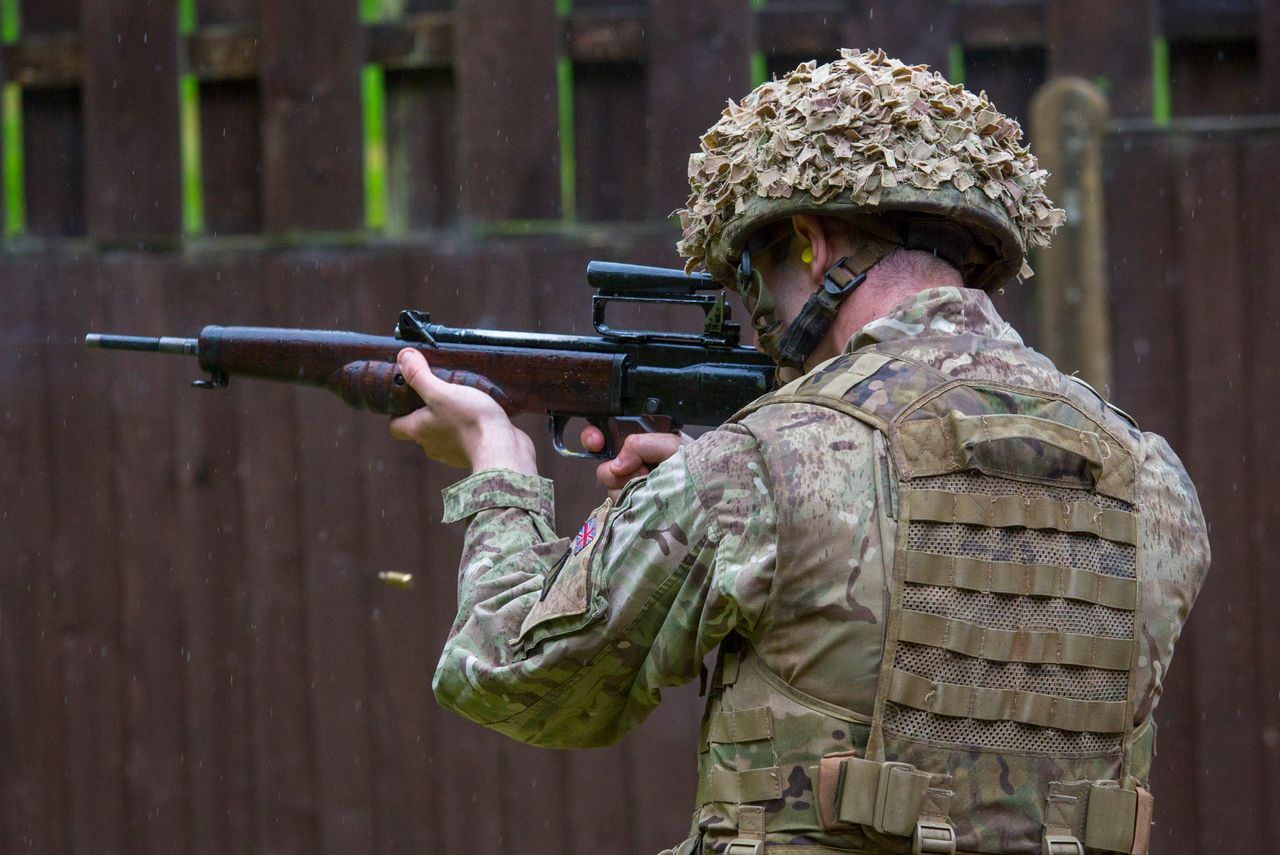
Some gun stories are about battles. This one is about preservation.
Finding a military rifle still packed in its original crate more than a century later feels less like a discovery and more like opening a sealed door into another era.
A Time Capsule Made Of Wood And Grease
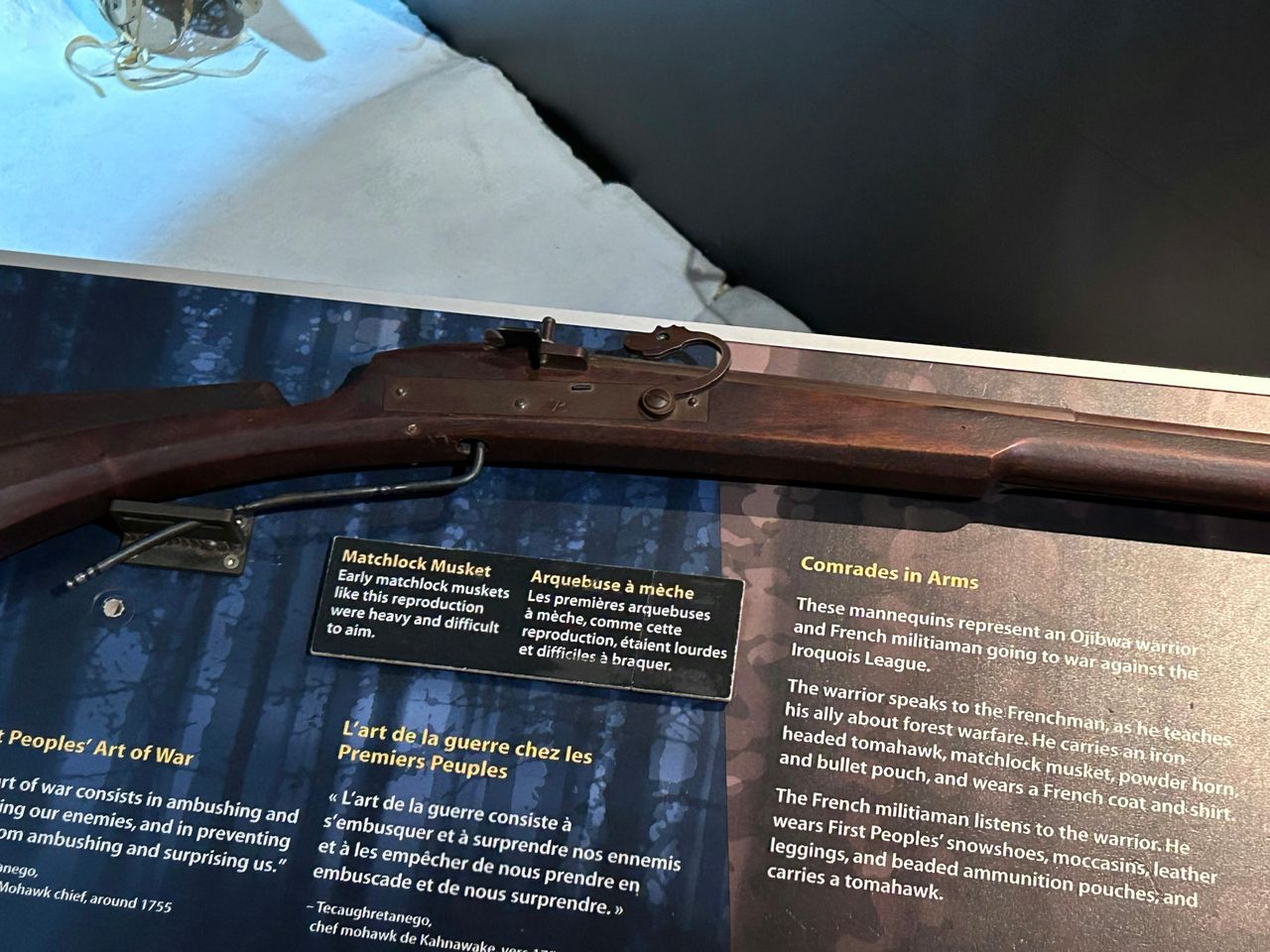
What makes a crate find so extraordinary is not just age. It is context. A rifle stored loose in an attic can still be old, rare, and valuable, but a rifle preserved in original transit packing keeps the manufacturing, storage, and military supply story attached to it.
That is why collectors get excited about untouched packing materials, shipping stencils, arsenal wrapping, and the thick preservative grease often called cosmoline. These details show how armies expected rifles to travel, survive humidity, and wait for service.
Forgotten Weapons has highlighted how surplus rifles emerging from long storage can still reveal deliberate packing methods, while old military manuals show that rifles were routinely preserved with protective coatings before crating. Those steps were never glamorous, but they are a big reason some examples survived at all.
Why The Rifle Itself Matters So Much
The rifle most often tied to this kind of fascination is the early Lee-Metford, one of the first major British magazine rifles. According to Forgotten Weapons, Britain moved through extensive late 19th-century trials before formally adopting the Magazine Rifle MkI in 1889, later known as the Lee-Metford MkI.
That date matters. A Lee-Metford from the first production years already sits at the crossroads of military change, bridging black powder thinking and smokeless powder reality. It belongs to the exact moment armies were abandoning single-shot doctrine and embracing repeating firepower.
In practical terms, that makes an early example much more than a handsome old bolt gun. It represents the beginning of the line that eventually led to the long-serving Lee-Enfield family, one of the most recognizable military rifle systems ever fielded.
What Original Packing Tells Historians
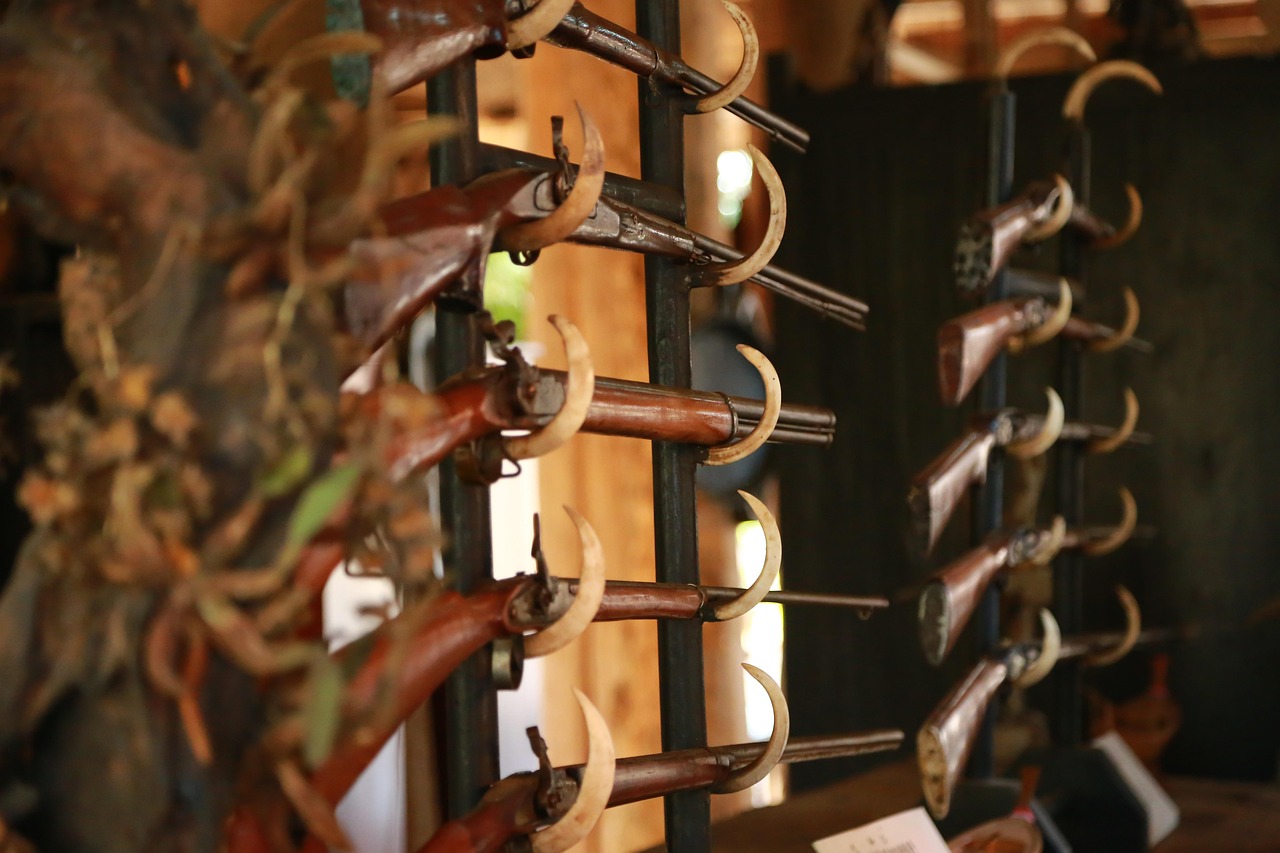
An untouched crate can answer questions the rifle alone cannot. Was the gun shipped for reserve storage, colonial issue, or emergency war stock? Were accessories packed with it? Was the finish altered before shipment, or does the rifle preserve a near factory state?
Original packing also exposes what service life never got the chance to erase. Small features that were quickly modified in the field can remain intact on preserved rifles. Forgotten Weapons notes that the Lee-Metford MkI example it discussed retained rare early details, including its original manual safety and Lewes pattern sights, features later changed in service.
For historians, that is gold. It helps separate original configuration from later rebuilds, repairs, and collector assumptions. In the firearms world, untouched condition is not just about beauty. It is evidence.
Why Crate Finds Capture The Imagination
There is also a powerful emotional side to discoveries like this. A rifle still sleeping in its crate suggests a mission that never came. It may have been built for imperial garrisons, reserve mobilization, or a conflict that changed course before the shipment was needed.
That suspended history is what makes these finds feel almost cinematic. You are not just looking at steel and wood. You are looking at logistics, bureaucracy, geopolitics, and plain luck frozen in place for generations.
Collectors understand that most surviving military rifles were hard-used, rebuilt, sanded, mismatched, or sporterized. A crate kept shut for over 100 years bypasses that entire cycle, preserving the object in a condition few people from its own century ever saw.
The Collector Value Of Being Untouched
Condition drives value, but untouched originality drives fascination. A rifle that appears almost exactly as it left the factory can command attention far beyond a standard service example, even when both are mechanically similar.
That is because originality is fragile. Once a crate is opened, grease wiped away, or parts separated, the full time capsule effect is gone forever. The object remains historic, but some of the evidence chain disappears with every well-meaning cleanup.
Auction houses and collectors have long treated exceptional original finish as a premium trait, and the same logic becomes even stronger when the preservation includes crate history, packing method, and documented storage. The rifle becomes part artifact, part archive, and part mechanical survivor.
More Than A Gun, It Is A Preserved Moment
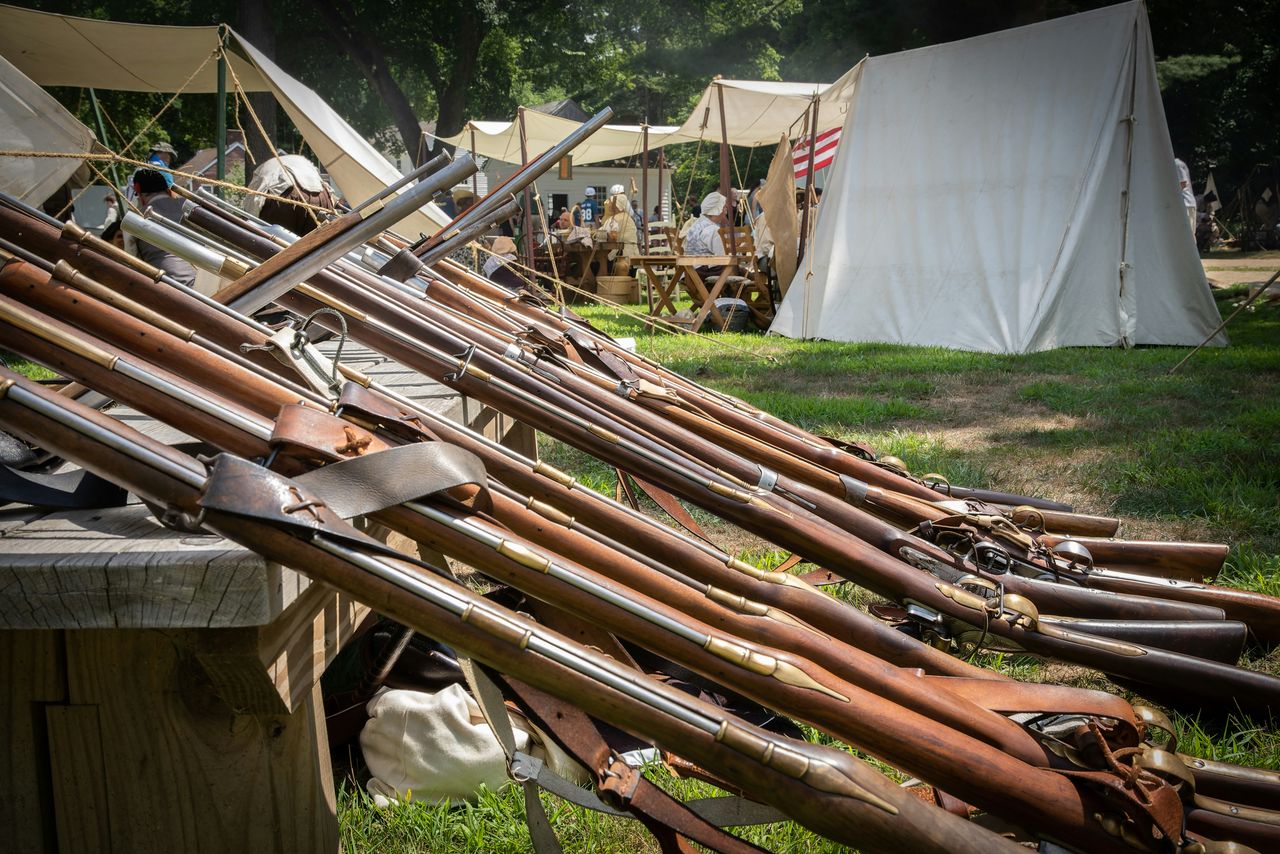
In the end, the rare rifle found still packed in its original crate over a century later matters because it compresses industrial history into one object. You can see the ambition of the arsenal, the caution of military packing, and the long silence of storage all at once.
For general readers, that is the real hook. You do not need to be a gun collector to appreciate a sealed piece of history making it through wars, weather, politics, and neglect without losing its identity.
For enthusiasts, though, the appeal runs even deeper. A crate kept closed for a century is not just rare. It is one of the closest things we have to shaking hands with the factory floor of the 1890s.