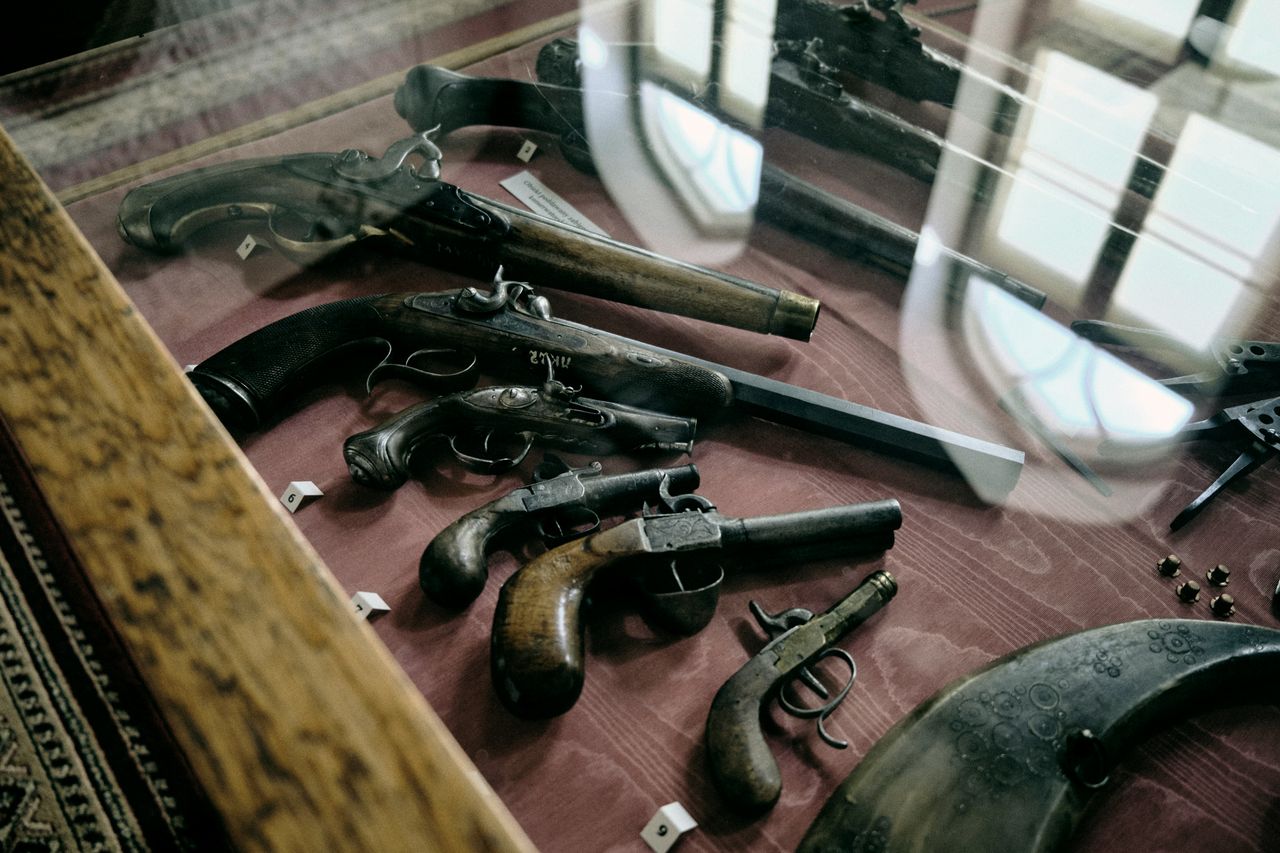
Some museum thefts end with a dramatic recovery. This one never really did.
A Theft That Outgrew The Object

Historic guns carry a strange double life. They are tools, artifacts, trophies, and evidence all at once.
That is why a museum gun theft lands differently from the loss of a painting or a vase. A firearm can vanish into a private collection, cross state lines quietly, get broken for parts, or simply sit unrecognized in a closet for decades.
Federal investigators have repeatedly warned that stolen cultural objects, including historic firearms, often disappear into informal markets where paperwork is thin and provenance is easier to bury. According to the FBI’s art crime work, the public loss is bigger than the object itself, because once a museum piece vanishes, research, interpretation, and public access vanish with it too.
Why Stolen Guns Are So Hard To Trace
A museum firearm may look easy to identify, but old guns are often harder to follow than modern ones. Serial numbers can be absent, incomplete, altered, or never recorded to contemporary standards.
That creates a perfect storm. A thief does not need to sell the weapon in a public auction right away; all they need is time, distance, and a buyer willing not to ask too many questions.
ATF reporting on lost and stolen firearms has long underscored a basic truth: tracing depends heavily on records. When the chain of custody is broken, recovery becomes much harder. In the museum world, that problem is amplified because the weapon’s value comes not just from make and model, but from who carried it, where it was displayed, and the documentation attached to it.
The Cases That Came Back Make The Missing One Stranger
What makes the never-seen-again museum gun so haunting is that other stolen firearms do sometimes return. The FBI has helped recover long-missing historic muskets, rifles, and pistols taken from museums and historical societies decades earlier.
One notable case involved a Revolutionary-era rifle stolen roughly 50 years before it resurfaced after a barn sale, with investigators eventually linking it back to an earlier museum theft. In another case, federal authorities returned dozens of artifacts, including historic firearms, to institutions after long absences.
Those recoveries matter because they show the system can work. But they also sharpen the mystery around the gun that did not come back. If comparable weapons can reappear after half a century, a gun that never resurfaces begins to look less misplaced than deliberately buried.
Theories About Where It Went

There are only a few realistic endings in a case like this. The gun may have been stolen to order by a collector who wanted the history but not the scrutiny.
It may have been stripped of its identifying features, detached from its paperwork, and absorbed into the antiques trade as just another old revolver or musket. That is especially plausible when the object’s real value lives in its museum label rather than in the metal alone.
A darker possibility is simple damage. Historic firearms are surprisingly vulnerable to corrosion, bad storage, amateur restoration, and careless handling. If a thief realized the piece was too famous to sell cleanly, destroying evidence may have seemed safer than profiting from it. Investigators in heritage crimes often have to consider that uncomfortable possibility.
What Museums Learned The Hard Way
The broader lesson is that museums no longer treat historic guns as static display pieces. They are now managed more like high-risk cultural assets.
That means tighter inventories, better photography, stronger accession records, and more aggressive reporting to law enforcement databases. The FBI’s art crime investigators have emphasized how essential early reporting and detailed descriptions are when heritage objects disappear.
Museums also understand that an old firearm’s story can be as valuable as the weapon itself. Once the story is severed from the object, public history takes a hit. Even if the gun physically survives somewhere, it has effectively been lost to scholarship, which is one reason these thefts still sting decades later.
The Gun That Became A Legend
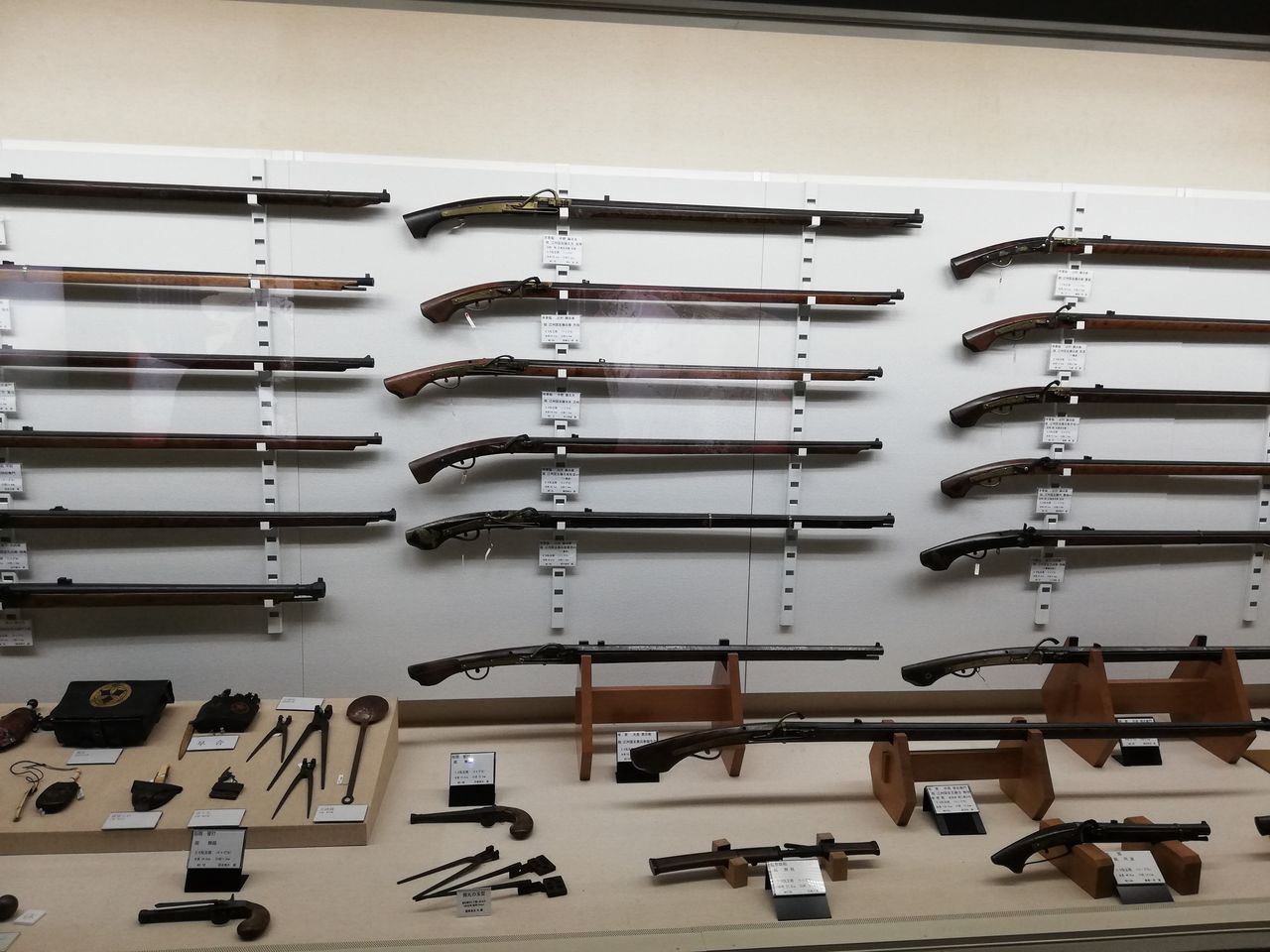
In the end, a never-recovered museum gun stops being just a missing artifact. It becomes a test of how a society values memory, ownership, and evidence.
Plenty of stolen museum objects eventually come home. The Isabella Stewart Gardner Museum’s missing masterworks, by contrast, remain absent after one of the most famous unsolved thefts in American history, showing how even world-famous objects can dissolve into silence. A stolen gun can do the same, only more quietly.
That is what makes the story endure. The weapon is gone, but the absence keeps speaking: somebody wanted a piece of history badly enough to erase it from public view, and for now, they succeeded.