Campers often expect campfire smoke to rise straight up or drift gently with the wind, but mountain valleys behave very differently. Their narrow walls, shifting temperatures, and irregular terrain create constantly changing air currents that send smoke in surprising, sometimes frustrating directions. These patterns are the result of natural forces that interact in ways people rarely notice until a fire is burning. Understanding these effects helps campers plan safer cooking spots, avoid inhaling smoke, and keep their campsites more comfortable.
Valley Walls Channel Airflows Into Tight Corridors
Mountain valleys act like giant funnels that compress and redirect moving air. When warm and cool air meet within these narrow spaces, they form shifting currents that quickly change direction. As campfire smoke enters this confined airflow, it can suddenly veer sideways, swirl upward, or reverse toward the campsite. Even a minor gust bouncing off steep walls can disrupt the smoke’s path. These channeled winds vary throughout the day, making smoke movement feel unpredictable.
Temperature Inversions Trap Smoke Near the Ground
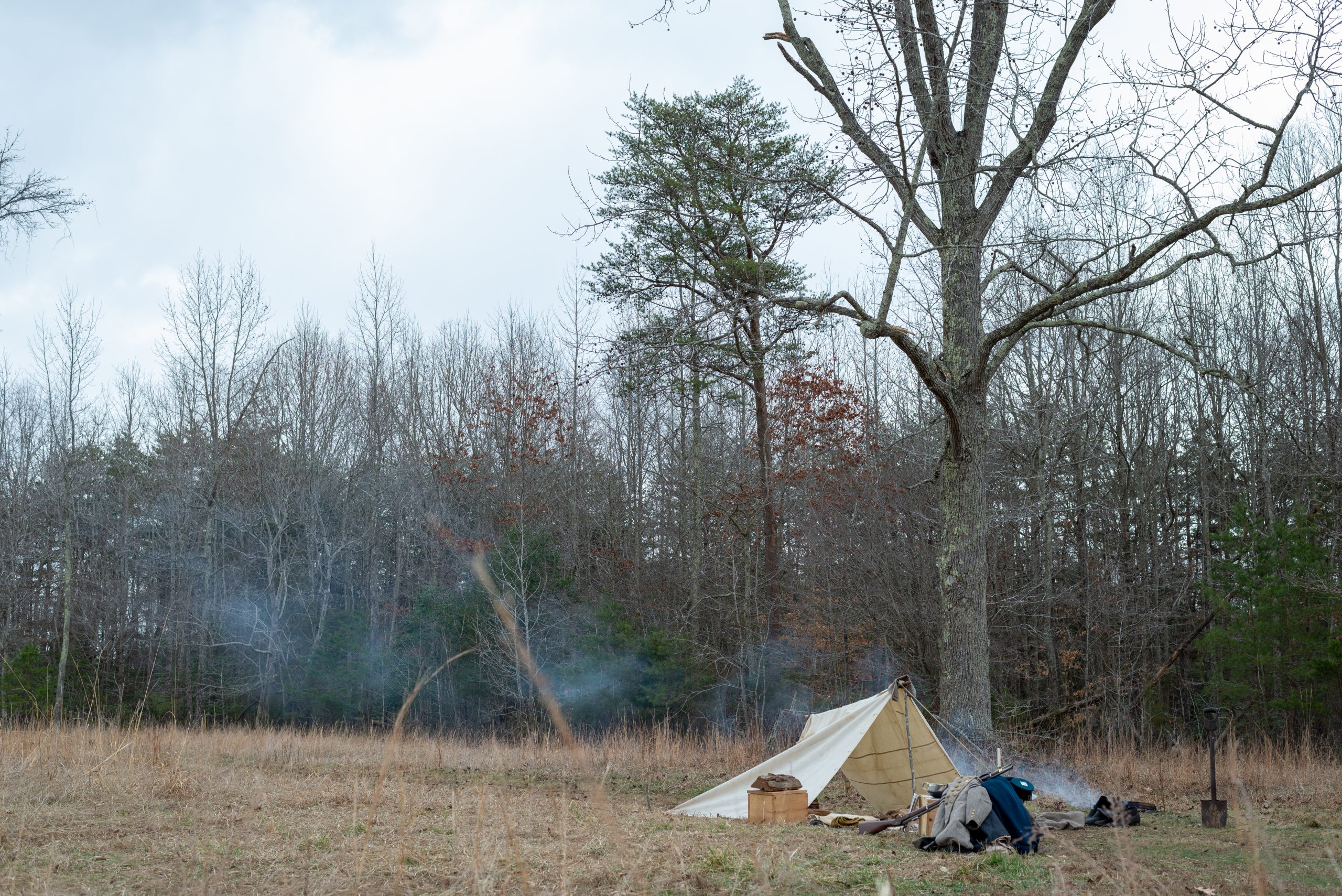
In many valleys, especially during the evening or early morning, cooler air sinks and becomes trapped beneath a layer of warmer air. This temperature inversion prevents smoke from rising normally, causing it to spread horizontally in random directions. Because the cool air pool shifts slowly across the valley floor, the smoke drifts unevenly with it. Campers often notice it circling their tent or settling in patches before lifting again. These movements continue until the sun warms the valley enough to break the inversion.
Downslope Winds Shift Directions After Sunset
When the sun sets, mountain slopes cool quickly, and the heavier cold air slides downhill into the valley. These downslope winds change direction depending on the shape of the terrain, creating swirling patterns around campsites. As campfire smoke mixes with these shifting flows, it may suddenly move backward, then drift sideways, then rise again with the slightest temperature change. This nightly wind behavior continues until daytime warming reverses the slope airflow.
Updrafts Form Where Sunlit Slopes Heat Unevenly
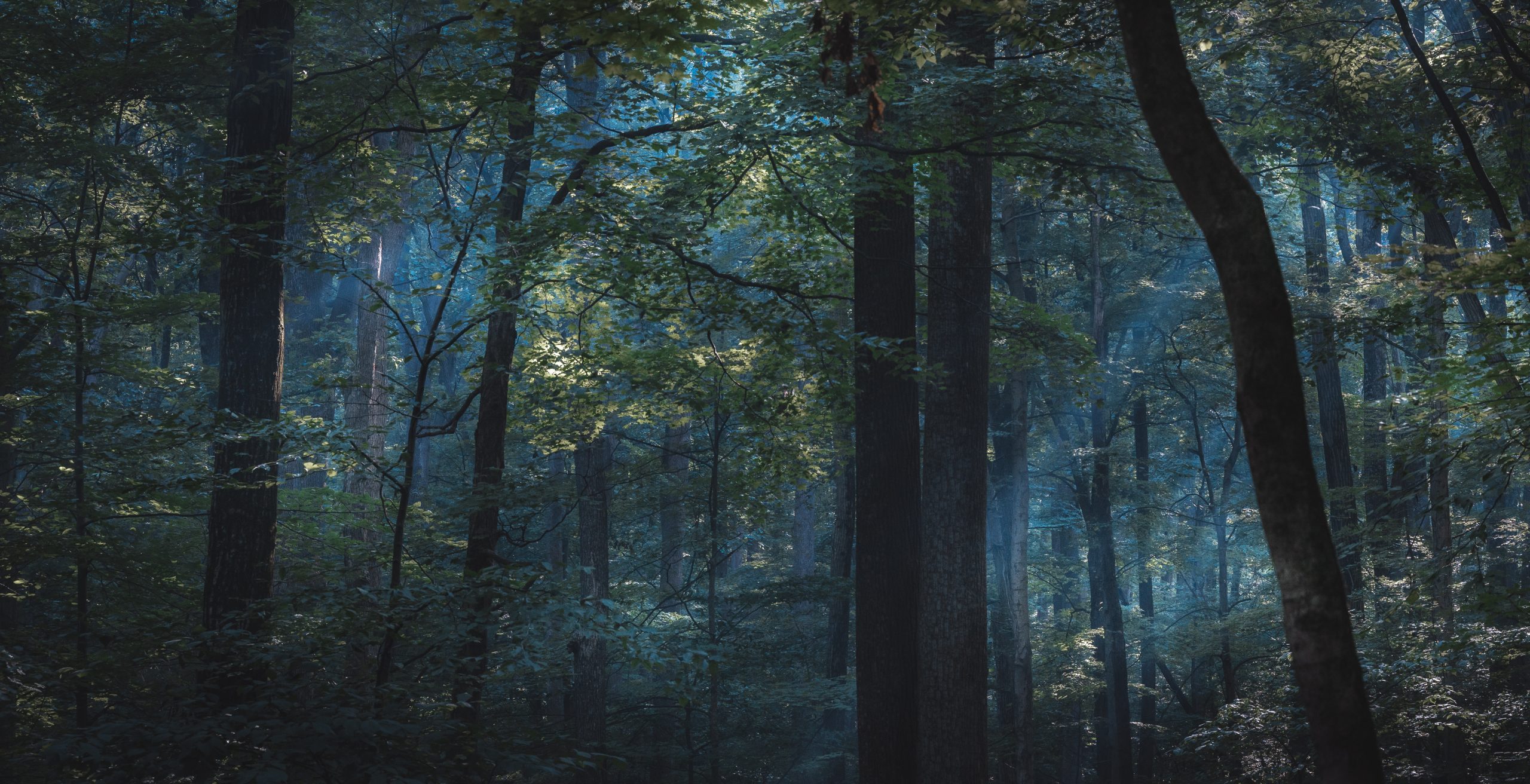
During the day, different sides of a valley heat at different rates depending on sun exposure. These temperature contrasts create pockets of rising warm air called updrafts. When smoke enters one of these rising columns, it can spiral upward before drifting sharply toward a shaded area. Because sun and shade move across the valley, these updrafts shift continuously. Campers may see smoke behaving calmly one moment and then twisting violently the next as it meets these localized hot-air currents.
Turbulence Occurs When Winds Collide at Sharp Angles
Mountain valleys create erratic turbulence when two or more winds converge from different directions. This often happens where ridgelines meet or where narrow side valleys connect to larger ones. Campfire smoke caught in these turbulent pockets spins, dips, and rises unpredictably. Even weak breezes can create swirling patterns when they collide. The result is a constantly changing smoke trail that seems to move with no pattern at all, especially in rugged terrain with many intersecting slopes.
Cold-Air Pools Collect in Low Spots and Redirect Smoke
Low points in a valley, such as basins or meadow depressions, collect dense cold air at night. As this air settles, it forms subtle currents that move slowly across the valley floor. Campfire smoke drifting into these pools spreads in strange, sideways motions instead of rising. Sometimes it flows along the ground, following the contours of the terrain. This causes campers to experience random smoke shifts even on still, quiet nights without obvious wind.
Obstructions Like Trees and Boulders Distort Smoke Paths
Large obstacles in a valley trees, rock outcrops, and ledges, can break up wind flow and create tiny eddies behind them. When smoke enters these eddies, it may curl upward, flatten out, or move backward temporarily. These small-scale disturbances combine with larger valley winds, producing unpredictable smoke behavior. A seemingly sheltered campsite can still experience sudden gusts caused by air bouncing around obstacles, making smoke direction hard to predict even in otherwise calm conditions.
Moisture and Humidity Change Smoke Behavior Rapidly
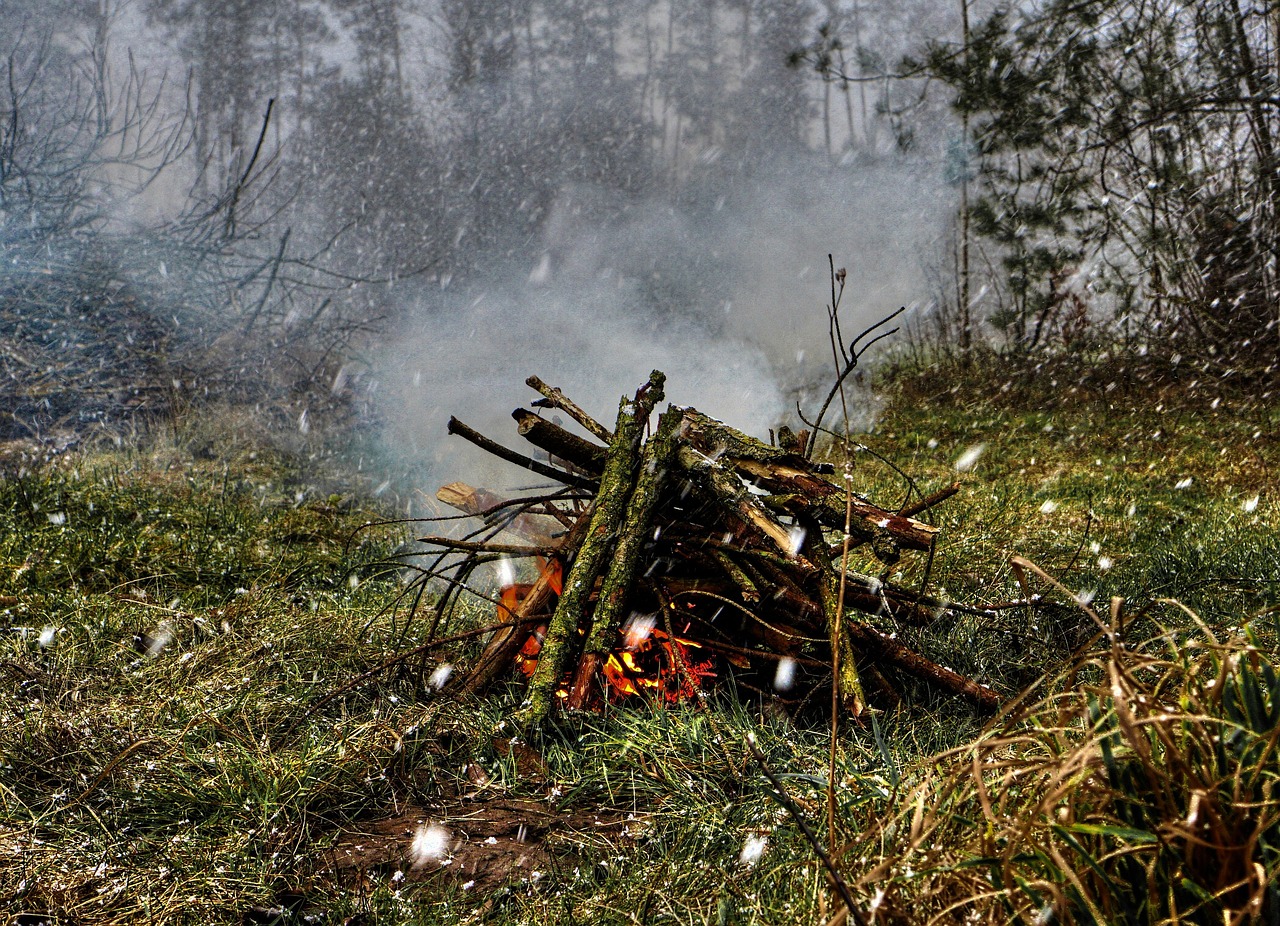
Mountain valleys often trap moisture, causing humidity levels to fluctuate. When the air becomes more humid, smoke particles grow heavier and cling to the cooler valley air, making the smoke drift low and erratic. As humidity drops, the smoke rises more freely. These rapid changes create uneven smoke flow, especially near creeks or after a brief shower. The moisture in the air interacts with temperature differences, resulting in constantly shifting smoke patterns.
Thermal Breezes Develop Differently on Opposite Valley Sides
Opposing slopes of a valley may heat and cool at different times, creating alternating breezes moving in opposite directions. As these breezes collide in the valley center, they form swirling currents that grab campfire smoke and redirect it sharply. These thermal breezes can reverse multiple times throughout the day as sunlight changes position. Campfire smoke caught in these shifting layers can appear to change direction every few minutes without any noticeable wind on the ground.
Elevation Differences Cause Uneven Pressure Zones
Higher elevations surrounding a valley can produce small pressure differences that influence airflow. When these pressure zones shift, even slightly, smoke near the valley floor moves unpredictably. The pressure changes cause air to flow in irregular pulses rather than steady streams. As smoke enters these pulses, it may lurch upward, drift to one side, or hover in place. These patterns are common in high-altitude valleys where elevation varies sharply within a short distance.