The idea behind this list is compelling, but the exact claim needs a historical qualification. There are not 10 well-documented rifles for which reliable sources show that the rifle was literally “perfected” and legally banned in the same year. Several famous rifles instead reached their mature or final production form shortly before, or around the time, governments restricted or banned them. The examples below use that historically defensible interpretation rather than inventing dates. U.S. import restrictions in 1989 and the 1994 federal assault-weapons law are especially important because they affected numerous established semiautomatic rifles.
1. AKM
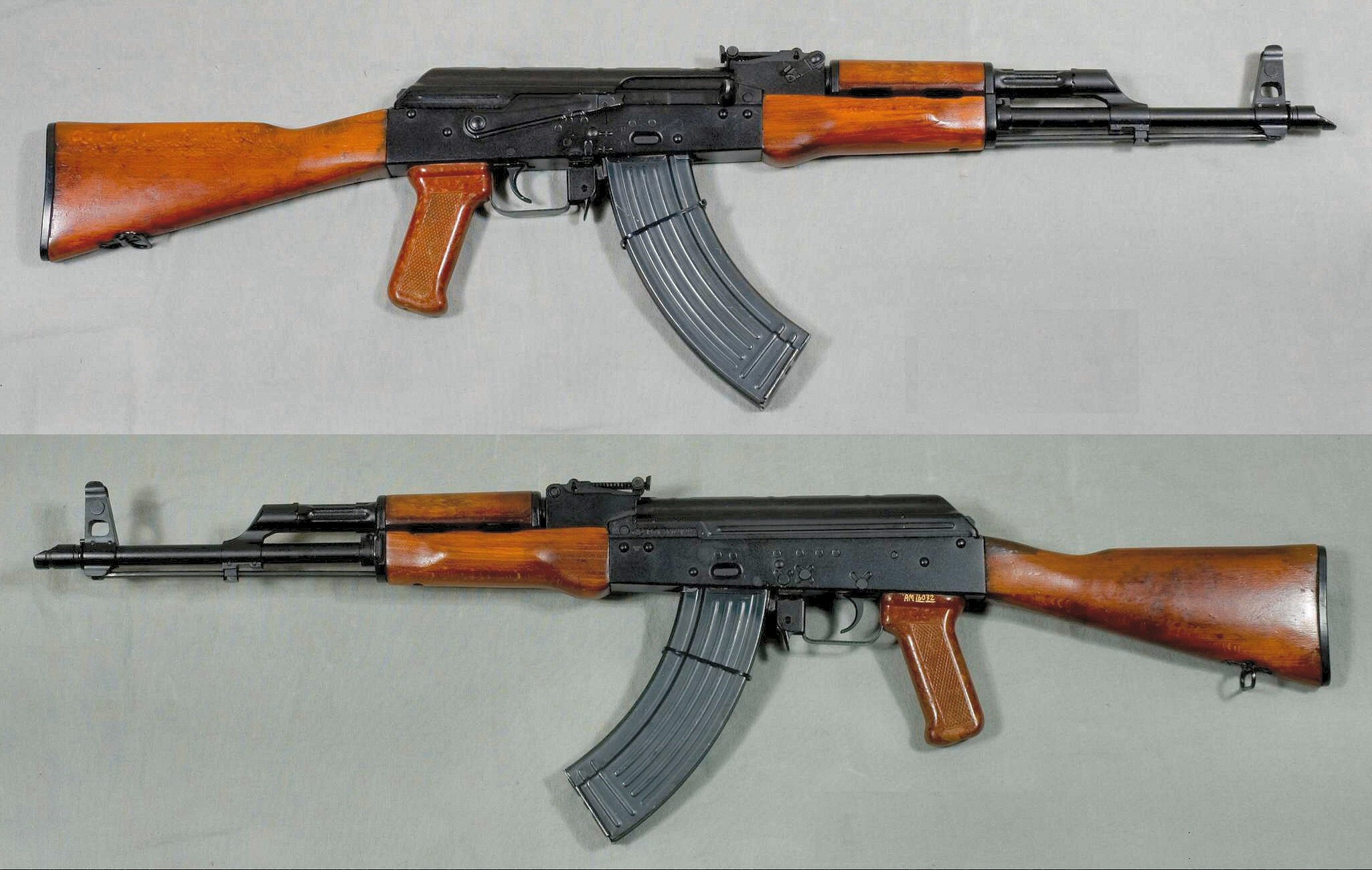
The AKM had already reached its mature form long before the 1989 U.S. import ban, so calling 1989 its perfection year would be inaccurate. The rifle’s relevance lies in how its established design fell under a new legal definition. The 7.62x39mm AKM combined a 415 mm barrel, 30-round magazine, and long-stroke gas system. In 1989, the United States permanently barred imports of several AK-pattern rifles. The action did not erase existing examples, but it sharply changed their availability. The episode shows how a mature military design could suddenly become legally restricted without any technical change to the rifle itself.
2. FN FAL
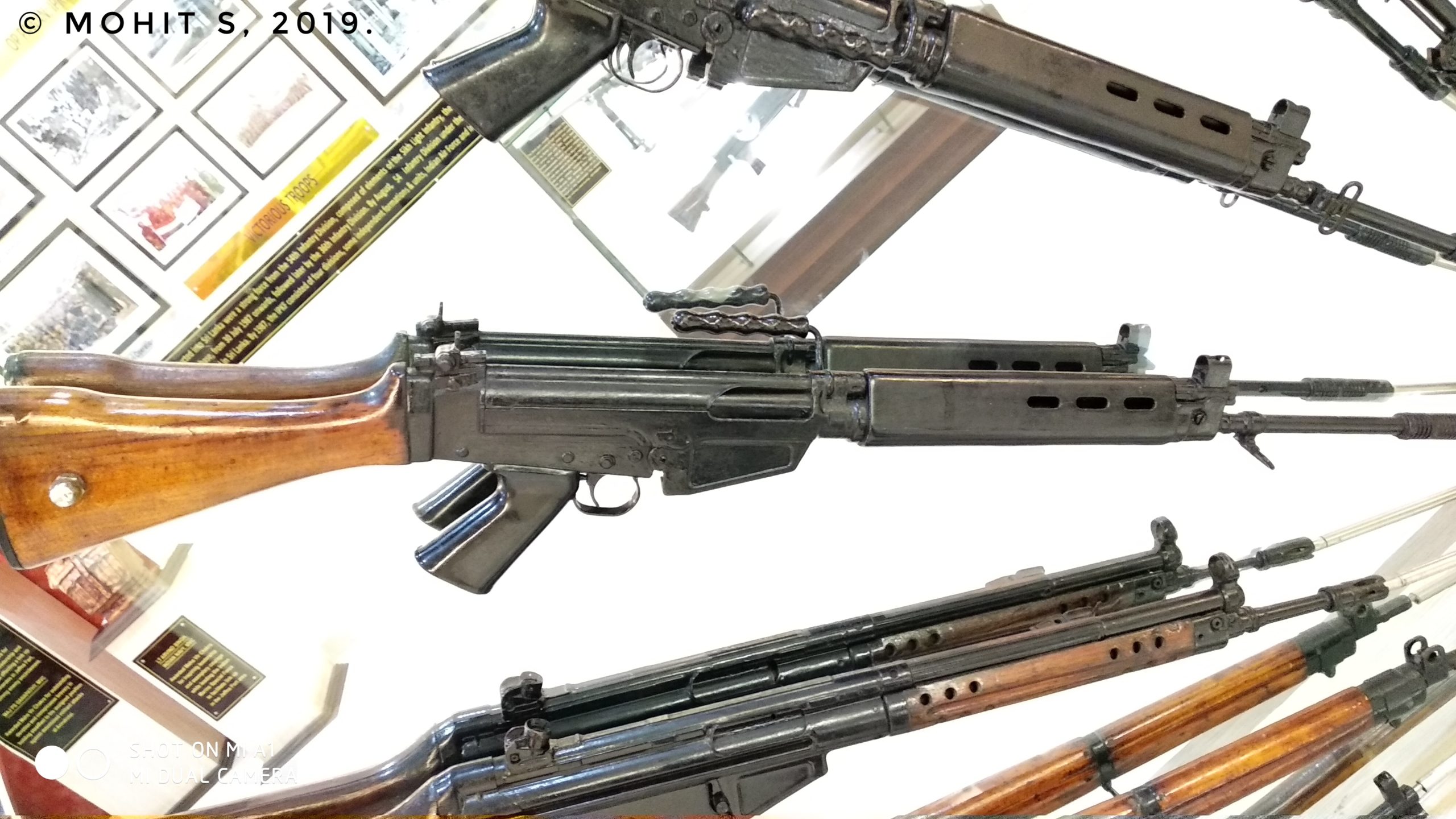
The FN FAL represents another case where legal restriction arrived after the design had already matured. Developed during the 1940s and 1950s, the rifle became one of the world’s best-known 7.62mm military rifles, with a 20-round magazine and roughly a 533 mm barrel on standard versions. Its semiautomatic civilian variants were among the foreign rifles affected by the 1989 U.S. import prohibition. The FAL was therefore not suddenly outlawed because engineers discovered a flaw. Instead, an established military-style design did not change import rules. That distinction is important when describing its history.
3. Steyr AUG
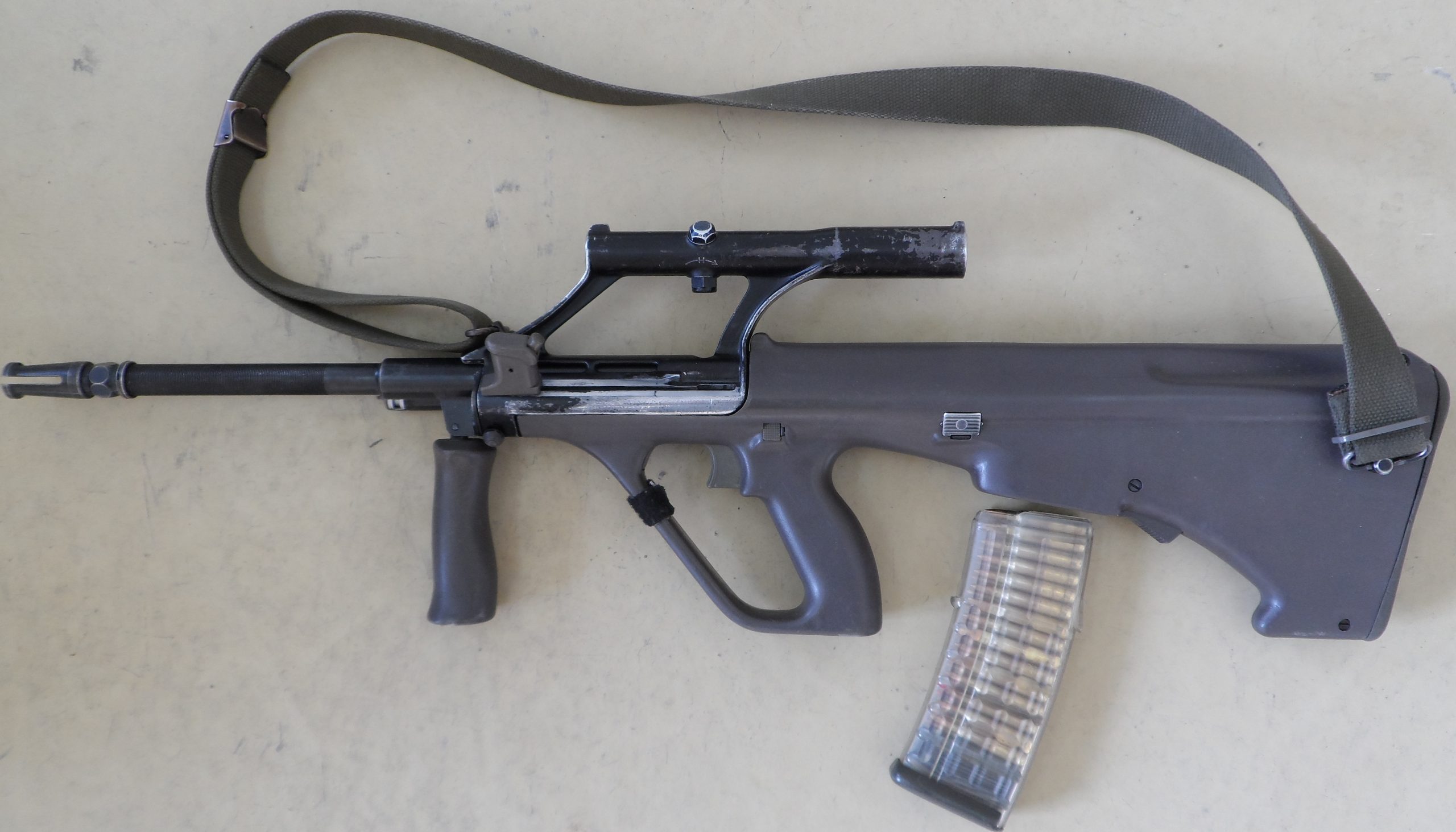
The Steyr AUG was already a mature bullpup design when U.S. restrictions arrived in 1989. Introduced in 1977, it placed a 508 mm barrel inside a compact overall package and commonly used a 30-round magazine. Its polymer construction and integrated optical sight gave it a distinctly modern appearance for its era. The civilian AUG variants became part of the broader restrictions placed on imported semiautomatic rifles. That means 1989 was a major legal turning point for the rifle in America, not its engineering completion. The distinction matters because the AUG had already spent more than a decade proving its basic design.
4. Beretta AR70
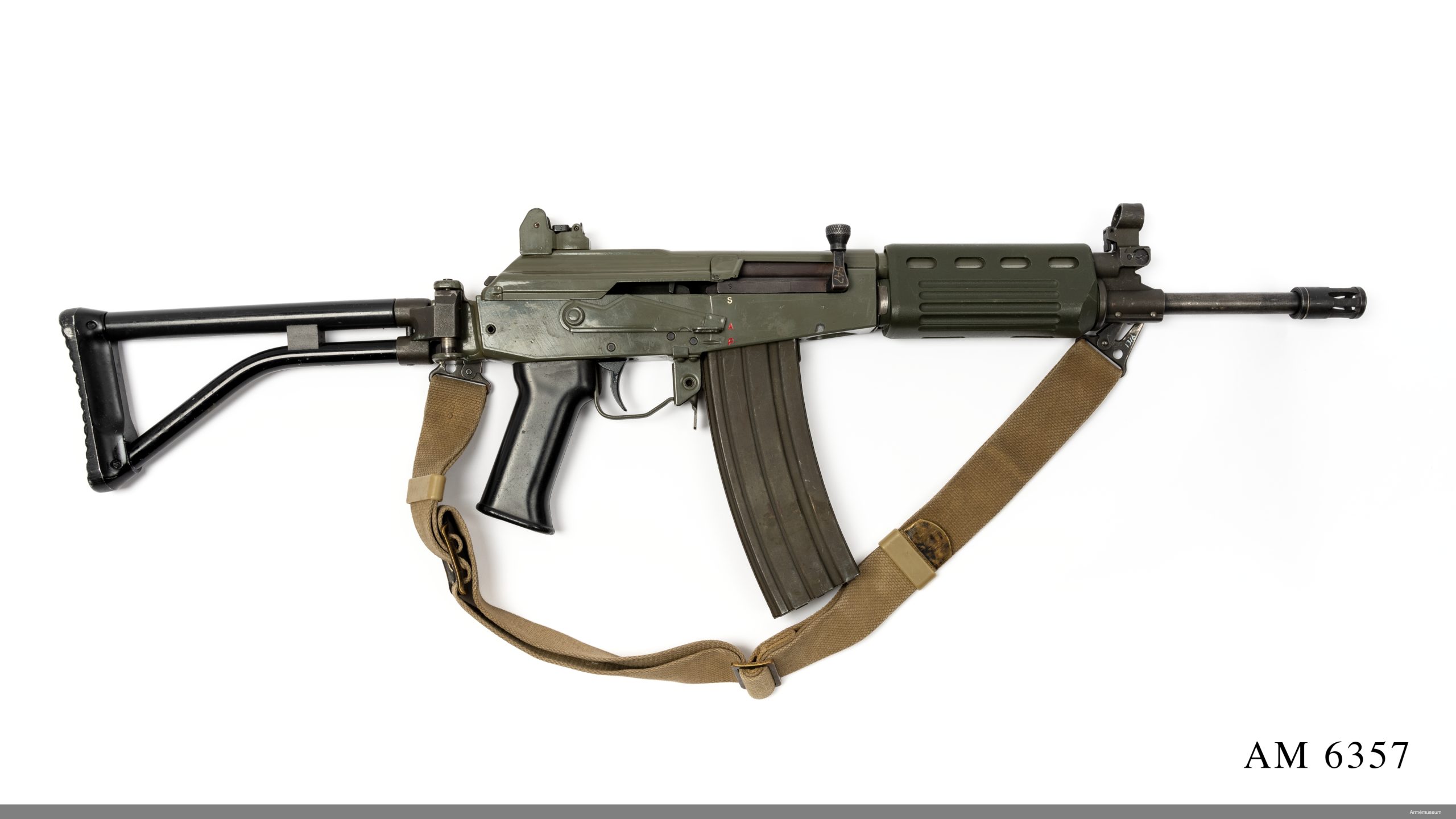
The Beretta AR70 had reached an established production configuration before American import restrictions caught up with it. The original rifle family evolved through several versions, using 5.56mm ammunition and detachable magazines, with military configurations commonly carrying 30 rounds. In 1989, the U.S. government included the Beretta AR70 among foreign semiautomatic rifles barred from importation. That decision illustrates how quickly the legal environment could change around a technically established firearm. The rifle itself had not suddenly become different or more dangerous. Its classification changed because authorities reassessed which imported semiautomatic designs qualified for sporting purposes.
5. Armalite AR-180
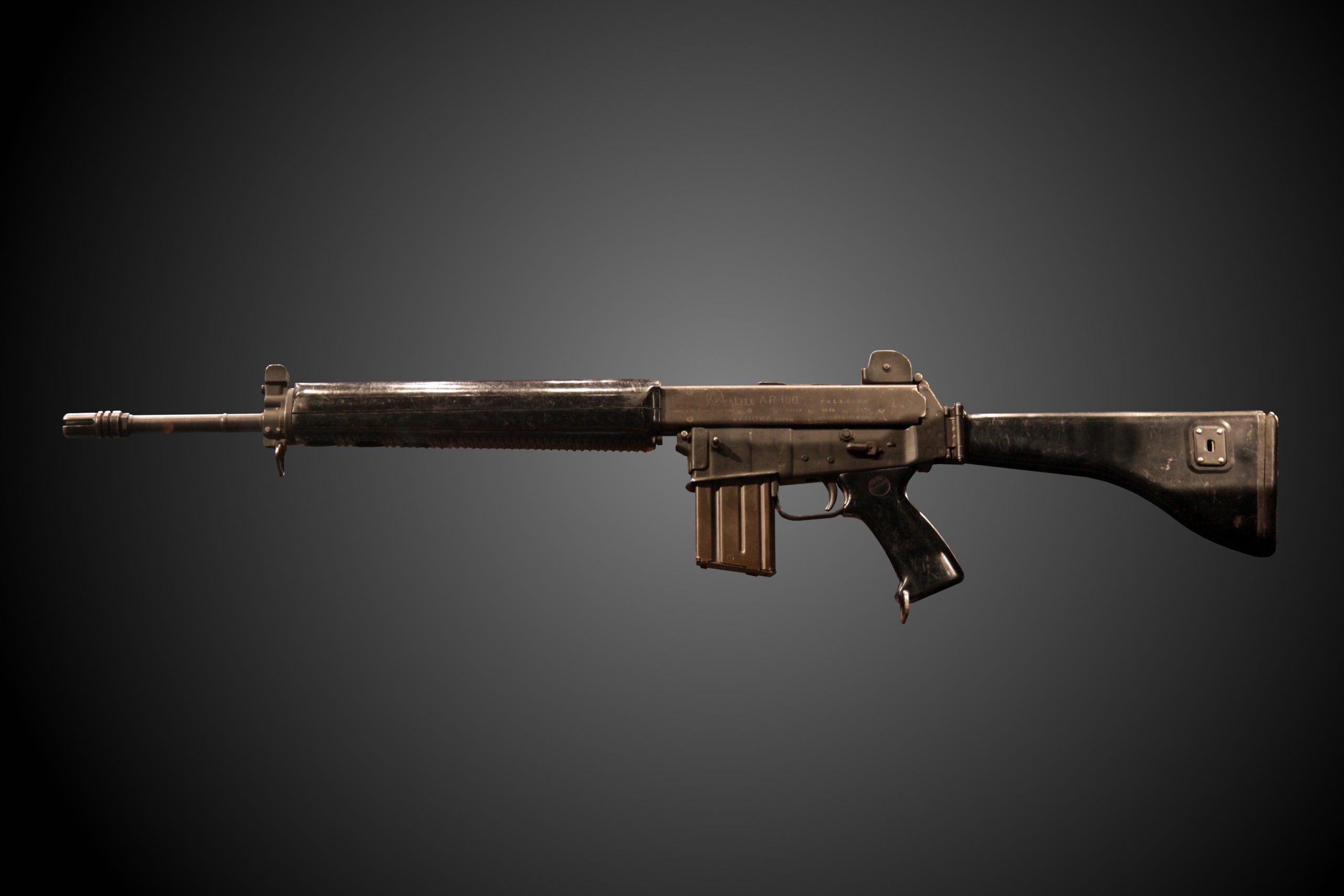
The AR-180 was a refined evolution of Armalite’s earlier AR-18 system, using a 5.56mm cartridge and a short-stroke piston operating system rather than the direct-gas arrangement associated with the AR-15. Its design had matured well before 1989, when the rifle appeared among the foreign semiautomatic models affected by the U.S. import ban. The rifle’s relatively conventional appearance did not save it from the new classification. That year became significant because legal treatment changed even though the underlying engineering was already established. The AR-180 therefore fits the broader story of mature rifles encountering restrictions rather than being literally perfected and banned simultaneously.
6. HK91
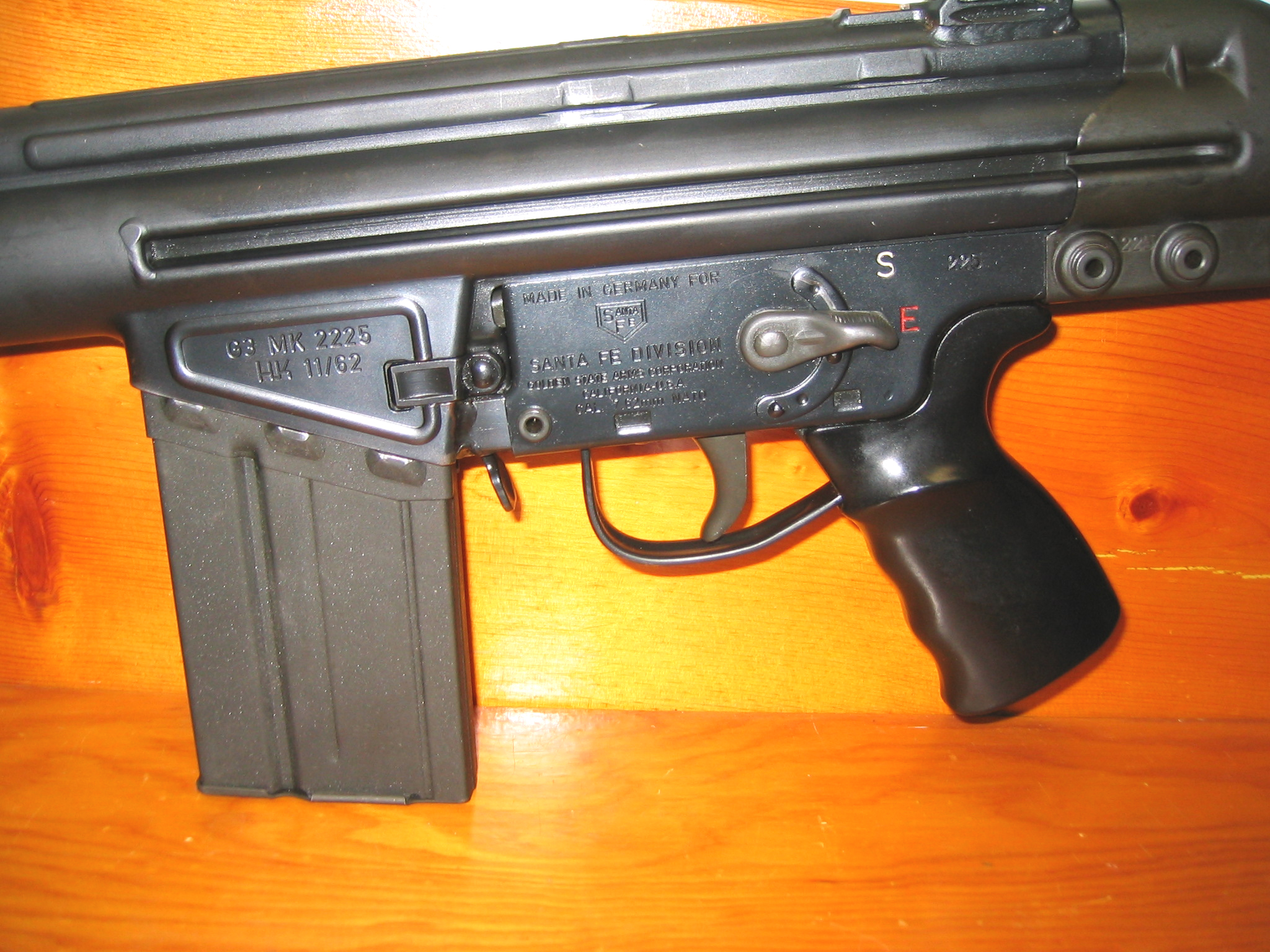
The HK91 was the civilian semi-automatic counterpart of the Heckler & Koch G3 family and represented a highly mature roller-delayed design. Chambered in 7.62x51mm NATO, it commonly used 20-round magazines and retained the robust stamped-steel construction associated with the military system. In 1989, the U.S. government included the HK91 among the foreign semiautomatic rifles prohibited from importation. The important historical point is that the HK91 was not technically unfinished when the restriction arrived. It was already an established commercial rifle. The legal change simply closed an important American import route for the established configuration.
7. HK93
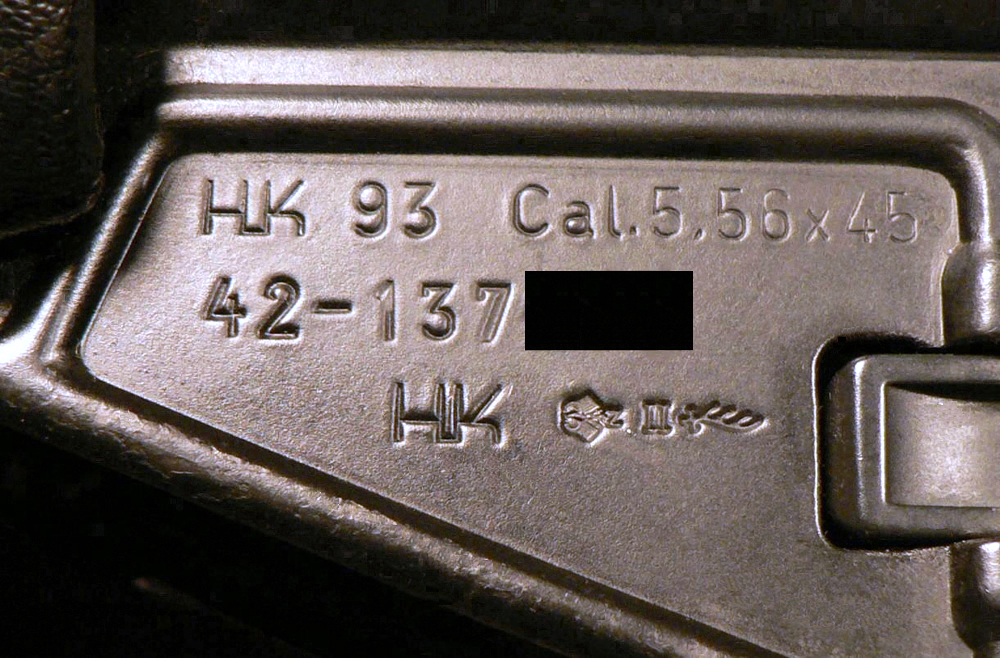
The HK93 brought the same basic roller-delayed operating concept into the smaller 5.56mm cartridge class. Its 20-round magazine, stamped receiver, and compact dimensions made it a distinctive civilian version of the broader HK rifle family. By 1989, the design was already well established, yet the U.S. import crackdown placed the HK93 among the prohibited foreign semiautomatic rifles. The significance lies in the timing of legal treatment, not in a sudden engineering breakthrough. The rifle had reached a mature commercial configuration years earlier. What changed in 1989 was its legal status for importation into the United States, demonstrating how regulation can abruptly interrupt the commercial life of a proven design.
8. Galil
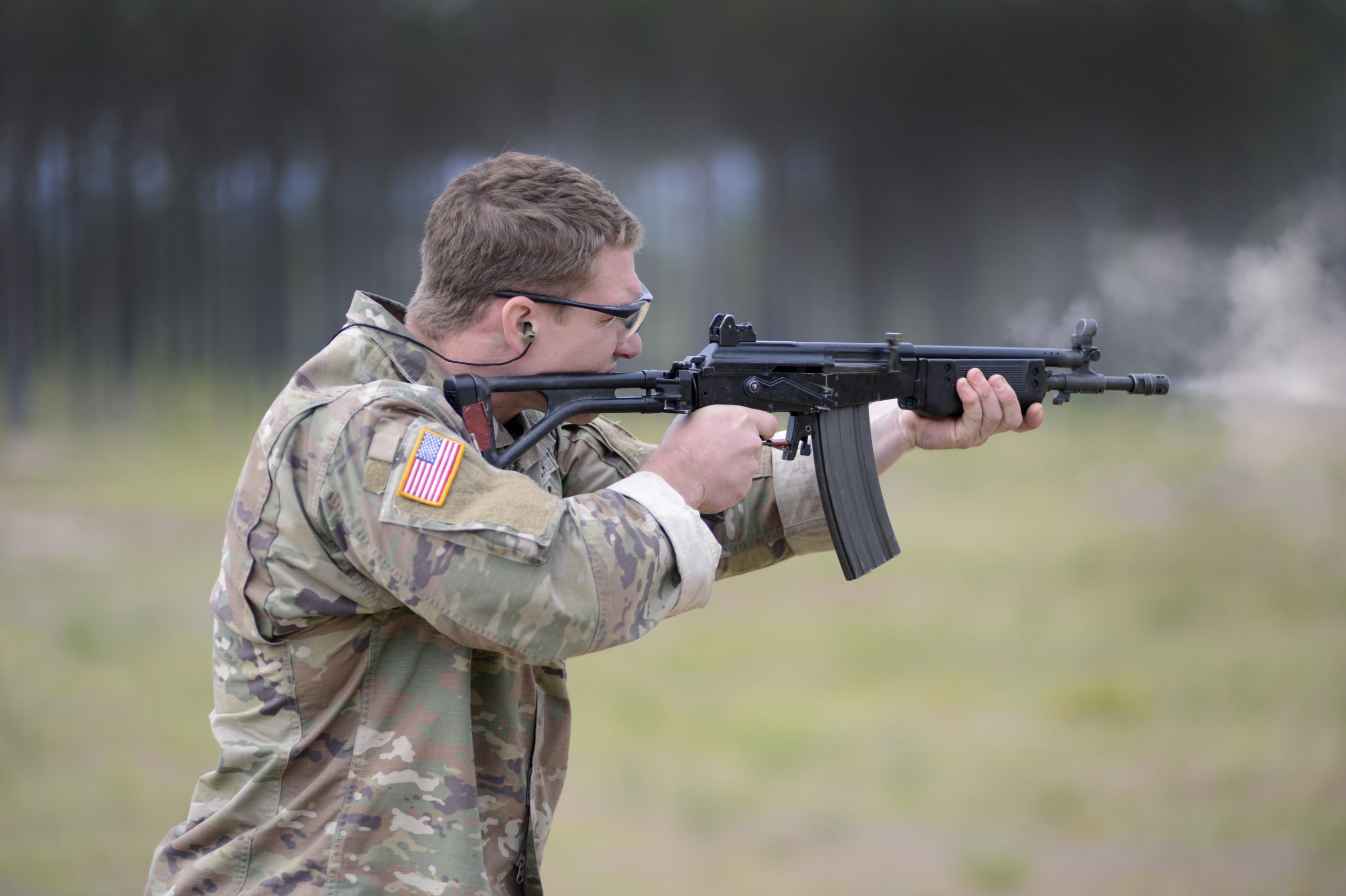
The Galil was another established military design caught by the American restrictions of 1989. Developed in Israel and introduced during the 1970s, the rifle used the 5.56mm cartridge in later configurations and commonly accepted 35-round magazines in its standard form. Its rugged construction reflected military requirements rather than sporting priorities. In July 1989, the United States permanently barred imports of the Galil and numerous other foreign semiautomatic rifles. The rifle itself was therefore not newly perfected that year. Instead, a mature design encountered a major legal barrier in one of its potential civilian markets. That makes the Galil a useful example of engineering maturity colliding with regulatory change.
9. Valmet M76
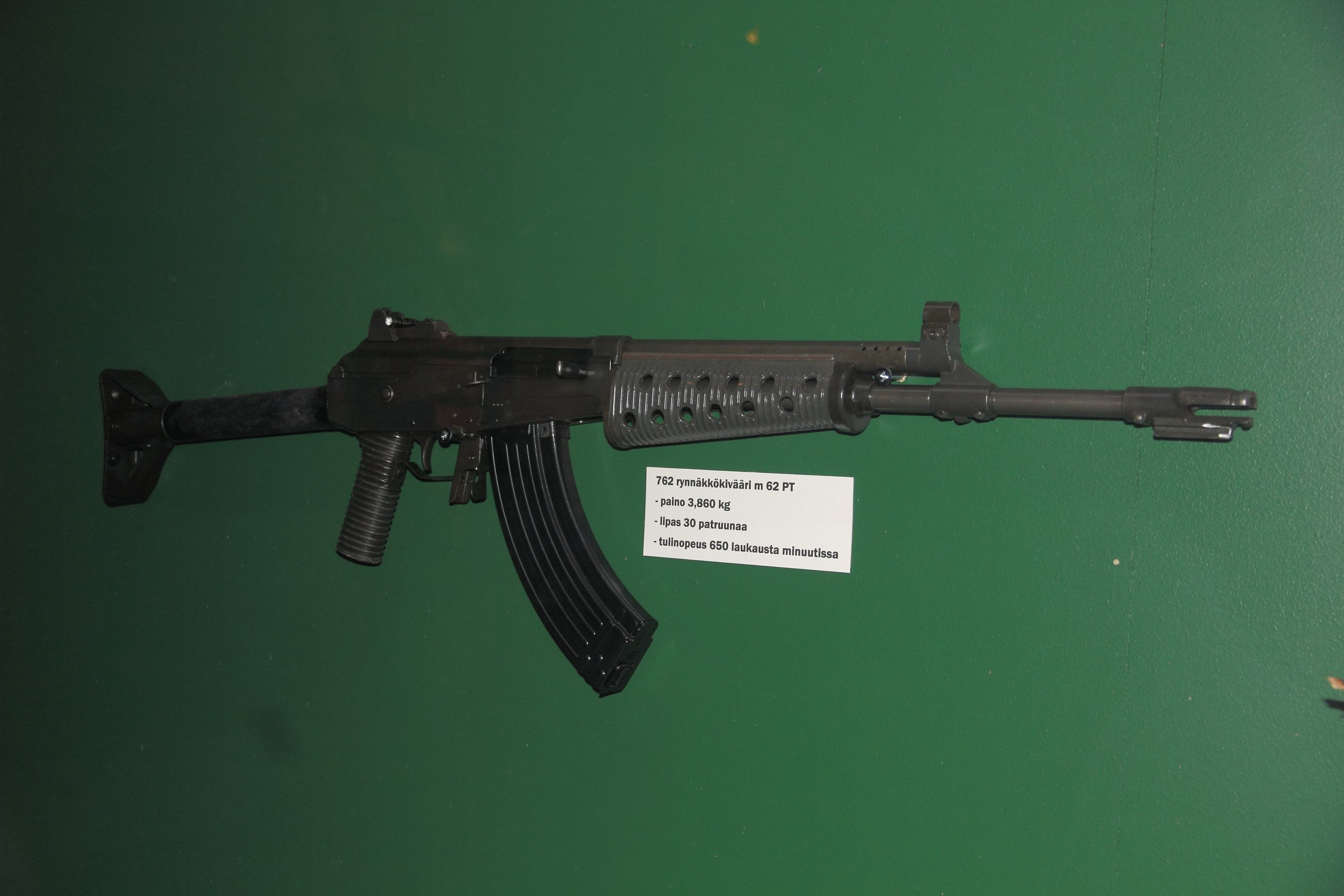
The Valmet M76 was part of Finland’s long-running development of rifles derived from the Kalashnikov operating system. Chambered in 5.56mm or other configurations depending on variant, it represented a mature military-style design with detachable magazines and a rugged operating system. In 1989, the M76 appeared among the foreign rifles affected by America’s permanent import restrictions. Its inclusion demonstrates how the ban covered a surprisingly broad collection of established rifles rather than one particular mechanism. The M76 had already evolved considerably before the restriction arrived. The legal decision consequently changed its civilian availability without representing the end of its technical development.
10. SIG 550SP
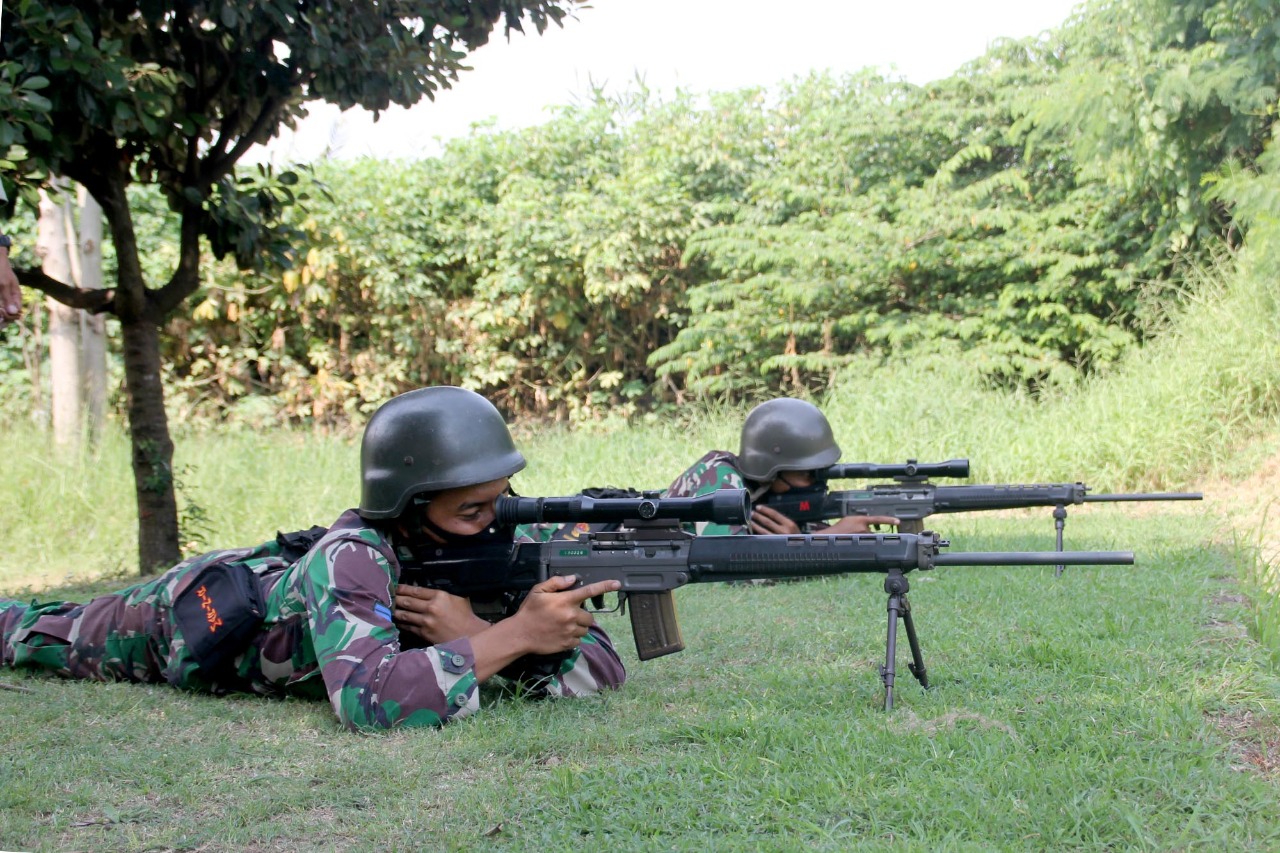
The SIG 550 family was one of the more modern rifles caught by the changing American import environment. Switzerland’s military rifle used a 5.56mm cartridge, a long-stroke gas piston system, and distinctive translucent magazines that could be coupled together. The semiautomatic 550SP appeared on the 1989 list of foreign rifles barred from U.S. importation. Unlike some older designs, the SIG platform was still relatively young when these restrictions arrived. Its inclusion demonstrates why the phrase “perfected and banned” can be misleading. The rifle’s engineering development and its legal classification were separate events, even though the restriction arrived during the platform’s mature period.