Pawn-shop firearm pricing can be surprisingly inconsistent because value depends on condition, production history, configuration, demand, and regional interest. A familiar model may be undervalued simply because it looks ordinary, while a less common variant can command more attention from collectors. The nine examples below highlight models where details such as caliber, finish, markings, barrel length, and original configuration can significantly affect historical or market value. Prices also vary substantially by jurisdiction, condition, and time, so these examples are best viewed as identification and valuation considerations rather than fixed price guides.
1. Ruger P95
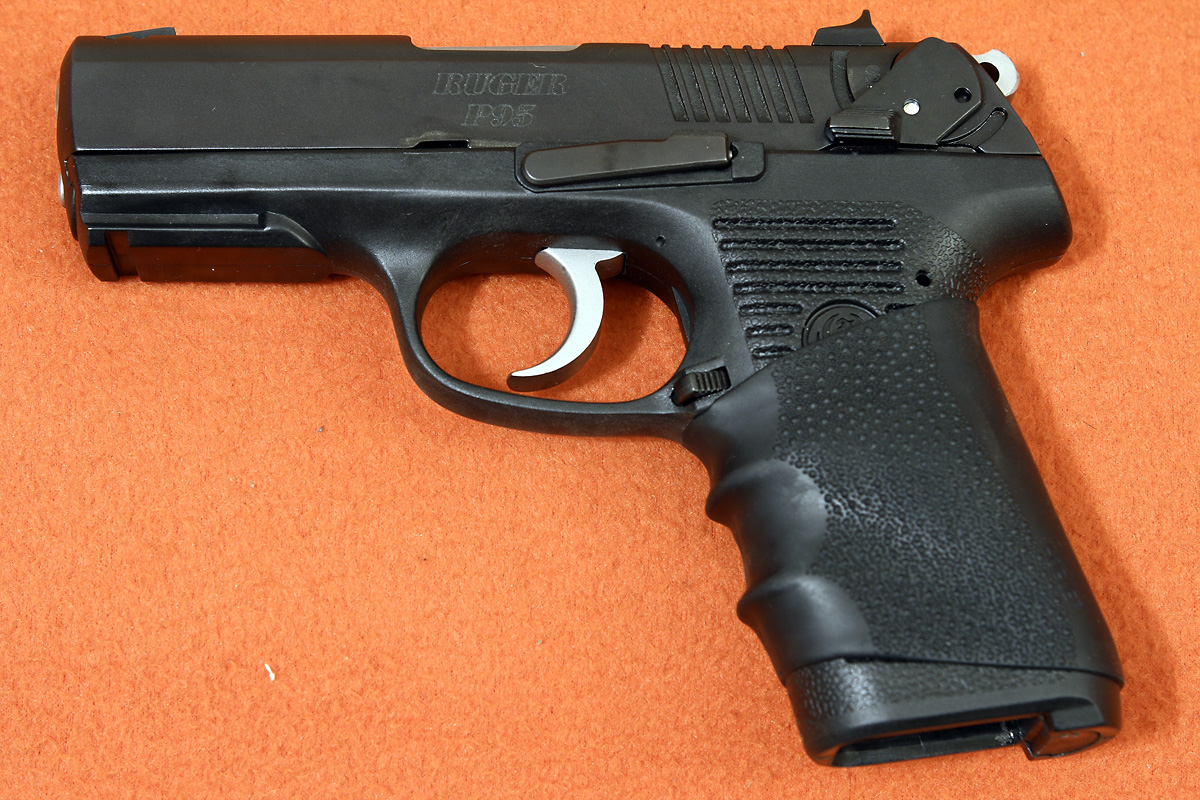
The Ruger P95 is an example of a pistol that can be overlooked because it was designed as a practical service handgun rather than a premium collector piece. Introduced in 1996, it uses a polymer frame and was commonly chambered in 9mm, with a 15-round magazine in its original configuration. Its straightforward construction and reputation for durability helped it develop a loyal following. A pawn-shop tag that treats every P95 as identical can miss differences in condition, factory configuration, accessories, and production details. The model was discontinued in 2013, giving clean examples additional interest among owners of discontinued Ruger pistols.
2. Smith & Wesson Model 10
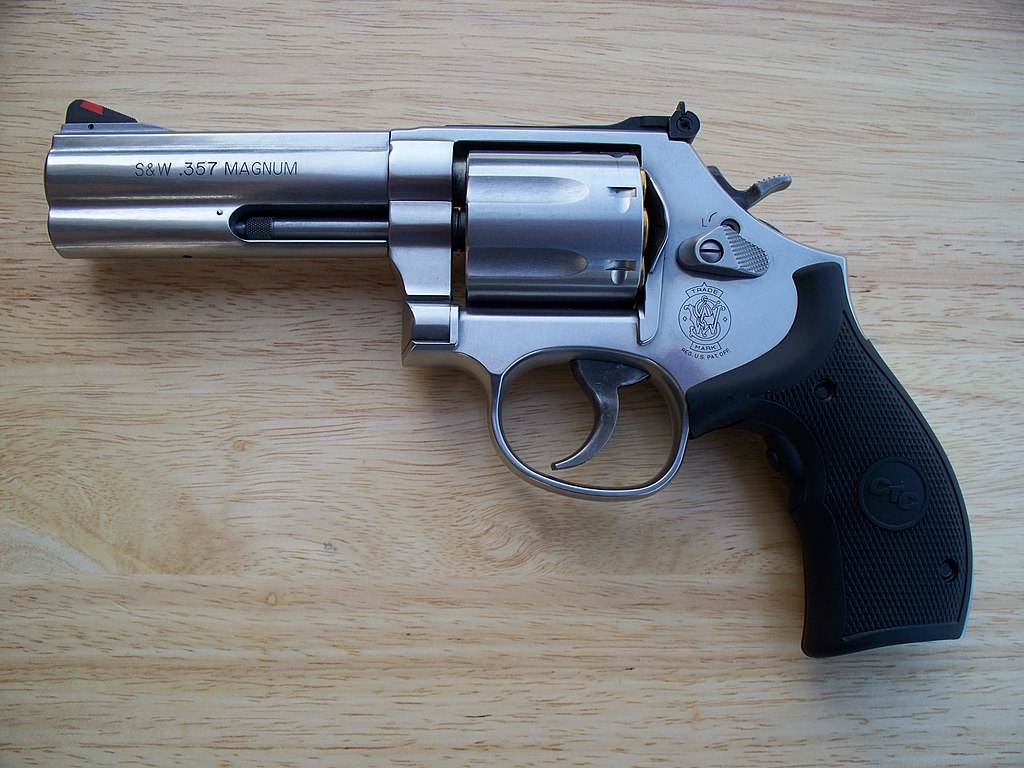
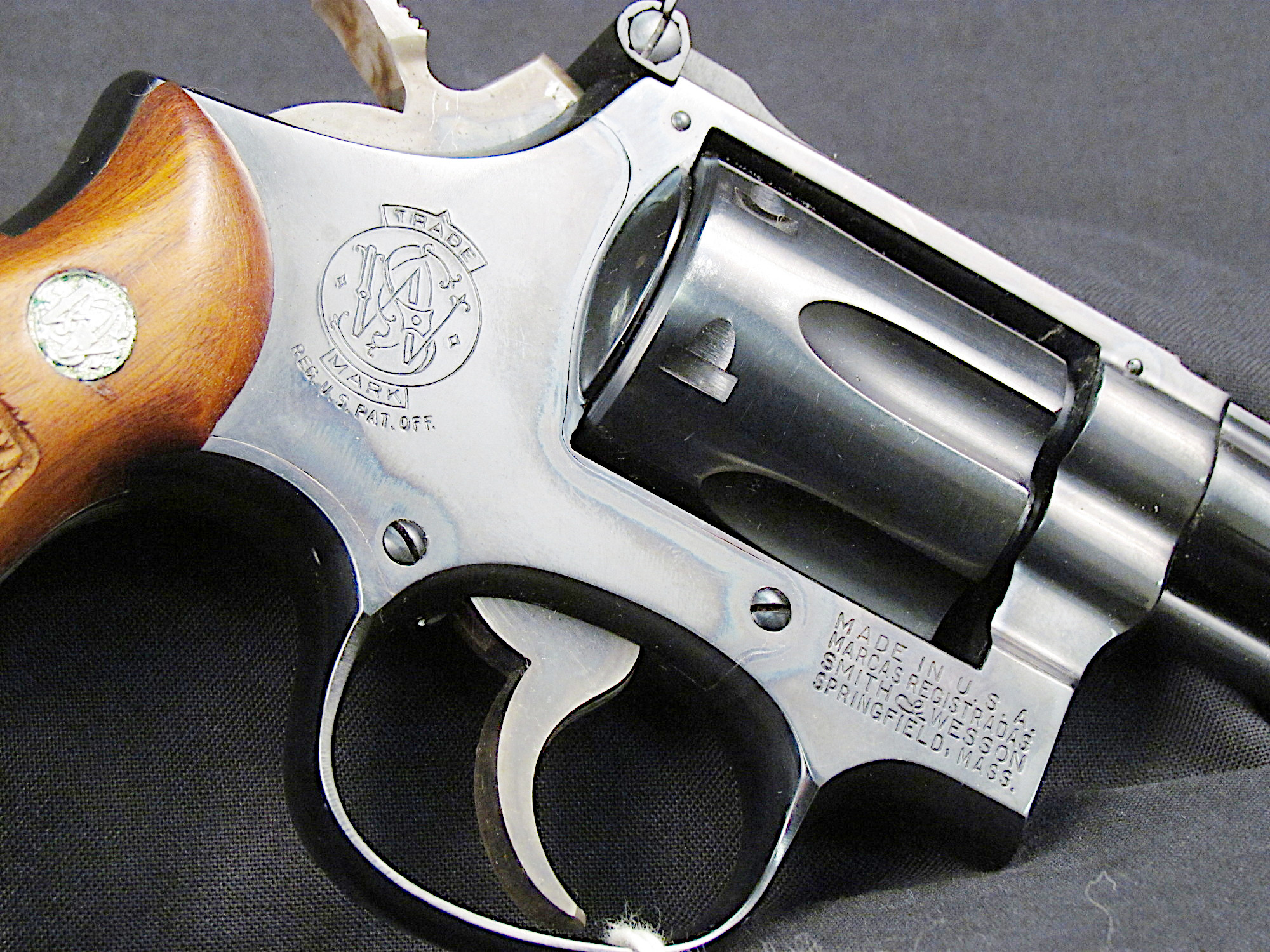
The Smith & Wesson Model 10 is one of the classic revolvers whose value can be difficult to judge from appearance alone. Its history reaches back to 1899, when the design appeared as the Military & Police revolver, and millions were eventually produced. Most examples use .38 Special and a six-shot cylinder, but barrel lengths, grips, finishes, and manufacturing periods vary. A worn-looking revolver may still possess historical significance or desirable factory features. Serial-number ranges, original parts, barrel configuration, and overall condition can therefore matter considerably when assessing an individual Model 10 rather than relying on a generic used-gun price.
3. Mossberg 500
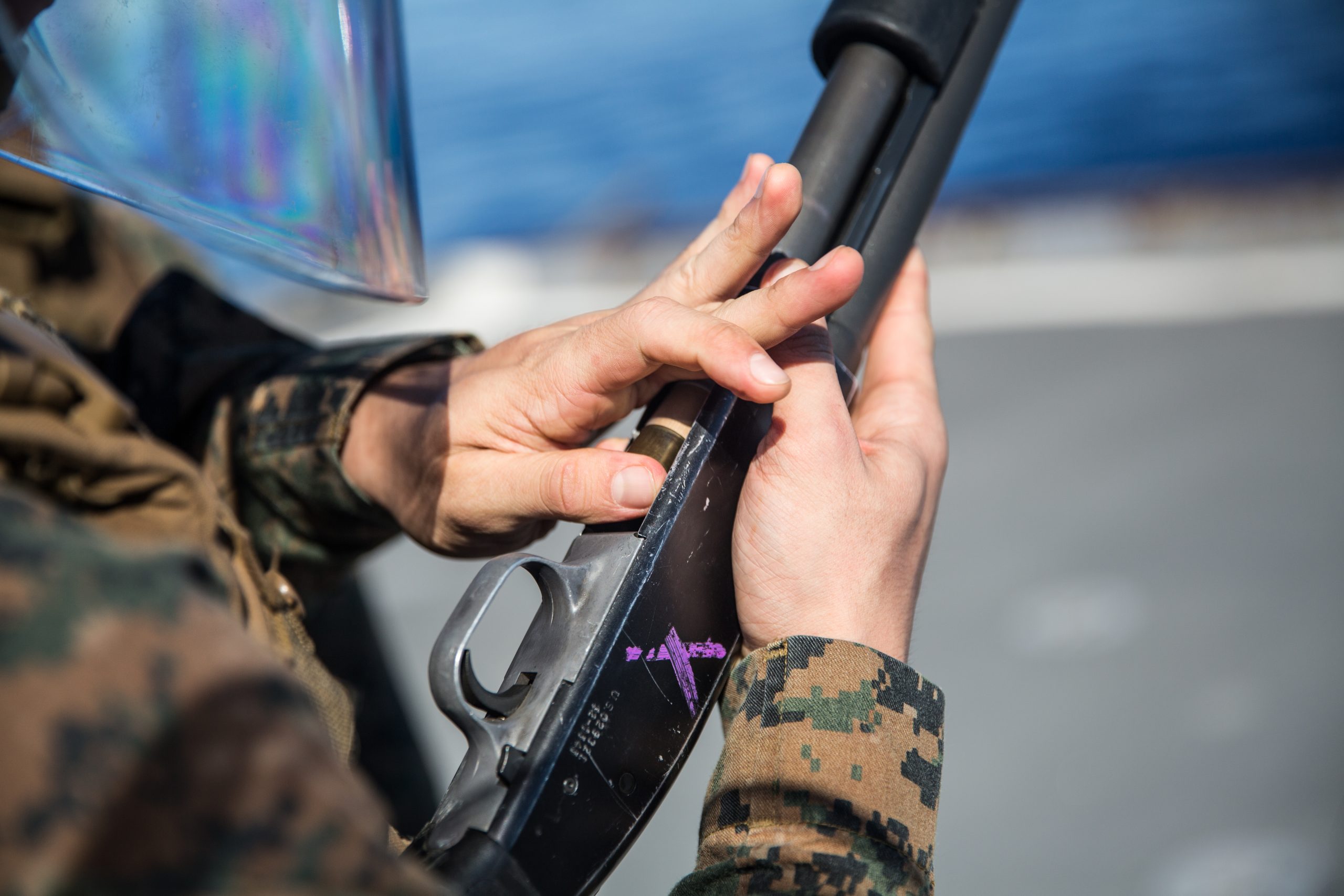
The Mossberg 500 is another firearm where configuration can make a major difference to how a particular example should be assessed. Introduced in 1961, the pump-action shotgun became one of Mossberg’s best-known designs and has been produced in numerous configurations. Common versions use 12-gauge shells, although other chamberings exist. Barrel length, stock arrangement, finish, receiver markings, and factory accessories can distinguish one example from another. A basic 500 may have modest used-market appeal, while an older, unusual, or exceptionally clean configuration can attract greater interest. Production history spanning more than six decades also means that age alone does not determine value.
4. Remington 870 Wingmaster
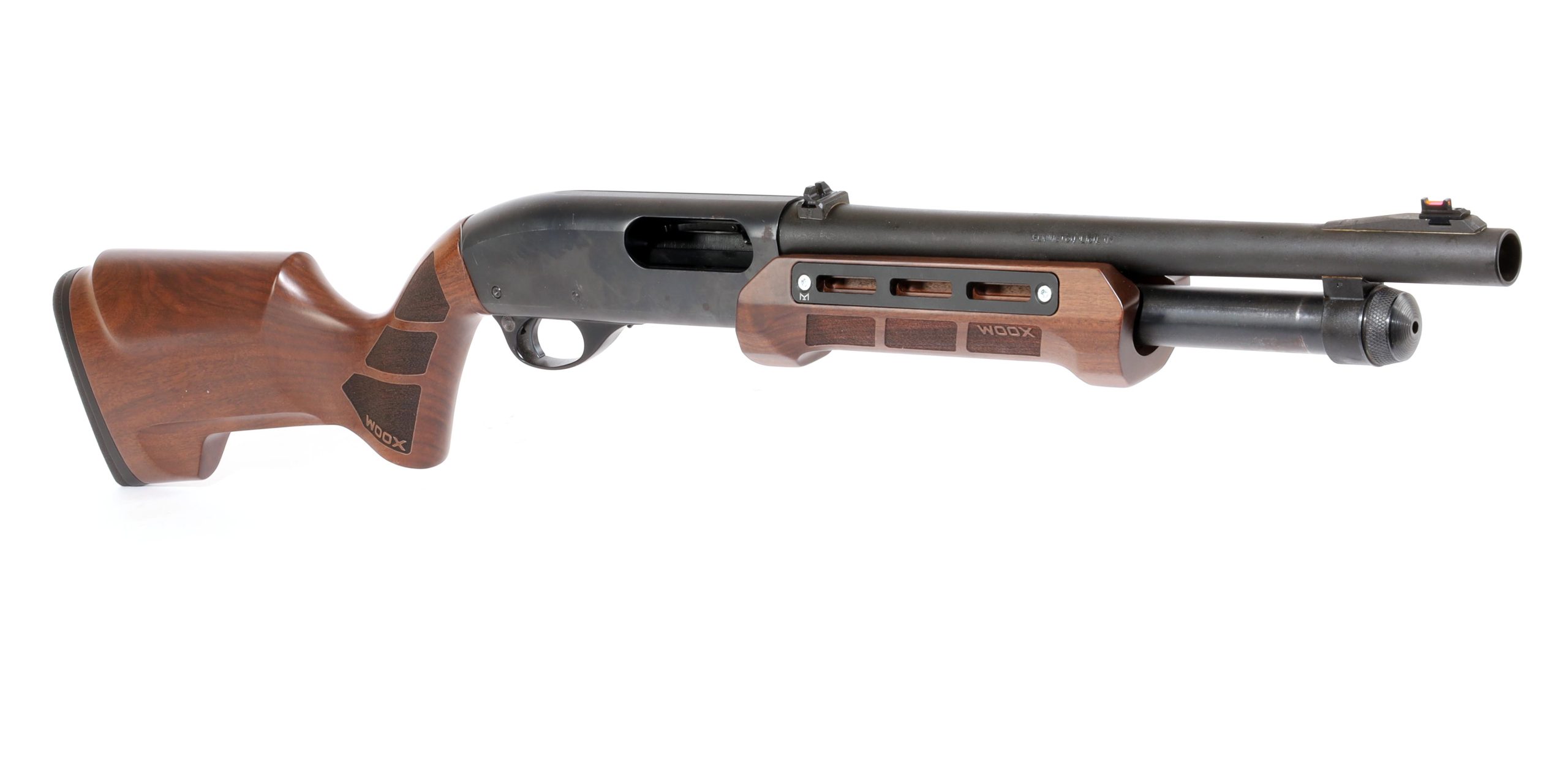
The Remington 870 Wingmaster can be easy to misprice when it is grouped with ordinary used 870 variants. The Wingmaster represented a more refined version of the famous pump-action platform, traditionally featuring polished metalwork and walnut furniture. Introduced in 1950, the 870 became one of the most widely produced sporting shotguns in American history. Many examples were chambered in 12 gauge, although other gauges were offered. Condition is especially important because original wood, finish, and factory configuration can separate a desirable older Wingmaster from a heavily modified example. Small details such as barrel markings and matching components can therefore deserve closer inspection.
5. CZ 82
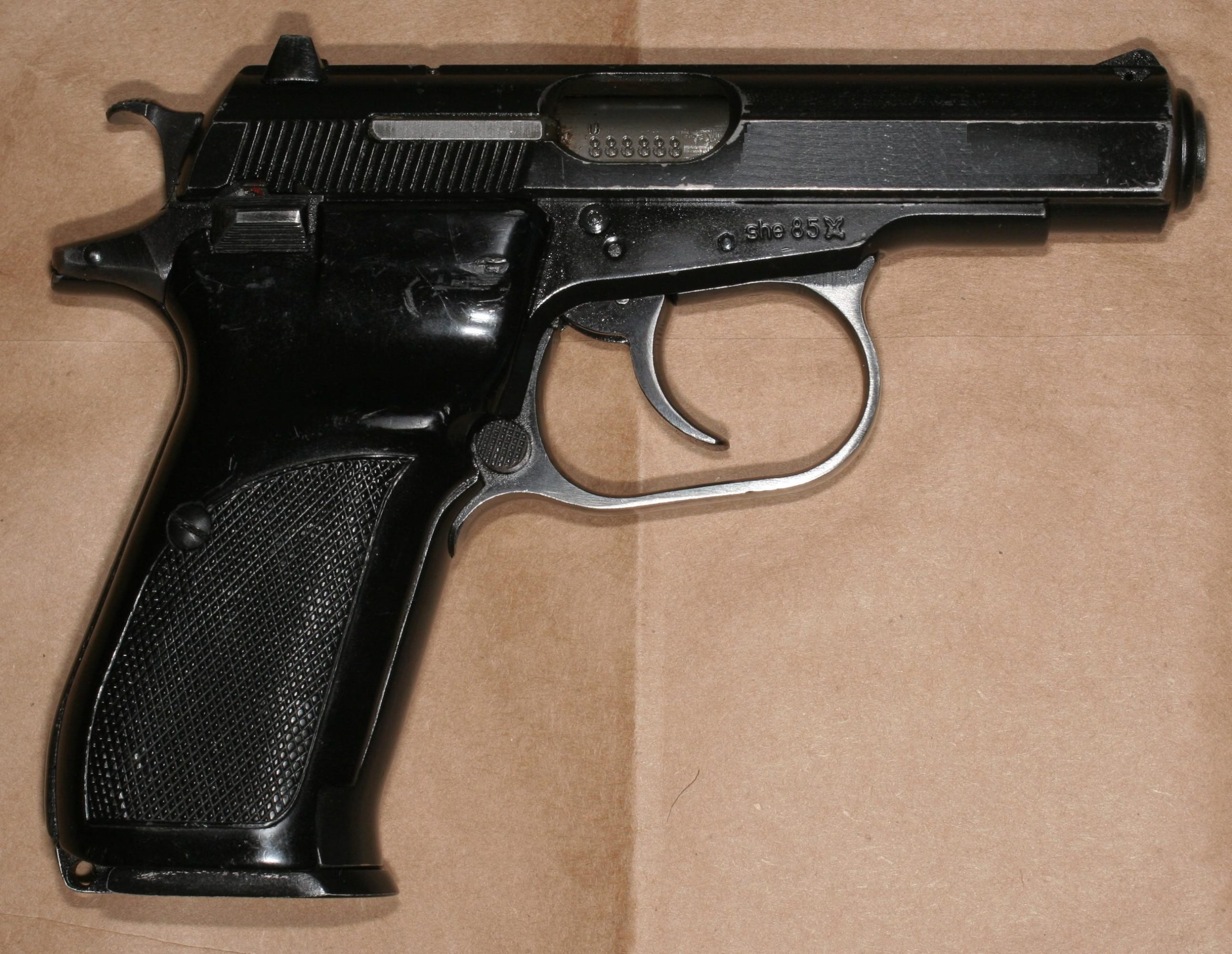
The CZ 82 is a compact pistol that can be underestimated because its Cold War military origins are not immediately obvious to every buyer. Developed in Czechoslovakia during the 1980s, it was adopted by the country’s military and security services. The standard version is chambered in 9×18mm Makarov and uses a 12-round magazine. Its all-steel construction, polygonal rifling, ambidextrous controls, and distinctive military background give it characteristics that differ from many inexpensive surplus pistols. Condition, matching components, original markings, and import history can influence collector interest. A basic-looking example may therefore deserve more careful identification before its value is estimated.
6. Beretta 92FS
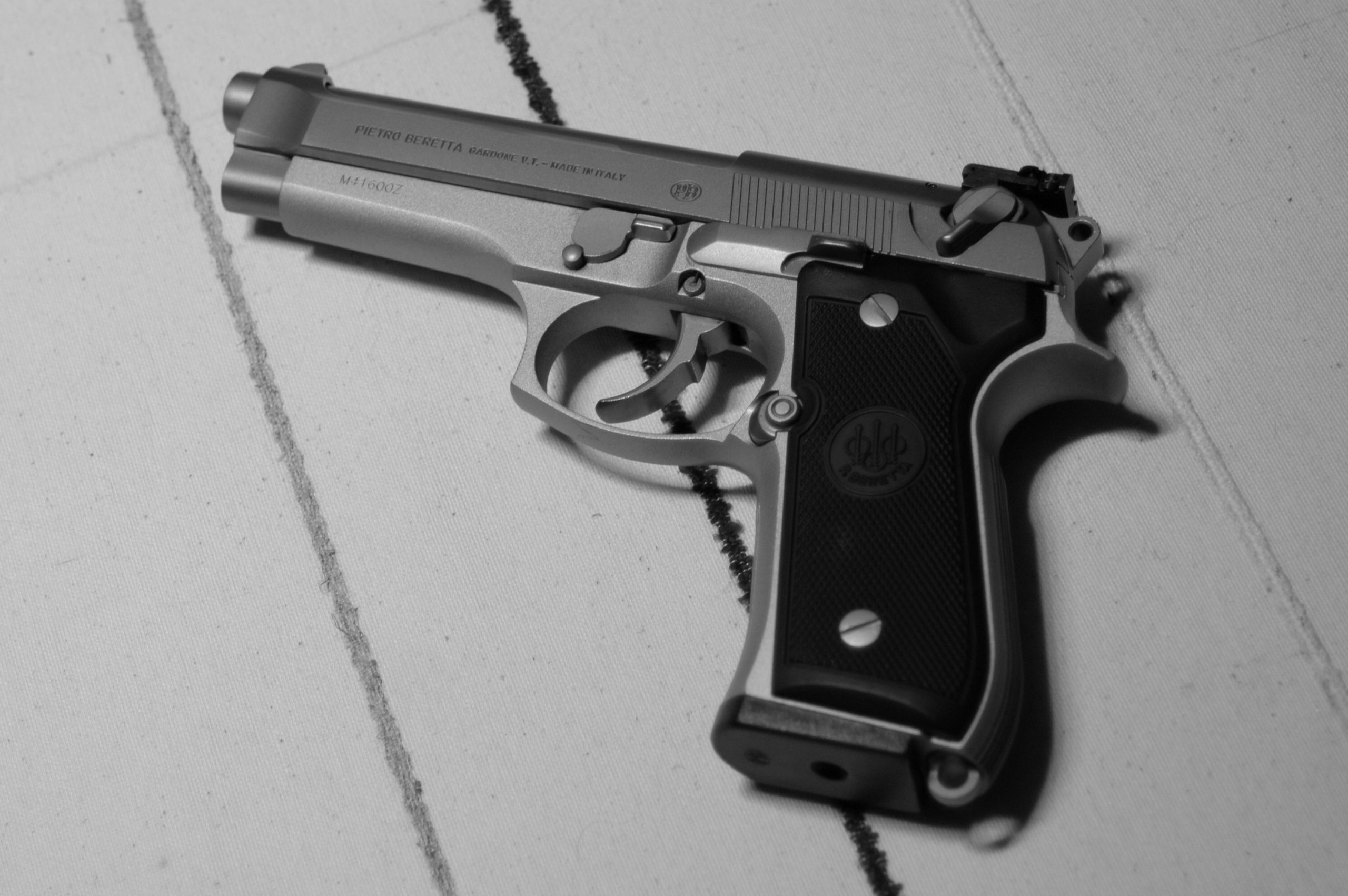
The Beretta 92FS is widely recognized, but familiarity can sometimes work against accurate pricing because numerous versions and configurations exist. The Italian-designed pistol became especially famous after being adopted by the U.S. military as the M9 in 1985. Standard 92FS pistols are chambered in 9mm and commonly use 15-round magazines, although magazine capacity varies by market and era. Factory origin, finish, markings, condition, and included components can all affect interest. Earlier examples, military-associated variants, and unusual factory configurations may deserve separate consideration from ordinary commercial models. Treating every 92FS as an identical used pistol can therefore overlook meaningful differences.
7. Glock 23
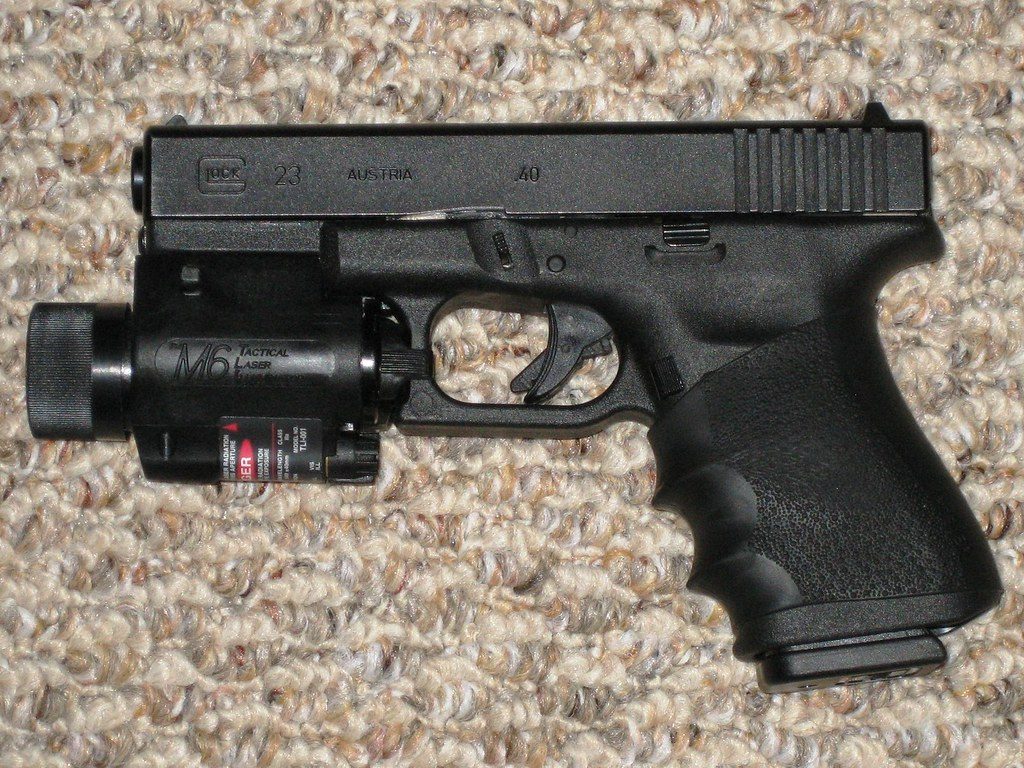
The Glock 23 illustrates why caliber and generation should be considered before assigning a generic value. Introduced in 1990, it is a compact .40 S&W pistol designed around Glock’s polymer-frame operating system. Standard configurations commonly used 13-round magazines, while later generations brought changes to the frame, grip texture, sights, and other details. Generational differences can make two visually similar pistols meaningfully different to collectors and buyers. Factory configuration, production markings, finish condition, original magazines, and whether components have been replaced can all influence desirability. A pawn-shop listing that simply says “Glock 23” provides too little information for a precise assessment.
8. Ruger GP100
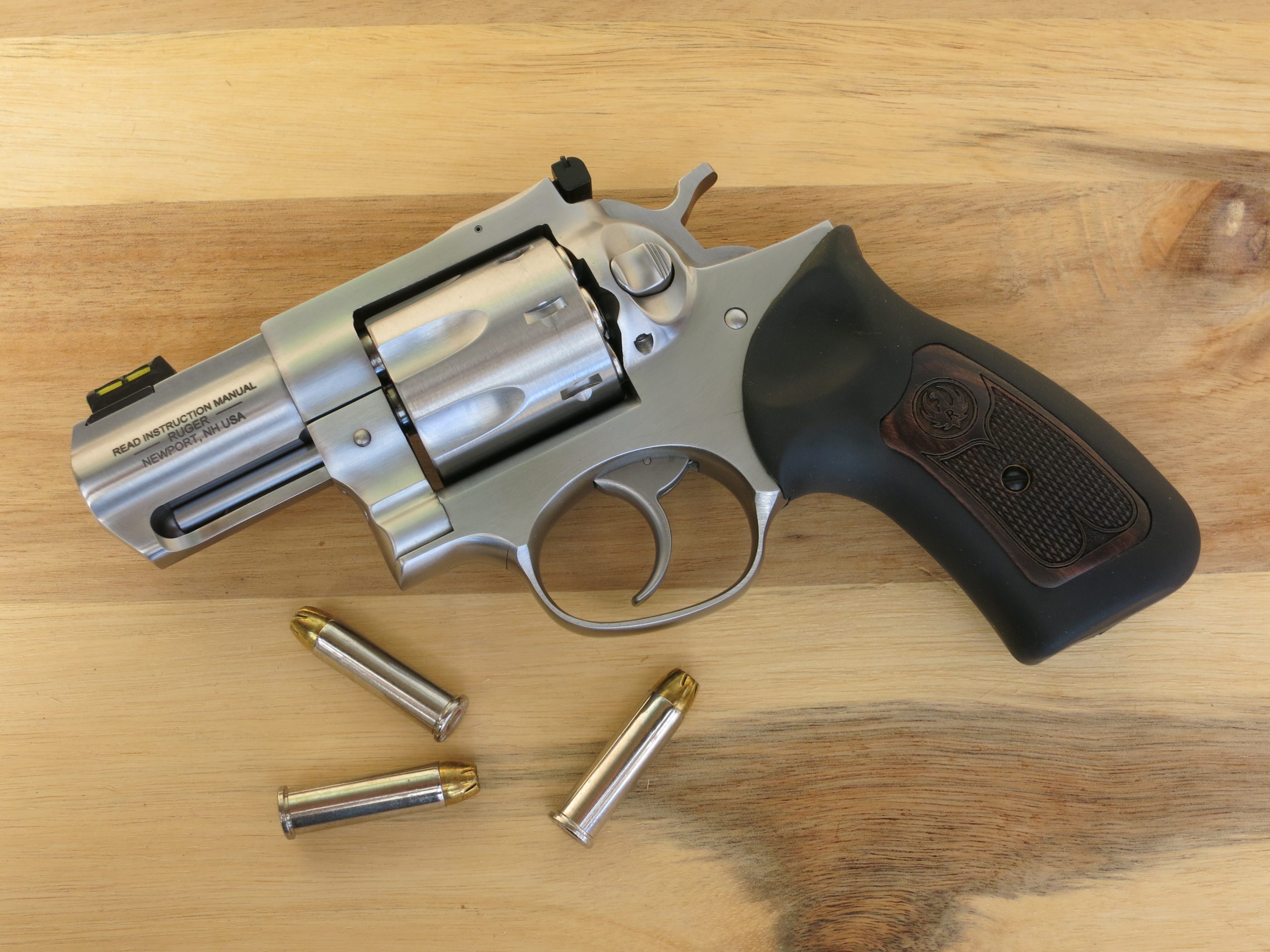
The Ruger GP100 is a robust double-action revolver whose value can vary substantially with configuration. Introduced in 1985, the series was designed as a successor to Ruger’s Security-Six family and became known for its strong stainless-steel construction. Common versions are chambered in .357 Magnum and use six-shot cylinders, although other configurations exist. Barrel lengths have included several options, allowing substantial variation between examples. Grip design, sight arrangement, finish, barrel length, and overall condition can all affect market interest. A clean older GP100 with an original configuration may therefore deserve a different assessment from a heavily modified or well-used example.
9. CZ 527
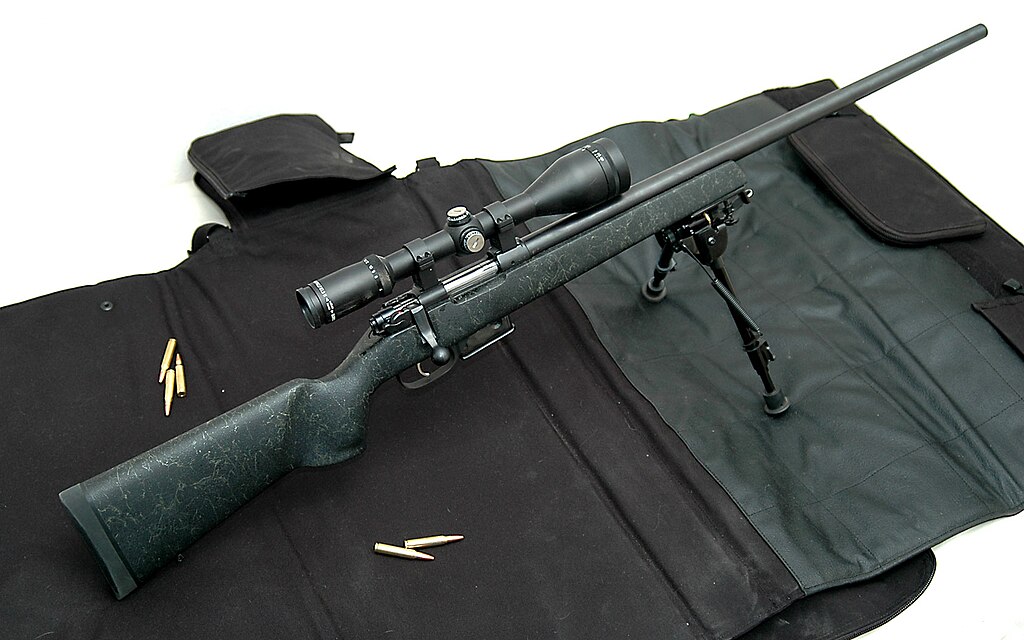
The CZ 527 is a compact bolt-action rifle that can be particularly interesting when a pawn-shop tag fails to identify its exact chambering and configuration. Introduced in the 1990s, it was designed around a controlled-feed action and became popular among hunters and sport shooters seeking a relatively compact rifle. Chamberings included cartridges such as .223 Remington and 7.62×39mm, with configurations varying by market. Stock material, barrel profile, sights, magazine arrangement, and production period can influence interest. Since the 527 was discontinued, clean examples with desirable factory configurations may attract attention beyond the value assigned to an ordinary used bolt-action rifle.