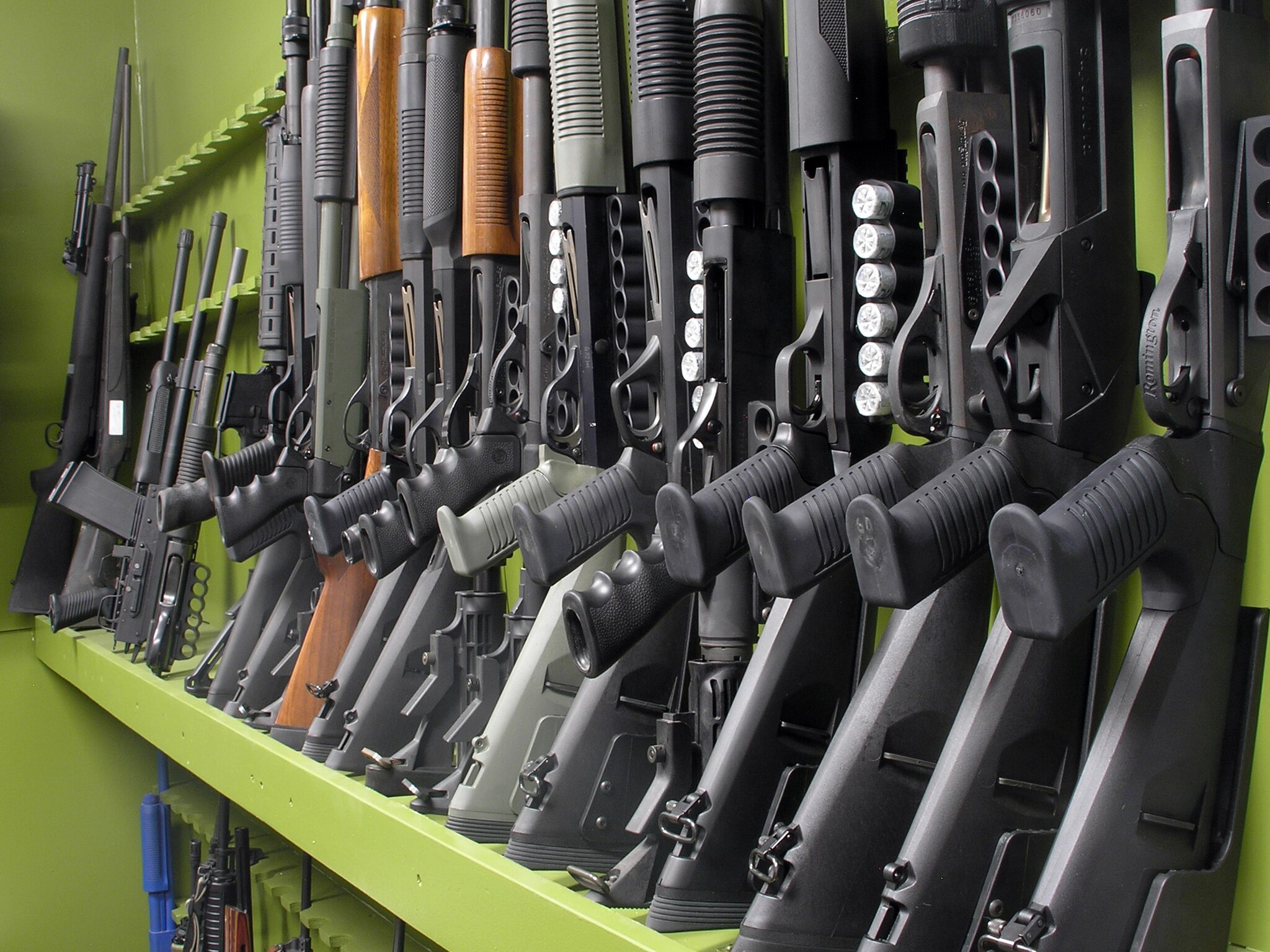
Some shotguns are bought to hunt hard, ride in trucks, and lean in corner racks for decades. But a handful have crossed into that special zone where owners start thinking twice before putting more wear on them. These are the kinds of guns collectors quietly rescue from working duty, not because they are fragile, but because originality, craftsmanship, and dwindling supply matter more every year.
Winchester Model 12
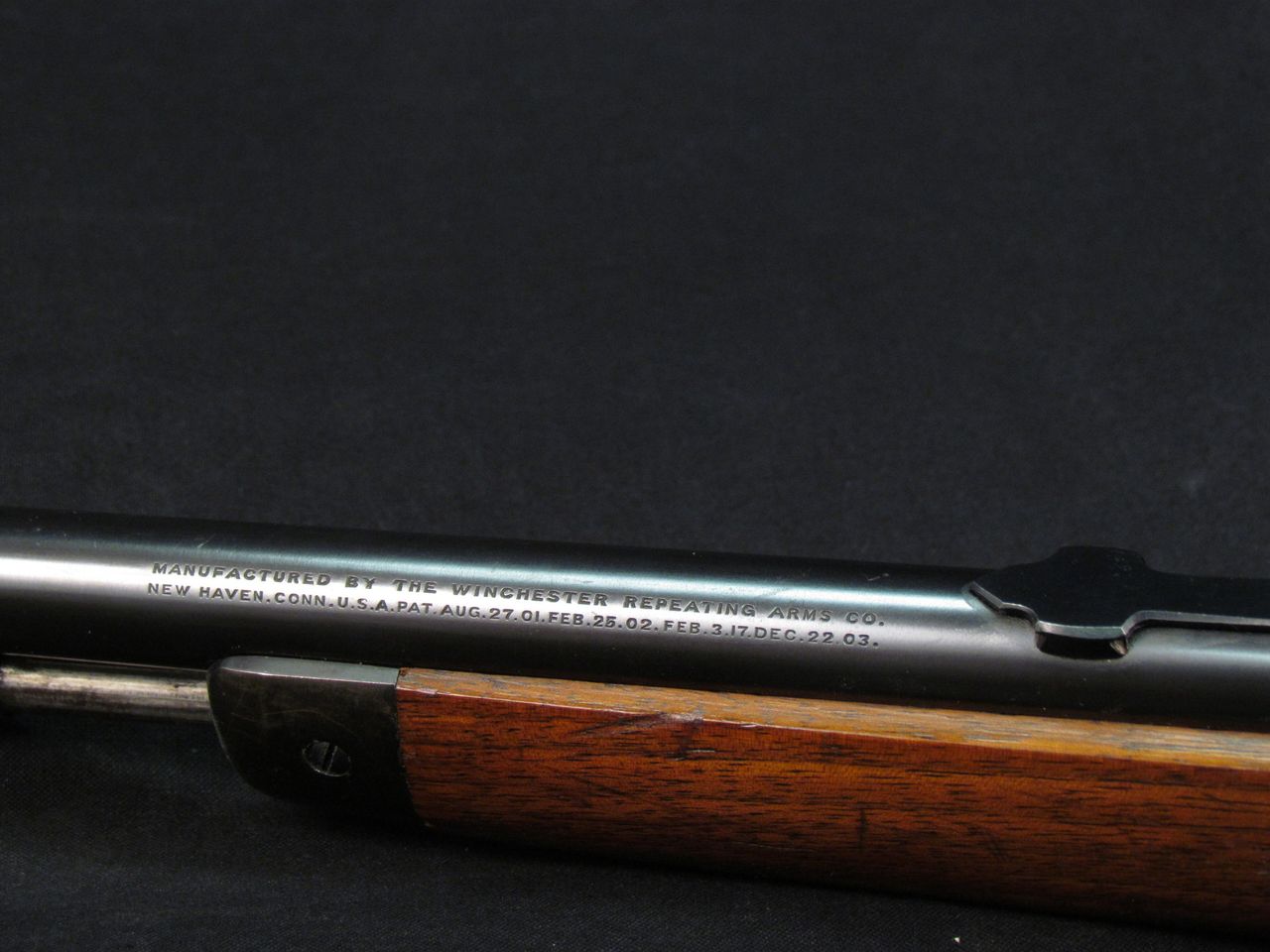
The Winchester Model 12 may be the classic American pump gun, the one that keeps showing up in duck camps, pheasant fields, and family gun cabinets. It earned that reputation honestly, with smooth operation, excellent balance, and the kind of all-steel build that made owners trust it for everything.
That same hard-use reputation is exactly why clean examples get pulled from working racks today. Collector interest rises fast when the finish is original, the wood has not been cut, and the gun still wears period features. Once a Model 12 gets refinished, reamed, or heavily modified, a lot of its magic and market appeal goes with it.
Browning Auto-5 Belgian Made
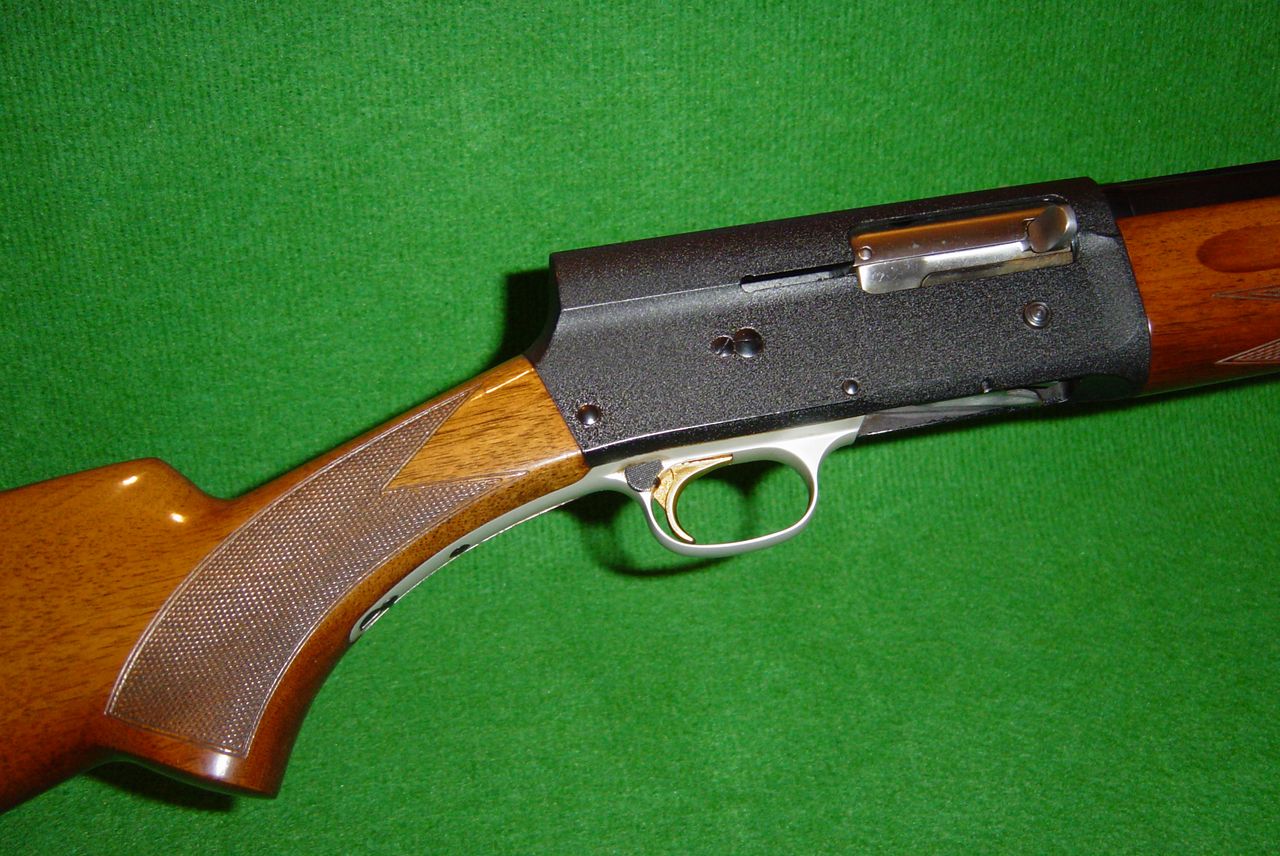
The Belgian-made Browning Auto-5 has a profile almost anyone can recognize, thanks to that high-backed receiver and long-recoil action. For generations, it was a serious field gun, admired for reliability and for a feel that many shooters still insist no modern autoloader quite matches.
Collectors tend to step in when they find early or especially clean Belgian examples because so many were used exactly as intended. They were dragged through marshes, packed into blinds, and shot often. A sharp original gun with strong blue, crisp checkering, and honest but limited wear now stands apart from the crowd, and owners know every extra season in the field can erase value that time will not restore.
Remington 870 Wingmaster
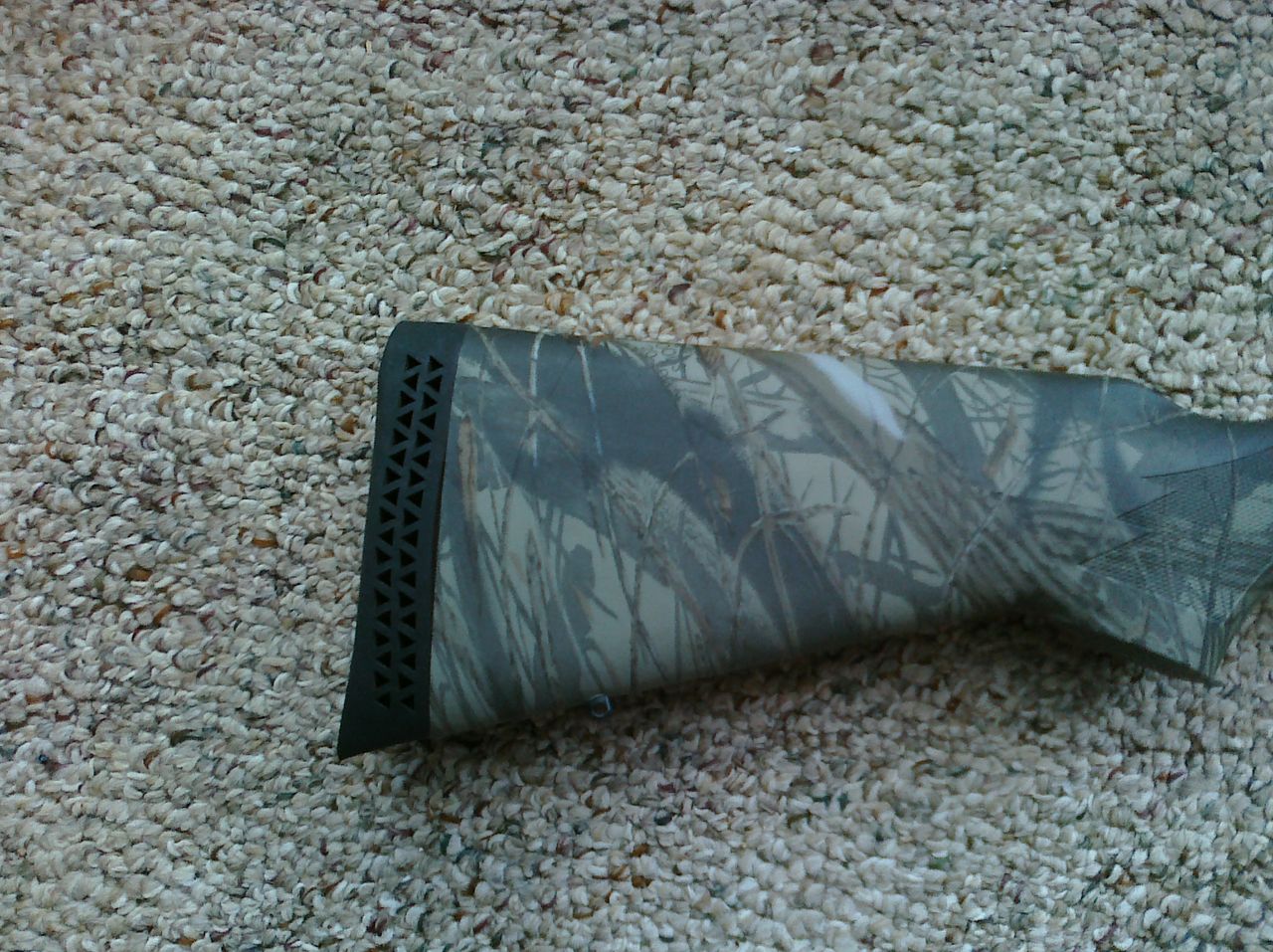
The Remington 870 Wingmaster was built to work, and that is a big reason people love it. It points naturally, runs with confidence, and has probably introduced more shooters to pump guns than almost anything else in America. In plain terms, it is one of those rare tools that became a tradition.
Not every 870 is a collector piece, but certain older Wingmasters absolutely get spared hard use now. Early production guns with polished blue finishes, pressed checkering from specific eras, or special gauges and configurations draw close attention. When collectors find one that escaped the usual dents, rust freckles, and aftermarket recoil pads, it often leaves the utility rack and enters a gentler phase of life.
Ithaca 37 Featherlight
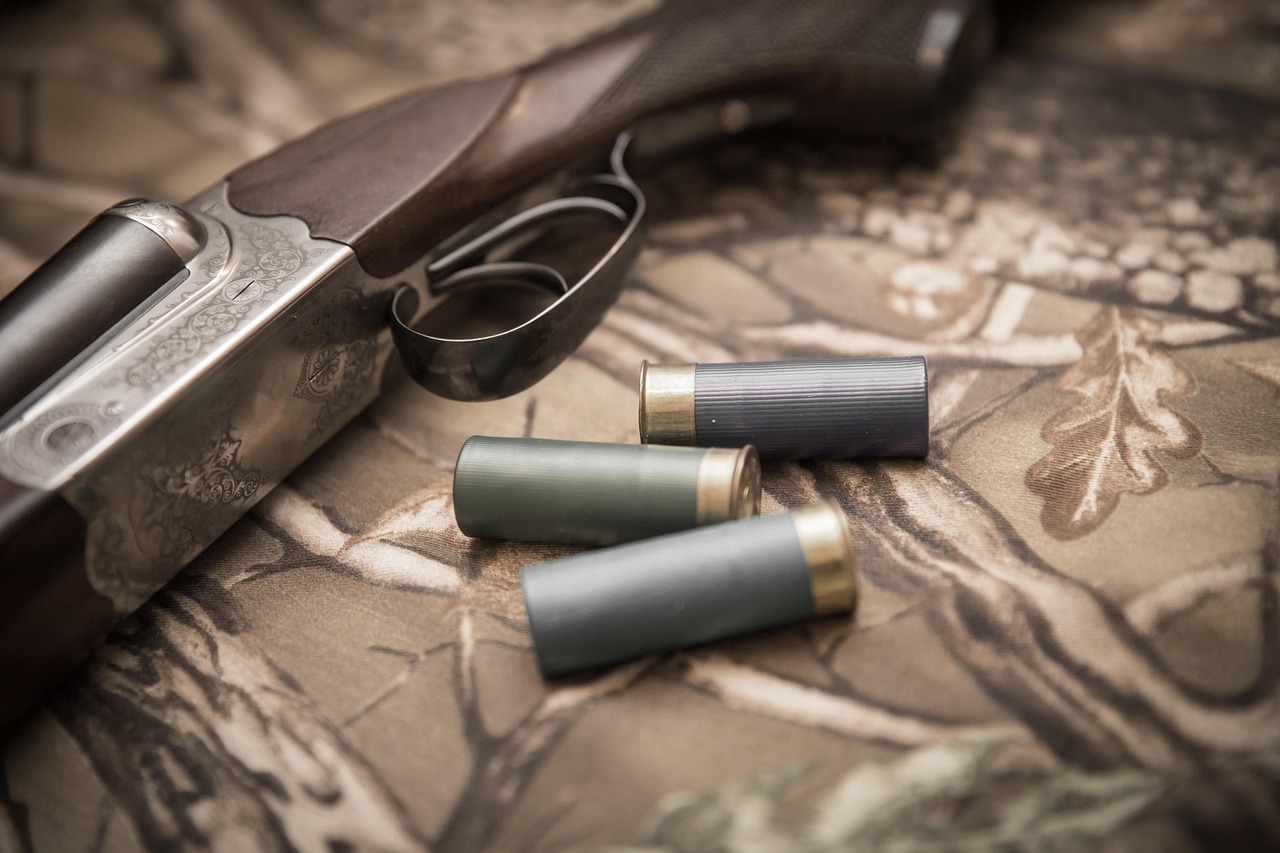
The Ithaca 37 Featherlight has long been a favorite among hunters who appreciate a trim, lively shotgun. Its bottom-eject design gives it a distinctive identity and a practical edge, especially for left-handed shooters or anyone who likes a cleaner side profile in the field.
Collectors pull these from working rotation because they are often much harder to replace in untouched condition than people expect. Many lived rough farm and upland lives, picking up scratches, cracked buttplates, and altered chokes along the way. A tidy Featherlight with strong original finish and uncut stock has a kind of quiet scarcity, and that makes owners think carefully before letting it take one more season of avoidable wear.
Parker Side by Side
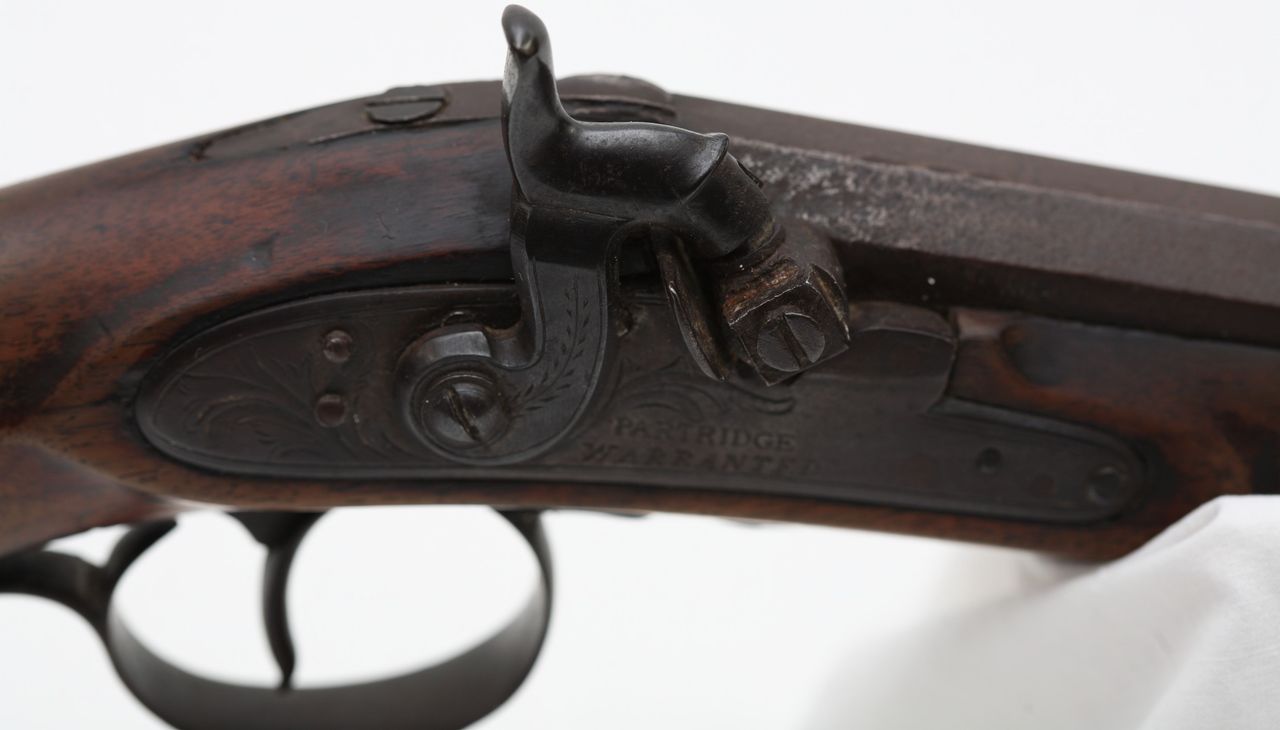
A Parker side-by-side is often where working gun history and true collecting begin to overlap. Many were bought as serious hunting guns and used that way for years, but even lower-grade Parkers now carry a prestige that comes from fine fit, classic American gunmaking, and a shrinking pool of honest examples.
Collectors are especially quick to pull Parkers from use because condition changes everything. Case colors fade, bores can suffer, stocks crack at the head, and small repairs add up fast. Even when a Parker is mechanically sound, every trip afield risks turning a desirable original into just another repaired old double. For many owners, the balance has shifted from use first to preservation first.
Winchester Model 21
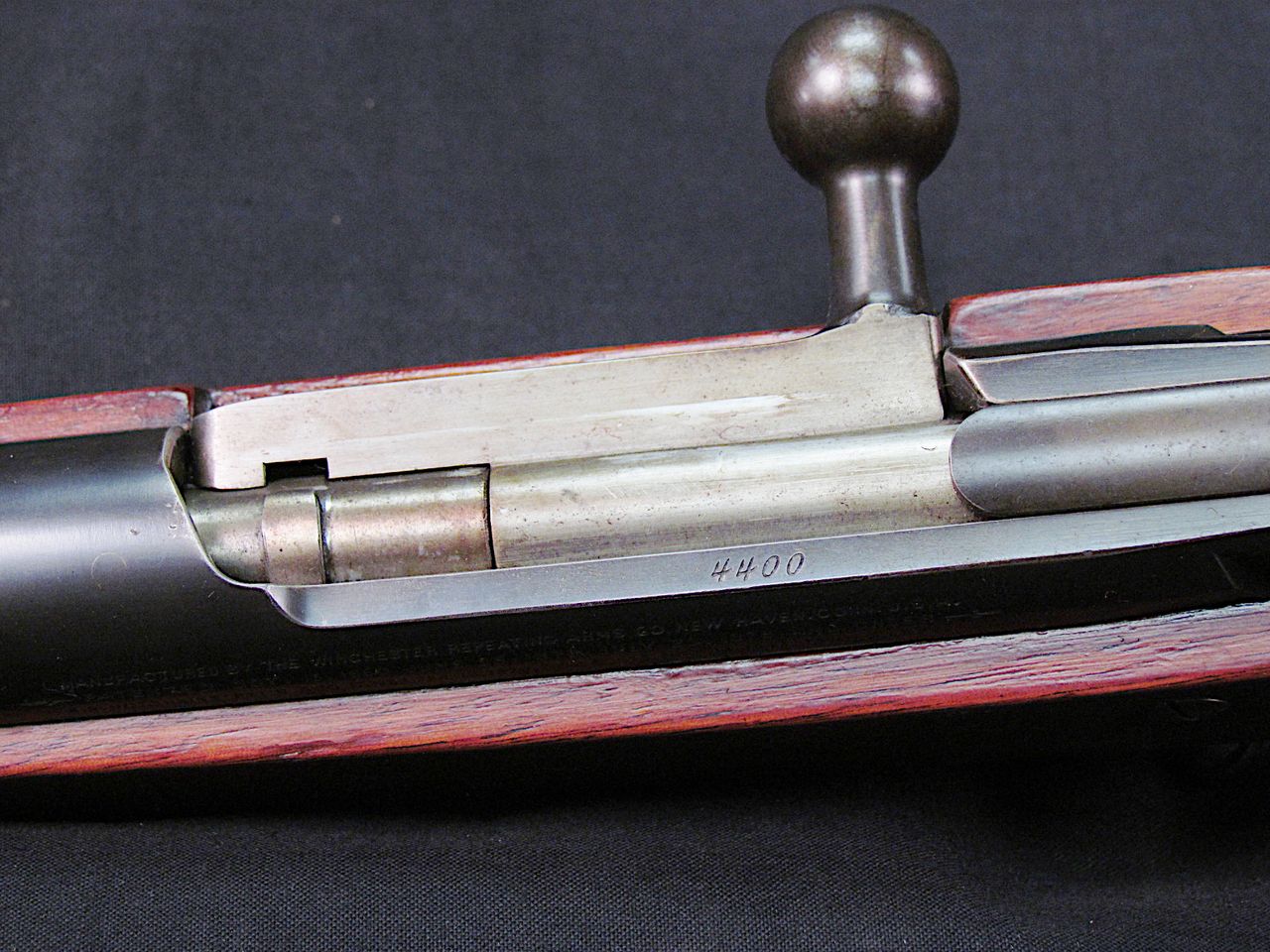
The Winchester Model 21 was built with durability in mind, but that has never made it ordinary. It carries an upscale reputation, a substantial feel, and a level of craftsmanship that places it in a different category from the average hard-used field double. Even people who are not deep into shotguns tend to recognize that it is something special.
Collectors remove Model 21s from everyday racks because the market has long treated them as more than mere hunting tools. Factory options, gauge, barrel length, and provenance can change desirability in a hurry. A clean, original gun has little to gain from more mud, more rack rash, or one bad knock against a blind door. At a certain point, preservation simply makes more sense than proving it can still work.
LC Smith Field Grade

The LC Smith Field Grade may not always get the instant attention of flashier doubles, but seasoned collectors know better. These guns represent a deeply American style of bird hunting history, and their sidelock design gives them both charm and a place in conversations about classic domestic shotguns.
What gets them pulled from working racks is the simple fact that many have already had a hard life. Field Grades were used, repaired, restocked, and carried in every kind of weather. A solid example with original dimensions, decent finish, and no major stock issues is increasingly worth protecting. Owners who once treated them like dependable tools now often see them as finite survivors, and that shift changes how often they leave the cabinet.