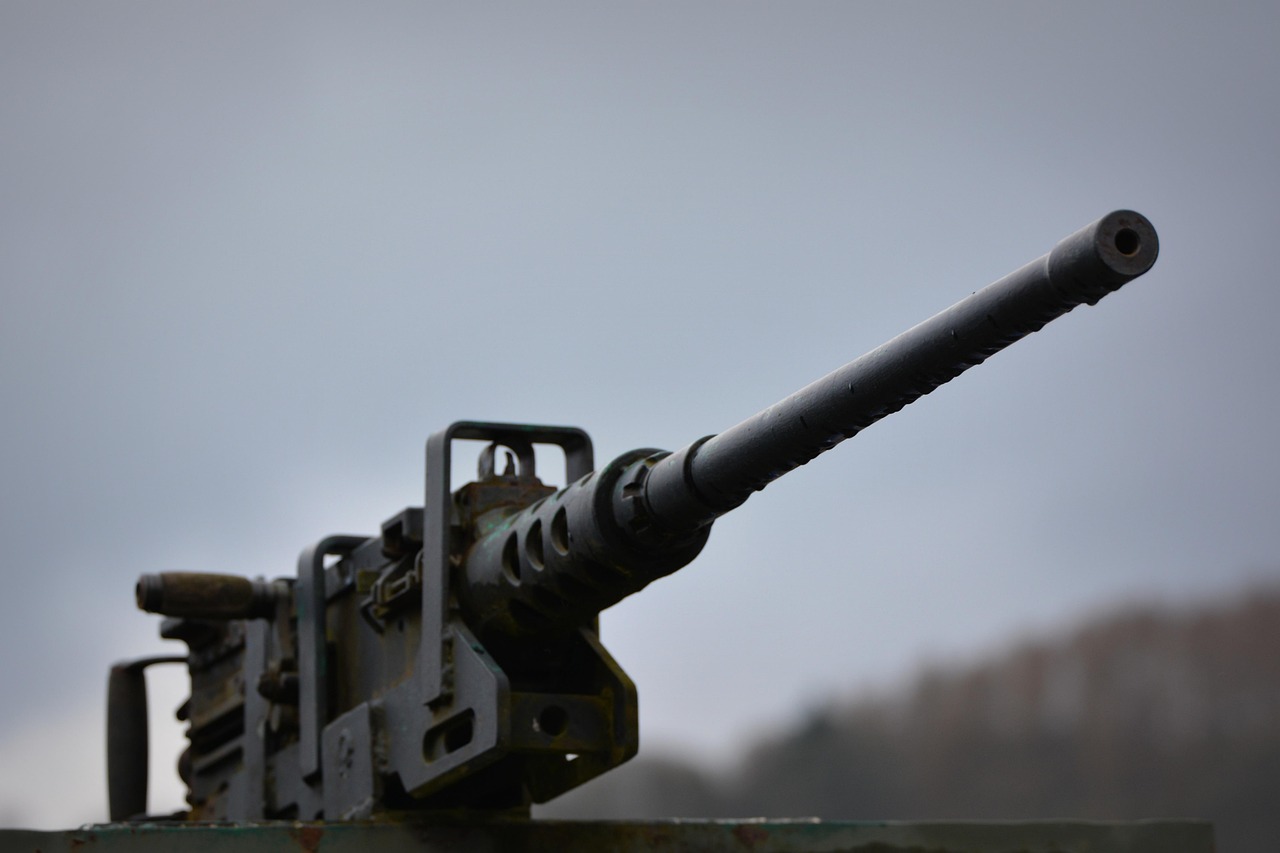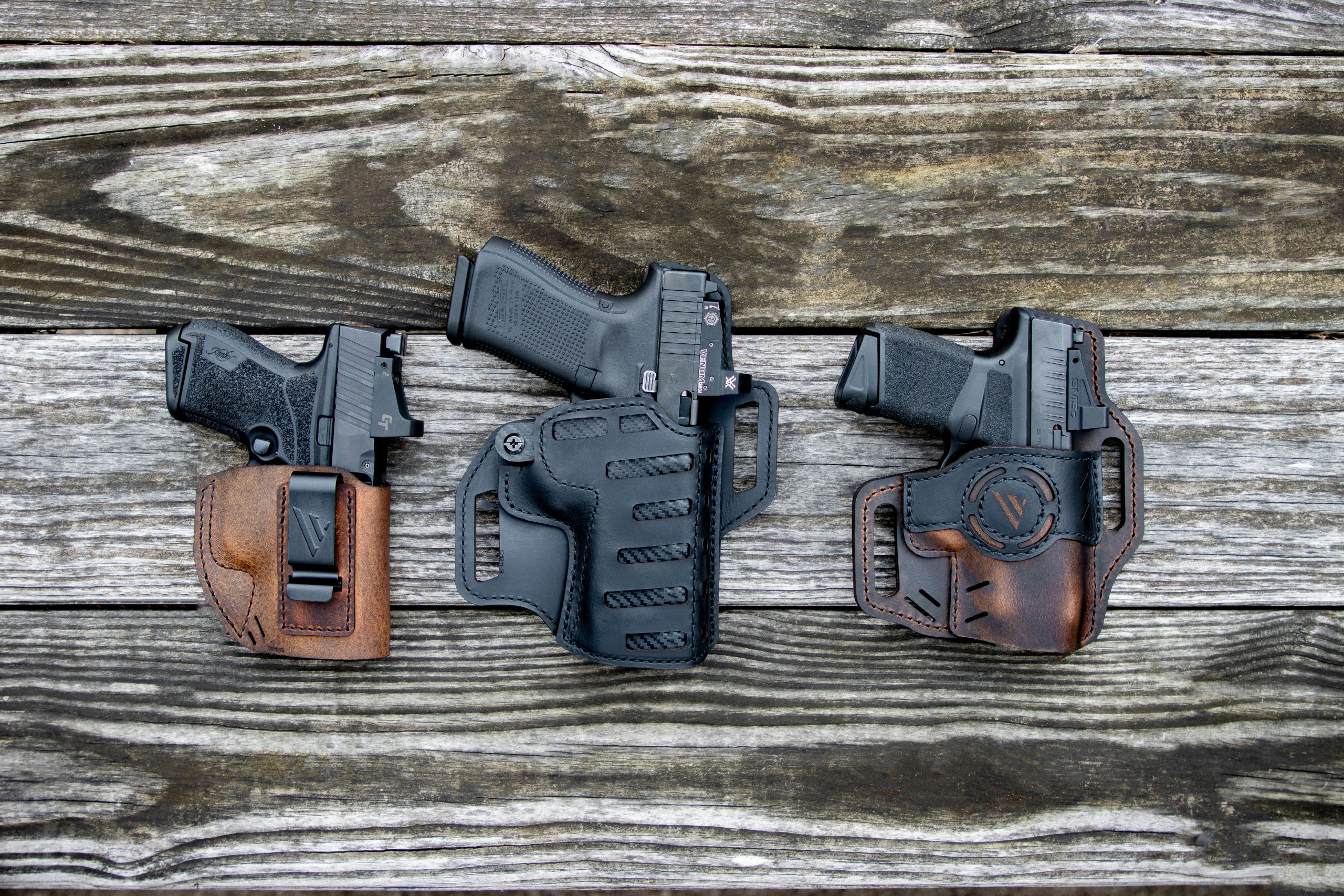
World War II submarines were packed with torpedoes, deck guns, and machinery, but crews also made room for much smaller weapons. These firearms mattered for security, survival, boarding parties, and those unpredictable moments when a boat surfaced far from help. Here is a closer look at six small arms often found aboard submarines and why sailors considered them worth the precious space.
M1911 pistol
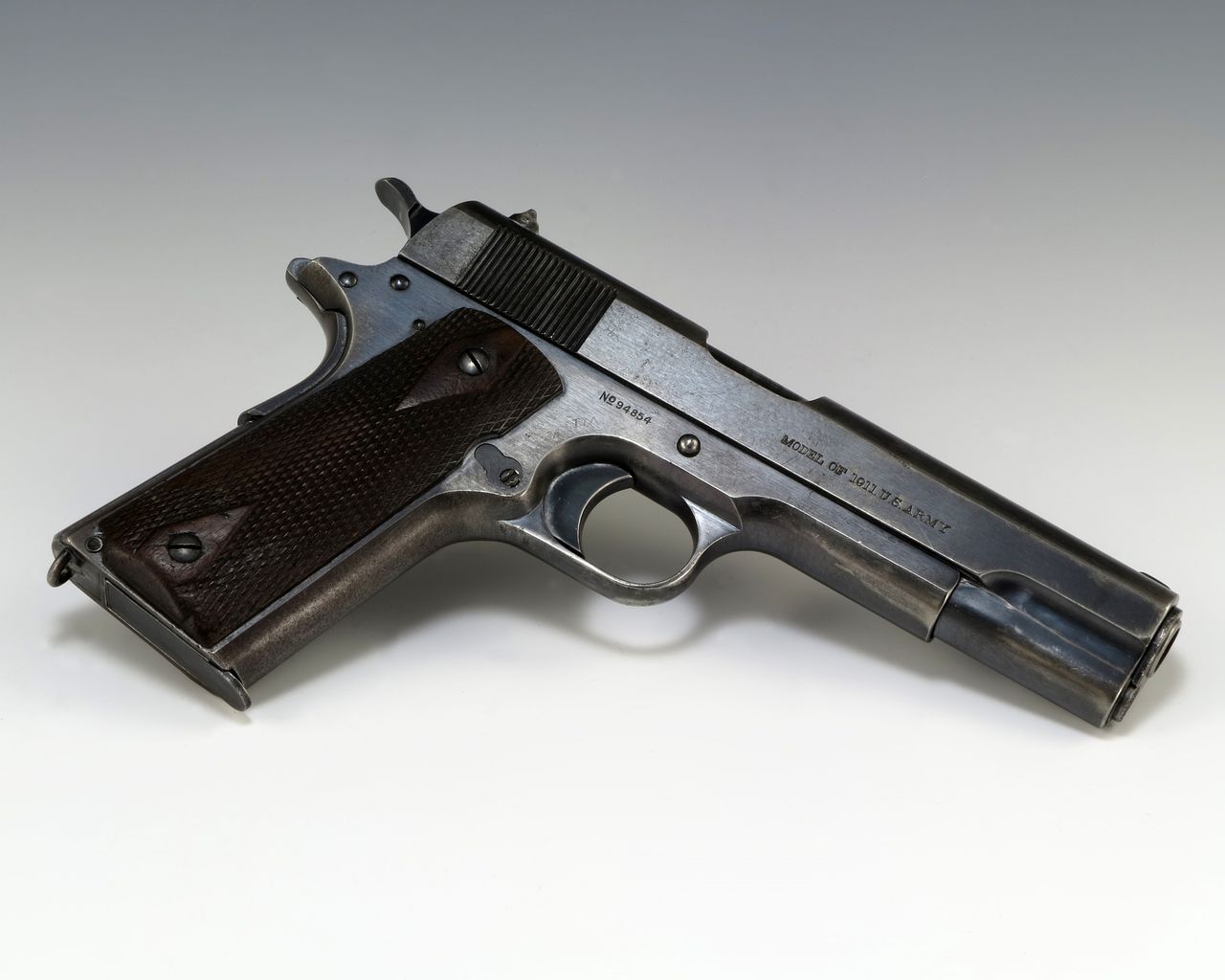
The M1911 pistol was a natural fit for submarine service because it was compact, rugged, and easy to carry in cramped spaces. On a boat where every passageway was narrow and every locker mattered, a sidearm gave officers, watchstanders, and boarding parties a practical last-resort weapon without taking up much room.
Crews wanted pistols for more than combat. If a submarine stopped a small vessel, men sent over in a rubber boat or on a boarding detail needed something portable and authoritative. The .45 caliber M1911 also had a reputation for reliability, which counted for plenty in a wet, oily, salt-heavy environment where delicate gear was never welcome.
M1 carbine
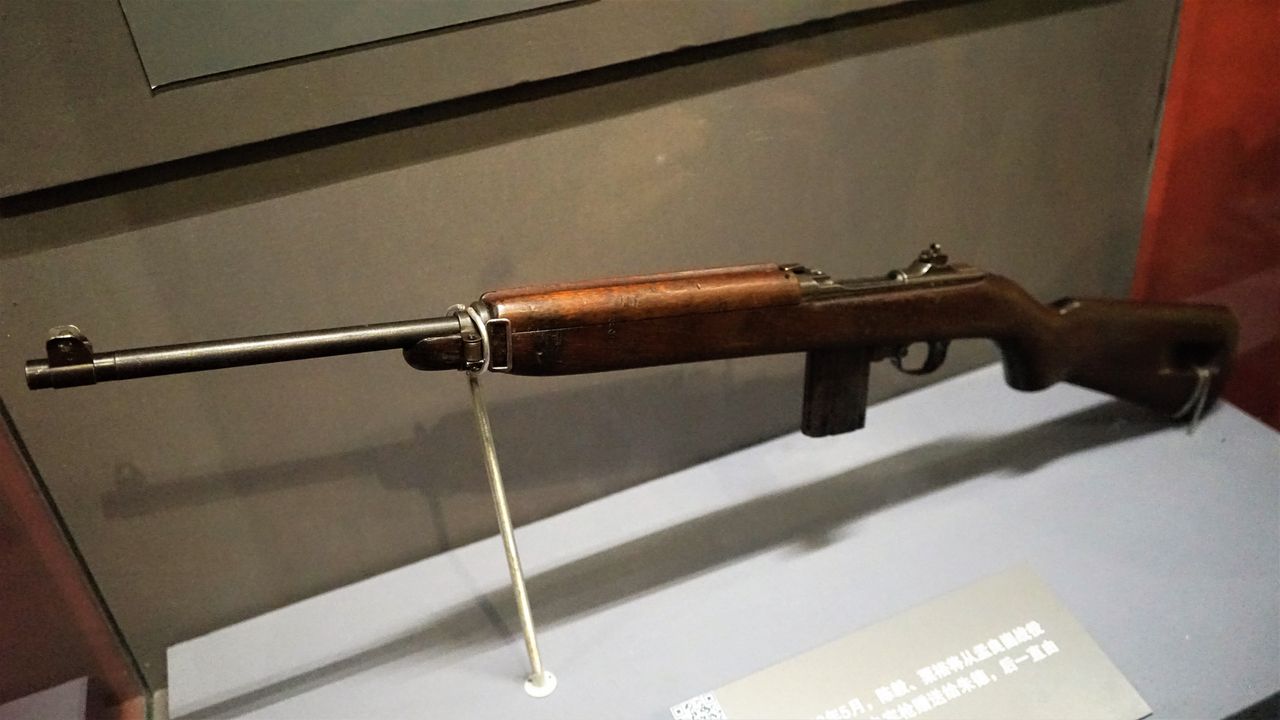
The M1 carbine appealed to submarine crews because it split the difference between a pistol and a full rifle. It was light, handy, and short enough to manage on ladders, in hatches, and on the tight deck of a surfaced boat. That made it especially attractive for signal parties, security details, and boarding teams.
Sailors also liked that the carbine offered better accuracy and range than a handgun without the bulk of a standard infantry rifle. If a crew had to search a captured merchantman, guard prisoners, or protect the submarine while taking on supplies, the M1 carbine felt like a smart compromise between firepower and convenience.
Thompson submachine gun
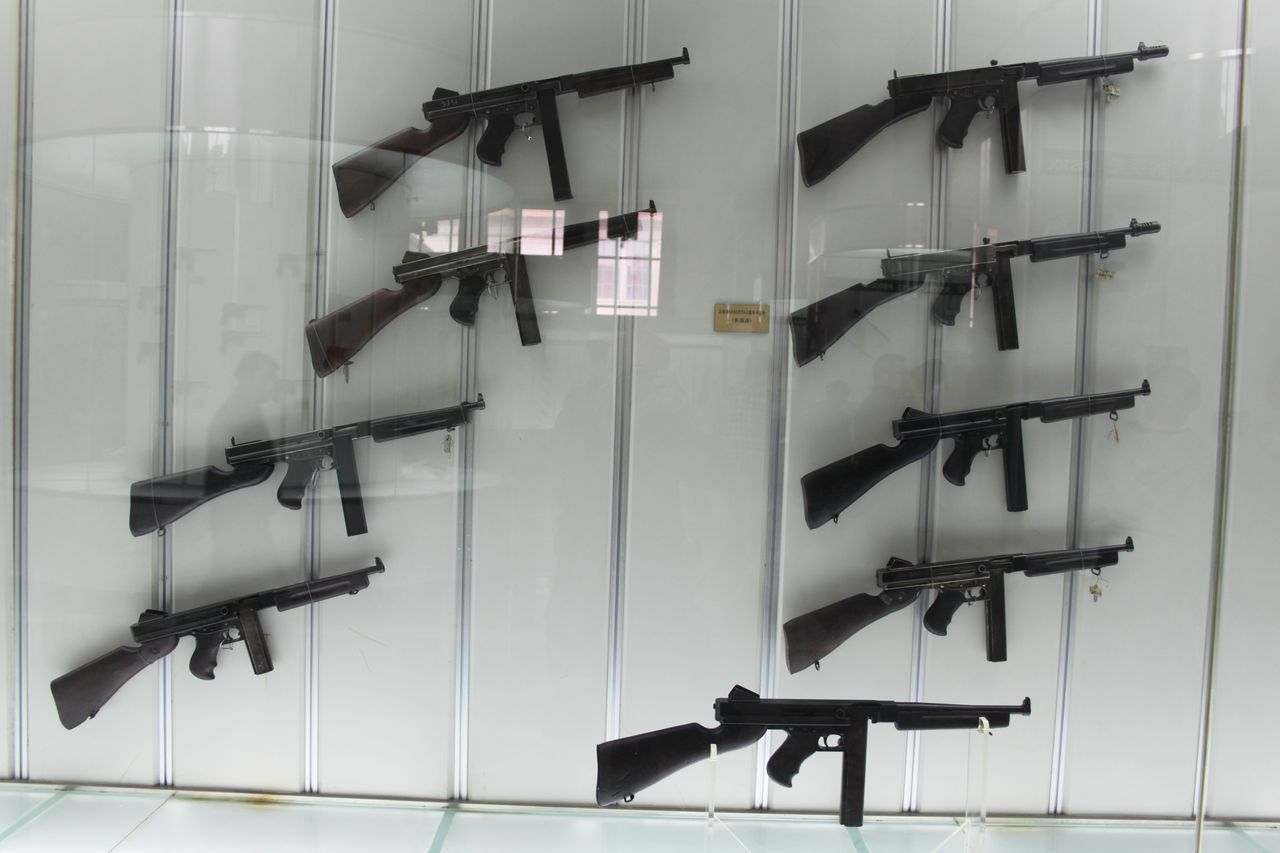
The Thompson submachine gun had a larger-than-life reputation, but its appeal aboard submarines was very practical. It delivered a lot of close-range firepower in a compact package, exactly the sort of thing useful during boarding actions or while guarding a deck crowded with prisoners, survivors, or captured crewmen.
Submariners were not expecting trench warfare, but they did plan for confusion at close quarters. In a sudden confrontation on a freighter’s bridge or in a passageway below decks, the Thompson’s rapid fire could dominate a tight space. Its weight and heavy .45 ammunition were drawbacks, yet many crews still liked having that kind of intimidating stopping power nearby.
M1 Garand rifle
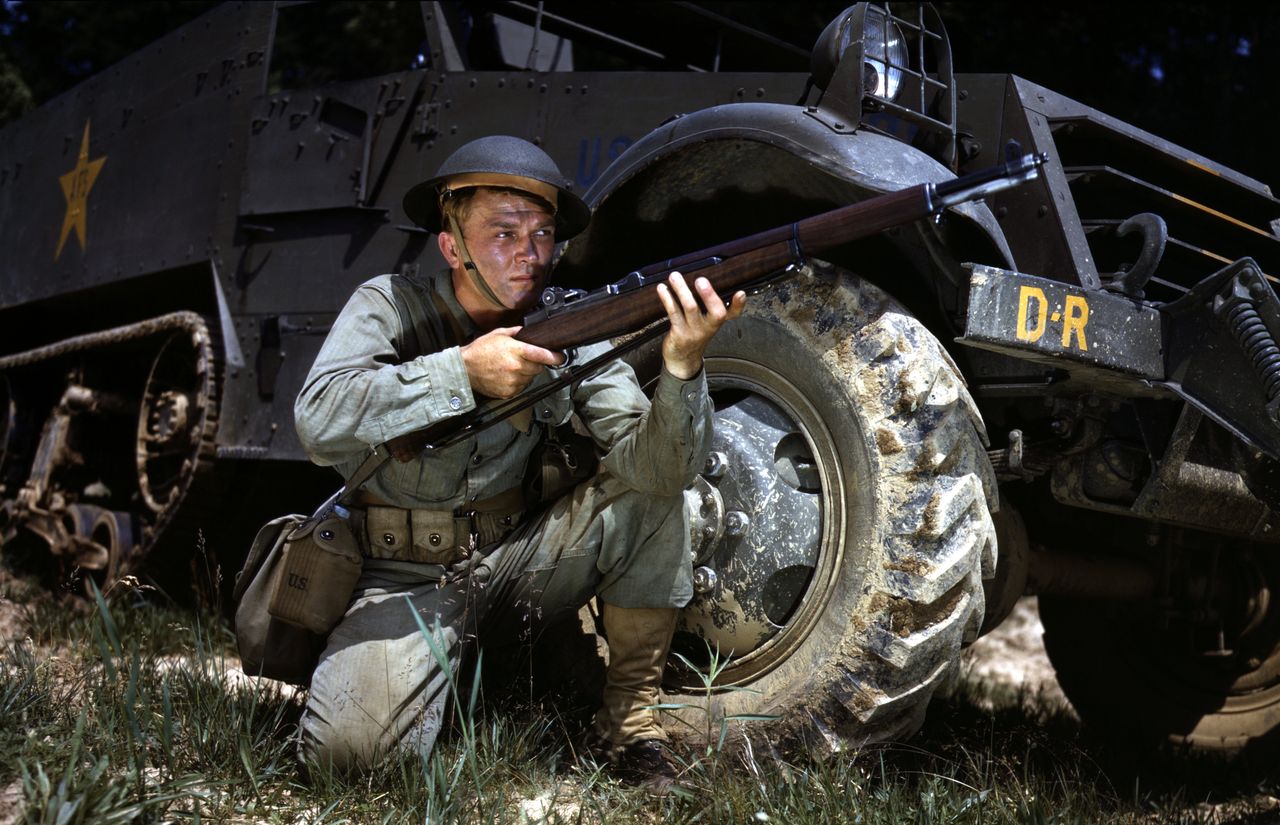
The M1 Garand was not as easy to stow as a pistol or carbine, but some submarines still carried full-power rifles for situations where range mattered. A surfaced boat could find itself dealing with suspicious small craft, distant targets, or armed survivors, and a rifle gave the crew a more precise option than a sidearm.
Boarding parties also valued the authority of a standard service rifle. The Garand projected control, especially when confronting merchant crews unsure whether to cooperate. It was heavier and less convenient in the submarine’s interior, but sailors knew that if they needed reach, accuracy, and a hard-hitting .30-06 round, the Garand brought all three.
Shotgun
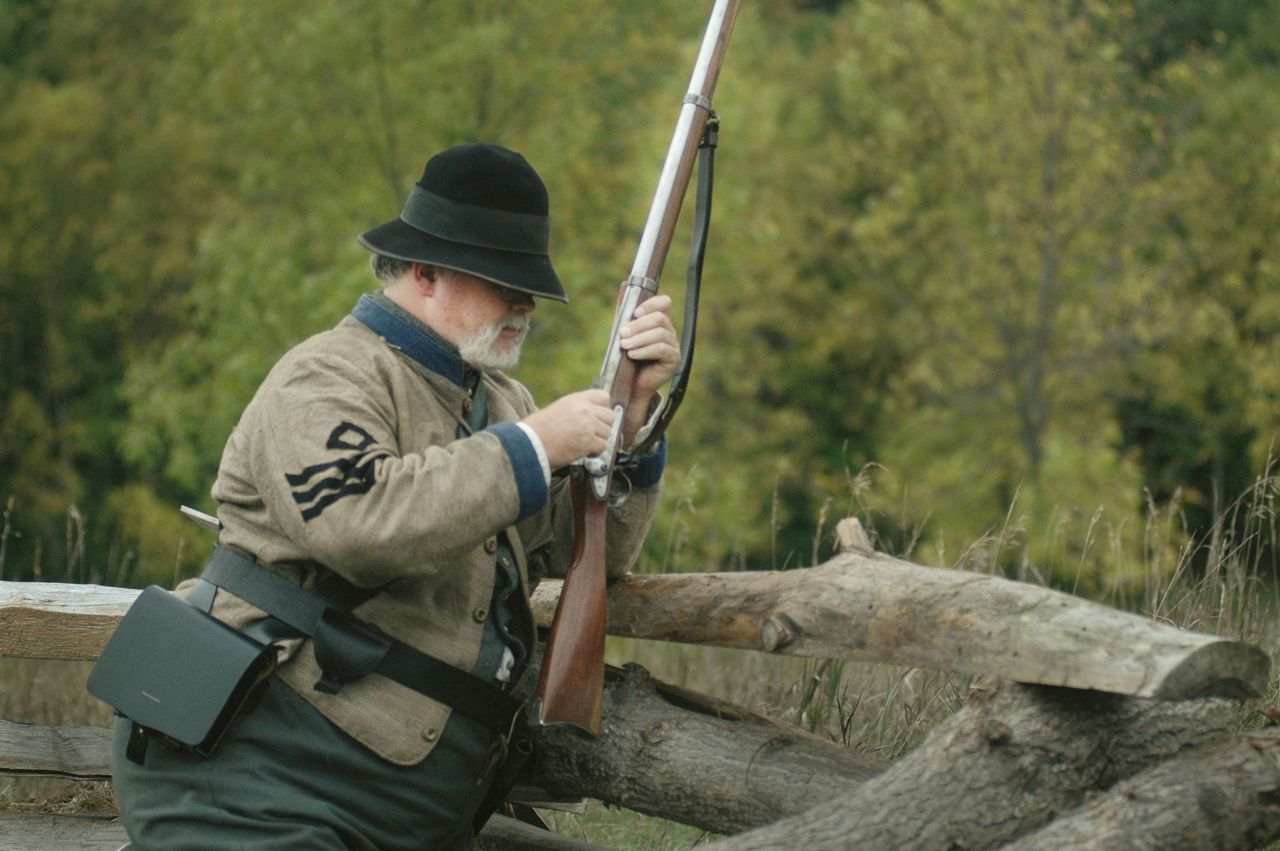
Shotguns rarely get top billing in submarine history, but they made a lot of sense at sea. They were simple, dependable, and highly effective at short range, which was exactly the sort of distance most confrontations around a submarine would happen. A shotgun was useful for guarding access points, repelling unauthorized boarders, or controlling tense encounters on deck.
Crews also appreciated the weapon’s versatility. Depending on the ammunition available, a shotgun could be used for security, survival hunting, or discouraging aggressive animals in remote anchorages. It was not a battlefield star, but in the odd, improvised world of submarine operations, sailors often wanted tools that could handle several problems at once.
Flare pistol
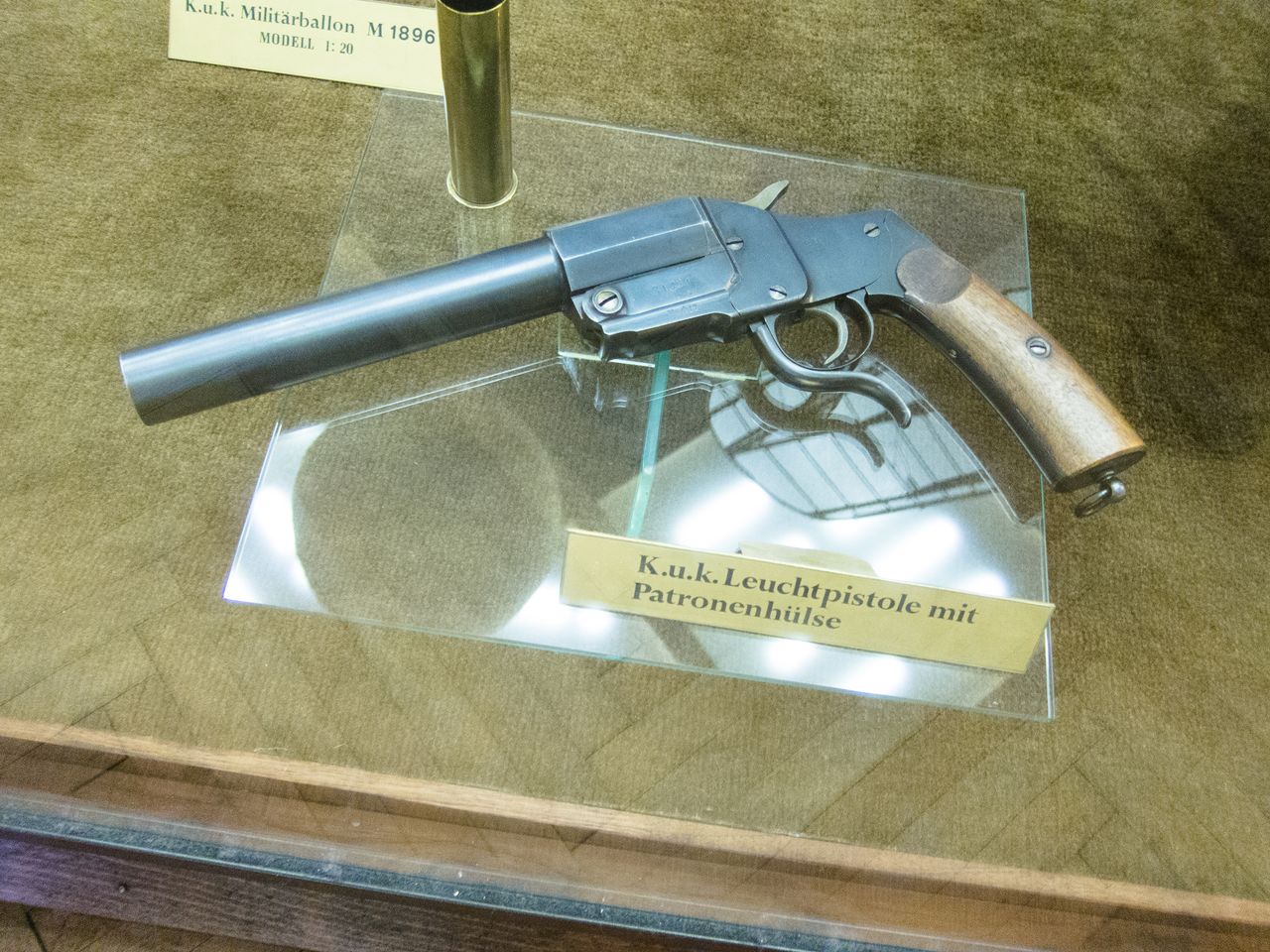
Strictly speaking, a flare pistol was not a combat weapon, but submarine crews absolutely wanted one aboard. In emergencies, communication could be as valuable as firepower. A flare gun allowed a boat to signal friendly ships, guide rescuers, mark position at night, or coordinate movements during pickup operations when radio silence or damaged equipment limited other options.
It also had a survival role. If a submarine had to abandon ship, survivors in rafts or the water needed a visible way to attract attention. Some crews even recognized that a flare pistol could serve as a crude deterrent in a desperate moment. Its real value, though, was helping sailors be seen when the ocean made them disappear.