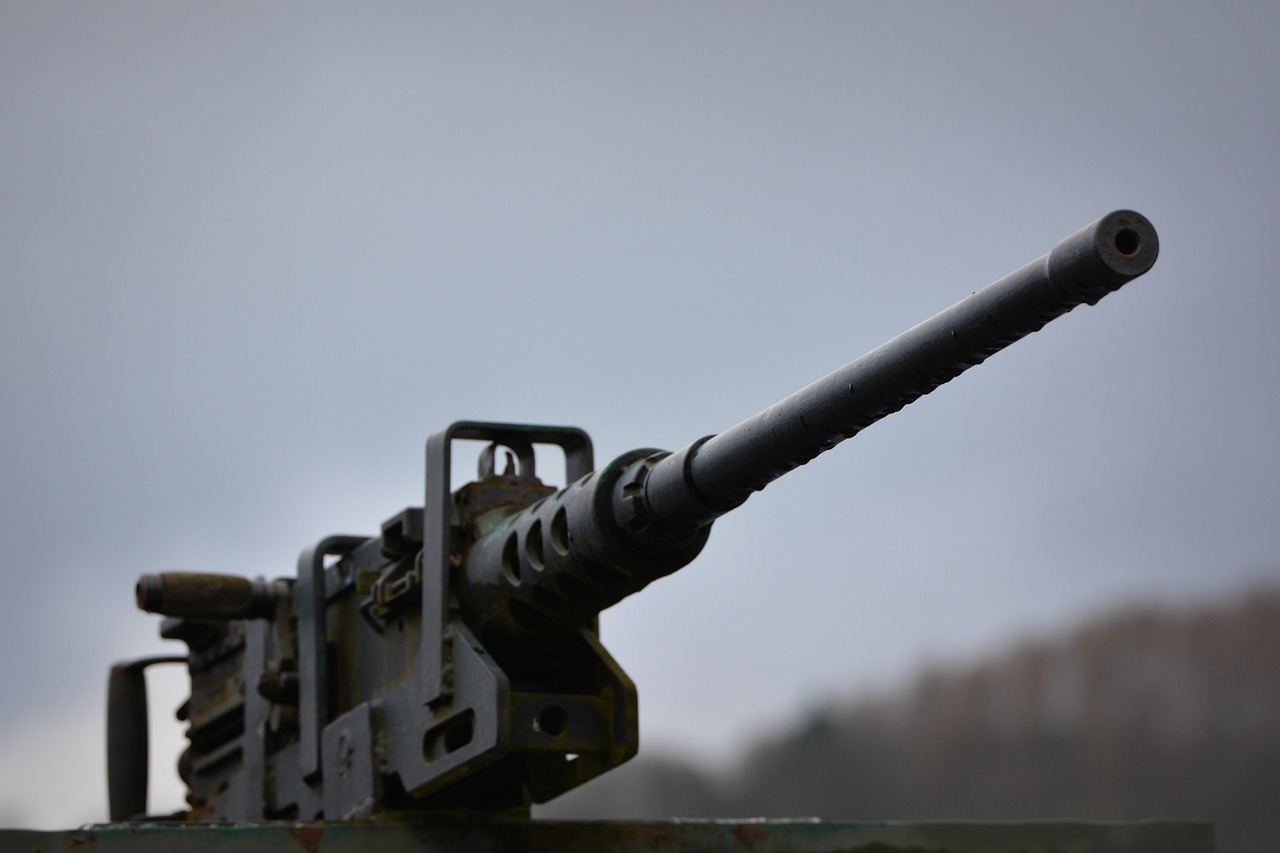
Some of the strangest military ideas are the ones that actually worked. One of them was a machine gun system that could get by without the all-metal belts most people associate with automatic fire.
The oddball idea behind the gun
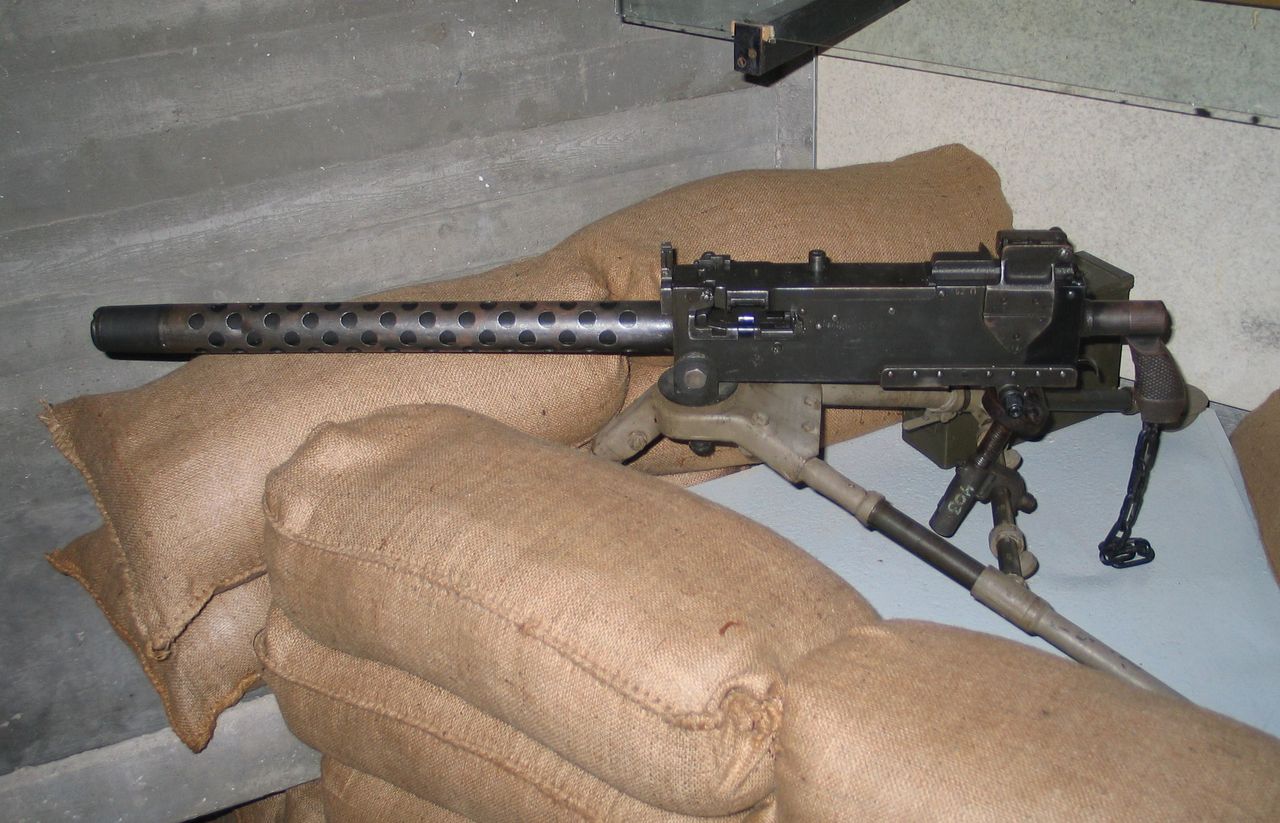
When people picture a machine gun, they usually imagine a long metallic belt snaking into the receiver. That image fits later classics like the MG 42, Browning M1919, and PK series, but it does not tell the whole story.
Around the turn of the 20th century, designers were still experimenting with how to feed cartridges quickly and reliably. Hotchkiss engineers, including Laurence Benét and Henri Mercié, pursued a very different path built around rigid feed strips and early belt concepts described in their patents.
Those early systems mattered because they tried to simplify loading, reduce jamming, and avoid the complexity of cloth belts that could stretch, fray, or absorb moisture. It was an engineering detour, but an important one.
Why “cardboard” enters the story

The headline sounds almost impossible until you understand the period. Early machine-gun feed systems were not always the fully metallic, reusable assemblies we think of today, and ammunition packaging could include disposable, lightweight components surrounding or organizing cartridges before feeding.
The Hotchkiss family is best known for 24-round and 30-round metal feed strips, especially on the Mle 1914 and the M1909 Benét–Mercié. But the broader feeding ecosystem around these guns included packaging and loading methods that prioritized cheap expendable materials wherever possible.
That is why historians sometimes describe the concept as a machine gun that ran on cardboard instead of traditional metal belts. Strictly speaking, the gun’s best-known feed strips were metal, not cardboard, but the phrase captures the era’s willingness to trade durable link belts for simpler, lighter, partly disposable feeding arrangements.
The Hotchkiss system that made it famous

The best-known example is the Hotchkiss Mle 1914, France’s standard heavy machine gun in World War I. According to military histories and surviving technical descriptions, it usually fed from rigid strips holding 24 rounds, though some versions also used 30-round strips and later articulated metal belts.
Its lighter cousin, the M1909 Benét–Mercié, used 30-round feed strips and became the first light machine gun adopted by the U.S. military. That gun earned the nickname “daylight gun” because poorly trained crews could struggle to load the strips correctly under stress or in darkness.
What made the design distinctive was its mechanical honesty. Instead of pulling a floppy cloth or linked belt across the gun, the action indexed fixed cartridges from a strip. It was sturdy, but it was never elegant.
What problem designers were trying to solve
At the time, belt feed was not yet the perfected system it would later become. Cloth belts could swell when wet, shrink when dry, and hold dirt, all of which could reduce reliability in mud-heavy campaigning.
Rigid strips solved some of those headaches. Cartridges sat in fixed spacing, the strip stayed dimensionally stable, and crews could carry ammunition in compact packets rather than dragging a long fabric belt through trenches and dust.
The tradeoff was brutal simplicity. Once a short strip was fired, another had to be inserted or connected, which interrupted sustained fire compared with later long-belt systems. In other words, the gun was dependable in one sense and clumsy in another.
How it performed in real combat
The Hotchkiss Mle 1914 built a strong wartime reputation for toughness. French forces kept it in service throughout World War I, and its deliberate gas-operated design was often praised for continuing to run when fouling or battlefield abuse punished more finicky weapons.
The M1909 told a more mixed story. In trained hands it was portable, advanced, and fairly reliable, but American experience showed that an unusual feed system becomes a liability fast when crews are rushed, tired, or under fire.
That is the real lesson behind the cardboard-versus-metal-belt idea. A feeding system can be clever on the drawing board and still lose out if it slows the crew, complicates logistics, or demands too much handling in combat.
Why the world moved on from it
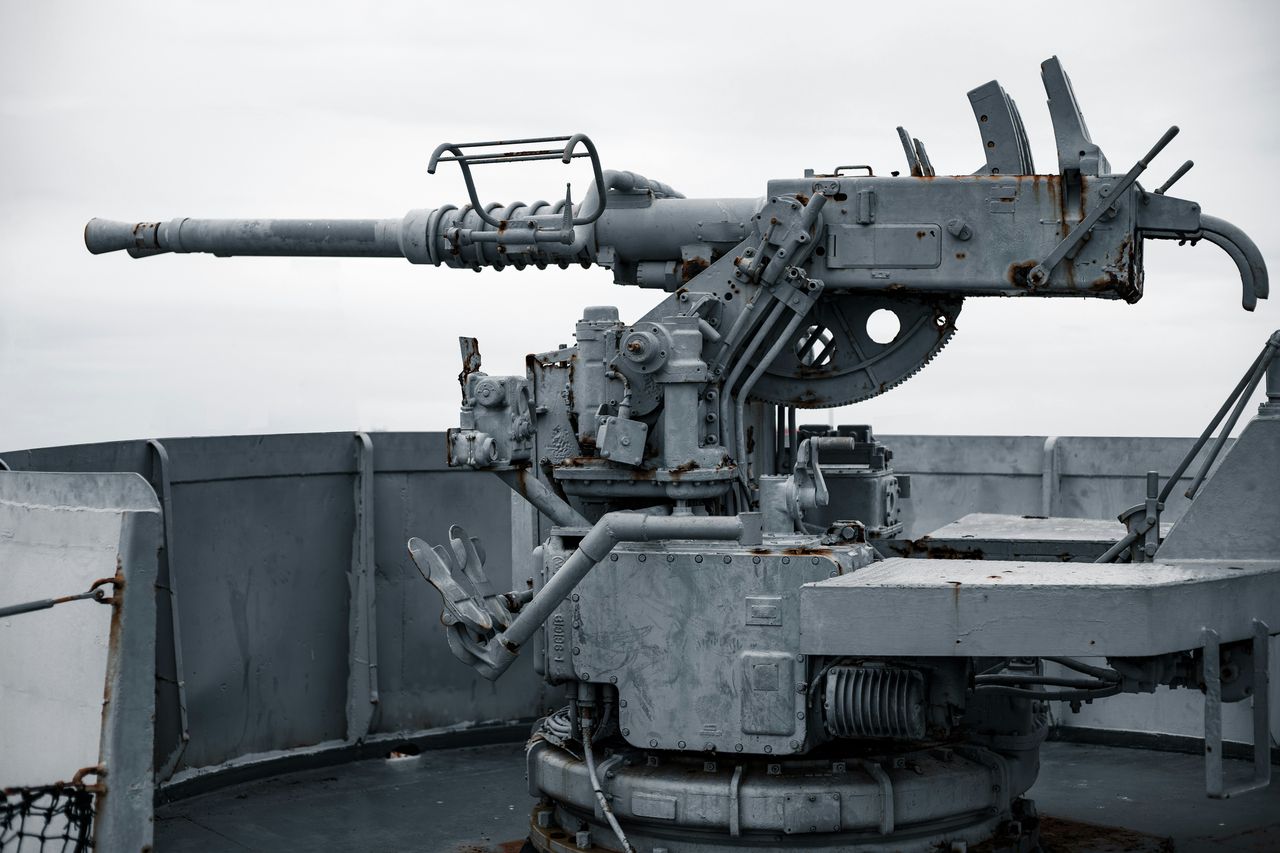
As machine guns evolved, militaries wanted longer uninterrupted bursts, easier reloading, and faster crew drills. That pushed designers toward improved cloth belts, then non-disintegrating metal belts, and finally the disintegrating links common on many modern guns.
Even the French moved beyond strict strip feeding. Related systems eventually adopted articulated metal belts, and rival designs such as the St. Étienne experimented with both strips and fabric belts, showing that everyone was still searching for the best answer.
Once metallurgy, manufacturing, and doctrine caught up, the rigid-strip concept looked dated. It had been a useful bridge technology, but a bridge all the same.
Why this strange machine gun still matters
What makes this story memorable is not just the image of a machine gun fed by something less substantial than a steel belt. It is the reminder that weapons history is full of dead ends that were once serious solutions.
The Hotchkiss and Benét–Mercié guns were not jokes or failures. They were practical responses to the technical limits of their day, and for a time they gave armies exactly what they needed: controllable automatic fire from a robust, field-tolerant mechanism.
So yes, the “cardboard-fed machine gun” label is a little dramatic. But it points to a real and fascinating chapter when engineers had not yet settled on the metal-belt future we now take for granted.