
Choosing between a pump-action and a semi-automatic shotgun can seem straightforward until you look beyond the basic difference in how the next shell is loaded. Both designs have earned strong reputations, but they behave differently in recoil, maintenance, ammunition compatibility, handling, and cost. Understanding those less obvious differences can help a buyer choose based on actual use rather than marketing claims.
1. The Action Does the Work Differently
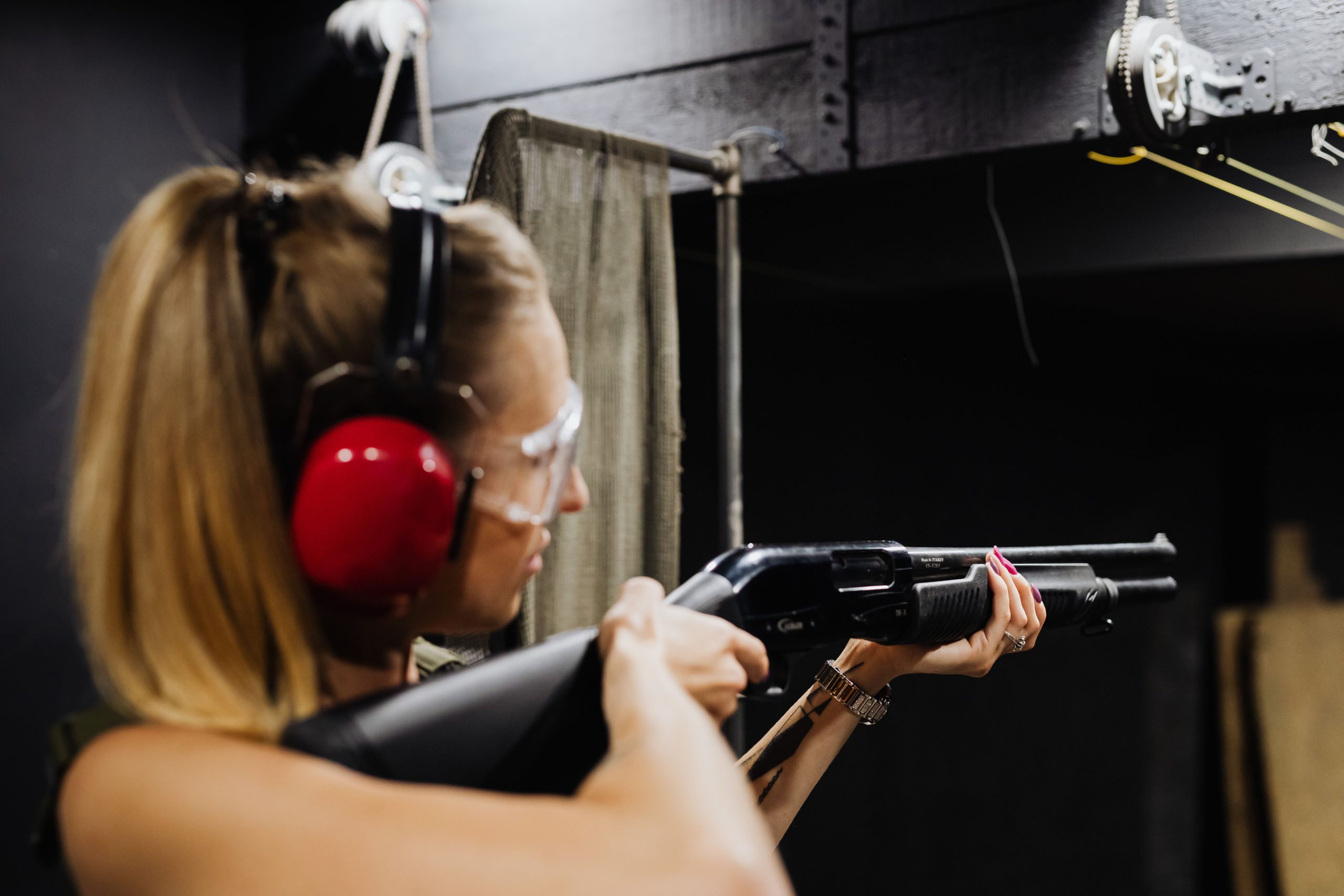
A pump-action shotgun depends on the shooter to cycle the fore-end after each shot. That movement extracts the fired shell and chambers the next one, so the gun does not use firing energy to reload itself. A semi-auto does so, using either gas or recoil-based inertia to operate the action. The difference can look minor on paper, but it changes how much the shooter must do between shots. A useful starting figure is 1 manual action cycle per pump-fired shot, compared with 0 manual cycles for a semi-auto. This is why the action type affects training as much as the internal mechanism.
2. Recoil Is Not Simply About Gauge

Two shotguns can fire the same 12-gauge shell and still feel very different. A semi-auto, especially a gas-operated model, uses part of the firing energy to cycle its action, which can make recoil feel softer and more spread out. A pump sends more of that immediate impulse into the shooter. Gun weight, stock fit, and ammunition still matter, so the action type is not the only factor. As a practical comparison, a buyer firing 25 rounds may notice the difference more clearly than someone firing only 3 or 4. Stock design and shooting position can either amplify or soften that difference.
3. Pumps Depend More on the Shooter
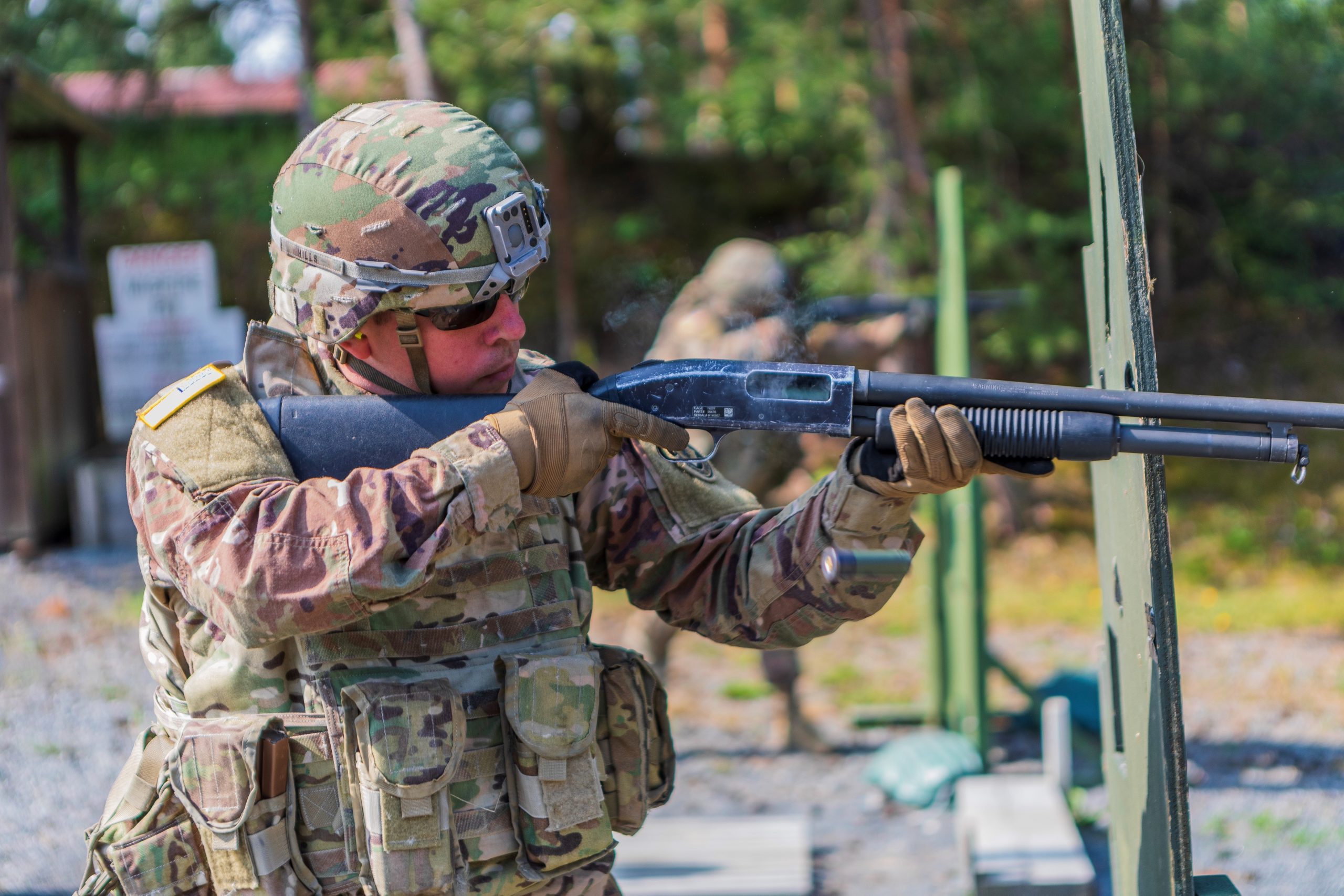
A pump can be extremely dependable, but its reliability is partly linked to how it is operated. The shooter must move the action fully and consistently after firing. An incomplete stroke can prevent proper extraction or feeding, a problem commonly called short-stroking. A semi-auto removes that manual step, although it introduces its own dependence on ammunition, maintenance, and operating design. The key figure is simple: a pump adds 1 deliberate cycling movement after each shot, while a semi-auto normally performs that sequence automatically. Consistency is the real advantage.
4. Semi-Autos Are Not One Single System

Calling a shotgun semi-auto does not tell the whole story. Modern autoloaders generally use either gas operation or inertia operation, and the two feel different. Gas systems divert a portion of expanding gas to cycle the action, while inertia systems use the firearm’s rearward movement and an internal spring system. Gas guns often provide softer recoil but collect more residue in their operating components. Inertia guns can be lighter and cleaner-running, but their cycling depends more on adequate recoil. So a buyer is really comparing 3 choices: pump, gas semi-auto, or inertia semi-auto.
5. Light Loads Can Change the Equation

A pump does not need the fired shell to generate enough energy to cycle its action because the shooter provides that movement. A semi-auto does depend on its operating system and ammunition to produce enough energy for reliable cycling. This matters with very light target loads, unusually low-recoil ammunition, or a new shotgun that has not been properly broken in according to its manufacturer. A simple test is to use the exact ammunition you expect to shoot. Try at least 25 rounds before judging reliability, and follow the owner’s manual rather than assuming every load will behave identically.
6. Maintenance Is Different, Not Optional
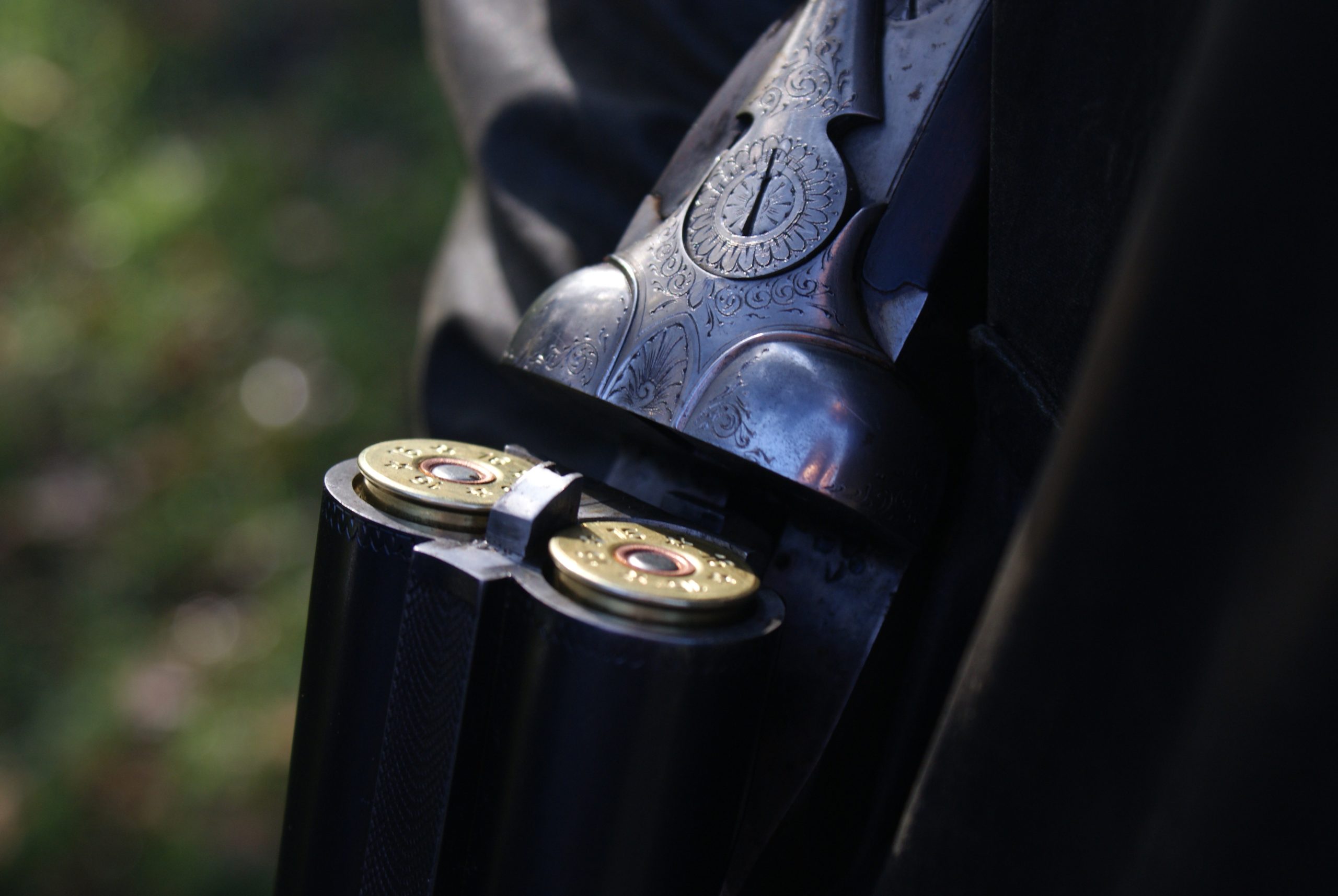
Pumps usually have fewer operating components exposed to propellant gases, which can make routine cleaning simpler. Gas-operated semi-autos deserve extra attention because residue can accumulate around the gas system, while inertia designs generally avoid sending combustion gases through the action. Neither design should be neglected. Both need inspection, lubrication where specified, and safe cleaning. A useful ownership rule is to follow the manufacturer’s service interval and inspect the gun before every use, rather than relying on a fixed round count as a universal standard.
7. Price Differences Can Be Larger Than Expected
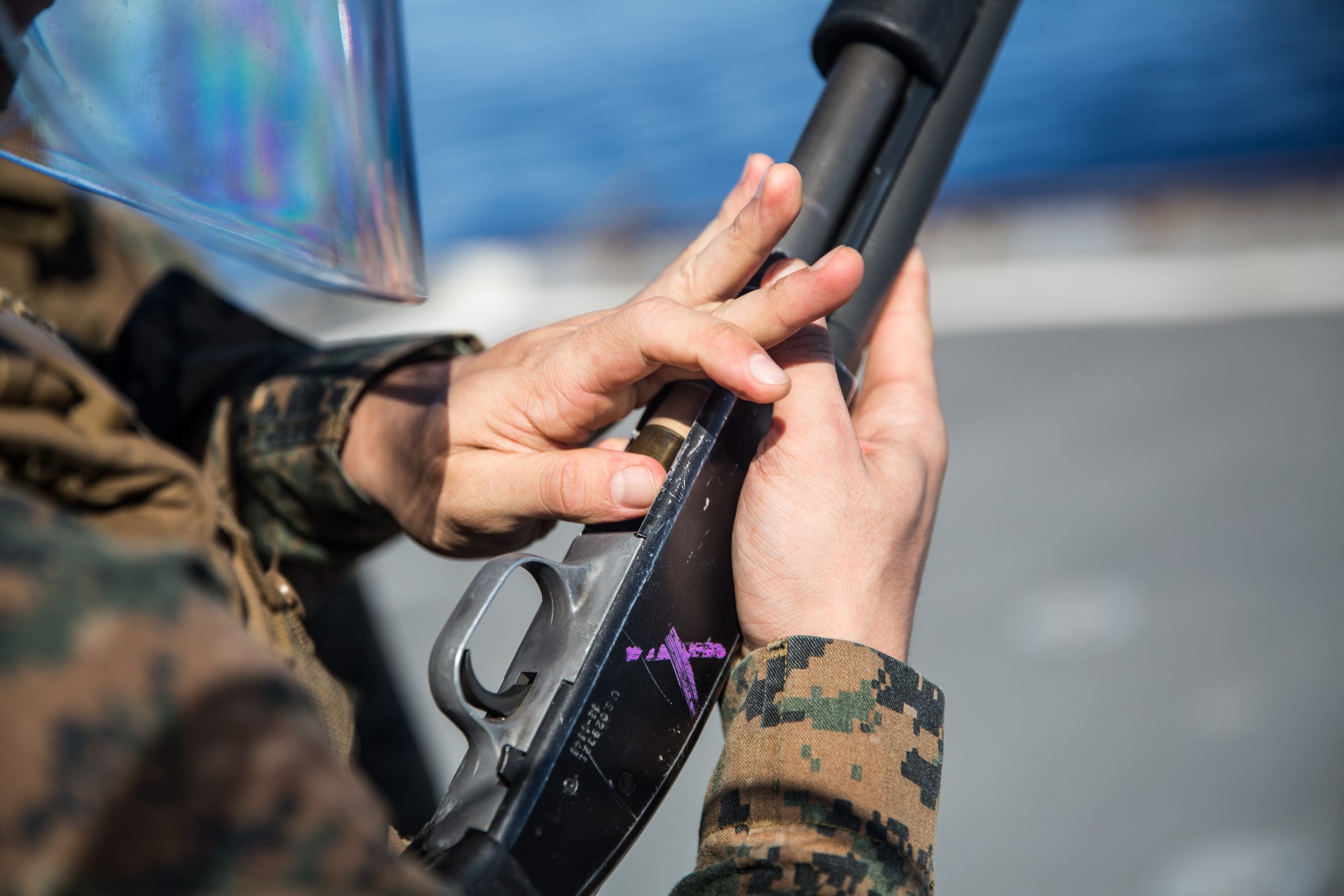
The pump-action category usually offers a lower entry price, partly because the mechanism is mechanically simpler. Semi-autos often cost more because their operating systems contain additional components and require more precise manufacturing. The purchase price is only 1 part of the budget. Consider ammunition, cleaning supplies, replacement wear parts, and service. If someone plans to shoot 500 rounds a year, ammunition costs can quickly outweigh a modest difference in the original purchase price. That makes long-term use more important than the sticker alone.
8. Weight and Balance Affect Handling

A pump may feel straightforward and compact, while a semi-auto can have a different balance depending on whether it uses a gas system or inertia action. Gas components around the fore-end can add weight toward the front, while many inertia guns are comparatively light. A lighter shotgun is easier to carry, but it can also transmit more recoil. A heavier gun may feel steadier and softer, yet become tiring during a long outing. Instead of judging by a catalog number alone, handle the unloaded firearm safely and check whether the stock length, grip, and balance suit you.
9. The Best Choice Depends on Your Use

There is no universal winner. A pump can appeal to buyers who value mechanical simplicity, lower cost,t and direct control of the action. A semi-auto can make more sense for shooters who prioritize softer recoil and fast follow-up shots, provided they accept greater mechanical complexity. Different uses favor different qualities. Before buying, identify your purpose, test the fit, read the manufacturer’s guidance,ce and practice safely. If possible, try both systems before spending money, because trying both reveals more than a comparison chart.