Few firearms look as strange as the Welrod, and few were designed with such clear purpose. Created in Britain in 1942 for clandestine wartime work, it traded speed, capacity, and good looks for a single goal: a very quiet shot at very short range. That focus shaped every part of it, from the bolt to the barrel tube to the ammunition it fired. Here are seven things the designers got right, with the dates, measurements, and figures that explain why the Welrod is still studied today.
1. A Shape Built Around Silence
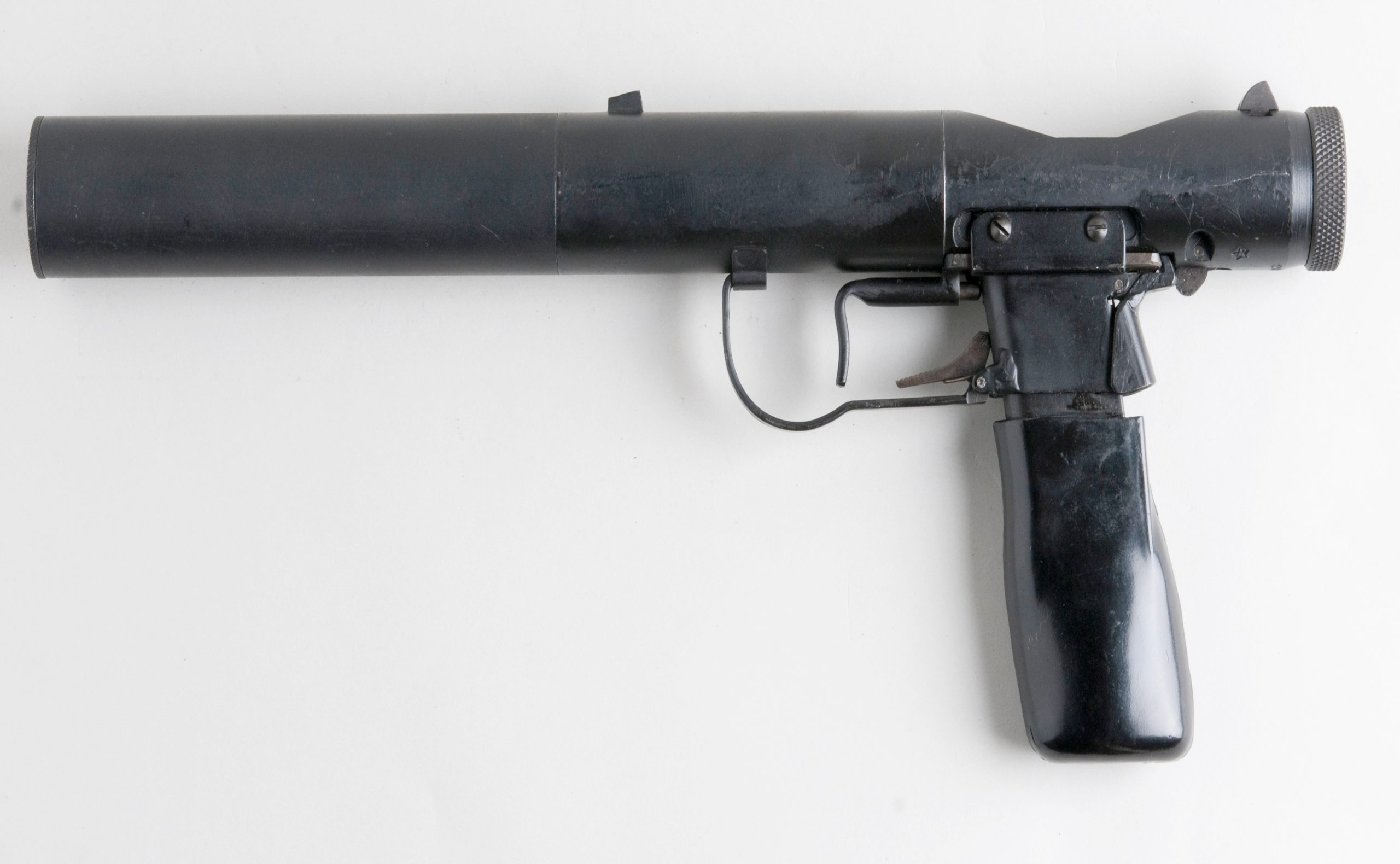
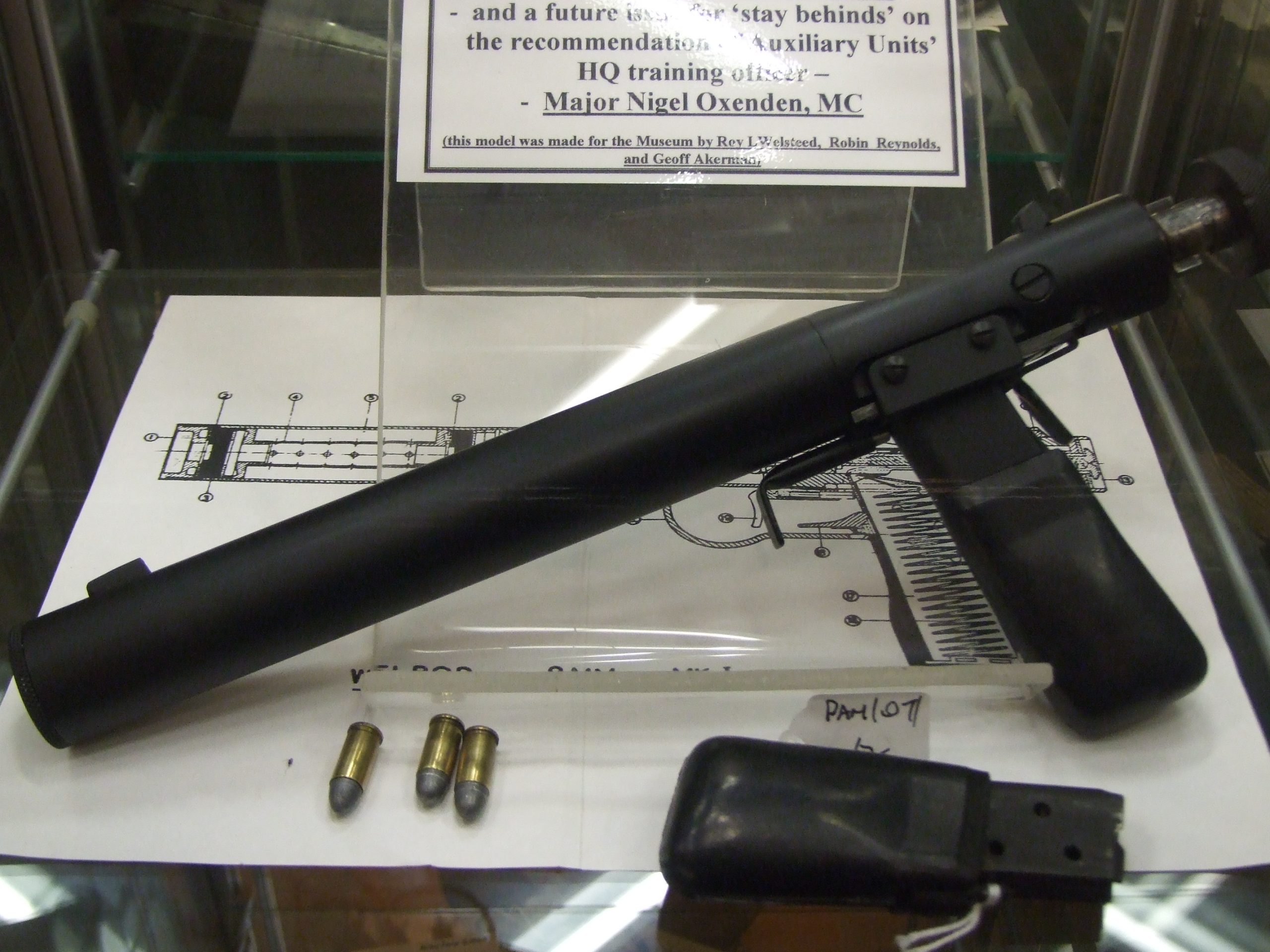
Born in a wartime workshop at Welwyn, the Welrod was designed around one idea: make as little noise as physically possible. British Special Operations Executive engineers at Station IX developed it in 1942, and the name blends Welwyn with the word rod. Major Hugh Reeves is widely credited with the work, and the Birmingham Small Arms Company handled production. Instead of imitating a normal pistol, the team built a long, slender tube with a grip beneath it, about 14 inches in overall length for the 9mm Mk II. That odd shape hid a clear philosophy, because every feature served silence, not style. It looked more like a bicycle pump than a sidearm, which helped agents carry it.
2. A Manual Bolt Action
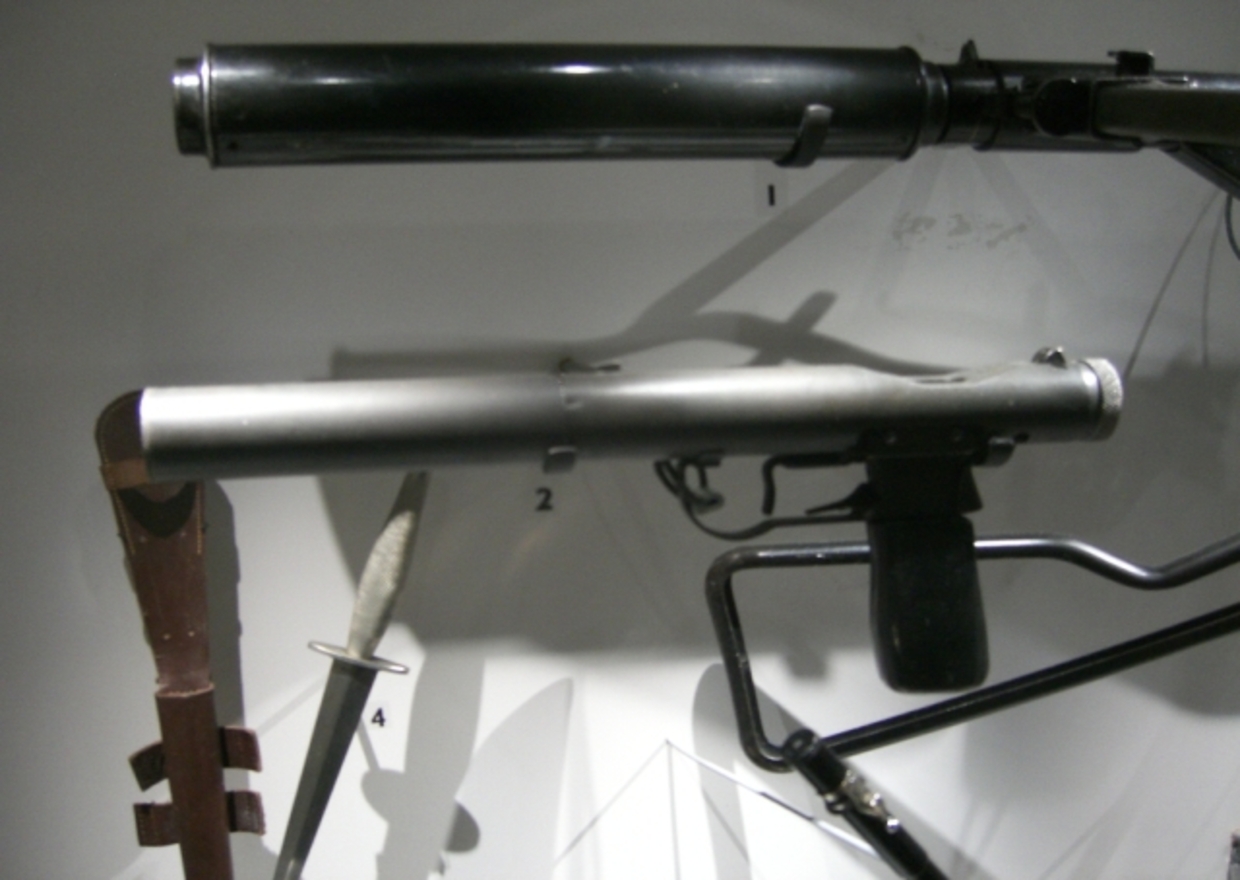
Most pistols make noise twice, once at the muzzle and again when the slide slams back. The Welrod avoided the second problem by using a manual bolt-action, so nothing moved at the moment of firing. The operator pulled the bolt back by hand, ejected the spent case, and pushed a fresh round into the chamber, a motion that took roughly 2 to 3 seconds. That pause made it slow compared with a semi-automatic, but the trade bought silence and kept brass from clattering onto stone floors. A sealed action also stopped gas from escaping near the shooter’s hand. The bolt knob doubled as a safe point, and the pistol stayed predictable even after months in a rucksack or a damp cellar.
3. An Integral Suppressor
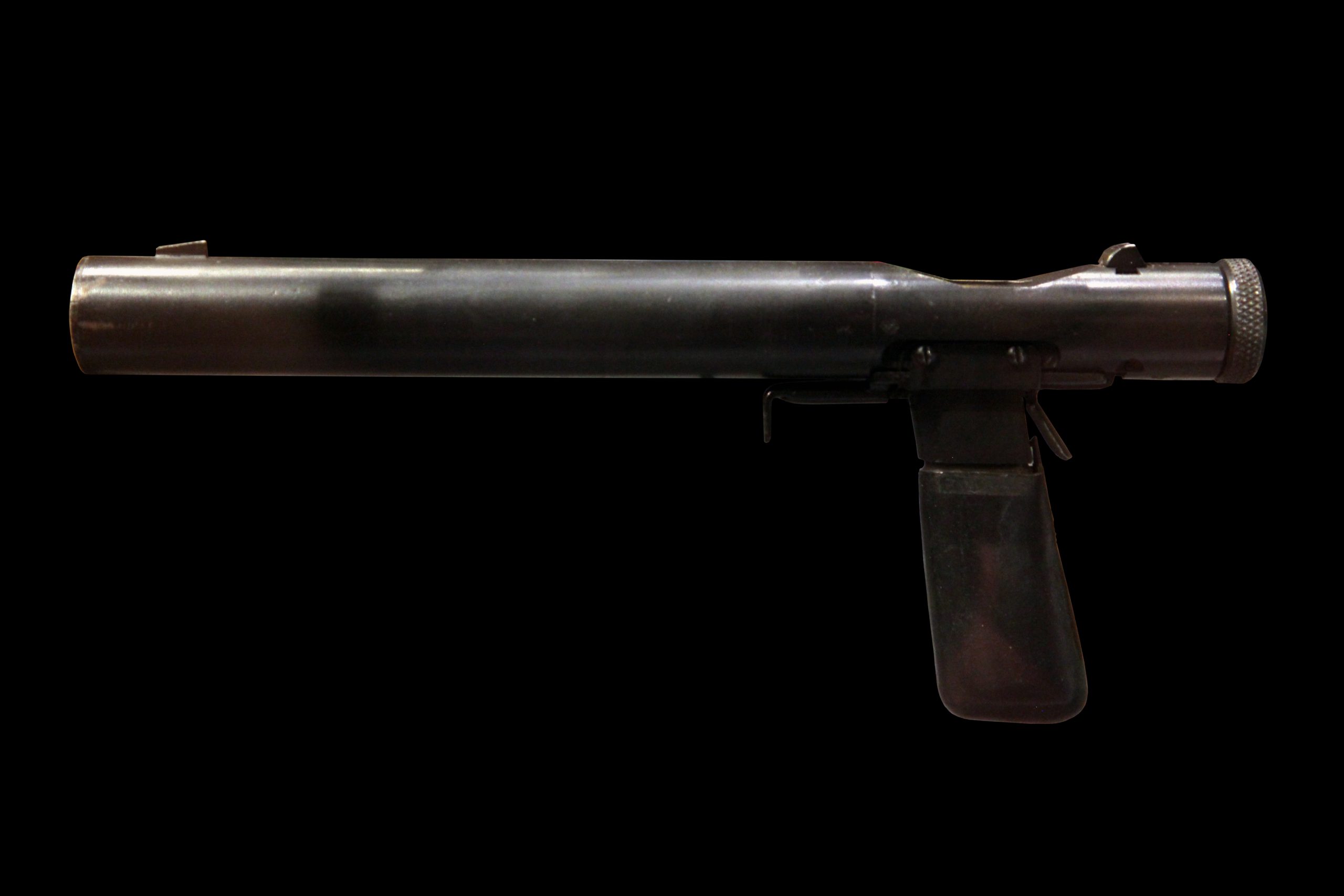
The barrel and suppressor were one unit, which was a bold move in 1942, when most silencers screwed onto existing guns. Inside the long tube sat an expansion chamber and a stack of rubber wipes that slowed the gas before it left the muzzle. Reports describe the Mk II as weighing about 2 pounds, and the whole tube stretched roughly 14 inches. Since the barrel was drilled with small ports to bleed gas into the chamber, the bullet left more slowly than a normal load. That trade was deliberate. Accounts say the shot sounded like a sharp clap, closer to a hand striking a table than a gunshot, and that was enough to avoid alerting guards in the next room.
4. Ammunition Matched to the Mission
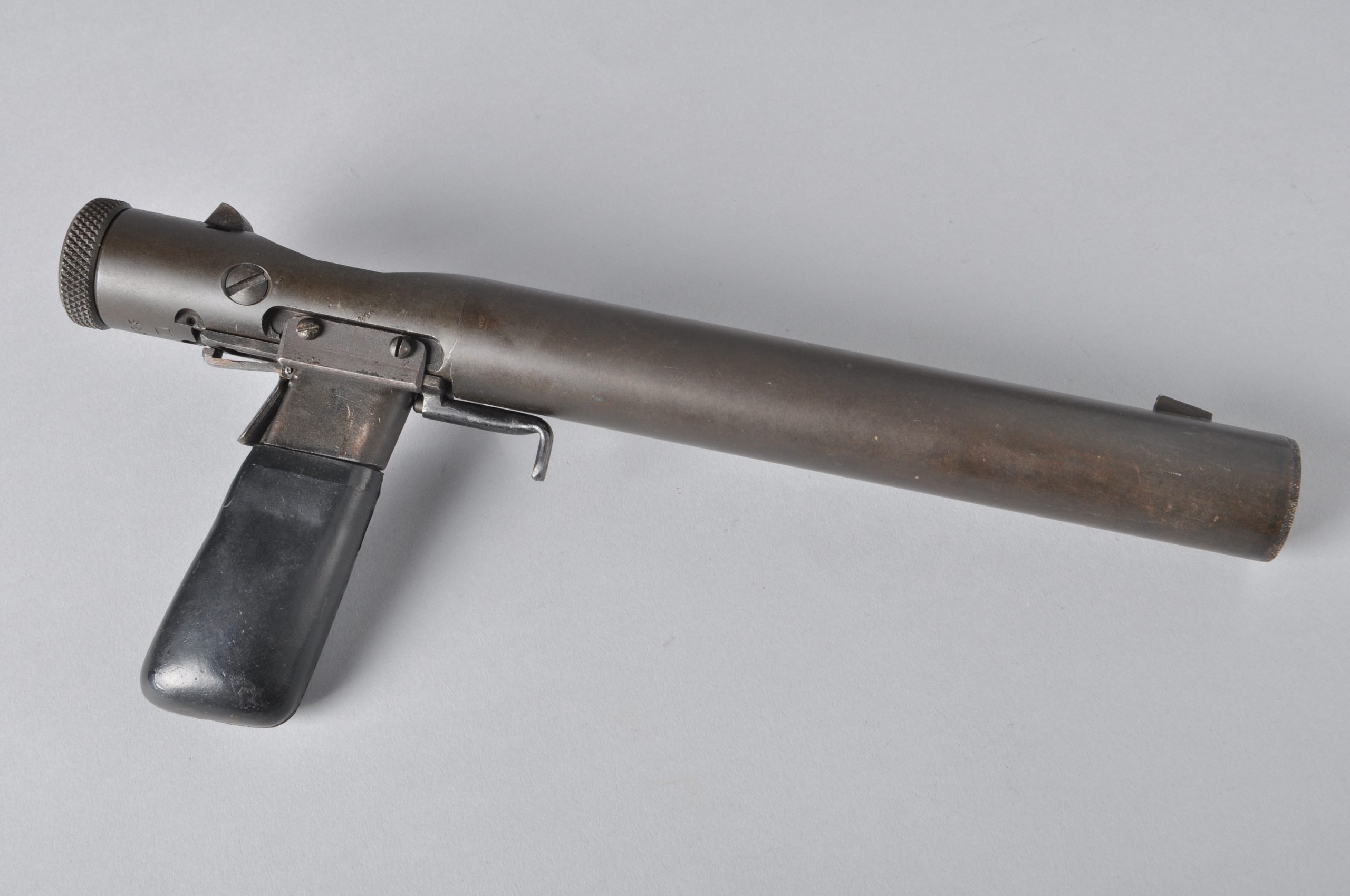
Silence needs more than a good tube, and the designers matched the pistol to quiet ammunition. The Mk I used .32 ACP and held 8 rounds, while the Mk II fired 9mm Parabellum with a six-round magazine. Both worked best with subsonic loads, bullets traveling below roughly 1,100 feet per second, so no sharp supersonic crack followed the shot. A heavy 9mm bullet of around 147 grains moving near 950 feet per second delivered enough energy for close work, about 300 foot-pounds. That figure sits below normal service ammunition but well within what planners wanted at short distances. The pistol was never meant for sniping, only for brief, quiet encounters within a few steps.
5. Simple, Fast Wartime Production
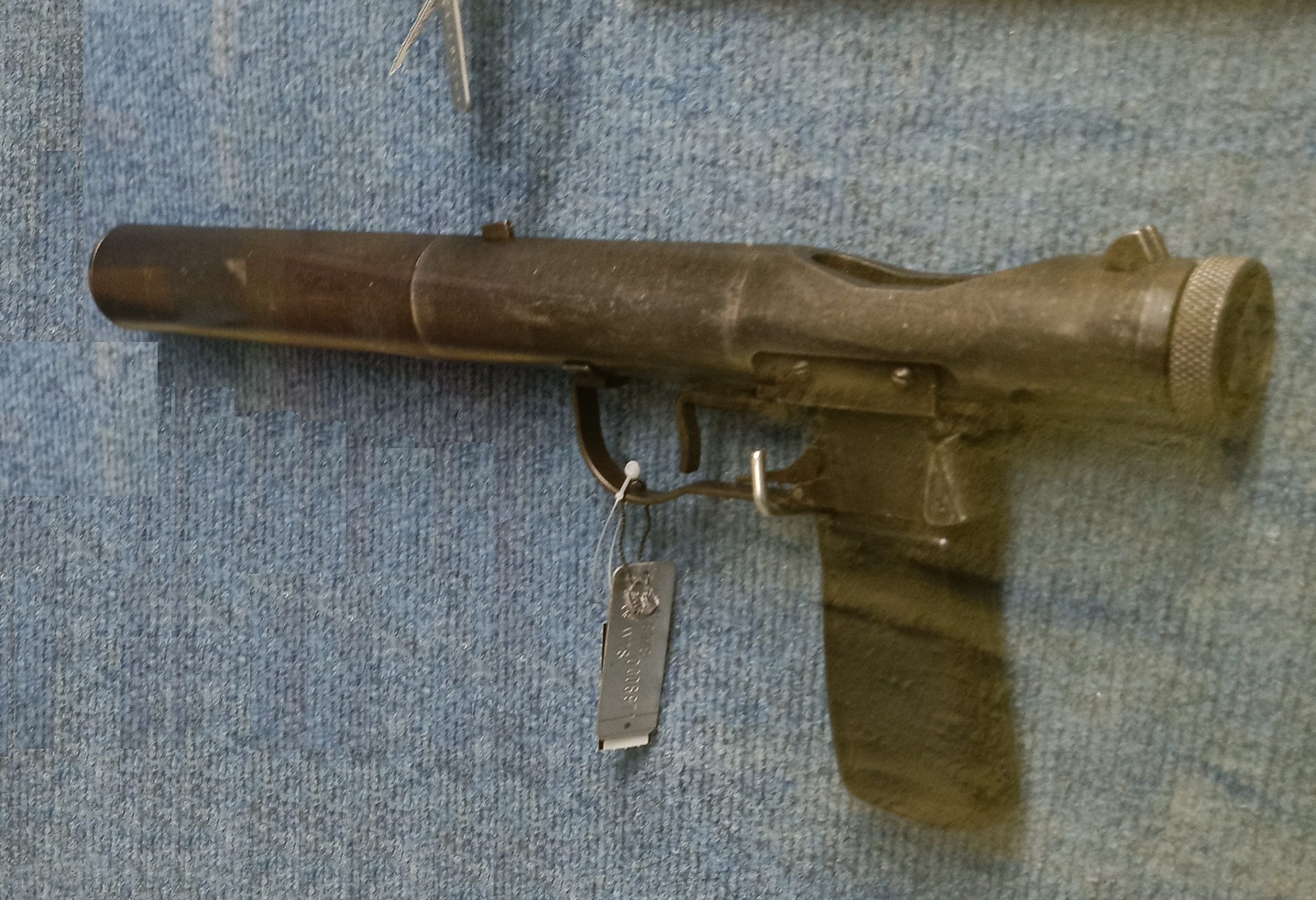
Wartime sabotage work demanded a simple tool that could be built fast, and the Welrod answered with plain machining and few parts. Estimates suggest roughly 2,000 to 3,000 were produced, a tiny number beside millions of Sten guns, yet enough for covert teams across occupied Europe. Its steel tube and plain components meant ordinary workshops could assemble it without special fixtures. The bolt, grip, and trigger group used bold shapes that tolerated rough handling, and the dull finish hid reflections. Agents received it with a short cleaning routine and a few spare wipes. Reliability mattered more than elegance, because one jam during a night mission could end an operation and a life.
6. Handling That Favored Accuracy
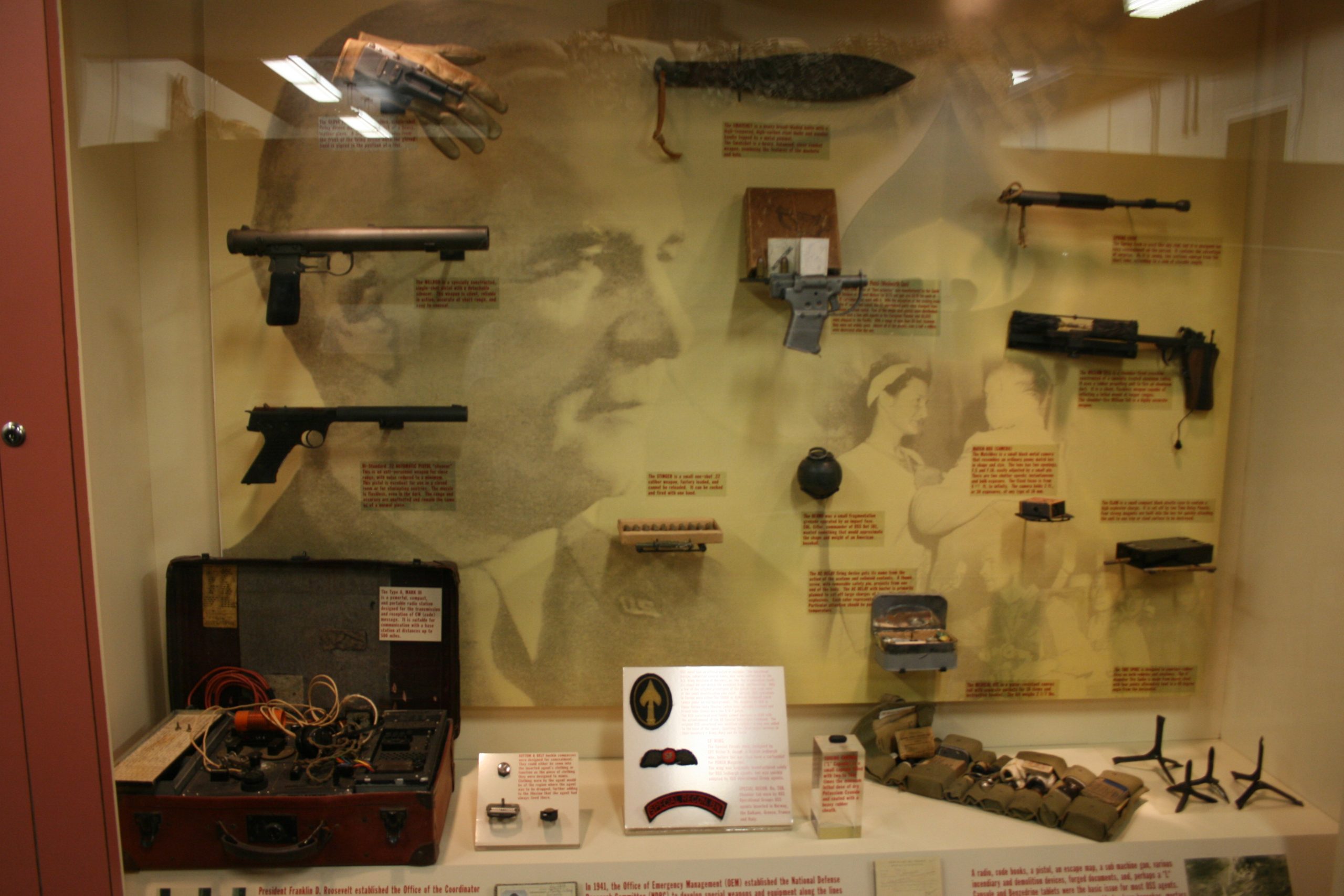
Quiet weapons are only useful if the person holding them can aim, and the Welrod handled surprisingly well for such an odd shape. The magazine sat inside the pistol grip, which kept the center of gravity low and let a shooter hold the barrel tube steady in one hand. The long barrel added about 4 inches of sight radius compared with a normal service pistol, which helped at 10 to 15 yards. Trigger pull was crisp and light, roughly 4 to 5 pounds in most reports, so a trained operator did not drag the muzzle off target. The weapon was never meant for long distances, but at five steps, it placed rounds into a hand-sized group with very little drama.
7. A Legacy That Outlived the War
Long after the war, the Welrod kept its reputation as a specialized tool. Surviving examples from 1942 to 1945 sit in museums and private collections, and a rare original can reach tens of thousands of dollars. British special forces are reported to have carried Welrods as late as the Falklands campaign in 1982, and the CIA is said to have used them during the Cold War, though official details remain thin. Their long life shows how sound the original concept was, since the pistol’s core ideas of a bolt action, integral suppressor, and subsonic round have echoed through suppressed handguns ever since. More than 80 years on, the Welrod still proves that quiet design can beat raw speed.