A shotgun can produce impressive patterns with one load and disappointing results with another. Even when the firearm is mechanically sound, differences in pellet size, shot material, wad design, velocity, and choke compatibility can change how evenly pellets reach a target. Budget ammunition is not automatically poor ammunition, and expensive shells do not guarantee superior performance. The important question is consistency. These 9 popular shotgun platforms illustrate why ammunition selection, proper testing, and realistic expectations matter when evaluating pattern performance.
1. Remington 870
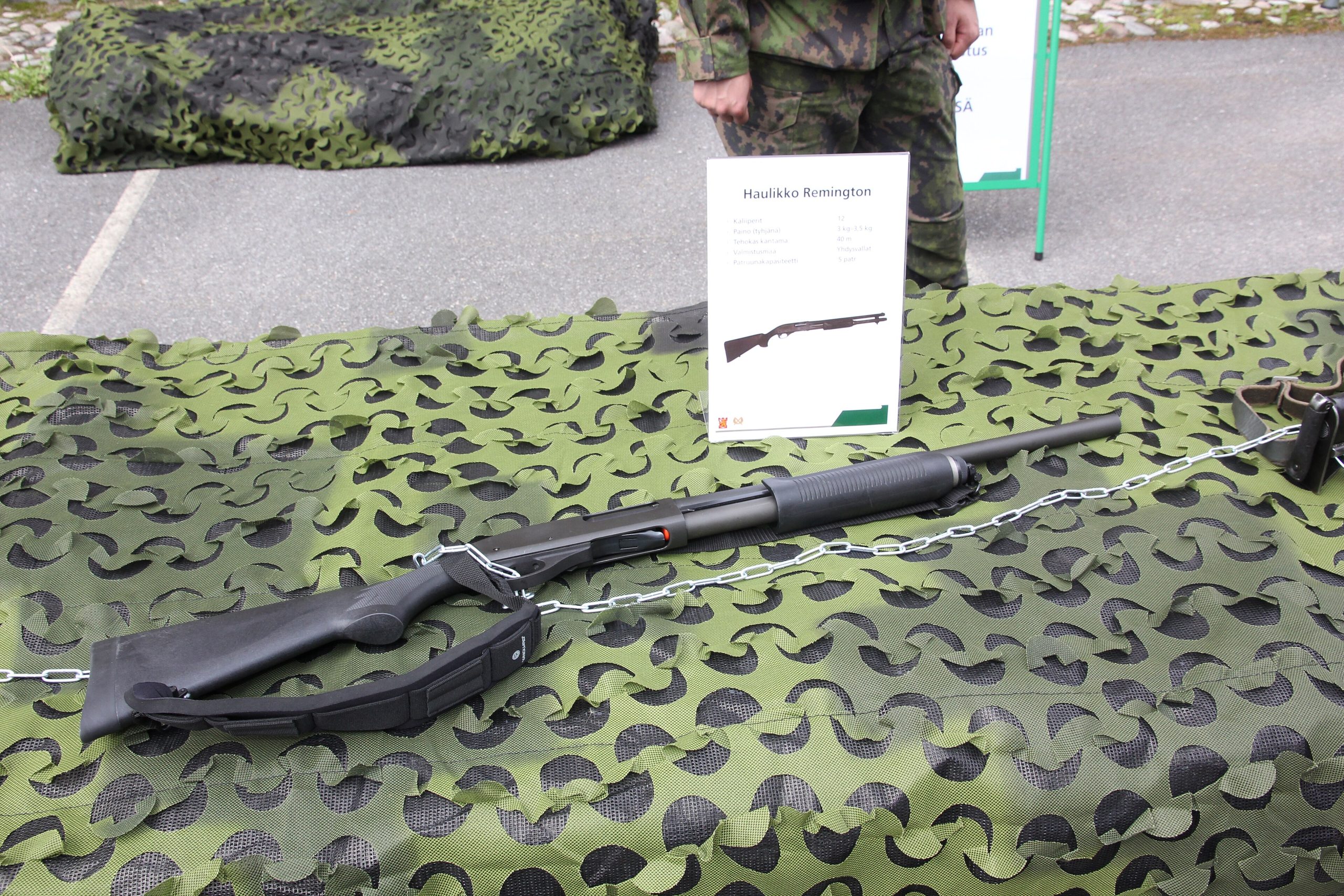
The Remington 870 has earned a strong reputation through decades of hunting, sporting, and defensive use. Available in numerous configurations, it commonly comes with a 12-gauge chamber and a barrel length around 18.5 to 28 inches, depending on the model. However, changing from premium shells to inexpensive ammunition can produce noticeably different patterns. Variations in pellet hardness, wad construction, and shot consistency may affect distribution, particularly at longer distances. The 870 itself does not guarantee tight patterns; its barrel, choke, and ammunition must work together for consistent results.
2. Mossberg 500

The Mossberg 500 is a versatile pump-action shotgun offered in several gauges, barrel lengths, and configurations. Many 12-gauge versions accept 2¾-inch and 3-inch shells, provided the specific model supports them. Inexpensive ammunition may produce less consistent patterns than a carefully matched premium load, although results vary between brands and individual barrels. Choke selection also matters: a cylinder bore spreads shot differently from a full choke. Testing several loads at a fixed distance, such as 40 yards for appropriate hunting applications, can reveal meaningful differences without assuming that price alone determines performance.
3. Benelli M2

The Benelli M2 is a well-known semi-automatic shotgun used in hunting and competitive shooting. Its inertia-operated action depends on recoil energy to cycle correctly, making ammunition suitability particularly important. Some light or low-powered loads may not provide enough energy for reliable cycling in a particular configuration, while heavier loads may function without difficulty. The M2 is available in 12- and 20-gauge versions, depending on the model. Pattern quality is a separate consideration: even when inexpensive shells cycle reliably, their pellet distribution may differ from that of premium ammunition. Both reliability and pattern consistency deserve attention.
4. Beretta A400

The Beretta A400 family includes gas-operated semi-automatic shotguns designed for hunting and sporting applications. Depending on the variant, these shotguns are available in different gauges and chamber configurations, so ammunition compatibility must be checked against the owner’s manual. Budget shells can vary in velocity, pressure characteristics, and component quality, potentially affecting cycling or pattern consistency. A load that performs well in one A400 configuration may behave differently in another. For a fair comparison, evaluate the same shot size at the same distance and inspect the entire pattern, rather than judging performance from a single successful shot.
5. Browning BPS
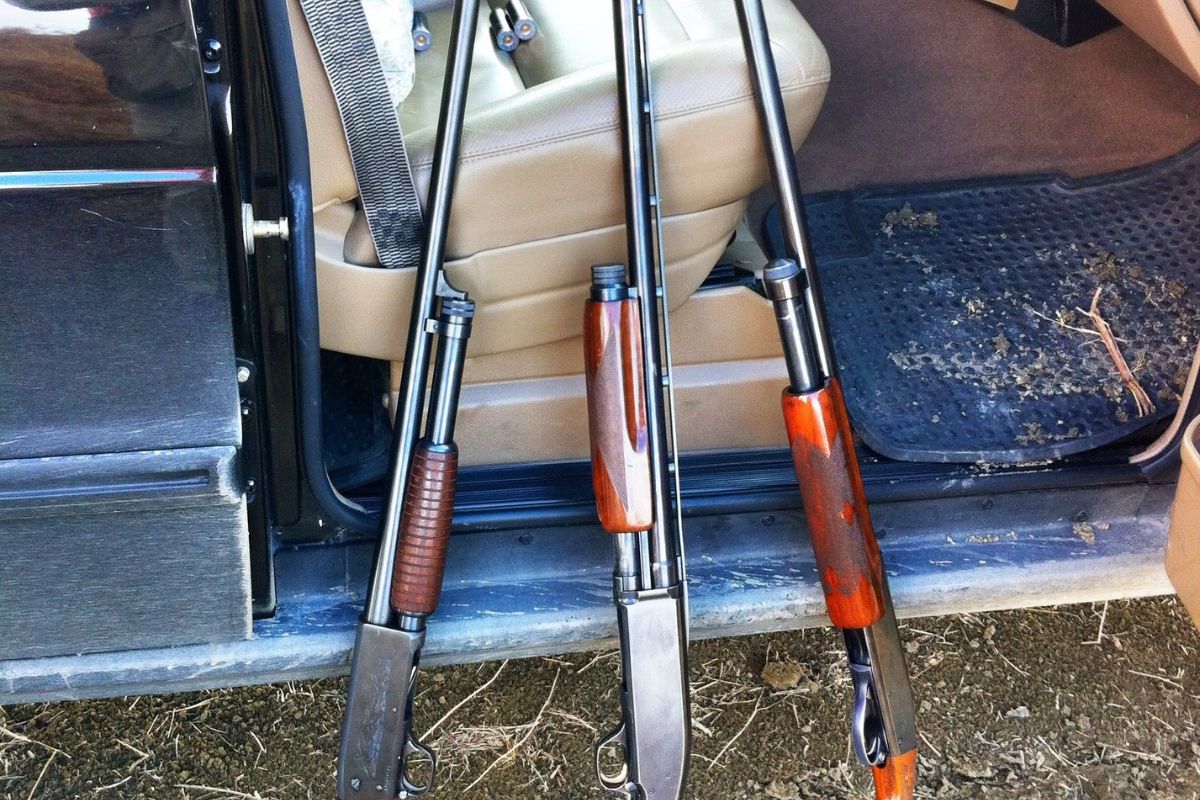
The Browning BPS is a pump-action shotgun recognized for its bottom-loading and bottom-ejecting design. Depending on the version, it is available in several gauges and barrel configurations, including models intended for hunting and sporting use. Its mechanical design does not eliminate ammunition-related differences. Low-cost shells may contain pellets with different degrees of deformation or use wad designs that interact differently with a particular choke. Those factors can influence pattern density and uniformity at distances such as 30 or 40 yards. Shooters should also verify shell length and gauge before use, since compatibility is a safety requirement rather than a performance preference.
6. Winchester SXP
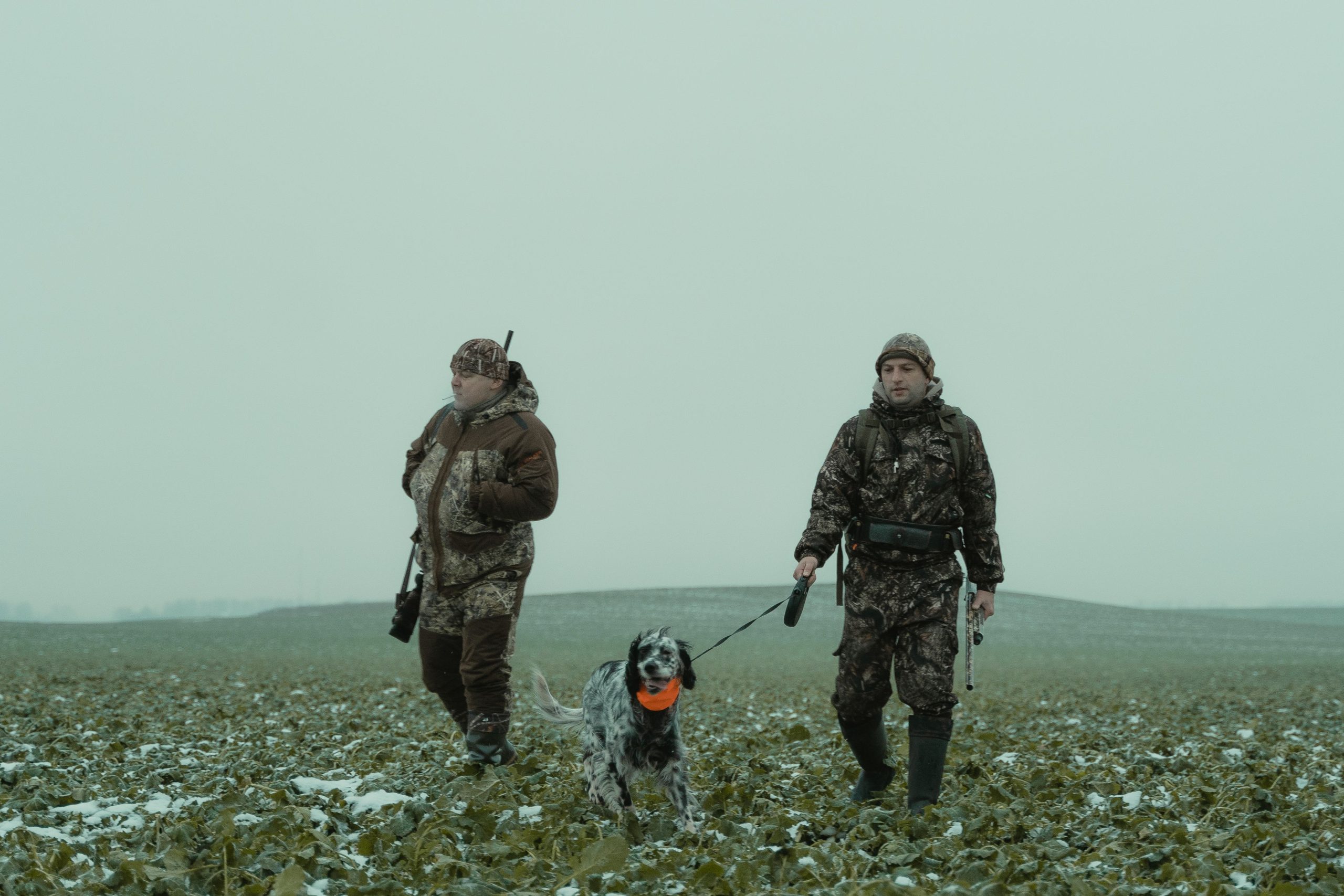
The Winchester SXP is a pump-action shotgun offered in configurations for waterfowl hunting, upland birds, turkey hunting, and other applications. Many versions feature a 3-inch chamber, although specifications depend on the exact model. Inexpensive ammunition can produce acceptable results, but its consistency may differ across manufacturers and production batches. Pellet deformation, shot size, and choke design all influence how evenly a pattern spreads. A turkey load, for example, is evaluated differently from a general-purpose birdshot load. Checking the manufacturer’s ammunition guidance and comparing patterns under controlled conditions provides a more dependable assessment than assuming all budget shells perform alike.
7. Stoeger M3000

The Stoeger M3000 is an inertia-operated semi-automatic shotgun commonly chambered in 12 gauge, with many versions designed for 3-inch shells. Its affordability makes it attractive to hunters and recreational shooters, but ammunition choice remains important. Loads with insufficient recoil energy may fail to cycle reliably in some circumstances, particularly when the shotgun is new or conditions are unfavorable. That issue should not be confused with pattern performance. A shell can cycle perfectly while producing uneven pellet distribution, and a tighter pattern does not automatically mean a better hunting load. Both function and pattern should be evaluated separately.
8. Franchi Affinity 3
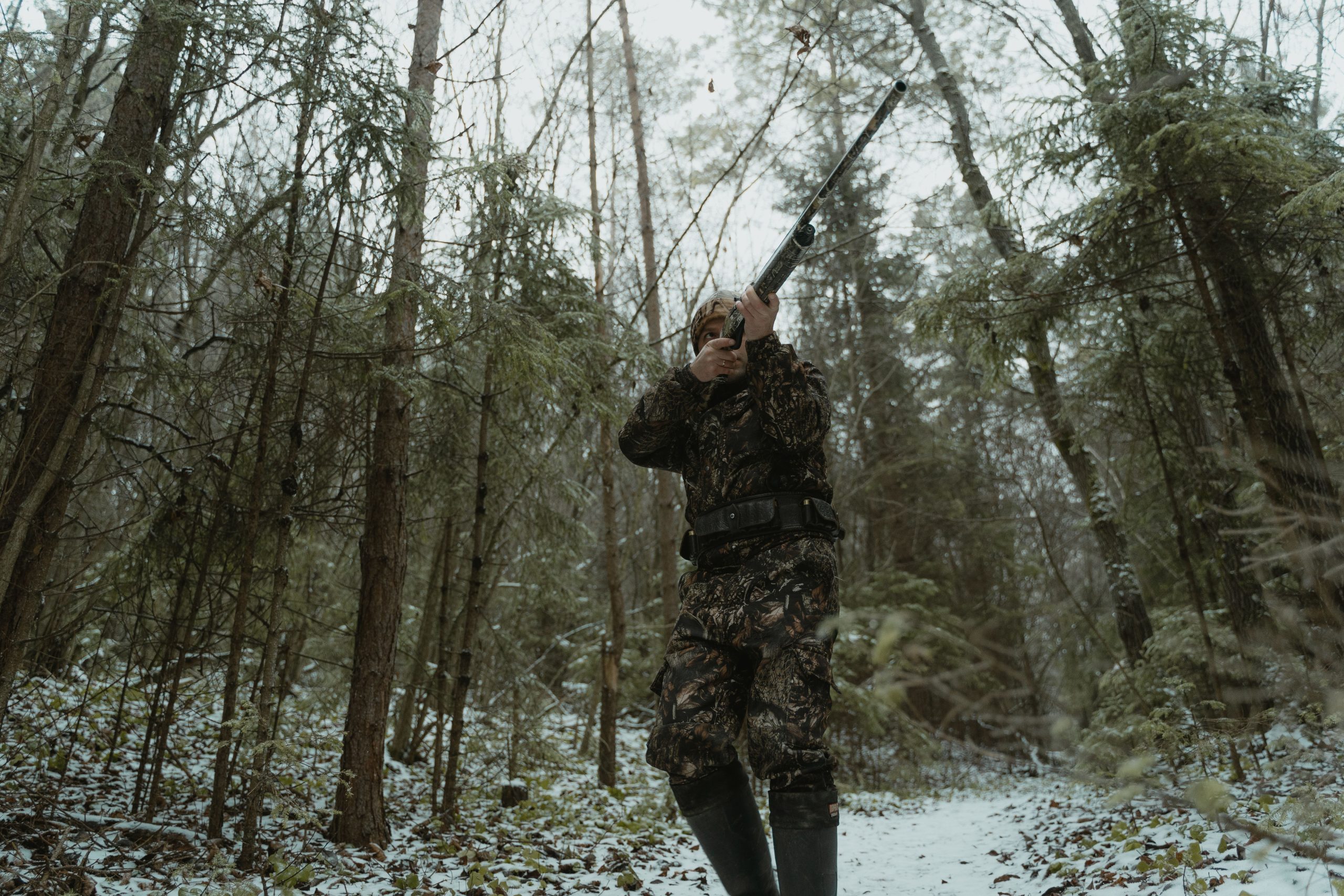
The Franchi Affinity 3 is an inertia-operated semi-automatic shotgun offered in several hunting-oriented configurations. Common versions include 12- and 20-gauge models, with chamber specifications varying by configuration. Its operation relies on suitable recoil energy, so not every light target load will necessarily cycle equally well. Cheap shells may also differ in pellet uniformity and wad construction, potentially affecting the pattern on paper. Before drawing conclusions, confirm the exact model’s chamber rating and approved ammunition, then assess pattern distribution at a relevant distance. Consistency across multiple shots provides a clearer picture than a single unusually tight or scattered result.
9. Remington Versa Max
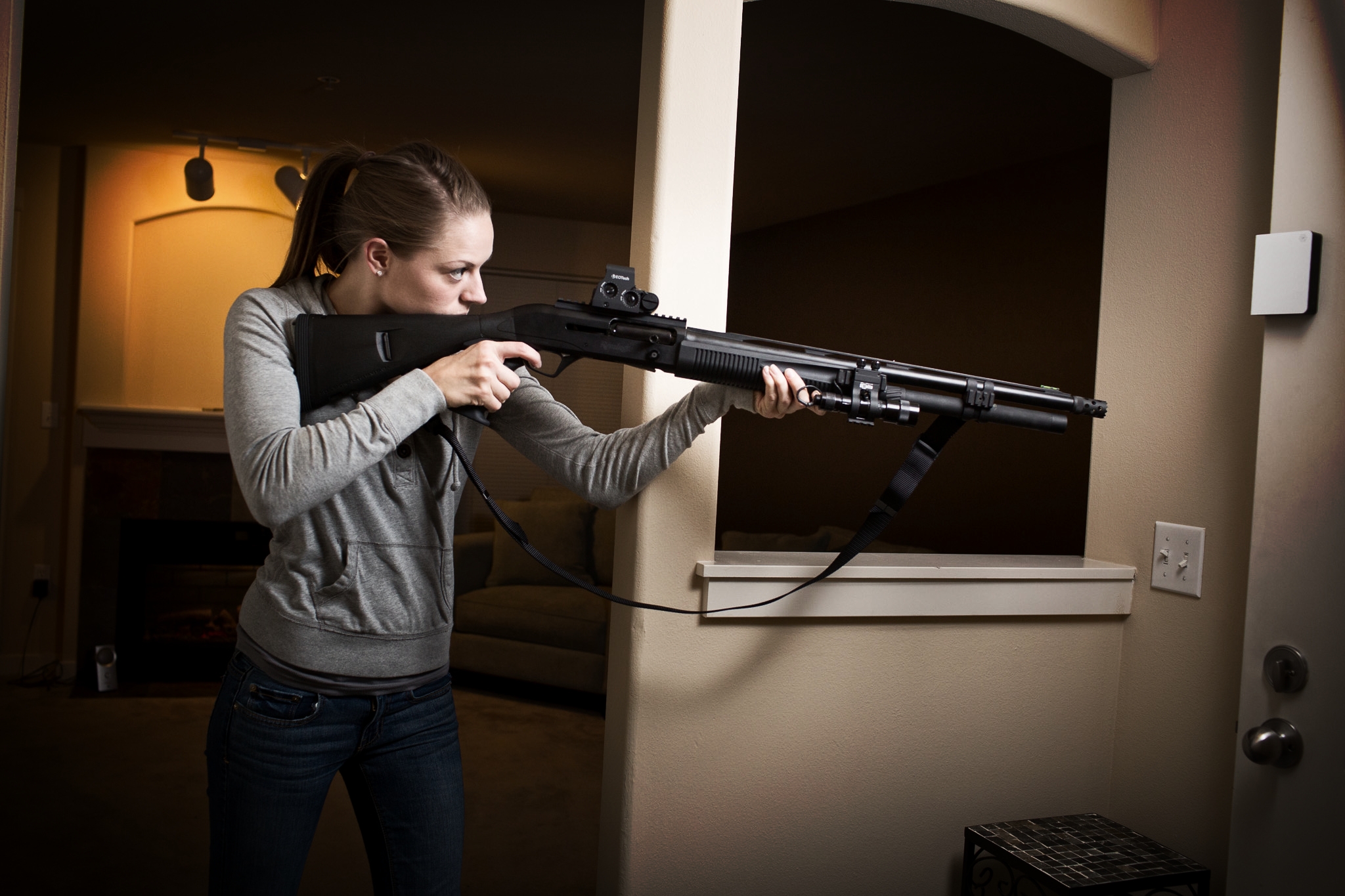
The Remington Versa Max is a gas-operated semi-automatic shotgun designed to accommodate a range of 12-gauge ammunition, subject to the specific model’s specifications. Its gas system was developed to support different loads, but that does not mean every cartridge will deliver identical patterns or flawless operation in every condition. Budget ammunition can vary in pellet quality, velocity, and manufacturing consistency, while choke selection influences the final spread. A useful comparison includes several shots with each compatible load, using the same distance and target dimensions. The resulting patterns help distinguish ordinary variation from a repeatable performance difference.