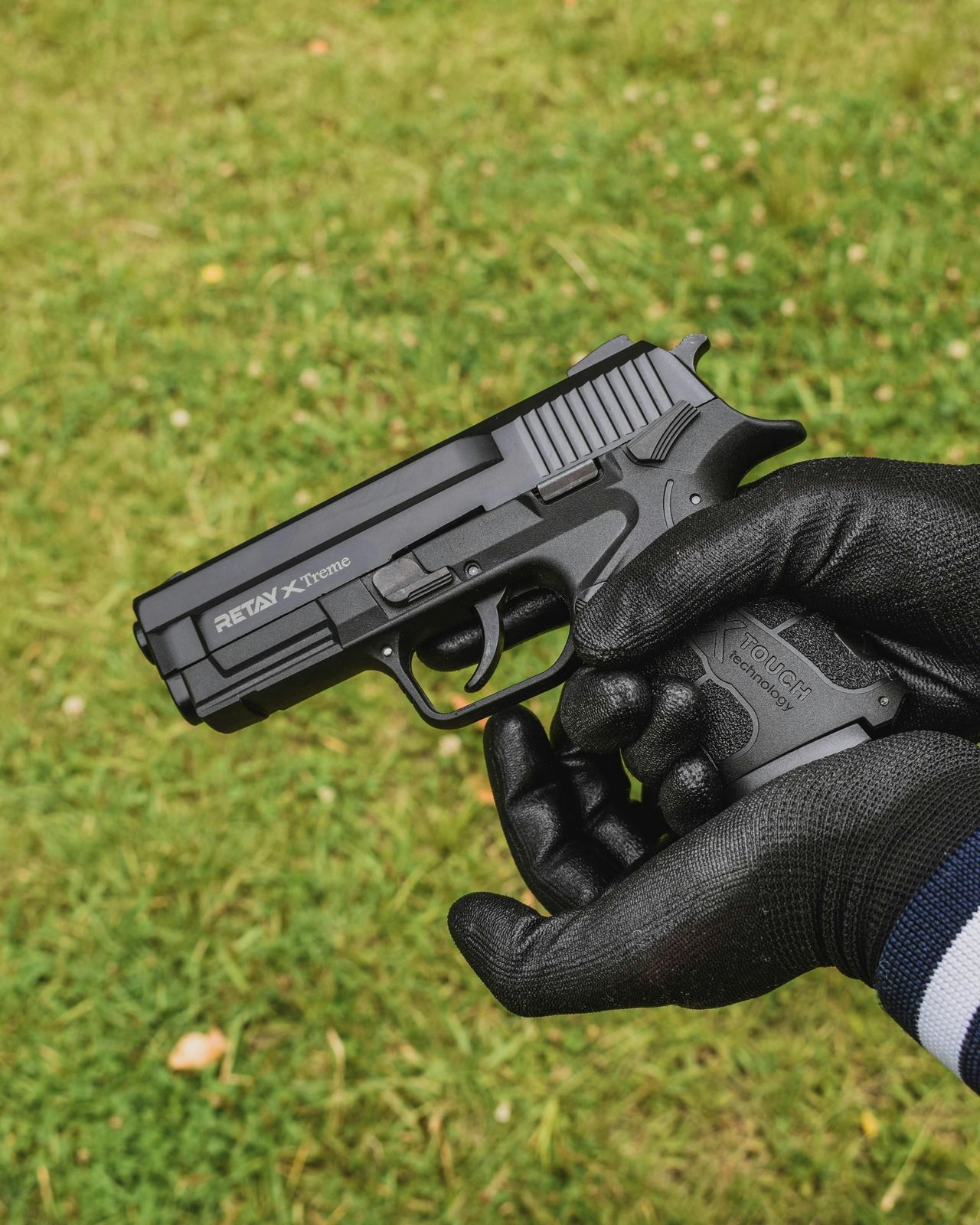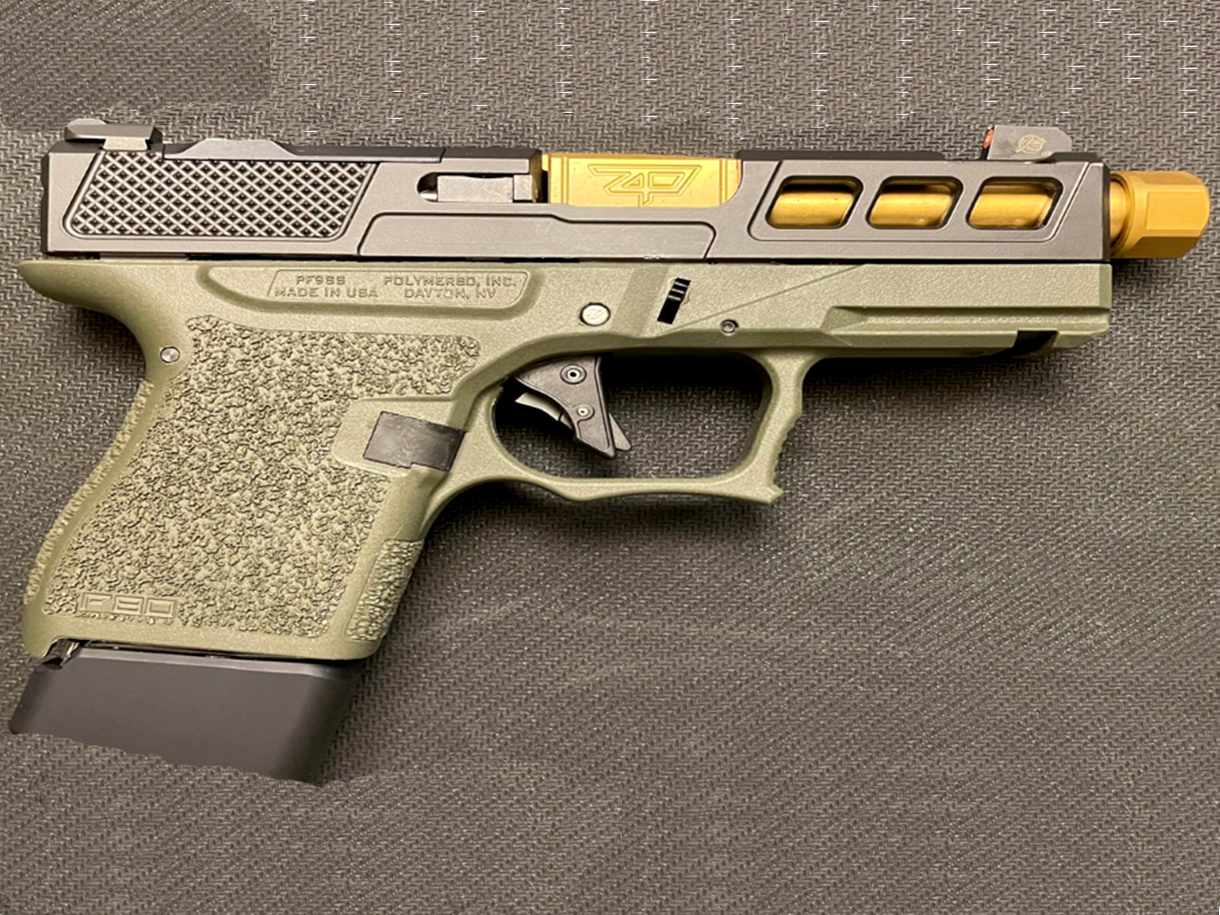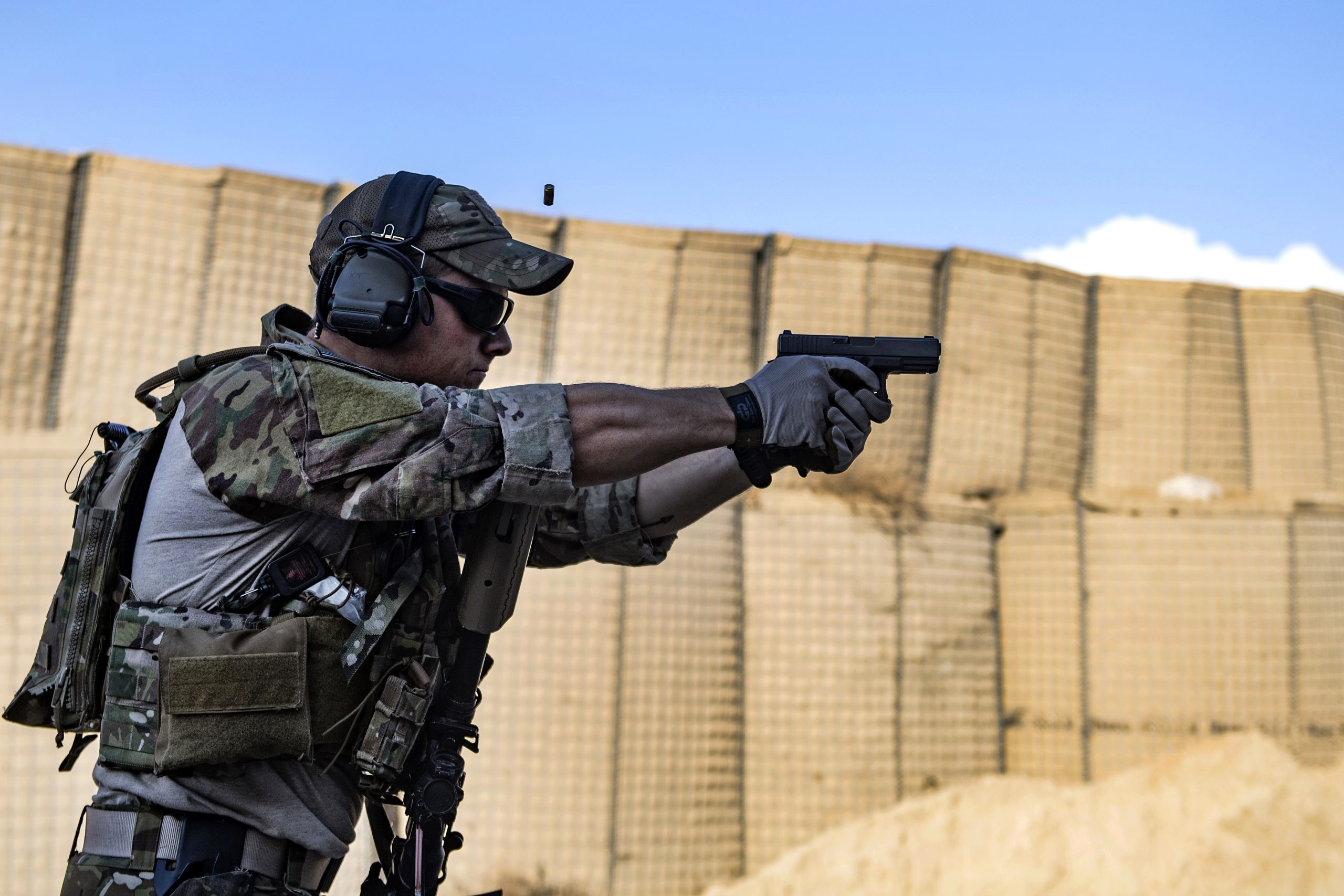
Slide serrations may look like small cuts in a handgun’s metalwork, but their placement, depth, spacing, and shape can influence both appearance and handling. Some pistols feature traditional vertical grooves, while others use angled cuts, front-and-rear patterns, or more elaborate machining. These differences often reflect a manufacturer’s priorities, including grip, manufacturing methods, and the overall design of the firearm. The following eight handguns illustrate how serrations can become a recognizable feature while serving a practical purpose beyond appearance alone.
1. Glock 19 Gen5
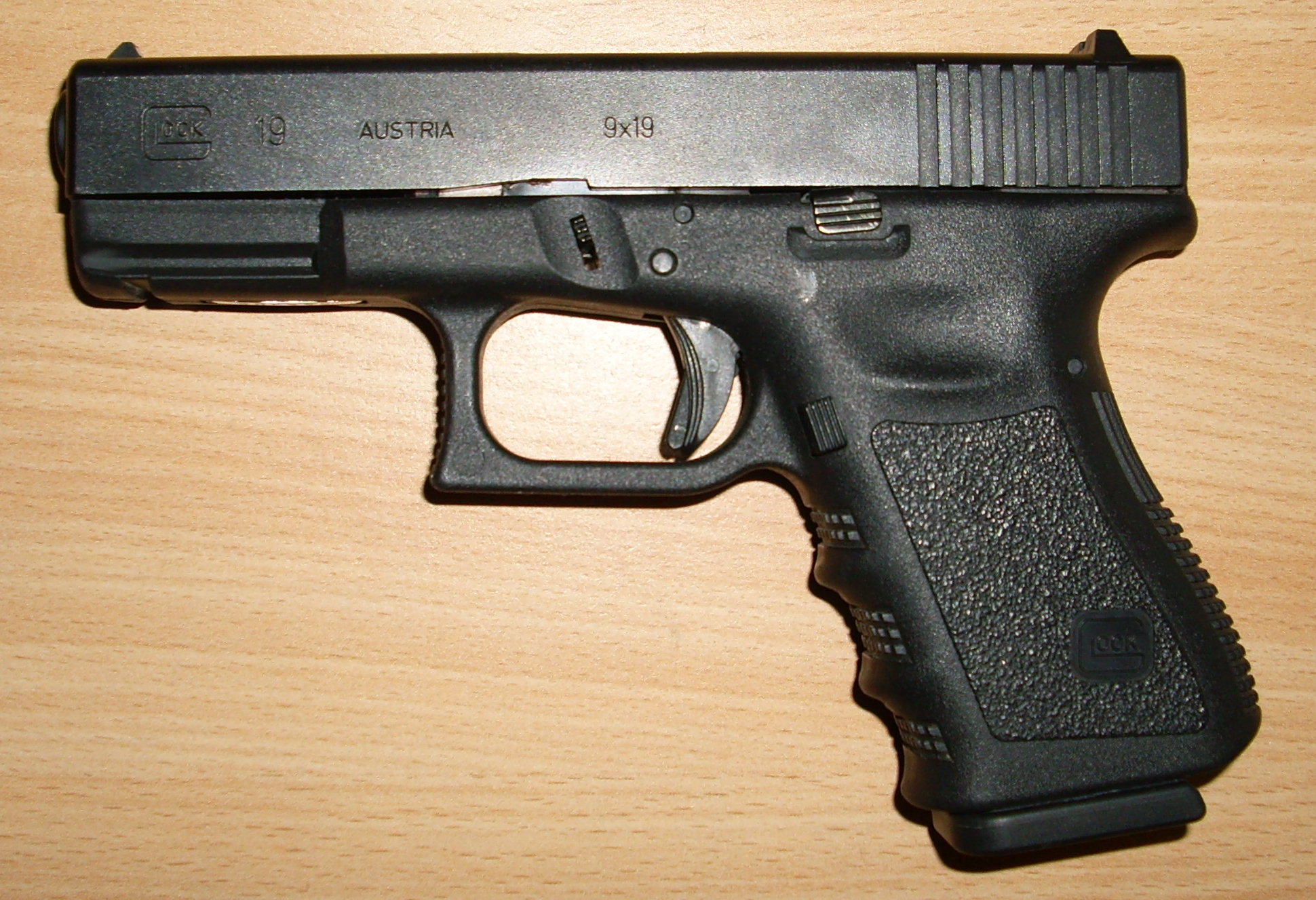
The Glock 19 Gen5 gives its slide a practical, balanced appearance through a combination of rear and front serrations. Earlier versions of the pistol generally relied on rear grooves, while later Gen5 FS variants added cuts near the muzzle end. This change created another textured area without abandoning Glock’s familiar, understated styling. The pistol measures approximately 7.36 inches long and has a 4.02-inch barrel. Its 15-round standard magazine capacity in 9mm makes it a popular compact design. The serrations illustrate how a modest revision can modernize a proven platform without dramatically changing its overall shape.
2. Walther PDP
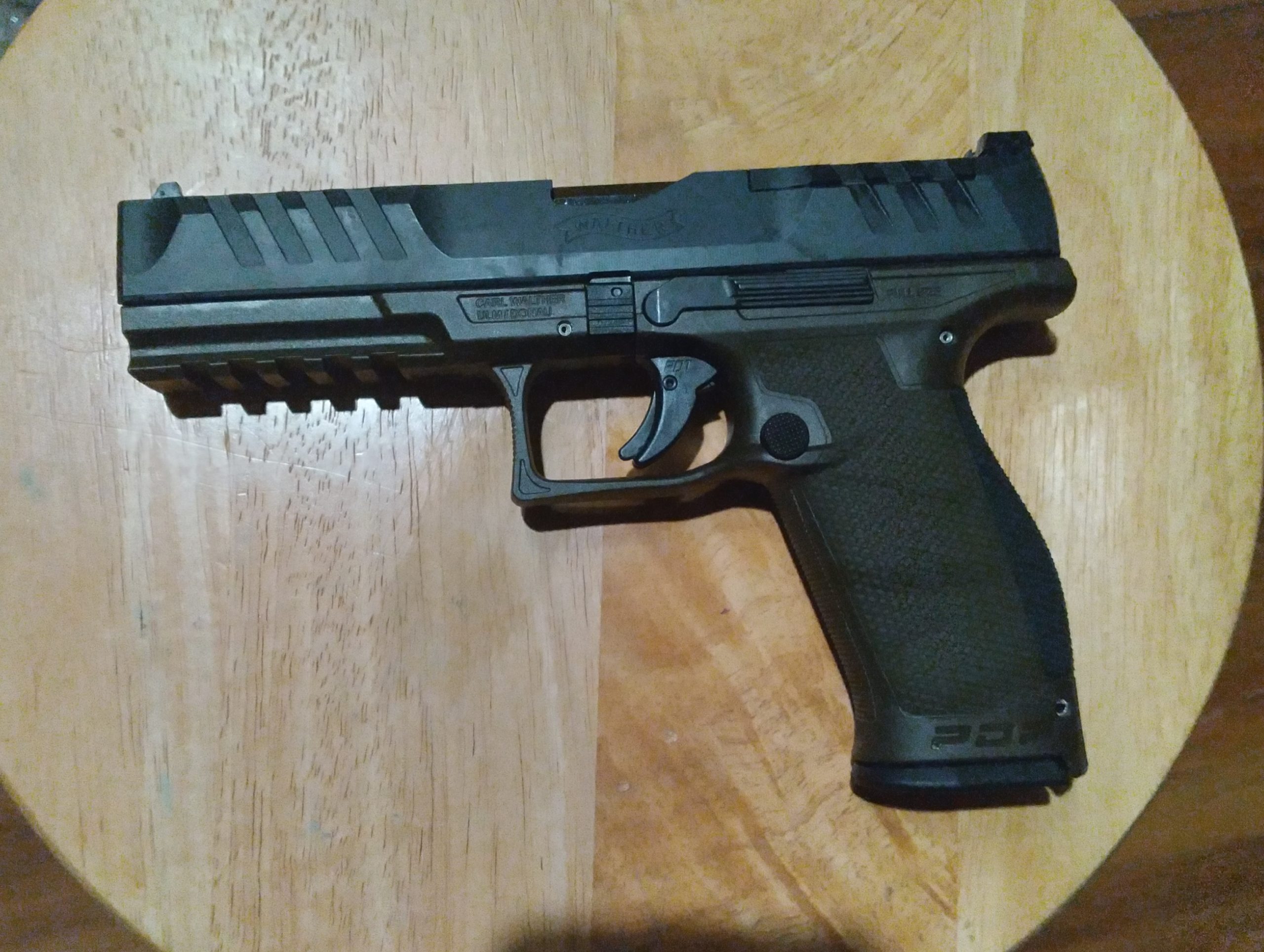
The Walther PDP stands out through its distinctive SuperTerrain serrations, which rise prominently above the surrounding slide surface. Rather than relying entirely on recessed grooves, this design creates pronounced gripping surfaces at the front and rear. The resulting profile gives the pistol a more sculpted appearance than many conventional service handguns. Depending on the version, the PDP is available with a 4-inch or 4.5-inch barrel, alongside other configurations. Its slide also accommodates an optics mounting system on factory-equipped models. The serrations therefore complement the pistol’s broader design, combining a recognizable silhouette with substantial tactile surfaces.
3. SIG Sauer P226
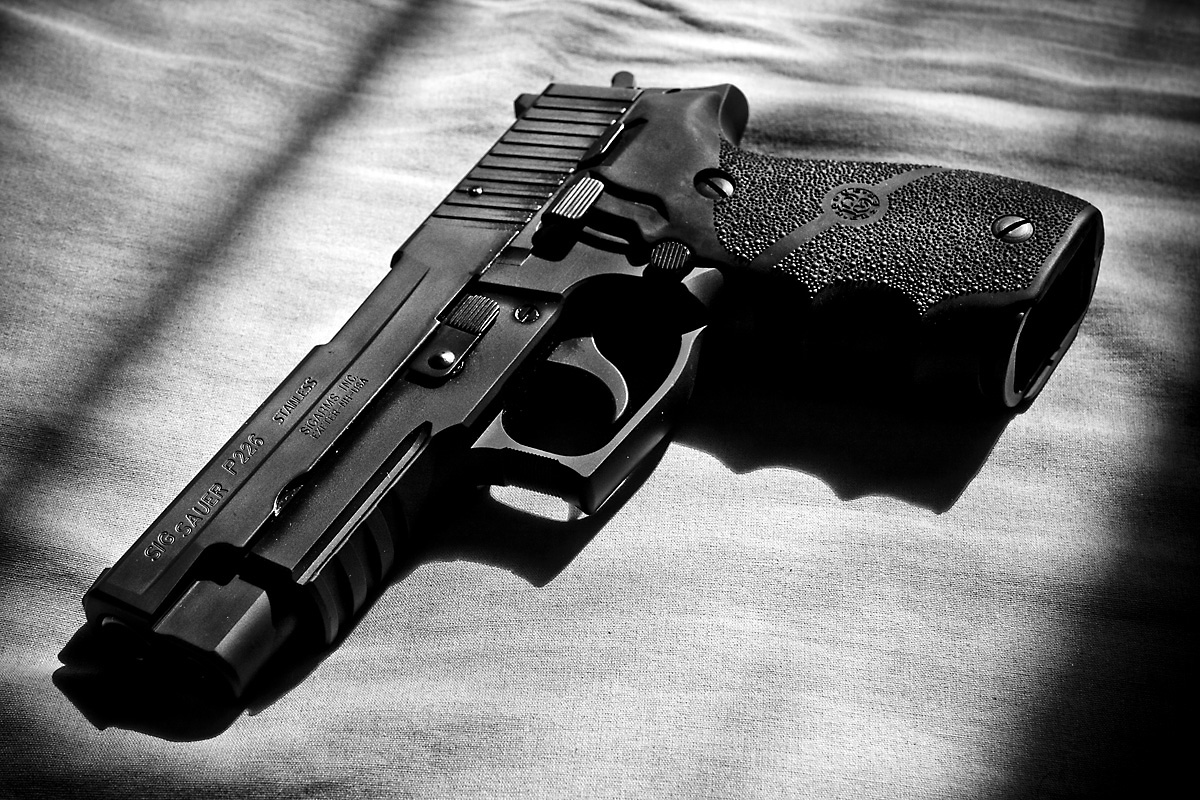
The SIG Sauer P226 represents a more traditional approach to slide serrations. Its classic profile features closely spaced grooves toward the rear, integrated into a substantial metal slide with relatively smooth surfaces elsewhere. This restrained arrangement suits the pistol’s established service-handgun styling, which emphasizes functional construction rather than elaborate exterior machining. The standard 9mm version has a barrel measuring approximately 4.4 inches and commonly uses a 15-round magazine, although specifications vary by model and market. Compared with newer pistols featuring prominent front cuts, the P226 demonstrates how conventional rear serrations can remain visually distinctive through proportion, spacing, and overall slide geometry.
4. Heckler & Koch VP9
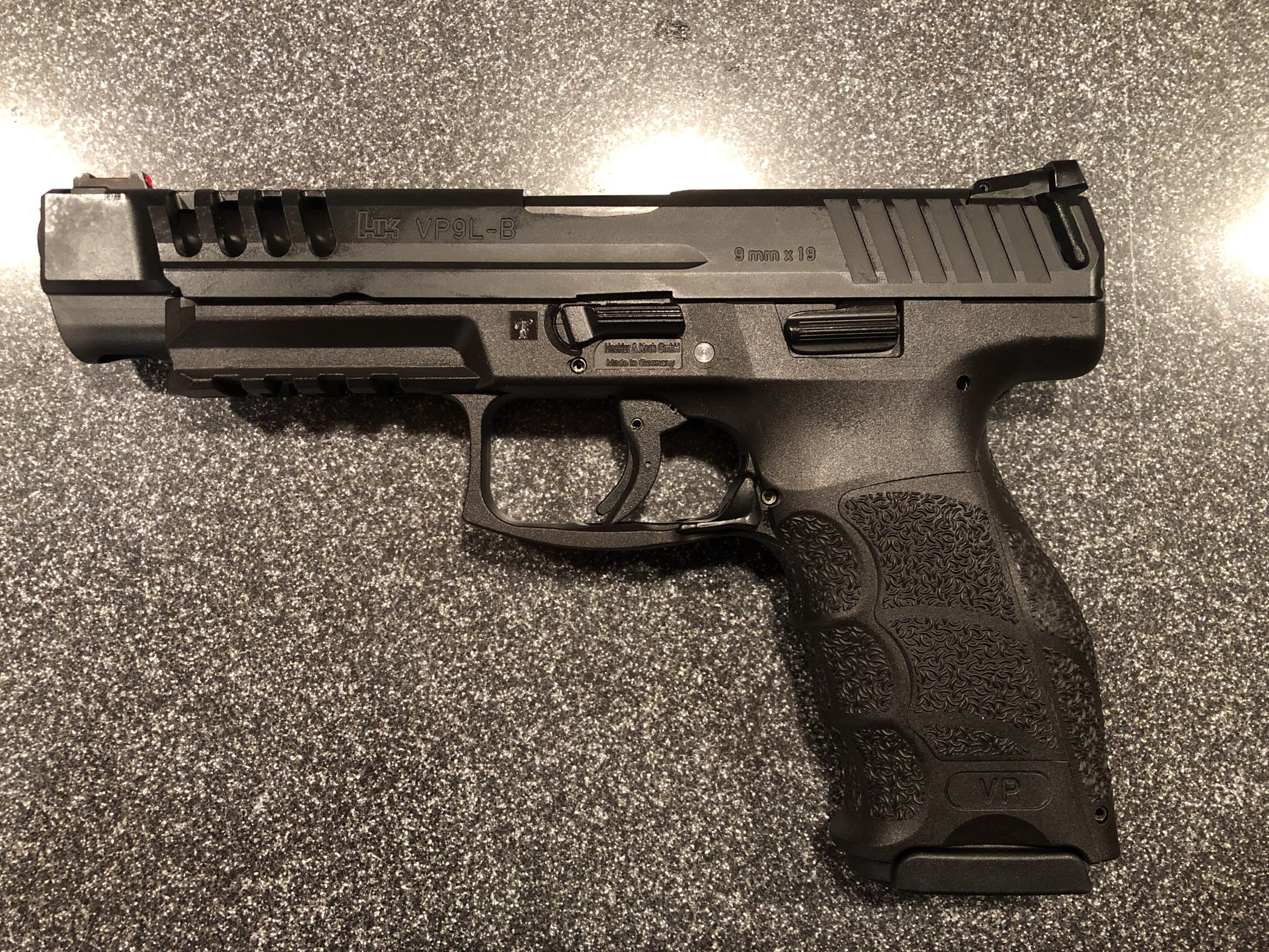
The Heckler & Koch VP9 uses a modern slide design that combines conventional serrations with carefully shaped exterior contours. Its gripping grooves are positioned toward the rear, while the slide’s broader geometry gives the pistol a purposeful, angular appearance. Certain VP9 versions also feature front serrations, so the exact pattern depends on the model and production configuration. The standard VP9 is chambered in 9mm and has a barrel measuring approximately 4.09 inches. This combination of familiar grooves and contemporary shaping illustrates an important design principle: serrations do not need unusual patterns to make a handgun recognizable. Their placement against the slide’s surrounding surfaces can be equally significant.
5. FN 509
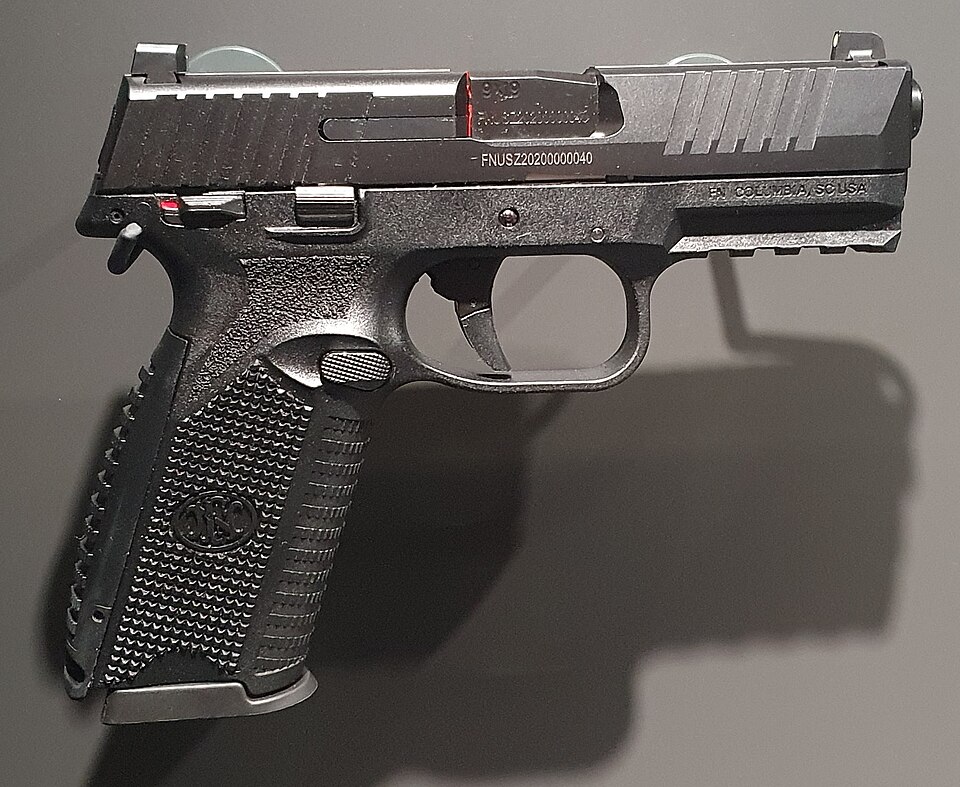
The FN 509 features a robust slide profile with defined serrations that complement its angular exterior and duty-oriented construction. Its design balances recognizable rear grooves with additional gripping surfaces on applicable configurations, creating a more substantial appearance than minimalist slides. The standard FN 509 has a 4-inch barrel and is chambered in 9mm, with a typical magazine capacity of 17 rounds. Different variants introduce changes to slide length, optics compatibility, and exterior machining, making it important to distinguish the specific version when comparing photographs. The 509 demonstrates how serrations can form part of a wider design language, reinforcing the impression of a sturdy, contemporary service pistol.
6. CZ Shadow 2
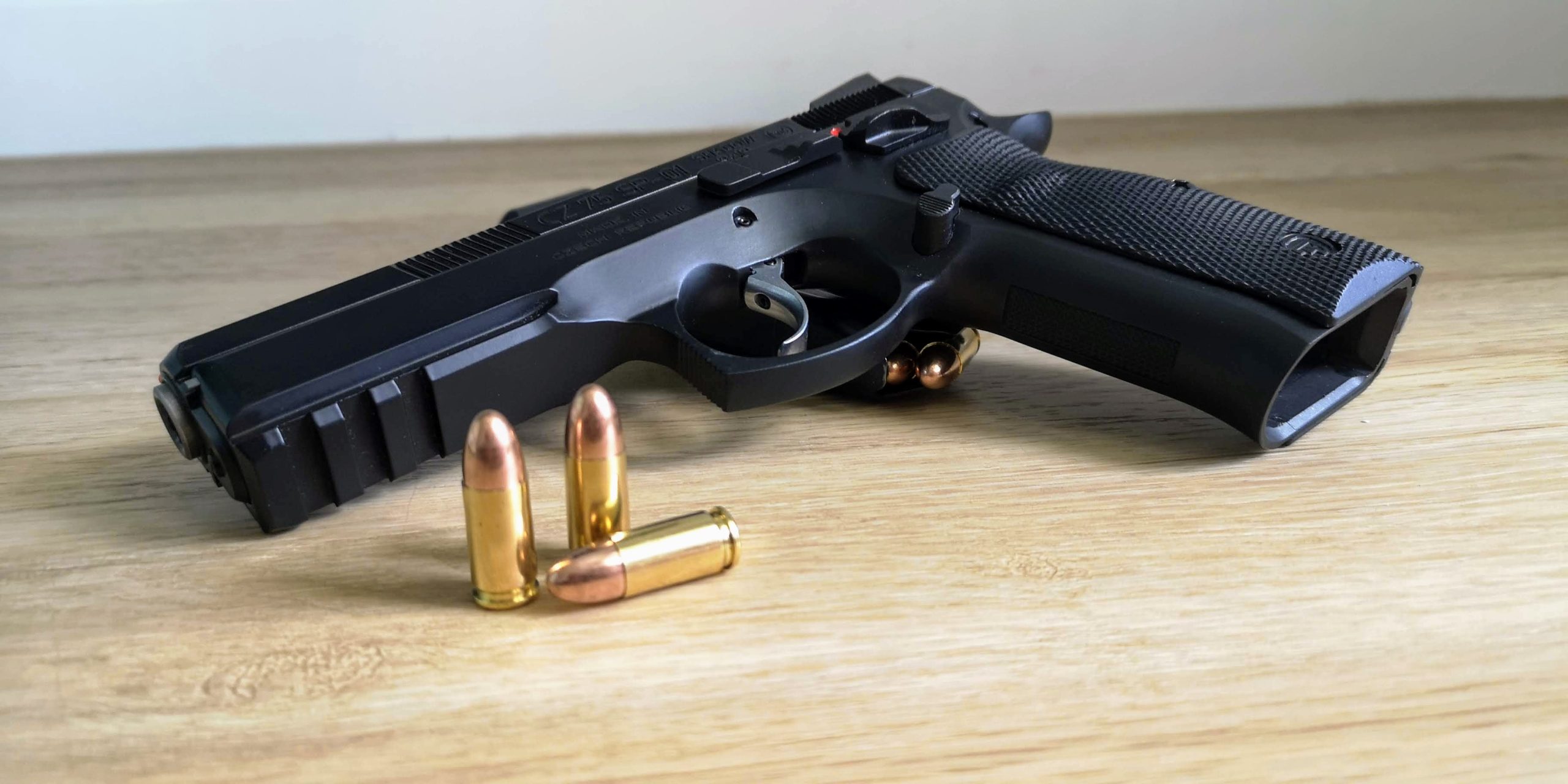
The CZ Shadow 2 offers a distinctive interpretation of slide serrations within a competition-focused handgun design. Its steel construction, relatively low-profile slide, and carefully shaped exterior give it a different appearance from many polymer-framed service pistols. The serrations sit within a compact slide profile, contributing to the model’s precise, purposeful visual character rather than dominating its appearance. The standard 9mm Shadow 2 has a barrel measuring approximately 4.89 inches and a typical 17-round magazine capacity, although versions differ. Its design shows that serrations need not be oversized or dramatically patterned to stand out. Their proportions become particularly noticeable when contrasted with the pistol’s substantial frame.
7. Springfield Armory Hellcat
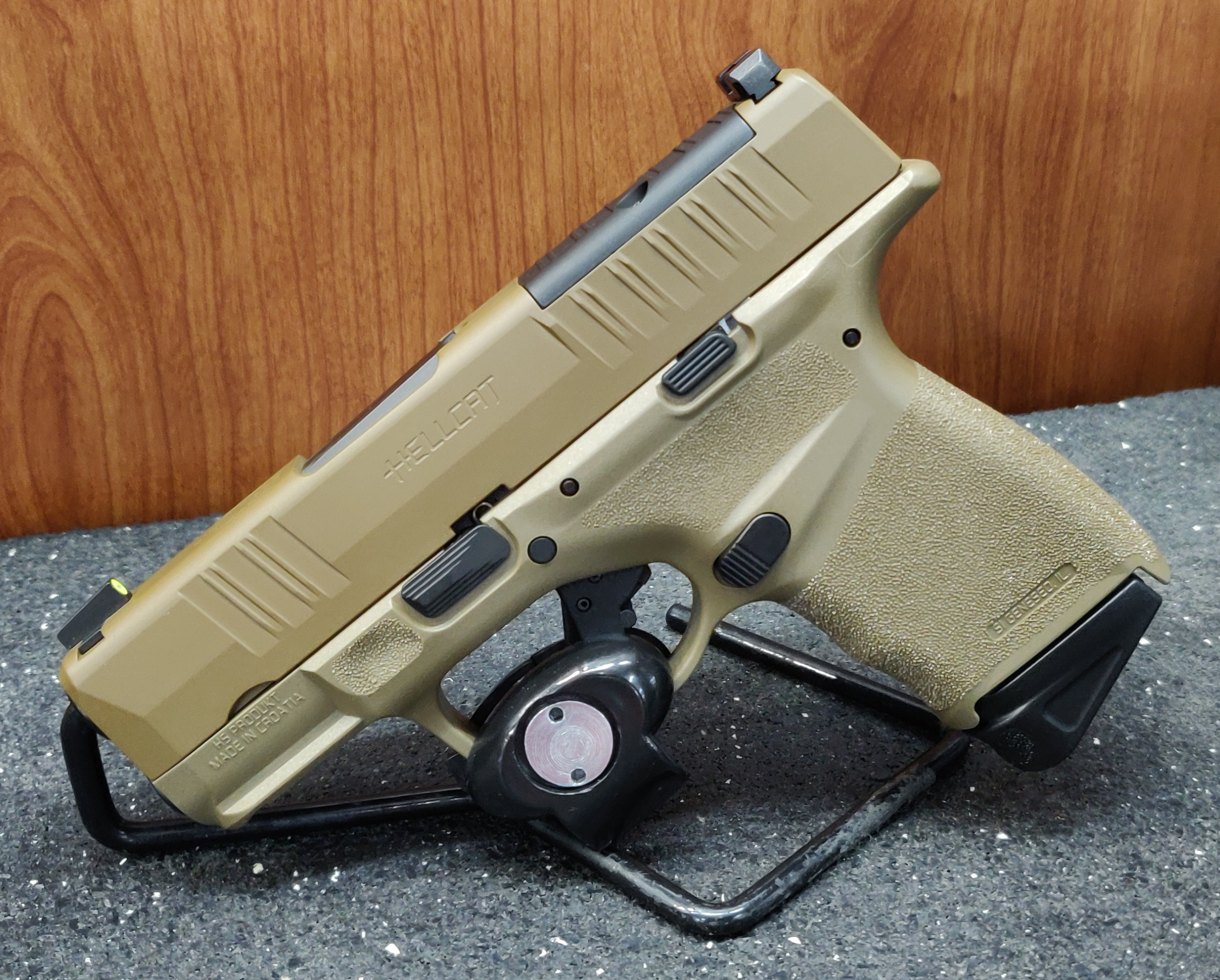
The Springfield Armory Hellcat combines compact dimensions with a slide that uses sharply defined serrations to maintain a purposeful appearance. Its front and rear gripping areas help distinguish it from smaller pistols that feature only a narrow set of rear grooves. The surrounding slide also incorporates compact proportions suited to a handgun designed for discreet carry. The original Hellcat measures approximately 6 inches overall and has a 3-inch barrel, with a standard magazine capacity of 11 rounds in 9mm. Capacity and dimensions vary across the Hellcat family. Its design illustrates how manufacturers can incorporate clearly visible serrations without making a small handgun’s slide look unnecessarily bulky.
8. Beretta APX A1

The Beretta APX A1 features a pronounced serration pattern that gives its slide a rugged, contemporary appearance. The grooves are integrated into the slide’s exterior contours, creating defined gripping areas rather than relying on decorative cuts alone. This treatment reflects the APX family’s emphasis on practical ergonomics and modern service-pistol styling. The full-size APX A1 has a 4.25-inch barrel and a typical 17-round magazine capacity in 9mm, while compact versions have different dimensions and capacities. Its serrations provide a useful contrast to older Beretta designs with smoother slide profiles. The result is a handgun whose exterior machining clearly communicates its newer design direction.