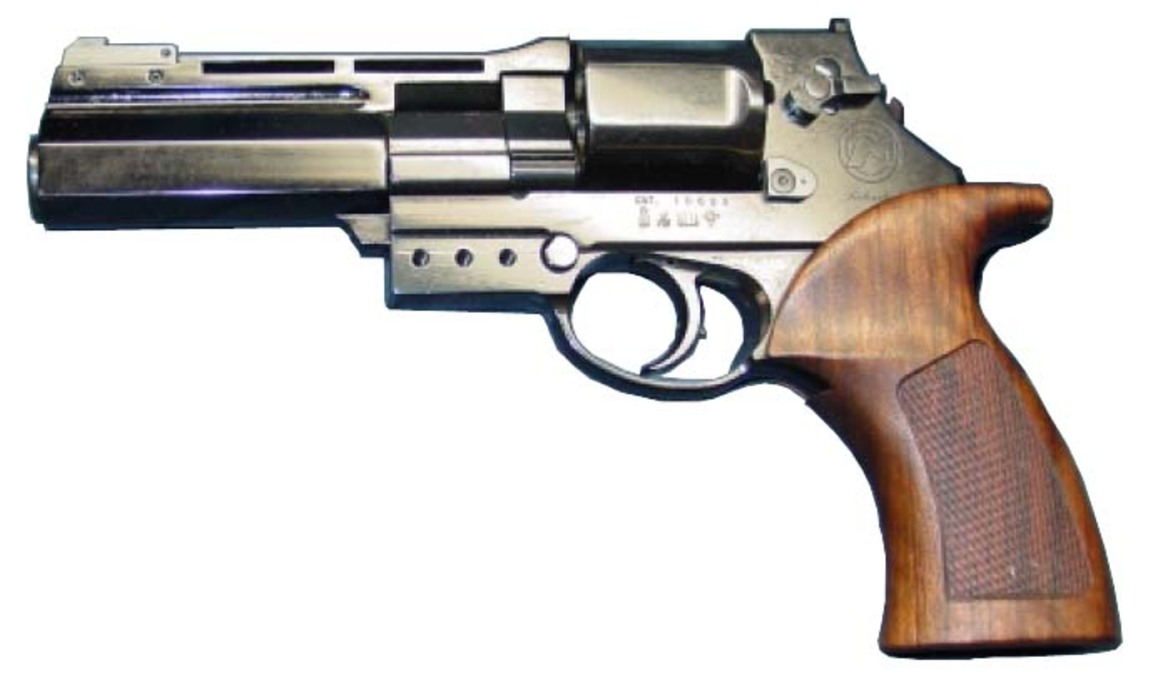
The Mateba Unica is one of the most unusual revolvers ever developed, combining traditional revolving-cylinder architecture with a recoil-operated mechanism more commonly associated with self-loading pistols. Designed in Italy, it challenged long-standing assumptions about how a revolver should look, function, and manage recoil. Its distinctive profile, mechanical complexity, and limited production have made it a fascinating subject for firearms enthusiasts and collectors. From its unusual operating cycle to its range of chamberings, these 10 features explain why the Mateba Unica occupies a special place in modern handgun history.
1. A Revolver That Automatically Cycles After Each Shot
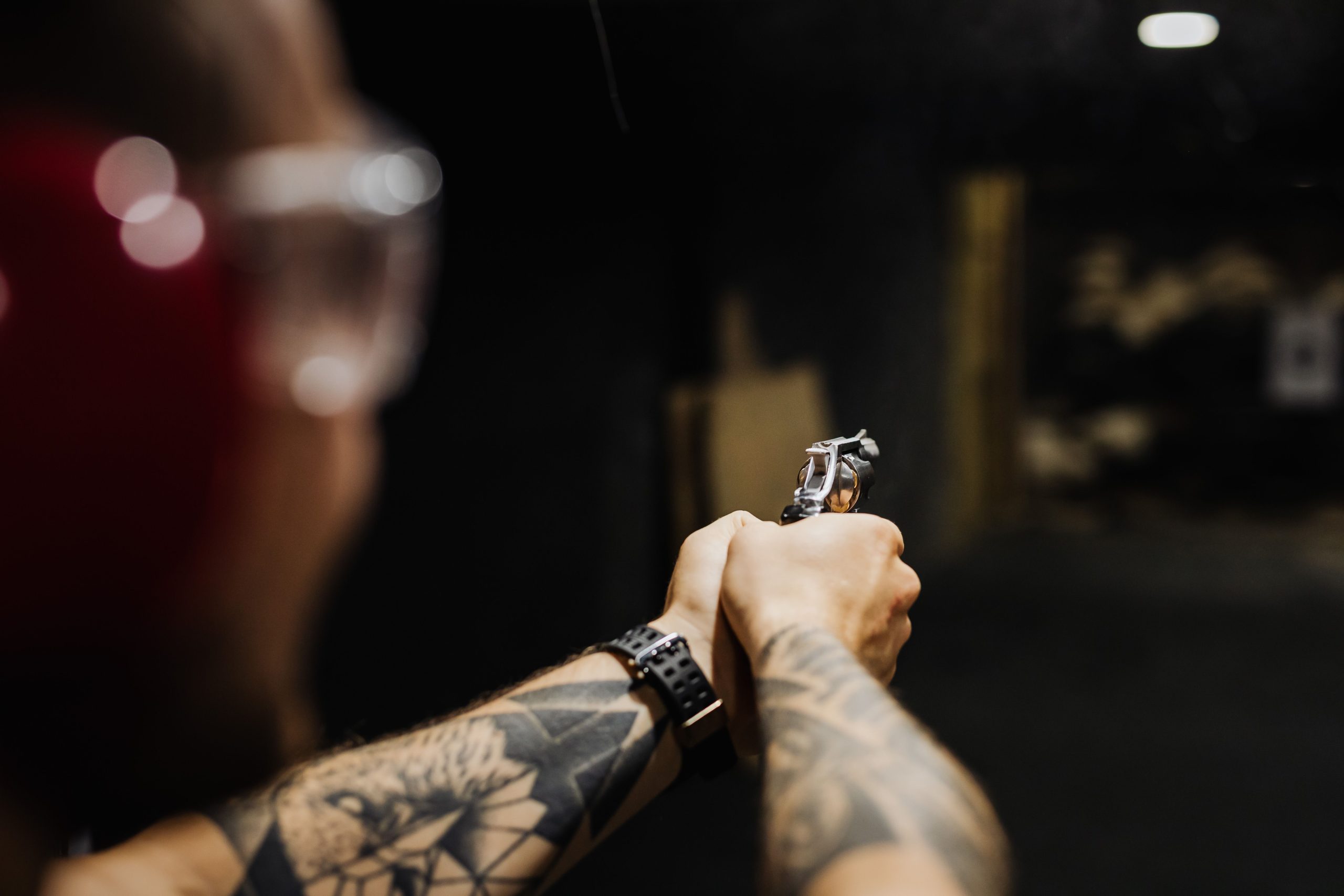
Most traditional revolvers depend on the shooter’s trigger finger or thumb to cock the hammer and rotate the cylinder. The Mateba Unica takes a different approach by using recoil energy to operate its mechanism. When a cartridge fires, the upper assembly moves backward, helping cock the hammer and prepare the next chamber. This makes it a recoil-operated, semiautomatic revolver rather than a conventional double-action design. Its six-round cylinder remains familiar, but the operating cycle sets it apart from most handguns in its category.
2. A Barrel Positioned Below the Cylinder’s Center
One of the Mateba Unica’s most recognizable engineering features is its unusually low barrel position. Instead of aligning the bore with the upper chambers, as most revolvers do, the barrel lines up with the bottom chamber of the cylinder. This arrangement places the bore closer to the shooter’s hand and wrist. On paper, that geometry can reduce the tendency for the muzzle to rise during firing. The concept is particularly interesting in a revolver chambered for powerful cartridges, although actual recoil and comfort still depend on ammunition, grip, and individual handling.
3. A Moving Upper Assembly Instead of a Fixed Frame
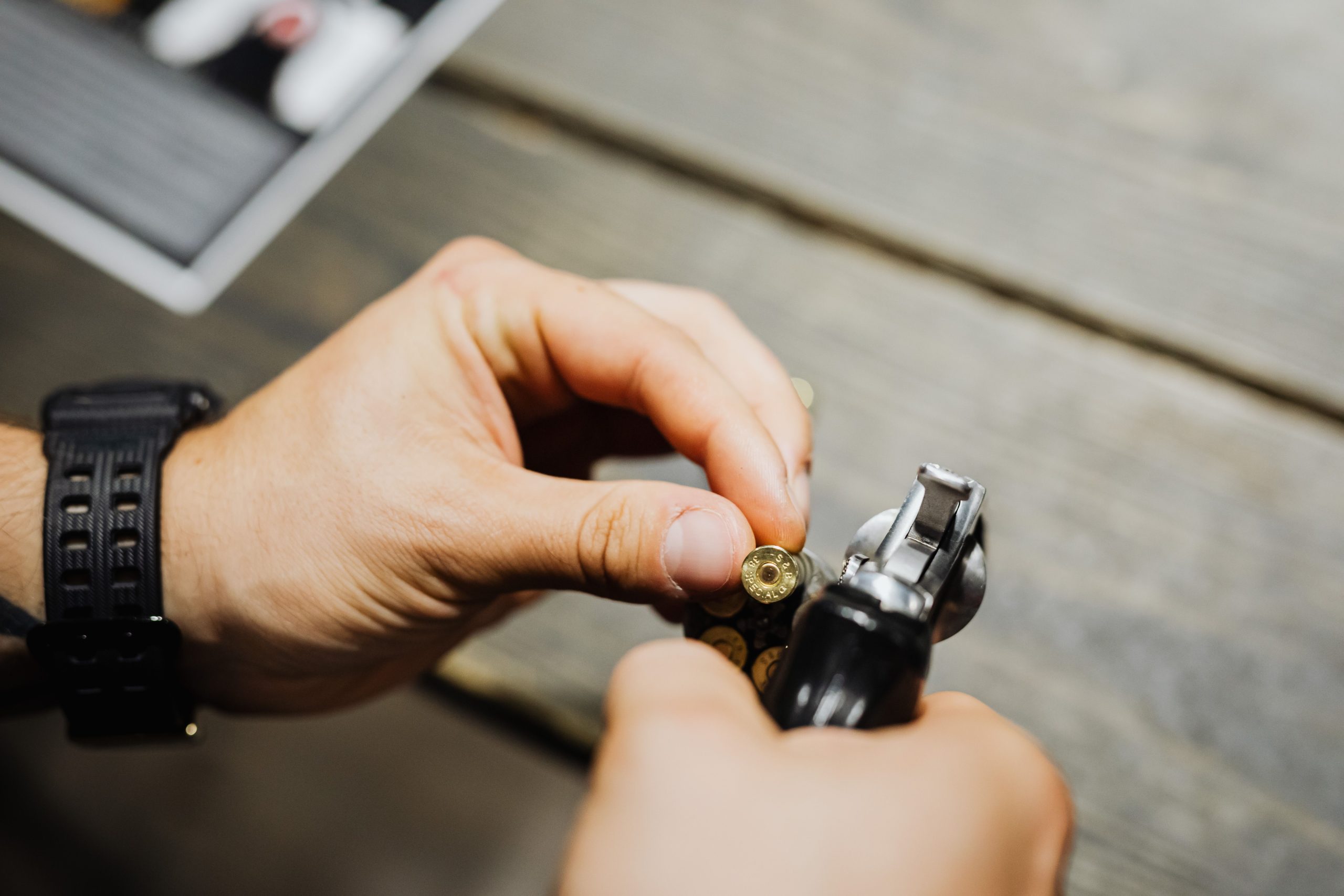
The Unica’s operating mechanism makes its exterior look different from that of a standard revolver. Its barrel, cylinder, and upper assembly move backward along rails in the lower frame when a shot is fired. This movement provides the energy needed to cock the hammer and cycle the action. The system resembles the reciprocating motion associated with semiautomatic pistols, yet it retains a revolving cylinder. The design requires carefully coordinated mechanical parts, making the Unica more complex than a conventional revolver with a fixed barrel and manually operated action.
4. Chamberings That Include Powerful Magnum Cartridges
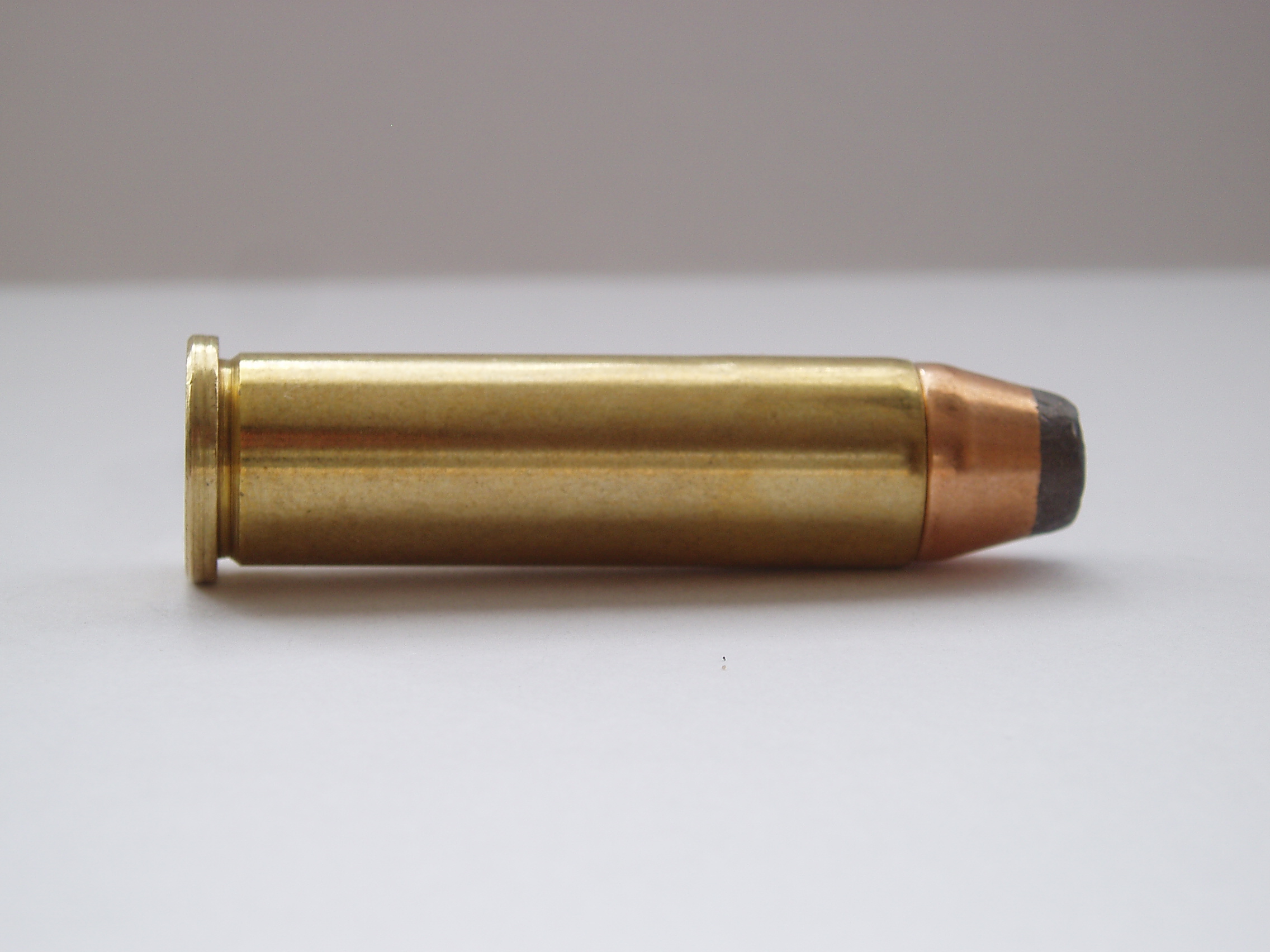
The Mateba Unica was offered in several chamberings, including .357 Magnum, .44 Magnum, and .454 Casull, with availability depending on the particular version. These cartridges serve different purposes and produce different levels of recoil, making the range notable for a mechanically unusual handgun. Some versions were also designed to accommodate corresponding lower-powered cartridges with the appropriate configuration. The six-round cylinder remained a defining feature across the principal models. This combination of a distinctive operating system and magnum chamberings helped establish the Unica as a serious engineering curiosity rather than simply a novelty-shaped revolver.
5. A Six-Round Cylinder With an Unusual Shape
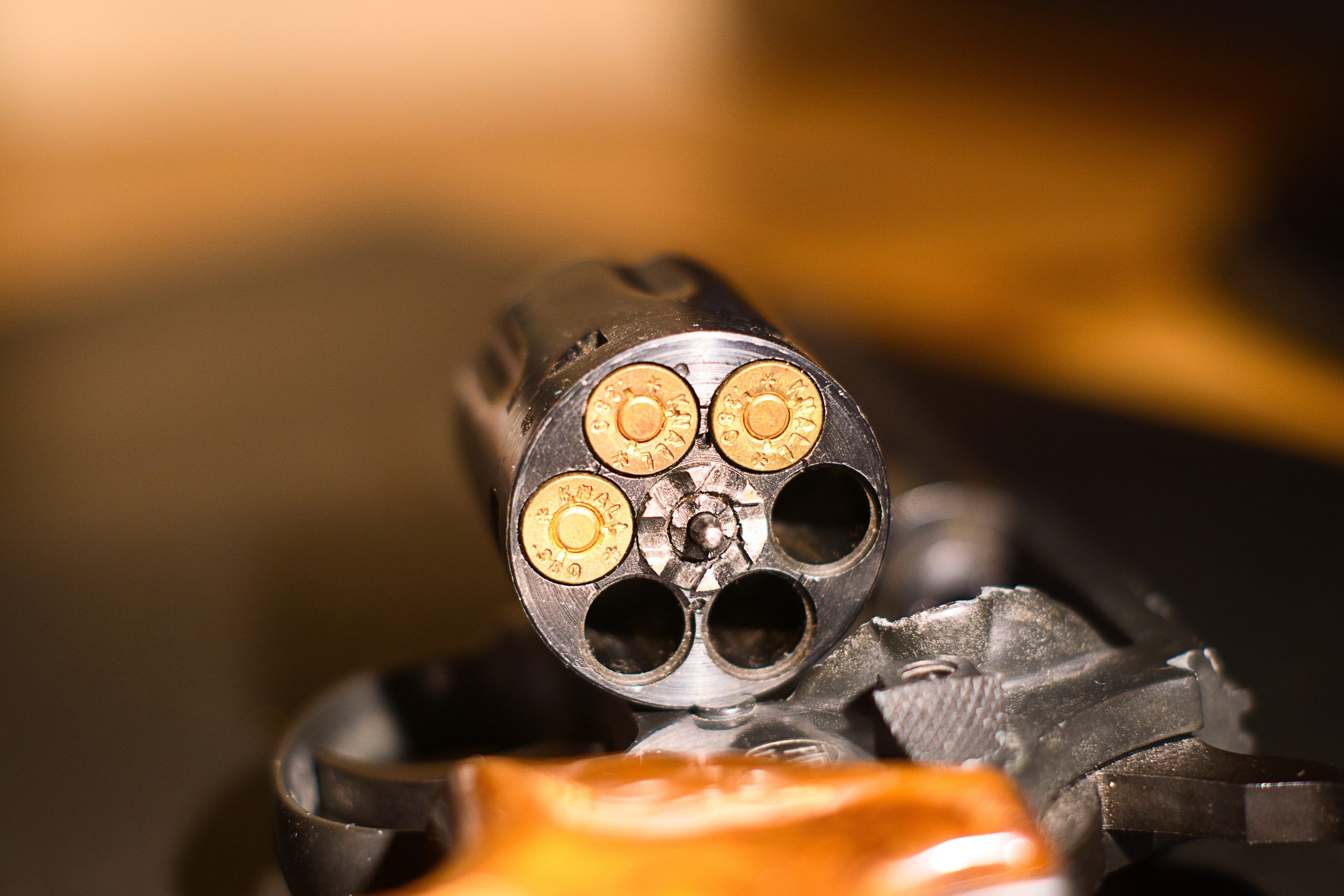
The Unica retains the revolving-cylinder principle that has defined revolvers for generations, but its cylinder has a distinctive, somewhat flattened profile. The design complements the handgun’s overall angular appearance and helps distinguish it from the familiar rounded cylinders of many traditional models. Standard Model 6 Unica examples generally hold six cartridges, giving the mechanism a recognizable capacity despite its unusual automatic operation. The cylinder must also work in coordination with the moving upper assembly, adding another layer of engineering to a component that performs a simpler role in conventional revolvers.
6. Single-Action and Double-Action Operation
The Mateba Unica combines two familiar trigger modes in an unusual operating arrangement. Depending on the condition of the mechanism, the first shot can be fired in double-action or single-action mode. After firing, the recoil-operated cycle automatically cocks the hammer, allowing subsequent shots to use the single-action trigger mechanism. This arrangement differs from a conventional double-action revolver, where the trigger typically performs the cocking and cylinder-rotation work for each shot. The Unica’s system demonstrates how designers adapted established revolver controls to an automatic cycle without abandoning the revolving-cylinder format.
7. Multiple Barrel Lengths for Different Configurations
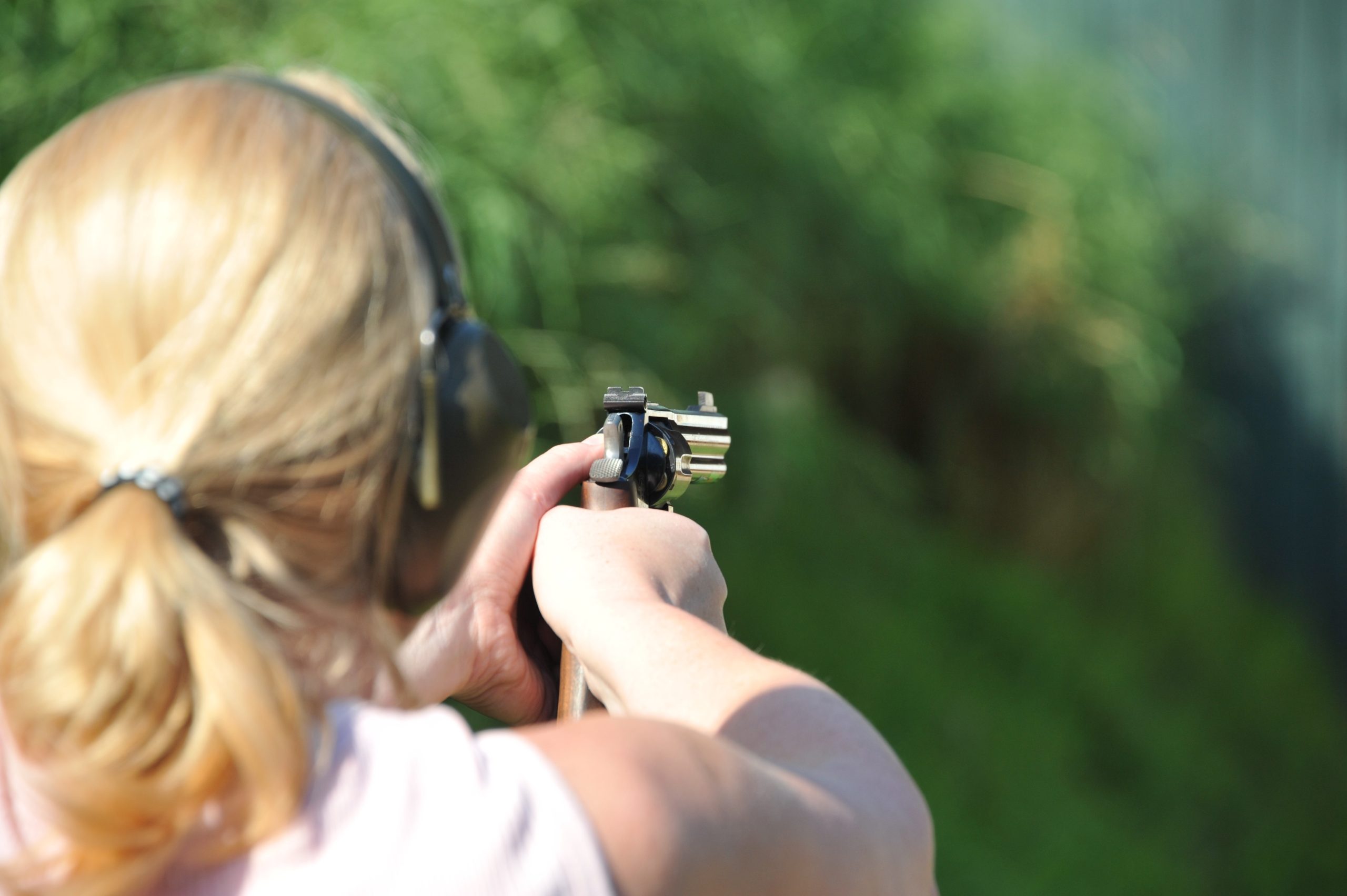
The Mateba Unica was associated with several barrel lengths, commonly listed at 3, 4, 5, 6, and 8 inches, depending on the version and market. This range gave the design a degree of flexibility for sporting, collecting, and other intended applications. A longer barrel changes the handgun’s overall dimensions, balance, and sight radius, while a shorter one produces a more compact profile. The availability of different lengths is especially noteworthy in a revolver with such a specialized operating system. However, individual barrel configurations and compatibility depended on the specific model and its components.
8. Adjustable Sights on a Distinctive Handgun
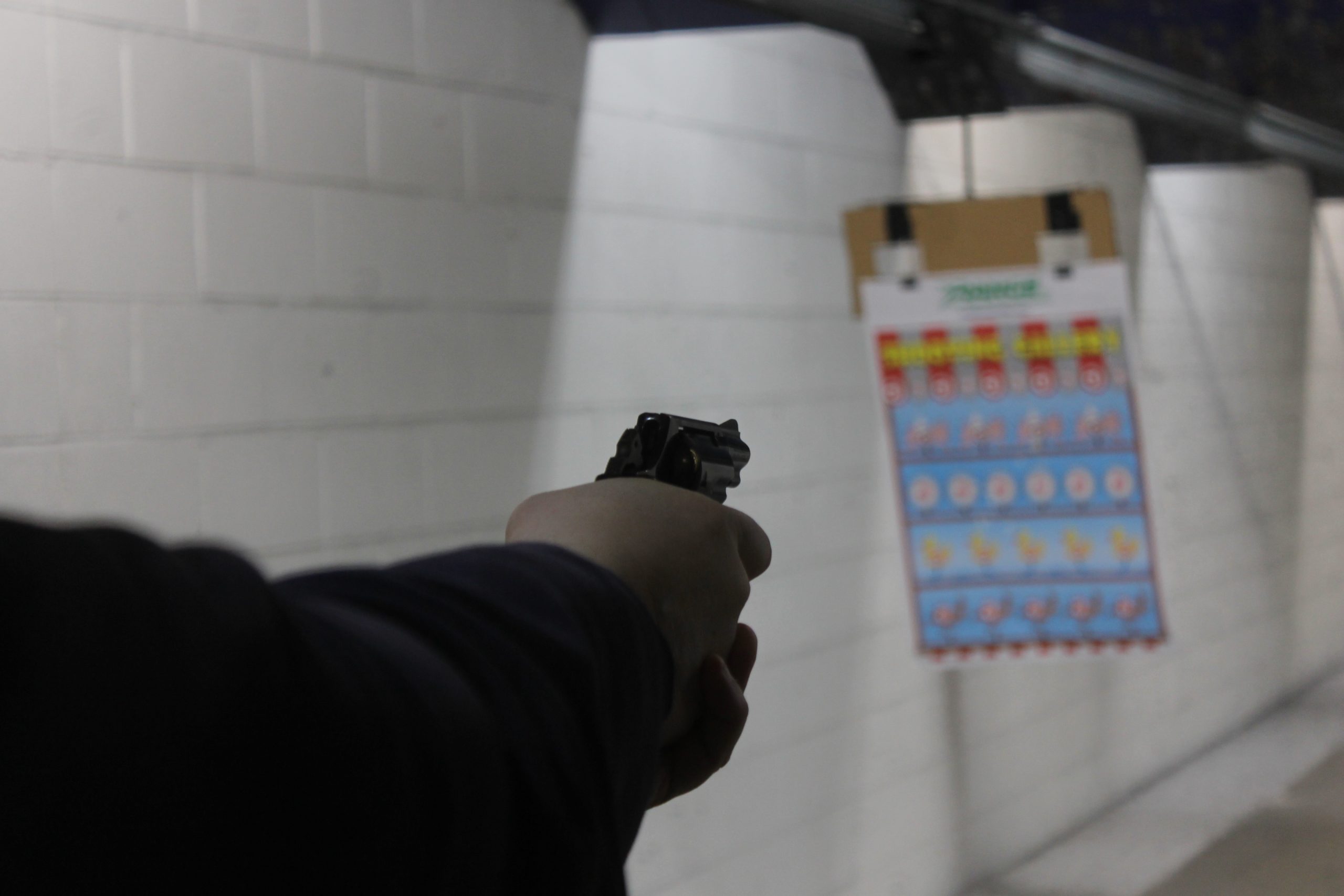
The Unica was not defined by mechanical novelty alone. Its sight arrangements also reflected practical shooting considerations, with documented versions featuring a fixed rear sight and an adjustable front sight. On these examples, adjustments could account for elevation and windage, helping users align the sights for different conditions. The relatively long barrel options could also provide a longer sight radius than compact handgun designs. Sight specifications varied by configuration, so not every example should be assumed to have identical equipment. These details show that the Unica was developed as a functional firearm, not merely an experimental mechanism designed to attract attention.
9. Limited Production and a Distinct Place in Firearms History

The Mateba Model 6 Unica is closely associated with Italian designer Emilio Ghisoni and the country’s tradition of inventive firearm engineering. Sources commonly place its commercial production between approximately 1997 and 2005, with figures varying according to how production history is recorded. One reference estimates roughly 2,000 examples across its variations. That limited output helps explain why the Unica is less familiar than mass-produced revolvers from major international manufacturers. Its unusual mechanism, distinctive styling, and relatively scarce presence have made surviving examples particularly interesting to collectors who appreciate unconventional designs.
10. A Design That Challenges the Traditional Revolver
The Mateba Unica stands apart because it combines features normally associated with two different handgun categories. Its six-round cylinder and revolver layout coexist with recoil-operated cycling, a moving upper assembly, and a low-mounted barrel. A typical six-inch version measures around 275 millimeters in overall length and weighs approximately 1.25 to 1.35 kilograms, depending on the specification cited. Those figures illustrate that the Unica is a substantial, mechanically specialized handgun rather than a lightweight alternative to an ordinary revolver. Its lasting significance lies in how boldly it reimagined a familiar format.