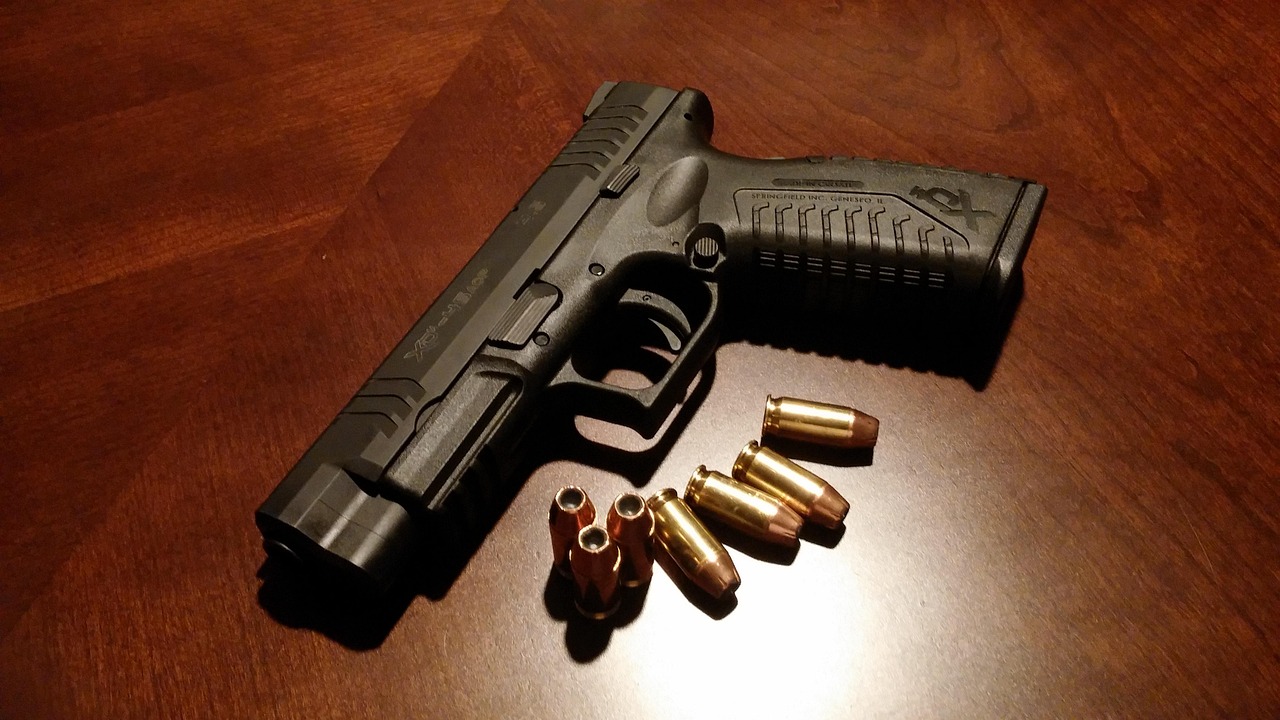
Some guns earn big reputations without delivering big performance. Whether it’s spotty reliability, awkward handling, painful recoil, or a price tag that far exceeds the experience, a familiar name doesn’t always equal a smart buy. This gallery looks at 13 widely discussed firearms that often leave owners frustrated instead of impressed.
Hi-Point C9
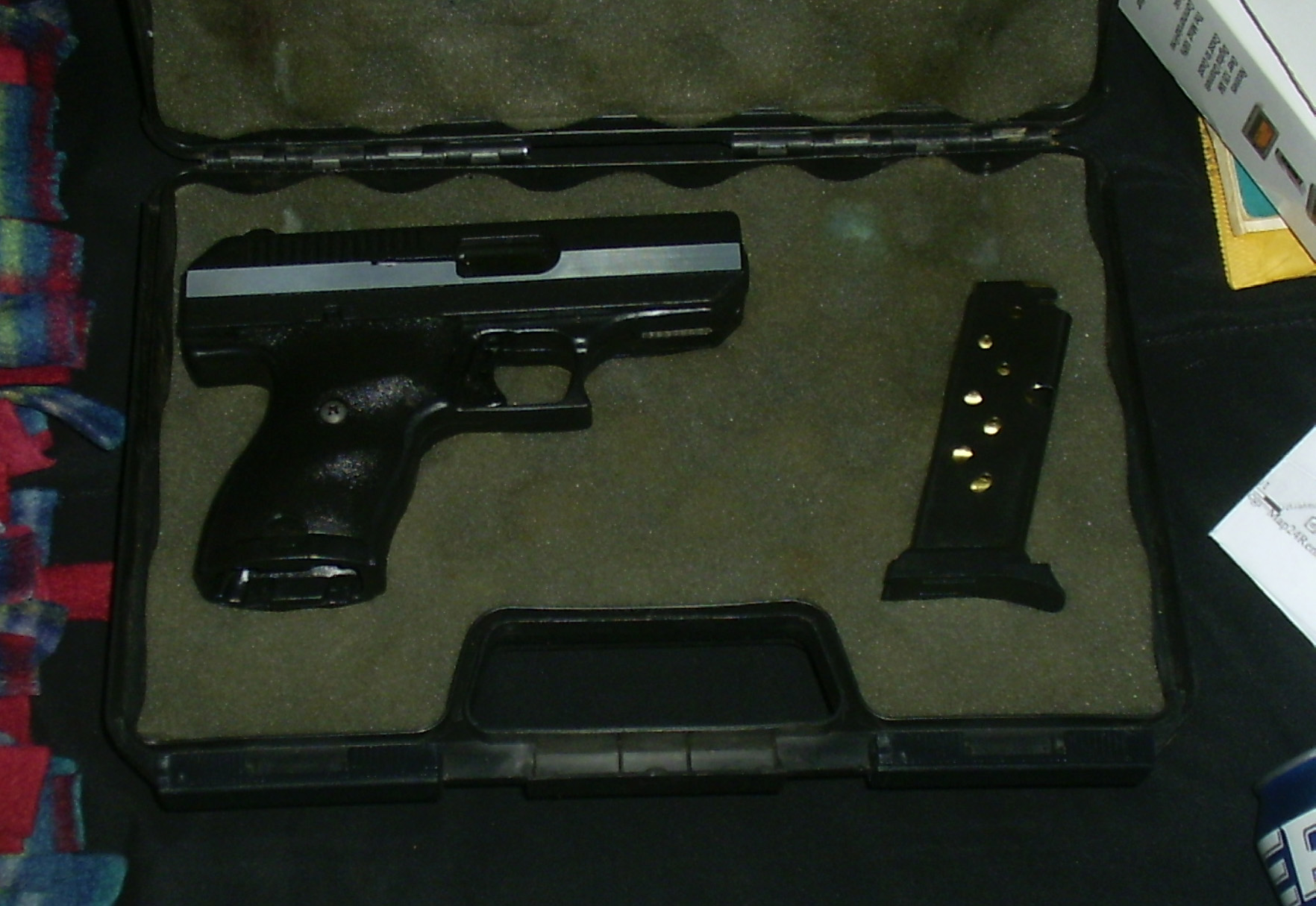
The Hi-Point C9 gets plenty of attention because it’s inexpensive, easy to find, and constantly recommended as a budget option. On paper, that sounds appealing for a first-time buyer who just wants something affordable and simple.
In practice, the gun’s heavy slide, clunky controls, and awkward balance make it feel like a compromise in every direction. Reliability can be hit or miss depending on ammo and maintenance, and the trigger rarely wins anyone over.
Yes, it can function well enough for some owners, but value isn’t just about low price. When a pistol feels crude, bulky, and unpleasant to shoot, even a cheap sticker can start to look expensive.
Taurus Judge

The Taurus Judge built its fame on novelty. A revolver that can chamber both .45 Colt and .410 shotshells sounds versatile, and that pitch has sold a lot of curious buyers who imagine one gun doing everything.
The problem is that it rarely excels at any single role. For self-defense, it can be bulky and difficult to shoot well. For range fun, the novelty wears off fast. For practical use, the recoil and spread patterns often don’t justify the hype.
Many owners discover that the Judge is more conversation piece than serious tool. It is memorable, sure, but memorable doesn’t always mean useful, accurate, or worth the money.
KelTec SUB-2000

The folding design is what makes the KelTec SUB-2000 so tempting. It tucks away neatly, uses common pistol magazines in many versions, and seems like the kind of clever engineering shortcut every practical buyer should love.
Then you shoot it. The ergonomics are famously awkward, the sight picture can feel cramped, and the overall experience often comes across as more utilitarian than enjoyable. The trigger and recoil impulse do little to elevate it beyond the gimmick.
It’s not that the SUB-2000 is useless. It’s that too many buyers expect a compact carbine and get a compromise-heavy folding project instead. Smart ideas still need solid execution to feel worth owning.
Remington R51

The Remington R51 arrived with a lot of historical flair and even more marketing confidence. It promised a sleek concealed-carry pistol with light felt recoil and a design that stood apart from the sea of lookalike polymer handguns.
What many buyers got instead was a pistol dogged by reliability complaints and quality-control concerns. Feeding issues, inconsistent performance, and a general lack of trust quickly overshadowed its stylish profile.
That is a hard problem to recover from in a carry gun. A defensive pistol doesn’t get much room for excuses, and once confidence disappears, a clever design stops mattering. Popularity can vanish fast when a firearm feels uncertain from the first magazine.
Cobray MAC-11 Style Pistols

MAC-11 style pistols look like pure range-day chaos in the best possible way. They have a notorious, eye-catching silhouette and enough pop-culture recognition to make buyers think they’re getting something uniquely fun and maybe even surprisingly capable.
The reality is usually much rougher. These guns tend to be heavy for what they are, awkward to control, and not especially refined in fit, finish, or practical accuracy. The shooting experience can feel more obnoxious than entertaining after the first few magazines.
Collectors may enjoy the oddball charm, but most ordinary buyers are paying for image rather than performance. When a firearm is better at attracting attention than delivering satisfaction, regret tends to follow quickly.
Rossi Circuit Judge

The Rossi Circuit Judge takes the already divisive Judge concept and stretches it into a carbine. That alone is enough to generate curiosity, because a revolving rifle chambered for .45 Colt and .410 sounds unusual, flexible, and a little bit wild.
But unusual does not automatically mean effective. The platform often feels like a solution in search of a problem, with mediocre practical performance and niche appeal that disappears once the novelty settles. Size, weight, and ballistic compromises all start to stand out.
For the money, most buyers could walk away with a more accurate, more useful, and more enjoyable firearm. The Circuit Judge sells the fantasy of versatility, but too often delivers a muddled middle ground.
Zip 22
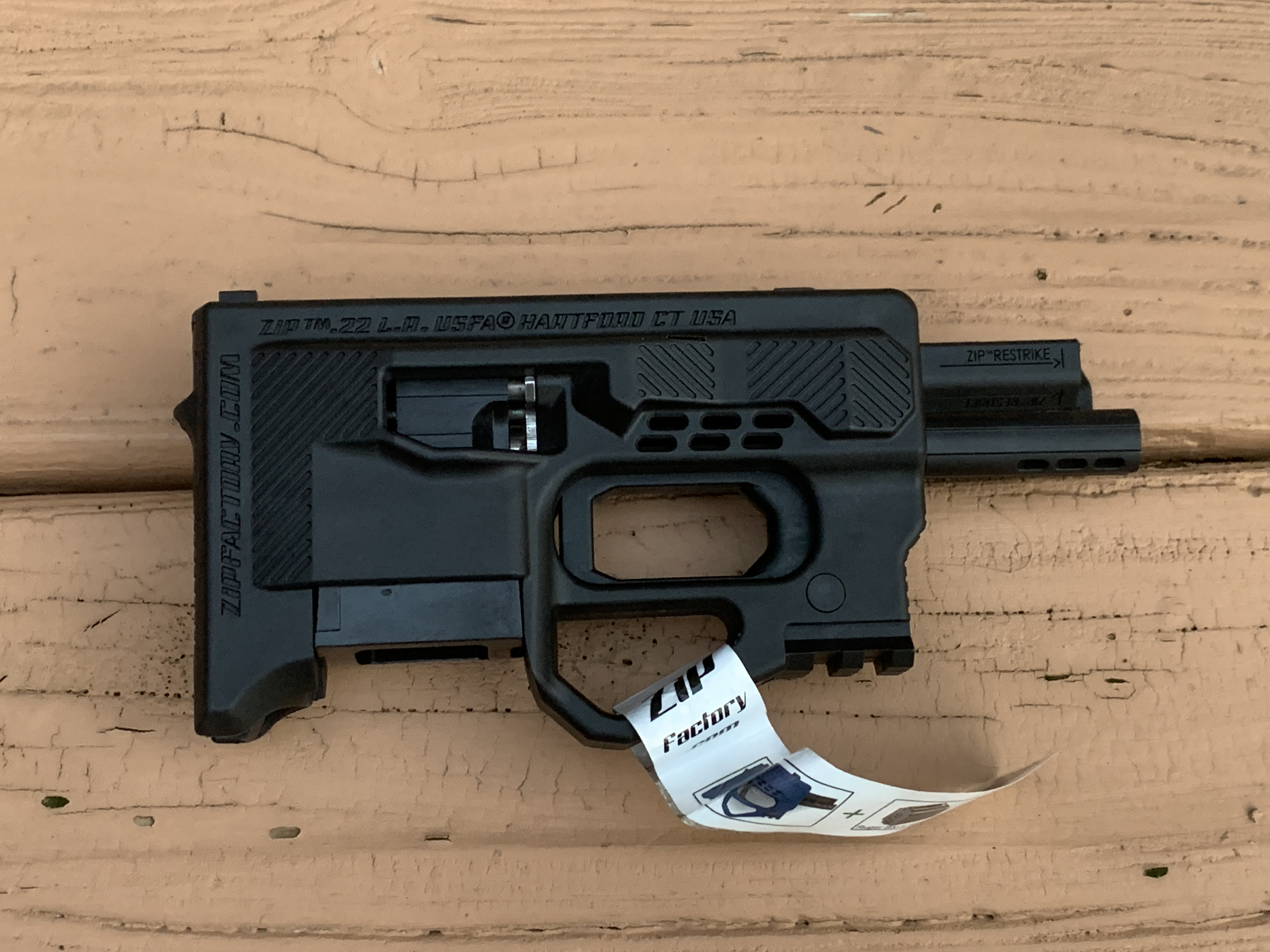
The Zip 22 has become almost legendary for the wrong reasons. Its futuristic shape and unusual layout made it look like a fresh rethinking of the .22 pistol, something different from the same old plinking options everybody already knew.
Instead, it quickly earned a reputation as one of the most frustrating firearms of its kind. Reliability complaints, awkward controls, and questionable practical design turned what should have been inexpensive fun into a test of patience.
There are countless .22 handguns that are easier to use, easier to trust, and much more enjoyable at the range. A weird silhouette can spark interest, but if the basic shooting experience feels broken, buyers tend to learn that lesson the hard way.
Springfield Armory XD-S Mod.2 in .45 ACP

The XD-S Mod.2 in .45 ACP attracts buyers who want major-caliber power in a slim carry package. That promise is easy to understand, especially for shooters who believe bigger rounds automatically mean better real-world performance.
The catch is how much punishment gets packed into such a compact frame. Recoil can be snappy and tiring, follow-up shots often slow down, and extended practice sessions become less enjoyable than they should be. For many people, accuracy suffers right along with comfort.
A carry gun only works if you actually train with it. When a pistol becomes unpleasant enough that owners avoid range time, the theoretical advantage of the caliber starts to lose to the practical downside of the platform.
Mossberg Blaze 47

The Mossberg Blaze 47 tries to combine .22 LR affordability with the unmistakable style cues of an AK-pattern rifle. That sounds like a winning formula for casual shooters who want cheap range time with a familiar tactical look.
Unfortunately, the execution leaves many people cold. The rifle often feels more toy-like than robust, and buyers expecting the charm of a trainer version of a classic military platform can end up disappointed by the materials and overall feel.
There is nothing wrong with a fun rimfire rifle, but this one often lands in an awkward spot where the styling outshines the substance. For similar money, shooters can usually find a .22 that feels more dependable and much better made.
Ruger LCP First Generation
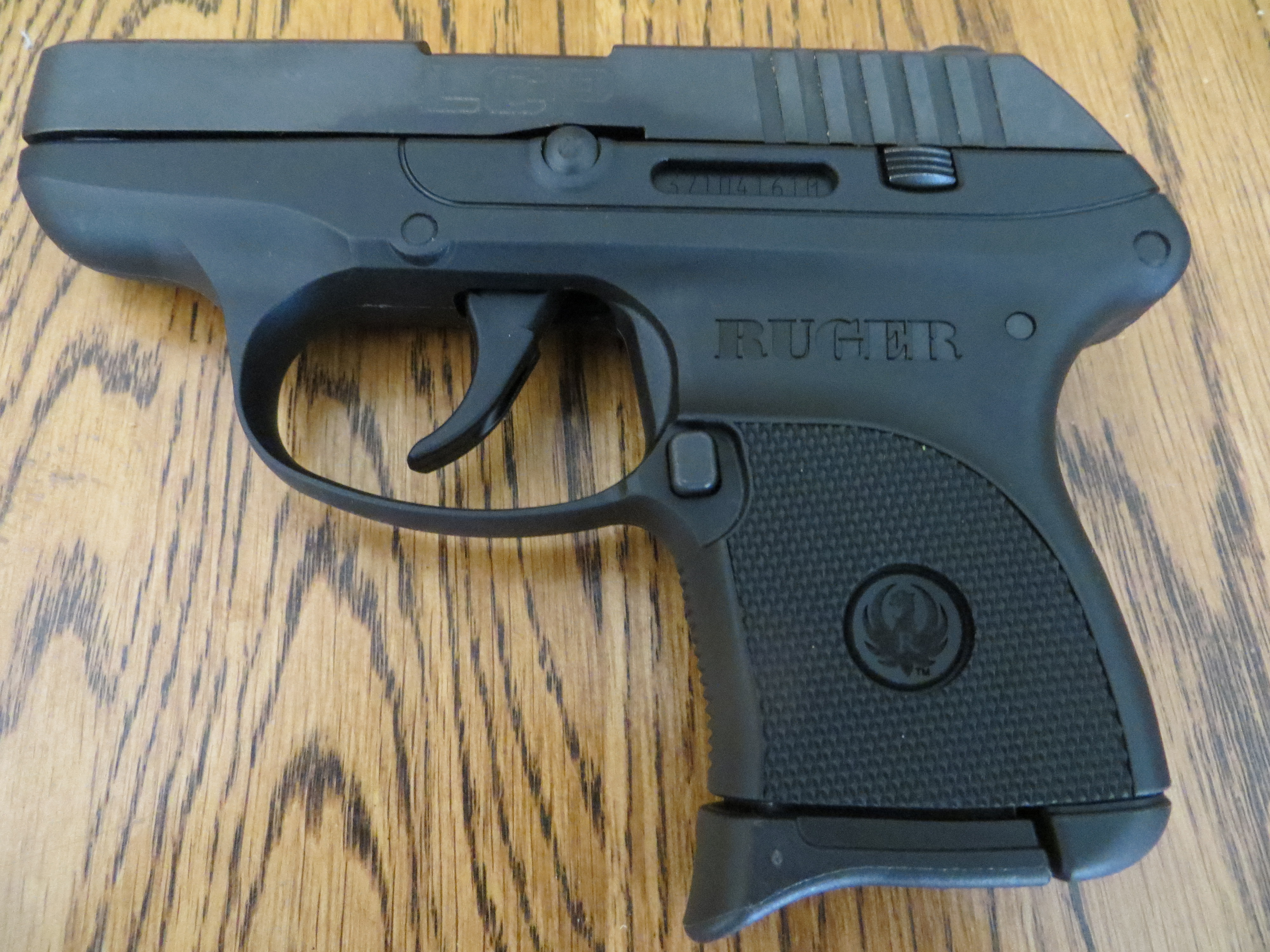
The original Ruger LCP was wildly popular because it answered a very specific demand: a tiny pistol that could disappear into a pocket. In that sense, it absolutely succeeded, and many buyers flocked to it for deep concealment.
Where it often disappoints is in the actual shooting. The tiny sights, long trigger, and sharp recoil make practice feel like a chore. It can be carried easily, but carrying and shooting well are not the same thing.
That tradeoff might be acceptable in an emergency-only backup gun, but plenty of buyers expected more from a pistol that became almost iconic. Later pocket pistols improved on the formula, which makes the first-generation LCP feel rougher in hindsight.
Iver Johnson TP22

The Iver Johnson TP22 has a compact, all-metal look that can be genuinely appealing to collectors and fans of older pocket pistols. It seems like the kind of overlooked classic that might offer surprising charm for very little money.
The problem is that charm does not always equal shootability. Small grips, dated ergonomics, and inconsistent reliability in older examples can turn what looked like a neat little range companion into a finicky relic. Parts and support can also be an issue.
For collectors, that may be part of the adventure. For ordinary buyers who simply want a dependable .22 pistol, it usually isn’t. Nostalgia can be fun, but it becomes expensive quickly when the gun is more hassle than enjoyment.
Taurus PT-22

The Taurus PT-22 has long attracted buyers who want a tiny, easy-to-load pistol with a tip-up barrel and soft-shooting .22 LR chambering. For people with reduced hand strength, that idea can sound especially practical and appealing.
Yet the pistol’s reputation has often been clouded by reliability complaints, ammo sensitivity, and underwhelming durability over time. A rimfire carry-style gun already faces an uphill battle when it comes to trust, and recurring function issues only make that steeper.
That leaves many owners in an uncomfortable middle ground. It is smaller than a fun plinker and less confidence-inspiring than a serious defensive tool. When a handgun struggles to define a role, buyers usually start questioning why they bought it at all.
Bersa Thunder 380
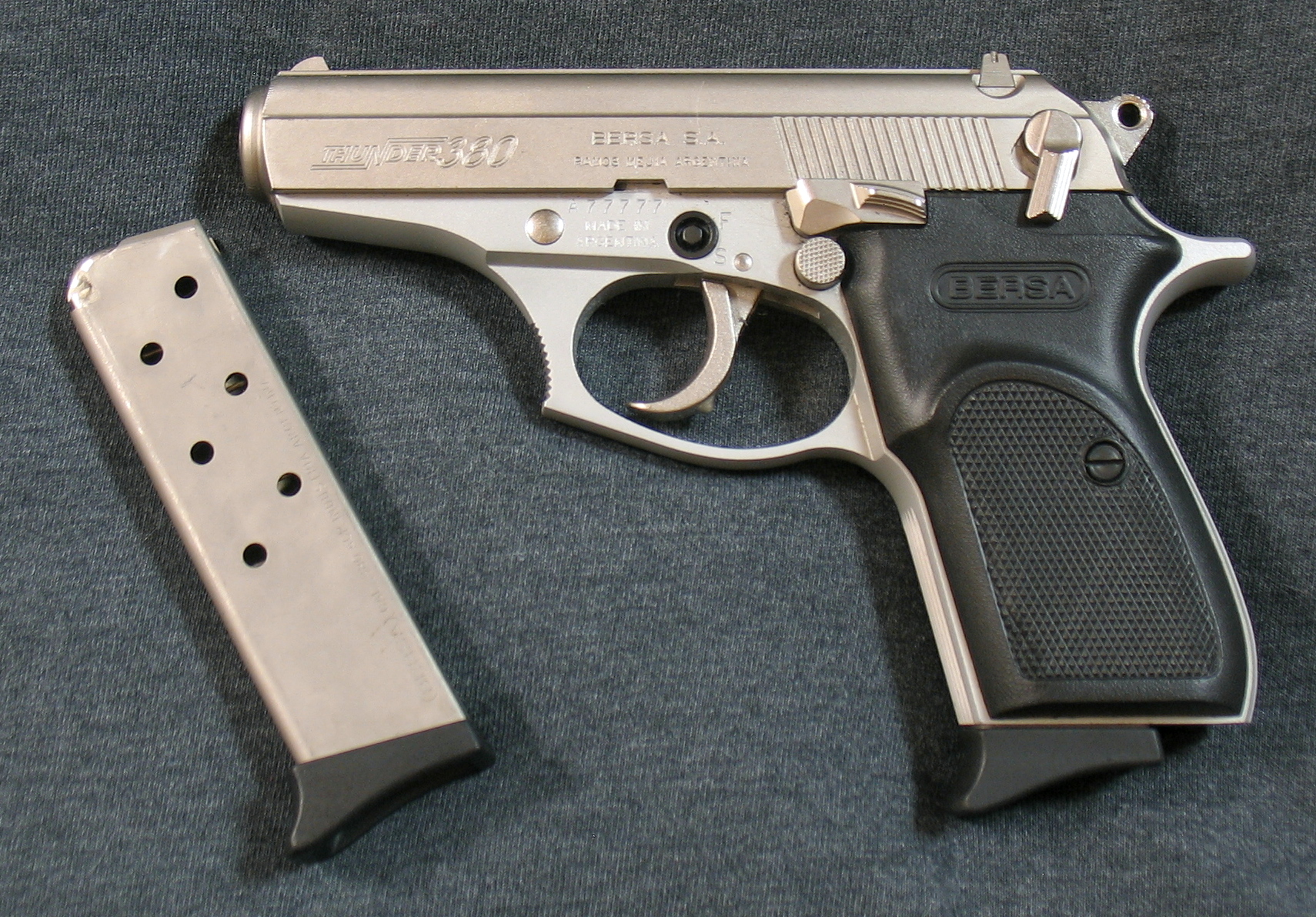
The Bersa Thunder 380 has built a loyal following over the years, mostly because it is compact, relatively affordable, and styled like a traditional defensive pistol. For many buyers, it feels like a sensible step up from the tiniest pocket guns.
Still, the praise can outrun the experience. The trigger system is not universally loved, the sights and controls feel dated compared with newer competitors, and the gun’s overall value gets shakier as the concealed-carry market keeps improving around it.
That is the real issue here. The Thunder 380 is not disastrous so much as outclassed. A gun can be popular, serviceable, and still a poor buy when newer options simply do the same job better and more comfortably.