Hiking in high-humidity states often brings a unique level of fatigue that surprises even experienced outdoor enthusiasts. Humid air slows the body’s ability to cool itself, making each step feel heavier and each incline more demanding than expected. Sweat evaporates slowly, pushing the body to work harder while offering less relief from rising temperatures. Many hikers underestimate how drastically humidity affects endurance, hydration needs, and pacing. Simple planning missteps, from wearing the wrong fabrics to underestimating water requirements, turn an otherwise pleasant outing into a draining challenge. Understanding the common mistakes that lead to early exhaustion helps hikers approach humid environments with confidence, realistic expectations, and strategies that match the conditions found in states across the Southeast, Gulf Coast, and Mid-Atlantic regions.
Overdressing in Heavy or Non-Breathable Fabrics

Overdressing in heavy or non-breathable fabrics remains one of the most common mistakes hikers make when tackling trails in humid states. Thick cotton or insulated materials trap heat and moisture close to the skin, causing the body to overheat more quickly. When sweat cannot evaporate efficiently, the body increases its effort to cool down, leading to rapid fatigue. Lightweight, moisture-wicking materials are essential in these environments because they allow air circulation and help regulate temperature. Many hikers underestimate how significantly humidity influences clothing performance. Choosing the wrong layers creates a cycle of discomfort that drains energy long before reaching the summit or the trail’s end.
Misjudging Hydration Needs on Humid Trails
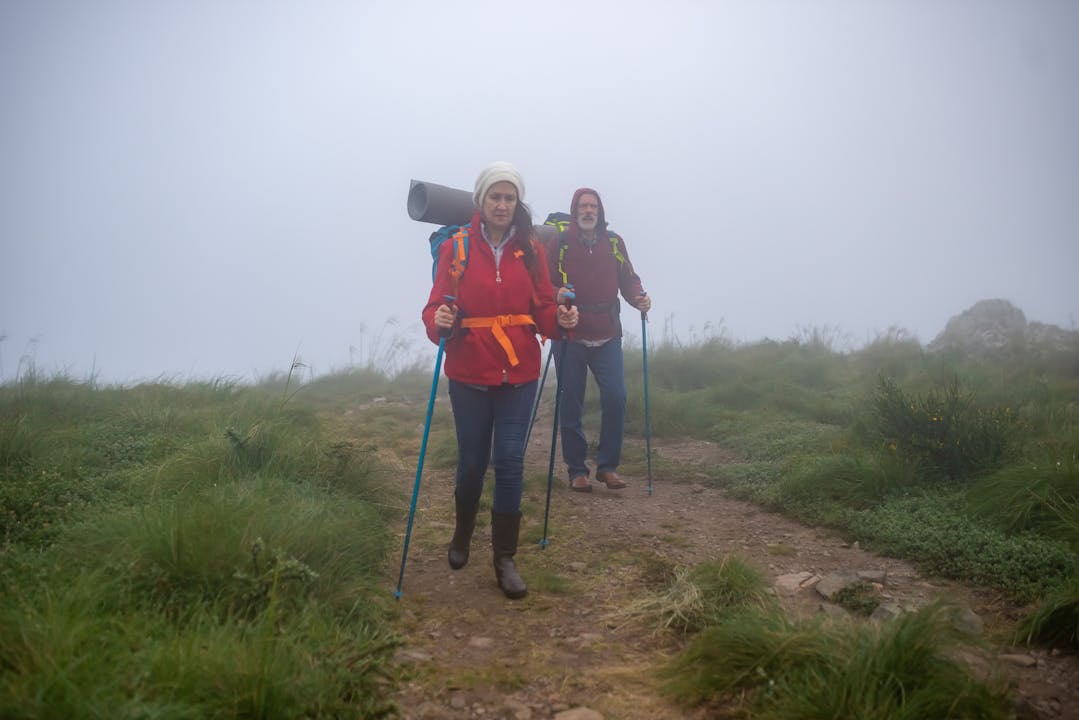
Misjudging hydration needs poses a serious challenge in high-humidity states where the body loses fluids faster than hikers realize. Even without direct sun exposure, humid conditions force the body to work harder to maintain a safe temperature. Sweat accumulates without evaporating, making water loss difficult to measure visually. As dehydration sets in, hikers experience sluggish movements, headaches, muscle cramps, and overall fatigue that slows progress dramatically. Proper hydration requires steady intake rather than occasional large gulps. Relying solely on perceived thirst often leads to underhydration, especially on shaded or seemingly mild trails. Humidity demands a thoughtful hydration plan that keeps pace with the environment’s hidden strain.
Starting Too Fast and Ignoring a Steady Pace
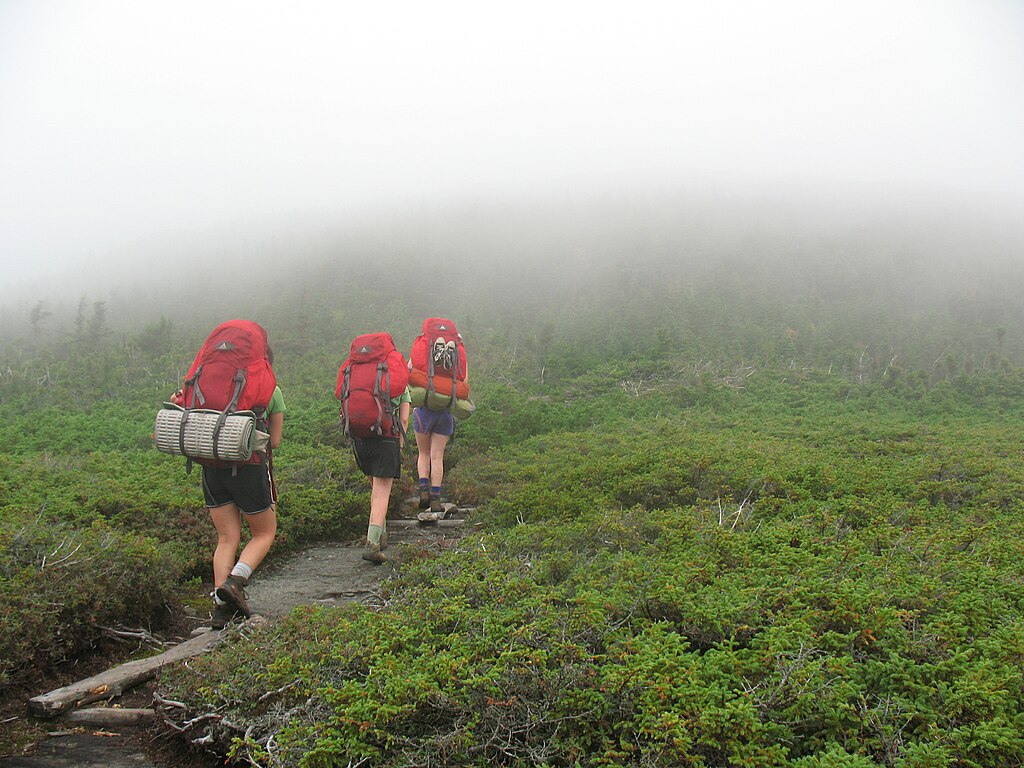
Starting too fast remains a widespread mistake that quickly depletes energy in humid regions where the air feels noticeably heavier. Humidity adds resistance that makes breathing slightly more difficult, causing the heart rate to rise faster than expected. A rushed start also prevents the body from gradually adapting to heat stress, increasing the likelihood of early exhaustion. Maintaining a slow, steady pace allows hikers to conserve energy and remain comfortable throughout the climb or loop. Many hikers misinterpret reduced sunlight or cooler morning temperatures as indicators of easy conditions, overlooking how humidity builds stress quietly over time. A controlled pace becomes crucial for avoiding burnout in challenging climates.
Underestimating How Trail Conditions Change With Moisture
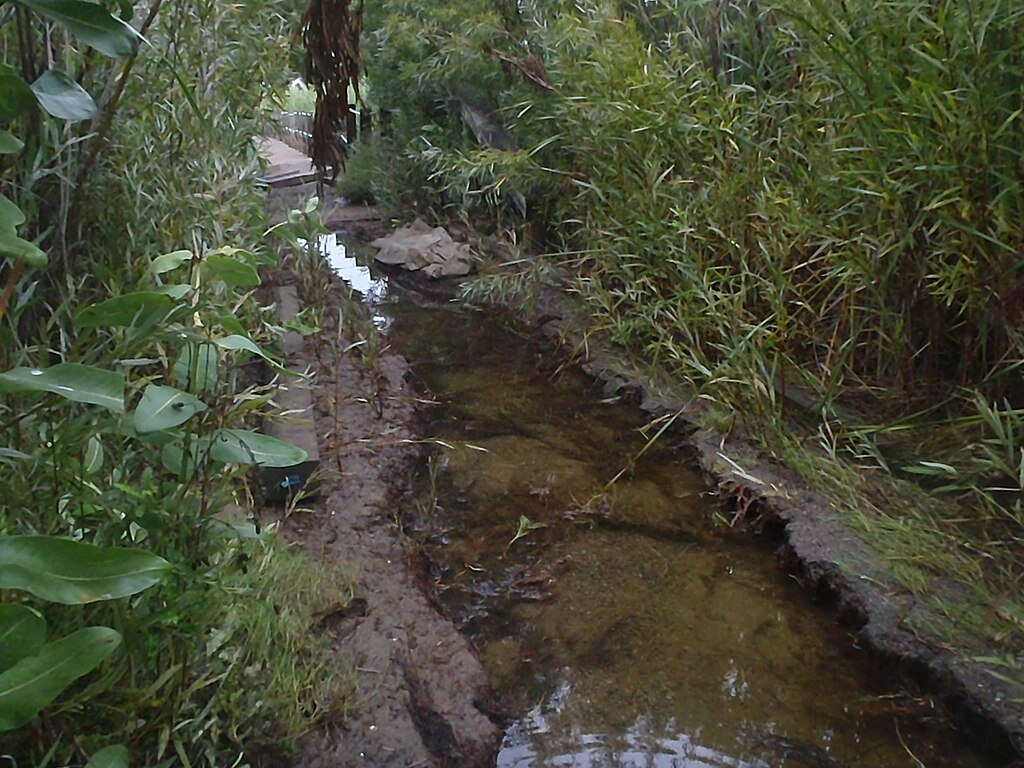
Underestimating how trail conditions shift in humid environments often leads to fatigue as hikers navigate slippery ground, exposed roots, and uneven surfaces. Moist air keeps soil damp, making footholds less stable and requiring more effort to maintain balance. Each step engages additional muscles and increases overall strain, especially on long inclines or rocky terrain common in southeastern states. As physical exertion rises, so does energy loss, intensifying the feeling of exhaustion. Trails that seem easy during drier seasons become unexpectedly demanding when humidity saturates the ground. Recognizing these subtle changes helps hikers plan pacing, footwear, and breaks more effectively during the summer months.
Carrying Excess Weight Unnecessary for Short or Moderate Hikes
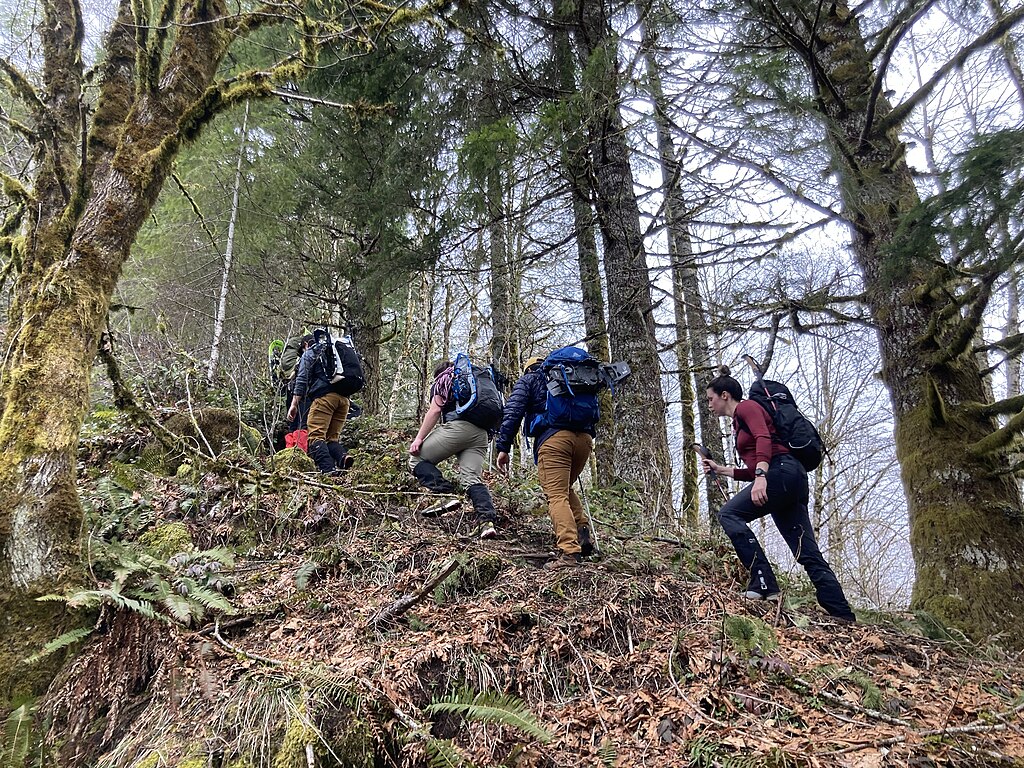
Carrying excess weight adds another layer of difficulty in humid climates because heavier packs trap heat and increase energy expenditure. Many hikers pack gear meant for cooler or drier conditions, resulting in bulk that quickly becomes uncomfortable. Humidity amplifies this strain by reducing the body’s ability to dissipate warmth from the back and shoulders where packs rest. As core temperature rises, the heart works harder, accelerating fatigue. Streamlining gear to match hike length and realistic needs conserves energy. Lightweight essentials support endurance far better than overstuffed packs, especially on trails with rolling hills or extended climbs that amplify the burden.
Skipping Breaks Because the Trail Appears Easy
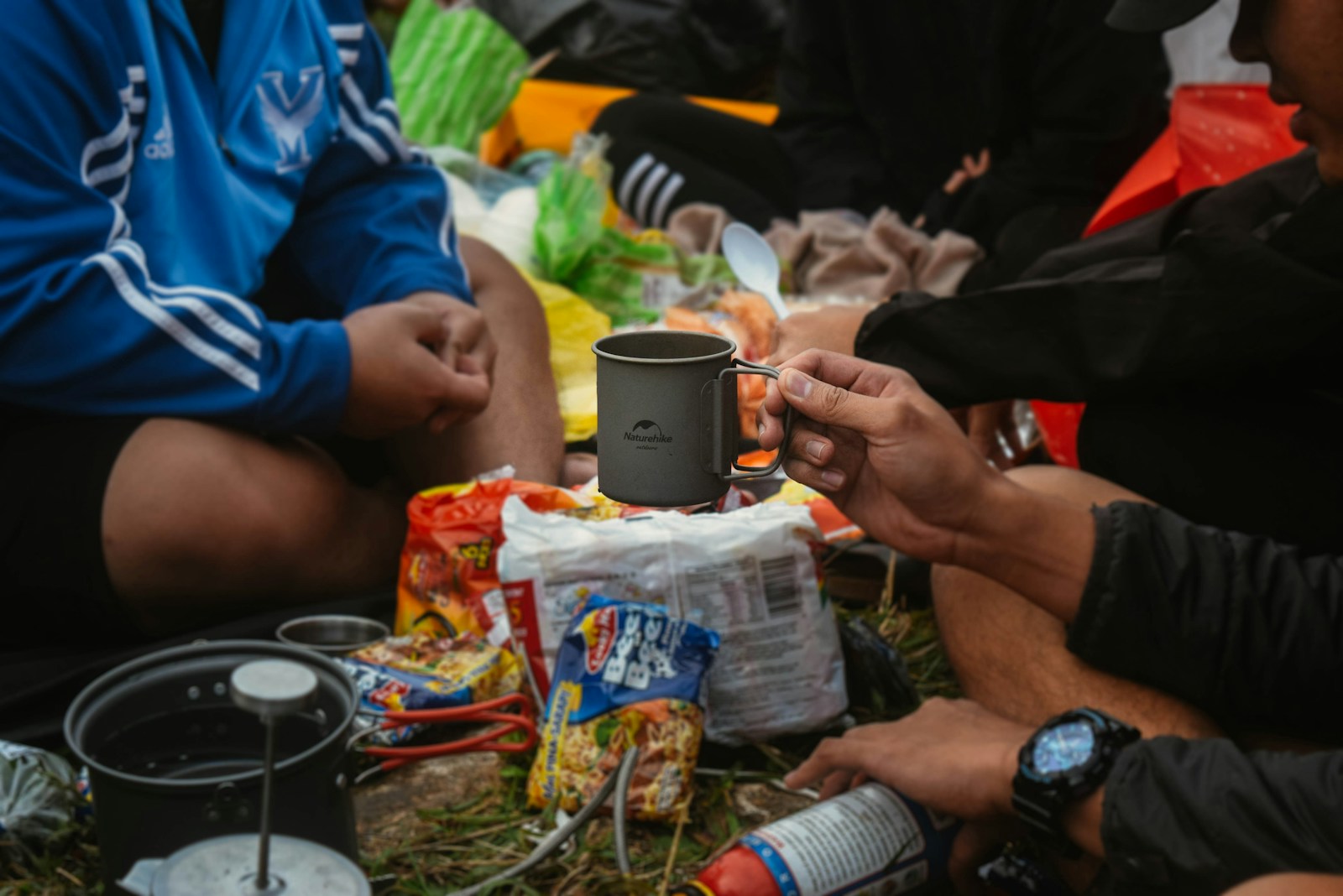
Skipping breaks creates a hidden challenge in humid states where constant exertion intensifies fatigue more quickly than expected. Even short rest periods allow the body to regulate temperature, rebalance breathing, and replace fluids. Humidity slows recovery, making strategic pauses essential for maintaining stamina. Many hikers continue without stopping because a trail looks manageable or shaded, forgetting that humidity affects internal stress levels more than visible terrain features. Without breaks, exhaustion builds gradually, making the final stretch significantly harder. Consistent rest intervals help maintain a sustainable pace while preventing heat-related discomfort or missteps caused by tired muscles.
Ignoring Early Signs of Heat Stress
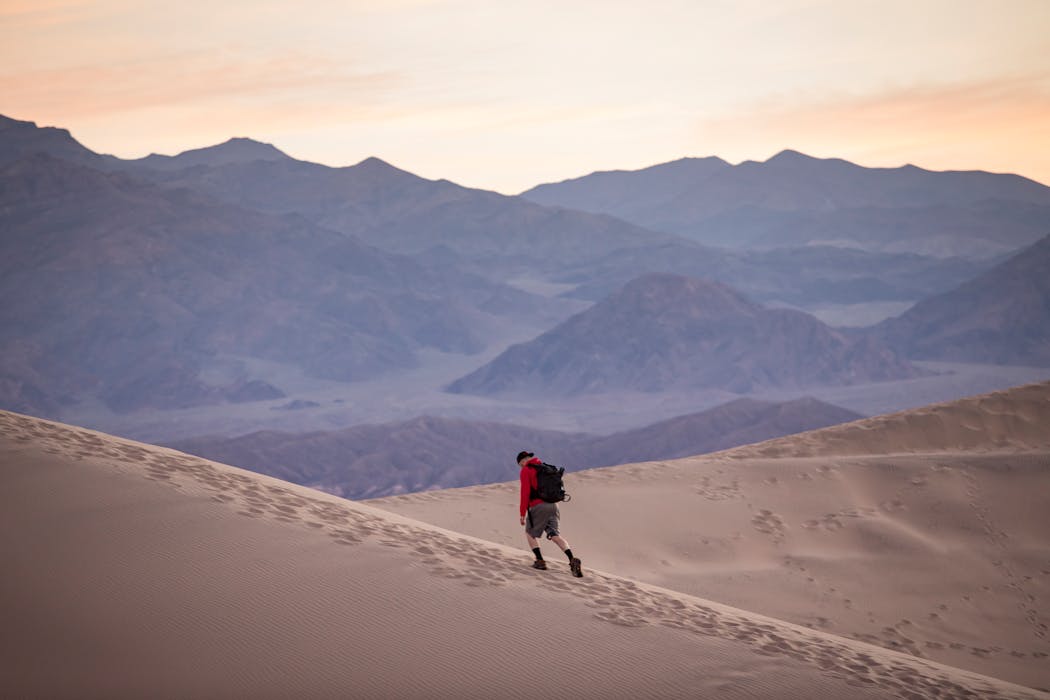
Ignoring the early signs of heat stress may cause exhaustion to escalate quickly on humid trails. Symptoms such as dizziness, flushed skin, or a rapid heartbeat often appear subtle at first, especially in shaded forests or coastal environments where hikers assume conditions are mild. Humidity disrupts the body’s cooling mechanisms, making these indicators more serious than they initially seem. Continuing without adjusting pace, hydrating, or cooling off increases the risk of deeper fatigue or heat-related illness. Recognizing and acting on these signs ensures safety while supporting stronger performance throughout the hike. Awareness becomes a valuable tool in environments where heat and humidity work together to sap energy.