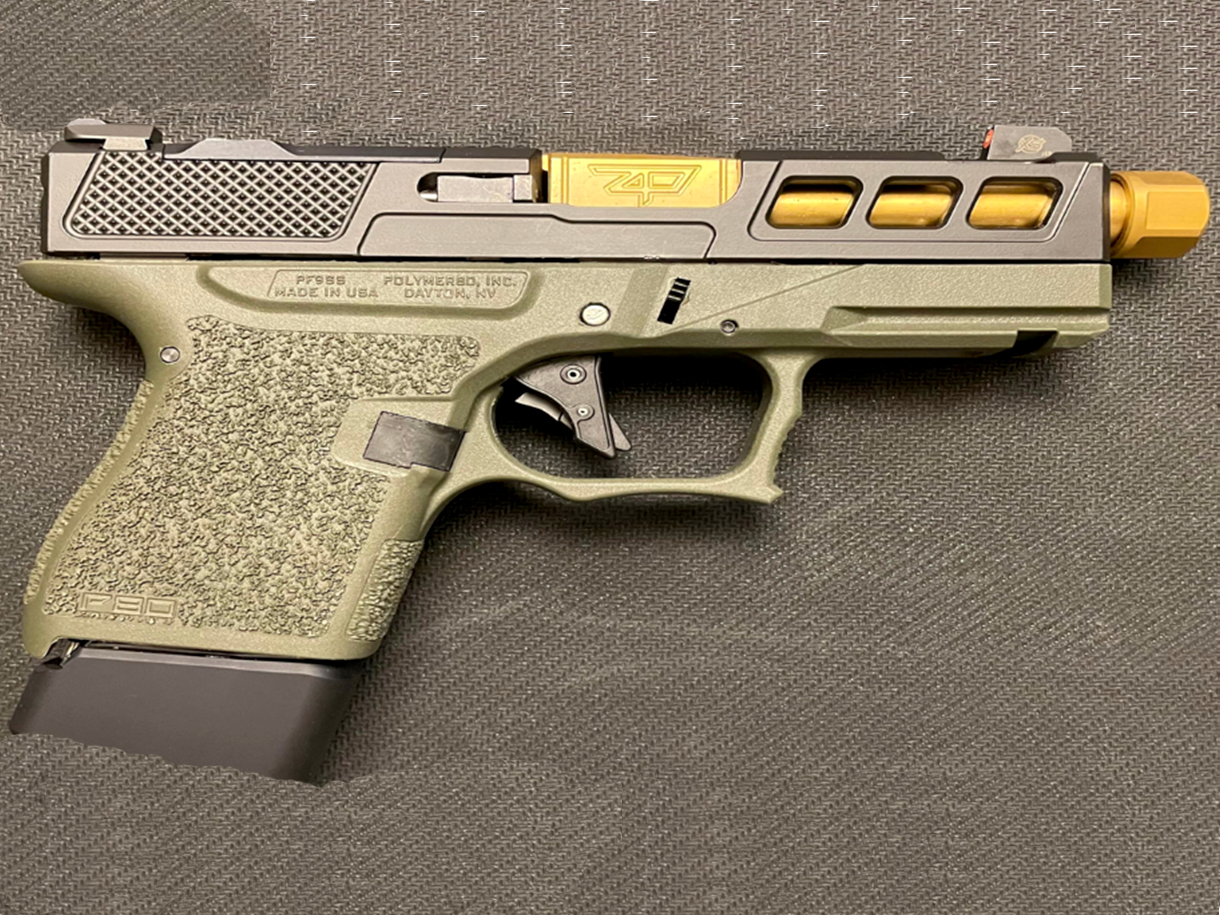
Firearm history is filled with trends that once felt permanent but slowly disappeared as shooters learned what truly worked in real-world conditions. Some ideas looked promising on paper, others were driven by marketing or aesthetics, and a few simply arrived before the technology was ready. Over time, practical experience, changing laws, and evolving shooter preferences reshaped the landscape. What remains today is a quieter, more refined culture focused on efficiency and reliability. Looking back at these faded trends helps explain why modern firearms look and function the way they do now, and why some once-celebrated concepts are rarely discussed anymore.
1. Ultra-Short AR-15 Barrels
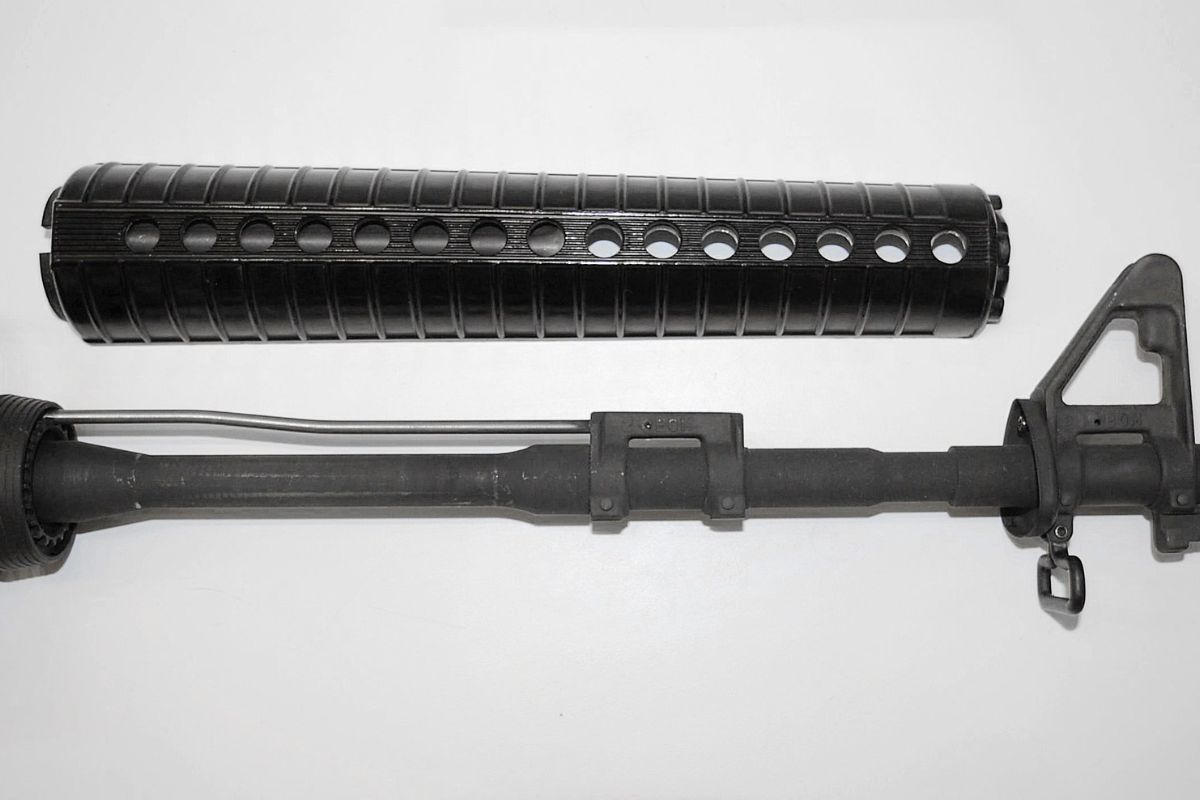
Ultra-short AR-15 barrels briefly became a status symbol among tactical enthusiasts who valued compact size above all else. Barrels under seven inches promised easy maneuverability in tight spaces and an aggressive visual profile that dominated social media. In real use, however, shooters quickly discovered severe drawbacks. Extreme muzzle blast, reduced velocity, unreliable cycling, and excessive wear made these builds impractical for most applications. Ammunition performance suffered dramatically, turning a rifle cartridge into something closer to a loud pistol round. As suppressor use increased and ballistic knowledge improved, shooters migrated toward more balanced barrel lengths, quietly leaving ultra-short builds behind.
2. Massive Multi-Port Muzzle Brakes
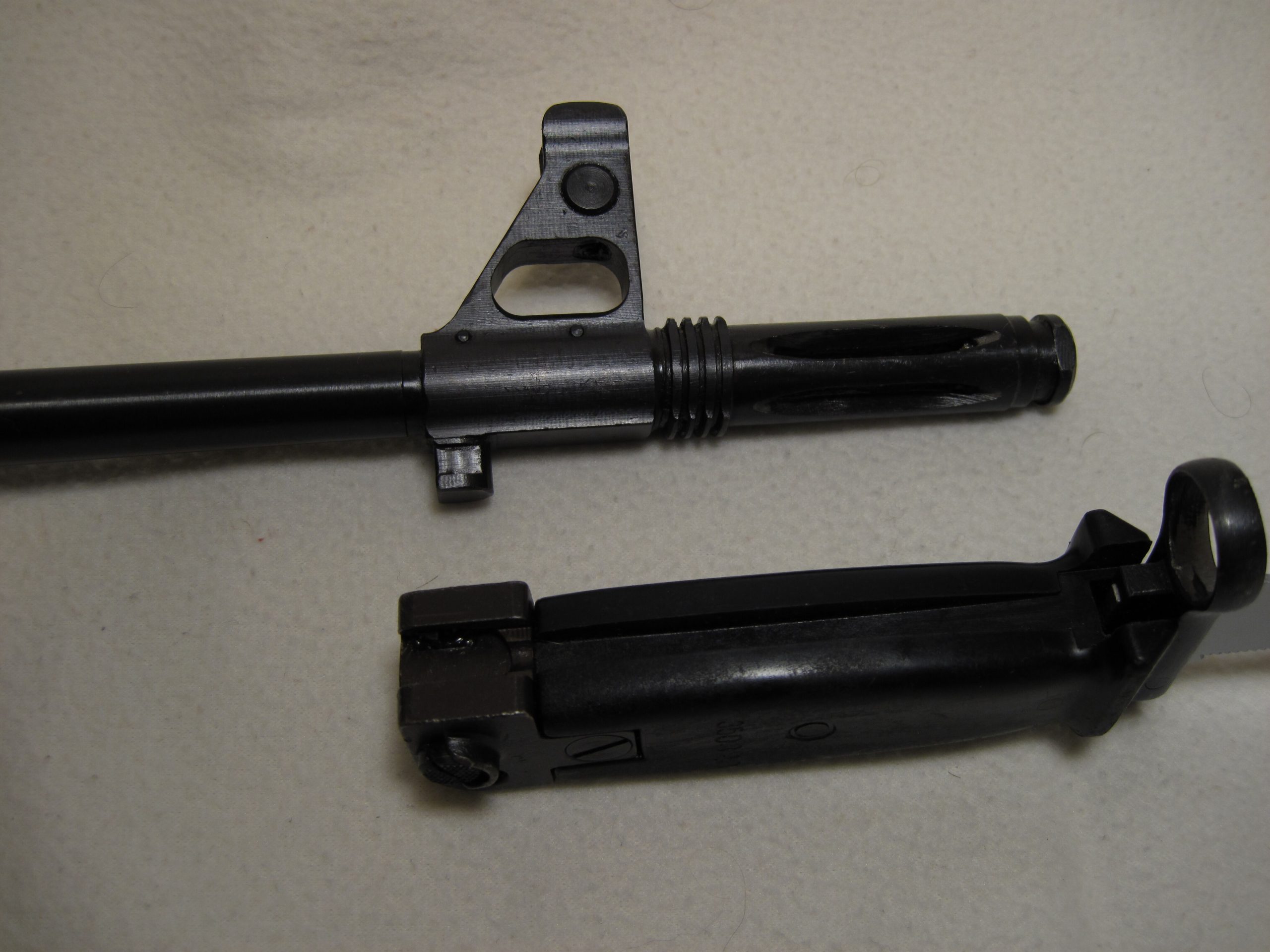
Oversized muzzle brakes with aggressive porting were once marketed as the ultimate recoil solution, especially for lightweight rifles. On paper, they worked extremely well, flattening recoil and reducing muzzle rise. At the range, though, they earned a reputation for being punishing. The concussion, blast pressure, and noise were uncomfortable for the shooter and unbearable for anyone nearby. Indoor ranges and group shooting environments made them especially unpopular. As suppressors became more accessible and recoil-efficient rifle designs improved, shooters realized that comfort mattered as much as control, causing massive brakes to fade from mainstream acceptance.
3. Pistol-Caliber Carbines in Obscure Rounds
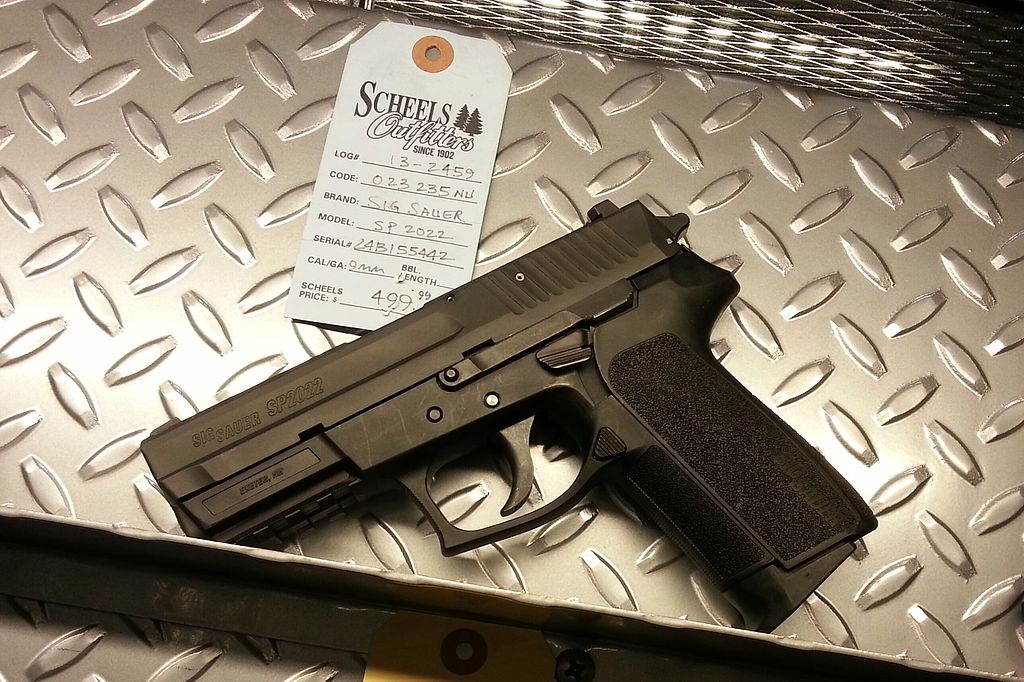
Pistol-caliber carbines chambered in unconventional or proprietary calibers briefly gained attention as innovative alternatives to traditional rifle platforms. Manufacturers promoted them as flatter-shooting, cleaner, or more powerful than standard handgun rounds. The problem emerged over time as ammunition availability declined and costs rose. Owners found themselves tied to niche supply chains with limited long-term support. Maintenance and resale value also suffered. Eventually, most shooters returned to proven calibers like 9mm that offered affordability, widespread compatibility, and consistent performance, leaving obscure PCC chamberings quietly discontinued.
4. Steel-Frame Duty Pistols
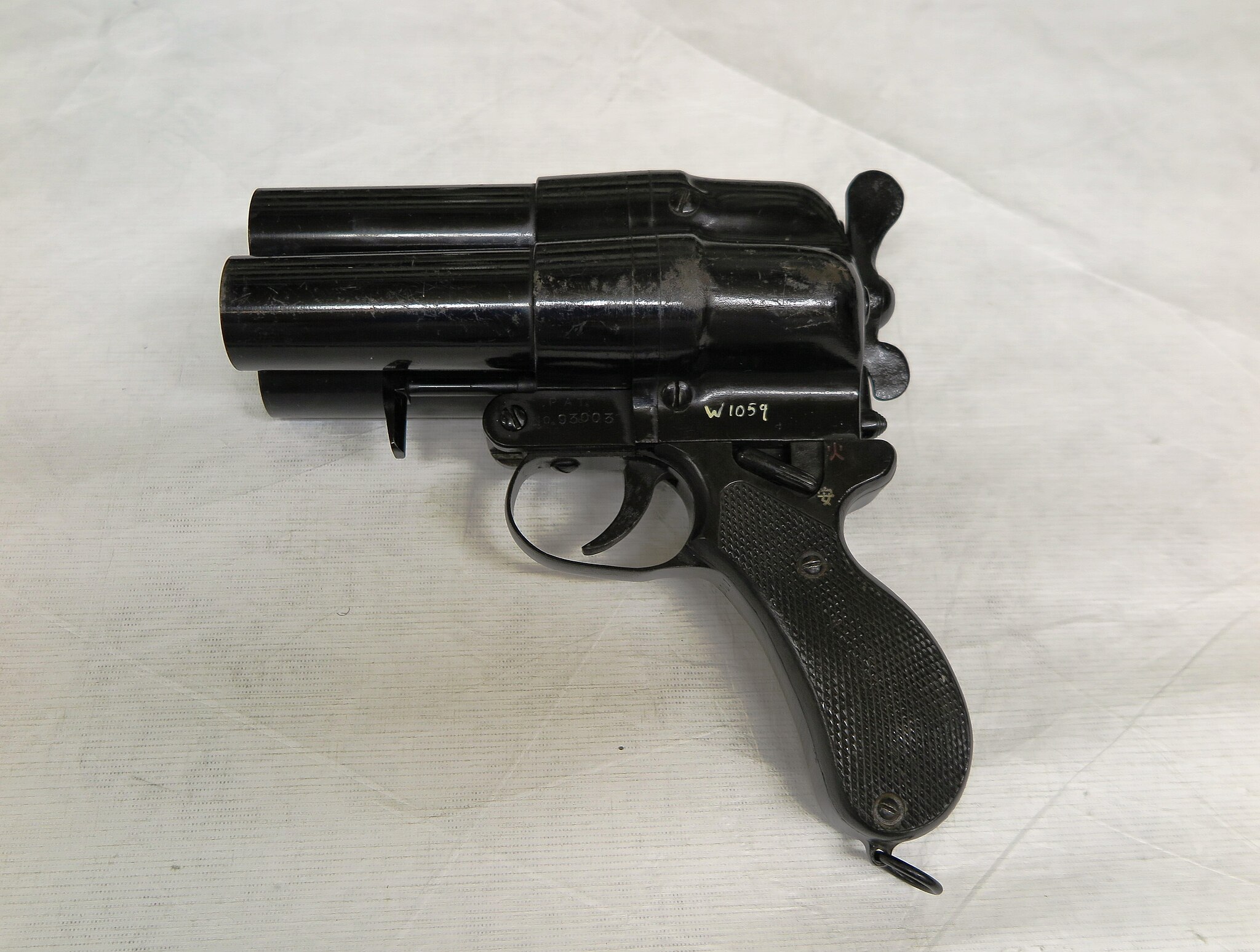
For decades, steel-frame pistols were considered the gold standard for duty use, valued for their durability and recoil-absorbing weight. Law enforcement agencies trusted them, and shooters appreciated their smooth shooting characteristics. Over time, however, weight became a liability rather than an advantage. Long shifts, concealed carry demands, and improved polymer technology shifted preferences dramatically. Modern polymer pistols matched reliability while offering lighter carry, corrosion resistance, and simplified manufacturing. Steel-frame duty pistols never truly failed, but they gradually transitioned from professional tools to enthusiast and competition pieces.
5. Fixed-Power Tactical Optics

Fixed-power optics once represented reliability and simplicity, especially in military and tactical circles. With fewer moving parts, they were trusted to survive harsh environments without losing zero. As optic technology advanced, variable-power scopes became lighter, stronger, and more affordable. Shooters preferred the flexibility to adapt magnification for distance, terrain, and lighting conditions. Fixed-power optics began to feel limiting rather than dependable. Today, they still exist, but their dominance has been replaced by modern low-power variable optics that better match real-world shooting demands.
6. Over-Accessory Rail Systems
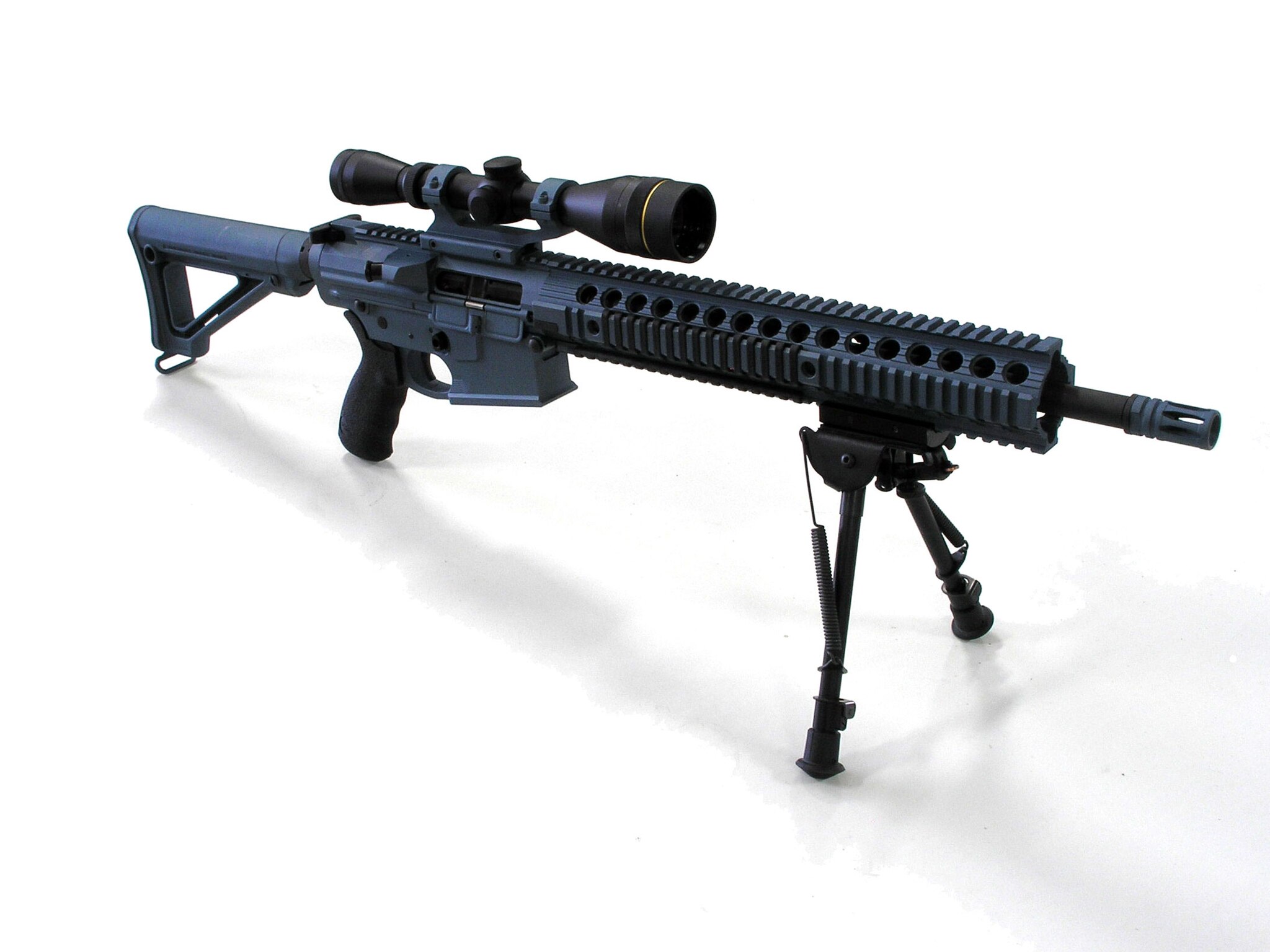
At one point, fully loaded rail systems packed with accessories defined tactical style. Rifles bristled with vertical grips, backup lasers, oversized lights, and rail covers, often adding significant weight. While visually impressive, many setups proved inefficient. Extra accessories complicated handling, increased fatigue, and introduced more failure points. Experience taught shooters that every attachment should serve a clear purpose. Modern rifle builds emphasize balance and restraint, favoring only essential equipment. The era of cluttered rails faded quietly as practicality replaced appearance-driven design.
7. Exotic “Indestructible” Firearm Coatings
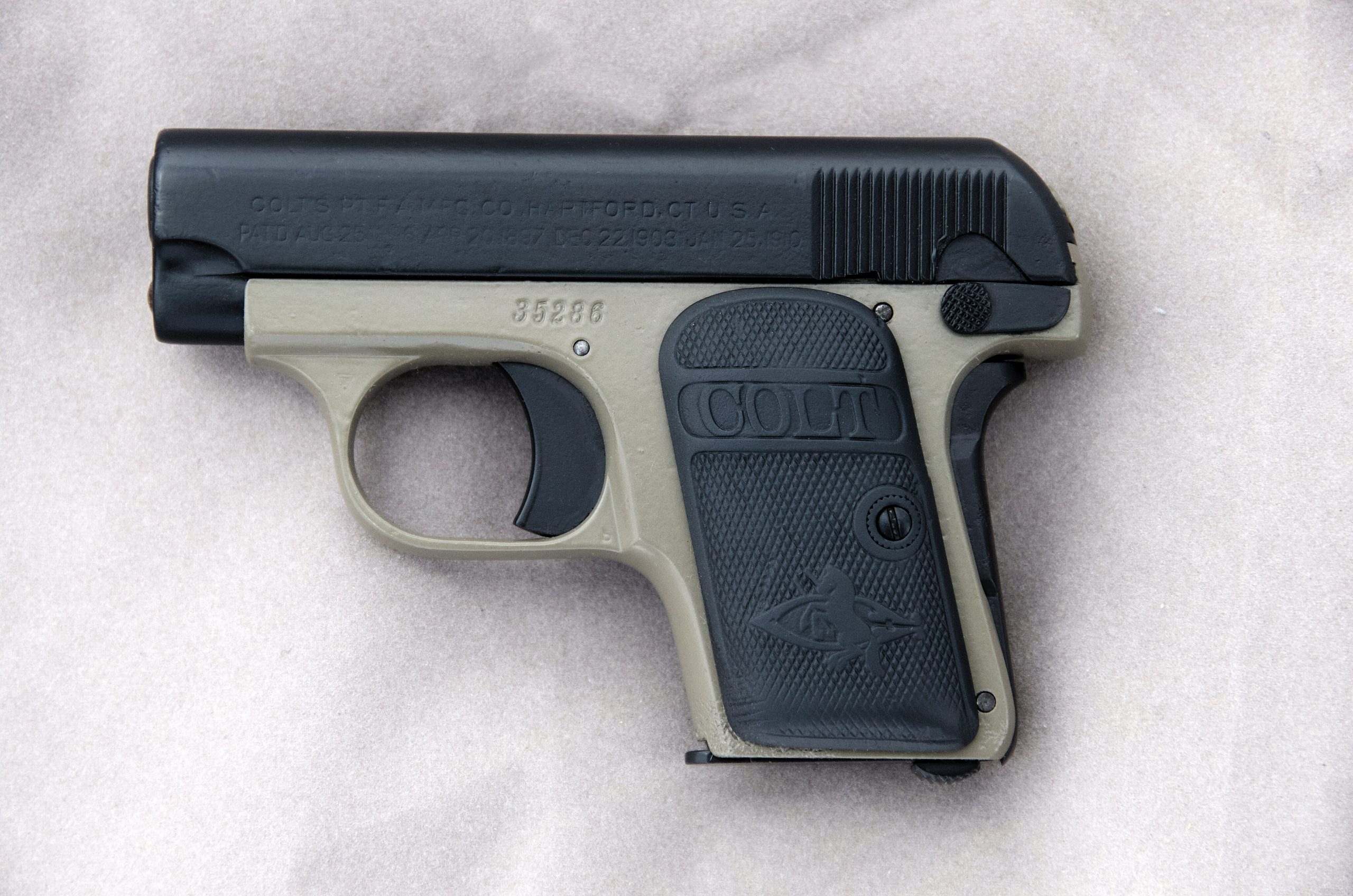
Manufacturers once promoted experimental firearm coatings as permanent solutions to wear, corrosion, and harsh environments. Claims of near-indestructibility attracted buyers looking for maintenance-free ownership. In reality, many coatings showed uneven wear, limited repair options, and minimal performance improvement over established finishes. Proven treatments like nitriding and Cerakote delivered predictable results without inflated promises. As shooters became more informed, marketing hype lost influence. Exotic coatings slowly disappeared from catalogs, replaced by finishes that balanced durability, cost, and real-world reliability.
8. Flashy Polymer Pistols with Radical Ergonomics
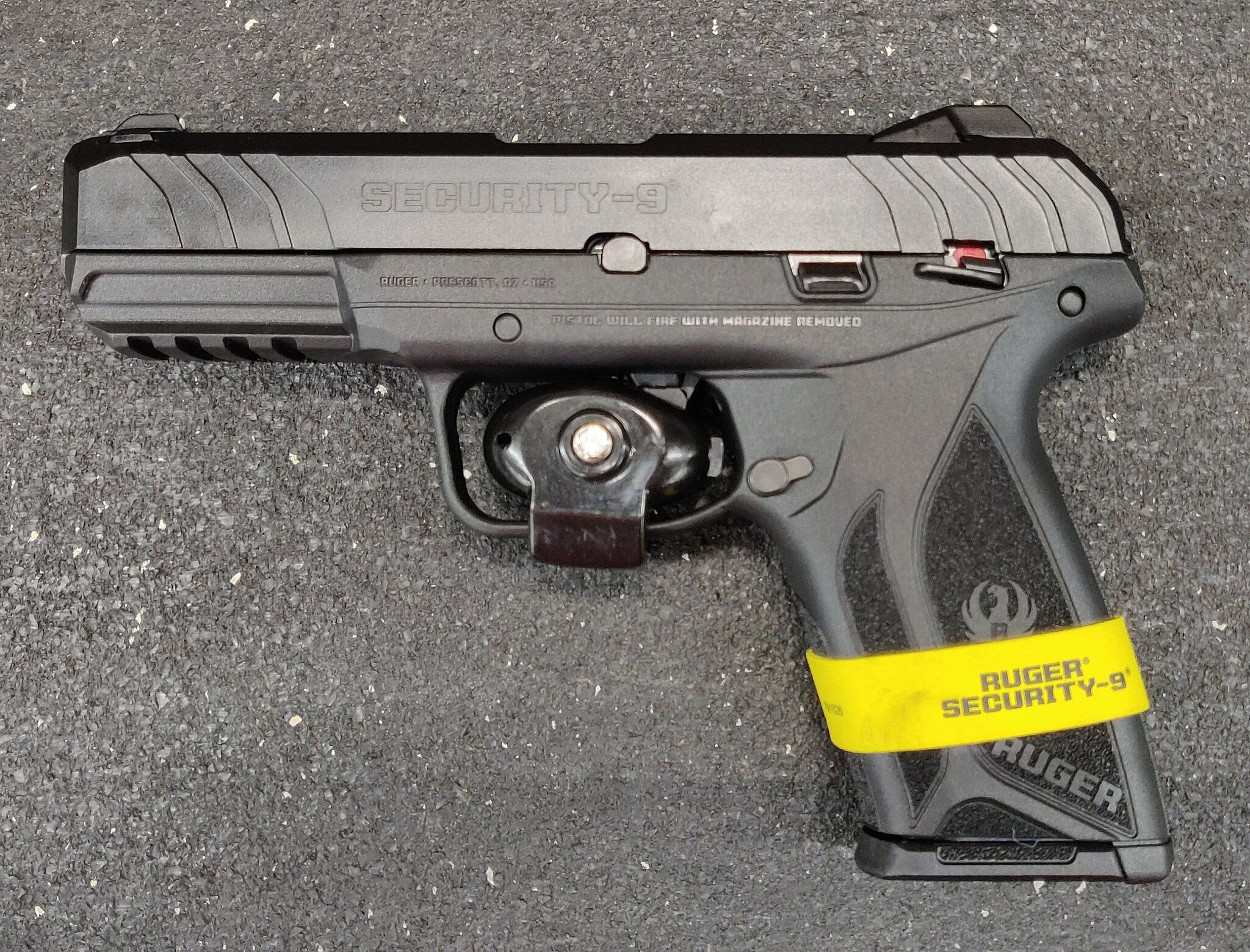
During the early polymer handgun boom, some manufacturers pushed radical grip angles, aggressive texturing, and futuristic styling to stand out. While innovative, many designs ignored long-term comfort and shooter adaptability. Training compatibility, holster fit, and aftermarket support often lagged behind established platforms. Shooters eventually gravitated toward simpler designs with consistent ergonomics and proven track records. Flashy polymer pistols didn’t fail dramatically; they were simply outpaced by refined competitors that prioritized function over novelty.