Hunting on public land can feel like a test of patience and skill. Crowded parking areas, unpredictable wildlife pressure, and limited prime spots often turn what should be a peaceful day outdoors into a frustrating experience. But with the right mindset and a strategic plan, you can still have productive, rewarding hunts on shared ground. Here are nine ways to stay calm, efficient, and successful while hunting public land without losing your sanity in the process.
1. Scout Beyond the Obvious Spots
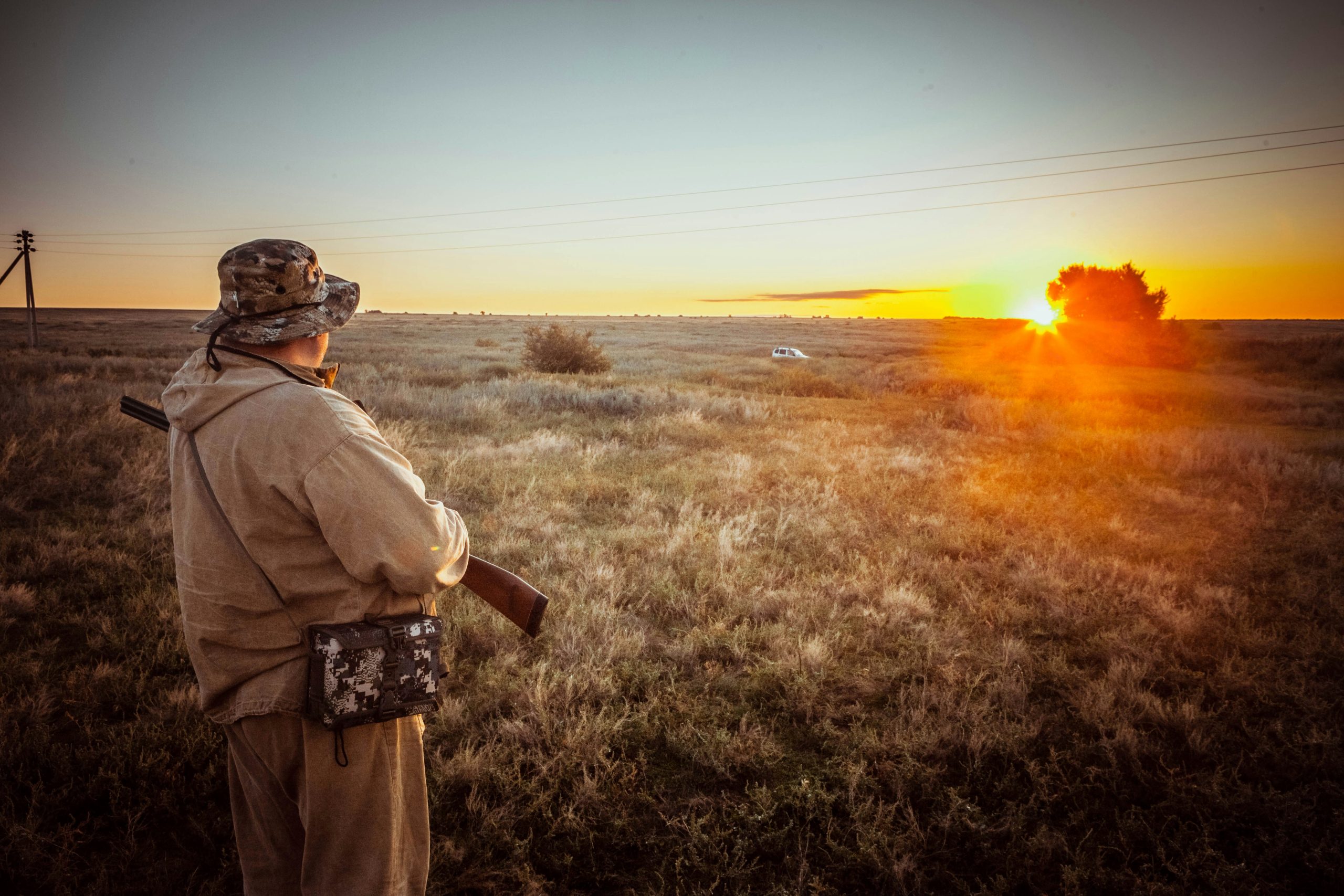
If you’re hunting near well-marked trails or easy access clearings, you’re probably not alone. Most hunters stop scouting within a mile of their vehicle, which means deeper areas stay untouched. Use topo maps, satellite imagery, and digital apps to find hidden water sources, secluded saddles, or dense cover where pressured animals retreat. A few extra miles on foot can put you in zones most hunters never reach, and that distance often makes the difference between frustration and success.
2. Time Your Hunts Strategically
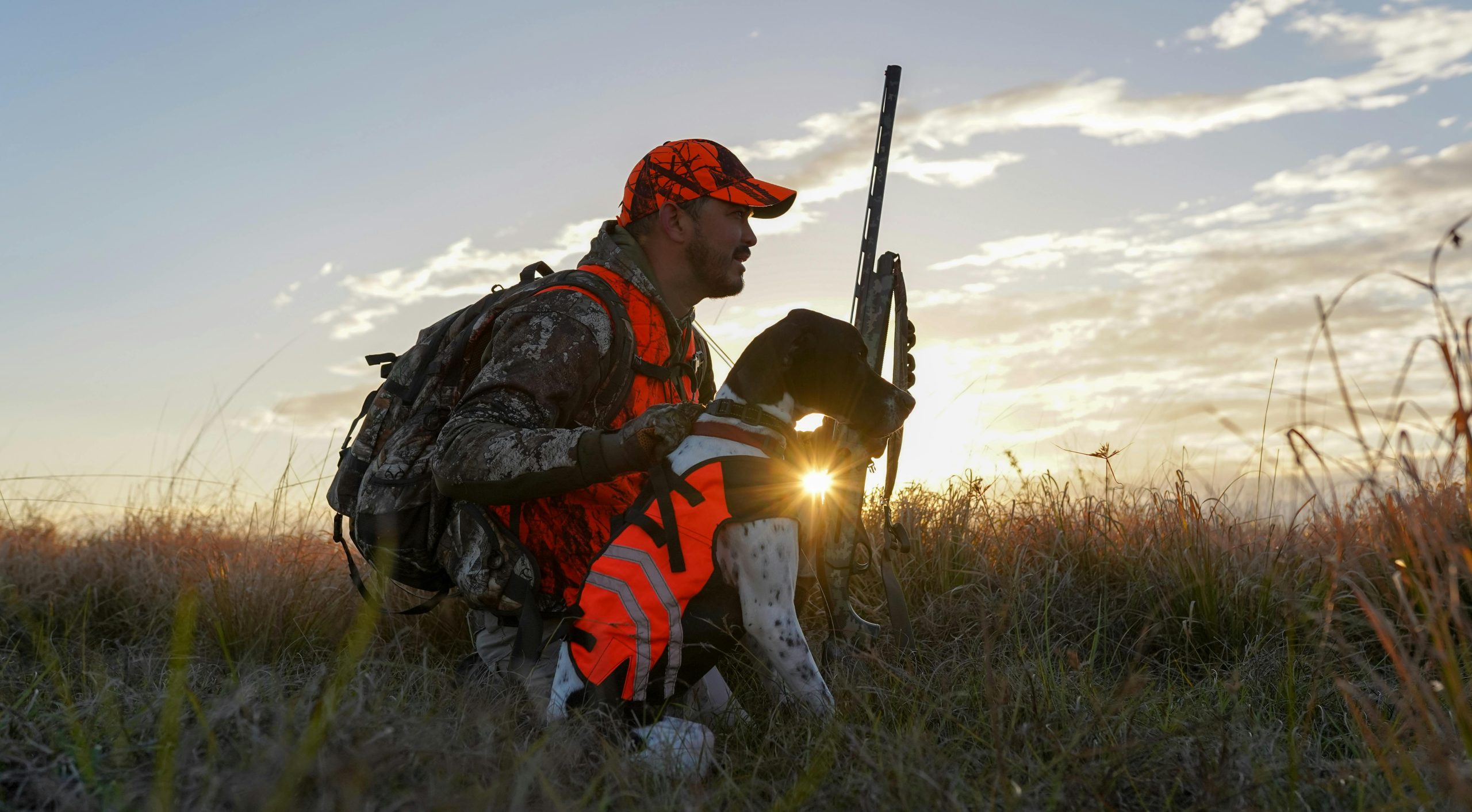
Everyone hits the woods at daybreak on opening weekend, but not everyone thinks to hunt midweek or during off-peak hours. Deer and elk quickly adjust to human pressure, becoming more active once crowds thin. Try hunting later in the morning or slipping in after lunch when others are heading home. Public land hunting rewards those who adapt their schedule and read animal behavior instead of sticking to the crowd’s rhythm. Sometimes, solitude alone improves your odds.
3. Learn to Read Pressure Signs
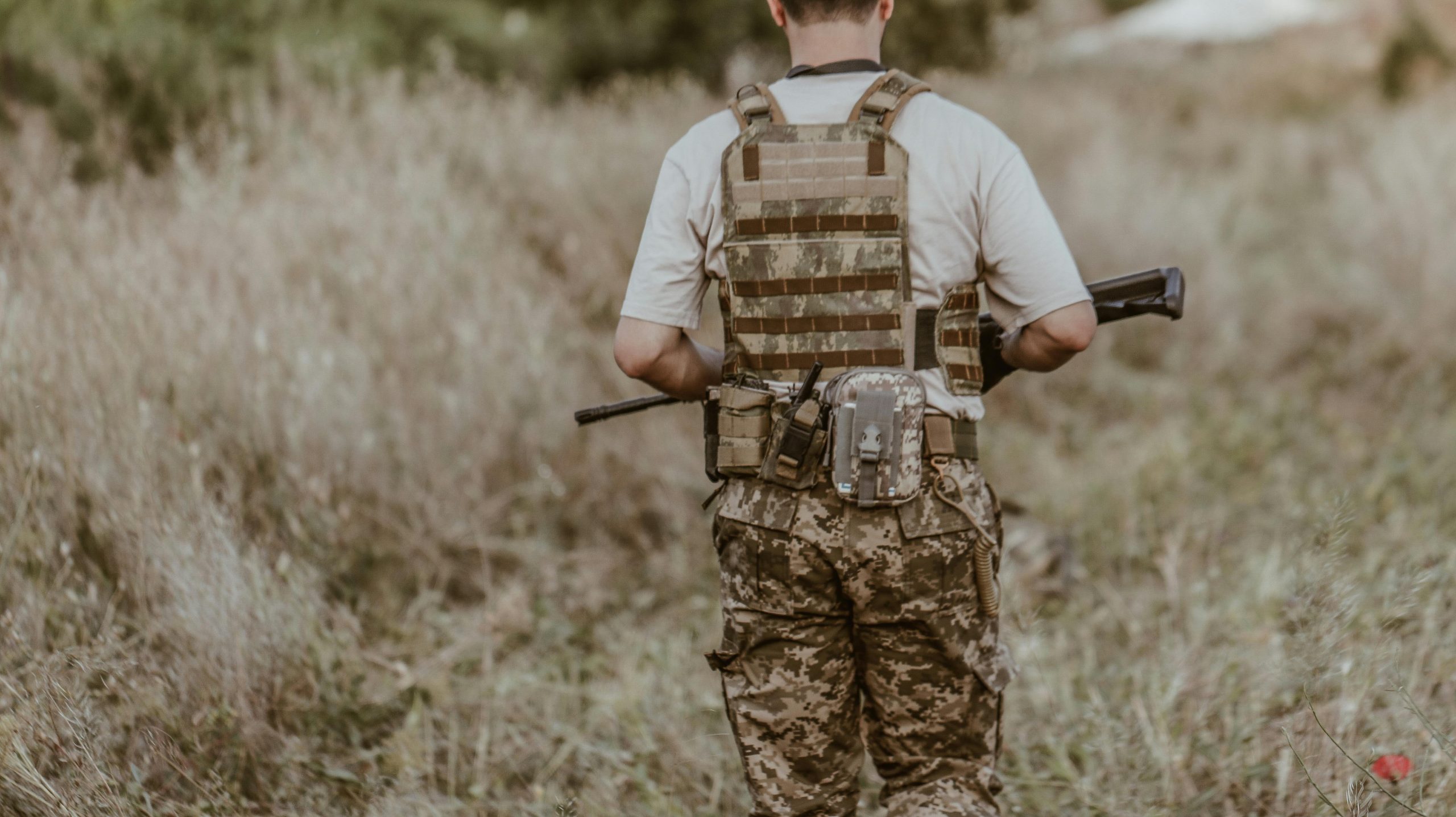
Public land isn’t just about finding animals; it’s about understanding where they aren’t. Boot prints, ATV tracks, and scattered shell casings reveal more than you think. Game animals respond by moving deeper into cover or shifting their feeding patterns. Study fresh pressure indicators and predict where wildlife will relocate. In many cases, hunting the overlooked edges just beyond human activity can yield better encounters than the heart of the action. Observation beats competition every time.
4. Travel Light but Stay Prepared
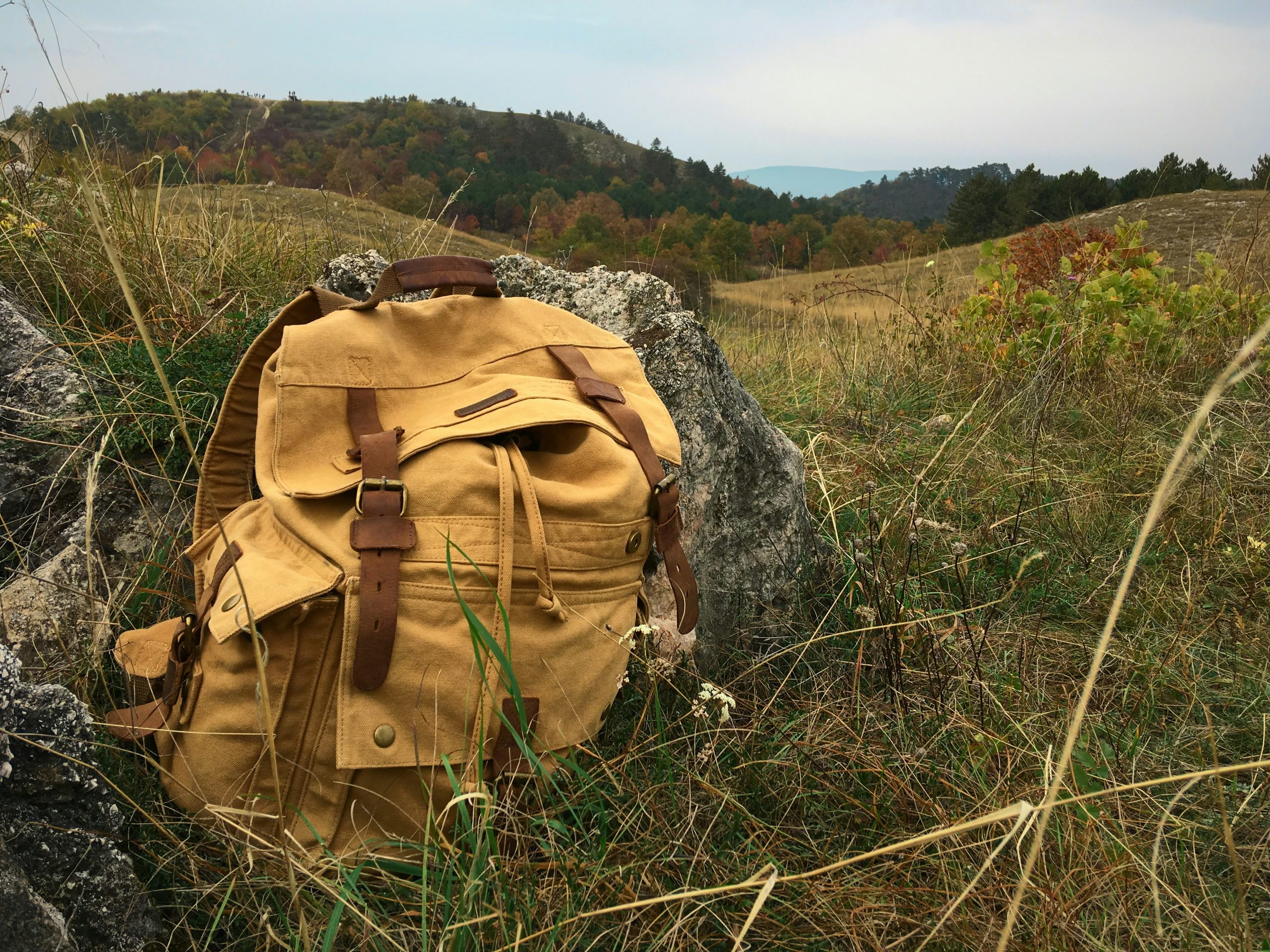
Heavy packs slow you down and make long hikes miserable. Instead, build a streamlined setup with essentials only: compact optics, hydration, first aid, tags, and a simple field dressing kit. The lighter you move, the more ground you can cover quietly. Versatility also helps: pack layers for changing weather, and use modular gear so you can adapt fast. Staying mobile and organized keeps frustration low when conditions shift or a new sign demands a sudden move.
5. Respect Boundaries and Fellow Hunters
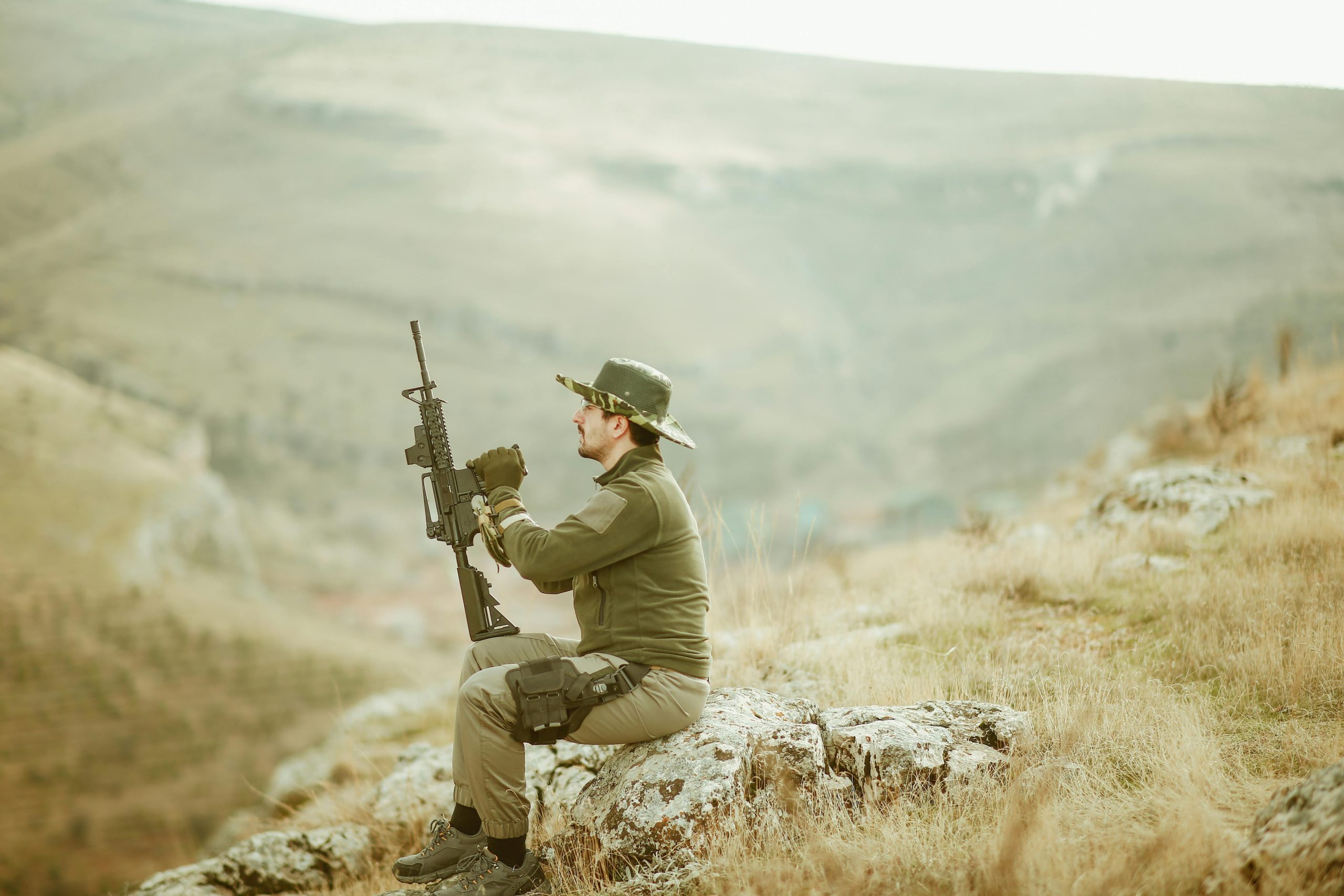
Nothing ruins a hunt faster than conflict. Always know where private boundaries start, and avoid setting up near another hunter’s stand or calling area. Courtesy goes a long way to communicate if you cross paths, and give others their space. Public land works best when hunters treat it as shared ground, not a battleground. Respect earns respect, and in return, you might find helpful locals who share tips or updates on game movement rather than competition.
6. Blend In with the Environment
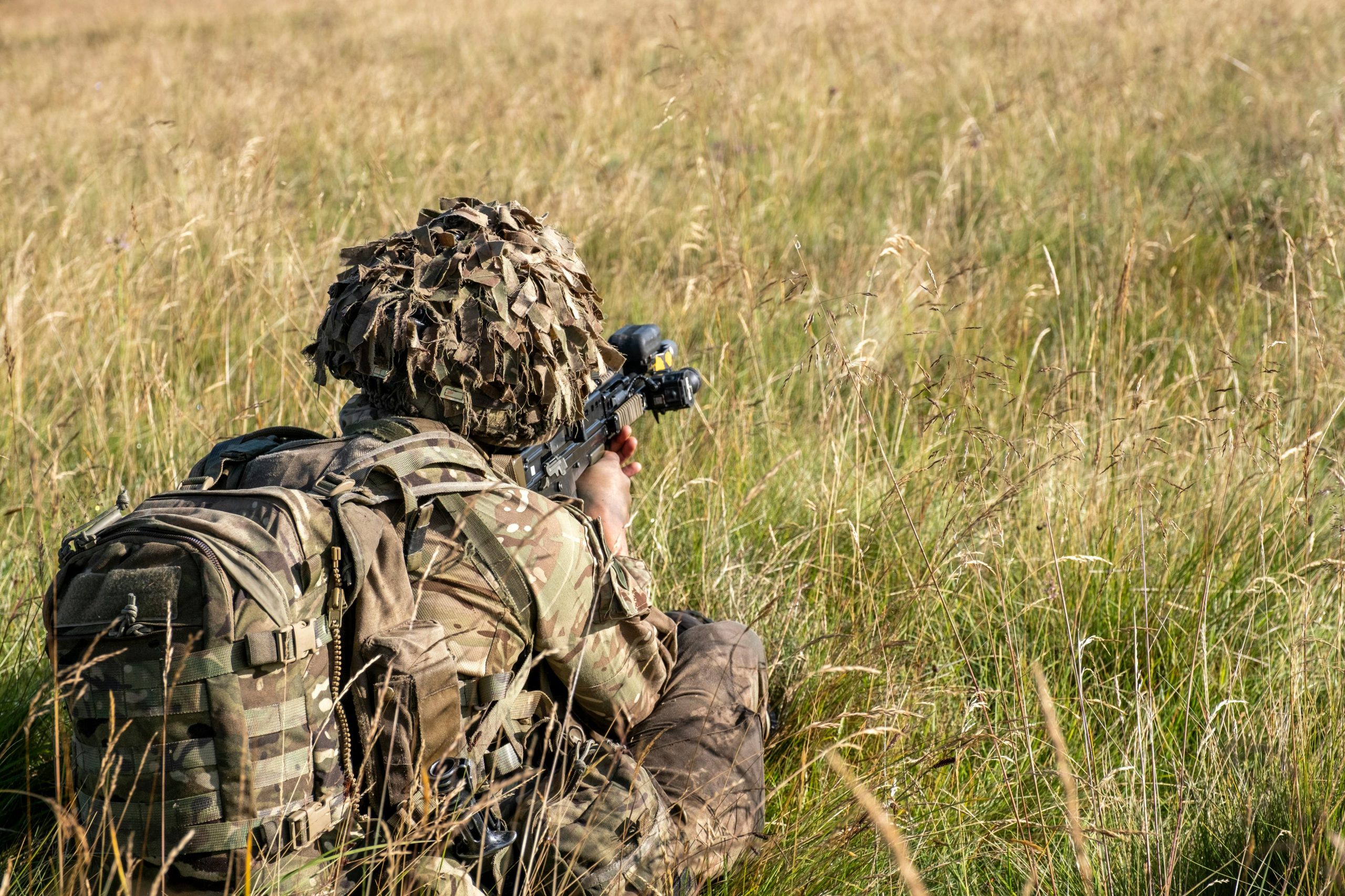
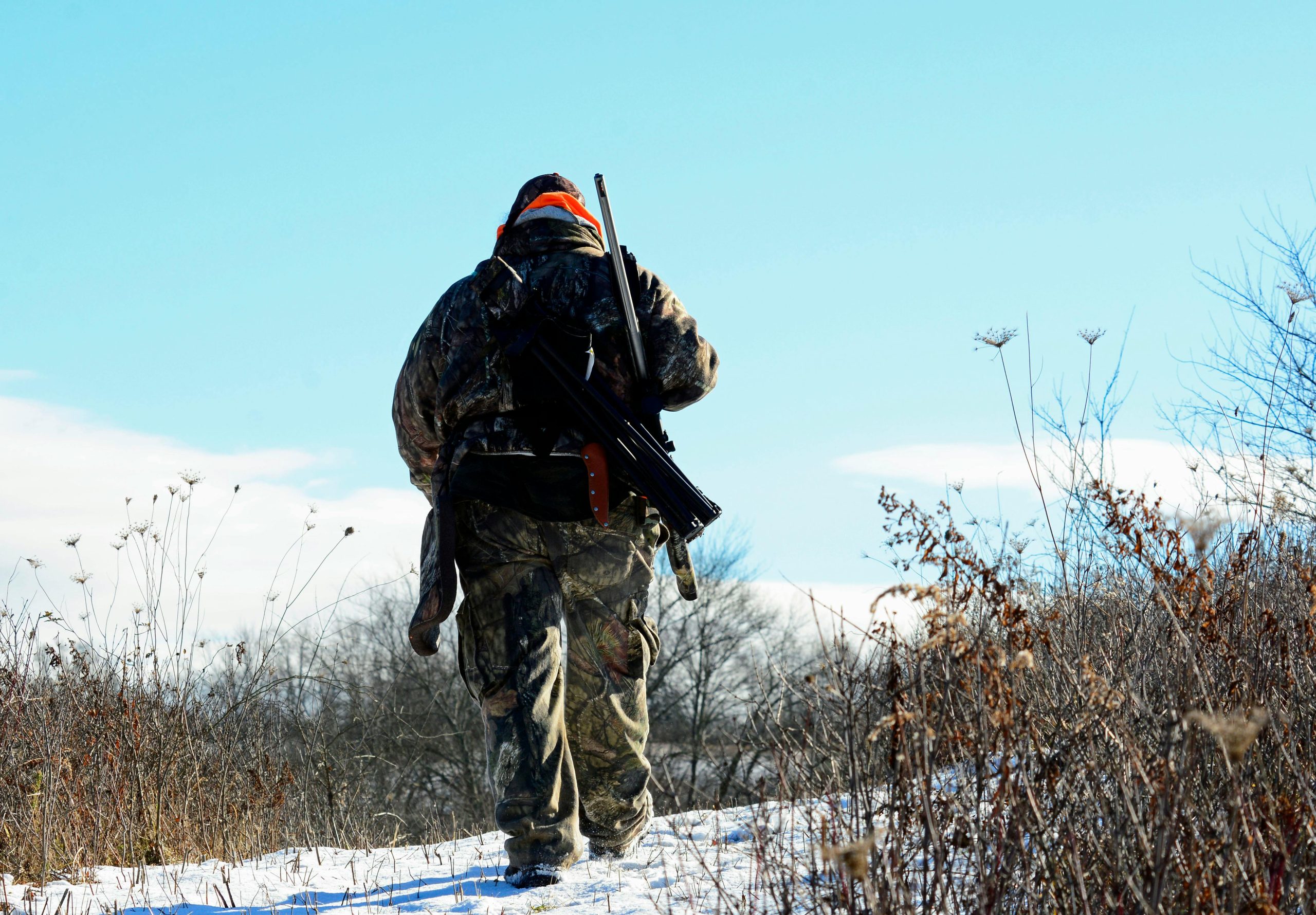
Animals on public land have seen it all: fluorescent camo patterns, rattling calls, and overused scents. To outsmart them, focus on subtlety. Match your camo to the region’s vegetation, minimize noise, and watch the wind constantly. Skip strong artificial scents and move deliberately. A well-blended hunter becomes part of the landscape, not an intruder. The quieter and calmer your approach, the longer animals stay relaxed and the higher your odds of getting a clean shot.
7. Use Technology Wisely

Modern mapping apps, GPS trackers, and trail cameras can give you a serious edge, but only if used smartly. Too many hunters rely on pins and overlook real-time conditions like wind, thermals, and fresh signs. Use digital tools to locate overlooked drainages or offbeat bedding zones, then confirm your findings with boots on the ground. A balanced mix of tech and instinct ensures you’re not just chasing data, you’re hunting the land itself, not a screen.
8. Stay Patient and Mentally Tough
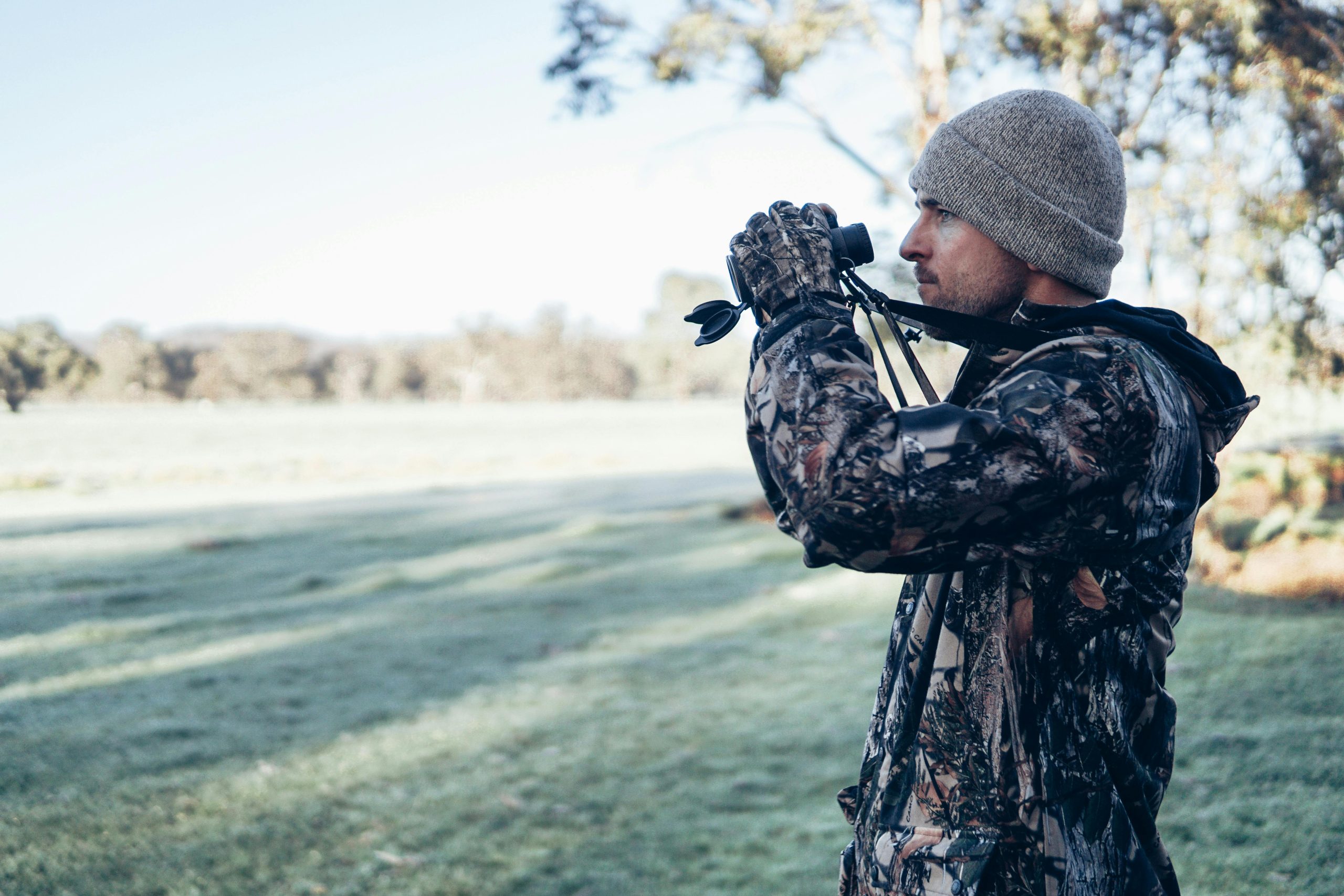
Public land hunts often test endurance more than skill. You might go days without a clear shot or watch other hunters bump the very deer you’ve been tracking. Frustration is natural, but composure separates great hunters from quitters. Keep your expectations realistic, stay positive, and enjoy the process. Every hour spent observing patterns or learning terrain makes you sharper for next time. Persistence often turns a quiet hunt into an unforgettable one.
9. Leave the Land Better Than You Found It
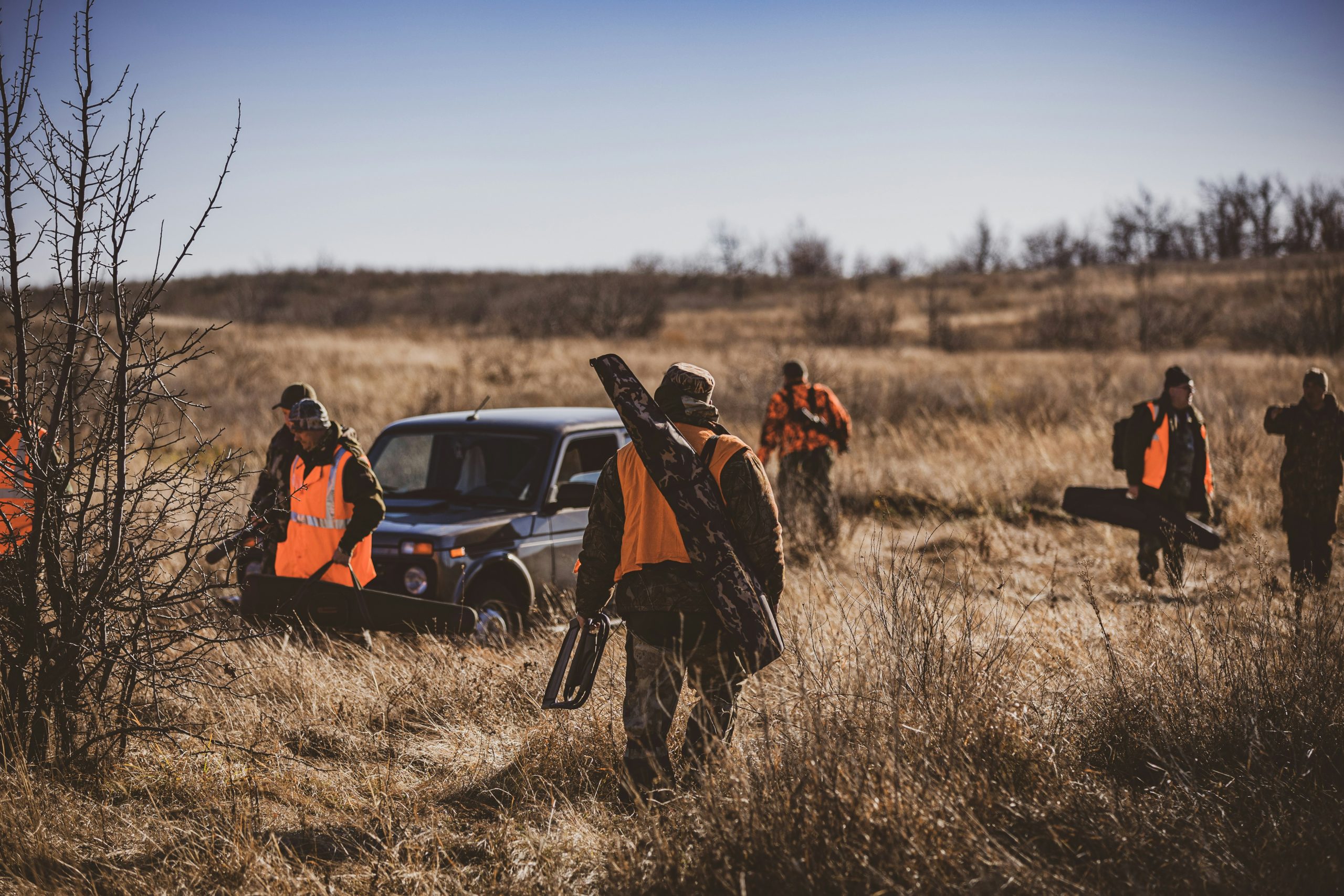
Responsible hunting isn’t just about taking game; it’s about giving back. Pick up trash, fill in old fire pits, and tread lightly on fragile terrain. Ethical hunters protect public resources for future generations. When others see clean camps and minimal impact, it encourages respect across the community. Leaving no trace not only preserves wildlife habitats it also strengthens your connection to the wilderness itself, reminding you why you hunt in the first place.