
Pine cones in northern forests offer a surprising range of survival functions supported by their resin content, layered structure, and durable woody design. These traits allow cones to ignite easily, insulate gear, and create strong natural barriers when conditions demand quick problem-solving. Many foragers and outdoor travelers depend on available forest materials for warmth, navigation, or storage support, and pine cones meet those needs with reliability. Their abundance makes them practical tools that require minimal preparation. Understanding how cones function in different environments helps reinforce traditional skills used across cold and rugged terrain.
Fire Starters

Pine cones work effectively as fire starters because their layered scales ignite quickly, while resin pockets burn with steady heat even in damp conditions. The loose structure allows air to flow between the layers, helping flames build without smothering. When paired with small twigs, cones generate a durable flame capable of drying slightly wet kindling. This quality becomes valuable in northern forests where moisture often affects ground-level tinder. Their reliability in cold weather makes them a consistent resource when creating the initial heat needed for a sustained campfire.
Natural Insulation
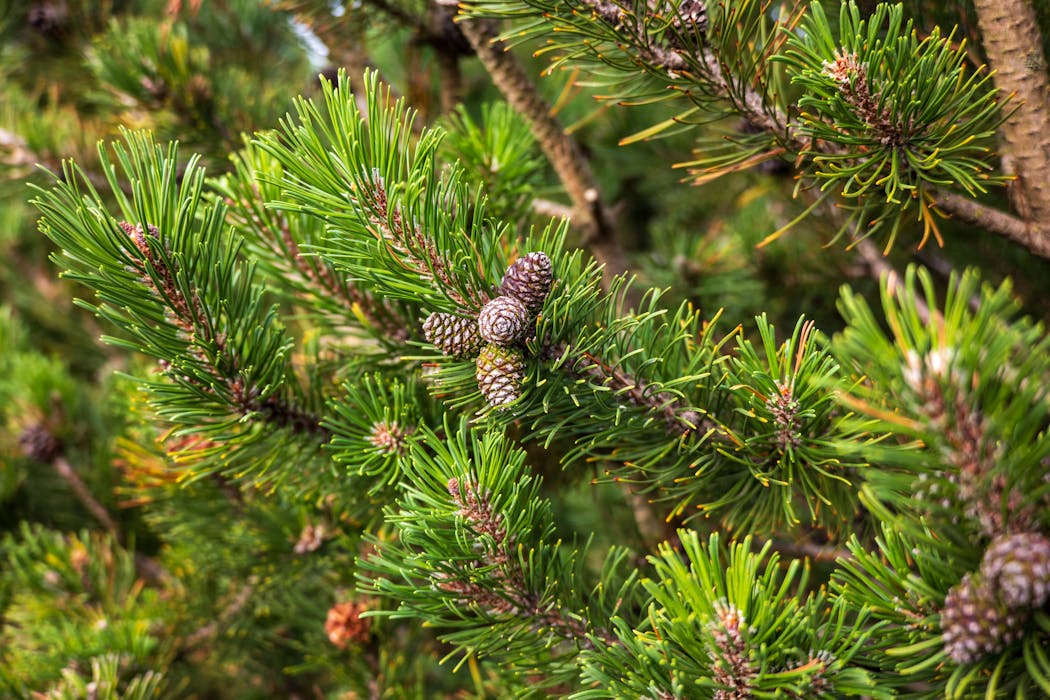
Pine cones create natural insulation by forming multiple small air pockets that slow heat transfer when packed beneath sleeping areas or around containers. These pockets reduce direct contact with cold soil, helping limit nighttime heat loss in forest settings. Their rigid structure also maintains separation between gear and damp ground, which prevents moisture from affecting temperature-sensitive supplies. Cones remain effective across varied forest floors because they resist compression and preserve airflow. This practical insulation helps maintain warmth during early spring frost or late autumn cold snaps.
Emergency Signal Material

Pine cones serve as emergency signal material thanks to the dense smoke and audible crackling they produce when burned in concentrated piles. Resin within the cones enhances flame brightness, allowing signals to stand out against thick tree cover or cloudy skies common in northern regions. Their smoke rises quickly when lit in open clearings, increasing visibility for distant observers. Cones also ignite readily, supporting rapid deployment in stressful situations. These qualities make them valuable components of improvised signaling when standard equipment is limited or unavailable.
Simple Water Filters

Pine cones assist in simple water filtration by helping remove large debris from collected water before boiling or chemical treatment. When positioned over a container, the overlapping scales trap leaves, insects, and sediment that commonly wash into streams. This method does not purify water but improves clarity and reduces contaminants that affect treatment effectiveness. Cones function reliably because their structure remains intact even when wet. This makes them a convenient first step in preparing natural water sources for safe consumption in remote northern forests.
Animal Deterrents

Pine cones act as animal deterrents when scattered around camps or food storage areas, creating discomfort for small mammals moving across the prickly surfaces. Their coarse texture discourages closer investigation, particularly among species sensitive to unfamiliar ground conditions. Resin scents occasionally add a mild deterrent effect, helping redirect wildlife traffic away from stored supplies. Although not a primary protective measure, cones supplement stronger methods by increasing environmental obstacles. Their widespread availability makes them a useful addition for maintaining order around temporary campsites.
Makeshift Cooking Stands
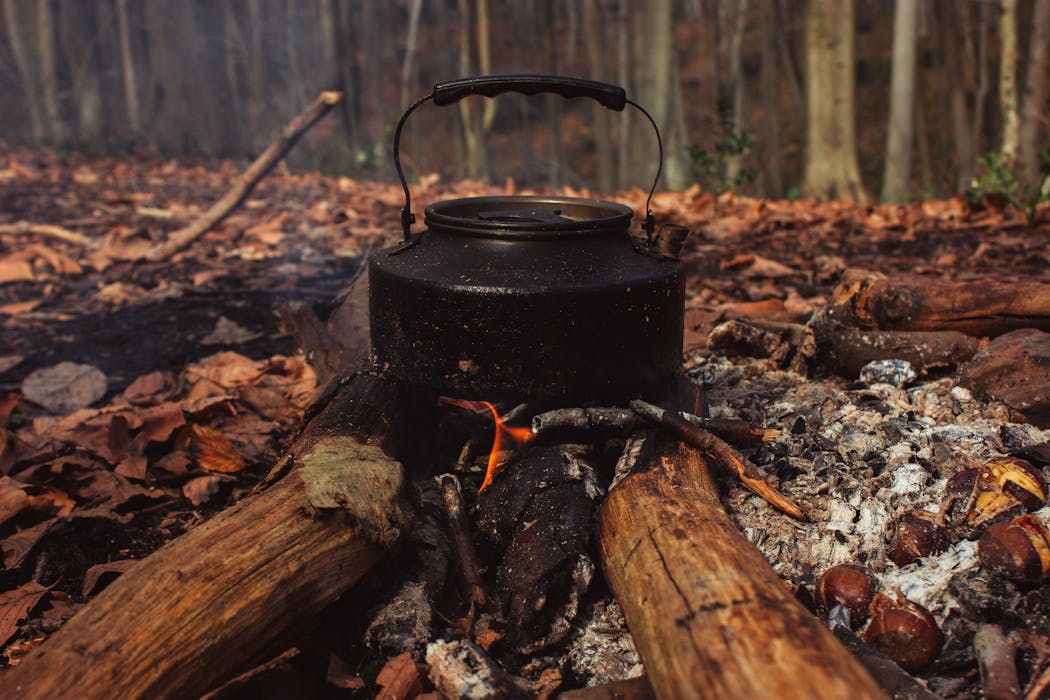
Pine cones function as makeshift cooking stands by supporting lightweight pots or metal cups above heated coals. Their sturdy shape creates natural spacing that allows heat to rise without scorching the container. When arranged carefully, cones hold steady until the outer layers begin to burn slowly, offering enough time to warm liquids or heat simple meals. This approach works particularly well when rocks or metal grates are scarce. Cones also produce a mild, consistent flame that adds controlled heat for short cooking tasks in forest environments.
Mulch for Temporary Camps
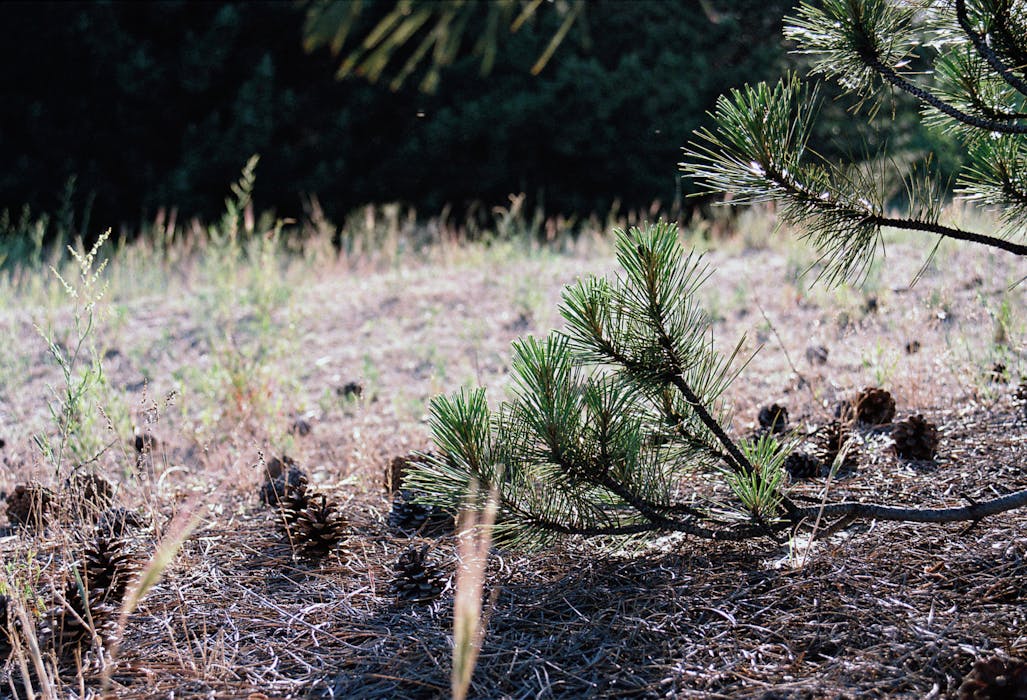
Pine cones work effectively as mulch around temporary camps by improving drainage and reducing soil erosion in high-traffic areas. Their structure channels water downward without allowing puddles to form, keeping ground surfaces more stable after rainfall. This reduces mud around tent entrances and makes walking areas safer. Cones also help protect delicate vegetation by distributing weight more evenly. Their natural resilience ensures repeated use during multi-day stays. This simple application supports low-impact camping practices that maintain forest health.
Dry Storage Barriers
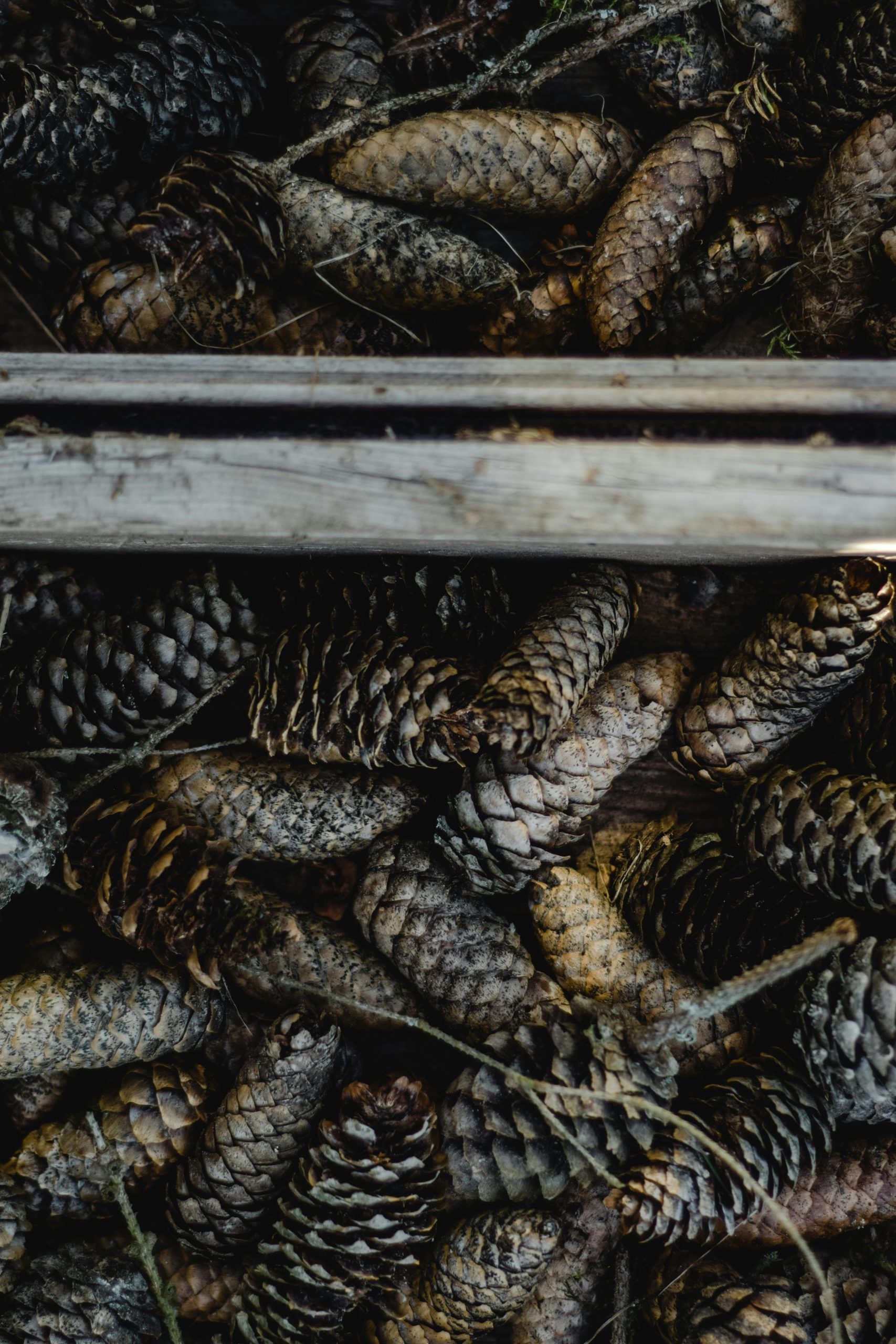
Pine cones create dry storage barriers when placed beneath gear or clothing that needs protection from damp forest floors. Their height allows airflow to circulate beneath items, decreasing condensation and promoting faster drying. This setup works well in areas where ground moisture persists even after long daylight exposure. Cones also prevent insects from gathering directly under stored objects by creating uneven terrain that discourages nesting behavior. This practical barrier supports better gear maintenance during extended stays in northern forests.
Fire-Resistant Perimeter
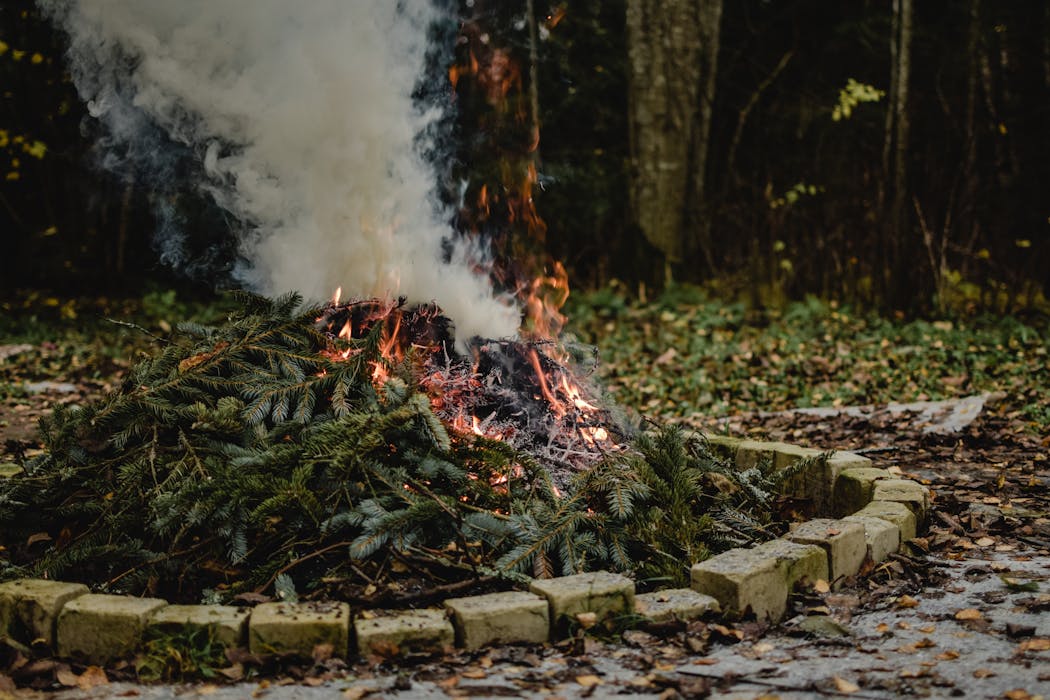
Green pine cones help form a fire-resistant perimeter around controlled cooking areas because their high moisture content slows ignition. This resistance reduces the chance of stray sparks spreading into surrounding vegetation. When placed in a ring and combined with packed soil, they create a temporary buffer suitable for quick outdoor cooking sessions. The natural density of green cones provides a reliable physical boundary. Their consistent performance under heat makes them a valuable addition to cautious fire management practices in dense forest settings.
Scented Trail Markers

Pine cones function as scented trail markers when cracked or lightly warmed, releasing a distinct resin aroma that stands out in northern forests. This scented trace helps identify specific paths when visibility is limited by undergrowth or shifting light. Arranged at intervals, cones guide movement through dense terrain without leaving artificial markers. Their natural appearance blends subtly into the landscape while still offering recognizable placement signals. This method supports quiet navigation and low-impact orientation during extended travel in wooded regions.