It sounds like something invented for a monster movie. But the snakehead is very real, and wildlife officials across the U.S. have been tracking its spread for years.
What the snakehead actually is

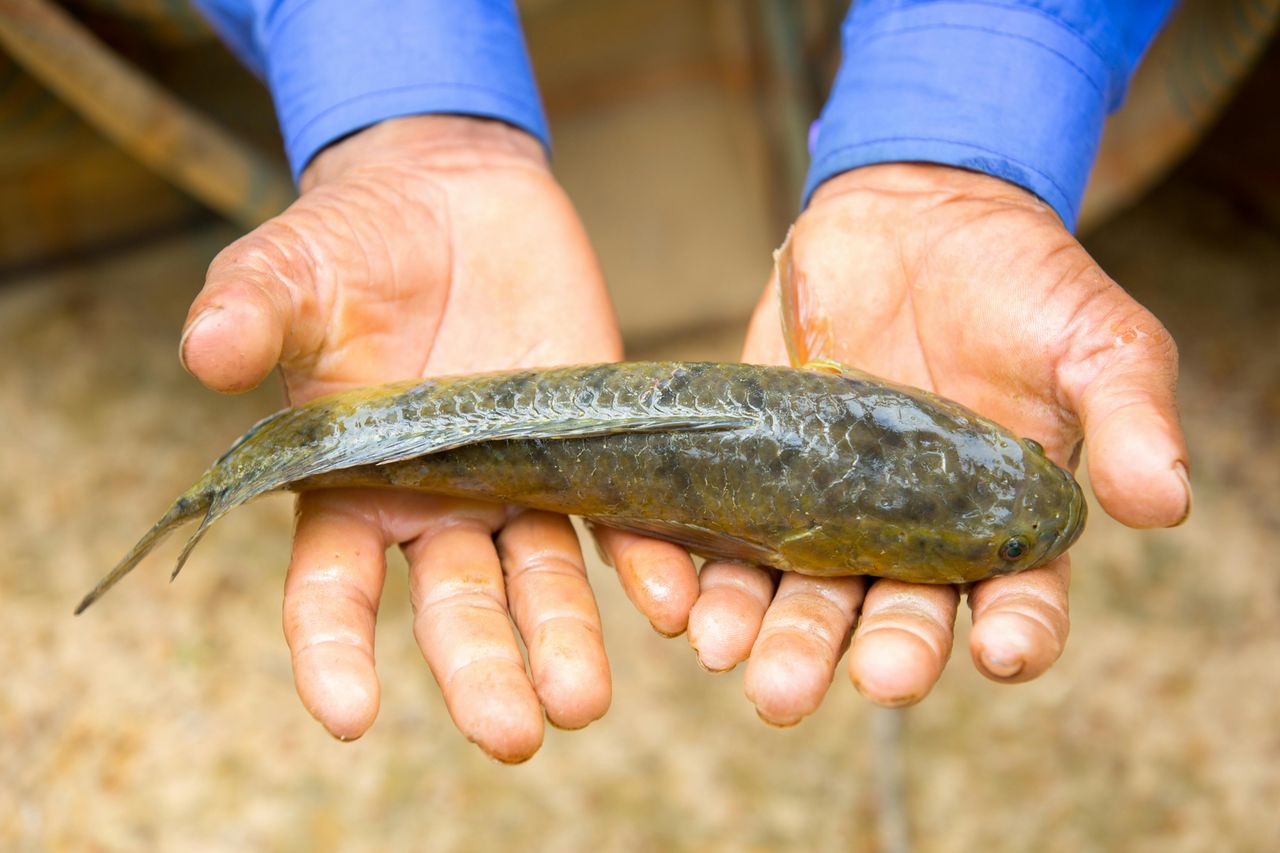
The fish at the center of all this attention is the northern snakehead, a predatory freshwater species native to parts of China, Russia, and Korea. It has a long, torpedo-shaped body, a flattened head, and a mouth full of sharp teeth that give it a reptilian look. That appearance, combined with its unusual behavior, is why it has earned such a dramatic reputation.
Northern snakeheads are not the only snakehead species in the world, but they are the one most often discussed in the United States. According to the U.S. Geological Survey, established populations have been documented in 14 states, with especially notable footholds in the Mid-Atlantic and parts of the South. Once a breeding population becomes established, removing it is extremely difficult.
Part of what makes the species so successful is its flexibility. Snakeheads can live in lakes, ponds, reservoirs, canals, rivers, and wetlands, and they tolerate murky, low-oxygen water better than many native fish. That means they can thrive in places where other species struggle, giving them a serious competitive edge.
Yes, it can move over land.

The phrase “walk on land” makes people imagine a fish strolling like a lizard, but the reality is still remarkable. Snakeheads do not truly walk with legs; instead, they wriggle and push themselves across wet ground using body movements and their fins. In the right conditions, that is enough to help them move between nearby bodies of water.
They can also breathe air to a degree, thanks to a specialized organ that allows them to survive in oxygen-poor environments. This adaptation lets them stay alive out of water longer than most fish, particularly if their skin remains moist. That survival ability is one reason the species has become so hard to contain.
Wildlife agencies have long warned that this combination of traits makes accidental spread easier. A fish that can survive transport in a cooler, bait bucket, or live well is already a problem. A fish that can also endure harsh water conditions and potentially traverse short stretches of land becomes an even more formidable invader.
The bird-eating claim is dramatic, but not invented
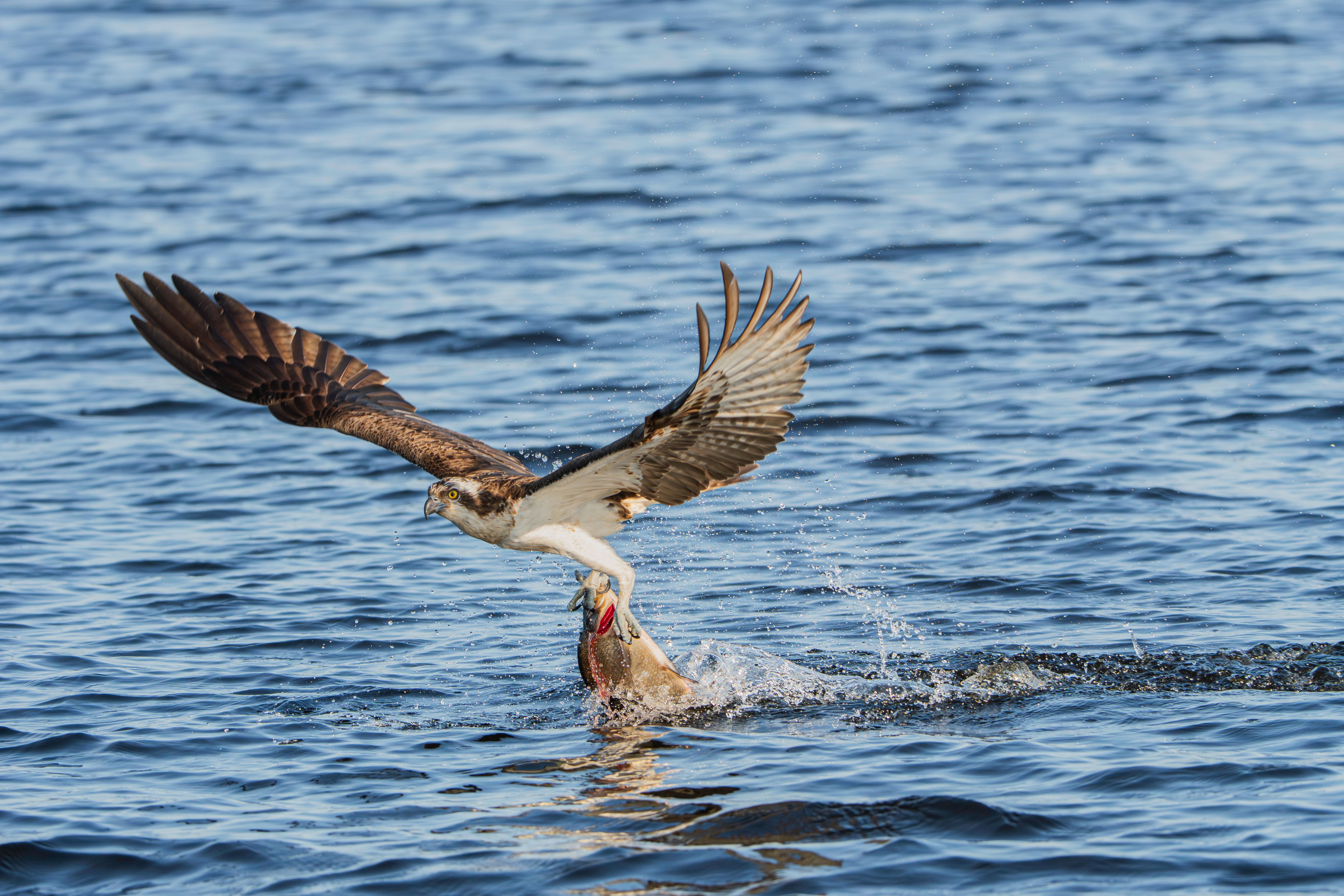
One of the most attention-grabbing things said about snakeheads is that they eat birds. That sounds exaggerated, but it is rooted in real observations of their feeding behavior. Snakeheads are aggressive ambush predators, and their diet can include fish, frogs, crustaceans, insects, and occasionally small birds or mammals if the opportunity arises.
In practical terms, fish make up most of their diet in many invaded waters. Biologists studying stomach contents often find that they feed heavily on whatever prey is abundant and easy to catch. In ecosystems already under stress, this can put additional pressure on native species that have not evolved alongside such a predator.
The bird angle matters because it captures a larger truth about the fish: it is opportunistic. A predator that is willing to eat almost anything can disrupt food webs in ways that are hard to predict. Even when birds are not a major food source, the fact that snakeheads can target such a wide range of prey is exactly what worries fisheries managers.
How it got into American waters
The story of how snakeheads reached U.S. waterways is a familiar one in invasive species history. Some were likely imported through the live food trade, while others may have entered through the aquarium market or deliberate releases. In the early 2000s, reports of snakeheads in places like Maryland drew national headlines and immediate alarm from state agencies.
At first, officials tried aggressive eradication where possible. In some isolated ponds, rotenone treatments were used to kill all fish and stop the invader before it spread. Those efforts sometimes worked in small, contained waters, but they were far less practical once snakeheads reached connected river systems.
Human behavior has played a major role in their expansion. Some people moved them illegally for sport fishing because snakeheads fight hard on the line and are considered good to eat. Others may have released unwanted live fish without realizing the ecological consequences. Once introduced into a suitable habitat, the species did the rest.
Why 14 states matter
When officials say snakeheads are in 14 states, that does not mean every creek in those states is overrun. It means established or reported populations have spread widely enough that the issue is no longer isolated. That is significant because invasive species become much harder to manage once they move beyond a single outbreak.
The states involved include parts of the East Coast, the Mid-Atlantic, and the South, with reports also appearing elsewhere over time. In places like the Potomac River watershed, snakeheads are no longer a novelty; they are a recognized part of the fish community. Anglers catch them regularly, and agencies monitor them as an ongoing management issue rather than a one-time emergency.
That shift changes the conversation. Instead of asking only how to eliminate them, managers often have to ask how to limit damage, prevent further spread, and protect vulnerable native species. It is a reminder that invasive species policy is often most effective early, before the public fully notices the threat.
What snakeheads do to ecosystems
Predators are a natural part of freshwater ecosystems, but invasive predators can alter those systems quickly. Snakeheads compete with native fish such as bass, perch, sunfish, and bowfin for food and habitat. In some areas, researchers are still sorting out the exact scale of the impact, but the concern is serious enough that state agencies continue to invest time and money in monitoring.
Their greatest effect may not come from a single dramatic act, but from constant pressure. A reproducing population can consume forage fish, young game fish, amphibians, and invertebrates over time, reshaping what species are common in a waterway. Because snakeheads guard their young, they may also gain a survival advantage during the earliest and most vulnerable life stages.
Case studies from invaded waters show a mixed picture, which is part of the challenge. Some fisheries remain productive even with snakeheads present, while others may see shifts in community balance that are harder to detect casually. Ecologists generally agree on one point: introducing a top-level predator into a system where it does not belong is a risky experiment no ecosystem needs.
What people should do if they catch one
The most important advice is simple: do not release a live snakehead. State wildlife agencies typically tell anglers to kill the fish immediately, document the catch with a photo if possible, and report it to the proper authority, especially in places where new sightings matter. Rules can vary by state, so local regulations always matter.
Identification is important because snakeheads can be confused with native species, particularly the bowfin, which also has a long body and can gulp air. The northern snakehead usually has a longer anal fin, a more snake-like head, and a distinctive mottled pattern. Getting the ID right helps avoid harming native fish that play an important ecological role.
There is also a broader lesson in the snakehead story. Invasive species do not always arrive with obvious warning signs; sometimes they come through food markets, pet releases, or well-meaning but irresponsible human choices. The snakehead’s spread across 14 states is not just a bizarre wildlife headline. It is a real-time example of how quickly ecological disruption can become normal if people are not paying attention.