America’s backcountry forests are back in the political crosshairs. What looks like a dry regulatory fight is actually a battle over some of the wildest public land left in the country.
What the Roadless Rule actually protects

The Roadless Rule is one of those federal policies that sounds technical until you realize its footprint is enormous. Adopted in 2001, it restricts most road construction, road reconstruction, and timber harvesting in inventoried roadless areas across the National Forest System. According to the U.S. Forest Service, that protection covers about 58.5 million acres, often rounded to 58 million, spread across 120 national forests.
That number matters because this is not a niche slice of public land. Forest Service materials say inventoried roadless areas account for roughly 30% of all National Forest System land. In the continental United States, they make up only about 2% of the total land base, yet they occur within 661 of the nation’s major watersheds, which helps explain why clean water is always part of this debate.
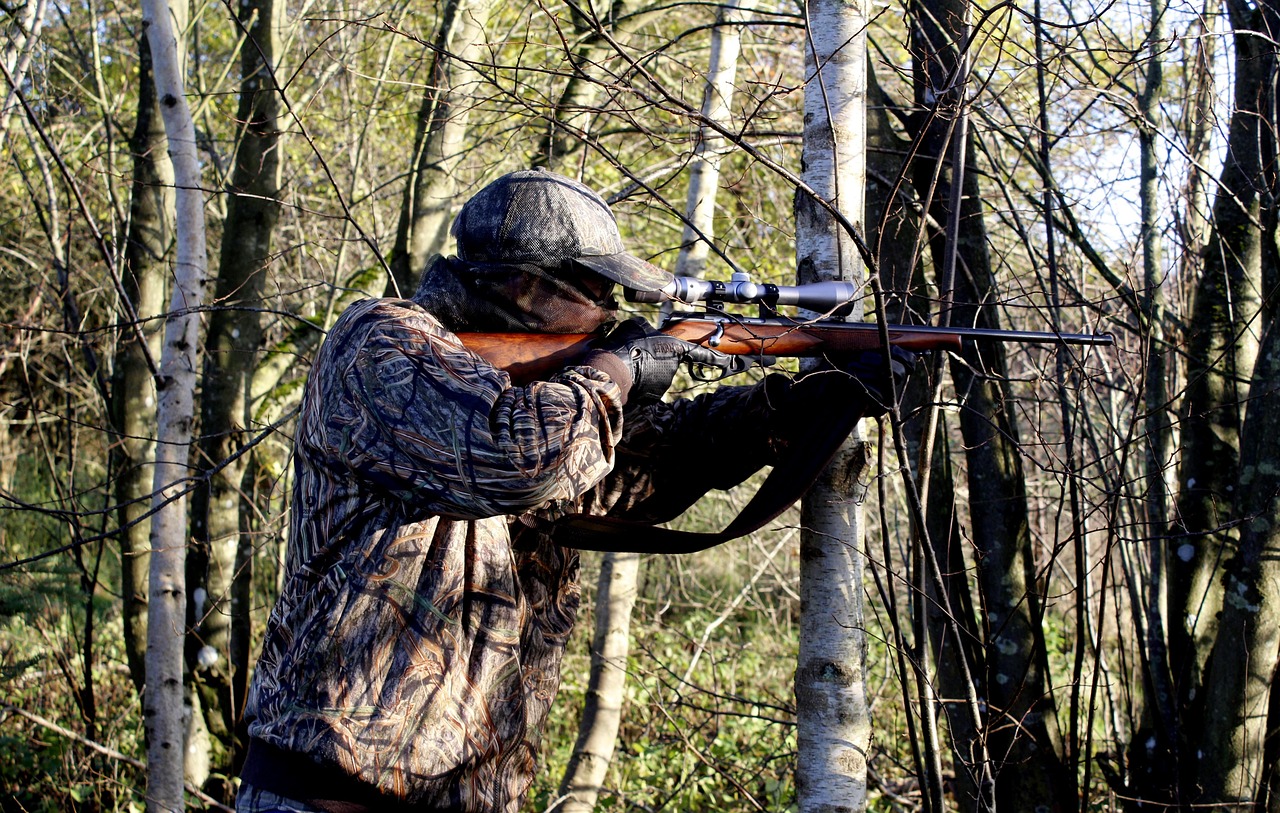
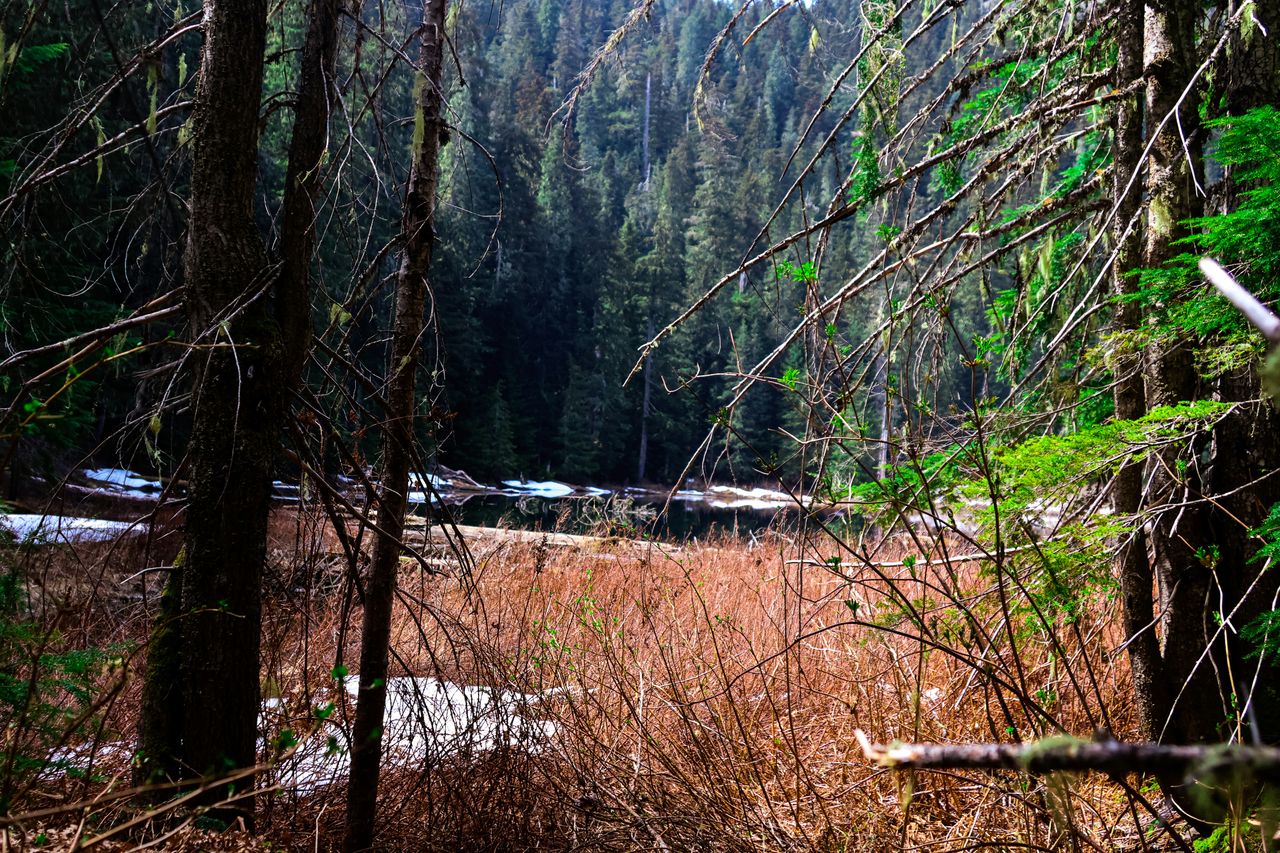
These are the places hunters, anglers, hikers, and backcountry campers tend to picture when they think of big country. They are not all pristine wilderness, and they are not automatically off limits to people. What the rule mainly does is keep the government and industry from pushing new roads deeper into areas that still function more like wild country than managed timber ground.
It also is not an absolute lockbox. The original rule included exceptions for certain emergencies and legal obligations, including situations involving imminent threats to health and safety such as wildfire response. That point is crucial, because one of the biggest arguments against the rule is the claim that it ties managers’ hands even when forests are in danger.
Why it is under attack right now
This issue became newly urgent when the USDA under Secretary Brooke Rollins moved in 2025 to rescind the 2001 Roadless Rule. The department announced on August 27, 2025, that it was opening the next step in the rulemaking process, with a Federal Register notice published on August 29, 2025. The administration’s stated goal was to repeal the rule and return management of those areas to individual forest plans.
The administration framed the policy as outdated and overly restrictive. USDA said the rule had frustrated land managers for nearly 25 years by limiting road construction and active forest management. In separate agency materials tied to the rescission push, officials argued that 28 million of the 58.5 million acres covered by the rule sit in areas facing high or very high wildfire risk.
There is also a broader ideological shift behind this. The current push fits a management philosophy that favors more local discretion, more commercial access, and fewer nationwide restrictions. Supporters of repeal argue that a one-size-fits-all national rule does not make sense for forests facing very different pressures in Alaska, Idaho, the Pacific Northwest, the Rockies, and the South.
So when people ask why the rule is suddenly on the chopping block, the answer is not that the forests changed overnight. It is that the political leadership changed, and with it the basic definition of what counts as responsible stewardship on federal land.
The wildfire argument driving the repeal push
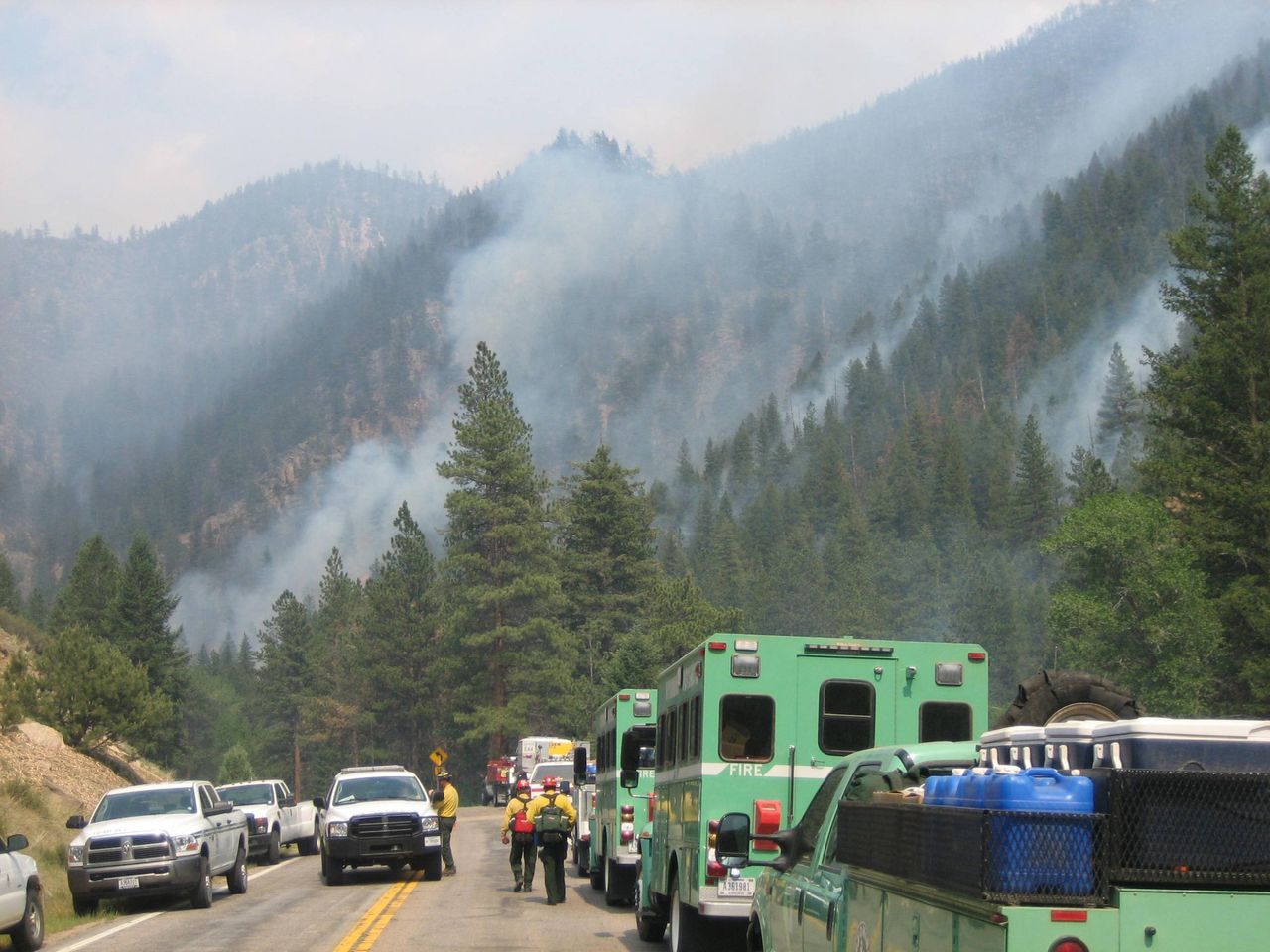
Wildfire is the administration’s most potent argument because it resonates with anyone who has watched smoke roll across the West in recent summers. USDA has argued that the rule blocks needed access and slows active management aimed at reducing fuel loads, treating insect and disease outbreaks, and improving forest resilience.
That sounds straightforward, but the real picture is more complicated. The Roadless Rule does limit new permanent roads, yet it does not bar all management, and it includes exceptions tied to emergencies. Congressional Research Service materials and the original rule language both note that roads may be authorized when needed to protect health and safety in cases of imminent danger, including wildfire.
Critics of repeal say that point gets buried in the messaging. They argue the rule has become a political scapegoat for deeper problems, including decades of fire suppression, development in fire-prone areas, drought, and a massive maintenance backlog on existing forest roads. In their view, eliminating protections for roadless country will not solve those structural issues.
There is also an uncomfortable tradeoff here. Roads can help access certain treatment areas, but roads themselves fragment habitat, increase sediment in streams, invite more human-caused ignitions, and bring long-term maintenance costs. Once a road network expands, the character of a backcountry landscape changes in ways that are very hard to reverse.
Why roadless country matters beyond scenery
These lands are often defended with postcard language, but their real value goes well beyond pretty views. Forest Service sources say roadless areas deliver major ecological benefits, especially for watersheds, fish habitat, and biodiversity. The agency’s own materials have long pointed to their role in protecting streams, reducing sedimentation, and preserving aquatic systems that are more vulnerable once roads are punched in.
Water may be the most underrated part of the story. Roadless areas sit inside hundreds of major watersheds, and Forest Service research continues to underline how important forested lands are to drinking water supplies. When roads and heavy ground disturbance expand, runoff patterns change, erosion can worsen, and downstream communities can end up paying the price.
Then there is habitat. Large unroaded blocks give wildlife something increasingly rare in the Lower 48: room to move without constant disturbance. From elk security cover to native trout waters to migration corridors for wide-ranging species, roadless landscapes function as buffers against the piecemeal fragmentation that comes with roads, logging spurs, and repeated motorized access.
They matter for recreation too, especially the kind that does not show up neatly in development spreadsheets. A lot of the country’s best do-it-yourself hunting, backpacking, and solitude-based recreation depends on the fact that some places remain hard to reach. Once roads enter, the experience changes for everyone, not just conservationists.
The Alaska and Western states angle
Any serious discussion of the rule eventually runs into Alaska, especially the Tongass National Forest. The Tongass has been ground zero in roadless politics for years, with back-and-forth decisions under multiple administrations. AP reported that the Tongass exemption under the Trump era became a major focus of litigation before restrictions were reinstated in 2023, after the Biden administration reversed course.
That history matters because it showed how vulnerable the rule can be to political whiplash. One administration treats roadless protection as essential conservation policy. The next treats it as a barrier to economic opportunity. The Tongass, with its old-growth stands, salmon habitat, and logging legacy, became the most visible symbol of that clash.
The West more broadly has its own patchwork. Idaho and Colorado already operate under state-specific roadless rules that supersede the 2001 rule’s boundaries in those states. That has allowed opponents of the national rule to argue that forest-by-forest or state-by-state management is more realistic than a single nationwide standard.
But local flexibility cuts both ways. It can tailor decisions to local conditions, or it can make protections easier to weaken piece by piece. That is exactly why conservation groups worry that once the national baseline disappears, pressure will intensify on forests where timber, mining, energy, or access interests have the most political leverage.
What repeal could change on the ground?
If the rule is ultimately scrapped, the immediate result would not be that bulldozers roll into every roadless valley the next morning. The likely shift would be more incremental and, in some ways, more consequential. Decisions about road building, timber projects, and access would move back into individual forest plans and site-specific proposals, where fights are less visible to the general public.
That could open the door to new roads in places that have been protected by a clear national presumption against them. Even a relatively small number of new roads can have outsized effects because roads are multipliers. They make future logging easier, expand motorized access, increase edge habitat, and create ongoing maintenance obligations for an agency that already struggles to care for the roads it has.
For people who use public land, the stakes are practical. Hunters may gain access in some places, but they can also lose the very backcountry conditions that make roadless terrain valuable. Anglers can see stream systems become more vulnerable to sediment and disturbance. Campers and hikers can watch solitude shrink one spur road at a time.
The real change, then, is not just about timber volume. It is about whether the country still wants a national policy that says some national forest land should remain largely unroaded by default, unless there is a compelling reason to do otherwise.
Why this fight is bigger than one rule
The Roadless Rule has survived for nearly a quarter century because it speaks to a basic tension in American public-land policy. Are national forests primarily reservoirs of resources to be used more aggressively, or are they shared landscapes where restraint is sometimes the smartest form of management? That argument has never gone away. It has just changed language over time.
Today the language is wildfire, resilience, local control, and active management. Those are serious issues, and no one should pretend every roadless acre faces identical conditions. But the broad national protection existed for a reason: once roads move in, the ecological and recreational character of these places can unravel faster than the bureaucracy can put the brakes on.
This is also why the issue draws interest far beyond environmental groups. Sportsmen, rural residents, water users, tribes, outfitters, and gateway communities all have a stake in what happens next. For some, repeal represents overdue flexibility. For others, it looks like a short-term policy answer with very long-term consequences.
In the end, the chopping block is not just hanging over a rule written in 2001. It is hanging over the idea that some of America’s public forest should stay tough to reach, lightly developed, and unmistakably wild.