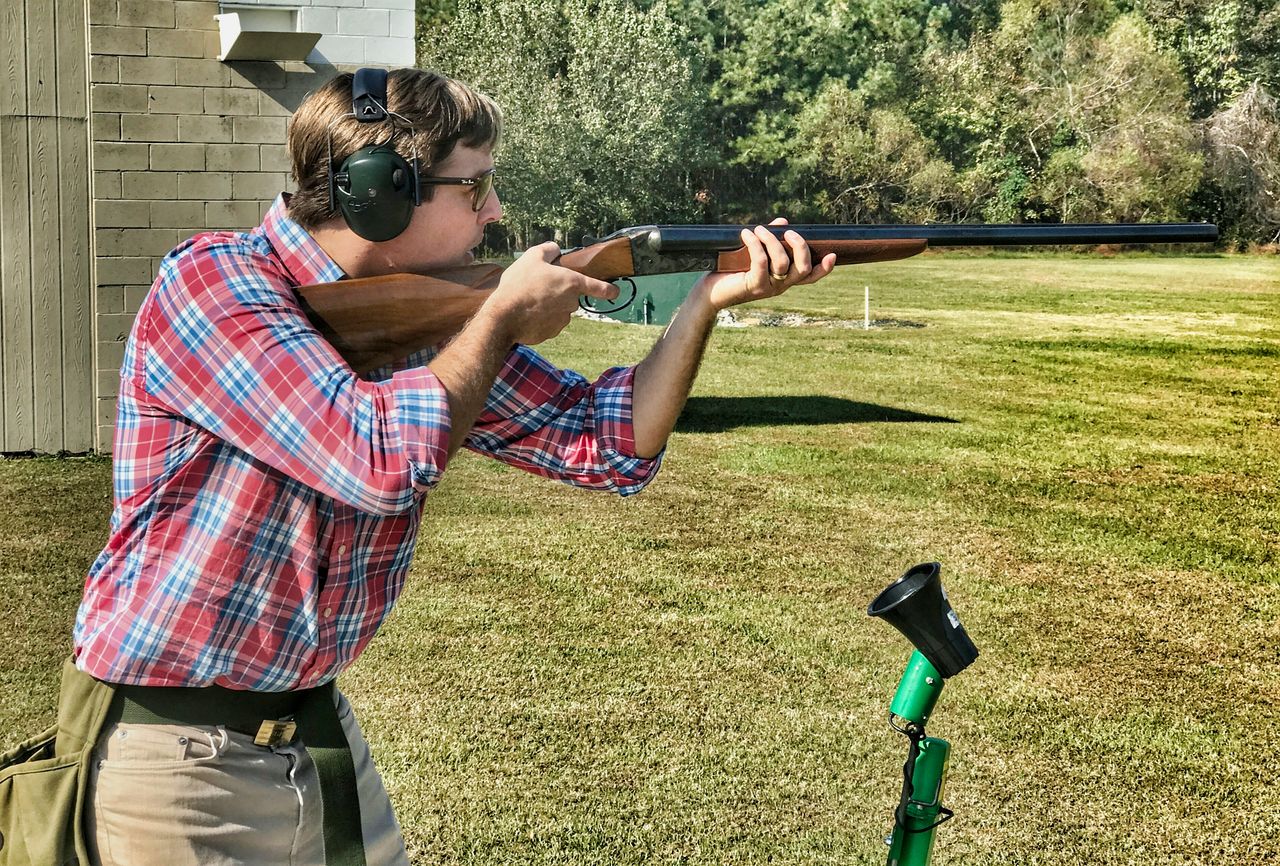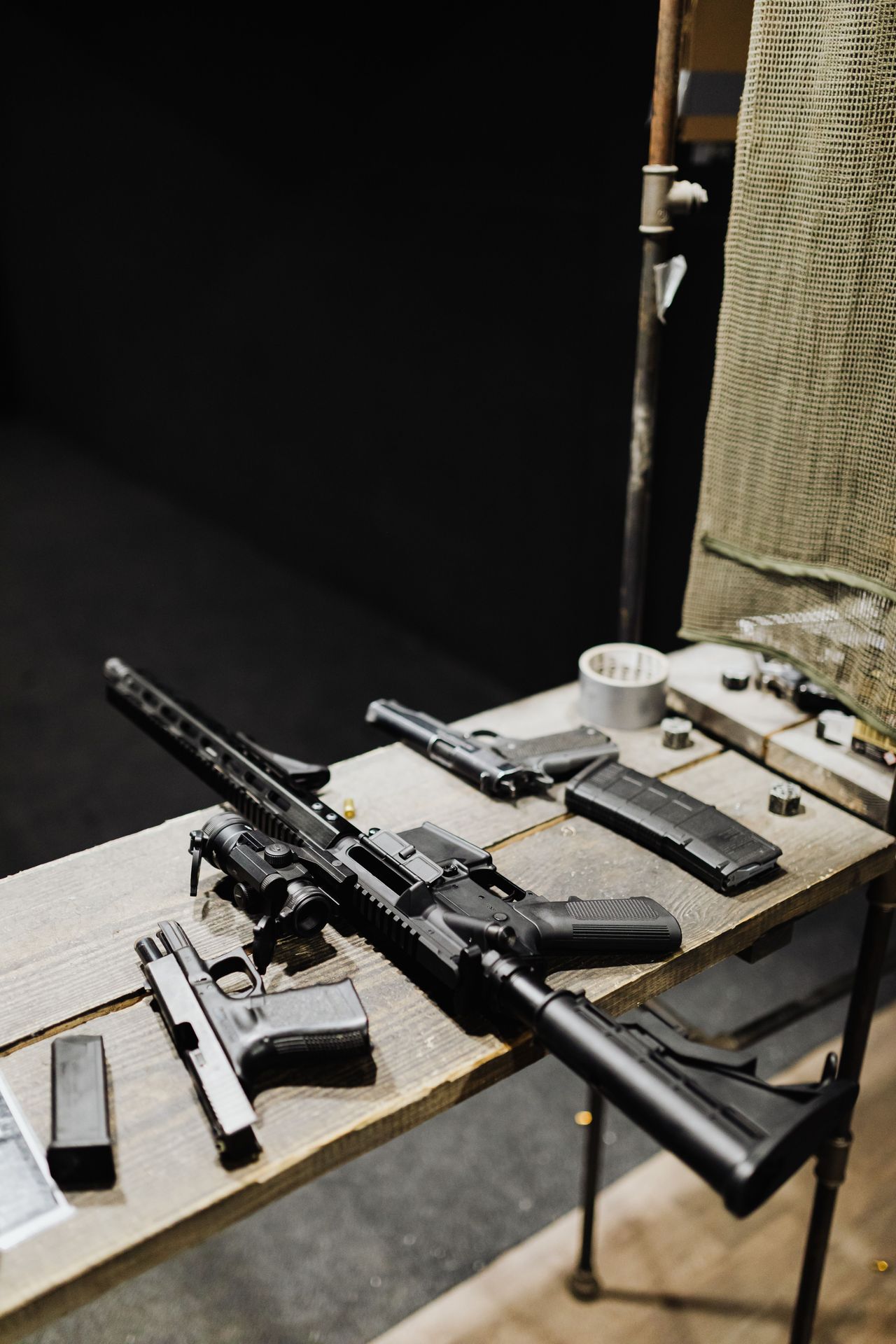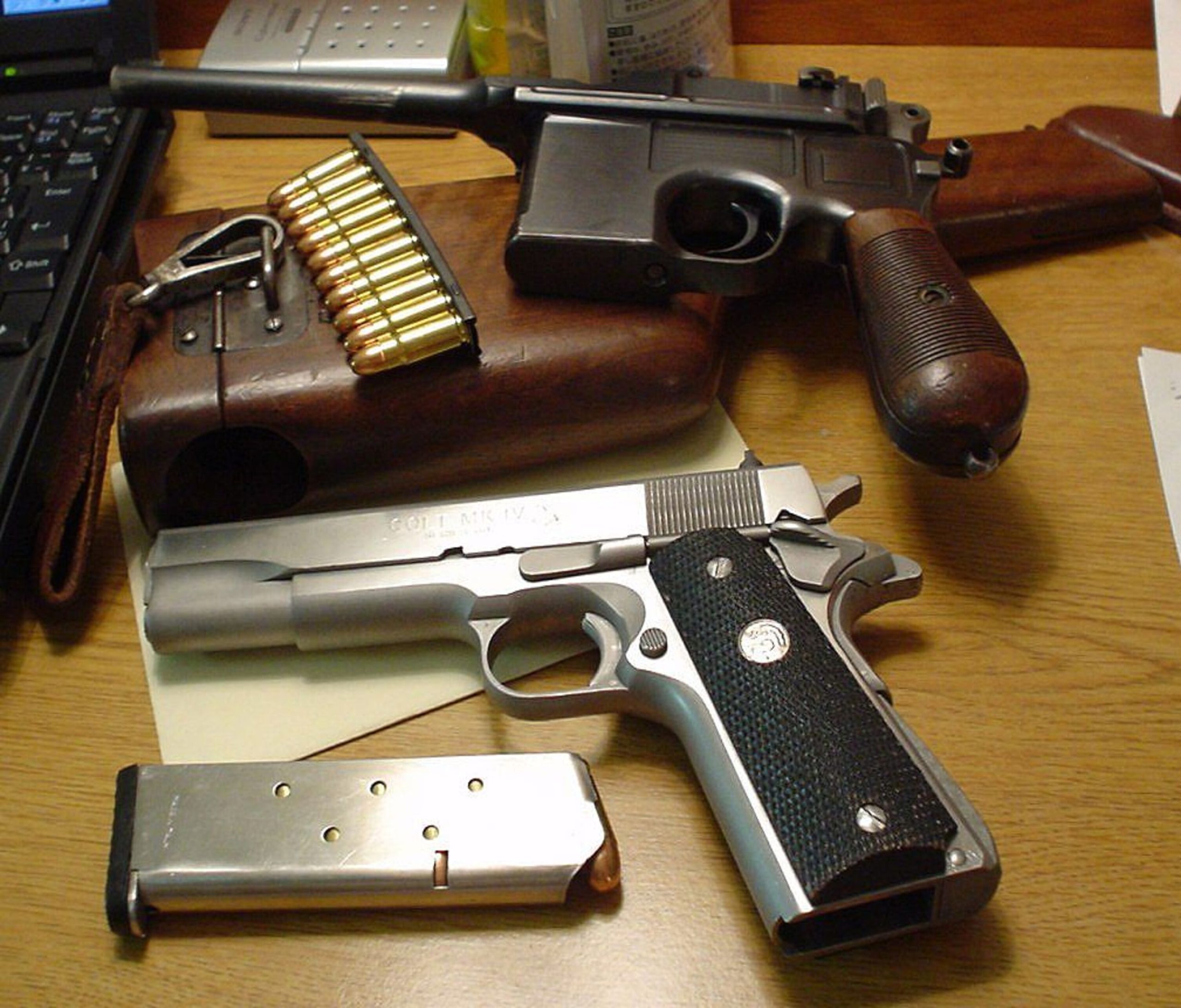
Wildcatting has always been part engineering project, part shooting experiment, and part personal obsession. Long before computer modeling and modern ammunition laboratories, individual gunsmiths and hobbyists were reshaping cartridge cases in small workshops to solve specific problems. Some experiments disappeared quickly, while others became respected chamberings or eventually entered commercial production. The cartridges below show how surprisingly influential these home-shop experiments could become. Historical records also show that several designs had competing versions, so exact dimensions and performance figures sometimes varied between gunsmiths.
1. .22 K-Hornet
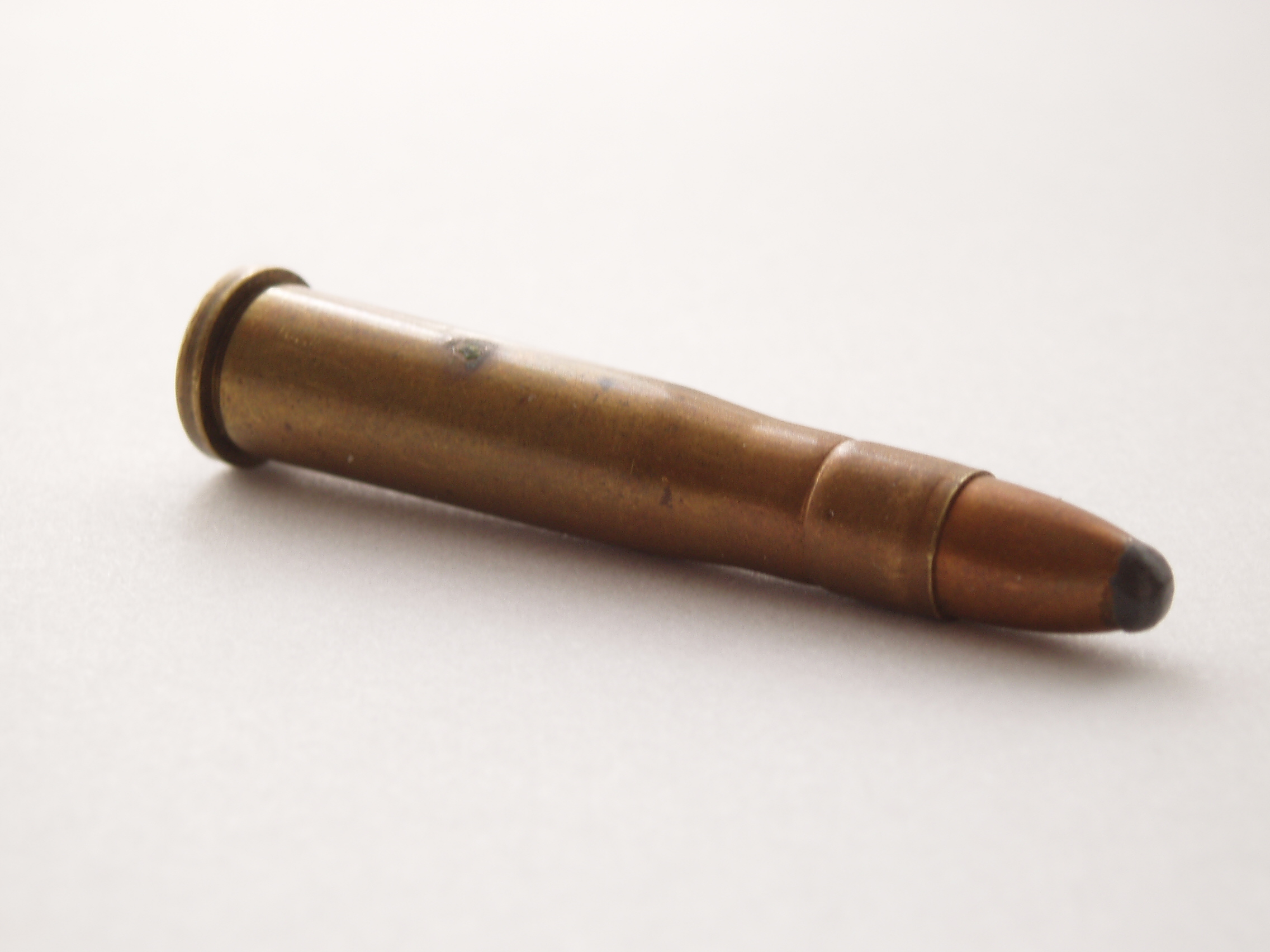
Among the classic garage-born wildcats, the .22 K-Hornet stands out because its idea was simple but useful. Lysle Kilbourn developed it around 1940 by reshaping the .22 Hornet case, reducing taper and creating a sharper shoulder. The fire-formed case held more powder and could push the same bullet weights faster than the original Hornet. Published historical accounts commonly put the gain around 200 fps, depending on barrel and ammunition. The case also gained a reputation for better efficiency and longer life. It became one of the best-known improved Hornet variants, showing how a small dimensional change could create a distinctly different cartridge.
2. .22-250
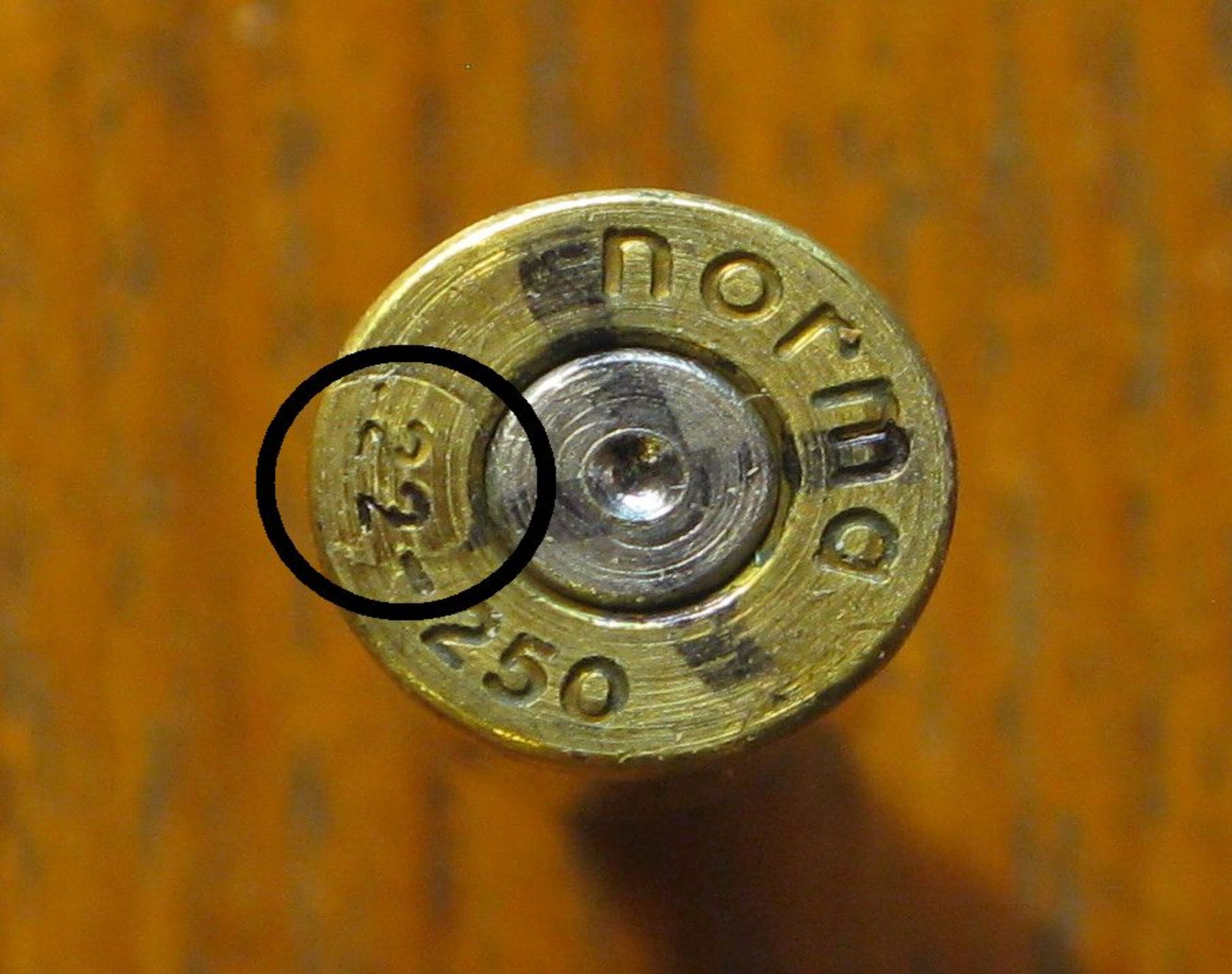
The .22-250 began as a gunsmith’s experiment rather than a factory product. Jerry Gebby and other experimenters worked from the .250 Savage case, necking it down for .22-caliber bullets during the 1930s. Early versions carried names such as .22 Varminter, while other builders used slightly different dimensions. Reports from the period describe 40-grain bullets reaching about 4,000 fps in some experimental setups, although results varied with barrel length and loading practices. The wildcat remained outside mainstream production for decades before Browning offered rifles in 1963 and Remington standardized the cartridge in 1965. Its long life proves the concept had real practical value.
3. .25-06
The .25-06 is another famous wildcat that started with a straightforward workshop idea: neck the .30-06 case down to accept a .257-inch bullet. Gunsmith Adolph Niedner was closely associated with the design during the 1920s, calling his version the .25 High Power Special. Historical accounts cite an 87-grain bullet at roughly 3,200 fps in one of Niedner’s favored loads. Hunters later recognized that the cartridge could combine a relatively flat trajectory with useful bullet weight for deer-sized game. Remington eventually adopted the concept as the .25-06 Remington in 1969. It is a clear example of a custom experiment becoming a factory standard.
4. .219 Zipper Improved
P.O. Ackley’s .219 Zipper Improved shows how wildcatters could chase more capacity without abandoning an existing cartridge design. Ackley’s early version appeared in 1938, based on the rimmed .219 Zipper but reshaped with a less tapered body and sharper shoulder. The change produced a compact case while retaining the rimmed format. Later descriptions associate the design with roughly a 28-degree shoulder rather than the 40-degree angle often linked with Ackley’s name. Its historical importance is greater than its modern popularity: it demonstrates how gunsmiths used chamber geometry, rather than an entirely new case, to extract additional performance from an established cartridge.
5. .22-3000 Lovell
The .22-3000 Lovell emerged during the 1930s varmint-shooting boom, when experimenters sought faster, flatter small-bore cartridges. It used a shortened and modified case concept and became closely associated with gunsmith George Lovell and later with Harvey Donaldson’s work. A 1935 development known as the R2 Lovell sharpened the shoulder from about 5 to 15 degrees, increasing case capacity without making the cartridge dramatically larger. Historical sources report around 3,200 fps with a 45-grain bullet in the improved version. Its story captures the experimental spirit of an era when individual gunsmiths could create influential cartridges in small workshops.
6. .219 Wasp

The .219 Wasp emerged from the same inventive period and was developed by Harvey Donaldson and Vernor Gipson around a necked-down .25-35 Winchester case. The design used a relatively straight body and a 30-degree shoulder, giving the case more usable capacity than its parent. Unlike many experiments, the Wasp became a respected varmint cartridge in precision custom rifles. Its rimmed case also suited the rifles and actions commonly used by wildcatters during the period. Its importance is that successful wildcatting was not simply about chasing maximum velocity; case shape, feeding, extraction, accuracy, and practical rifle design all mattered. That balanced approach helped certain workshop creations survive after faster experiments had faded.
7. .240 Super Varminter
Jerry Gebby also experimented with a .24-caliber wildcat called the .240 Super Varminter. The design necked the .270 Winchester case down for .243-inch bullets, creating a high-velocity varmint cartridge. Historical references list claimed figures of about 3,733 fps with an 87-grain bullet and 4,008 fps with a 75-grain bullet, figures that belong to period experimental claims rather than universal modern expectations. It shows how wildcatters explored combinations that manufacturers had not yet standardized. The cartridge also helped establish Gebby’s reputation as an inventive cartridge experimenter. Its history reveals how aggressively hobbyists explored new bullet diameters and case combinations before commercial ammunition companies entered the field.
8. .22-250 Ackley Improved
The .22-250 Ackley Improved takes a successful wildcat and pushes the same philosophy one step further. Instead of simply using the standard .22-250 case, the improved versions reduce body taper and sharpen the shoulder to increase internal capacity. Historical sources note that there was never one universally fixed Ackley Improved dimension; different versions used different shoulder angles, including 28 and 35 degrees. The term “Ackley Improved” can describe several chamber specifications. Standard .22-250 ammunition could be fire-formed in a suitable improved chamber, creating brass for the new chamber. It remains a classic example of iterative wildcat design, built from an existing case.
9. .22 Ackley Improved Hornet
P.O. Ackley also developed his own improved version of the .22 Hornet, with documentation dating to about 1941. Like the K-Hornet, it altered the case shape rather than creating a new cartridge from scratch. The body was given less taper and the shoulder was sharpened, increasing usable case capacity after fire-forming. Historical references indicate that Ackley’s version was broadly similar in ballistic purpose to the K-Hornet, even though the dimensions were not identical. It never became a mainstream factory cartridge, but survived among custom-rifle enthusiasts. Its story is a good reminder that wildcat history is filled with parallel solutions to the same technical problem.