Chronic wasting disease, or CWD, is no longer a distant wildlife story affecting a few isolated herds. It is moving through deer populations in ways that can be hard to spot until the problem is already established. For hunters, landowners, and anyone who cares about wild deer, understanding why it spreads so efficiently is the first step toward slowing it down.
Infected deer can look healthy for a long time

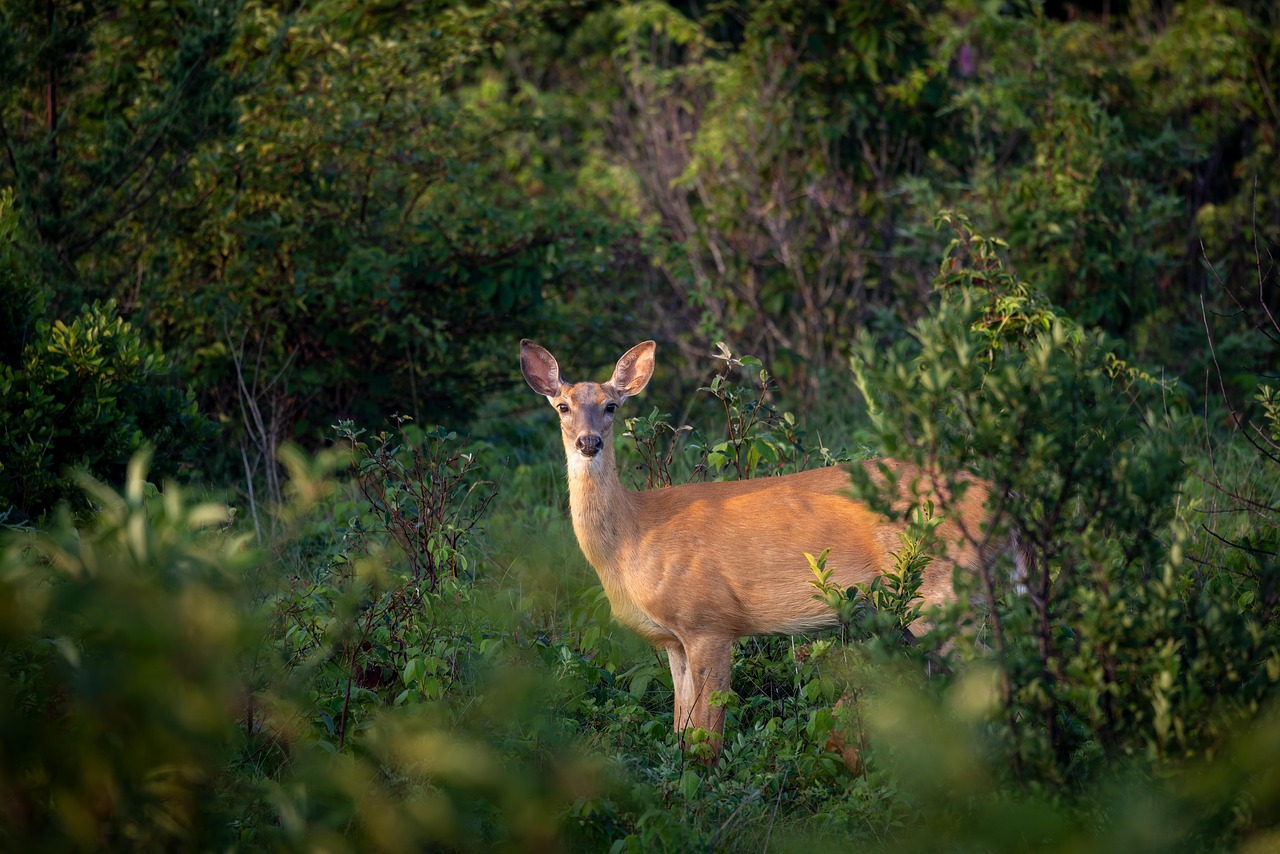
One of the biggest reasons CWD spreads so effectively is that infected deer often appear normal for months or even years. A buck can travel, feed, breed, and interact with other deer long before obvious symptoms show up. That creates a dangerous window when the disease is already moving but few people suspect it.
For hunters, this means visual checks are not enough. A deer that looks strong, alert, and well fed may still carry the disease. By the time thin bodies, drooping heads, or strange behavior become easy to notice, the infection may already be established in the local herd.
The disease agent survives in the environment

CWD is especially troubling because the infectious material does not disappear quickly after an animal dies or leaves an area. It can persist in soil, plants, and the broader environment for years, which means a contaminated spot may remain risky long after the original deer is gone.
That changes the usual playbook for disease control. Hunters may think removing sick animals solves the problem, but the landscape itself can continue to expose healthy deer. Mineral sites, feeding areas, and places where carcass parts were discarded can quietly become long term sources of spread.
Deer gather at bait piles and feeding sites

When deer are drawn into tight groups around bait, feed, or mineral licks, the odds of disease transmission go up fast. Animals that would normally spread out over a wide area end up nose to nose, eating from the same spot and leaving saliva and other bodily material behind.
That kind of concentration gives CWD more chances to move through a herd. What looks like a simple hunting setup or winter feeding habit can create repeated contact at exactly the same location. In places where baiting is common, one popular site can affect far more deer than most people realize.
Young bucks travel farther than expected

Many hunters think of deer as local animals, but young bucks especially can cover surprising distances. During dispersal, they may leave their birth area and move many miles, carrying infection from one drainage, farm belt, or woodlot to another. That mobility allows CWD to leap beyond the places where it was first detected.
The challenge is that these movements are easy to underestimate. A county line or a patchwork of private properties does not mean much to a roaming deer. One infected animal can connect herds that seem separate on a map, turning isolated cases into a regional problem.
Carcass movement spreads risk to new places
A harvested deer does not stop being a disease concern once it is loaded into a truck. Moving whole carcasses, heads, spinal tissue, or other high risk parts from one area to another can introduce infectious material far from where the animal lived. That is one reason wildlife agencies focus so heavily on transport rules.
Many hunters still assume careful handling is enough, but location matters too. If remains are dumped on the landscape or processed waste is handled poorly, contamination can follow. A successful hunt in one county can unintentionally create a new problem somewhere else.
Testing coverage is still uneven

CWD often spreads faster than awareness because testing is not universal. In some places, only a portion of harvested deer are sampled, and in other areas hunters may skip testing unless it is required. That leaves gaps in the picture and can make a disease zone seem smaller or newer than it really is.
By the time more intensive testing begins, CWD may have been present for years. Early spread can stay hidden simply because nobody looked hard enough. Hunters may hear that there are only a few positives nearby, when in reality there may be many more undetected cases.
Wildlife rules vary from state to state

Deer do not recognize state borders, but management plans often stop there. One state may ban baiting, restrict carcass movement, and fund aggressive surveillance, while a neighboring state takes a lighter approach. That patchwork can create openings for the disease to keep advancing across the broader landscape.
For hunters who travel, the differences can be confusing. Rules that are standard in one place may be optional or absent in another. When neighboring jurisdictions are out of sync, CWD can slip through those management seams faster than any single agency can contain it alone.
Captive deer operations can amplify spread

Where captive deer are raised, moved, or fenced in high densities, the chances for disease transmission can increase. Animals in close quarters shed infectious material into shared spaces, and if infected deer or contaminated equipment move between facilities, the risk can expand beyond the fence line.
Even when regulations exist, enforcement and monitoring can vary. Escapes, transfers, and indirect exposure all complicate control. For nearby wild herds, that means the disease may not be spreading only through natural deer movement. Human managed systems can add another layer of speed and uncertainty.
Predators and scavengers can move contaminated material

CWD is not spread by predators in the same way as a respiratory virus, but scavengers and carnivores can still move carcass parts around the landscape. Coyotes, birds, and other animals may drag tissue from one place to another, scattering material that contains the infectious agent.
That matters because hunters often focus only on live deer interactions. In reality, what happens after death can also influence where contamination ends up. A poorly disposed carcass may not stay put, and natural scavenging can spread risky material farther across the land than expected.
Many hunters still underestimate how established it is

Perhaps the most important reason CWD keeps gaining ground is simple human nature. If hunters have not seen an obviously sick deer or heard of many confirmed cases nearby, it is easy to assume the threat is distant. That false sense of separation can delay testing, compliance, and changes in long standing habits.
By the time a local hunting camp starts talking seriously about the disease, CWD may already be woven into the herd. Slowing it down requires earlier action than most people are used to taking. Awareness lags behind spread, and that gap gives the disease a major advantage.